


.png)




Boxer Adult Dry Dog Food

Overview
Royal Canin Boxer Adult is a breed specific dry dog food designed for purebred Boxers over 15 months. This complete diet features a tailored wave shaped kibble designed to suit the unique brachycephalic jaw of the breed for better oral health.
This formula is ideal for the Boxer as it uses targeted nutrients like carnitine and taurine to support lean muscle mass and healthy cardiac function. The precise energy content helps maintain their athletic physique and overall vitality during daily exercise.
Whilst breed specific marketing highlights minor traits to imply necessity, most dogs thrive on any high quality diet tailored simply to their size and life stage.
Nutritional Analysis
A nutritional analysis shows how a dog food is made up of its main nutrients, such as protein, fat, fibre and other components. This helps you understand where the food’s nutrition and energy come from, and how the formula is balanced.
Ingredients
Rice, Animal Fats, Dehydrated Poultry Protein, Maize, Wheat Gluten, Dehydrated Pork Protein, Hydrolysed Animal Proteins, Vegetable Fibres, Minerals, Beet Pulp, Soya Oil, Fish Oil, Copra Oil, Dried Tomato Pulp, Yeasts (Source Of Manno-Oligosaccharides), Glucosamine From Fermentation, Marigold Meal, Hydrolysed Cartilage. Nutritional Additives (Per Kg): Vitamin A: 27400 IU, Vitamin D3: 731 IU, Taurine: 2.3 G, Iron: 48 Mg, Iodine: 4.8 Mg, Copper: 15 Mg, Manganese: 63 Mg, Zinc: 142 Mg, Selenium: 0.11 Mg. Technological Additives: Clinoptilolite Of Sedimentary Origin: 10 G, Preservatives, Antioxidants.
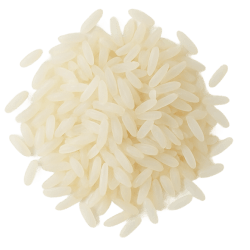
Rice
Rice
Oryza Sativa, Paddy, Oryza Sativa Grain, Oryza Spp.
Origin
Role
Functional Benefits
Summary
Rice is a cereal grain derived from the seeds of the Oryza sativa plant, making it a plant-based ingredient. It serves primarily as a highly digestible source of carbohydrates, providing energy for pets. In pet food, rice is typically used in its natural, whole or milled form, rather than as a processed extract, to optimise digestibility and nutrient availability.
Manufacturer Benefits
Rice is included as a cost-effective carbohydrate source that provides energy and helps create a desirable texture in pet food. It is also easily digestible, making it suitable for sensitive digestive systems and appealing for marketing as a familiar, label-friendly ingredient.
Animal Fat
Animal Fat
Rendered Fat, Tallow, Lard, E471
Origin
Role
Functional Benefits
Summary
Animal fat is a lipid ingredient derived from the tissue of animals, commonly sourced from poultry, beef, or lamb. It serves as a concentrated source of energy and enhances palatability in pet foods. Animal fat is used in its rendered form, not as raw tissue, to ensure safety, stability, and optimal absorption of essential fatty acids for pets’ health and wellbeing.
Manufacturer Benefits
Animal fat is included as a cost-effective energy source and to enhance palatability, making the product more appealing to pets. It also contributes to the texture and mouthfeel of the final product.
Dehydrated Poultry Protein
Dehydrated Poultry Protein
Dried Poultry Protein, Poultry Protein Concentrate, Hydrolysed Poultry Protein, Gallus Spp. Protein
Origin
Role
Functional Benefits
Summary
Dehydrated poultry protein is a concentrated animal-derived ingredient produced by removing moisture from poultry meat. It serves as a rich source of highly digestible protein, supporting muscle maintenance and overall health in pets. Rather than using whole poultry, this ingredient is utilised in a dehydrated, powdered form to optimise protein content and shelf stability in premium pet foods.
Manufacturer Benefits
Dehydrated poultry protein is included as a concentrated, cost-effective source of animal protein to support muscle maintenance and overall nutrition. Its use also allows manufacturers to optimise protein levels while controlling moisture content for improved product stability.
Maize
Maize
Corn, Zea Mays, Sweetcorn, Indian Corn
Origin
Role
Functional Benefits
Summary
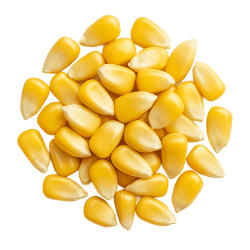
Maize is a cereal grain derived from the plant Zea mays and is commonly used in pet food as a source of carbohydrates and energy. It provides essential nutrients such as dietary fibre, vitamins, and minerals. In pet food formulations, maize is typically used in its natural, whole or ground form, allowing for optimal digestibility and nutrient availability for pets.
Manufacturer Benefits
Maize is included as a cost-effective carbohydrate source that provides energy and helps maintain product texture. It also serves as a bulk-adding agent, supporting kibble structure and processing efficiency.

Wheat Gluten
Wheat Gluten
Vital Wheat Gluten, Seitan, Gluten, Triticum Aestivum Gluten
Origin
Role
Functional Benefits
Summary
Wheat gluten is a plant-derived protein extracted from wheat grains. It serves as a concentrated protein source and functional binder in pet foods, enhancing texture and protein content. Wheat gluten is not used in its whole grain form; instead, it is isolated and processed to optimise digestibility and nutritional value for pets, ensuring both safety and effective nutrient absorption.
Manufacturer Benefits
Wheat gluten is included as a concentrated, cost-effective protein source that helps improve the texture and binding of kibble. It also enhances product consistency and can contribute to the protein content declared on the label.

Dehydrated Pork Protein
Dehydrated Pork Protein
Dried Pork Protein, Porcine Protein Concentrate, Porcine Protein Isolate, Sus Scrofa Protein
Origin
Role
Functional Benefits
Summary
Dehydrated pork protein is an animal-derived ingredient produced by removing moisture from pork to concentrate its protein content. It serves as a high-quality source of essential amino acids, supporting muscle maintenance and overall health in pets. This ingredient is not used in its raw form; instead, it is processed and dehydrated to optimise digestibility, nutrient density, and shelf stability.
Manufacturer Benefits
Dehydrated pork protein is included as a concentrated, highly digestible animal protein source to support muscle maintenance and overall nutrition. Its use allows manufacturers to optimise protein content while controlling moisture levels for improved product stability and shelf life.

Hydrolysed Animal Protein
Hydrolysed Animal Protein
Hydrolysed Animal Derivative, Hydrolysed Animal Extract, Hydrolysed Animal Peptides, Hydrolysed Animal Protein Hydrolysate
Origin
Role
Functional Benefits
Summary
Hydrolysed animal protein is a protein ingredient derived from animal sources, such as poultry or fish, that has been broken down into smaller peptides and amino acids through a process called hydrolysis. Its primary purpose is to provide highly digestible protein, supporting muscle maintenance and overall health. Rather than using whole animal tissue, this ingredient is utilised in its hydrolysed form to optimise digestibility and reduce allergenic potential.
Manufacturer Benefits
Hydrolysed animal protein is included as a highly digestible protein source that can help reduce the risk of allergic reactions in sensitive pets. It also enhances palatability, making the product more appealing to animals.

Vegetable Fibres
Vegetable Fibres
Dietary Fibre, Plant Fibre, Fibre, E460
Origin
Role
Functional Benefits
Summary
Vegetable fibres are plant-derived components sourced from various vegetables and are included in pet food formulations. Their primary purpose is to support digestive health by providing insoluble and soluble fibre, which aids in healthy bowel function and stool quality. Vegetable fibres are used in their natural form, ensuring pets receive the functional benefits of whole plant material.
Manufacturer Benefits
Vegetable fibres are included as a cost-effective source of dietary fibre to support digestive health and promote stool quality. They also serve as a bulk-adding agent, helping to optimise product texture and satiety.
Minerals
Minerals
Dietary Minerals, Inorganic Nutrients, Essential Minerals, Bulk Elements
Origin
Role
Functional Benefits
Summary
Minerals are essential inorganic nutrients derived from the earth, not produced by animals or plants. They play a critical role in supporting various physiological functions, such as bone development, nerve transmission, and enzyme activity. In pet food, minerals are not used in their natural raw or metallic state; instead, they are incorporated as specific compounds (such as sulphates or chelates) to optimise safety and bioavailability.
Manufacturer Benefits
Minerals are included to meet essential nutritional requirements for pets, supporting overall health and proper bodily functions. They are often added in precise amounts to ensure the product complies with regulatory standards and nutrient profiles.
Beet Pulp
Beet Pulp
Dried Sugar Beet Pulp, Sugar Beet Fibre, Beta Vulgaris Pulp, Sugar Beet Residue
Origin
Role
Functional Benefits
Summary
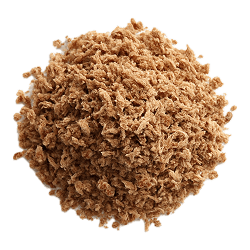
Beet pulp is a fibrous by-product derived from sugar beet plants after sugar extraction. It serves as a valuable source of moderately fermentable fibre, supporting digestive health and stool quality in pets. Beet pulp is incorporated in its dried, processed form rather than as raw beet, ensuring optimal digestibility and nutrient availability for companion animals.
Manufacturer Benefits
Beet pulp is included as a cost-effective source of dietary fibre to promote digestive health and stool quality in pets. It also serves as a bulk-adding agent, helping to optimise product texture and satiety.

Soybean Oil
Soybean Oil
Glycine Max Oil, E322, Soya Oil, Soya Bean Oil
Origin
Role
Functional Benefits
Summary
Soybean oil is a plant-derived oil extracted from the seeds of the soybean (Glycine max). It serves as a concentrated source of energy and provides essential fatty acids, particularly linoleic acid, which supports skin and coat health in pets. Soybean oil is utilised in its refined liquid form, not as whole soybeans, to optimise digestibility and nutrient availability in pet food formulations.
Manufacturer Benefits
Soybean oil is included as a cost-effective source of fat and essential fatty acids, supporting energy density and skin and coat health in pet food. It also contributes to product texture and palatability while helping to optimise manufacturing costs.
Fish Oil
Fish Oil
Fish Liver Oil, Oleum Piscis, Oleum Jecoris, Oleum Piscarium
Origin
Role
Functional Benefits
Summary
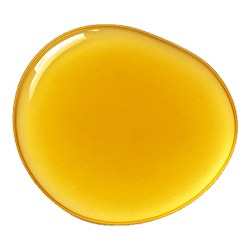
Fish oil is a nutrient-rich oil derived from the tissues of oily fish, making it an animal-based ingredient. It is primarily included in pet food for its high content of omega-3 fatty acids, which support skin, coat, and joint health. Fish oil is utilised in a purified, liquid form rather than as whole fish, ensuring optimal absorption and safety for pets.
Manufacturer Benefits
Fish oil is included as a source of omega-3 fatty acids to support skin, coat, and joint health, enhancing the nutritional profile of the product. Its presence also serves as a marketing point, appealing to consumers seeking functional health benefits for their pets.
Copra Oil
Copra Oil
Coconut Oil, Cocos Nucifera Oil, Cocos Nucifera, Coconut Fat
Origin
Role
Functional Benefits
Summary
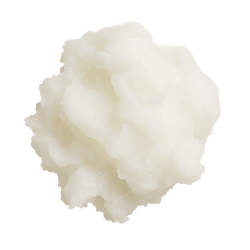
Copra oil is a plant-derived oil extracted from the dried kernel of coconuts (Cocos nucifera). It serves primarily as a source of dietary fat, providing energy and supporting skin and coat health in pets. In pet food, copra oil is used in its refined, edible form rather than as raw coconut, ensuring safety, digestibility, and optimal nutrient absorption.
Manufacturer Benefits
Copra oil is included as a cost-effective fat source to provide energy and improve the texture of pet food. It may also contribute to product stability due to its resistance to oxidation.

Dried Tomato Pulp
Dried Tomato Pulp
Tomato Fibre, Tomato Pomace, Solanum Lycopersicum Pulp, Tomato Solids
Origin
Role
Functional Benefits
Summary
Dried tomato pulp is a plant-derived ingredient produced from the residual pulp of tomatoes after juice extraction. It is primarily included in pet food as a source of dietary fibre, supporting digestive health and stool quality. Dried tomato pulp is used in its natural, dehydrated form, ensuring the retention of beneficial nutrients and fibre while enhancing palatability and texture in premium pet food formulations.
Manufacturer Benefits
Dried tomato pulp is included as a cost-effective fibre source to aid digestive health and stool quality. It also serves as a label-friendly ingredient that appeals to consumers seeking visible fruit and vegetable components in pet food.

Yeast
Yeast
Saccharomyces Cerevisiae, Baker’s Yeast, Brewer’s Yeast, E620
Origin
Role
Functional Benefits
Summary
Yeast is a single-celled fungus of microbial origin commonly derived from Saccharomyces cerevisiae. It is included in pet food primarily as a source of high-quality protein, B vitamins, and functional compounds that support digestive and immune health. Yeast is utilised in its deactivated, dried form rather than as a live organism, ensuring safety and optimal nutrient availability for pets.
Manufacturer Benefits
Yeast is included as a palatability enhancer and natural flavour source to improve the taste and aroma of pet food, encouraging consumption. It may also serve as a cost-effective source of protein and B vitamins, supporting nutritional labelling claims.
Glucosamine from Fermentation
Glucosamine from Fermentation
Fermented Glucosamine, Glucosamine (Fermentation Derived), Glucosamine (Microbial Fermentation), Glucosamine (Biofermentation)
Origin
Role
Functional Benefits
Summary
Glucosamine from fermentation is a compound derived from the controlled microbial fermentation of plant-based substrates. It is primarily included in pet food to support joint health by aiding cartilage maintenance and repair. Unlike naturally occurring glucosamine found in animal tissues, this ingredient is utilised in its purified, bioavailable form, ensuring consistent quality and optimal absorption for pets.
Manufacturer Benefits
Glucosamine from fermentation is included as a functional ingredient to support joint health claims, appealing to pet owners seeking preventative or therapeutic benefits for their pets. Its fermentation-derived origin allows for consistent quality and label-friendly marketing as a non-animal source.

Marigold Meal
Marigold Meal
Calendula Officinalis Meal, Calendula Meal, Dried Calendula Officinalis, Dried Calendula Meal
Origin
Role
Functional Benefits
Summary
Marigold meal is a plant-derived ingredient made from the dried and ground flowers of the marigold (Tagetes erecta). It is primarily included in pet food for its natural lutein content, which supports eye health and provides antioxidant benefits. Marigold meal is used in its natural, whole-food form, ensuring the retention of its beneficial carotenoids and phytonutrients.
Manufacturer Benefits
Marigold meal is included as a natural colourant to enhance the visual appeal of pet food and as a label-friendly ingredient that may appeal to consumers seeking botanicals. It may also be used for its potential antioxidant properties, supporting product marketing claims.
Hydrolysed Cartilage
Hydrolysed Cartilage
Hydrolysed Collagen, Collagen Hydrolysate, Gelatine Hydrolysate, Collagen Peptides
Origin
Role
Functional Benefits
Summary
Hydrolysed cartilage is an animal-derived ingredient sourced primarily from poultry or bovine connective tissue. It is included in pet food for its high collagen content, supporting joint health and mobility. Rather than being used in its raw form, cartilage undergoes hydrolysis—a process that breaks down proteins into smaller peptides—enhancing digestibility and bioavailability for optimal nutritional benefit.
Manufacturer Benefits
Hydrolysed cartilage is included as a source of collagen and amino acids, supporting joint health claims and appealing to consumers seeking functional benefits for their pets. Its processed form also enhances digestibility and can be used to differentiate products in a competitive market.
Vitamin A
Vitamin A
Retinol, Retinyl Palmitate, Retinyl Acetate, E160a
Origin
Role
Functional Benefits
Summary
Vitamin A is an essential fat-soluble nutrient derived from animal sources (as retinyl esters) or plant sources (as carotenoids). It supports vision, immune function, and skin health in pets. In pet food, Vitamin A is not used in its raw or natural state but is provided as stabilised compounds (such as retinyl acetate or retinyl palmitate) to ensure safety, stability, and optimal absorption.
Manufacturer Benefits
Vitamin A is included as an essential nutrient to support vision, immune function, and overall health in pets, ensuring the product meets established nutritional standards. Its addition also allows manufacturers to optimise the nutritional profile and comply with regulatory labelling requirements.
Vitamin D3
Vitamin D3
Cholecalciferol, Colecalciferol, Calciol, E671
Origin
Role
Functional Benefits
Summary
Vitamin D3, also known as cholecalciferol, is a fat-soluble vitamin of animal origin commonly derived from lanolin or fish oil. It plays a crucial role in regulating calcium and phosphorus metabolism, supporting healthy bone development in pets. Vitamin D3 is not used in its natural form but is instead utilised as a stabilised compound to ensure safety, efficacy, and optimal absorption in pet food formulations.
Manufacturer Benefits
Vitamin D3 is included to ensure the finished product meets established nutritional requirements for canine health, supporting bone development and calcium regulation. Its addition allows manufacturers to guarantee consistent vitamin content regardless of natural variation in raw materials.
Taurine
Taurine
2-Aminoethanesulphonic Acid, L-Taurine, E107, 2-Aminoethane-1-Sulphonic Acid
Origin
Role
Functional Benefits
Summary
Taurine is a naturally occurring amino sulfonic acid derived from animal sources, particularly meat and fish. It is added to pet food to support cardiovascular health, vision, and proper immune function, especially in cats who cannot synthesise it sufficiently. Taurine is not used in its raw form; instead, it is incorporated as a purified, synthesised compound to ensure stability, safety, and optimal absorption.
Manufacturer Benefits
Taurine is included to ensure adequate levels of this essential amino acid, particularly in diets where animal protein content may be insufficient to meet canine or feline nutritional requirements. Its addition supports cardiovascular health and is often used to address consumer concerns about diet-associated heart issues.

Iron
Iron
Ferrum, Fe, E1, Elemental Iron
Origin
Role
Functional Benefits
Summary
Iron is an essential mineral sourced from both animal and plant origins, crucial for oxygen transport and energy metabolism in pets. Its primary benefit is supporting healthy red blood cell formation and preventing anaemia. Iron is not used in its natural, raw, or metallic state; instead, it is utilised in pet food as safe, bioavailable compounds such as iron sulphate or iron proteinate to optimise absorption.
Manufacturer Benefits
Iron is included as an essential mineral to support healthy blood function and overall metabolism in pets. Its addition ensures the product meets nutritional requirements and regulatory standards for complete and balanced pet food.
Iodine
Iodine
Elemental I, E127, Iodum, CAS 7553-56-2
Origin
Role
Functional Benefits
Summary
Iodine is an essential trace mineral sourced primarily from seaweed or mineral deposits. It plays a critical role in supporting healthy thyroid function and hormone production in pets. Iodine is not used in its natural elemental form due to safety and bioavailability concerns; instead, it is typically incorporated as a compound such as potassium iodide or calcium iodate to optimise absorption and efficacy.
Manufacturer Benefits
Iodine is included as an essential trace mineral to support thyroid function and overall metabolic health in pets. Its addition ensures nutritional adequacy and compliance with regulatory labelling standards for complete and balanced pet foods.

Copper
Copper
Cu, ECP, CI 77400, C.I. 77400
Origin
Role
Functional Benefits
Summary
Copper is an essential trace mineral sourced from the earth and is vital for numerous physiological functions in pets. It primarily supports red blood cell formation, connective tissue development, and immune system health. Copper is not used in its natural metallic state; instead, it is incorporated into pet food as safe, bioavailable compounds such as copper sulphate or copper proteinate to optimise absorption and efficacy.
Manufacturer Benefits
Copper is included as an essential trace mineral to meet nutritional requirements for dogs, supporting enzyme function and red blood cell formation. Its addition ensures compliance with regulatory standards for complete and balanced pet food labelling.
Manganese
Manganese
E34, Manganum, Mn, EINECS 231-105-1
Origin
Role
Functional Benefits
Summary
Manganese is an essential trace mineral sourced from the earth and is vital for numerous metabolic processes in pets. It primarily supports bone development, enzyme function, and antioxidant defence. Manganese is not used in its natural metallic state; instead, it is incorporated into pet food as a safe, bioavailable compound such as manganese sulphate or manganese oxide to optimise absorption and efficacy.
Manufacturer Benefits
Manganese is included as an essential trace mineral to support metabolic and skeletal health in pets, fulfilling nutritional requirements for complete and balanced pet food. Its addition ensures compliance with regulatory standards and appeals to consumers seeking scientifically formulated diets.
Zinc
Zinc
Zn, E579, Zincum, CI 77947
Origin
Role
Functional Benefits
Summary
Zinc is an essential trace mineral sourced from the earth and is vital for numerous biological functions in pets, including immune support and skin health. In pet food, zinc is not used in its natural metallic state; instead, it is utilised as a compound such as zinc sulphate or zinc chelate to optimise safety and absorption, ensuring pets receive its full nutritional benefit.
Manufacturer Benefits
Zinc is included as an essential trace mineral to support immune function, skin health, and overall metabolic processes in pets. Its addition ensures nutritional adequacy and compliance with regulatory labelling standards for complete and balanced pet foods.
Selenium
Selenium
Selen, E578, Atomic Number 34, Se
Origin
Role
Functional Benefits
Summary
Selenium is an essential trace mineral sourced from the earth, typically derived from plant or yeast-based compounds for pet food use. It plays a crucial role in supporting antioxidant defences and thyroid function. Selenium is not used in its natural, raw metallic state; instead, it is utilised as a safe, bioavailable compound such as sodium selenite or selenomethionine to optimise absorption and efficacy.
Manufacturer Benefits
Selenium is included as an essential trace mineral to meet nutritional requirements and support overall health in pets. Its addition ensures compliance with regulatory standards for complete and balanced pet food formulations.

Clinoptilolite of Sedimentary Origin
Clinoptilolite of Sedimentary Origin
Natural Zeolite, Zeolite Clinoptilolite, Sedimentary Zeolite, E567
Origin
Role
Functional Benefits
Summary
Clinoptilolite of sedimentary origin is a naturally occurring mineral from the zeolite group, sourced from ancient volcanic ash deposits. It is primarily included in pet food for its ability to bind toxins and support digestive health. Rather than being used in its raw mineral state, clinoptilolite is processed and purified to ensure safety and optimise its functional benefits in animal nutrition.
Manufacturer Benefits
Clinoptilolite of sedimentary origin is included as a functional additive to act as an anti-caking agent and to support digestive health by binding toxins and optimising stool quality. Its use can also enhance product stability and improve the overall handling of the finished pet food.
Preservatives
Preservatives
Antimicrobials, E Numbers, Food Additives, Chemical Preservatives
Origin
Role
Functional Benefits
Summary
Preservatives are compounds added to pet food to inhibit the growth of spoilage microorganisms and extend shelf life. Originating from both synthetic and natural sources, their primary function is to maintain product safety and freshness. Preservatives are not used in their raw or elemental state; instead, they are incorporated as specific compounds, such as mixed tocopherols or potassium sorbate, to optimise efficacy and safety for pets.
Manufacturer Benefits
Preservatives are included to extend the product’s shelf life by inhibiting the growth of spoilage organisms and maintaining freshness during storage and distribution. Their use helps ensure product safety and stability, reducing waste and optimising inventory management.
Antioxidants
Antioxidants
Antioxidant Agents, Free Radical Scavengers, E306, E321
Origin
Role
Functional Benefits
Summary
Antioxidants are compounds sourced from both plant and synthetic origins, commonly added to pet food to protect fats and oils from oxidation, thereby preserving freshness and nutritional quality. Their primary function is to neutralise free radicals, supporting cellular health. Antioxidants are not used in their raw or isolated chemical state; instead, specific forms such as mixed tocopherols or ascorbate compounds are utilised for safety and efficacy.
Manufacturer Benefits
Antioxidants are included to prevent the oxidation of fats and oils, thereby extending the product’s shelf life and maintaining nutritional quality. They also help preserve colour and flavour, supporting product stability and consumer appeal.
Ingredients Splitting
Score Card
Every product is assessed using the Dog Directory Integrity Framework, giving dog owners a clear and trustworthy way to compare products. This ensures each review reflects overall quality and formulation integrity, not just marketing claims.
- /40
- /30
- /15
- /10
- /5
- Overall ScoreScore Info
As a pet owner, you naturally want the best for your dog. From regular vet visits to nutritious meals, ensuring your furry friend is healthy and happy is always top of mind. But beyond food and exercise, supplements are becoming an increasingly popular way to support your dog’s overall well-being. In this comprehensive guide, we’ll dive into the world of dog supplements, explaining what they are, why they matter, and how to choose the right ones for your pup.
0/100
/100




ABOUT
Brand

Parent Company

Manufactured

Policy Coverage
Category
Life Stage
Breed Size
Feeding Type
Processing Level
PRODUCT TAGS
Frequently Asked Questions
What Are Dog Supplements?
Dog supplements are products specifically formulated to complement your pet’s diet. They provide essential vitamins, minerals, and other nutrients that may be missing from their food or needed in greater amounts due to specific health concerns. While most commercial dog foods are designed to be nutritionally complete, supplements can address particular health issues, support aging joints, boost immunity, and much more.
Supplements for dogs come in various forms, including pills, powders, chewables, and liquids, making it easier to incorporate them into your dog’s daily routine.
Why Do Dogs Need Supplements?
Dog supplements are products specifically formulated to complement your pet’s diet. They provide essential vitamins, minerals, and other nutrients that may be missing from their food or needed in greater amounts due to specific health concerns. While most commercial dog foods are designed to be nutritionally complete, supplements can address particular health issues, support aging joints, boost immunity, and much more.
Supplements for dogs come in various forms, including pills, powders, chewables, and liquids, making it easier to incorporate them into your dog’s daily routine.
Price Comparision



About the Brand
Royal Canin
Royal Canin provides precise health nutrition for dogs through scientifically formulated diets tailored to breed, size, and age.
Explore their full range of breed specific and therapeutic formulas to find the exact nutritional match for your dog.


Comments
0 comments
Login or Register to Join the Conversation