


.png)




Chicken and Rice Senior All Breed Dry Food

Overview
Blackhawk Chicken and Rice Senior/Mature All Breed Dry Food is a dry kibble formulated for mature dogs (7 years and older) of all breeds.
This recipe uses chicken as the primary protein source and includes rice and wholesome grains to provide balanced daily nutrition, including energy from carbohydrates and support for digestion. Blackhawk Chicken and Rice Senior All Breed Dry Food is designed to meet the needs of ageing dogs. The formula includes ingredients aimed at supporting healthy joints, lean muscle mass, and digestive balance.
It belongs to the Blackhawk Original Dry Dog Food range, offering a classic, nutritionally balanced kibble option for everyday feeding.
Nutritional Analysis
A nutritional analysis shows how a dog food is made up of its main nutrients, such as protein, fat, fibre and other components. This helps you understand where the food’s nutrition and energy come from, and how the formula is balanced.
Ingredients
Chicken Meal, Rice, Oats, Field Peas, Poultry Fat, Fish Meal, Natural Chicken Flavour, Faba Beans, Chickpeas, Hydrolysed Chicken, Fish Oil, Plant Cellulose, Essential Vitamins (Choline, Vitamin E, Vitamin C, Niacin, Pantothenic Acid, Riboflavin, Thiamine, Vitamin B6, Vitamin A, Folic Acid, Vitamin B12, Vitamin D), Minerals (Potassium, Chloride, Zinc, Iron, Copper, Manganese, Iodine, Selenium), Amino Acids (DL-Methionine, L-Carnitine), Sweet Potato, Pumpkin, Dried Chicory Root, Dried Yeast Extracts, Kelp, Probiotics (Bacillus Subtilis, Bacillus Licheniformis), Tomato, D-Glucosamine, Natural Antioxidants, L-Carnitine, Green-Lipped Mussel, Emu Oil, Yucca Schidigera Extract, Cranberries, Blueberries, Rosemary, Carrot, Pumpkin Seeds, Peppermint, Dandelion.

Chicken Meal
Chicken Meal
Rendered Chicken, Chicken Protein Meal, Dehydrated Gallus Gallus Domesticus, Rendered Gallus Gallus Domesticus
Origin
Role
Functional Benefits
Summary
Chicken meal is a concentrated protein ingredient derived from rendered, clean chicken flesh and skin, excluding feathers, heads, feet, and entrails. Sourced from animal origin, it serves as a highly digestible protein source, supporting muscle maintenance and overall health in pets. Chicken meal is not used in its natural whole form but is processed and dried to optimise nutrient density and shelf stability.
Manufacturer Benefits
Chicken meal is included as a concentrated protein source that provides essential amino acids for pet health while allowing manufacturers to optimise protein content cost-effectively. Its low moisture content also contributes to improved product stability and shelf life.
Rice
Rice
Oryza Sativa, Paddy, Oryza Sativa Grain, Oryza Spp.
Origin
Role
Functional Benefits
Summary
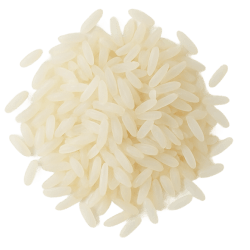
Rice is a cereal grain derived from the seeds of the Oryza sativa plant, making it a plant-based ingredient. It serves primarily as a highly digestible source of carbohydrates, providing energy for pets. In pet food, rice is typically used in its natural, whole or milled form, rather than as a processed extract, to optimise digestibility and nutrient availability.
Manufacturer Benefits
Rice is included as a cost-effective carbohydrate source that provides energy and helps create a desirable texture in pet food. It is also easily digestible, making it suitable for sensitive digestive systems and appealing for marketing as a familiar, label-friendly ingredient.
Oats
Oats
Avena Sativa, Groats, Avena Sativa Grain, Avena Sativa Seed
Origin
Role
Functional Benefits
Summary
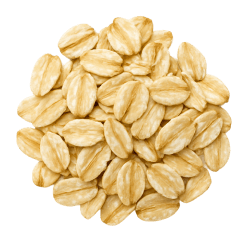
Oats are a cereal grain derived from the plant Avena sativa and are commonly included in pet foods as a source of complex carbohydrates and dietary fibre. Their primary nutritional benefit is to provide sustained energy and support digestive health. Oats are used in their natural, whole form, ensuring the retention of their inherent nutrients and functional properties for optimal pet nutrition.
Manufacturer Benefits
Oats are included as a cost-effective carbohydrate source that provides dietary fibre and energy. They also serve as a label-friendly ingredient, appealing to consumers seeking whole grains in pet food formulations.
Field Peas
Field Peas
Southern Peas, Cowpeas, Vigna Unguiculata, Black-Eyed Peas
Origin
Role
Functional Benefits
Summary
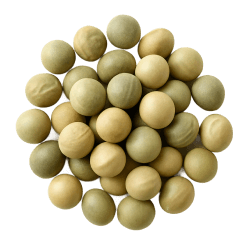
Field peas are a plant-derived legume commonly included in pet food formulations. Sourced from Pisum sativum, they provide a valuable source of plant protein, dietary fibre, and essential micronutrients. Their primary nutritional benefit is to support muscle maintenance and digestive health. Field peas are used in their natural, whole form, ensuring optimal nutrient retention and digestibility for pets.
Manufacturer Benefits
Field peas are included as a cost-effective source of protein and carbohydrates, helping to optimise the nutritional profile while managing production costs. They also serve as a label-friendly, grain-free alternative that appeals to consumer preferences.
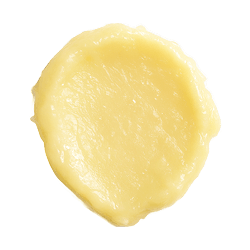
Poultry Fat
Poultry Fat
Chicken Fat, Gallus Gallus Domesticus Fat, Rendered Chicken Fat, Rendered Gallus Gallus Domesticus Fat
Origin
Role
Functional Benefits
Summary
Poultry fat is an animal-derived ingredient obtained from the rendered fat of poultry, such as chicken or turkey. It serves primarily as a concentrated energy source and enhances palatability in pet foods. Poultry fat is utilised in a purified, rendered form rather than as raw animal tissue, ensuring safety, stability, and optimal absorption of essential fatty acids for pets.
Manufacturer Benefits
Poultry fat is included as a cost-effective and highly digestible source of animal-derived energy and essential fatty acids. It also enhances palatability, making the product more appealing to pets.
Fish Meal
Fish Meal
Fish Powder, Fish Scrap Meal, Fish Protein Concentrate, Fish Solubles Meal
Origin
Role
Functional Benefits
Summary
Fish meal is a high-protein ingredient derived from whole fish or fish trimmings, making it an animal-based product. It is primarily included in pet food to provide essential amino acids, omega-3 fatty acids, and vital minerals that support muscle development and skin health. Fish meal is not used in its natural whole form but is processed and dried to optimise digestibility and nutrient availability.
Manufacturer Benefits
Fish meal is included as a concentrated protein source to support nutritional requirements in pet food formulations. It also provides essential fatty acids and can enhance palatability, making the product more appealing to pets.

Natural Chicken Flavour
Natural Chicken Flavour
Chicken Flavour, Chicken Flavouring, Chicken Extract, Gallus Gallus Extract
Origin
Role
Functional Benefits
Summary
Natural Chicken Flavour is a palatable ingredient derived from animal sources, specifically chicken, and is used to enhance the taste and aroma of pet food. Its primary function is to improve palatability, encouraging consistent consumption. This ingredient is not used in its whole food form; rather, it is processed and concentrated to deliver a natural chicken taste in a safe, digestible format.
Manufacturer Benefits
Natural chicken flavour is included to enhance palatability, encouraging dogs to consume the product. It also allows manufacturers to deliver a desirable taste profile without significantly increasing production costs or altering the nutritional composition.
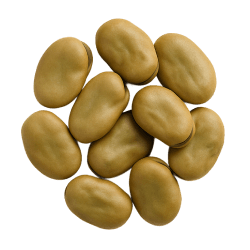
Broad Beans
Broad Beans
Fava Beans, Faba Beans, Vicia Faba, Horse Beans
Origin
Role
Functional Benefits
Summary
Broad beans are edible seeds from the plant Vicia faba, belonging to the legume family. Sourced from plants, they are included in pet food primarily for their protein, fibre, and micronutrient content, supporting digestive health and energy. Broad beans are used in their natural, whole form, ensuring pets benefit from their inherent nutrients without the need for chemical modification or processing into extracts.
Manufacturer Benefits
Broad beans are included as a cost-effective plant protein and carbohydrate source, helping to optimise nutritional content while managing production costs. They may also serve as a label-friendly ingredient to appeal to consumers seeking grain-free or novel protein pet food options.
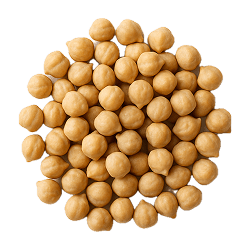
Chickpeas
Chickpeas
Garbanzo Beans, Cicer Arietinum, Bengal Gram, Egyptian Pea
Origin
Role
Functional Benefits
Summary
Chickpeas are edible legumes derived from the plant Cicer arietinum, commonly cultivated for their high nutritional value. As a plant-based ingredient, chickpeas are primarily included in pet food for their rich protein, fibre, and complex carbohydrate content, supporting digestive health and sustained energy. Chickpeas are used in their natural, whole form, ensuring optimal nutrient retention and digestibility for pets.
Manufacturer Benefits
Chickpeas are included as a cost-effective carbohydrate and protein source, providing bulk and nutritional value while supporting grain-free product labelling. Their use can also enhance the fibre content and appeal to consumers seeking plant-based or alternative ingredients.
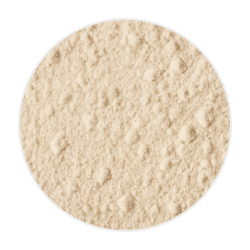
Hydrolysed Chicken
Hydrolysed Chicken
Hydrolysed Poultry, Hydrolysed Gallus Gallus, Hydrolysed Chicken Protein, Hydrolysed Chicken Meat
Origin
Role
Functional Benefits
Summary
Hydrolysed chicken is an animal-derived ingredient produced by breaking down chicken protein into smaller peptides through enzymatic hydrolysis. This process enhances digestibility and reduces the risk of allergic reactions in sensitive pets. Unlike whole chicken, hydrolysed chicken is utilised in its processed, peptide-rich form to optimise nutrient absorption and support hypoallergenic diets in premium pet foods.
Manufacturer Benefits
Hydrolysed chicken is included as a highly digestible protein source that minimises the risk of allergic reactions in sensitive pets. Its use also allows manufacturers to market the product as suitable for animals with food intolerances or allergies.
Fish Oil
Fish Oil
Fish Liver Oil, Oleum Piscis, Oleum Jecoris, Oleum Piscarium
Origin
Role
Functional Benefits
Summary
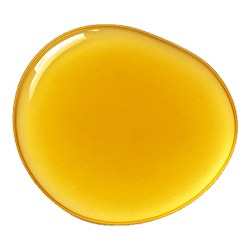
Fish oil is a nutrient-rich oil derived from the tissues of oily fish, making it an animal-based ingredient. It is primarily included in pet food for its high content of omega-3 fatty acids, which support skin, coat, and joint health. Fish oil is utilised in a purified, liquid form rather than as whole fish, ensuring optimal absorption and safety for pets.
Manufacturer Benefits
Fish oil is included as a source of omega-3 fatty acids to support skin, coat, and joint health, enhancing the nutritional profile of the product. Its presence also serves as a marketing point, appealing to consumers seeking functional health benefits for their pets.

Plant Cellulose
Plant Cellulose
Cellulose, Microcrystalline Cellulose, E460, Cellulosum
Origin
Role
Functional Benefits
Summary
Plant cellulose is a complex carbohydrate derived from plant cell walls, primarily sourced from wood pulp or fibrous plant materials. It serves as an insoluble dietary fibre, supporting digestive health and promoting optimal stool quality in pets. Plant cellulose is utilised in a processed, purified form rather than its raw plant state to ensure consistency, safety, and effective fibre delivery in pet food formulations.
Manufacturer Benefits
Plant cellulose is included as a cost-effective source of dietary fibre to promote digestive health and regulate stool quality in pet food. It also serves as a bulk-adding agent, helping to manage calorie density without significantly increasing production costs.
Choline
Choline
Trimethylethanolamine, E1001, Choline Base, 2-Hydroxy-N,N,N-Trimethylethanaminium
Origin
Role
Functional Benefits
Summary
Choline is an essential nutrient of synthetic or natural origin, commonly derived from plant or animal sources. It plays a critical role in supporting brain development, liver function, and fat metabolism in pets. Choline is not used in its raw or elemental state; instead, it is typically utilised as choline chloride or choline bitartrate to ensure safety, stability, and optimal absorption in pet food formulations.
Manufacturer Benefits
Choline is included as an essential nutrient to support normal liver function, brain development, and metabolic processes in pets. Its addition ensures nutritional adequacy and helps manufacturers meet regulatory labelling requirements for complete and balanced pet foods.

Vitamin E
Vitamin E
Tocopherol, Alpha-Tocopherol, E307, D-Alpha-Tocopherol
Origin
Role
Functional Benefits
Summary
Vitamin E is a fat-soluble vitamin derived from plant sources such as vegetable oils, nuts, and seeds. It functions primarily as an antioxidant, helping to protect cell membranes from oxidative damage and supporting immune health. In pet food, Vitamin E is not used in its natural raw form but is typically utilised as a stabilised compound, such as tocopherol acetate, to optimise safety and absorption.
Manufacturer Benefits
Vitamin E is included as a natural antioxidant to help preserve the freshness and stability of fats and oils in the product, thereby extending shelf life. It also serves as a label-friendly nutrient that appeals to consumers seeking added health benefits for their pets.
Vitamin C
Vitamin C
Ascorbic Acid, L-Ascorbic Acid, E300, L-Threo-Hex-2-Enono-1,4-Lactone
Origin
Role
Functional Benefits
Summary
Vitamin C, also known as ascorbic acid, is a water-soluble vitamin of plant origin commonly included in pet food formulations. Its primary purpose is to support immune function and act as an antioxidant, helping to protect cells from oxidative damage. Vitamin C is not used in its natural fruit form but is instead utilised as a synthesised compound to ensure stability and consistent dosage.
Manufacturer Benefits
Vitamin C is included as an antioxidant to help preserve the freshness and stability of the product by slowing oxidation. It may also be added for its perceived health benefits, supporting marketing claims related to immune support.
Niacin
Niacin
Nicotinic Acid, Vitamin B3, Pyridine-3-Carboxylic Acid, E375
Origin
Role
Functional Benefits
Summary
Niacin, also known as vitamin B3, is a water-soluble vitamin of synthetic or natural origin, commonly derived from plant or animal sources. It plays a crucial role in energy metabolism and supports healthy skin, nerves, and digestion in pets. Niacin is not used in its raw form but is typically included as a safe, bioavailable compound such as niacinamide or nicotinic acid.
Manufacturer Benefits
Niacin is included as an essential B vitamin to meet nutritional requirements and support metabolic health in pets. Its addition ensures compliance with regulatory standards for complete and balanced pet food labelling.
Calcium Pantothenate
Calcium Pantothenate
D-Calcium Pantothenate, E315, Pantothenic Acid Calcium Salt, Calcium D-Pantothenate
Origin
Role
Functional Benefits
Summary
Calcium pantothenate is a synthetic compound derived from pantothenic acid, a water-soluble B vitamin (vitamin B5) of plant or animal origin. It is primarily included in pet food to support energy metabolism and maintain healthy skin and coat. Rather than using pantothenic acid in its natural form, calcium pantothenate is utilised for its stability, safety, and enhanced bioavailability in pet nutrition.
Manufacturer Benefits
Calcium pantothenate is included as a stable, bioavailable source of vitamin B5 to meet nutritional requirements and support labelling claims of complete and balanced nutrition. Its use ensures consistent vitamin content throughout the product’s shelf life.

Riboflavin
Riboflavin
Vitamin B2, E101, Lactoflavin, 7,8-Dimethyl-10-Ribityl Isoalloxazine
Origin
Role
Functional Benefits
Summary
Riboflavin, also known as vitamin B2, is a water-soluble vitamin of synthetic origin commonly added to pet foods. It plays a crucial role in energy metabolism and supports healthy skin, eyes, and nervous system function. Riboflavin is not used in its natural form but is typically utilised as a synthesised compound to ensure stability, safety, and optimal absorption in pet diets.
Manufacturer Benefits
Riboflavin is included as an essential vitamin to meet nutritional requirements and ensure regulatory compliance for complete and balanced pet food labelling. Its addition helps optimise the product’s nutrient profile without significantly impacting cost or palatability.
Thiamine
Thiamine
Vitamin B1, Aneurin, Thiamin, E101
Origin
Role
Functional Benefits
Summary
Thiamine, also known as vitamin B1, is a water-soluble vitamin of plant origin, commonly sourced from grains and yeast. It plays a crucial role in energy metabolism and supports nervous system function in pets. Thiamine is not used in its raw or natural state but is typically utilised as thiamine mononitrate or thiamine hydrochloride to ensure stability, safety, and optimal absorption.
Manufacturer Benefits
Thiamine is included as an essential vitamin to meet nutritional requirements and prevent deficiency-related health issues in pets. Its addition ensures compliance with regulatory standards for complete and balanced pet food formulations.
Vitamin B6
Vitamin B6
Pyridoxine, Pyridoxol, Pyridoxine Hydrochloride, E101a
Origin
Role
Functional Benefits
Summary
Vitamin B6 is a water-soluble vitamin of synthetic or natural origin, commonly derived from plant or animal sources. It plays a crucial role in protein metabolism, red blood cell formation, and nervous system function. In pet food, Vitamin B6 is not used in its raw form but is typically included as a stable compound, such as pyridoxine hydrochloride, to optimise safety and bioavailability.
Manufacturer Benefits
Vitamin B6 is included as an essential nutrient to support metabolic and neurological functions in pets, ensuring the product meets established nutritional standards. Its addition helps manufacturers achieve complete and balanced labelling claims required for commercial pet foods.
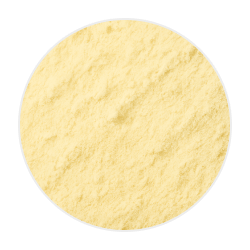
Vitamin A
Vitamin A
Retinol, Retinyl Palmitate, Retinyl Acetate, E160a
Origin
Role
Functional Benefits
Summary
Vitamin A is an essential fat-soluble nutrient derived from animal sources (as retinyl esters) or plant sources (as carotenoids). It supports vision, immune function, and skin health in pets. In pet food, Vitamin A is not used in its raw or natural state but is provided as stabilised compounds (such as retinyl acetate or retinyl palmitate) to ensure safety, stability, and optimal absorption.
Manufacturer Benefits
Vitamin A is included as an essential nutrient to support vision, immune function, and overall health in pets, ensuring the product meets established nutritional standards. Its addition also allows manufacturers to optimise the nutritional profile and comply with regulatory labelling requirements.

Folic Acid
Folic Acid
Pteroylmonoglutamic Acid, Pteroylglutamic Acid, Vitamin B9, E920
Origin
Role
Functional Benefits
Summary
Folic acid is a synthetic form of vitamin B9, originally derived from plant sources but produced for pet food as a stable, bioavailable compound. Its primary purpose is to support cell division, DNA synthesis, and overall growth in pets. Folic acid is not used in its natural state; instead, it is utilised as a manufactured supplement to optimise absorption and efficacy.
Manufacturer Benefits
Folic acid is included as a synthetic vitamin to ensure nutritional adequacy and meet regulatory requirements for B-vitamin content in pet food. Its addition helps standardise nutrient levels across batches, supporting consistent product labelling and animal health.

Vitamin B12
Vitamin B12
Cobalamin, Cyanocobalamin, Hydroxocobalamin, Methylcobalamin
Origin
Role
Functional Benefits
Summary
Vitamin B12 is a water-soluble vitamin of animal origin, essential for nerve function and red blood cell formation in pets. It is primarily included in pet food to support energy metabolism and overall vitality. Vitamin B12 is not used in its natural, raw form but is instead utilised as a specific compound, such as cyanocobalamin, to ensure stability, safety, and optimal absorption.
Manufacturer Benefits
Vitamin B12 is included as an essential nutrient to support metabolic and neurological functions in pets, ensuring the product meets established nutritional standards. Its addition helps manufacturers achieve complete and balanced labelling claims.
Vitamin D3
Vitamin D3
Cholecalciferol, Colecalciferol, Calciol, E671
Origin
Role
Functional Benefits
Summary
Vitamin D3, also known as cholecalciferol, is a fat-soluble vitamin of animal origin commonly derived from lanolin or fish oil. It plays a crucial role in regulating calcium and phosphorus metabolism, supporting healthy bone development in pets. Vitamin D3 is not used in its natural form but is instead utilised as a stabilised compound to ensure safety, efficacy, and optimal absorption in pet food formulations.
Manufacturer Benefits
Vitamin D3 is included to ensure the finished product meets established nutritional requirements for canine health, supporting bone development and calcium regulation. Its addition allows manufacturers to guarantee consistent vitamin content regardless of natural variation in raw materials.
Potassium
Potassium
Kalium, E340, K, Atomic Number 19
Origin
Role
Functional Benefits
Summary
Potassium is an essential mineral element sourced from the earth and is vital for maintaining fluid balance, nerve function, and muscle health in pets. In pet food, potassium is not used in its natural metallic state; instead, it is utilised as safe, bioavailable compounds such as potassium chloride or potassium sulphate to optimise absorption and support overall wellbeing.
Manufacturer Benefits
Potassium is included as an essential mineral to support electrolyte balance and proper muscle and nerve function in pets. Its addition ensures nutritional adequacy and compliance with established pet food nutrient profiles.

Chloride
Chloride
Chloride Ion, Cl-
Origin
Role
Functional Benefits
Summary
Chloride is an essential mineral element, naturally found in various salts and present in both plant and animal tissues. In pet food, chloride is primarily included to support fluid balance, nerve function, and acid-base regulation. It is not used in its raw or metallic state; instead, chloride is utilised as a compound, commonly sodium chloride, to ensure safety and optimal absorption.
Manufacturer Benefits
Chloride is included as an essential electrolyte to support fluid balance and normal cellular function in pets. Its addition ensures nutritional adequacy and compliance with established pet food nutrient profiles.
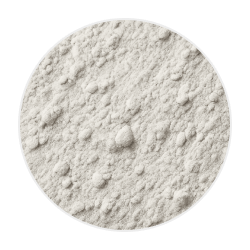
Zinc
Zinc
Zn, E579, Zincum, CI 77947
Origin
Role
Functional Benefits
Summary
Zinc is an essential trace mineral sourced from the earth and is vital for numerous biological functions in pets, including immune support and skin health. In pet food, zinc is not used in its natural metallic state; instead, it is utilised as a compound such as zinc sulphate or zinc chelate to optimise safety and absorption, ensuring pets receive its full nutritional benefit.
Manufacturer Benefits
Zinc is included as an essential trace mineral to support immune function, skin health, and overall metabolic processes in pets. Its addition ensures nutritional adequacy and compliance with regulatory labelling standards for complete and balanced pet foods.

Iron
Iron
Ferrum, Fe, E1, Elemental Iron
Origin
Role
Functional Benefits
Summary
Iron is an essential mineral sourced from both animal and plant origins, crucial for oxygen transport and energy metabolism in pets. Its primary benefit is supporting healthy red blood cell formation and preventing anaemia. Iron is not used in its natural, raw, or metallic state; instead, it is utilised in pet food as safe, bioavailable compounds such as iron sulphate or iron proteinate to optimise absorption.
Manufacturer Benefits
Iron is included as an essential mineral to support healthy blood function and overall metabolism in pets. Its addition ensures the product meets nutritional requirements and regulatory standards for complete and balanced pet food.

Copper
Copper
Cu, ECP, CI 77400, C.I. 77400
Origin
Role
Functional Benefits
Summary
Copper is an essential trace mineral sourced from the earth and is vital for numerous physiological functions in pets. It primarily supports red blood cell formation, connective tissue development, and immune system health. Copper is not used in its natural metallic state; instead, it is incorporated into pet food as safe, bioavailable compounds such as copper sulphate or copper proteinate to optimise absorption and efficacy.
Manufacturer Benefits
Copper is included as an essential trace mineral to meet nutritional requirements for dogs, supporting enzyme function and red blood cell formation. Its addition ensures compliance with regulatory standards for complete and balanced pet food labelling.
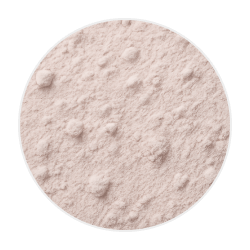
Manganese
Manganese
E34, Manganum, Mn, EINECS 231-105-1
Origin
Role
Functional Benefits
Summary
Manganese is an essential trace mineral sourced from the earth and is vital for numerous metabolic processes in pets. It primarily supports bone development, enzyme function, and antioxidant defence. Manganese is not used in its natural metallic state; instead, it is incorporated into pet food as a safe, bioavailable compound such as manganese sulphate or manganese oxide to optimise absorption and efficacy.
Manufacturer Benefits
Manganese is included as an essential trace mineral to support metabolic and skeletal health in pets, fulfilling nutritional requirements for complete and balanced pet food. Its addition ensures compliance with regulatory standards and appeals to consumers seeking scientifically formulated diets.
Iodine
Iodine
Elemental I, E127, Iodum, CAS 7553-56-2
Origin
Role
Functional Benefits
Summary
Iodine is an essential trace mineral sourced primarily from seaweed or mineral deposits. It plays a critical role in supporting healthy thyroid function and hormone production in pets. Iodine is not used in its natural elemental form due to safety and bioavailability concerns; instead, it is typically incorporated as a compound such as potassium iodide or calcium iodate to optimise absorption and efficacy.
Manufacturer Benefits
Iodine is included as an essential trace mineral to support thyroid function and overall metabolic health in pets. Its addition ensures nutritional adequacy and compliance with regulatory labelling standards for complete and balanced pet foods.
Selenium
Selenium
Selen, E578, Atomic Number 34, Se
Origin
Role
Functional Benefits
Summary
Selenium is an essential trace mineral sourced from the earth, typically derived from plant or yeast-based compounds for pet food use. It plays a crucial role in supporting antioxidant defences and thyroid function. Selenium is not used in its natural, raw metallic state; instead, it is utilised as a safe, bioavailable compound such as sodium selenite or selenomethionine to optimise absorption and efficacy.
Manufacturer Benefits
Selenium is included as an essential trace mineral to meet nutritional requirements and support overall health in pets. Its addition ensures compliance with regulatory standards for complete and balanced pet food formulations.
Methionine
Methionine
L-Methionine, 2-Amino-4-(Methylthio)butyric Acid, E620, L-2-Amino-4-(Methylthio)butyric Acid
Origin
Role
Functional Benefits
Summary
Methionine is an essential amino acid derived from animal or plant sources, crucial for protein synthesis and overall metabolic health in pets. It primarily supports healthy skin, coat, and liver function. Methionine is not used in its raw elemental form; instead, it is incorporated as a specific compound, such as DL-methionine, to optimise safety, stability, and bioavailability in pet food formulations.
Manufacturer Benefits
Methionine is included as an essential amino acid to support protein synthesis and overall health in pets, particularly when animal protein sources are limited or variable. It also serves as a cost-effective way to meet nutritional requirements and optimise the amino acid profile of the final product.
Carnitine
Carnitine
L-Carnitine, Levocarnitine, Vitamin Bt, E306
Origin
Role
Functional Benefits
Summary
Carnitine is a naturally occurring compound derived from animal sources, primarily meat and fish. It plays a crucial role in energy metabolism by transporting fatty acids into the mitochondria for cellular energy production. In pet food, carnitine is utilised in a synthesised, bioavailable form rather than its raw state, ensuring optimal absorption and safety for companion animals.
Manufacturer Benefits
Carnitine is included as a functional ingredient to support fat metabolism and energy production, particularly in formulas targeting active or senior pets. Its addition allows manufacturers to market the product as supporting heart health and weight management.

Sweet Potato
Sweet Potato
Ipomoea Batatas, Kumara, Batata, Camote
Origin
Role
Functional Benefits
Summary
Sweet potato is a root vegetable of plant origin, valued for its rich content of complex carbohydrates, dietary fibre, and essential micronutrients such as vitamin A. In pet food, sweet potato serves primarily as a digestible energy source and supports digestive health. It is incorporated in its natural, whole form, ensuring optimal nutrient retention and palatability for companion animals.
Manufacturer Benefits
Sweet potato is included as a cost-effective, highly digestible carbohydrate source that provides energy and dietary fibre. It also serves as a label-friendly ingredient appealing to consumers seeking natural, whole-food components in pet food.
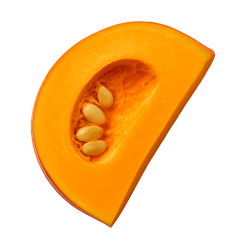
Pumpkin
Pumpkin
Cucurbita Pepo, Cucurbita Maxima, Cucurbita Moschata, Pepo
Origin
Role
Functional Benefits
Summary
Pumpkin is a plant-derived ingredient sourced from the fruit of the Cucurbita pepo species. It is primarily included in pet food for its dietary fibre content, which supports digestive health and regularity. Pumpkin is used in its natural form, either as fresh, cooked, or dehydrated flesh, providing a source of vitamins, minerals, and antioxidants beneficial to overall wellbeing.
Manufacturer Benefits
Pumpkin is included as a label-friendly ingredient that appeals to consumers seeking natural and recognisable components, while also serving as a cost-effective source of fibre and moisture to support digestive health and product texture. Its inclusion can enhance marketing appeal without significantly increasing formulation costs.
Chicory Root
Chicory Root
Cichorium Intybus, Chicory, Cichorium Intybus Root, Cichorium Intybus L.
Origin
Role
Functional Benefits
Summary
Chicory root is a plant-derived ingredient sourced from the root of the chicory plant (Cichorium intybus). It is primarily included in pet food for its high inulin content, a prebiotic fibre that supports digestive health and beneficial gut bacteria. Chicory root is used in its natural, dried, and ground form to optimise its functional benefits in pet nutrition.
Manufacturer Benefits
Chicory root is included as a source of inulin, a prebiotic fibre that supports digestive health and can improve stool quality. It also serves as a label-friendly ingredient that appeals to consumers seeking functional health benefits in pet food.

Yeast Extract
Yeast Extract
Autolysed Yeast, Yeast Autolysate, Hydrolysed Yeast, Saccharomyces Cerevisiae Extract
Origin
Role
Functional Benefits
Summary
Yeast extract is a concentrated derivative of yeast cells, typically sourced from Saccharomyces cerevisiae, a type of fungus. It is primarily included in pet food as a natural flavour enhancer and a source of B vitamins and amino acids. Rather than using whole yeast, yeast extract is utilised in its processed form to optimise nutrient availability and palatability for pets.
Manufacturer Benefits
Yeast extract is included as a palatability enhancer to improve the flavour profile of pet food, making it more appealing to animals. It may also serve as a source of nutrients such as B vitamins, supporting marketing claims of added nutritional value.

Kelp
Kelp
Laminaria Spp., Macrocystis Pyrifera, Ascophyllum Nodosum, Brown Seaweed
Origin
Role
Functional Benefits
Summary
Kelp is a type of large, edible seaweed sourced from marine environments and classified as a plant-based ingredient. It is primarily included in pet food for its rich supply of natural iodine, which supports healthy thyroid function. Kelp is used in its dried, ground natural form, allowing pets to benefit from its trace minerals, vitamins, and antioxidants in a bioavailable manner.
Manufacturer Benefits
Kelp is included as a label-friendly ingredient to appeal to health-conscious consumers and enhance product marketing, as it is associated with natural sources of vitamins and minerals. It may also serve as a trace mineral supplement to support nutritional completeness in pet food formulations.
Bacillus Subtilis
Bacillus Subtilis
Hay Bacillus, Grass Bacillus, Hay Bacillus ATCC 6051, Grass Bacillus ATCC 6051
Origin
Role
Functional Benefits
Summary
Bacillus subtilis is a beneficial bacterium of microbial origin commonly included in pet foods as a probiotic. Its primary purpose is to support digestive health by promoting a balanced gut microbiome and enhancing nutrient absorption. Bacillus subtilis is not used in its wild, environmental form; instead, it is cultivated and processed under controlled conditions to ensure safety, stability, and efficacy in pet nutrition.
Manufacturer Benefits
Bacillus subtilis is included as a probiotic to support digestive health and optimise gut flora balance in pets. Its addition can also serve as a marketing differentiator, appealing to consumers seeking functional and health-promoting ingredients.
Bacillus Licheniformis
Bacillus Licheniformis
Bacillus Licheniformis Strain, B. Licheniformis, ATCC 14580, NCIMB 8874
Origin
Role
Functional Benefits
Summary
Bacillus licheniformis is a beneficial bacterium of microbial origin commonly included in pet foods as a probiotic. Its primary purpose is to support digestive health by promoting a balanced gut microbiome and enhancing nutrient absorption. Bacillus licheniformis is not used in its wild, environmental form; instead, it is carefully cultured and processed to ensure safety, stability, and efficacy in pet nutrition.
Manufacturer Benefits
Bacillus licheniformis is included as a probiotic to support digestive health and optimise gut flora balance in pets. Its addition can also serve as a marketing differentiator by appealing to consumers seeking functional and scientifically supported ingredients.
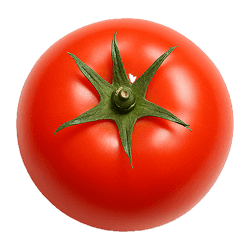
Tomato
Tomato
Solanum Lycopersicum, Lycopersicon Esculentum, E620, Love Apple
Origin
Role
Functional Benefits
Summary
Tomato is a fruit derived from the Solanum lycopersicum plant, commonly included in pet food for its natural antioxidant content, particularly lycopene and vitamin C. Its primary benefit is supporting immune health and providing dietary fibre. In pet food, tomato is used in its natural form, ensuring the retention of its nutritional properties and bioactive compounds for optimal health benefits.
Manufacturer Benefits
Tomato is included as a source of vitamins, antioxidants, and fibre, supporting the nutritional profile of the product for marketing appeal. It also serves as a label-friendly ingredient that resonates with health-conscious consumers.
Glucosamine
Glucosamine
2-Amino-2-Deoxy-D-Glucose, D-Glucosamine, Chitosamine, 2-Amino-2-Deoxyglucose
Origin
Role
Functional Benefits
Summary
Glucosamine is an amino sugar compound typically derived from shellfish or produced synthetically. It is included in pet food primarily to support joint health by aiding cartilage maintenance and repair. Glucosamine is not used in its natural raw form; instead, it is utilised as a stabilised compound, such as glucosamine hydrochloride or glucosamine sulphate, to optimise safety, stability, and absorption in pets.
Manufacturer Benefits
Glucosamine is included as a functional additive to support joint health and mobility, particularly in senior or large-breed pets. Its presence also serves as a marketing feature, appealing to consumers seeking products with perceived health benefits for their pets.

Natural Antioxidant
Natural Antioxidant
Tocopherol, Mixed Tocopherols, E306, Rosemary Extract
Origin
Role
Functional Benefits
Summary
Natural antioxidant refers to a substance, typically derived from plant sources, that helps protect pet food from oxidative damage and spoilage. Its primary function is to preserve freshness and extend shelf life by inhibiting the oxidation of fats and oils. In pet food, natural antioxidants are used in their natural form, ensuring safety and effective absorption without the need for chemical modification.
Manufacturer Benefits
Natural antioxidants are included to help preserve the freshness and stability of pet food by slowing the oxidation of fats and oils, thereby extending shelf life. They also serve as a label-friendly alternative to synthetic preservatives, appealing to consumers seeking more natural ingredients.
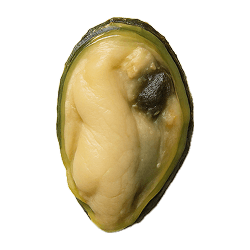
Green Lipped Mussel
Green Lipped Mussel
Perna Canaliculus, New Zealand Green Mussel, Greenshell Mussel, Kuku
Origin
Role
Functional Benefits
Summary
Green lipped mussel is a marine animal ingredient sourced from the coastal waters of New Zealand. It is primarily included in pet food for its rich content of omega-3 fatty acids, glucosamine, and chondroitin, which support joint health and reduce inflammation. Green lipped mussel is used in its natural, whole form, ensuring optimal nutrient availability and bioactivity for pets.
Manufacturer Benefits
Green lipped mussel is included as a functional ingredient to provide natural sources of omega-3 fatty acids and joint-supporting nutrients, supporting product differentiation and marketing claims related to joint health. Its presence also appeals to consumers seeking premium or holistic pet food formulations.

Emu Oil
Emu Oil
Dromaius Novaehollandiae Oil, Emu Fat Oil, Emu Adipose Oil, Dromaius Oil
Origin
Role
Functional Benefits
Summary
Emu oil is a natural fat derived from the rendered adipose tissue of the emu, a native Australian bird. Sourced from animal origin, it is primarily included in pet food for its rich content of omega-3 and omega-6 fatty acids, supporting skin and coat health. Emu oil is used in its natural, refined form to optimise bioavailability and nutritional benefit.
Manufacturer Benefits
Emu oil is included as a source of omega fatty acids to support skin and coat health, providing a functional benefit that can be highlighted in marketing. Its presence allows manufacturers to differentiate their product with a novel animal-derived ingredient appealing to consumers seeking unique or premium formulations.

Yucca Schidigera
Yucca Schidigera
Mojave Yucca, Spanish Dagger, Soapweed, Yucca Extract
Origin
Role
Functional Benefits
Summary
Yucca Schidigera is a plant extract derived from the stem of the Yucca schidigera plant, native to arid regions of North America. It is primarily included in pet food to help reduce stool odour by binding ammonia and other waste compounds. Yucca Schidigera is utilised in a processed extract form, rather than as the whole plant, to optimise its functional benefits and safety.
Manufacturer Benefits
Yucca Schidigera is included as a natural deodorising agent to reduce stool and urine odour in pets. It also serves as a label-friendly ingredient that appeals to consumers seeking natural additives.
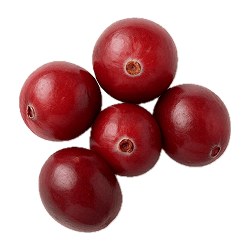
Cranberry
Cranberry
Vaccinium Macrocarpon, American Cranberry, Large Cranberry, Bearberry
Origin
Role
Functional Benefits
Summary
Cranberry is a small, red berry derived from the Vaccinium macrocarpon plant, making it a plant-based ingredient. It is primarily included in pet food for its antioxidant properties and potential support of urinary tract health. Cranberry is used in its natural, whole form, ensuring pets benefit from its full spectrum of phytonutrients, vitamins, and dietary fibre.
Manufacturer Benefits
Cranberry is included as a label-friendly ingredient to appeal to health-conscious consumers and enhance product marketability. It may also serve as a natural source of antioxidants, supporting the product’s functional claims.
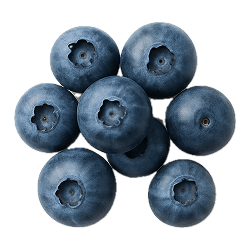
Blueberry
Blueberry
Vaccinium Corymbosum, Vaccinium Angustifolium, Bilberry, E163
Origin
Role
Functional Benefits
Summary
Blueberry is a small, nutrient-rich fruit of plant origin, commonly sourced from the Vaccinium genus. It is included in pet food primarily for its antioxidant properties, supporting immune health and cellular protection. Blueberry is used in its natural, whole form, ensuring pets benefit from its full spectrum of vitamins, fibre, and phytonutrients as found in fresh fruit.
Manufacturer Benefits
Blueberry is included as a label-friendly ingredient to appeal to health-conscious consumers, leveraging its reputation as a source of antioxidants. Its presence supports marketing claims of added nutritional benefits, though it is typically used in small quantities with minimal impact on the overall nutritional profile for pets.
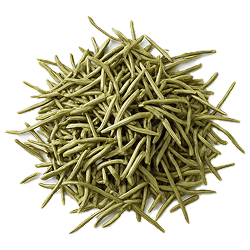
Rosemary
Rosemary
Rosmarinus Officinalis, Salvia Rosmarinus, E392, Rosemary Extract
Origin
Role
Functional Benefits
Summary
Rosemary is a fragrant herb derived from the leaves of the Rosmarinus officinalis plant. It is included in pet food primarily for its natural antioxidant properties, which help preserve freshness and support overall health. Rosemary is used in its natural form, typically as a dried extract or powder, ensuring the retention of its beneficial compounds while remaining safe and effective for pets.
Manufacturer Benefits
Rosemary is included as a natural preservative to help extend shelf life by inhibiting oxidation of fats and oils. It also serves as a label-friendly ingredient that appeals to consumers seeking natural additives.

Carrot
Carrot
Daucus Carota, Daucus Carota Root, Daucus Carota Sativa, Wild Carrot
Origin
Role
Functional Benefits
Summary
Carrot is a root vegetable of plant origin, widely recognised for its vibrant orange colour and natural sweetness. In pet food, carrot is included in its natural, whole form to provide dietary fibre, beta-carotene (a precursor to vitamin A), and antioxidants. Its primary benefit is supporting digestive health and immune function, while also contributing to overall palatability and nutritional diversity.
Manufacturer Benefits
Carrot is included as a label-friendly ingredient to appeal to consumers seeking recognisable, natural components and to enhance the product’s perceived nutritional value. It may also provide a modest source of fibre and vitamins, supporting marketing claims of added health benefits.
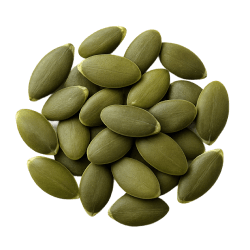
Pumpkin Seed
Pumpkin Seed
Cucurbita Pepo Seed, Pepita, Cucurbita Pepo, Pepita Seed
Origin
Role
Functional Benefits
Summary
Pumpkin seed is a plant-derived ingredient sourced from the seeds of the pumpkin (Cucurbita pepo). It is included in pet food primarily for its rich content of protein, healthy fats, and micronutrients such as magnesium and zinc. Pumpkin seed is used in its natural, whole form, providing both nutritional value and functional fibre to support digestive health in pets.
Manufacturer Benefits
Pumpkin seed is included as a nutrient-dense ingredient to enhance the protein, fibre, and micronutrient profile of the product, supporting marketing claims of added health benefits. It also serves as a label-friendly component that appeals to health-conscious consumers.
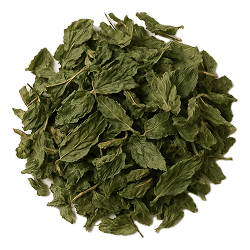
Peppermint
Peppermint
Mentha × Piperita, Mentha Piperita, Peppermint Oil, Mentha × Piperita Oil
Origin
Role
Functional Benefits
Summary
Peppermint is a plant-derived herb from the Mentha genus, valued for its aromatic leaves. In pet food, peppermint is primarily included to support digestive health and freshen breath. It is used in its natural form, with dried or ground leaves incorporated directly into formulations. This natural inclusion ensures pets benefit from its essential oils and phytonutrients without synthetic additives.
Manufacturer Benefits
Peppermint is included as a label-friendly ingredient to appeal to pet owners seeking natural or holistic components, and may also be intended to impart a fresh aroma to the product. Its functional impact on pets is minimal at typical inclusion rates.

Dandelion
Dandelion
Taraxacum Officinale, Taraxaci Herba, Taraxaci Radix, Lion's Tooth
Origin
Role
Functional Benefits
Summary
Dandelion is a plant-derived ingredient sourced from the leaves and roots of the Taraxacum officinale plant. It is primarily included in pet food for its natural prebiotic fibre content, which supports digestive health and beneficial gut bacteria. Dandelion is used in its natural, whole form, ensuring pets receive its full spectrum of nutrients and bioactive compounds.
Manufacturer Benefits
Dandelion is included as a label-friendly ingredient to appeal to health-conscious consumers, as it is associated with natural and holistic pet nutrition. It may also serve as a source of fibre and micronutrients, though its functional impact on the pet food is typically minimal.
Ingredients Splitting
Score Card
Every product is assessed using the Dog Directory Integrity Framework, giving dog owners a clear and trustworthy way to compare products. This ensures each review reflects overall quality and formulation integrity, not just marketing claims.
- /40
- /30
- /15
- /10
- /5
- Overall ScoreScore Info
As a pet owner, you naturally want the best for your dog. From regular vet visits to nutritious meals, ensuring your furry friend is healthy and happy is always top of mind. But beyond food and exercise, supplements are becoming an increasingly popular way to support your dog’s overall well-being. In this comprehensive guide, we’ll dive into the world of dog supplements, explaining what they are, why they matter, and how to choose the right ones for your pup.
0/100
/100





ABOUT
Brand

Parent Company

Manufactured

Policy Coverage
Category
Life Stage
Breed Size
Feeding Type
Processing Level
PRODUCT TAGS
Frequently Asked Questions
What Are Dog Supplements?
Dog supplements are products specifically formulated to complement your pet’s diet. They provide essential vitamins, minerals, and other nutrients that may be missing from their food or needed in greater amounts due to specific health concerns. While most commercial dog foods are designed to be nutritionally complete, supplements can address particular health issues, support aging joints, boost immunity, and much more.
Supplements for dogs come in various forms, including pills, powders, chewables, and liquids, making it easier to incorporate them into your dog’s daily routine.
Why Do Dogs Need Supplements?
Dog supplements are products specifically formulated to complement your pet’s diet. They provide essential vitamins, minerals, and other nutrients that may be missing from their food or needed in greater amounts due to specific health concerns. While most commercial dog foods are designed to be nutritionally complete, supplements can address particular health issues, support aging joints, boost immunity, and much more.
Supplements for dogs come in various forms, including pills, powders, chewables, and liquids, making it easier to incorporate them into your dog’s daily routine.
Price Comparision



About the Brand

Blackhawk
Black Hawk provides premium, Australian made dog food featuring a variety of grain free and high protein recipes developed by pet nutritionists.
The range focuses on real meat and functional ingredients to support the everyday health and vitality of dogs across all life stages.


Comments
0 comments
Login or Register to Join the Conversation