


.png)





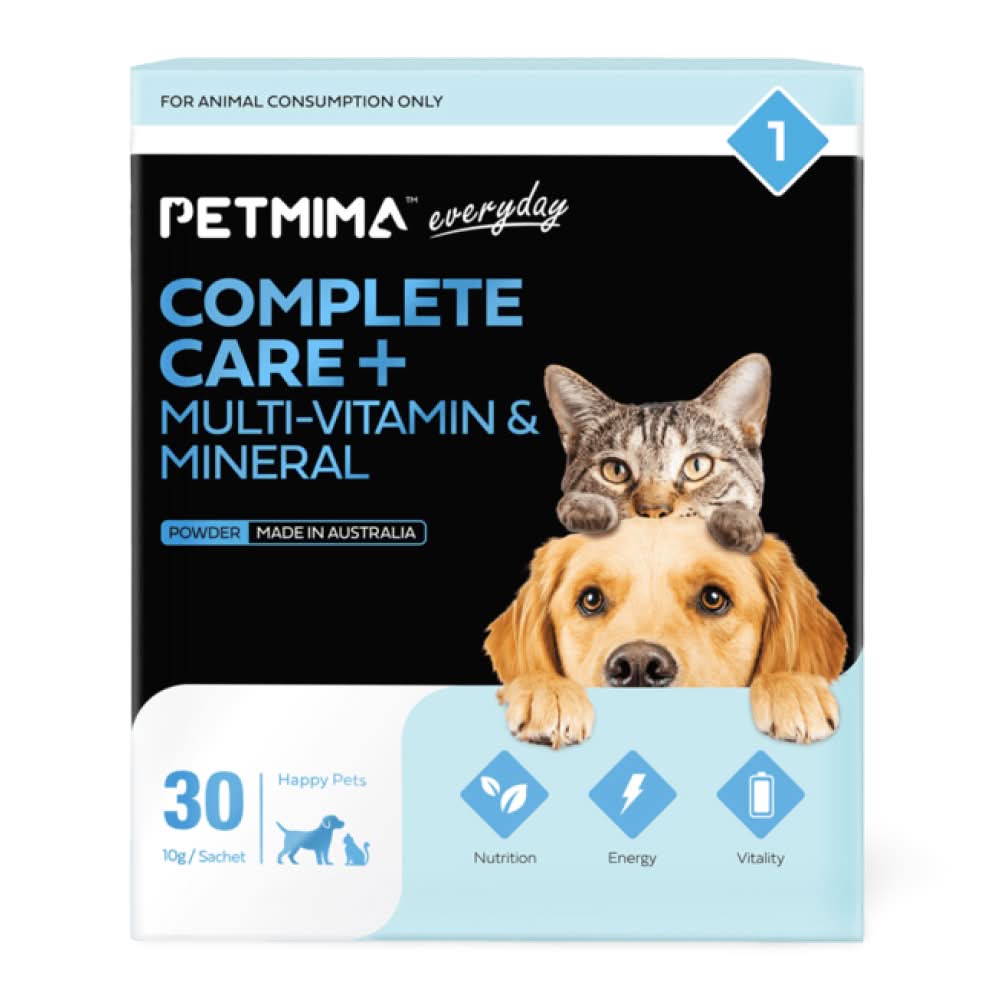
Complete Care + Multi Vitamin and Mineral Supplement
Overview
PetMima Complete Care + Multi Vitamin and Mineral is a powdered multivitamin supplement for dogs formulated to support overall health and wellbeing. The formula provides a full spectrum of essential vitamins (A, B-complex, C, D3, E) and key minerals such as calcium, magnesium, zinc, iron and selenium, along with prebiotics and added nutrients to support immune function, digestion, bone health, energy metabolism and coat condition.
Sprinkle PetMima Complete Care + Multi Vitamin onto wet or dry dog food for daily supplementation — making it a convenient way to fill nutritional gaps and support long-term vitality for dogs of all ages.
Ingredients
Vitamin A Palmitate, Cholecalciferol (Vitamin D3), D-Alpha-Tocopherol (Vitamin E), Thiamine Hydrochloride (Vitamin B1), Riboflavin (Vitamin B2), Pyridoxine HCl BP, Cyanocobalamin (Vitamin B12), Biotin, Calcium D-Pantothenate (Vitamin B5), Folic Acid, Nicotinic Acid, Ascorbic Acid (Vitamin C), Choline Chloride, Copper Gluconate, Potassium Iodide, Ferrous Fumarate (Iron), Manganese Sulphate Monohydrate, Selenomethionine (Selenium), Zinc Citrate, Magnesium Oxide, Calcium Carbonate, Calcium Hydrogen Phosphate Dihydrate, Inulin, Green Lipped Mussel Extract, Sodium Chloride, Microcrystalline Cellulose, Colloidal Silica.
Retinyl Palmitate
Retinyl Palmitate
Vitamin A Palmitate, Retinol Palmitate, Hexadecanoic Acid Retinol Ester, E307
Origin
Role
Functional Benefits
Summary
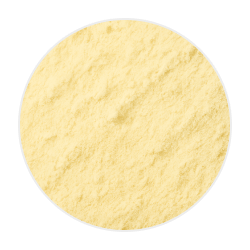
Retinyl Palmitate is a fat-soluble compound derived from animal sources, specifically as an ester of retinol (vitamin A) and palmitic acid. It serves as a stable, bioavailable source of vitamin A, supporting vision, immune function, and skin health in pets. Retinyl Palmitate is not used in its raw form but is utilised as a synthesised compound to optimise safety and absorption.
Manufacturer Benefits
Retinyl Palmitate is included as a stable, cost-effective source of vitamin A to meet nutritional requirements and support labelling claims of added vitamins. Its stability compared to other vitamin A forms helps optimise shelf life and nutrient retention in the finished product.
Cholecalciferol
Cholecalciferol
Vitamin D3, Colecalciferol, Calciol, E671
Origin
Role
Functional Benefits
Summary
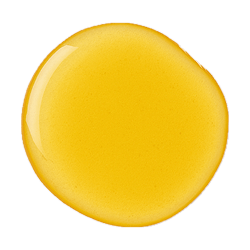
Cholecalciferol, also known as vitamin D3, is a fat-soluble vitamin of animal origin, typically derived from lanolin or fish oil. It plays a crucial role in calcium and phosphorus metabolism, supporting healthy bone development in pets. Cholecalciferol is not used in its natural form but is incorporated as a synthesised compound to ensure stability, safety, and optimal absorption in pet food formulations.
Manufacturer Benefits
Cholecalciferol is included as a source of vitamin D3 to ensure nutritional adequacy and support bone health in pets. Its addition allows manufacturers to meet regulatory requirements for vitamin D content in complete and balanced pet foods.
Alpha Tocopherol
Alpha Tocopherol
Vitamin E, D-Alpha Tocopherol, RRR-Alpha Tocopherol, E307
Origin
Role
Functional Benefits
Summary
Alpha tocopherol is a form of vitamin E derived from plant sources, such as vegetable oils and nuts. It functions primarily as an antioxidant, helping to protect pet food fats from oxidation and supporting immune health. Alpha tocopherol is not used in its raw, natural state but is instead utilised as a stabilised compound to optimise safety, efficacy, and absorption in pet food formulations.
Manufacturer Benefits
Alpha tocopherol is included as a natural antioxidant to help preserve fats and extend the product’s shelf life. It also serves as a label-friendly source of vitamin E, appealing to health-conscious consumers.
Thiamine Hydrochloride
Thiamine Hydrochloride
Vitamin B1 Hydrochloride, Thiamin Hydrochloride, Thiamin Monohydrochloride, Vitamin B1 Monohydrochloride
Origin
Role
Functional Benefits
Summary
Thiamine Hydrochloride is a synthetic, water-soluble form of vitamin B1, derived from chemical synthesis rather than natural sources. It is added to pet foods to support carbohydrate metabolism and maintain healthy nervous system function. Thiamine is not used in its natural state; instead, it is utilised as the hydrochloride salt to ensure stability, safety, and optimal absorption in companion animals.
Manufacturer Benefits
Thiamine hydrochloride is included as a vitamin B1 supplement to ensure nutritional adequacy and meet regulatory requirements for complete and balanced pet food. Its addition helps prevent thiamine deficiency and supports metabolic health in pets.

Riboflavin
Riboflavin
Vitamin B2, E101, Lactoflavin, 7,8-Dimethyl-10-Ribityl Isoalloxazine
Origin
Role
Functional Benefits
Summary
Riboflavin, also known as vitamin B2, is a water-soluble vitamin of synthetic origin commonly added to pet foods. It plays a crucial role in energy metabolism and supports healthy skin, eyes, and nervous system function. Riboflavin is not used in its natural form but is typically utilised as a synthesised compound to ensure stability, safety, and optimal absorption in pet diets.
Manufacturer Benefits
Riboflavin is included as an essential vitamin to meet nutritional requirements and ensure regulatory compliance for complete and balanced pet food labelling. Its addition helps optimise the product’s nutrient profile without significantly impacting cost or palatability.
Pyridoxine Hydrochloride
Pyridoxine Hydrochloride
Vitamin B6, E300, Pyridoxine HCl, Pyridoxine Monohydrochloride
Origin
Role
Functional Benefits
Summary
Pyridoxine hydrochloride is a synthetic, water-soluble form of vitamin B6, derived from chemical synthesis rather than natural sources. It is added to pet foods to support protein metabolism, nervous system health, and immune function. Unlike naturally occurring vitamin B6 in foods, pyridoxine is utilised in its hydrochloride salt form to ensure stability, safety, and optimal absorption in companion animals.
Manufacturer Benefits
Pyridoxine hydrochloride is included as a cost-effective, stable source of vitamin B6 to ensure nutritional adequacy and meet regulatory labelling requirements. Its addition helps manufacturers guarantee consistent vitamin content throughout the product’s shelf life.

Cyanocobalamin
Cyanocobalamin
Vitamin B12, Cobalamin, E101a, Cobamide
Origin
Role
Functional Benefits
Summary
Cyanocobalamin is a synthetic form of vitamin B12, an essential water-soluble vitamin originally derived from animal sources. It is primarily included in pet food to support nerve function, red blood cell formation, and overall metabolic health. Cyanocobalamin is not used in its natural state; instead, it is utilised as a stable, bioavailable compound to optimise absorption and ensure dietary adequacy.
Manufacturer Benefits
Cyanocobalamin is included as a cost-effective, stable form of vitamin B12 to ensure nutritional adequacy and meet labelling requirements for complete and balanced pet food. Its synthetic nature allows for consistent dosing and extended shelf life compared to natural sources.
Biotin
Biotin
Vitamin B7, Vitamin H, D-Biotin, Coenzyme R
Origin
Role
Functional Benefits
Summary
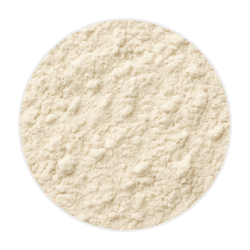
Biotin is a water-soluble B-vitamin (vitamin B7) of synthetic origin, commonly included in pet foods to support healthy skin, coat, and metabolic function. Its primary benefit is aiding in the metabolism of fats, proteins, and carbohydrates. Biotin is not used in its natural, free form but is instead utilised as a stable, bioavailable compound to optimise absorption and efficacy in pets.
Manufacturer Benefits
Biotin is included as an essential vitamin to support skin, coat, and metabolic health in pets, fulfilling nutritional requirements for complete and balanced diets. Its addition also allows manufacturers to highlight the inclusion of key micronutrients on product labelling, appealing to health-conscious consumers.
Calcium Pantothenate
Calcium Pantothenate
D-Calcium Pantothenate, E315, Pantothenic Acid Calcium Salt, Calcium D-Pantothenate
Origin
Role
Functional Benefits
Summary
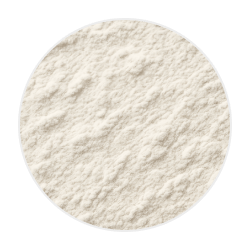
Calcium pantothenate is a synthetic compound derived from pantothenic acid, a water-soluble B vitamin (vitamin B5) of plant or animal origin. It is primarily included in pet food to support energy metabolism and maintain healthy skin and coat. Rather than using pantothenic acid in its natural form, calcium pantothenate is utilised for its stability, safety, and enhanced bioavailability in pet nutrition.
Manufacturer Benefits
Calcium pantothenate is included as a stable, bioavailable source of vitamin B5 to meet nutritional requirements and support labelling claims of complete and balanced nutrition. Its use ensures consistent vitamin content throughout the product’s shelf life.

Folic Acid
Folic Acid
Pteroylmonoglutamic Acid, Pteroylglutamic Acid, Vitamin B9, E920
Origin
Role
Functional Benefits
Summary
Folic acid is a synthetic form of vitamin B9, originally derived from plant sources but produced for pet food as a stable, bioavailable compound. Its primary purpose is to support cell division, DNA synthesis, and overall growth in pets. Folic acid is not used in its natural state; instead, it is utilised as a manufactured supplement to optimise absorption and efficacy.
Manufacturer Benefits
Folic acid is included as a synthetic vitamin to ensure nutritional adequacy and meet regulatory requirements for B-vitamin content in pet food. Its addition helps standardise nutrient levels across batches, supporting consistent product labelling and animal health.
Niacin
Niacin
Nicotinic Acid, Vitamin B3, Pyridine-3-Carboxylic Acid, E375
Origin
Role
Functional Benefits
Summary
Niacin, also known as vitamin B3, is a water-soluble vitamin of synthetic or natural origin, commonly derived from plant or animal sources. It plays a crucial role in energy metabolism and supports healthy skin, nerves, and digestion in pets. Niacin is not used in its raw form but is typically included as a safe, bioavailable compound such as niacinamide or nicotinic acid.
Manufacturer Benefits
Niacin is included as an essential B vitamin to meet nutritional requirements and support metabolic health in pets. Its addition ensures compliance with regulatory standards for complete and balanced pet food labelling.
Ascorbic Acid
Ascorbic Acid
L-Ascorbic Acid, E300, L-Threo-Hex-2-Enono-1,4-Lactone, 3-Keto-L-Gulofuranolactone
Origin
Role
Functional Benefits
Summary
Ascorbic acid, commonly known as vitamin C, is a synthetic compound derived from plant sources such as corn or sugar beets. It serves as an antioxidant and supports immune function in pets. Ascorbic acid is not used in its natural fruit or vegetable form but is instead utilised as a purified compound to ensure stability, safety, and optimal absorption in pet food formulations.
Manufacturer Benefits
Ascorbic acid is included as an antioxidant to help preserve the freshness and extend the shelf life of pet food products. It may also be used to support label claims related to vitamin C content for marketing purposes.

Choline Chloride
Choline Chloride
Trimethylethanolamine Chloride, Choline Monochloride, E1001, 2-Hydroxy-N,N,N-Trimethylethanaminium Chloride
Origin
Role
Functional Benefits
Summary
Choline chloride is a synthetic compound derived from choline, an essential nutrient typically sourced from plant or animal origins. It is primarily included in pet food to support healthy brain function, liver metabolism, and cellular structure. Choline is not used in its natural state; instead, it is utilised as choline chloride to ensure stability, safety, and optimal absorption in pet diets.
Manufacturer Benefits
Choline chloride is included as an essential nutrient to support normal liver function and brain health in pets. It is a cost-effective way to meet regulatory requirements for choline content in complete and balanced pet foods.

Copper Gluconate
Copper Gluconate
Cupric Gluconate, E578, Gluconic Acid Copper(II) Salt, Copper(II) Gluconate
Origin
Role
Functional Benefits
Summary
Copper gluconate is a mineral compound derived from the combination of copper, an essential trace element, and gluconic acid. It is included in pet food formulations to support vital physiological functions such as red blood cell formation and immune health. Copper is not used in its raw metallic state; instead, it is utilised as copper gluconate to optimise safety, stability, and bioavailability for pets.
Manufacturer Benefits
Copper gluconate is included as a bioavailable source of the essential trace mineral copper, which supports metabolic and enzymatic functions in pets. Its use ensures nutritional adequacy and compliance with regulatory labelling requirements for complete and balanced pet foods.
Potassium Iodide
Potassium Iodide
KI, E917, Kalium Iodidum, Kalium Iodide
Origin
Role
Functional Benefits
Summary
Potassium iodide is a mineral compound derived from the combination of potassium and iodine, both essential nutrients. Sourced from mineral origins, it is not used in its raw elemental form but is instead utilised as a stable salt to ensure safety and optimal absorption. Its primary purpose is to provide a bioavailable source of iodine, supporting healthy thyroid function in pets.
Manufacturer Benefits
Potassium iodide is included as a cost-effective source of dietary iodine, an essential trace mineral required for proper thyroid function in pets. Its precise addition allows manufacturers to meet nutritional labelling requirements and ensure product consistency.

Ferrous Fumarate
Ferrous Fumarate
Iron(II) Fumarate, Ferrous(II) Fumarate, E297, Fumaric Acid Iron(II) Salt
Origin
Role
Functional Benefits
Summary
Ferrous fumarate is an iron compound derived from the reaction of iron with fumaric acid, making it a synthesised mineral ingredient rather than a naturally occurring metallic form. It is primarily included in pet food to support healthy red blood cell production and prevent iron deficiency. Ferrous fumarate is utilised instead of raw iron metal to optimise safety, stability, and absorption in pets.
Manufacturer Benefits
Ferrous fumarate is included as a bioavailable source of iron to help meet nutritional requirements for pets. Its use supports label claims for essential minerals and contributes to the overall nutritional profile of the product.
Manganese Sulphate Monohydrate
Manganese Sulphate Monohydrate
Manganese(II) Sulphate Monohydrate, Manganous Sulphate Monohydrate, Epsomite-Mn, MnSO4·H2O
Origin
Role
Functional Benefits
Summary
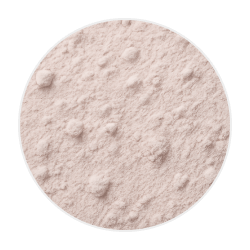
Manganese sulphate monohydrate is a mineral compound derived from manganese, an essential trace element, combined with sulphate and water molecules. It is included in pet food to support enzyme function, bone development, and metabolic processes. Rather than using raw metallic manganese, the monohydrate sulphate form is utilised to ensure safety, stability, and optimal absorption in companion animals.
Manufacturer Benefits
Manganese sulphate monohydrate is included as a cost-effective source of the essential trace mineral manganese, which supports metabolic and skeletal functions in pets. Its addition ensures nutritional adequacy and compliance with regulatory labelling requirements for complete and balanced pet foods.
Selenomethionine
Selenomethionine
Seleno-L-Methionine, L-Selenomethionine, Selenomethionine (Synthetic), Selenomethionine (Yeast-Derived)
Origin
Role
Functional Benefits
Summary
Selenomethionine is an organic selenium compound derived from plant sources, where selenium is naturally incorporated into the amino acid methionine. It serves as a highly bioavailable source of selenium, an essential trace mineral that supports antioxidant defences and immune function in pets. Selenomethionine is not used in its elemental form but is utilised as a compound to optimise safety and absorption.
Manufacturer Benefits
Selenomethionine is included as a bioavailable source of selenium to meet nutritional requirements for dogs, supporting immune function and antioxidant activity. Its use allows manufacturers to accurately control selenium content for regulatory compliance and marketing as a source of essential trace minerals.
Zinc Citrate
Zinc Citrate
Trizinc Dicitrate, Zinc (II) Citrate, E333, Citrate of Zinc
Origin
Role
Functional Benefits
Summary
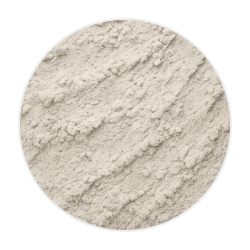
Zinc citrate is a mineral compound derived from the combination of zinc and citric acid. Sourced from mineral origins, it is primarily included in pet food to support immune function, skin health, and enzyme activity. Zinc is not used in its raw metallic state; instead, it is utilised as zinc citrate to optimise safety, bioavailability, and absorption in companion animals.
Manufacturer Benefits
Zinc citrate is included as a bioavailable source of the essential mineral zinc, supporting nutritional adequacy and compliance with regulatory requirements for pet health. Its use also allows for precise labelling and marketing of added minerals.
Magnesium Oxide
Magnesium Oxide
Magnesia, E530, Magnesium(II) Oxide, Calcined Magnesia
Origin
Role
Functional Benefits
Summary
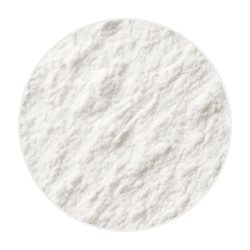
Magnesium oxide is an inorganic compound derived from the mineral magnesium, typically sourced from natural deposits. It is utilised in pet food as a supplemental source of magnesium, an essential mineral that supports nerve, muscle, and bone health. Rather than its raw metallic form, magnesium is provided as magnesium oxide to optimise safety, stability, and bioavailability for pets.
Manufacturer Benefits
Magnesium oxide is included as a cost-effective mineral supplement to ensure adequate magnesium levels in the diet, supporting essential metabolic functions. Its use allows manufacturers to meet nutritional requirements efficiently without significantly impacting product cost or palatability.
Calcium Carbonate
Calcium Carbonate
Chalk, Limestone, E170, Marble Dust
Origin
Role
Functional Benefits
Summary
Calcium carbonate is a naturally occurring mineral compound derived from sources such as limestone or marine shells. It is primarily included in pet food as a source of calcium, essential for healthy bones, teeth, and metabolic functions. Calcium carbonate is not used in its raw mineral state; instead, it is processed into a purified, food-grade compound to optimise safety and bioavailability for pets.
Manufacturer Benefits
Calcium carbonate is included as a cost-effective mineral supplement to provide a bioavailable source of calcium, supporting bone health and proper nutritional balance. It also functions as a pH stabiliser, contributing to product consistency and shelf stability.
Dicalcium Phosphate Dihydrate
Dicalcium Phosphate Dihydrate
Calcium Hydrogen Phosphate Dihydrate, E341(ii), DCP Dihydrate, Calcium Phosphate Dibasic Dihydrate
Origin
Role
Functional Benefits
Summary
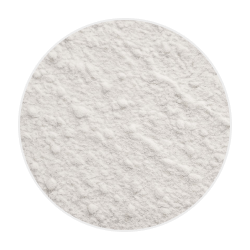
Dicalcium phosphate dihydrate is a mineral compound derived from calcium and phosphorus, commonly sourced from phosphate rock. It serves as a key source of both calcium and phosphorus, essential for healthy bone and tooth development in pets. Rather than being used in its raw mineral form, it is incorporated as a purified compound to optimise safety, bioavailability, and nutritional efficacy.
Manufacturer Benefits
Dicalcium phosphate dihydrate is included as a cost-effective mineral supplement to provide essential calcium and phosphorus for skeletal health. It also serves as a processing aid to improve kibble texture and density.
Inulin
Inulin
Chicory Root Fibre, Fructan, EINECS 232-684-3, Fructooligosaccharide
Origin
Role
Functional Benefits
Summary
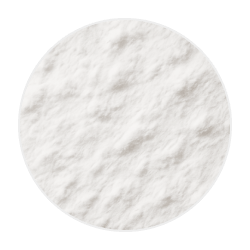
Inulin is a naturally occurring dietary fibre sourced primarily from plants such as chicory root. It serves as a prebiotic, supporting digestive health by promoting beneficial gut bacteria. In pet food, inulin is utilised in its extracted, purified form rather than as a whole plant, ensuring consistent quality and efficacy for optimal digestive function and overall wellbeing in pets.
Manufacturer Benefits
Inulin is included as a prebiotic fibre to support digestive health and promote beneficial gut bacteria in pets. It also serves as a cost-effective bulking agent that can improve product texture and moisture retention.

Green Lipped Mussel Extract
Green Lipped Mussel Extract
Perna Canaliculus Extract, New Zealand Green Mussel Extract, Greenshell Mussel Extract, Perna Extract
Origin
Role
Functional Benefits
Summary
Green Lipped Mussel Extract is derived from the New Zealand green-lipped mussel, a marine animal source. It is primarily included in pet food for its rich content of omega-3 fatty acids, glucosamine, and chondroitin, which support joint health and reduce inflammation. This ingredient is not used in its whole form but as a concentrated extract to optimise bioavailability and efficacy.
Manufacturer Benefits
Green Lipped Mussel Extract is included as a functional ingredient to provide a source of omega-3 fatty acids and joint-supporting nutrients, supporting marketing claims related to mobility and overall health. Its presence also enhances the product’s appeal to consumers seeking premium or holistic pet food options.
Sodium Chloride
Sodium Chloride
Table Salt, Rock Salt, Halite, E524
Origin
Role
Functional Benefits
Summary
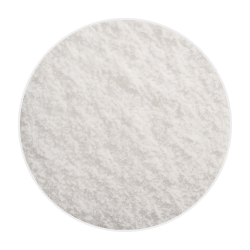
Sodium chloride is a mineral compound commonly known as table salt, sourced from either natural salt deposits or seawater. It is primarily included in pet food to maintain electrolyte balance and support normal nerve and muscle function. Sodium chloride is not used in its raw mineral form but is utilised as a purified compound to ensure safety, palatability, and optimal absorption.
Manufacturer Benefits
Sodium chloride is included as an essential mineral to meet pets’ dietary sodium requirements and to enhance palatability. It also functions as a preservative, helping to maintain product stability and extend shelf life.

Cellulose Powder
Cellulose Powder
Microcrystalline Cellulose, Powdered Cellulose, E460, Cellulosum
Origin
Role
Functional Benefits
Summary
Cellulose powder is a plant-derived ingredient sourced primarily from wood pulp. It serves as an insoluble dietary fibre, supporting digestive health and stool quality in pets. Rather than being used in its raw, fibrous state, cellulose is processed into a fine powder to optimise its functional benefits and ensure safe, consistent inclusion in pet food formulations.
Manufacturer Benefits
Cellulose powder is included as a cost-effective fibre source to aid stool quality and promote digestive health. It also functions as a bulk-adding agent, helping to control calorie density in pet food formulations.
Silicon Dioxide
Silicon Dioxide
Silica, E551, Silicon(IV) Oxide, Quartz
Origin
Role
Functional Benefits
Summary
Silicon dioxide is a naturally occurring mineral compound derived from the element silicon, commonly found in sand and quartz. In pet food, it serves primarily as an anti-caking agent, helping to prevent clumping and maintain product consistency. Silicon dioxide is not used in its raw mineral form; instead, it is utilised as a purified, food-grade compound to ensure safety and effective functionality.
Manufacturer Benefits
Silicon dioxide is included as an anti-caking agent to prevent clumping and ensure consistent texture during manufacturing and storage. Its use helps maintain product flowability and stability without affecting palatability or nutritional value.
Ingredients Splitting
Score Card
Every product is assessed using the Dog Directory Integrity Framework, giving dog owners a clear and trustworthy way to compare products. This ensures each review reflects overall quality and formulation integrity, not just marketing claims.
- /40
- /30
- /15
- /10
- /5
- Overall ScoreScore Info
As a pet owner, you naturally want the best for your dog. From regular vet visits to nutritious meals, ensuring your furry friend is healthy and happy is always top of mind. But beyond food and exercise, supplements are becoming an increasingly popular way to support your dog’s overall well-being. In this comprehensive guide, we’ll dive into the world of dog supplements, explaining what they are, why they matter, and how to choose the right ones for your pup.
0/100
/100

ABOUT
Brand
Parent Company

Manufactured

Policy Coverage
Category
Life Stage
Breed Size
Feeding Type
Processing Level
PRODUCT TAGS
Frequently Asked Questions
What Are Dog Supplements?
Dog supplements are products specifically formulated to complement your pet’s diet. They provide essential vitamins, minerals, and other nutrients that may be missing from their food or needed in greater amounts due to specific health concerns. While most commercial dog foods are designed to be nutritionally complete, supplements can address particular health issues, support aging joints, boost immunity, and much more.
Supplements for dogs come in various forms, including pills, powders, chewables, and liquids, making it easier to incorporate them into your dog’s daily routine.
Why Do Dogs Need Supplements?
Dog supplements are products specifically formulated to complement your pet’s diet. They provide essential vitamins, minerals, and other nutrients that may be missing from their food or needed in greater amounts due to specific health concerns. While most commercial dog foods are designed to be nutritionally complete, supplements can address particular health issues, support aging joints, boost immunity, and much more.
Supplements for dogs come in various forms, including pills, powders, chewables, and liquids, making it easier to incorporate them into your dog’s daily routine.


About the Brand
PetMima
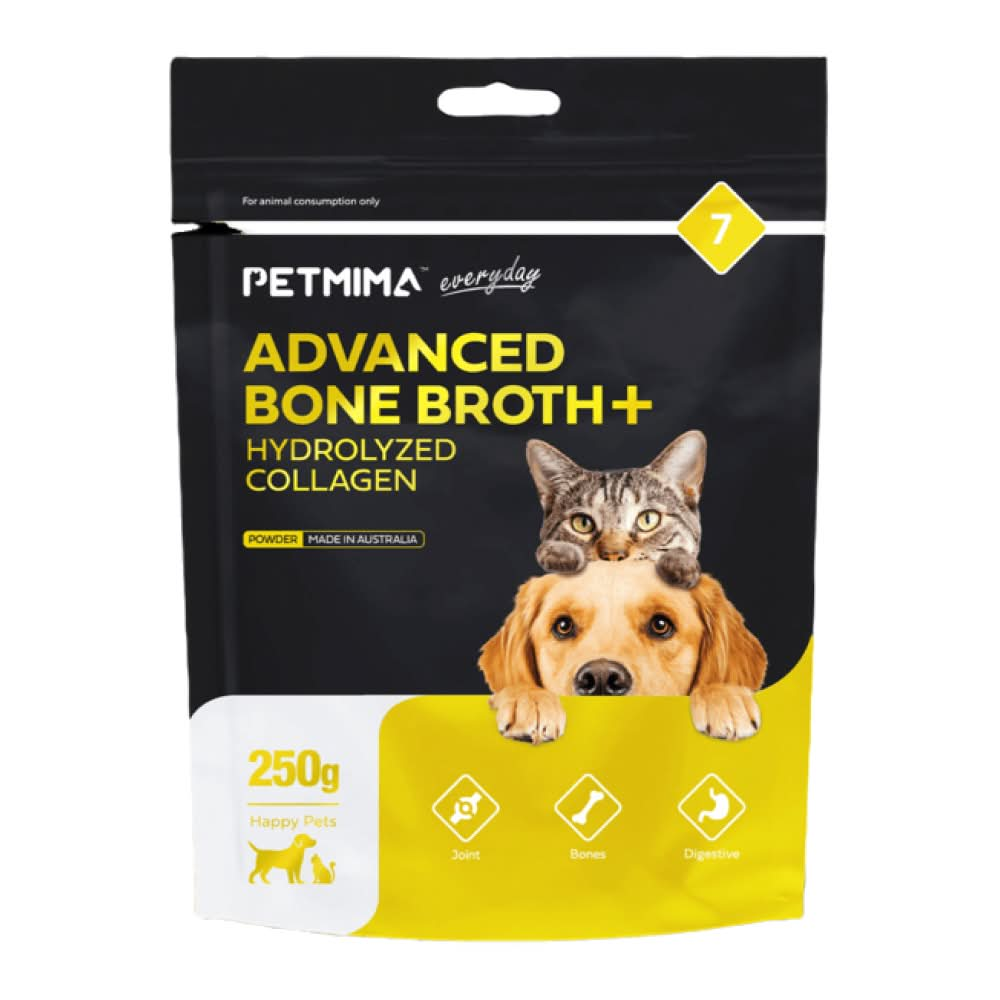
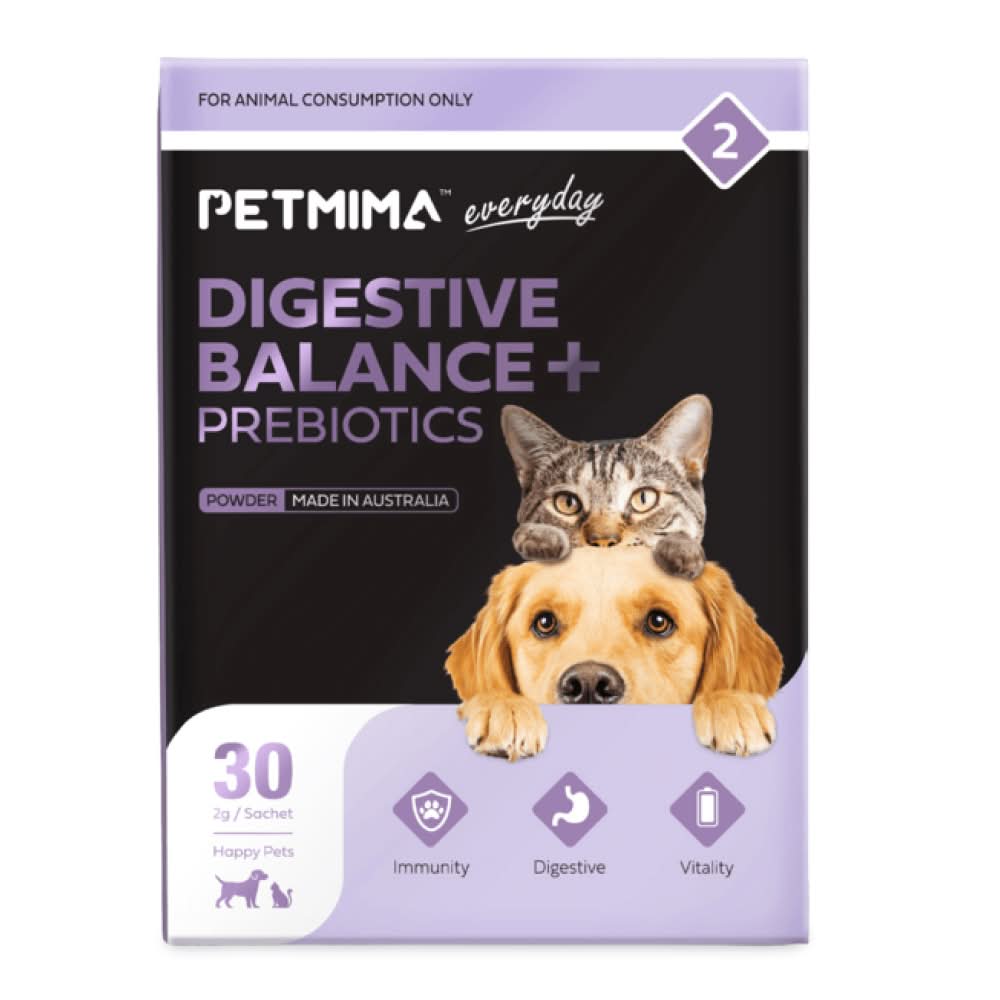
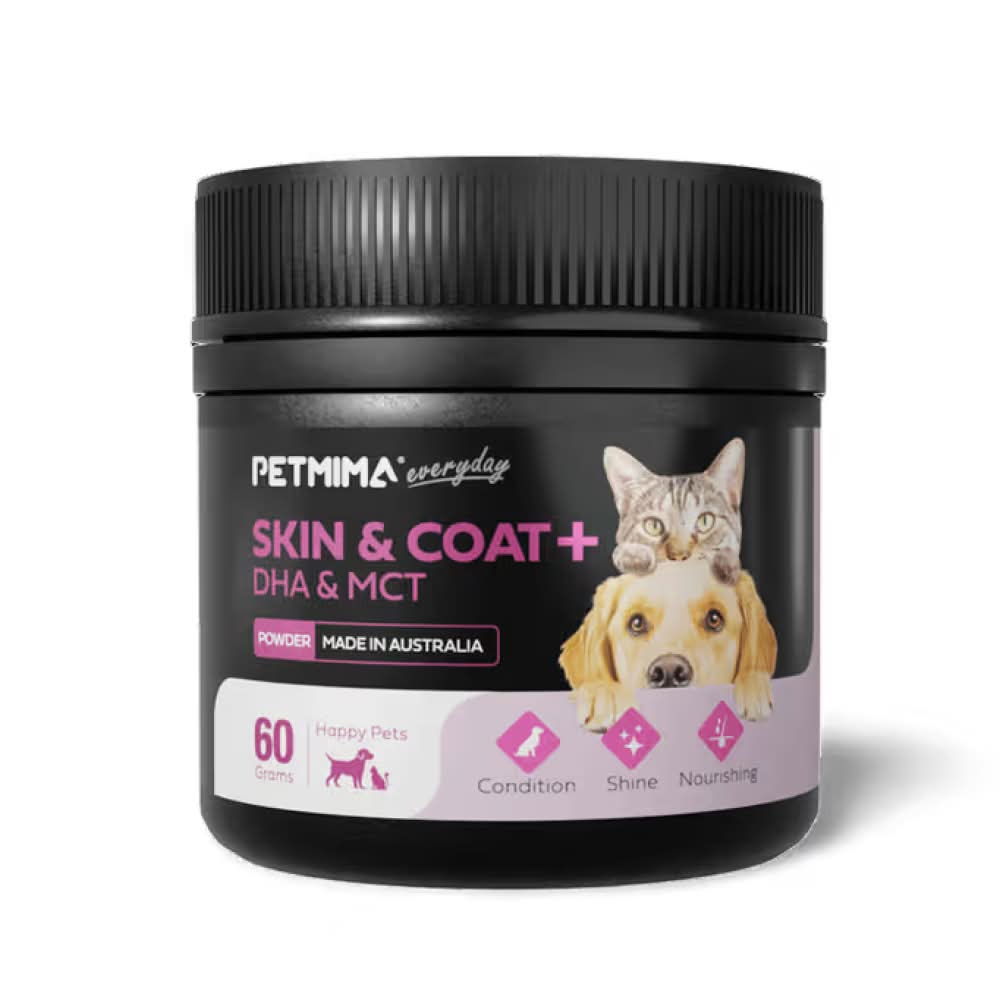
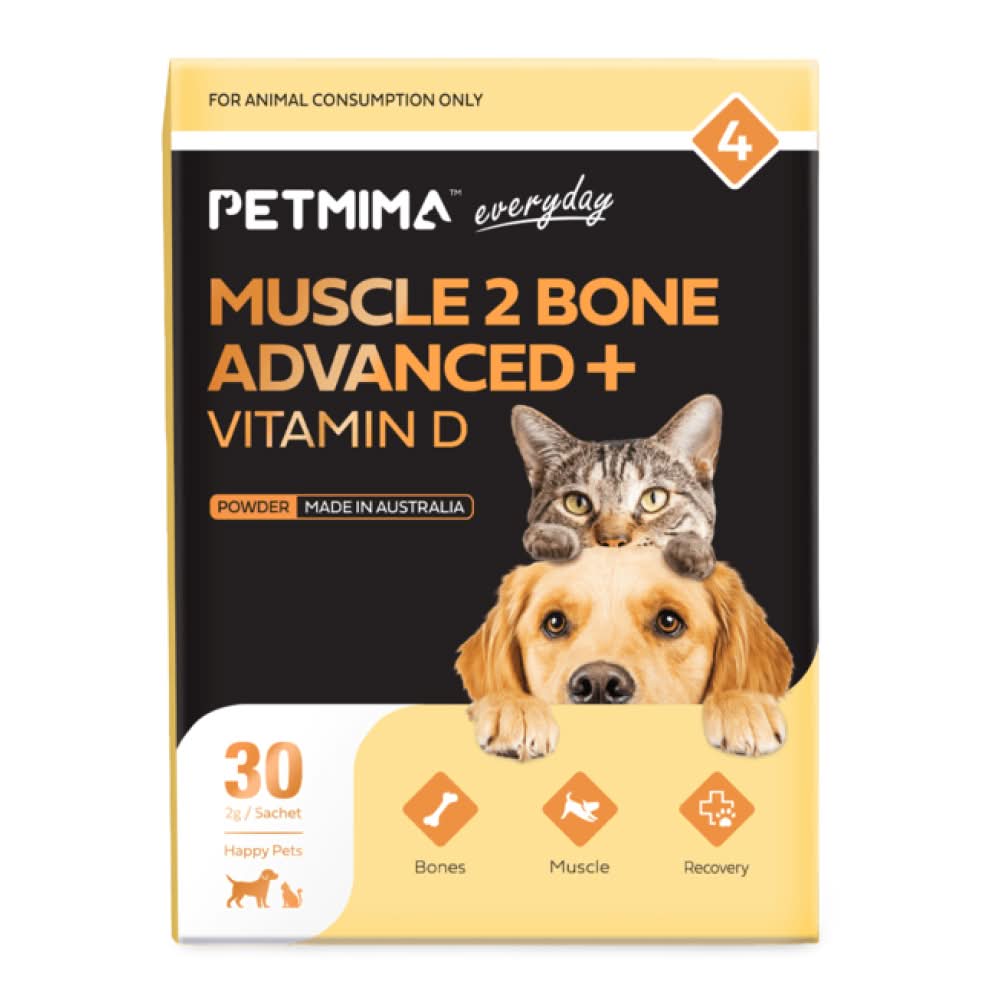
PetMima provides a range of Australian made, vet formulated supplements designed to support your dog’s digestive health, mobility, and emotional wellbeing.
Explore the PetMima collection to find natural and science backed solutions that help your pet thrive through every stage of life.


Comments
0 comments
Login or Register to Join the Conversation