


.png)




Kangaroo Raw Royalty Dog Food

Overview
Roo’s Clues with Superfood Extras is a lean, hypoallergenic raw dog food using premium kangaroo meat, bone, organs and added superfoods — perfect for dogs needing a low-fat, easily digestible meal. This recipe combines sweet potato, green beans, apple, salmon, eggs, coconut, berries, flax and chia, plus essential vitamins and minerals for balanced nutrition.
It suits dogs managing weight, those with food sensitivities or on recovery, and is suitable for all breeds and life stages.
Petzyo’s Raw Royalty range combines raw meats, bones, organs and natural superfoods to create a complete, balanced BARF diet. Every recipe is designed to promote long-term wellbeing, healthy digestion, strong immunity and everyday vitality.
Nutritional Analysis
A nutritional analysis shows how a dog food is made up of its main nutrients, such as protein, fat, fibre and other components. This helps you understand where the food’s nutrition and energy come from, and how the formula is balanced.
Ingredients
Kangaroo (Meat, Bone and Cartilage, Heart, Lung, Liver, Kidney), Sweet Potato, Green Beans, Apple, Chicken Eggs, Cold Pressed Flaxseed Meal, Essential Vitamins and Minerals (Vitamin A, Vitamin B1, Vitamin B2, Vitamin B6, Vitamin B12, Vitamin D, Vitamin E, Vitamin K, Niacin, Folic Acid, Biotin, Choline, Pantothenic Acid, Iron, Zinc, Copper, Manganese, Taurine, Omega 3, Omega 6), Tasmanian Salmon, Yoghurt, Coconut, Strawberries, Hemp Bran, Cold Pressed Flaxseed Oil, Blueberries, Turmeric, Chia Seeds, Kelp Powder, Parsley.
Kangaroo Meat
Kangaroo Meat
Macropus Spp., Kangaroo, Macropod Meat, Macropod
Origin
Role
Functional Benefits
Summary
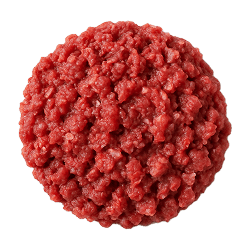
Kangaroo meat is a lean, high-protein ingredient sourced from wild Australian kangaroos (animal origin). It is primarily included in pet food for its rich protein content and low fat levels, supporting muscle maintenance and overall health. Kangaroo meat is used in its natural, whole food form, ensuring pets receive the full nutritional benefits without synthetic processing or additives.
Manufacturer Benefits
Kangaroo meat is included as a novel, high-protein ingredient to appeal to consumers seeking hypoallergenic or alternative protein sources for pets with dietary sensitivities. Its use also serves as a marketing differentiator, positioning the product as premium and label-friendly.
Kangaroo Bone
Kangaroo Bone
Macropus Spp. Bone, Macropod Bone, Macropus Bone, Australian Kangaroo Bone
Origin
Role
Functional Benefits
Summary
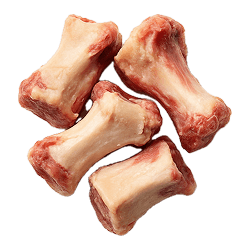
Kangaroo bone is an animal-derived ingredient sourced from Australian kangaroos. It is primarily included in pet food for its role as a natural source of calcium and phosphorus, supporting healthy bones and teeth. Kangaroo bone is used in its natural form, typically ground or powdered, to optimise nutrient availability and ensure safe consumption for pets.
Manufacturer Benefits
Kangaroo bone is included as a natural source of calcium and phosphorus, supporting skeletal health in pets. Its use also appeals to consumers seeking novel or hypoallergenic protein sources, enhancing the product’s marketing position.
Kangaroo Cartilage
Kangaroo Cartilage
Macropus Cartilage, Macropus Spp. Cartilage, Kangaroo Chondral Tissue, Macropod Cartilage
Origin
Role
Functional Benefits
Summary
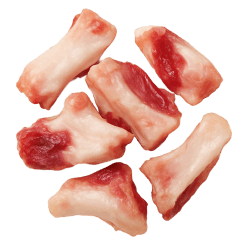
Kangaroo cartilage is a natural animal-derived ingredient sourced from the connective tissue of kangaroos. It is primarily included in pet food for its natural supply of glucosamine and chondroitin, which support joint health and mobility. Kangaroo cartilage is used in its whole, natural form, providing a minimally processed source of functional nutrients for optimal pet wellbeing.
Manufacturer Benefits
Kangaroo cartilage is included as a novel protein and natural source of glucosamine and chondroitin, supporting joint health claims for marketing differentiation. Its use also appeals to consumers seeking hypoallergenic or single-protein diets for their pets.

Kangaroo Heart
Kangaroo Heart
Macropus Spp. Heart, Kangaroo Cardiac Muscle, Macropod Heart, Macropod Cardiac Tissue
Origin
Role
Functional Benefits
Summary
Kangaroo heart is an animal-derived ingredient sourced from Australian kangaroos. It is a nutrient-dense organ meat, rich in high-quality protein, essential amino acids, and vital micronutrients such as iron and B vitamins. Kangaroo heart is included in pet food primarily to support muscle development and overall vitality. This ingredient is used in its natural, whole food form to maximise nutritional benefits.
Manufacturer Benefits
Kangaroo heart is included as a novel, high-protein ingredient to appeal to consumers seeking alternative or hypoallergenic animal proteins for their pets. Its use also supports premium product positioning and can differentiate the product in the market.

Kangaroo Lung
Kangaroo Lung
Macropus Lung, Macropus Spp. Lung, Kangaroo Pulmonary Tissue, Macropus Pulmonary Tissue
Origin
Role
Functional Benefits
Summary
Kangaroo lung is an animal-derived ingredient sourced from Australian kangaroos. It is included in pet food primarily as a novel protein source, offering essential amino acids to support muscle maintenance and overall health. Kangaroo lung is used in its natural, dehydrated form, ensuring pets receive the nutritional benefits of whole organ meat without synthetic additives or processing beyond drying.
Manufacturer Benefits
Kangaroo lung is included as a novel, high-protein ingredient that appeals to consumers seeking alternative or hypoallergenic protein sources for their pets. Its use also supports marketing efforts by highlighting an exotic, single-animal protein on the label.
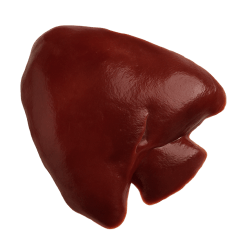
Kangaroo Liver
Kangaroo Liver
Macropus Liver, Macropus Spp. Liver, Kangaroo Offal Liver, Marsupial Liver
Origin
Role
Functional Benefits
Summary
Kangaroo liver is an animal-derived ingredient sourced from Australian kangaroos. It is highly valued for its rich content of protein, essential vitamins (notably vitamin A), and minerals such as iron and zinc, supporting overall health and vitality in pets. Kangaroo liver is incorporated in its natural, whole food form, ensuring optimal nutrient availability and palatability for companion animals.
Manufacturer Benefits
Kangaroo liver is included as a novel, high-protein ingredient to appeal to consumers seeking hypoallergenic or exotic protein sources for pets with dietary sensitivities. Its inclusion also serves as a marketing differentiator, enhancing product appeal through the use of a premium, label-friendly ingredient.
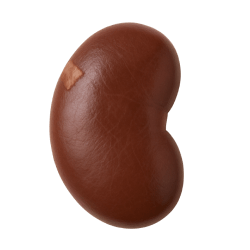
Kangaroo Kidney
Kangaroo Kidney
Macropus Kidney, Macropus Spp. Kidney, Kangaroo Renal Tissue, Macropod Kidney
Origin
Role
Functional Benefits
Summary
Kangaroo kidney is an animal-derived ingredient sourced from Australian kangaroos. It is included in pet food primarily for its high-quality protein and essential micronutrients, such as iron and B vitamins, which support overall health and vitality. Kangaroo kidney is used in its natural, whole-food form, ensuring optimal nutrient availability and digestibility for pets.
Manufacturer Benefits
Kangaroo kidney is included as a novel, high-protein ingredient to appeal to consumers seeking unique or hypoallergenic animal protein sources for their pets. Its use also supports premium product positioning and differentiation in the market.

Sweet Potato
Sweet Potato
Ipomoea Batatas, Kumara, Batata, Camote
Origin
Role
Functional Benefits
Summary
Sweet potato is a root vegetable of plant origin, valued for its rich content of complex carbohydrates, dietary fibre, and essential micronutrients such as vitamin A. In pet food, sweet potato serves primarily as a digestible energy source and supports digestive health. It is incorporated in its natural, whole form, ensuring optimal nutrient retention and palatability for companion animals.
Manufacturer Benefits
Sweet potato is included as a cost-effective, highly digestible carbohydrate source that provides energy and dietary fibre. It also serves as a label-friendly ingredient appealing to consumers seeking natural, whole-food components in pet food.

Green Beans
Green Beans
Phaseolus Vulgaris, String Beans, Snap Beans, Haricot Vert
Origin
Role
Functional Benefits
Summary
Green beans are the immature pods of the common bean plant (Phaseolus vulgaris), originating from a plant source. They are included in pet food primarily for their dietary fibre content, which supports digestive health, and as a source of vitamins and minerals. Green beans are used in their natural, whole form, providing a minimally processed, nutrient-rich ingredient for balanced pet nutrition.
Manufacturer Benefits
Green beans are included as a label-friendly vegetable ingredient to appeal to pet owners seeking recognisable, whole-food components. They also provide a cost-effective source of fibre and bulk, supporting digestive health and satiety in pet food formulations.

Apple
Apple
Malus Domestica, Pyrus Malus, Malus Pumila, E Malus
Origin
Role
Functional Benefits
Summary
Apple is a fruit derived from the Malus domestica tree, classified as a plant-based ingredient. It is primarily included in pet food for its dietary fibre, natural antioxidants, and vitamins, supporting digestive health and immune function. Apple is used in its natural, whole form, ensuring pets benefit from its inherent nutrients without synthetic alteration or processing into extracts or concentrates.
Manufacturer Benefits
Apple is included as a label-friendly ingredient to appeal to consumers seeking recognisable, natural components in pet food. It may also provide a modest source of fibre and natural sweetness to enhance palatability.

Egg
Egg
Hen Egg, Chicken Egg, Gallus Gallus Domesticus Egg, Avian Egg
Origin
Role
Functional Benefits
Summary
Egg is an animal-derived ingredient sourced from poultry, commonly used in pet food for its high-quality protein and essential amino acids. It provides vital nutrients that support muscle development and overall health. In pet food, egg is typically included in its natural, whole form—either as dried or fresh egg—ensuring optimal digestibility and nutrient availability for pets.
Manufacturer Benefits
Egg is included as a high-quality, bioavailable protein source to support muscle development and overall nutrition. It also enhances the product’s nutritional profile, appealing to consumers seeking premium or natural pet food options.

Linseed Meal
Linseed Meal
Flaxseed Meal, Flax Meal, Linum Usitatissimum Meal, Flaxseed Cake
Origin
Role
Functional Benefits
Summary
Linseed meal is a plant-derived ingredient produced from the ground seeds of the flax plant (Linum usitatissimum) after oil extraction. It is primarily included in pet food as a source of dietary fibre, protein, and omega-3 fatty acids, supporting digestive and skin health. Linseed meal is used in its natural, ground form to optimise nutrient availability and palatability for pets.
Manufacturer Benefits
Linseed meal is included as a cost-effective source of plant-based protein and omega-3 fatty acids, supporting nutritional labelling claims. It also serves as a fibre source to aid digestive health in pet food formulations.

Vitamin A
Vitamin A
Retinol, Retinyl Palmitate, Retinyl Acetate, E160a
Origin
Role
Functional Benefits
Summary
Vitamin A is an essential fat-soluble nutrient derived from animal sources (as retinyl esters) or plant sources (as carotenoids). It supports vision, immune function, and skin health in pets. In pet food, Vitamin A is not used in its raw or natural state but is provided as stabilised compounds (such as retinyl acetate or retinyl palmitate) to ensure safety, stability, and optimal absorption.
Manufacturer Benefits
Vitamin A is included as an essential nutrient to support vision, immune function, and overall health in pets, ensuring the product meets established nutritional standards. Its addition also allows manufacturers to optimise the nutritional profile and comply with regulatory labelling requirements.
Vitamin B1
Vitamin B1
Thiamine, Thiamin, Aneurin, E101
Origin
Role
Functional Benefits
Summary
Vitamin B1, also known as thiamine, is a water-soluble vitamin of synthetic or plant origin. It plays a crucial role in energy metabolism and supports healthy nerve and muscle function in pets. In pet food, thiamine is not used in its natural raw form but is typically utilised as thiamine mononitrate or thiamine hydrochloride to optimise stability, safety, and absorption.
Manufacturer Benefits
Vitamin B1 (thiamine) is included as an essential nutrient to meet regulatory requirements for canine health and to prevent deficiency-related disorders. Its addition ensures nutritional adequacy and supports normal metabolic function in pets.

Vitamin B2
Vitamin B2
Riboflavin, E101, Lactoflavin, Vitamin G
Origin
Role
Functional Benefits
Summary
Vitamin B2, also known as riboflavin, is a water-soluble vitamin of synthetic or microbial origin commonly added to pet foods. It plays a crucial role in energy metabolism and supports healthy skin, eyes, and nervous system function. Vitamin B2 is not used in its natural raw form but is instead utilised as riboflavin, a stable compound, to optimise safety and bioavailability in pet diets.
Manufacturer Benefits
Vitamin B2 is included as an essential nutrient to meet dogs’ dietary requirements and support metabolic functions. Its addition ensures nutritional adequacy and compliance with regulatory labelling standards.
Vitamin B6
Vitamin B6
Pyridoxine, Pyridoxol, Pyridoxine Hydrochloride, E101a
Origin
Role
Functional Benefits
Summary
Vitamin B6 is a water-soluble vitamin of synthetic or natural origin, commonly derived from plant or animal sources. It plays a crucial role in protein metabolism, red blood cell formation, and nervous system function. In pet food, Vitamin B6 is not used in its raw form but is typically included as a stable compound, such as pyridoxine hydrochloride, to optimise safety and bioavailability.
Manufacturer Benefits
Vitamin B6 is included as an essential nutrient to support metabolic and neurological functions in pets, ensuring the product meets established nutritional standards. Its addition helps manufacturers achieve complete and balanced labelling claims required for commercial pet foods.

Vitamin B12
Vitamin B12
Cobalamin, Cyanocobalamin, Hydroxocobalamin, Methylcobalamin
Origin
Role
Functional Benefits
Summary
Vitamin B12 is a water-soluble vitamin of animal origin, essential for nerve function and red blood cell formation in pets. It is primarily included in pet food to support energy metabolism and overall vitality. Vitamin B12 is not used in its natural, raw form but is instead utilised as a specific compound, such as cyanocobalamin, to ensure stability, safety, and optimal absorption.
Manufacturer Benefits
Vitamin B12 is included as an essential nutrient to support metabolic and neurological functions in pets, ensuring the product meets established nutritional standards. Its addition helps manufacturers achieve complete and balanced labelling claims.
Vitamin D
Vitamin D
Cholecalciferol, Ergocalciferol, Calciferol, E671
Origin
Role
Functional Benefits
Summary
Vitamin D is a fat-soluble vitamin of animal origin, commonly sourced from fish liver oils or synthesised for inclusion in pet foods. Its primary role is to regulate calcium and phosphorus balance, supporting healthy bones and teeth. Vitamin D is not used in its natural form but is instead utilised as a specific compound, such as cholecalciferol, to ensure safety and optimal absorption.
Manufacturer Benefits
Vitamin D is included to ensure the finished product meets established nutritional requirements for canine health, supporting bone development and calcium regulation. Its addition helps manufacturers achieve complete and balanced labelling claims in accordance with regulatory standards.

Vitamin E
Vitamin E
Tocopherol, Alpha-Tocopherol, E307, D-Alpha-Tocopherol
Origin
Role
Functional Benefits
Summary
Vitamin E is a fat-soluble vitamin derived from plant sources such as vegetable oils, nuts, and seeds. It functions primarily as an antioxidant, helping to protect cell membranes from oxidative damage and supporting immune health. In pet food, Vitamin E is not used in its natural raw form but is typically utilised as a stabilised compound, such as tocopherol acetate, to optimise safety and absorption.
Manufacturer Benefits
Vitamin E is included as a natural antioxidant to help preserve the freshness and stability of fats and oils in the product, thereby extending shelf life. It also serves as a label-friendly nutrient that appeals to consumers seeking added health benefits for their pets.

Vitamin K
Vitamin K
Phylloquinone, Phytonadione, Phytomenadione, E415
Origin
Role
Functional Benefits
Summary
Vitamin K is a fat-soluble vitamin of synthetic or natural origin, essential for blood clotting and bone health in pets. Its primary function is to support normal coagulation processes and maintain skeletal integrity. In pet food, vitamin K is not used in its natural form but is typically utilised as a safe, bioavailable compound such as menadione sodium bisulphite for optimal absorption and efficacy.
Manufacturer Benefits
Vitamin K is included as an essential nutrient to support normal blood clotting and overall health in pets. Its addition ensures nutritional adequacy and compliance with regulatory labelling standards for complete and balanced pet foods.
Niacin
Niacin
Nicotinic Acid, Vitamin B3, Pyridine-3-Carboxylic Acid, E375
Origin
Role
Functional Benefits
Summary
Niacin, also known as vitamin B3, is a water-soluble vitamin of synthetic or natural origin, commonly derived from plant or animal sources. It plays a crucial role in energy metabolism and supports healthy skin, nerves, and digestion in pets. Niacin is not used in its raw form but is typically included as a safe, bioavailable compound such as niacinamide or nicotinic acid.
Manufacturer Benefits
Niacin is included as an essential B vitamin to meet nutritional requirements and support metabolic health in pets. Its addition ensures compliance with regulatory standards for complete and balanced pet food labelling.

Folic Acid
Folic Acid
Pteroylmonoglutamic Acid, Pteroylglutamic Acid, Vitamin B9, E920
Origin
Role
Functional Benefits
Summary
Folic acid is a synthetic form of vitamin B9, originally derived from plant sources but produced for pet food as a stable, bioavailable compound. Its primary purpose is to support cell division, DNA synthesis, and overall growth in pets. Folic acid is not used in its natural state; instead, it is utilised as a manufactured supplement to optimise absorption and efficacy.
Manufacturer Benefits
Folic acid is included as a synthetic vitamin to ensure nutritional adequacy and meet regulatory requirements for B-vitamin content in pet food. Its addition helps standardise nutrient levels across batches, supporting consistent product labelling and animal health.
Biotin
Biotin
Vitamin B7, Vitamin H, D-Biotin, Coenzyme R
Origin
Role
Functional Benefits
Summary
Biotin is a water-soluble B-vitamin (vitamin B7) of synthetic origin, commonly included in pet foods to support healthy skin, coat, and metabolic function. Its primary benefit is aiding in the metabolism of fats, proteins, and carbohydrates. Biotin is not used in its natural, free form but is instead utilised as a stable, bioavailable compound to optimise absorption and efficacy in pets.
Manufacturer Benefits
Biotin is included as an essential vitamin to support skin, coat, and metabolic health in pets, fulfilling nutritional requirements for complete and balanced diets. Its addition also allows manufacturers to highlight the inclusion of key micronutrients on product labelling, appealing to health-conscious consumers.
Choline
Choline
Trimethylethanolamine, E1001, Choline Base, 2-Hydroxy-N,N,N-Trimethylethanaminium
Origin
Role
Functional Benefits
Summary
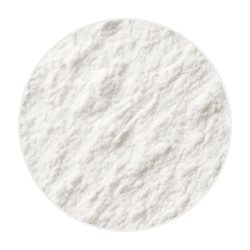
Choline is an essential nutrient of synthetic or natural origin, commonly derived from plant or animal sources. It plays a critical role in supporting brain development, liver function, and fat metabolism in pets. Choline is not used in its raw or elemental state; instead, it is typically utilised as choline chloride or choline bitartrate to ensure safety, stability, and optimal absorption in pet food formulations.
Manufacturer Benefits
Choline is included as an essential nutrient to support normal liver function, brain development, and metabolic processes in pets. Its addition ensures nutritional adequacy and helps manufacturers meet regulatory labelling requirements for complete and balanced pet foods.
Pantothenic Acid
Pantothenic Acid
Vitamin B5, D-Pantothenic Acid, E101d, Calcium Pantothenate
Origin
Role
Functional Benefits
Summary
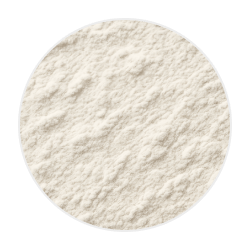
Pantothenic acid is a water-soluble B-vitamin (vitamin B5) of synthetic origin, as it is not typically extracted directly from natural sources for pet food. It plays a crucial role in energy metabolism and the synthesis of fatty acids. In pet food, pantothenic acid is not used in its raw form but is provided as a stable compound, such as calcium pantothenate, to optimise absorption and safety.
Manufacturer Benefits
Pantothenic acid is included as an essential B vitamin to support metabolic function and overall health in pets, helping manufacturers meet nutritional requirements for complete and balanced pet food labelling. Its addition ensures compliance with regulatory standards and appeals to consumers seeking scientifically formulated diets.

Iron
Iron
Ferrum, Fe, E1, Elemental Iron
Origin
Role
Functional Benefits
Summary
Iron is an essential mineral sourced from both animal and plant origins, crucial for oxygen transport and energy metabolism in pets. Its primary benefit is supporting healthy red blood cell formation and preventing anaemia. Iron is not used in its natural, raw, or metallic state; instead, it is utilised in pet food as safe, bioavailable compounds such as iron sulphate or iron proteinate to optimise absorption.
Manufacturer Benefits
Iron is included as an essential mineral to support healthy blood function and overall metabolism in pets. Its addition ensures the product meets nutritional requirements and regulatory standards for complete and balanced pet food.
Zinc
Zinc
Zn, E579, Zincum, CI 77947
Origin
Role
Functional Benefits
Summary
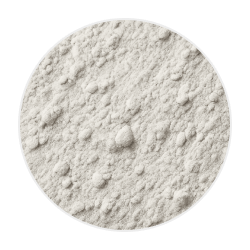
Zinc is an essential trace mineral sourced from the earth and is vital for numerous biological functions in pets, including immune support and skin health. In pet food, zinc is not used in its natural metallic state; instead, it is utilised as a compound such as zinc sulphate or zinc chelate to optimise safety and absorption, ensuring pets receive its full nutritional benefit.
Manufacturer Benefits
Zinc is included as an essential trace mineral to support immune function, skin health, and overall metabolic processes in pets. Its addition ensures nutritional adequacy and compliance with regulatory labelling standards for complete and balanced pet foods.

Copper
Copper
Cu, ECP, CI 77400, C.I. 77400
Origin
Role
Functional Benefits
Summary
Copper is an essential trace mineral sourced from the earth and is vital for numerous physiological functions in pets. It primarily supports red blood cell formation, connective tissue development, and immune system health. Copper is not used in its natural metallic state; instead, it is incorporated into pet food as safe, bioavailable compounds such as copper sulphate or copper proteinate to optimise absorption and efficacy.
Manufacturer Benefits
Copper is included as an essential trace mineral to meet nutritional requirements for dogs, supporting enzyme function and red blood cell formation. Its addition ensures compliance with regulatory standards for complete and balanced pet food labelling.

Manganese
Manganese
E34, Manganum, Mn, EINECS 231-105-1
Origin
Role
Functional Benefits
Summary
Manganese is an essential trace mineral sourced from the earth and is vital for numerous metabolic processes in pets. It primarily supports bone development, enzyme function, and antioxidant defence. Manganese is not used in its natural metallic state; instead, it is incorporated into pet food as a safe, bioavailable compound such as manganese sulphate or manganese oxide to optimise absorption and efficacy.
Manufacturer Benefits
Manganese is included as an essential trace mineral to support metabolic and skeletal health in pets, fulfilling nutritional requirements for complete and balanced pet food. Its addition ensures compliance with regulatory standards and appeals to consumers seeking scientifically formulated diets.
Taurine
Taurine
2-Aminoethanesulphonic Acid, L-Taurine, E107, 2-Aminoethane-1-Sulphonic Acid
Origin
Role
Functional Benefits
Summary
Taurine is a naturally occurring amino sulfonic acid derived from animal sources, particularly meat and fish. It is added to pet food to support cardiovascular health, vision, and proper immune function, especially in cats who cannot synthesise it sufficiently. Taurine is not used in its raw form; instead, it is incorporated as a purified, synthesised compound to ensure stability, safety, and optimal absorption.
Manufacturer Benefits
Taurine is included to ensure adequate levels of this essential amino acid, particularly in diets where animal protein content may be insufficient to meet canine or feline nutritional requirements. Its addition supports cardiovascular health and is often used to address consumer concerns about diet-associated heart issues.

Omega-3 Fatty Acid
Omega-3 Fatty Acid
Alpha-Linolenic Acid, Eicosapentaenoic Acid, Docosahexaenoic Acid, n-3 Polyunsaturated Fatty Acid
Origin
Role
Functional Benefits
Summary
Omega-3 fatty acid is a type of essential polyunsaturated fat primarily derived from animal sources such as fish oil or plant sources like flaxseed. It is included in pet food to support skin and coat health, cognitive function, and anti-inflammatory processes. Omega-3 is not used in its raw form but is incorporated as specific compounds, such as fish oil or algal oil, to optimise absorption and safety.
Manufacturer Benefits
Omega-3 fatty acid is included to support claims of health benefits such as skin and coat health, and to appeal to consumers seeking functional nutrition for their pets. It also serves as a label-friendly ingredient that enhances product marketability.
Omega-6 Fatty Acid
Omega-6 Fatty Acid
Linoleic Acid, C18:2 n-6, LA, EFA Omega-6
Origin
Role
Functional Benefits
Summary
Omega-6 fatty acid is a type of polyunsaturated fat derived primarily from plant oils such as sunflower or safflower. It plays a crucial role in supporting skin health, coat quality, and normal cellular function in pets. Omega-6 fatty acids are not used in their isolated chemical form but are incorporated into pet foods through natural oil sources to optimise bioavailability and safety.
Manufacturer Benefits
Omega-6 fatty acid is included to support skin and coat health, fulfilling consumer expectations for visible wellness benefits. It also serves as a marketing point, allowing manufacturers to highlight the presence of essential fatty acids on product labelling.
Salmon
Salmon
Salmo Salar, Atlantic Salmon, Pacific Salmon, Oncorhynchus Spp.
Origin
Role
Functional Benefits
Summary
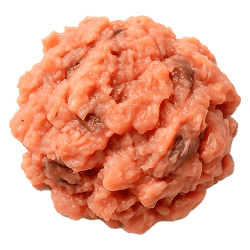
Salmon is a nutrient-rich fish sourced from cold, clean waters and is classified as an animal-derived ingredient. It is primarily included in pet food for its high-quality protein and omega-3 fatty acids, which support skin, coat, and joint health. Salmon is used in its natural form, ensuring pets benefit from its full nutritional profile and bioavailable nutrients.
Manufacturer Benefits
Salmon is included as a high-quality protein and omega-3 fatty acid source to support skin and coat health, appealing to consumers seeking premium or functional pet foods. Its presence also enhances palatability and serves as a marketing differentiator on product labelling.

Yoghurt
Yoghurt
Curdled Milk, Fermented Milk, Cultured Milk, Lactobacillus Spp.
Origin
Role
Functional Benefits
Summary
Yoghurt is a cultured dairy product derived from the fermentation of milk by beneficial bacteria. As an animal-based ingredient, it provides a source of protein, calcium, and probiotics, supporting digestive and immune health in pets. Yoghurt is included in its natural form, ensuring the retention of live cultures and nutrients, which contribute to its functional and nutritional benefits in pet food formulations.
Manufacturer Benefits
Yoghurt is included as a label-friendly ingredient to appeal to pet owners seeking perceived digestive or probiotic benefits for their pets. It may also contribute to palatability and enhance the product’s marketing profile.
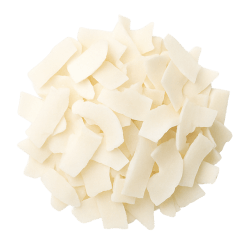
Coconut
Coconut
Cocos Nucifera, Cocos Nucifera Fruit, Cocos Nucifera (Plant), Cocos Nucifera (Fruit)
Origin
Role
Functional Benefits
Summary
Coconut is a plant-derived ingredient sourced from the fruit of the coconut palm (Cocos nucifera). It is primarily included in pet food for its healthy fats, particularly medium-chain triglycerides, which support energy and skin health. Coconut is used in its natural form, such as dried or shredded flesh, ensuring pets benefit from its nutrients and dietary fibre.
Manufacturer Benefits
Coconut is included as a label-friendly ingredient to appeal to health-conscious consumers and enhance product marketing. It may also serve as a source of dietary fibre and medium-chain fatty acids, contributing to the nutritional profile of the pet food.

Strawberry
Strawberry
Fragaria × Ananassa, Garden Strawberry, Fragaria Ananassa, Fragaria Spp.
Origin
Role
Functional Benefits
Summary
Strawberry is a plant-derived fruit known for its vibrant red colour and natural sweetness. In pet food, strawberry is primarily included as a source of dietary fibre, antioxidants, and vitamin C, supporting immune health and overall wellbeing. Strawberry is used in its natural, whole form, ensuring pets benefit from its full nutritional profile without synthetic alteration.
Manufacturer Benefits
Strawberry is included as a label-friendly ingredient to appeal to consumers seeking natural and recognisable components in pet food. It may also provide a minor source of antioxidants and vitamins, supporting marketing claims of added nutritional benefits.

Hemp Bran
Hemp Bran
Cannabis Sativa Bran, Cannabis Sativa Seed Bran, Hempseed Bran, Cannabis Bran
Origin
Role
Functional Benefits
Summary
Hemp bran is a plant-derived ingredient obtained from the outer layer of hemp seeds after oil extraction. It is primarily included in pet food for its high dietary fibre content, which supports digestive health and regularity. Hemp bran is used in its natural form, retaining its nutritional profile and functional benefits without chemical alteration or refinement.
Manufacturer Benefits
Hemp bran is included as a cost-effective source of dietary fibre and plant-based protein, supporting digestive health and contributing to the overall nutrient profile. Its inclusion also allows manufacturers to market the product as containing novel or functional ingredients, appealing to health-conscious consumers.

Linseed Oil
Linseed Oil
Flaxseed Oil, Oleum Lini, E401, Linum Usitatissimum Oil
Origin
Role
Functional Benefits
Summary
Linseed oil, derived from the seeds of the flax plant (Linum usitatissimum), is a plant-based ingredient valued for its high content of omega-3 fatty acids, particularly alpha-linolenic acid (ALA), which supports skin and coat health in pets. In pet food, linseed oil is utilised in its natural, cold-pressed form to optimise nutrient retention and bioavailability.
Manufacturer Benefits
Linseed oil is included as a source of omega-3 fatty acids to support skin and coat health, providing a plant-based alternative to fish oils. Its presence also allows manufacturers to market the product as containing beneficial oils for overall wellbeing.
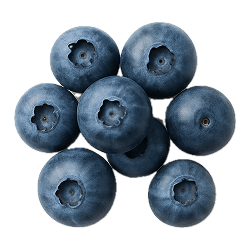
Blueberry
Blueberry
Vaccinium Corymbosum, Vaccinium Angustifolium, Bilberry, E163
Origin
Role
Functional Benefits
Summary
Blueberry is a small, nutrient-rich fruit of plant origin, commonly sourced from the Vaccinium genus. It is included in pet food primarily for its antioxidant properties, supporting immune health and cellular protection. Blueberry is used in its natural, whole form, ensuring pets benefit from its full spectrum of vitamins, fibre, and phytonutrients as found in fresh fruit.
Manufacturer Benefits
Blueberry is included as a label-friendly ingredient to appeal to health-conscious consumers, leveraging its reputation as a source of antioxidants. Its presence supports marketing claims of added nutritional benefits, though it is typically used in small quantities with minimal impact on the overall nutritional profile for pets.

Turmeric
Turmeric
Curcuma Longa, Indian Saffron, Jiang Huang, E100
Origin
Role
Functional Benefits
Summary
Turmeric is a vibrant yellow spice derived from the root of the Curcuma longa plant, making it a plant-based ingredient. It is primarily included in pet food for its natural antioxidant and anti-inflammatory properties, supporting overall health and wellbeing. Turmeric is used in its natural powdered form, ensuring pets benefit from its active compound, curcumin, in a safe and bioavailable manner.
Manufacturer Benefits
Turmeric is included as a label-friendly ingredient to appeal to health-conscious consumers due to its association with natural antioxidants and anti-inflammatory properties. Its presence may also support marketing claims related to holistic or functional pet foods, despite being used in small quantities with minimal direct nutritional impact for pets.
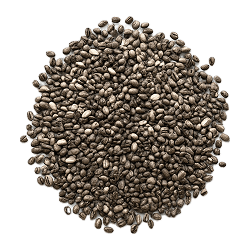
Chia Seed
Chia Seed
Salvia Hispanica, Salvia Hispanica Seed, Salba, Salvia Hispanica L.
Origin
Role
Functional Benefits
Summary
Chia seed is a plant-derived ingredient sourced from the Salvia hispanica plant, native to Central and South America. It is primarily included in pet food for its rich content of omega-3 fatty acids, dietary fibre, and antioxidants, supporting skin, coat, and digestive health. Chia seed is used in its natural, whole form, ensuring optimal nutrient retention and bioavailability for pets.
Manufacturer Benefits
Chia seed is included as a label-friendly ingredient to appeal to health-conscious consumers, as it is associated with omega-3 fatty acids and fibre. It may also provide a minor functional benefit as a source of plant-based nutrients and aid in product marketing.

Kelp Powder
Kelp Powder
Seaweed Powder, Ascophyllum Nodosum Powder, Laminaria Powder, Macrocystis Pyrifera Powder
Origin
Role
Functional Benefits
Summary
Kelp powder is a dried and ground form of sea kelp, a type of marine algae (plant origin) harvested from ocean waters. It is primarily included in pet food for its rich iodine content, supporting healthy thyroid function and metabolism. Kelp powder is used in its natural, whole-food form, ensuring optimal nutrient availability and safe consumption for pets.
Manufacturer Benefits
Kelp powder is included as a natural source of trace minerals, iodine, and vitamins to support nutritional labelling claims and enhance the perceived health benefits of the product. Its addition also serves as a label-friendly ingredient that appeals to health-conscious consumers.
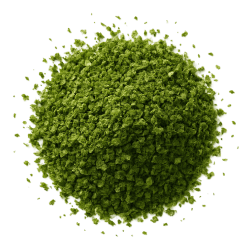
Parsley
Parsley
Petroselinum Crispum, Garden Parsley, Common Parsley, E461
Origin
Role
Functional Benefits
Summary
Parsley is a leafy herb of plant origin, commonly used in pet food for its natural antioxidant properties and as a source of vitamins such as vitamin K and C. It is primarily included to support immune health and freshen breath. In pet food formulations, parsley is used in its natural, whole form, ensuring the retention of its beneficial phytonutrients and fibre content.
Manufacturer Benefits
Parsley is included as a label-friendly ingredient to appeal to pet owners seeking natural or recognisable components in pet food. It may also be added for its perceived breath-freshening properties, though its functional impact on canine nutrition is minimal.
Ingredients Splitting
Score Card
Every product is assessed using the Dog Directory Integrity Framework, giving dog owners a clear and trustworthy way to compare products. This ensures each review reflects overall quality and formulation integrity, not just marketing claims.
- /40
- /30
- /15
- /10
- /5
- Overall ScoreScore Info
As a pet owner, you naturally want the best for your dog. From regular vet visits to nutritious meals, ensuring your furry friend is healthy and happy is always top of mind. But beyond food and exercise, supplements are becoming an increasingly popular way to support your dog’s overall well-being. In this comprehensive guide, we’ll dive into the world of dog supplements, explaining what they are, why they matter, and how to choose the right ones for your pup.
0/100
/100
ABOUT
Brand
Parent Company

Manufactured

Policy Coverage
Category
Life Stage
Breed Size
Feeding Type
Processing Level
PRODUCT TAGS
Frequently Asked Questions
What Are Dog Supplements?
Dog supplements are products specifically formulated to complement your pet’s diet. They provide essential vitamins, minerals, and other nutrients that may be missing from their food or needed in greater amounts due to specific health concerns. While most commercial dog foods are designed to be nutritionally complete, supplements can address particular health issues, support aging joints, boost immunity, and much more.
Supplements for dogs come in various forms, including pills, powders, chewables, and liquids, making it easier to incorporate them into your dog’s daily routine.
Why Do Dogs Need Supplements?
Dog supplements are products specifically formulated to complement your pet’s diet. They provide essential vitamins, minerals, and other nutrients that may be missing from their food or needed in greater amounts due to specific health concerns. While most commercial dog foods are designed to be nutritionally complete, supplements can address particular health issues, support aging joints, boost immunity, and much more.
Supplements for dogs come in various forms, including pills, powders, chewables, and liquids, making it easier to incorporate them into your dog’s daily routine.
Price Comparision


About the Brand
Petzyo
Petzyo delivers premium Australian made dry and raw dog food through a convenient and sustainable subscription service.
Explore their nutritionist developed range of natural meals crafted with ethically sourced ingredients to support your dog’s specific health goals.


Comments
0 comments
Login or Register to Join the Conversation