







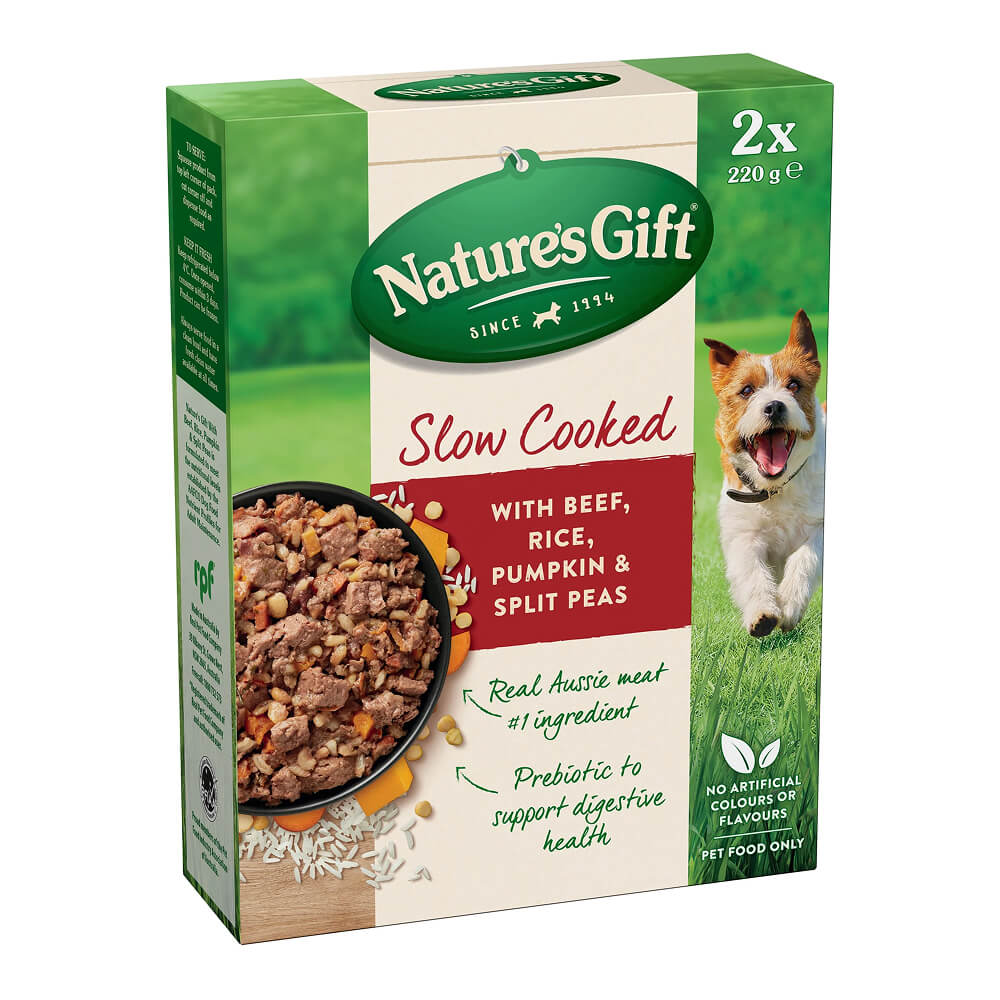
Slow Cooked Beef, Rice, Pumpkin and Split Peas Chilled Dog Food

Overview
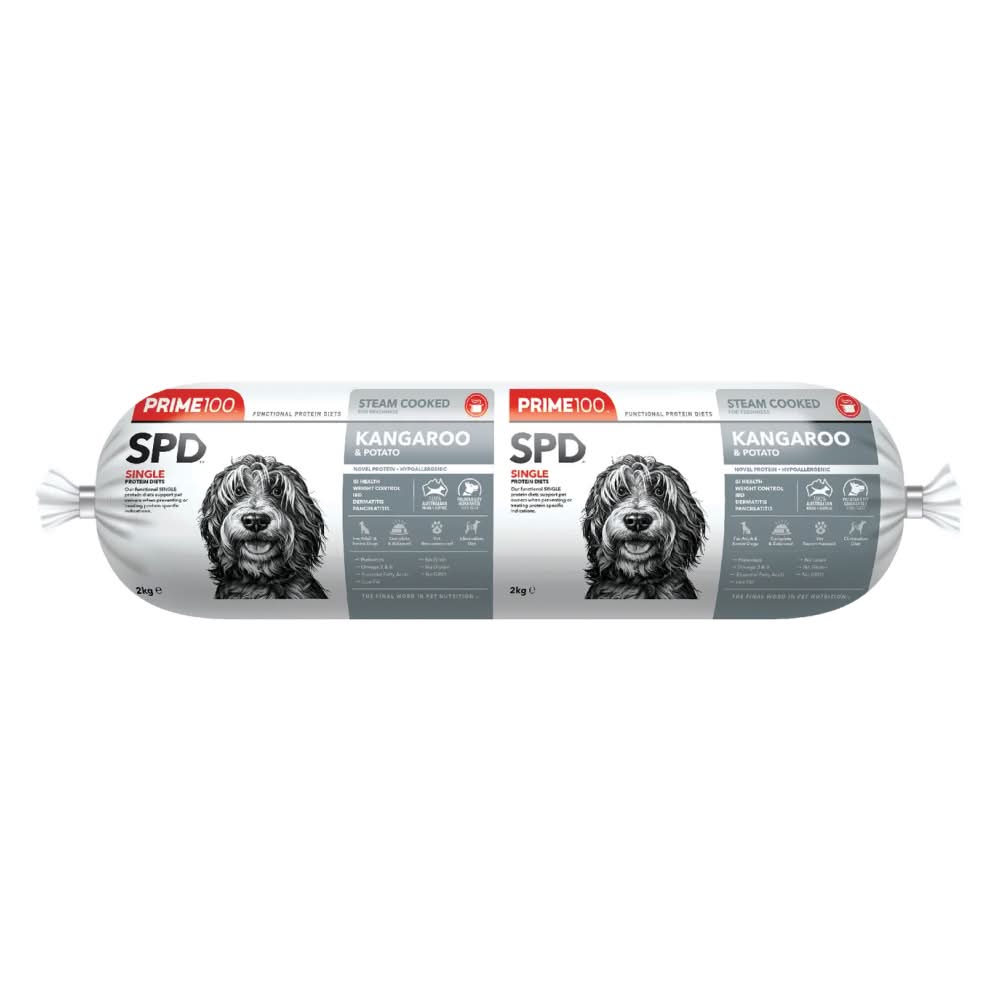
Nature's Gift Slow Cooked Beef, Rice, Pumpkin and Split Peas Chilled Dog Food is a chilled, ready-to-serve gently cooked meal made in Australia for adult and senior dogs of all breeds. The recipe combines beef alongside other meats with rice, pumpkin, split peas and carrots, plus vegetable protein, vitamins and minerals. The ingredient list includes added salt, preservatives and a multi-protein blend, making it unsuitable for dogs on a single-protein or restricted-ingredient diet.
Nutritional Analysis
Ingredients
Meats (Chicken, Kangaroo and/or Beef and/or Pork and/or Lamb), Rice, Pumpkin, Split Peas, Carrots, Vegetable Protein, Flavour, Gelling Agents, Salt, Vegetable Oil, Colour, Vitamins & Minerals, Parsley, Dietary Fibre, Amino Acid, Preservatives (223, 202), Mixed Herbs, Mineral Salt, Food Acid, Xylose, Antioxidant.

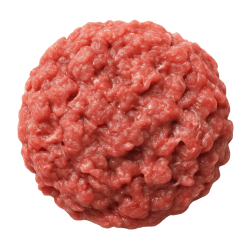
Animal Flesh, Muscle Tissue, Animal Protein, Skeletal Muscle
Meat refers to the edible muscle tissue derived from animals, commonly sourced from species such as chicken, beef, or lamb. It serves as a high-quality source of protein, essential amino acids, and vital nutrients like iron and B vitamins, supporting muscle maintenance and overall health. In pet food, meat is used in its natural form, ensuring optimal nutrient availability and palatability for pets.
Meat is included as a primary protein source to support essential amino acid requirements and overall nutritional value in pet food. Its presence also enhances palatability, making the product more appealing to pets.

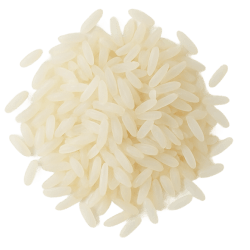
Oryza Sativa, Paddy, Oryza Sativa Grain, Oryza Spp.
Rice is a cereal grain derived from the seeds of the Oryza sativa plant, making it a plant-based ingredient. It serves primarily as a highly digestible source of carbohydrates, providing energy for pets. In pet food, rice is typically used in its natural, whole or milled form, rather than as a processed extract, to optimise digestibility and nutrient availability.
Rice is included as a cost-effective carbohydrate source that provides energy and helps create a desirable texture in pet food. It is also easily digestible, making it suitable for sensitive digestive systems and appealing for marketing as a familiar, label-friendly ingredient.

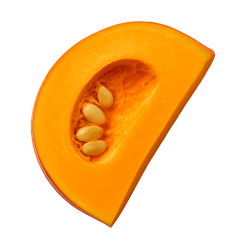
Cucurbita Pepo, Cucurbita Maxima, Cucurbita Moschata, Pepo
Pumpkin is a plant-derived ingredient sourced from the fruit of the Cucurbita pepo species. It is primarily included in pet food for its dietary fibre content, which supports digestive health and regularity. Pumpkin is used in its natural form, either as fresh, cooked, or dehydrated flesh, providing a source of vitamins, minerals, and antioxidants beneficial to overall wellbeing.
Pumpkin is included as a label-friendly ingredient that appeals to consumers seeking natural and recognisable components, while also serving as a cost-effective source of fibre and moisture to support digestive health and product texture. Its inclusion can enhance marketing appeal without significantly increasing formulation costs.

Pisum Sativum, Split Peas, Field Peas, Green Peas
Dried peas are the dehydrated seeds of the Pisum sativum plant, commonly used as a source of plant-based protein and dietary fibre in dog food. They are typically added in their whole or split form after being dried. Dried peas contribute protein, fibre, and essential micronutrients, supporting digestive health and providing energy. When included at appropriate levels, they are generally safe; however, excessive inclusion may be associated with digestive upset or, in rare cases, concerns about their role in canine dilated cardiomyopathy are under investigation.
Dried peas are included in dog food formulations for the Australian market primarily as a cost-effective source of plant protein and fibre, helping manufacturers meet protein content requirements while reducing reliance on more expensive animal proteins. They also aid in processing by improving kibble texture and structure.

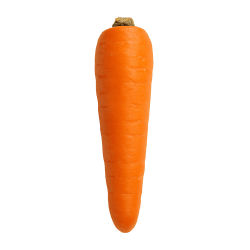
Daucus Carota, Daucus Carota Root, Daucus Carota Sativa, Wild Carrot
Carrot is a root vegetable of plant origin, widely recognised for its vibrant orange colour and natural sweetness. In pet food, carrot is included in its natural, whole form to provide dietary fibre, beta-carotene (a precursor to vitamin A), and antioxidants. Its primary benefit is supporting digestive health and immune function, while also contributing to overall palatability and nutritional diversity.
Carrot is included as a label-friendly ingredient to appeal to consumers seeking recognisable, natural components and to enhance the product’s perceived nutritional value. It may also provide a modest source of fibre and vitamins, supporting marketing claims of added health benefits.

Plant Protein, Protein Isolate (Plant), Plant-Based Protein, Protein Concentrate (Plant)
Vegetable protein is a plant-derived ingredient commonly sourced from legumes, grains, or seeds. It serves as an alternative protein source, supporting muscle maintenance and overall health in pets. Vegetable protein is typically processed and concentrated from its original plant form to optimise digestibility and nutrient availability. It is not used in its whole, natural state but rather as an extracted and refined protein component.
Vegetable protein is included as a cost-effective protein source to supplement or partially replace animal proteins, helping manufacturers manage production costs. It also allows for label claims regarding protein content while appealing to consumers seeking plant-based or alternative protein options.

Flavouring, Flavouring Substance, Flavouring Agent, Flavouring Preparation
Flavours are additives derived from various sources, including animal, plant, or synthetic origins, designed to enhance the palatability of pet food. Their primary purpose is to improve taste and encourage consistent consumption. Flavours are not used in their natural, raw state; instead, they are formulated as specific compounds or extracts to ensure safety, stability, and uniformity in pet food products.
Flavours are included to enhance palatability, encouraging pets to consume the product. They also allow manufacturers to maintain consistent taste profiles despite variations in raw ingredient quality.

Stabiliser, Thickener, E Number, Hydrocolloid
Gelling agent refers to a functional ingredient, typically derived from plant or seaweed sources such as guar gum, carrageenan, or agar, used to modify the texture and consistency of pet food. Its primary purpose is to bind moisture and create a stable, palatable gel structure. Gelling agents are not used in their raw plant form but are processed and utilised as purified extracts or compounds for optimal performance and safety.
Gelling agents are included to modify the texture and consistency of pet food, ensuring a uniform and appealing product structure. They also help stabilise moisture content, which can extend shelf life and improve product handling.

Sodium Chloride, NaCl, Table Salt, E535
Salt is a mineral ingredient derived from the combination of sodium and chloride, typically sourced from natural deposits or seawater. It is primarily included in pet food to support electrolyte balance, nerve function, and hydration. Salt is not used in its raw mineral form but is utilised as sodium chloride, a purified compound, to ensure safety, palatability, and optimal absorption in pets.
Salt is included as a palatability enhancer to improve taste and encourage consumption, and also functions as a preservative to help extend product shelf life. Its use allows manufacturers to optimise flavour while maintaining product stability.

Edible Vegetable Oil, Edible Plant Oil, Plant Oil, Oleum Vegetabile
Vegetable oil is a plant-derived fat extracted from various seeds or fruits, such as sunflower, canola, or soybean. It serves primarily as an energy source and supports the absorption of fat-soluble vitamins in pet food. Vegetable oil is used in its refined, edible form rather than as raw plant material, ensuring safety, palatability, and optimal nutrient availability for pets.
Vegetable oil is included as a cost-effective source of dietary fat and energy, supporting palatability and contributing to the texture of the final product. It may also be used to deliver essential fatty acids and improve the appearance of the kibble.

Food Colours, Food Colorants, Food Colour Additives, E Numbers
Colours are additives derived from either natural sources (such as plants or minerals) or synthesised compounds, used to enhance or restore the visual appeal of pet food. Their primary function is to improve product appearance, which can influence owner perception. Colours are not used in their raw or metallic state; instead, they are incorporated as approved food-grade compounds to ensure safety and consistency.
Colours are added to pet food to enhance visual appeal, making the product more attractive to pet owners. They do not provide nutritional value but can support marketing objectives by improving the perceived quality and consistency of the product.

Micronutrients, Essential Micronutrients, Vital Nutrients, Accessory Food Factors
Vitamins are organic compounds derived from both plant and animal sources, essential for numerous metabolic and physiological functions in pets. Their primary purpose is to support immune health, vision, bone development, and cellular processes. In pet food, vitamins are not used in their natural, raw forms but are instead incorporated as stabilised compounds or premixes to ensure safety, stability, and optimal bioavailability.
Vitamins are included to ensure nutritional adequacy and meet regulatory requirements for complete and balanced pet food. They may also be added to compensate for nutrient losses during processing and storage.

Dietary Minerals, Inorganic Nutrients, Essential Minerals, Bulk Elements
Minerals are essential inorganic nutrients derived from the earth, not produced by animals or plants. They play a critical role in supporting various physiological functions, such as bone development, nerve transmission, and enzyme activity. In pet food, minerals are not used in their natural raw or metallic state; instead, they are incorporated as specific compounds (such as sulphates or chelates) to optimise safety and bioavailability.
Minerals are included to meet essential nutritional requirements for pets, supporting overall health and proper bodily functions. They are often added in precise amounts to ensure the product complies with regulatory standards and nutrient profiles.

Petroselinum Crispum, Garden Parsley, Common Parsley, E461
Parsley is a leafy herb of plant origin, commonly used in pet food for its natural antioxidant properties and as a source of vitamins such as vitamin K and C. It is primarily included to support immune health and freshen breath. In pet food formulations, parsley is used in its natural, whole form, ensuring the retention of its beneficial phytonutrients and fibre content.
Parsley is included as a label-friendly ingredient to appeal to pet owners seeking natural or recognisable components in pet food. It may also be added for its perceived breath-freshening properties, though its functional impact on canine nutrition is minimal.

Dietary Fibre, Roughage, Bulk, E459
Fibres are indigestible carbohydrates derived primarily from plant sources such as grains, vegetables, and fruits. Their main purpose in pet food is to support digestive health by promoting regular bowel movements and aiding in nutrient absorption. Fibres are included in their natural form, as whole plant materials or processed plant fractions, to optimise gastrointestinal function and overall wellbeing in pets.
Fibres are included as a cost-effective ingredient to promote digestive health and regulate stool quality in pets. They may also be used to add bulk to the product and support satiety, contributing to weight management formulations.

L-Amino Acids, α-Amino Acids, Proteinogenic Amino Acids, E620-E640
Amino acids are organic compounds derived from both animal and plant sources, serving as the fundamental building blocks of proteins. Their primary nutritional benefit is to support muscle development, tissue repair, and overall metabolic function in pets. In pet food, amino acids are not used in their isolated natural form but are typically included as specific, bioavailable compounds to optimise absorption and efficacy.
Amino acids are included to ensure the product meets essential protein and nutrient requirements for pets, supporting overall health and development. They may also be added to optimise the amino acid profile of the food, compensating for any deficiencies in the primary protein sources.

Disodium Metabisulphite, Sodium Pyrosulphite, E223, Disodium Disulphite
Sodium metabisulphite is a synthetic compound derived from sulphur and sodium, commonly used as a preservative in pet foods. Its primary function is to inhibit microbial growth and prevent spoilage, thereby extending shelf life. Sodium metabisulphite is not used in its natural elemental form; instead, it is utilised as a processed salt to ensure safety, stability, and effective preservation.
Sodium metabisulphite is included as a preservative to inhibit microbial growth and extend the shelf life of pet food products. Its use helps maintain product stability during storage and distribution.

E202, Sorbistat K, Potassium (E202), Potassium Salt of Sorbic Acid
Potassium sorbate is a preservative derived from sorbic acid, a naturally occurring compound found in some fruits, but it is manufactured synthetically for commercial use. Its primary function in pet food is to inhibit the growth of moulds and yeasts, thereby extending shelf life. Potassium sorbate is not used in its natural state but as a salt compound to ensure safety and effective preservation.
Potassium sorbate is included as a preservative to inhibit the growth of mould, yeast, and some bacteria, thereby extending the product’s shelf life. Its use allows manufacturers to maintain product stability and freshness during storage and distribution.

Herb Blend, Dried Herb Mix, Culinary Herb Mix, Herba Mixta
Mixed herbs are a blend of dried plant leaves, typically including parsley, thyme, marjoram, and basil, sourced from various herbaceous plants. They are primarily added to pet food for flavour enhancement and to provide natural antioxidants that support overall health. Mixed herbs are used in their natural, dried form, ensuring the retention of beneficial phytonutrients and aromatic compounds.
Mixed herbs are included as a label-friendly ingredient to appeal to consumers seeking natural or holistic pet food options. They may also provide minor flavour enhancement, but are typically present in quantities too small to significantly impact nutritional value.

E511, E516, E518, E529
Mineral salts are inorganic compounds derived from naturally occurring minerals, typically sourced from the earth. They are included in pet food to provide essential minerals such as calcium, phosphorus, and magnesium, which support bone health, nerve function, and metabolic processes. Mineral salts are not used in their raw or metallic state; instead, they are utilised as specific compounds to ensure safety and optimal absorption.
Mineral salts are included to provide essential minerals that support overall pet health and meet nutritional requirements. They also help optimise product stability and ensure compliance with regulatory labelling standards.

Acidulant, Acidity Regulator, E Acidifier, Acidity Corrector
Food acid is a functional ingredient derived from either natural or synthetic sources, commonly used in pet food to regulate acidity and preserve freshness. Its primary purpose is to maintain optimal pH levels, which helps inhibit spoilage and supports product stability. Food acids are not used in their raw or elemental form; instead, they are utilised as safe, food-grade acid compounds suitable for animal consumption.
Food acid is included to regulate the pH of the product, enhancing preservation and extending shelf life. It also helps maintain product stability and safety by inhibiting the growth of spoilage microorganisms.

Wood Sugar, D-Xylose, E967, Pentose Sugar
Xylose is a naturally occurring sugar derived from plant sources, particularly hardwoods and some fruits. It is primarily included in pet food as a functional carbohydrate, often serving as a prebiotic to support digestive health. Xylose is not used in its raw plant form; instead, it is utilised as a purified compound to ensure consistency, safety, and optimal absorption in pet diets.
Xylose is included as a cost-effective sweetener and flavour enhancer to improve palatability for pets. It may also serve as a humectant, helping to maintain moisture and extend product shelf life.

Antioxidant Agents, Free Radical Scavengers, E306, E321
Antioxidants are compounds sourced from both plant and synthetic origins, commonly added to pet food to protect fats and oils from oxidation, thereby preserving freshness and nutritional quality. Their primary function is to neutralise free radicals, supporting cellular health. Antioxidants are not used in their raw or isolated chemical state; instead, specific forms such as mixed tocopherols or ascorbate compounds are utilised for safety and efficacy.
Antioxidants are included to prevent the oxidation of fats and oils, thereby extending the product’s shelf life and maintaining nutritional quality. They also help preserve colour and flavour, supporting product stability and consumer appeal.

About

.png)


Comments
0 comments
Login or Register to Join the Conversation