







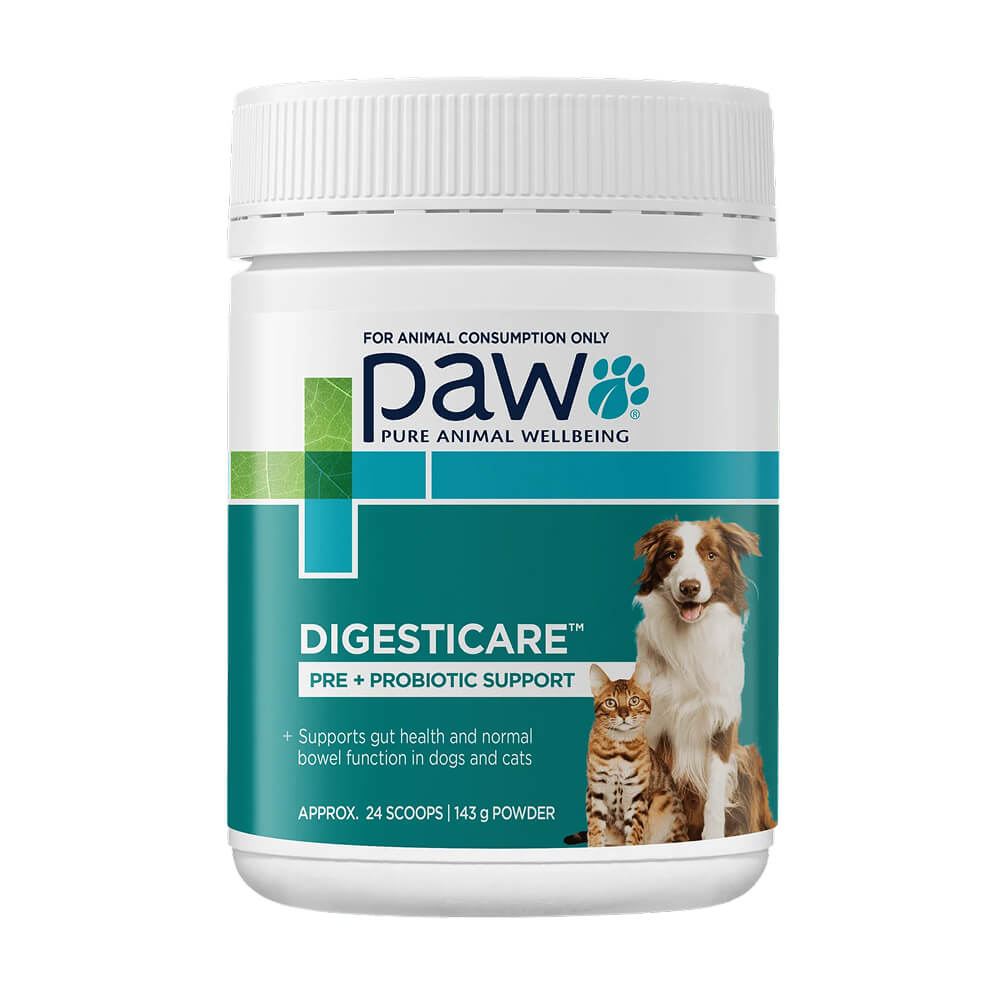
PAW DigestiCare® Pre + Probiotic Powder

Overview
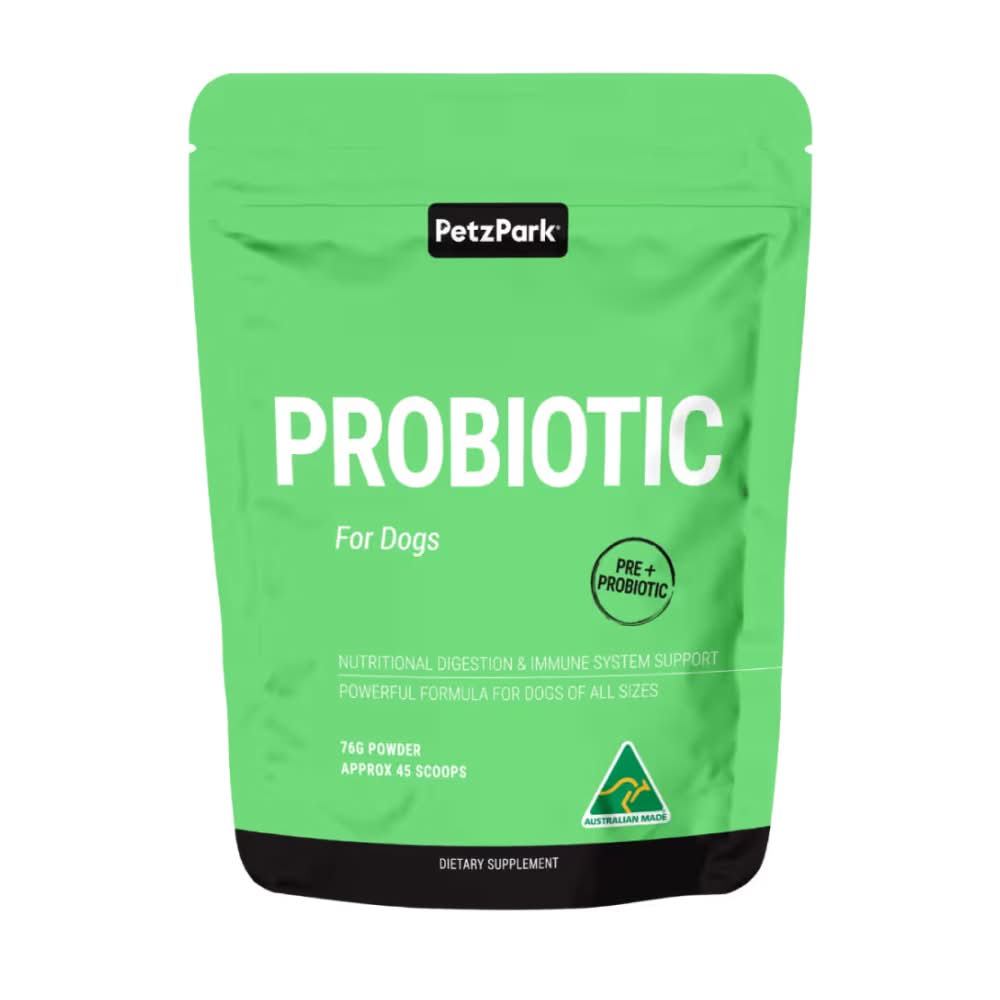
PAW DigestiCare® Pre + Probiotic Powder is an Australian-made daily gut support powder for dogs and cats. The formula combines spore-forming probiotics, resistant starch prebiotics, digestive enzymes and antioxidant-rich fermented wholefood ingredients to support microbiome balance, normal stool quality and everyday digestive health. Sprinkle over food. Suitable for all life stages and breed sizes. Complementary feed; not a complete meal.
Ingredients
Wholefood Powder Mix (Wheat, Oats, Barley, Rye, Rice, Linseed, Maize, Mung Beans, Oat Groats, Soybean, Millet, Alfalfa Seed, Buckwheat, Spirulina, Sweet Potato, Barley Grass, Wheatgrass, Alfalfa Grass, Adzuki Beans, Quinoa, Calcium, Omnimin, Molasses), PRO(N8)URE IFS Mix (Bacillus Subtilis, Bacillus Licheniformis, Natuzyme, Prebiotic).

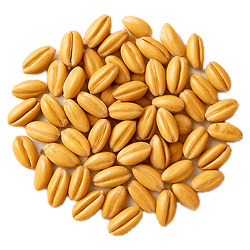
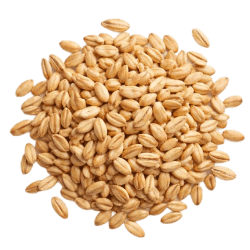
Triticum Spp., Common Wheat, Bread Wheat, Triticum Aestivum
Wheat is a cereal grain derived from the seeds of the Triticum plant, making it a plant-based ingredient. It is primarily included in pet food as a source of carbohydrates for energy, as well as dietary fibre and some essential nutrients. Wheat is used in its natural, milled form, such as whole wheat or wheat flour, to optimise digestibility and nutritional value.
Wheat is included as a cost-effective carbohydrate source that provides energy and helps bind kibble together for structural integrity. It also serves as a bulk-adding agent, optimising production costs while maintaining product texture.

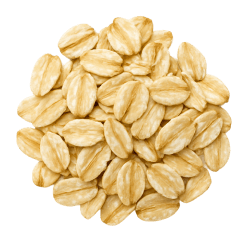
Avena Sativa, Groats, Avena Sativa Grain, Avena Sativa Seed
Oats are a cereal grain derived from the plant Avena sativa and are commonly included in pet foods as a source of complex carbohydrates and dietary fibre. Their primary nutritional benefit is to provide sustained energy and support digestive health. Oats are used in their natural, whole form, ensuring the retention of their inherent nutrients and functional properties for optimal pet nutrition.
Oats are included as a cost-effective carbohydrate source that provides dietary fibre and energy. They also serve as a label-friendly ingredient, appealing to consumers seeking whole grains in pet food formulations.

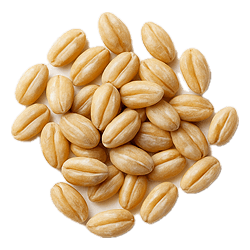
Hordeum Vulgare, Pearl Barley, Malted Barley, Barley Grain
Barley is a cereal grain derived from the plant species Hordeum vulgare. As a plant-based ingredient, it is primarily included in pet food for its carbohydrate content, providing a steady source of energy and dietary fibre to support digestive health. Barley is used in its natural, whole or ground form, ensuring pets benefit from its inherent nutrients and fibre profile.
Barley is included as a cost-effective carbohydrate source that provides energy and dietary fibre. It also serves as a bulk-adding agent to optimise product texture and manufacturing efficiency.

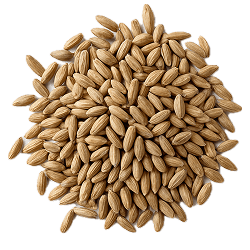
Secale Cereale, Secale Cereale Grain, Secale Cereale Seed, Secale
Rye is a cereal grain derived from the plant Secale cereale, commonly cultivated in temperate regions. It serves as a source of dietary fibre, carbohydrates, and essential micronutrients, supporting digestive health and sustained energy release in pets. In pet food, rye is typically used in its natural, whole or milled form, ensuring the retention of its nutritional value and functional benefits.
Rye is included as a cost-effective carbohydrate source that provides dietary fibre and energy. It may also be used to diversify grain content for marketing appeal and to support digestive health claims.

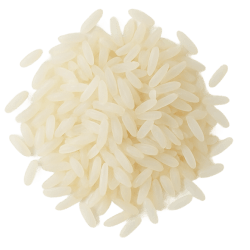
Oryza Sativa, Paddy, Oryza Sativa Grain, Oryza Spp.
Rice is a cereal grain derived from the seeds of the Oryza sativa plant, making it a plant-based ingredient. It serves primarily as a highly digestible source of carbohydrates, providing energy for pets. In pet food, rice is typically used in its natural, whole or milled form, rather than as a processed extract, to optimise digestibility and nutrient availability.
Rice is included as a cost-effective carbohydrate source that provides energy and helps create a desirable texture in pet food. It is also easily digestible, making it suitable for sensitive digestive systems and appealing for marketing as a familiar, label-friendly ingredient.

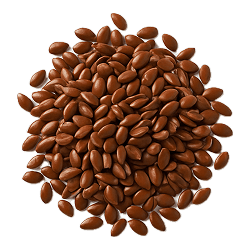
Flaxseed, Linum Usitatissimum, Flax, Flaxseed Oil
Linseed, also known as flaxseed, is a plant-derived ingredient sourced from the seeds of the flax plant (Linum usitatissimum). It is primarily included in pet food for its high content of omega-3 fatty acids and dietary fibre, supporting skin health and digestion. Linseed is used in its natural, whole or ground form to optimise nutrient availability and functional benefits.
Linseed is included as a source of omega-3 fatty acids and dietary fibre, supporting skin and coat health as well as digestive function. Its presence also allows manufacturers to market the product as containing plant-based nutrients and functional ingredients.

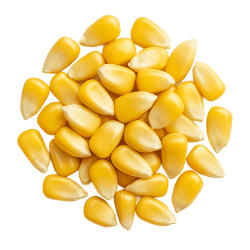
Corn, Zea Mays, Sweetcorn, Indian Corn
Maize is a cereal grain derived from the plant Zea mays and is commonly used in pet food as a source of carbohydrates and energy. It provides essential nutrients such as dietary fibre, vitamins, and minerals. In pet food formulations, maize is typically used in its natural, whole or ground form, allowing for optimal digestibility and nutrient availability for pets.
Maize is included as a cost-effective carbohydrate source that provides energy and helps maintain product texture. It also serves as a bulk-adding agent, supporting kibble structure and processing efficiency.

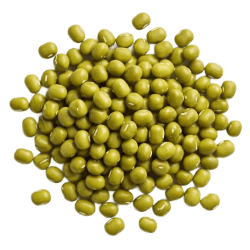
Vigna Radiata, Green Gram, Golden Gram, Phaseolus Radiatus
Mung beans are edible seeds derived from the Vigna radiata plant, a legume native to Asia. As a plant-based ingredient, mung beans are valued for their high protein, fibre, and essential nutrient content, supporting digestive health and muscle maintenance in pets. In pet food, mung beans are used in their natural, whole form, providing a wholesome source of nutrition and functional benefits.
Mung beans are included as a cost-effective plant-based protein and carbohydrate source, supporting product affordability while contributing to the overall protein content. They also serve as a label-friendly ingredient, appealing to consumers seeking alternative or novel protein sources in pet food.

Whole Oats, Hulled Oats, Avena Sativa, Dehulled Oats
Oat groats are the whole, minimally processed kernels of the oat plant (Avena sativa), a cereal grain of plant origin. They are included in pet food primarily as a source of complex carbohydrates, dietary fibre, and essential nutrients. Oat groats are used in their natural, whole-food form, providing slow-release energy and supporting digestive health in pets.
Oat groats are included as a cost-effective carbohydrate source that provides energy and dietary fibre. They also serve as a label-friendly ingredient, appealing to consumers seeking whole grains in pet food.

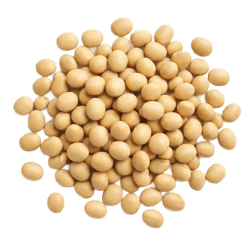
Glycine Max, Soya Bean, Soya, Soy
Soy bean is a legume of plant origin, widely recognised for its high protein content and essential amino acids. In pet food, soy bean is primarily included to support protein levels and provide dietary fibre. It is used in its natural, whole form or as processed soy protein concentrate to optimise digestibility and nutrient availability for pets.
Soy bean is included as a cost-effective protein and carbohydrate source, helping to reduce overall formulation costs while maintaining nutritional value. It also serves as a functional ingredient to improve product texture and binding in processed pet foods.

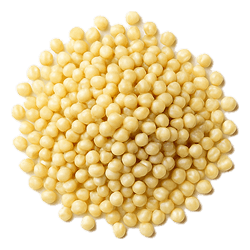
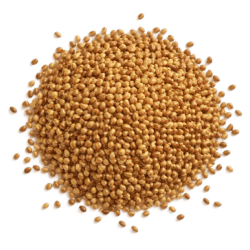
Panicum Miliaceum, Pearl Millet, Foxtail Millet, Eleusine Coracana
Millet is a small-seeded cereal grain derived from various grass species and is of plant origin. It is included in pet food primarily as a source of complex carbohydrates, dietary fibre, and essential nutrients such as B vitamins and minerals. Millet is used in its natural, whole grain form, providing energy and supporting digestive health in a balanced, species-appropriate diet.
Millet is included as a cost-effective carbohydrate source that provides energy and bulk to pet food formulations. It is also considered a label-friendly grain alternative, appealing to consumers seeking grain diversity or gluten-free options.

Medicago Sativa Seed, Lucerne Seed, Medicago Sativa L. Seed, Lucerne Sativa Seed
Alfalfa seed is a plant-derived ingredient sourced from the seeds of the Medicago sativa plant. It is primarily included in pet food for its rich content of vitamins, minerals, and dietary fibre, supporting overall health and digestion. Alfalfa seed is used in its natural form, ensuring the retention of its nutritional properties and bioactive compounds for optimal pet nutrition.
Alfalfa seed is included as a nutrient-dense ingredient to provide additional vitamins, minerals, and plant-based protein, supporting the nutritional profile of the product. It also serves as a label-friendly component that appeals to health-conscious consumers seeking natural and recognisable ingredients.

Fagopyrum Esculentum, Common Buckwheat, Sweet Buckwheat, Japanese Buckwheat
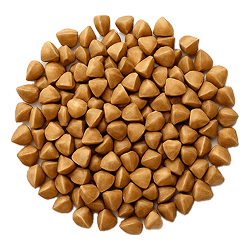
Buckwheat is a plant-derived pseudocereal, originating from the seeds of the Fagopyrum esculentum plant. It is primarily included in pet food for its high-quality carbohydrate content, as well as its supply of dietary fibre, essential amino acids, and minerals. Buckwheat is used in its natural, whole seed form, providing a gluten-free alternative to traditional cereal grains.
Buckwheat is included as a cost-effective, gluten-free carbohydrate source that provides bulk and energy while appealing to consumers seeking alternative grains. Its presence can also enhance the marketing profile of the product by aligning with trends towards novel and "ancient grain" ingredients.

Arthrospira Platensis, Arthrospira Maxima, Blue-Green Algae, E161b
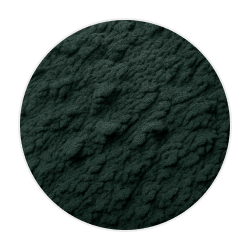
Spirulina is a blue-green algae derived from freshwater sources and is classified as a plant-based ingredient. It is primarily included in pet food for its rich protein content and as a source of essential vitamins, minerals, and antioxidants, supporting immune health and vitality. Spirulina is used in its natural, dried whole-food form, ensuring optimal nutrient availability and digestibility for pets.
Spirulina is included as a label-friendly ingredient to appeal to health-conscious consumers, leveraging its reputation as a nutrient-rich superfood. It may also provide trace micronutrients and natural colour, supporting marketing claims of added nutritional value.

Ipomoea Batatas, Kumara, Batata, Camote
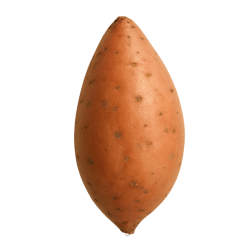
Sweet potato is a root vegetable of plant origin, valued for its rich content of complex carbohydrates, dietary fibre, and essential micronutrients such as vitamin A. In pet food, sweet potato serves primarily as a digestible energy source and supports digestive health. It is incorporated in its natural, whole form, ensuring optimal nutrient retention and palatability for companion animals.
Sweet potato is included as a cost-effective, highly digestible carbohydrate source that provides energy and dietary fibre. It also serves as a label-friendly ingredient appealing to consumers seeking natural, whole-food components in pet food.

Hordeum Vulgare, Barley Leaf, Young Barley Leaf, Barley Green
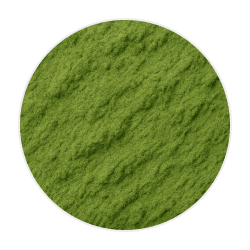
Barley grass is the young, leafy growth of the barley plant (Hordeum vulgare), a cereal grain of plant origin. It is valued in pet nutrition for its rich supply of vitamins, minerals, antioxidants, and dietary fibre, supporting digestive health and overall wellbeing. Barley grass is incorporated in its natural, whole food form, ensuring pets benefit from its full spectrum of nutrients.
Barley grass is included as a label-friendly ingredient to appeal to health-conscious consumers, providing a source of vitamins and antioxidants. It may also serve as a functional fibre source to support digestive health in pets.

Triticum Aestivum, Wheat Grass Juice, Young Wheat Plant, Green Wheat Shoots
Wheatgrass is the young, green shoots of the common wheat plant (Triticum aestivum), classified as a plant-based ingredient. It is primarily included in pet food for its rich supply of vitamins, minerals, and antioxidants, supporting overall health and immune function. Wheatgrass is used in its natural form, typically dried and powdered, to optimise nutrient retention and digestibility for pets.
Wheatgrass is included as a label-friendly ingredient to appeal to health-conscious consumers, enhancing the perceived nutritional value of the product. It may also provide trace vitamins and antioxidants, though its functional impact on pet nutrition is minimal at typical inclusion rates.

Medicago Sativa, Lucerne, Lucerne Grass, Medicago Sativa Herb
Alfalfa grass is a nutrient-rich plant ingredient derived from the Medicago sativa species. Sourced from the legume family, it is valued for its high fibre content and natural supply of vitamins, minerals, and phytonutrients. In pet food, alfalfa grass primarily supports digestive health and provides essential micronutrients. It is incorporated in its natural, dried form to optimise nutritional benefits and palatability.
Alfalfa grass is included as a cost-effective source of plant protein, fibre, and micronutrients, contributing to the nutritional profile of the product. It also serves as a label-friendly ingredient that appeals to health-conscious consumers.

Vigna Angularis, Azuki Bean, Aduki Bean, Red Mung Bean
Adzuki beans are small, red legumes originating from the plant Vigna angularis. Sourced from plants, they are valued for their high protein, fibre, and micronutrient content, supporting digestive health and providing sustained energy. In pet food, adzuki beans are used in their natural, whole form, ensuring optimal nutrient retention and digestibility for pets.
Adzuki beans are included as a cost-effective, plant-based protein and fibre source, supporting nutritional labelling claims for alternative proteins. Their presence can also enhance the product’s marketing appeal by aligning with consumer demand for novel, recognisable ingredients.

Chenopodium Quinoa, Keen-Wah, Goosefoot, Chenopodiaceae Quinoa
Quinoa is a plant-derived seed originating from the Andean region, valued for its high protein content and balanced amino acid profile. In pet food, quinoa serves as a nutrient-dense carbohydrate source, providing dietary fibre, vitamins, and minerals. It is incorporated in its natural, whole form, ensuring optimal nutrient retention and digestibility for pets.
Quinoa is included as a premium, label-friendly ingredient to appeal to health-conscious consumers seeking alternative grains. It also serves as a digestible carbohydrate source, contributing protein and fibre to the formulation.

E170, Elemental Calcium, Ca, Calcium Metal
Calcium is an essential mineral derived from natural sources such as limestone or marine shells. It plays a critical role in supporting healthy bone and teeth development, nerve transmission, and muscle function in pets. Calcium is not used in its raw or metallic state; instead, it is utilised in pet food as safe, bioavailable compounds like calcium carbonate or calcium phosphate to optimise absorption.
Calcium is included as an essential mineral to support bone development and maintenance in pets, ensuring nutritional adequacy according to regulatory standards. It may also serve as a functional additive to optimise product texture and stability.

Concentrated Mineral Drops, Trace Mineral Solution, Ionic Trace Minerals, Sea Mineral Concentrate
OmniMin® is a proprietary blend of trace minerals derived from natural mineral deposits, typically of plant origin. It is included in pet food formulations to provide essential micronutrients that support overall health, metabolic function, and nutrient absorption. Rather than using minerals in their raw or metallic state, OmniMin® delivers these elements as bioavailable mineral compounds, ensuring safety and optimal absorption for pets.
OmniMin® is included as a vitamin and mineral premix to ensure nutritional adequacy and regulatory compliance in pet food formulations. Its use allows manufacturers to standardise micronutrient content efficiently across batches.

Black Treacle, Cane Molasses, E150a, Saccharum Officinarum Extract
Molasses is a thick, dark syrup derived from the processing of sugar cane or sugar beet plants. It is primarily included in pet food as a natural source of energy and to enhance palatability. Molasses is used in its natural form, providing carbohydrates, trace minerals, and a distinctive flavour that can improve acceptance of the final product by pets.
Molasses is included as a palatability enhancer to improve taste and aroma, encouraging pet acceptance of the food. It may also serve as a natural source of sugar, contributing to texture and aiding in the binding of kibble.

Hay Bacillus, Grass Bacillus, Hay Bacillus ATCC 6051, Grass Bacillus ATCC 6051
Bacillus subtilis is a beneficial bacterium of microbial origin commonly included in pet foods as a probiotic. Its primary purpose is to support digestive health by promoting a balanced gut microbiome and enhancing nutrient absorption. Bacillus subtilis is not used in its wild, environmental form; instead, it is cultivated and processed under controlled conditions to ensure safety, stability, and efficacy in pet nutrition.
Bacillus subtilis is included as a probiotic to support digestive health and optimise gut flora balance in pets. Its addition can also serve as a marketing differentiator, appealing to consumers seeking functional and health-promoting ingredients.

Bacillus Licheniformis Strain, B. Licheniformis, ATCC 14580, NCIMB 8874
Bacillus licheniformis is a beneficial bacterium of microbial origin commonly included in pet foods as a probiotic. Its primary purpose is to support digestive health by promoting a balanced gut microbiome and enhancing nutrient absorption. Bacillus licheniformis is not used in its wild, environmental form; instead, it is carefully cultured and processed to ensure safety, stability, and efficacy in pet nutrition.
Bacillus licheniformis is included as a probiotic to support digestive health and optimise gut flora balance in pets. Its addition can also serve as a marketing differentiator by appealing to consumers seeking functional and scientifically supported ingredients.

Multi-Enzyme Complex, Feed Enzyme Blend, Enzyme Preparation, Enzyme Additive
Natuzyme® is a proprietary blend of enzymes derived from microbial and plant sources. It is incorporated into pet food to aid digestion and enhance nutrient absorption, supporting overall gastrointestinal health. Rather than being used in its raw, natural state, Natuzyme® is formulated as a concentrated enzyme complex to optimise its functional efficacy and ensure consistent, safe inclusion in premium pet diets.
Natuzyme® is included as a multi-enzyme supplement to enhance nutrient digestibility and optimise feed efficiency, potentially reducing overall formulation costs. Its use may also support marketing claims related to improved gut health and advanced nutrition.

Fructooligosaccharides, Galactooligosaccharides, Inulin, Oligofructose
Prebiotics are non-digestible fibres derived primarily from plant sources such as chicory root, beet pulp, or certain grains. Their main purpose is to nourish beneficial gut bacteria, supporting digestive health and immune function in pets. Prebiotics are utilised in their natural, whole-food form or as extracted fibre concentrates, ensuring optimal efficacy and safety for inclusion in premium pet food formulations.
Prebiotics are included to promote digestive health by supporting beneficial gut bacteria, which can enhance nutrient absorption and overall wellbeing in pets. Their addition also serves as a marketing differentiator, appealing to health-conscious consumers seeking functional benefits in pet food.

.png)


Comments
0 comments
Login or Register to Join the Conversation