




.png)


Diabetic Wet Dog Food
Overview
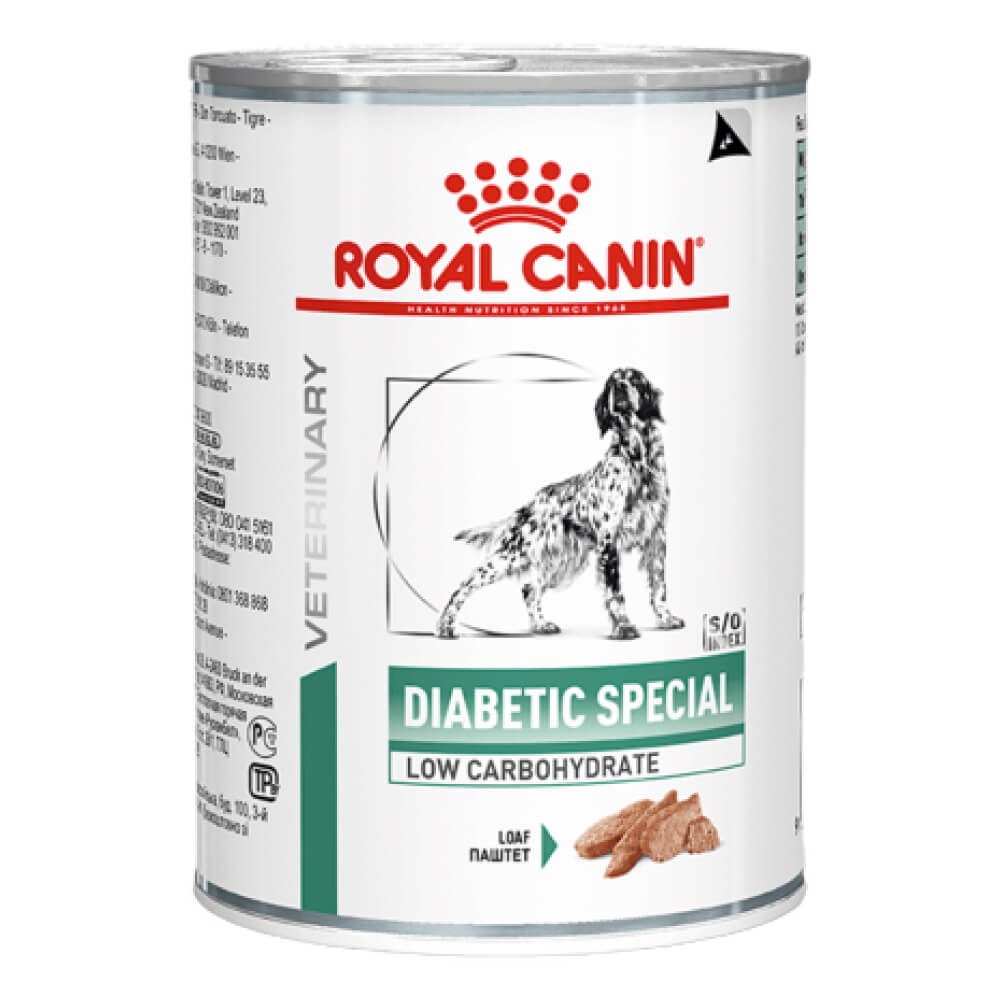
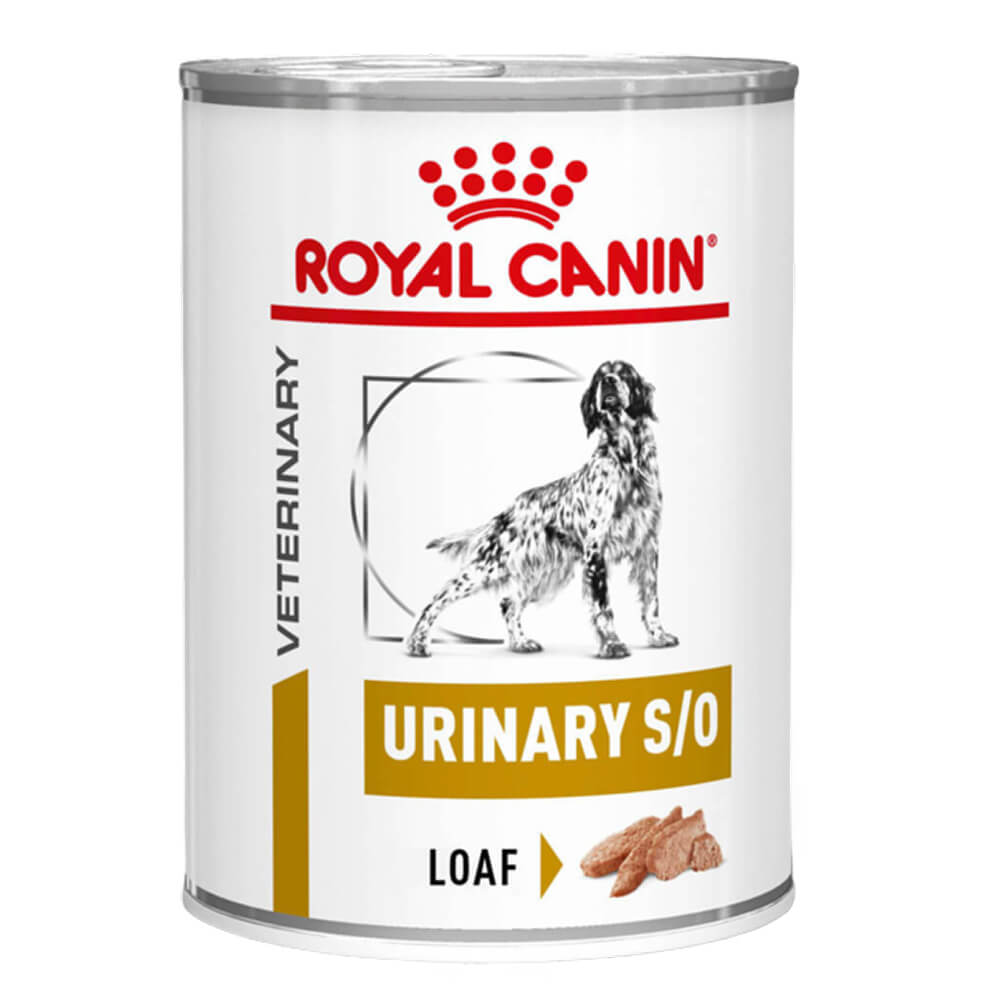
Royal Canin Diabetic Special Low Carbohydrate is a veterinary-formulated wet dog food designed for the nutritional management of dogs with diabetes mellitus. This diet features an extremely low starch content of just 1.6%, making it one of the most carbohydrate-restricted options available for diabetic dogs requiring tight glycaemic control.
This diet is designed to support stable blood glucose levels through its low carbohydrate formulation, reducing the post-prandial glucose spike that can complicate insulin management. It is a complete and balanced prescription diet suitable for long-term use under veterinary supervision.
Nutritional Analysis
Ingredients
Meat And Animal Derivatives, Derivatives Of Vegetable Origin, Cereals, Oils And Fats, Minerals. Nutritional Additives: Vitamin D3, Iron, Iodine, Copper, Manganese, Zinc.

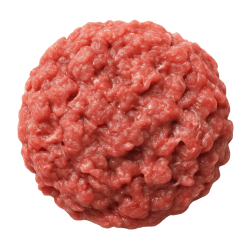
Animal Flesh, Muscle Tissue, Animal Protein, Skeletal Muscle
Meat refers to the edible muscle tissue derived from animals, commonly sourced from species such as chicken, beef, or lamb. It serves as a high-quality source of protein, essential amino acids, and vital nutrients like iron and B vitamins, supporting muscle maintenance and overall health. In pet food, meat is used in its natural form, ensuring optimal nutrient availability and palatability for pets.
Meat is included as a primary protein source to support essential amino acid requirements and overall nutritional value in pet food. Its presence also enhances palatability, making the product more appealing to pets.

Animal By-Products, Animal-Based Ingredients, Animal-Origin Ingredients, Animal-Derived Substances
Animal derivatives are ingredients sourced from various parts of animals, including meat, organs, and by-products not typically consumed by humans. They provide essential proteins, fats, vitamins, and minerals, supporting overall health and energy in pets. Animal derivatives are not used in their raw, unprocessed state; instead, they are rendered or processed to ensure safety, digestibility, and optimal nutrient availability.
Animal derivatives are included as a cost-effective protein source, utilising by-products from meat processing to maximise resource efficiency. They also contribute essential nutrients while helping manufacturers meet regulatory labelling requirements for pet food.
Vegetable-Derived Ingredients, Plant-Derived Ingredients, Botanical Derivatives, Plant Extracts
Derivatives of vegetable origin are ingredients sourced from plants that have undergone processing to extract or modify specific components, such as fibres, proteins, or starches. Their primary purpose is to provide functional benefits like improved digestibility, texture, or nutritional value. These derivatives are not used in their whole, natural form but are utilised as processed plant fractions to optimise pet food formulation and performance.
Derivatives of vegetable origin are included as a cost-effective source of carbohydrates and fibre, helping to bulk up the product while maintaining nutritional adequacy. They also contribute to texture and processing efficiency in pet food formulations.

Gramineae, Poaceae, Cereal Grains, Poaceae Spp.
Cereals are plant-derived ingredients sourced from the edible seeds of cultivated grasses such as wheat, rice, barley, and oats. They are primarily included in pet food as a source of carbohydrates, providing energy, as well as dietary fibre and some essential nutrients. Cereals are used in their natural, whole or milled form, rather than as isolated compounds, to optimise digestibility and nutritional value.
Cereals are included as a cost-effective carbohydrate source to provide energy and bulk to pet food formulations. They also help optimise manufacturing efficiency and contribute to product texture.
Vegetable Oils, Fixed Oils, Edible Oils, Triglycerides
Oils are lipid-based ingredients derived from plant or animal sources, such as fish, flaxseed, or chicken. They are primarily included in pet food to provide essential fatty acids, support skin and coat health, and enhance palatability. Oils are utilised in their extracted, purified form rather than as whole foods, ensuring optimal absorption and safety for pets.
Oils are included as a concentrated source of dietary fat to provide essential fatty acids and support skin and coat health. They also enhance palatability and can improve the texture and energy density of the final product.
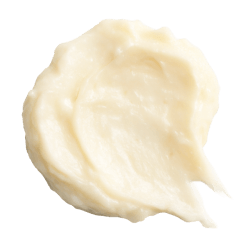
Lipids, Triglycerides, Triacylglycerols, E471
Fats are essential macronutrients derived from both animal and plant sources, providing concentrated energy and supporting the absorption of fat-soluble vitamins in pet diets. Their primary purpose is to supply energy, promote healthy skin and coat, and aid in cellular function. In pet food, fats are typically utilised in processed or rendered forms, rather than as whole food sources, to optimise digestibility and nutritional value.
Fats are included as a concentrated energy source and to enhance palatability, making the product more appealing to pets. They also aid in the absorption of fat-soluble vitamins and contribute to desirable texture and mouthfeel.
Dietary Minerals, Inorganic Nutrients, Essential Minerals, Bulk Elements
Minerals are essential inorganic nutrients derived from the earth, not produced by animals or plants. They play a critical role in supporting various physiological functions, such as bone development, nerve transmission, and enzyme activity. In pet food, minerals are not used in their natural raw or metallic state; instead, they are incorporated as specific compounds (such as sulphates or chelates) to optimise safety and bioavailability.
Minerals are included to meet essential nutritional requirements for pets, supporting overall health and proper bodily functions. They are often added in precise amounts to ensure the product complies with regulatory standards and nutrient profiles.
Cholecalciferol, Colecalciferol, Calciol, E671
Vitamin D3, also known as cholecalciferol, is a fat-soluble vitamin of animal origin commonly derived from lanolin or fish oil. It plays a crucial role in regulating calcium and phosphorus metabolism, supporting healthy bone development in pets. Vitamin D3 is not used in its natural form but is instead utilised as a stabilised compound to ensure safety, efficacy, and optimal absorption in pet food formulations.
Vitamin D3 is included to ensure the finished product meets established nutritional requirements for canine health, supporting bone development and calcium regulation. Its addition allows manufacturers to guarantee consistent vitamin content regardless of natural variation in raw materials.

Ferrum, Fe, E1, Elemental Iron
Iron is an essential mineral sourced from both animal and plant origins, crucial for oxygen transport and energy metabolism in pets. Its primary benefit is supporting healthy red blood cell formation and preventing anaemia. Iron is not used in its natural, raw, or metallic state; instead, it is utilised in pet food as safe, bioavailable compounds such as iron sulphate or iron proteinate to optimise absorption.
Iron is included as an essential mineral to support healthy blood function and overall metabolism in pets. Its addition ensures the product meets nutritional requirements and regulatory standards for complete and balanced pet food.
Elemental I, E127, Iodum, CAS 7553-56-2
Iodine is an essential trace mineral sourced primarily from seaweed or mineral deposits. It plays a critical role in supporting healthy thyroid function and hormone production in pets. Iodine is not used in its natural elemental form due to safety and bioavailability concerns; instead, it is typically incorporated as a compound such as potassium iodide or calcium iodate to optimise absorption and efficacy.
Iodine is included as an essential trace mineral to support thyroid function and overall metabolic health in pets. Its addition ensures nutritional adequacy and compliance with regulatory labelling standards for complete and balanced pet foods.

Cu, ECP, CI 77400, C.I. 77400
Copper is an essential trace mineral sourced from the earth and is vital for numerous physiological functions in pets. It primarily supports red blood cell formation, connective tissue development, and immune system health. Copper is not used in its natural metallic state; instead, it is incorporated into pet food as safe, bioavailable compounds such as copper sulphate or copper proteinate to optimise absorption and efficacy.
Copper is included as an essential trace mineral to meet nutritional requirements for dogs, supporting enzyme function and red blood cell formation. Its addition ensures compliance with regulatory standards for complete and balanced pet food labelling.
E34, Manganum, Mn, EINECS 231-105-1
Manganese is an essential trace mineral sourced from the earth and is vital for numerous metabolic processes in pets. It primarily supports bone development, enzyme function, and antioxidant defence. Manganese is not used in its natural metallic state; instead, it is incorporated into pet food as a safe, bioavailable compound such as manganese sulphate or manganese oxide to optimise absorption and efficacy.
Manganese is included as an essential trace mineral to support metabolic and skeletal health in pets, fulfilling nutritional requirements for complete and balanced pet food. Its addition ensures compliance with regulatory standards and appeals to consumers seeking scientifically formulated diets.
Zn, E579, Zincum, CI 77947
Zinc is an essential trace mineral sourced from the earth and is vital for numerous biological functions in pets, including immune support and skin health. In pet food, zinc is not used in its natural metallic state; instead, it is utilised as a compound such as zinc sulphate or zinc chelate to optimise safety and absorption, ensuring pets receive its full nutritional benefit.
Zinc is included as an essential trace mineral to support immune function, skin health, and overall metabolic processes in pets. Its addition ensures nutritional adequacy and compliance with regulatory labelling standards for complete and balanced pet foods.
About



PRODUCT TAGS

Most Tracked This Week








About the Brand



Comments
0 comments
Login to Join the Conversation 💬