Freeze-Dried Venison and Blueberry Treats

Overview
5 Hounds Freeze-Dried Venison & Blueberry Treats are a two-ingredient functional treat containing wild-harvested Australian venison and blueberries, freeze-dried to preserve nutrient integrity. Venison is a lean novel protein with a naturally low inflammatory load, suited to dogs with sensitivities to more common proteins. Blueberries contribute antioxidants associated with cognitive and cellular health, making this pairing particularly relevant for ageing dogs. On a dry matter basis the treats sit at 86% protein and 12% fat. They contain no fillers, preservatives, or additives. The brand positions these primarily for dogs requiring a novel protein treat or those needing gentle cognitive support alongside a main diet.
Nutritional Analysis
Ingredients
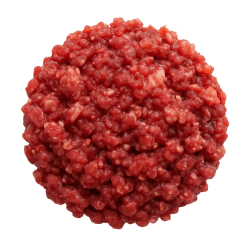
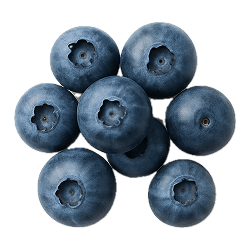
Wild Venison, Blueberries.

Deer Meat, Cervidae Meat, Game Meat, Cervus Spp.
Venison is the meat derived from deer, making it an animal-based protein source. It is prized for its lean profile and high-quality amino acids, supporting muscle maintenance and overall health in pets. In pet food, venison is used in its natural, whole-food form, providing a novel protein option that may benefit pets with sensitivities to more common meats.
Venison is included as a novel, high-quality protein source to appeal to consumers seeking premium or hypoallergenic pet food options. Its use can support marketing claims related to limited ingredient diets and alternative proteins.

Vaccinium Corymbosum, Vaccinium Angustifolium, Bilberry, E163
Blueberry is a small, nutrient-rich fruit of plant origin, commonly sourced from the Vaccinium genus. It is included in pet food primarily for its antioxidant properties, supporting immune health and cellular protection. Blueberry is used in its natural, whole form, ensuring pets benefit from its full spectrum of vitamins, fibre, and phytonutrients as found in fresh fruit.
Blueberry is included as a label-friendly ingredient to appeal to health-conscious consumers, leveraging its reputation as a source of antioxidants. Its presence supports marketing claims of added nutritional benefits, though it is typically used in small quantities with minimal impact on the overall nutritional profile for pets.

About

.png)


Comments
0 comments
Login or Register to Join the Conversation