






Your Dog's World, Personalised
Save your favourite products and locations, track prices, and unlock exclusive discounts — all in one place
or
Error
Verify Your Email
We've emailed a sign-in code. Enter it below to continue.
Share
Thank you! Your submission has been received!
Oops! Something went wrong while submitting the form.
Back to ExploreFourflax
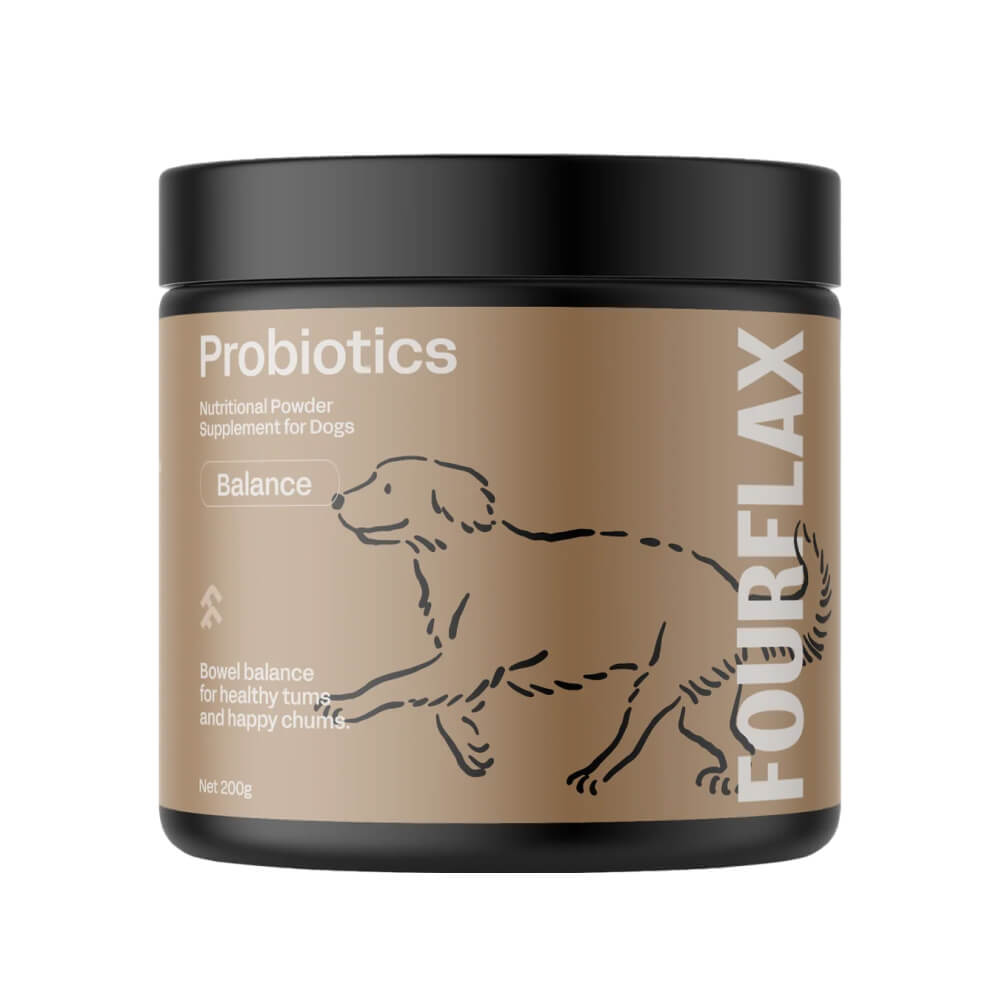
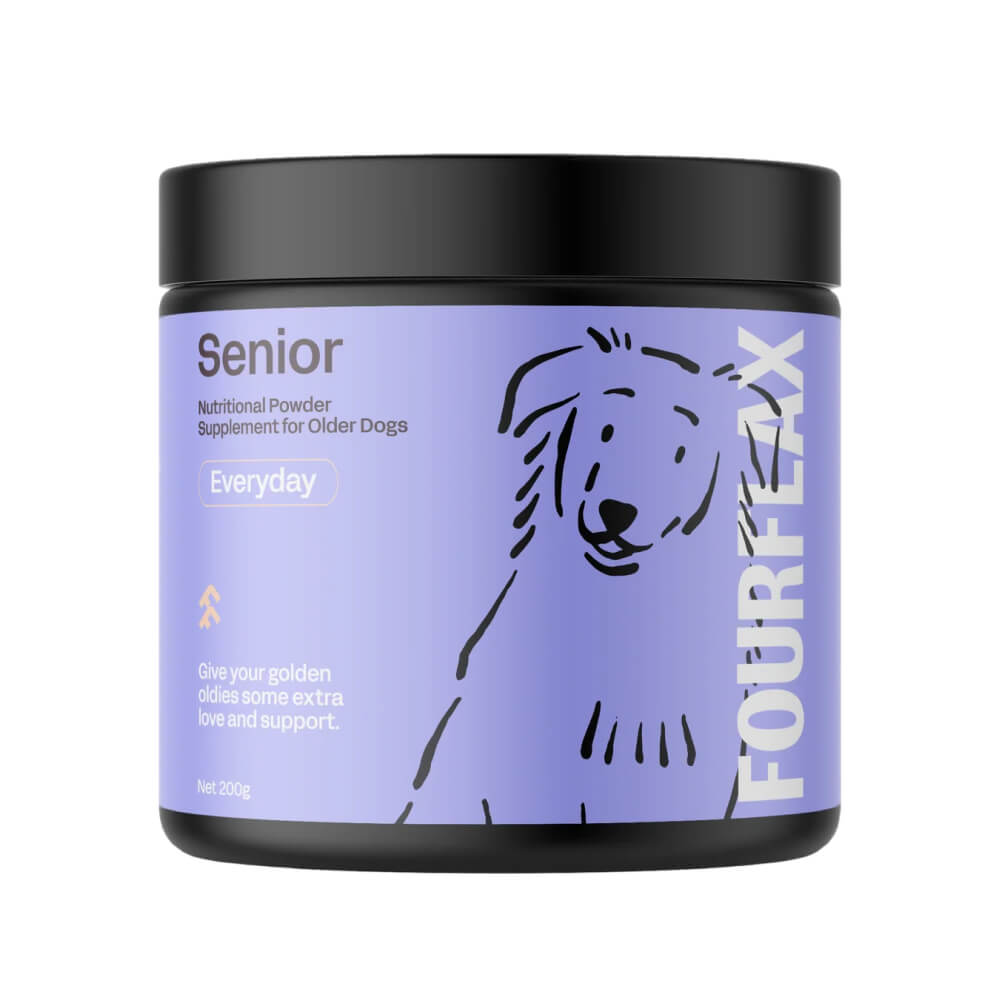
Canine Senior Powder
200g
Overview

Fourflax Canine Senior is an all-in-one powder supplement for older dogs, made in New Zealand. Green lipped mussel, glucosamine and turmeric support ageing joints, milk thistle backs the liver, cranberry helps the urinary tract, and antioxidants with DHA support brain health. One daily scoop over food, for dogs from around seven years. Contains shellfish.

Ingredients

Flaxseed Fibre, Oligofructose, Cranberry Powder, Green Lipped Mussel Powder, DHAgold, Glucosamine Sulphate, Turmeric, Marine Collagen, Natural Vitamin E, Blueberry Powder, Milk Thistle, Pine Bark Extract, Vitamin C, Organic Zinc, Organic Copper.

Ingredient images are illustrative only and may not represent the exact source or form used by manufacturers.
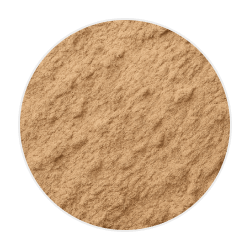
Fine, light brown linseed fibre powder with a soft, crumbly texture, commonly used as a healthy dog food ingredient
Linseed Fibre
Linseed Fibre
Flax Fibre, Flaxseed Fibre, Linum Usitatissimum Fibre, Linum Usitatissimum
Summary
Linseed fibre is a plant-derived dietary fibre obtained from the outer husk of linseeds (flaxseeds). It is typically included in dog food as a processed meal or ground form rather than as whole seeds. Linseed fibre contributes to digestive health by promoting regular bowel movements and supporting gut function. When used at appropriate levels, it is safe and can aid in maintaining healthy stool consistency, with no known risks reported in dogs.
Why it's used?
Linseed fibre is included in dog food formulations primarily to increase dietary fibre content, supporting digestive health in dogs while also serving as a cost-effective way for manufacturers to meet fibre requirements in the product. Its use benefits both the dog's digestion and the manufacturer's need for a practical, plant-based fibre source.
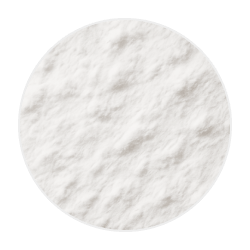
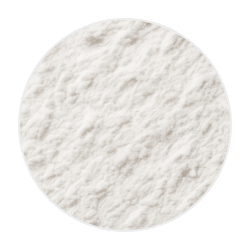
Fine white powder texture of fructooligosaccharides, a common ingredient in dog supplements and pet nutrition products
Fructooligosaccharides
Oligofructose, FOS, Oligofructan, E968
Summary
Fructooligosaccharides are short-chain carbohydrates derived from plant sources such as chicory root. They serve primarily as prebiotics, supporting digestive health by promoting the growth of beneficial gut bacteria. Fructooligosaccharides are not used in their whole plant form but are extracted and purified for inclusion in pet food, ensuring optimal efficacy and digestibility for companion animals.
Why it's used?
Fructooligosaccharides are included as a prebiotic fibre to support digestive health by promoting beneficial gut bacteria. They also serve as a label-friendly functional ingredient that can enhance the perceived nutritional value of the product.
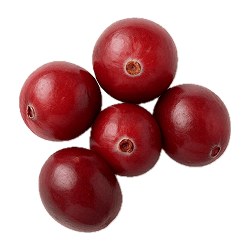
Five whole cranberries with smooth, glossy red skin grouped together on a plain, light background
Cranberry
Cranberry
Vaccinium Macrocarpon, American Cranberry, Large Cranberry, Bearberry
Summary
Cranberry is a small, red berry derived from the Vaccinium macrocarpon plant, making it a plant-based ingredient. It is primarily included in pet food for its antioxidant properties and potential support of urinary tract health. Cranberry is used in its natural, whole form, ensuring pets benefit from its full spectrum of phytonutrients, vitamins, and dietary fibre.
Why it's used?
Cranberry is included as a label-friendly ingredient to appeal to health-conscious consumers and enhance product marketability. It may also serve as a natural source of antioxidants, supporting the product’s functional claims.
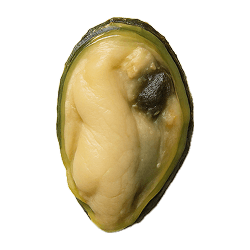
Whole green lipped mussel with creamy flesh and green-edged shell, close up as a dog health supplement ingredient
Green Lipped Mussel
Green Lipped Mussel
Perna Canaliculus, New Zealand Green Mussel, Greenshell Mussel, Kuku
Summary
Green lipped mussel is a marine animal ingredient sourced from the coastal waters of New Zealand. It is primarily included in pet food for its rich content of omega-3 fatty acids, glucosamine, and chondroitin, which support joint health and reduce inflammation. Green lipped mussel is used in its natural, whole form, ensuring optimal nutrient availability and bioactivity for pets.
Why it's used?
Green lipped mussel is included as a functional ingredient to provide natural sources of omega-3 fatty acids and joint-supporting nutrients, supporting product differentiation and marketing claims related to joint health. Its presence also appeals to consumers seeking premium or holistic pet food formulations.
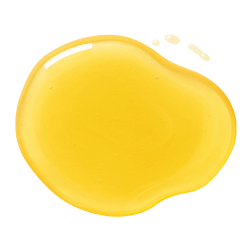
Golden yellow DHA Gold™ oil droplet with a smooth, glossy finish on white, used in dog health supplements
DHA Gold™
DHA Gold™
Schizochytrium Sp., Algal Oil (Schizochytrium Sp.), Docosahexaenoic Acid (Schizochytrium Sp.), Microalgal DHA (Schizochytrium Sp.)
Summary
DHA Gold™ is a plant-derived ingredient sourced from the microalgae Schizochytrium sp. It is primarily included in pet food as a rich source of docosahexaenoic acid (DHA), an omega-3 fatty acid essential for cognitive development and visual health. Rather than using whole algae, DHA Gold™ is utilised as a refined oil extract to optimise bioavailability and ensure consistent quality.
Why it's used?
DHA Gold™ is included as a concentrated source of docosahexaenoic acid (DHA), an omega-3 fatty acid, to support cognitive development and visual function in pets. Its use allows manufacturers to make label claims regarding brain and eye health, enhancing product appeal to health-conscious consumers.
Fine white glucosamine powder with a soft, slightly grainy texture, commonly used in dog supplements
Glucosamine
Glucosamine
2-Amino-2-Deoxy-D-Glucose, D-Glucosamine, Chitosamine, 2-Amino-2-Deoxyglucose
Summary
Glucosamine is an amino sugar compound typically derived from shellfish or produced synthetically. It is included in pet food primarily to support joint health by aiding cartilage maintenance and repair. Glucosamine is not used in its natural raw form; instead, it is utilised as a stabilised compound, such as glucosamine hydrochloride or glucosamine sulphate, to optimise safety, stability, and absorption in pets.
Why it's used?
Glucosamine is included as a functional additive to support joint health and mobility, particularly in senior or large-breed pets. Its presence also serves as a marketing feature, appealing to consumers seeking products with perceived health benefits for their pets.
Bright yellow turmeric powder with a fine, slightly grainy texture, commonly used as a natural dog supplement
Turmeric
Turmeric
Curcuma Longa, Indian Saffron, Jiang Huang, E100
Summary
Turmeric is a vibrant yellow spice derived from the root of the Curcuma longa plant, making it a plant-based ingredient. It is primarily included in pet food for its natural antioxidant and anti-inflammatory properties, supporting overall health and wellbeing. Turmeric is used in its natural powdered form, ensuring pets benefit from its active compound, curcumin, in a safe and bioavailable manner.
Why it's used?
Turmeric is included as a label-friendly ingredient to appeal to health-conscious consumers due to its association with natural antioxidants and anti-inflammatory properties. Its presence may also support marketing claims related to holistic or functional pet foods, despite being used in small quantities with minimal direct nutritional impact for pets.
Fine white marine collagen powder with a smooth, soft texture, suitable for dog health supplements in Australia
Marine Collagen
Marine Collagen
Fish Collagen, Collagen Peptides (Marine), Hydrolysed Fish Collagen, Collagen Hydrolysate (Marine)
Summary
Marine collagen is a protein derived from the skin and scales of fish (animal origin). It is primarily included in pet food to support joint, skin, and coat health due to its high bioavailability and rich amino acid profile. Marine collagen is not used in its raw form; instead, it is hydrolysed into peptides to optimise digestibility and absorption in pets.
Why it's used?
Marine collagen is included as a functional protein source to support joint, skin, and coat health claims, appealing to pet owners seeking premium or wellness-focused products. Its presence also serves as a marketing differentiator, leveraging consumer interest in novel and label-friendly ingredients.
Fine, pale yellow Vitamin E powder with a soft, slightly grainy texture, commonly used in dog supplements
Vitamin E
Vitamin E
Tocopherol, Alpha-Tocopherol, E307, D-Alpha-Tocopherol
Summary
Vitamin E is a fat-soluble vitamin derived from plant sources such as vegetable oils, nuts, and seeds. It functions primarily as an antioxidant, helping to protect cell membranes from oxidative damage and supporting immune health. In pet food, Vitamin E is not used in its natural raw form but is typically utilised as a stabilised compound, such as tocopherol acetate, to optimise safety and absorption.
Why it's used?
Vitamin E is included as a natural antioxidant to help preserve the freshness and stability of fats and oils in the product, thereby extending shelf life. It also serves as a label-friendly nutrient that appeals to consumers seeking added health benefits for their pets.
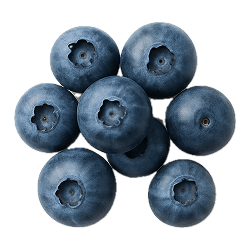
Fresh blueberries with smooth, deep blue skin and a light frosted coating, clustered together on a white background
Blueberry
Blueberry
Vaccinium Corymbosum, Vaccinium Angustifolium, Bilberry, E163
Summary
Blueberry is a small, nutrient-rich fruit of plant origin, commonly sourced from the Vaccinium genus. It is included in pet food primarily for its antioxidant properties, supporting immune health and cellular protection. Blueberry is used in its natural, whole form, ensuring pets benefit from its full spectrum of vitamins, fibre, and phytonutrients as found in fresh fruit.
Why it's used?
Blueberry is included as a label-friendly ingredient to appeal to health-conscious consumers, leveraging its reputation as a source of antioxidants. Its presence supports marketing claims of added nutritional benefits, though it is typically used in small quantities with minimal impact on the overall nutritional profile for pets.
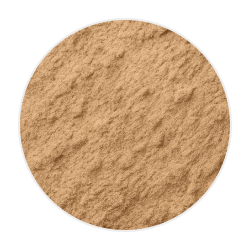
Fine, light brown milk thistle powder with a smooth, slightly grainy texture, commonly used in dog supplements
Milk Thistle
Milk Thistle
Silybum Marianum, Silymarin, Marian Thistle, Holy Thistle
Summary
Milk thistle is a flowering plant native to the Mediterranean, valued for its seeds which contain the active compound silymarin. Primarily included in pet food for its antioxidant and liver-supporting properties, milk thistle helps protect liver cells from toxins. In pet nutrition, it is used in its natural, whole seed extract form to optimise bioavailability and efficacy.
Why it's used?
Milk thistle is included as a label-friendly ingredient to appeal to health-conscious consumers, as it is associated with liver support and antioxidant properties. Its presence may enhance product marketability, though its functional impact at typical inclusion rates in pet food is likely minimal.
Fine, light brown pine bark extract powder with a smooth, slightly textured surface, used in dog health supplements
Pine Bark Extract
Pine Bark Extract
Pinus Pinaster Extract, Maritime Pine Extract, French Maritime Pine Bark Extract, Pinus Pinaster Bark Extract
Summary
Pine bark extract is a plant-derived substance obtained from the bark of pine trees, containing a range of bioactive compounds such as proanthocyanidins and polyphenols. In dog food manufacturing, it is typically added as a standardised extract rather than in its raw bark form. Pine bark extract is included for its antioxidant properties, which may help protect cells from oxidative stress. When used at appropriate levels, it is generally considered safe; however, excessive amounts could potentially cause gastrointestinal upset in some dogs.
Why it's used?
Pine bark extract is included in some Australian dog foods primarily for its antioxidant properties, which can support canine health, while also serving as a differentiating ingredient for manufacturers seeking to market their products as premium or unique. Its use is more about perceived health benefits and product positioning than essential nutritional value.
Fine white powder of vitamin C with a slightly grainy texture, commonly used as a dog supplement in Australia
Vitamin C
Vitamin C
Ascorbic Acid, L-Ascorbic Acid, E300, L-Threo-Hex-2-Enono-1,4-Lactone
Summary
Vitamin C, also known as ascorbic acid, is a water-soluble vitamin of plant origin commonly included in pet food formulations. Its primary purpose is to support immune function and act as an antioxidant, helping to protect cells from oxidative damage. Vitamin C is not used in its natural fruit form but is instead utilised as a synthesised compound to ensure stability and consistent dosage.
Why it's used?
Vitamin C is included as an antioxidant to help preserve the freshness and stability of the product by slowing oxidation. It may also be added for its perceived health benefits, supporting marketing claims related to immune support.
Fine, light grey zinc powder with a slightly grainy texture, commonly used as a dog supplement ingredient
Zinc
Zinc
Zn, E579, Zincum, CI 77947
Summary
Zinc is an essential trace mineral sourced from the earth and is vital for numerous biological functions in pets, including immune support and skin health. In pet food, zinc is not used in its natural metallic state; instead, it is utilised as a compound such as zinc sulphate or zinc chelate to optimise safety and absorption, ensuring pets receive its full nutritional benefit.
Why it's used?
Zinc is included as an essential trace mineral to support immune function, skin health, and overall metabolic processes in pets. Its addition ensures nutritional adequacy and compliance with regulatory labelling standards for complete and balanced pet foods.
Bright blue copper powder with a fine, slightly textured surface, used as a dog supplement ingredient
Copper
Copper
Cu, ECP, CI 77400, C.I. 77400
Summary
Copper is an essential trace mineral sourced from the earth and is vital for numerous physiological functions in pets. It primarily supports red blood cell formation, connective tissue development, and immune system health. Copper is not used in its natural metallic state; instead, it is incorporated into pet food as safe, bioavailable compounds such as copper sulphate or copper proteinate to optimise absorption and efficacy.
Why it's used?
Copper is included as an essential trace mineral to meet nutritional requirements for dogs, supporting enzyme function and red blood cell formation. Its addition ensures compliance with regulatory standards for complete and balanced pet food labelling.

About


Manufactured
New Zealand
Type
Powder
Life Stage
Senior
Breed Size
All Breeds
Feeding Type
Meal Topper
Processing Level
High

PRODUCT TAGS


Poultry Free
Grain Free
Gluten Free
Dairy Free
Soy Free

Oops! Something went wrong...PLEASE TRY AGAIN

Most Tracked This Week

About the Brand

Fourflax

Support your dog from the inside out. Explore Fourflax's natural supplements, built around Omega-3-rich Canterbury flaxseed and formulated with animal nutritionists, to support skin, coat, joints and digestion, with no fillers, binders or nasties.


Comments

0 comments

Login to Join the Conversation 💬

Be the first to leave a comment.
Loading
Anonymous User
This is the actual comment. It's can be long or short. And must contain only text information.
(Edited)
Your comment will appear once approved by a moderator.
4 years ago
0
0
Reply
Anonymous User
This is the actual comment. It's can be long or short. And must contain only text information.
(Edited)
Your comment will appear once approved by a moderator.
2 years ago
0
0
Thank you! Your submission has been received!
Oops! Something went wrong while submitting the form.