




.png)


Metabolic Wet Dog Food

Overview
Hill's Prescription Diet Metabolic Wet Dog Food is a clinically proven weight management diet in wet form, designed for adult dogs who need help achieving or maintaining a healthy body weight. Obesity in dogs can lead to a range of serious health problems, including joint disease, heart conditions, and reduced life expectancy. This formula supports healthy, sustainable weight loss by working with the dog's natural metabolism rather than relying solely on calorie reduction.
Formulated by Hill's nutritionists and veterinarians, it preserves lean muscle mass while encouraging fat loss, making it an effective and nutritionally complete option for overweight dogs. The wet format can also be particularly appealing for dogs who are reluctant eaters. Always consult your veterinarian before starting a weight management program for your dog.
Nutritional Analysis
Ingredients
Meat and Animal Derivatives, Cereals, Derivatives of Vegetable Origin, Vegetables, Eggs and Egg Derivatives, Seeds, Oils and Fats, Minerals.

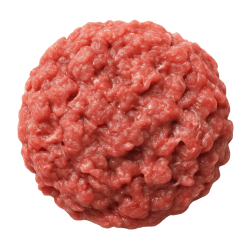
Animal Flesh, Muscle Tissue, Animal Protein, Skeletal Muscle
Meat refers to the edible muscle tissue derived from animals, commonly sourced from species such as chicken, beef, or lamb. It serves as a high-quality source of protein, essential amino acids, and vital nutrients like iron and B vitamins, supporting muscle maintenance and overall health. In pet food, meat is used in its natural form, ensuring optimal nutrient availability and palatability for pets.
Meat is included as a primary protein source to support essential amino acid requirements and overall nutritional value in pet food. Its presence also enhances palatability, making the product more appealing to pets.

Animal By-Products, Animal-Based Ingredients, Animal-Origin Ingredients, Animal-Derived Substances
Animal derivatives are ingredients sourced from various parts of animals, including meat, organs, and by-products not typically consumed by humans. They provide essential proteins, fats, vitamins, and minerals, supporting overall health and energy in pets. Animal derivatives are not used in their raw, unprocessed state; instead, they are rendered or processed to ensure safety, digestibility, and optimal nutrient availability.
Animal derivatives are included as a cost-effective protein source, utilising by-products from meat processing to maximise resource efficiency. They also contribute essential nutrients while helping manufacturers meet regulatory labelling requirements for pet food.

Gramineae, Poaceae, Cereal Grains, Poaceae Spp.
Cereals are plant-derived ingredients sourced from the edible seeds of cultivated grasses such as wheat, rice, barley, and oats. They are primarily included in pet food as a source of carbohydrates, providing energy, as well as dietary fibre and some essential nutrients. Cereals are used in their natural, whole or milled form, rather than as isolated compounds, to optimise digestibility and nutritional value.
Cereals are included as a cost-effective carbohydrate source to provide energy and bulk to pet food formulations. They also help optimise manufacturing efficiency and contribute to product texture.
Vegetable-Derived Ingredients, Plant-Derived Ingredients, Botanical Derivatives, Plant Extracts
Derivatives of vegetable origin are ingredients sourced from plants that have undergone processing to extract or modify specific components, such as fibres, proteins, or starches. Their primary purpose is to provide functional benefits like improved digestibility, texture, or nutritional value. These derivatives are not used in their whole, natural form but are utilised as processed plant fractions to optimise pet food formulation and performance.
Derivatives of vegetable origin are included as a cost-effective source of carbohydrates and fibre, helping to bulk up the product while maintaining nutritional adequacy. They also contribute to texture and processing efficiency in pet food formulations.
Plant Vegetables, Edible Plants, Edible Plant Matter, Edible Plant Material
Vegetables are plant-derived ingredients sourced from various edible parts such as roots, stems, leaves, and fruits. They are included in pet food primarily to provide dietary fibre, essential vitamins, minerals, and phytonutrients that support overall health and digestion. Vegetables are typically used in their natural, whole form, ensuring pets receive the full spectrum of their nutritional benefits.
Vegetables are included as a source of vitamins, minerals, and dietary fibre, supporting nutritional balance and digestive health. They also serve as a label-friendly ingredient, appealing to consumers seeking natural and recognisable components in pet food.

Hen Egg, Chicken Egg, Gallus Gallus Domesticus Egg, Avian Egg
Egg is an animal-derived ingredient sourced from poultry, commonly used in pet food for its high-quality protein and essential amino acids. It provides vital nutrients that support muscle development and overall health. In pet food, egg is typically included in its natural, whole form—either as dried or fresh egg—ensuring optimal digestibility and nutrient availability for pets.
Egg is included as a high-quality, bioavailable protein source to support muscle development and overall nutrition. It also enhances the product’s nutritional profile, appealing to consumers seeking premium or natural pet food options.
Egg Products, Ovum Extracts, Albumen Products, Gallus Gallus Domesticus Egg Extracts
Egg derivatives are ingredients sourced from eggs, an animal origin, and may include components such as egg yolk, egg white, or processed egg products. They are primarily included for their high-quality protein and essential amino acids, supporting muscle maintenance and overall health. Egg derivatives are not used in their whole, natural form but are processed to optimise digestibility, safety, and nutrient availability in pet food formulations.
Egg derivatives are included as a highly digestible source of protein and essential amino acids, supporting nutritional completeness in pet food formulations. They also enhance palatability and can improve product texture and binding properties.
Kernels, Pips, Grains, Propagules
Seeds are plant-derived ingredients commonly included in pet food for their rich nutrient profile. They provide essential fatty acids, protein, fibre, and micronutrients, supporting skin, coat, and digestive health. Seeds are typically used in their natural, whole form, ensuring optimal nutrient retention and bioavailability. Their inclusion enhances the nutritional diversity of pet diets, contributing to overall wellbeing and balanced nutrition.
Seeds are included as a source of plant-based protein, fibre, and essential fatty acids, contributing to the nutritional profile of the product. They may also serve as a label-friendly ingredient to appeal to health-conscious consumers.
Vegetable Oils, Fixed Oils, Edible Oils, Triglycerides
Oils are lipid-based ingredients derived from plant or animal sources, such as fish, flaxseed, or chicken. They are primarily included in pet food to provide essential fatty acids, support skin and coat health, and enhance palatability. Oils are utilised in their extracted, purified form rather than as whole foods, ensuring optimal absorption and safety for pets.
Oils are included as a concentrated source of dietary fat to provide essential fatty acids and support skin and coat health. They also enhance palatability and can improve the texture and energy density of the final product.
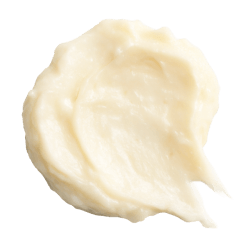
Lipids, Triglycerides, Triacylglycerols, E471
Fats are essential macronutrients derived from both animal and plant sources, providing concentrated energy and supporting the absorption of fat-soluble vitamins in pet diets. Their primary purpose is to supply energy, promote healthy skin and coat, and aid in cellular function. In pet food, fats are typically utilised in processed or rendered forms, rather than as whole food sources, to optimise digestibility and nutritional value.
Fats are included as a concentrated energy source and to enhance palatability, making the product more appealing to pets. They also aid in the absorption of fat-soluble vitamins and contribute to desirable texture and mouthfeel.
Dietary Minerals, Inorganic Nutrients, Essential Minerals, Bulk Elements
Minerals are essential inorganic nutrients derived from the earth, not produced by animals or plants. They play a critical role in supporting various physiological functions, such as bone development, nerve transmission, and enzyme activity. In pet food, minerals are not used in their natural raw or metallic state; instead, they are incorporated as specific compounds (such as sulphates or chelates) to optimise safety and bioavailability.
Minerals are included to meet essential nutritional requirements for pets, supporting overall health and proper bodily functions. They are often added in precise amounts to ensure the product complies with regulatory standards and nutrient profiles.
About


PRODUCT TAGS
Most Tracked This Week










About the Brand


Comments
0 comments
Login to Join the Conversation 💬