




.png)


Small Breed Minced Beef, Vegetable and Pasta Flavour Dry Dog Food

Overview
PURINA Lucky Dog Minis Minced Beef, Vegetable and Pasta Flavour Dry Dog Food is an extruded dry kibble produced in a smaller piece size, positioned for small to medium breed adult dogs. Like the broader Lucky Dog dry range, it is manufactured in Australia and uses cereal and cereal by-products as the primary ingredient base. The animal protein is supplied by meat and meat by-products derived from a variable combination of beef, mutton, and/or poultry — the ingredient declaration does not commit to a fixed species or ratio. Pasta contributes an additional carbohydrate source alongside the cereal base. No artificial colours or flavours are included.
Vitamins, minerals, and amino acid supplementation bring the formula to its declared nutritional targets for adult maintenance. As a complete and balanced diet, it is intended to serve as a dog's primary food source. The non-specific protein blend — which may vary in composition between batches — makes this product unsuitable for dogs with a diagnosed sensitivity to a particular animal protein or those undergoing dietary elimination trials. It is a general-purpose dry food suited to healthy adult dogs without specific nutritional requirements.
Nutritional Analysis
Ingredients
Cereals and Cereal By-Products and/or Vegetable By-Products, Meat and Meat By-Products (Derived from Beef and/or Mutton and/or Poultry), Essential Vitamins and Minerals and/or Amino Acids, Antioxidants and Flavours.


Gramineae, Poaceae, Cereal Grains, Poaceae Spp.
Cereals are plant-derived ingredients sourced from the edible seeds of cultivated grasses such as wheat, rice, barley, and oats. They are primarily included in pet food as a source of carbohydrates, providing energy, as well as dietary fibre and some essential nutrients. Cereals are used in their natural, whole or milled form, rather than as isolated compounds, to optimise digestibility and nutritional value.
Cereals are included as a cost-effective carbohydrate source to provide energy and bulk to pet food formulations. They also help optimise manufacturing efficiency and contribute to product texture.
Cereal Byproducts, Cereal By-Product, Cereal Byproduct, Cereal By-Products Meal
Cereal by-products are plant-derived ingredients obtained from the processing of grains such as wheat, rice, or barley. They are primarily included in pet food as a source of dietary fibre and energy, supporting digestive health and providing essential nutrients. These by-products are not used in their whole grain form but as milled fractions or bran, optimised for digestibility and nutritional value.
Cereal by-products are included as a cost-effective carbohydrate source and bulk-adding agent, helping manufacturers optimise production costs while maintaining product texture. They may also contribute to the overall energy content of the pet food.

Plant By-Products, Botanical By-Products, Plant-Derived By-Products, Botanical-Derived By-Products
Vegetable by-products are plant-derived materials remaining after the primary processing of vegetables, such as peels, pulp, or stems. They are included in pet food primarily as a source of dietary fibre and to support digestive health. Vegetable by-products are used in their natural, unrefined form, providing a sustainable way to utilise nutritious plant components that might otherwise go to waste.
Vegetable by-products are included as a cost-effective carbohydrate and fibre source, helping to bulk up the product while maintaining nutritional adequacy. Their use also supports efficient utilisation of raw materials, aligning with sustainability and waste reduction goals.
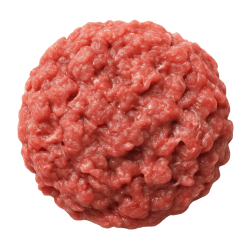
Animal Flesh, Muscle Tissue, Animal Protein, Skeletal Muscle
Meat refers to the edible muscle tissue derived from animals, commonly sourced from species such as chicken, beef, or lamb. It serves as a high-quality source of protein, essential amino acids, and vital nutrients like iron and B vitamins, supporting muscle maintenance and overall health. In pet food, meat is used in its natural form, ensuring optimal nutrient availability and palatability for pets.
Meat is included as a primary protein source to support essential amino acid requirements and overall nutritional value in pet food. Its presence also enhances palatability, making the product more appealing to pets.
Animal By-Products, Animal Derivatives, Animal Offal, Animal Spp. By-Products
Meat by-products are animal-derived ingredients obtained from the non-rendered, clean parts of slaughtered animals, excluding meat, such as organs and tissues. They provide essential proteins, vitamins, and minerals, supporting overall pet health. Meat by-products are used in their natural, edible form, ensuring nutrient density and palatability. Their inclusion helps optimise nutrient profiles and reduce food waste in premium pet foods.
Meat by-products are included as a cost-effective protein source, utilising parts of the animal not typically consumed by humans to maximise resource efficiency. They contribute essential nutrients while helping manufacturers maintain competitive pricing.
Micronutrients, Essential Micronutrients, Vital Nutrients, Accessory Food Factors
Vitamins are organic compounds derived from both plant and animal sources, essential for numerous metabolic and physiological functions in pets. Their primary purpose is to support immune health, vision, bone development, and cellular processes. In pet food, vitamins are not used in their natural, raw forms but are instead incorporated as stabilised compounds or premixes to ensure safety, stability, and optimal bioavailability.
Vitamins are included to ensure nutritional adequacy and meet regulatory requirements for complete and balanced pet food. They may also be added to compensate for nutrient losses during processing and storage.
Dietary Minerals, Inorganic Nutrients, Essential Minerals, Bulk Elements
Minerals are essential inorganic nutrients derived from the earth, not produced by animals or plants. They play a critical role in supporting various physiological functions, such as bone development, nerve transmission, and enzyme activity. In pet food, minerals are not used in their natural raw or metallic state; instead, they are incorporated as specific compounds (such as sulphates or chelates) to optimise safety and bioavailability.
Minerals are included to meet essential nutritional requirements for pets, supporting overall health and proper bodily functions. They are often added in precise amounts to ensure the product complies with regulatory standards and nutrient profiles.
L-Amino Acids, α-Amino Acids, Proteinogenic Amino Acids, E620-E640
Amino acids are organic compounds derived from both animal and plant sources, serving as the fundamental building blocks of proteins. Their primary nutritional benefit is to support muscle development, tissue repair, and overall metabolic function in pets. In pet food, amino acids are not used in their isolated natural form but are typically included as specific, bioavailable compounds to optimise absorption and efficacy.
Amino acids are included to ensure the product meets essential protein and nutrient requirements for pets, supporting overall health and development. They may also be added to optimise the amino acid profile of the food, compensating for any deficiencies in the primary protein sources.
Antioxidant Agents, Free Radical Scavengers, E306, E321
Antioxidants are compounds sourced from both plant and synthetic origins, commonly added to pet food to protect fats and oils from oxidation, thereby preserving freshness and nutritional quality. Their primary function is to neutralise free radicals, supporting cellular health. Antioxidants are not used in their raw or isolated chemical state; instead, specific forms such as mixed tocopherols or ascorbate compounds are utilised for safety and efficacy.
Antioxidants are included to prevent the oxidation of fats and oils, thereby extending the product’s shelf life and maintaining nutritional quality. They also help preserve colour and flavour, supporting product stability and consumer appeal.
Flavouring, Flavouring Substance, Flavouring Agent, Flavouring Preparation
Flavours are additives derived from various sources, including animal, plant, or synthetic origins, designed to enhance the palatability of pet food. Their primary purpose is to improve taste and encourage consistent consumption. Flavours are not used in their natural, raw state; instead, they are formulated as specific compounds or extracts to ensure safety, stability, and uniformity in pet food products.
Flavours are included to enhance palatability, encouraging pets to consume the product. They also allow manufacturers to maintain consistent taste profiles despite variations in raw ingredient quality.


Most Tracked This Week











About the Brand



Comments
0 comments
Login to Join the Conversation 💬