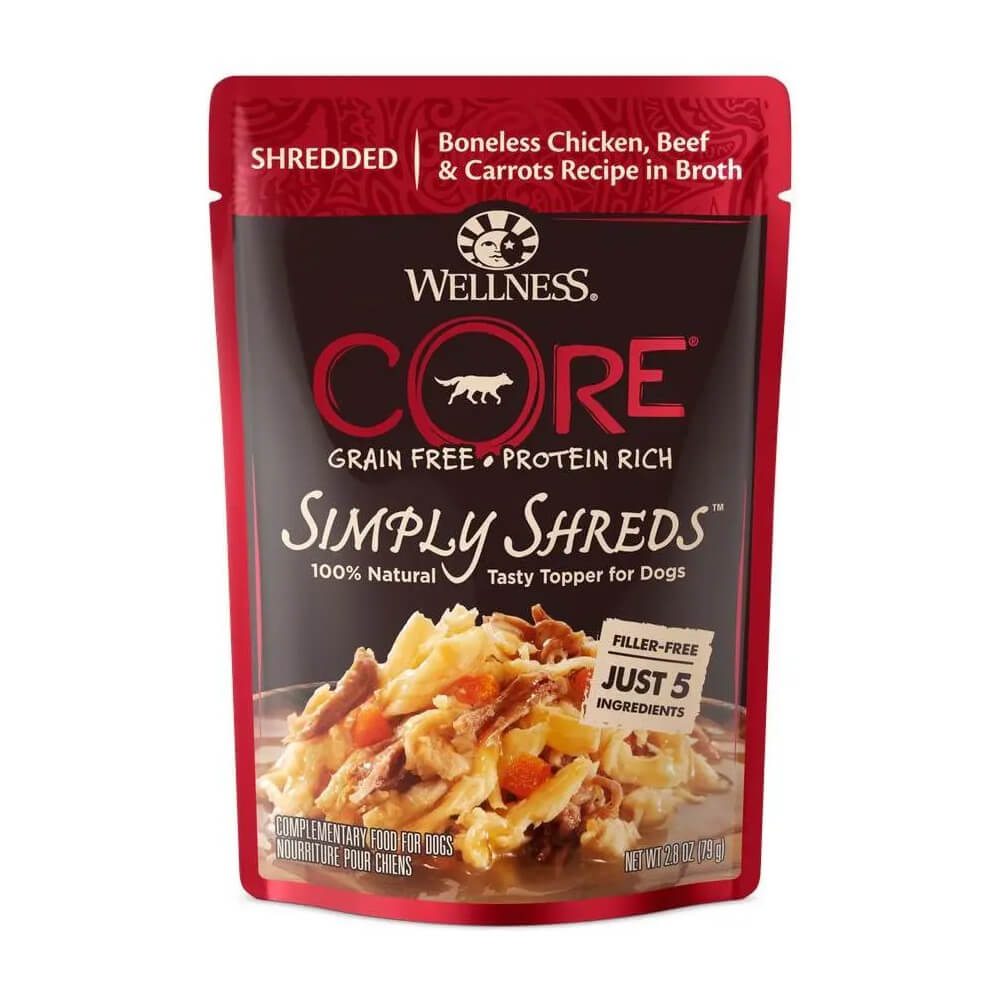
Puppy Chicken and Turkey Dry Dog Food

Overview
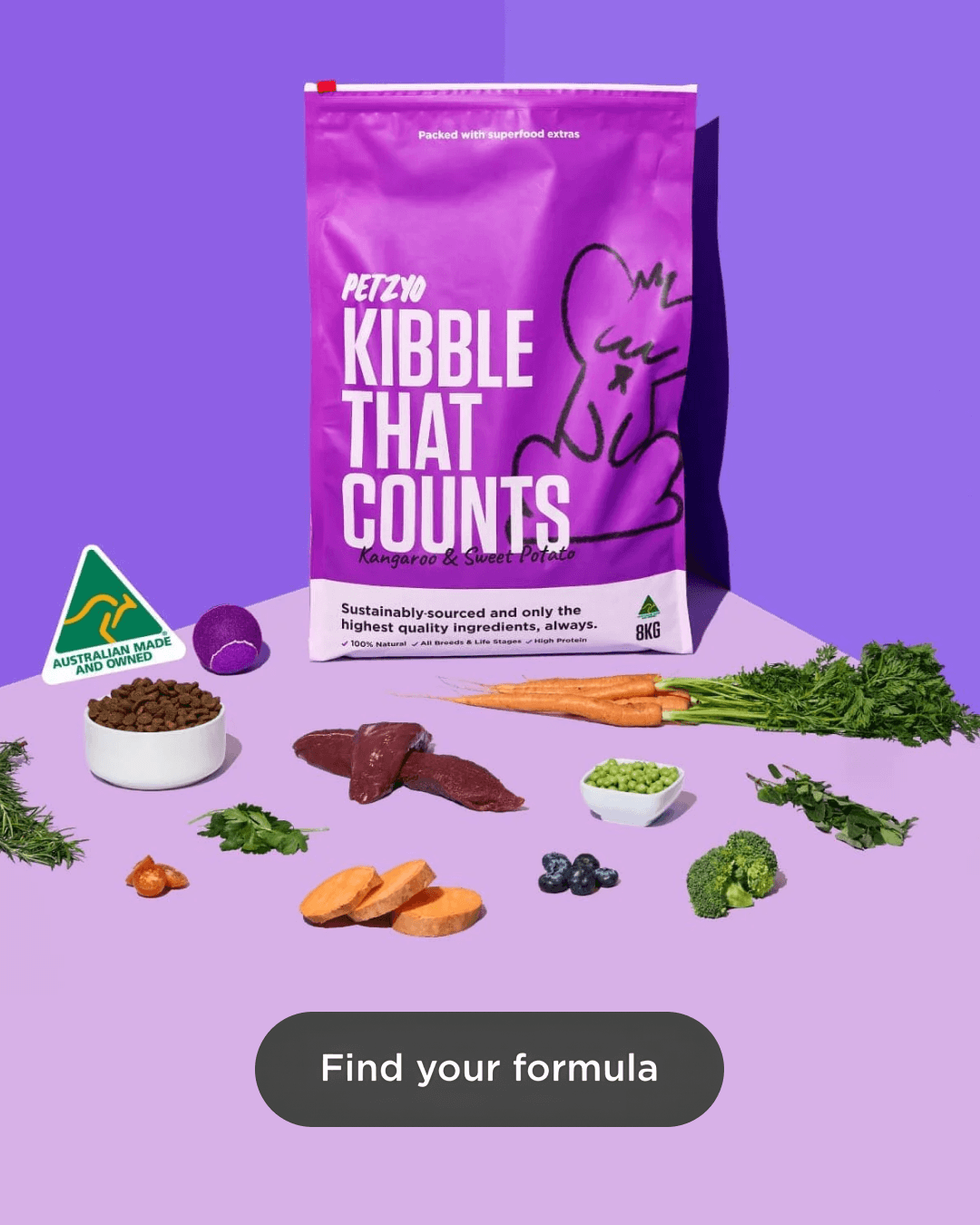
Wellness CORE Puppy is a grain-free, high-protein dry food for growing puppies, made with chicken and turkey. Added DHA from salmon oil supports healthy brain, eye and bone development, and it suits puppies of all breeds, including large-breed growth.
Nutritional Analysis
Ingredients
Deboned Chicken, Chicken Meal, Turkey Meal, Lentils, Peas, Chicken Fat (Preserved with Mixed Tocopherols), Tomato Pomace, Ground Flaxseed, Dried Ground Potatoes, Natural Chicken Flavour, Salmon Oil, Salt, Potassium Chloride, Taurine, Vitamin E Supplement, Choline Chloride, Spinach, Broccoli, Carrots, Parsley, Apples, Blueberries, Kale, Zinc Proteinate, Mixed Tocopherols Added to Preserve Freshness, Zinc Sulphate, Calcium Carbonate, Niacin, Iron Proteinate, Ferrous Sulphate, Vitamin A Supplement, Copper Sulphate, Thiamine Mononitrate, Copper Proteinate, Manganese Proteinate, Manganese Sulphate, D-Calcium Pantothenate, Sodium Selenite, Pyridoxine Hydrochloride, Riboflavin, Biotin, Vitamin D3 Supplement, Chicory Root Extract, Yucca Schidigera Extract, Calcium Iodate, Vitamin B12 Supplement, Folic Acid, Ascorbic Acid (Vitamin C), Dried Lactobacillus Plantarum Fermentation Product, Dried Enterococcus Faecium Fermentation Product, Dried Lactobacillus Casei Fermentation Product, Dried Lactobacillus Acidophilus Fermentation Product, Rosemary Extract, Green Tea Extract, Spearmint Extract.

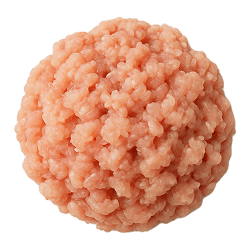
Gallus Gallus Domesticus, Poultry Meat, Domestic Fowl, Broiler Meat
Chicken is a high-quality animal protein sourced from poultry, commonly used in pet foods for its rich amino acid profile and palatability. It provides essential nutrients to support muscle maintenance and overall health. In premium pet foods, chicken is typically included in its natural, whole form, ensuring optimal nutrient availability and digestibility for pets.
Chicken is included as a primary animal protein source to meet nutritional requirements and enhance palatability for pets. Its recognisable presence on the label also appeals to consumers seeking high-quality, meat-based ingredients.

Rendered Chicken, Chicken Protein Meal, Dehydrated Gallus Gallus Domesticus, Rendered Gallus Gallus Domesticus
Chicken meal is a concentrated protein ingredient derived from rendered, clean chicken flesh and skin, excluding feathers, heads, feet, and entrails. Sourced from animal origin, it serves as a highly digestible protein source, supporting muscle maintenance and overall health in pets. Chicken meal is not used in its natural whole form but is processed and dried to optimise nutrient density and shelf stability.
Chicken meal is included as a concentrated protein source that provides essential amino acids for pet health while allowing manufacturers to optimise protein content cost-effectively. Its low moisture content also contributes to improved product stability and shelf life.

Rendered Turkey, Dehydrated Turkey, Turkey Protein Concentrate, Meleagris Gallopavo Meal
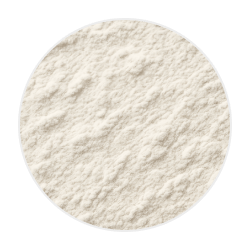
Turkey meal is a concentrated protein ingredient derived from turkey, an animal source, by rendering and drying the meat to remove most of its moisture and fat. It is primarily included in pet food to provide high-quality, digestible protein and essential amino acids. Turkey meal is not used in its natural whole form but as a processed, nutrient-dense powder to optimise nutritional value and shelf stability.
Turkey meal is included as a concentrated protein source to increase the overall protein content of the product in a cost-effective manner. Its use also allows for consistent nutrient levels and improved shelf stability compared to fresh turkey.

Lens Culinaris, Lens Esculenta, Masoor, Eiwitrijke Peulvruchten
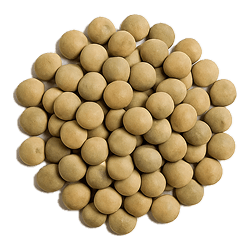
Lentils are edible seeds from the legume plant, commonly cultivated for human and animal consumption. As a plant-based ingredient, lentils are valued for their high protein, dietary fibre, and essential micronutrient content. In pet food, lentils are primarily included to support protein levels and digestive health. Lentils are used in their natural, whole form, providing a minimally processed source of nutrition.
Lentils are included as a cost-effective source of plant-based protein and carbohydrates, helping to meet nutritional requirements while managing production costs. They also serve as a label-friendly ingredient that appeals to consumers seeking grain-free or high-protein pet food options.

Pisum Sativum, Garden Pea, Green Pea, Field Pea
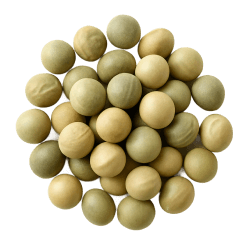
Peas are a plant-derived ingredient sourced from the seeds of the Pisum sativum plant. They are primarily included in pet food for their high protein content, dietary fibre, and essential micronutrients, supporting digestive health and energy. Peas are used in their natural, whole form, ensuring the retention of their nutritional value and functional benefits within the finished product.
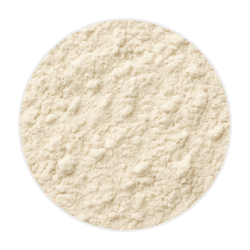
Peas are included as a cost-effective source of protein, fibre, and carbohydrates, helping to optimise nutritional content while supporting product texture. They also serve as a label-friendly ingredient that appeals to consumers seeking grain-free or plant-based options.

Poultry Fat, Gallus Gallus Domesticus Fat, Rendered Chicken Fat, Chicken Oil
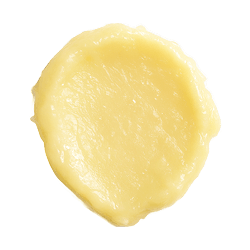
Chicken fat is an animal-derived ingredient obtained from rendering chicken tissue. It serves primarily as a concentrated source of energy and essential fatty acids, supporting skin and coat health in pets. Chicken fat is used in its natural rendered form, not as a raw or unprocessed fat, ensuring palatability and digestibility while providing a stable, high-quality lipid source in pet food formulations.
Chicken fat is included as a highly digestible source of animal fat, providing essential fatty acids and enhancing the palatability of the product. It also contributes to the energy content of the food in a cost-effective manner.

Tocopherols, E306, Natural Tocopherols Concentrate, D-Alpha Tocopherol Concentrate
Mixed tocopherols are a blend of compounds derived from plant oils, primarily functioning as a source of vitamin E. Their main purpose in pet food is to act as natural antioxidants, helping to preserve the freshness of fats and oils. Rather than being used in their isolated, pure form, mixed tocopherols are incorporated as stabilised extracts to optimise safety, efficacy, and nutrient retention.
Mixed tocopherols are included as a natural preservative to extend shelf life by slowing the oxidation of fats and oils in pet food. They are often used as a label-friendly alternative to synthetic preservatives to appeal to consumer preferences for natural ingredients.

Tomato Pulp, Tomato Residue, Tomato Presscake, Solanum Lycopersicum Pomace
Tomato pomace is a by-product derived from the processing of tomatoes (plant origin), consisting of skins, pulp, and seeds. It is primarily included in pet food as a source of dietary fibre to support digestive health. Tomato pomace is used in its natural, dried form, providing both soluble and insoluble fibres, as well as beneficial phytonutrients, to optimise gastrointestinal function in pets.
Tomato pomace is included as a cost-effective source of dietary fibre and antioxidants, contributing to stool quality and digestive health. It also serves as a bulk-adding agent, helping to optimise product texture and manufacturing efficiency.

Milled Linseed, Flaxseed Meal, Milled Flaxseed, Linum Usitatissimum
Ground linseed, derived from the seeds of the flax plant (Linum usitatissimum), is a plant-based ingredient commonly included in premium pet foods. It serves as a rich source of dietary fibre and omega-3 fatty acids, supporting digestive health and skin condition. Ground linseed is used in its natural, whole-food form, ensuring optimal nutrient availability and digestibility for pets.
Ground linseed is included as a source of omega-3 fatty acids and dietary fibre, supporting nutritional claims and digestive health. It also serves as a label-friendly ingredient that appeals to health-conscious consumers.

Potato Flour, Potato Powder, Solanum Tuberosum, Dehydrated Potato
Ground potato is a plant-derived ingredient made from whole potatoes that have been dried and finely milled. It serves primarily as a source of digestible carbohydrates and dietary fibre, supporting energy provision and digestive health in pets. In pet food, ground potato is used in its natural form, retaining the nutritional benefits of the original vegetable while enhancing palatability and texture.
Ground potato is included as a cost-effective carbohydrate source and bulk-adding agent, providing energy and texture to the product. It also serves as a label-friendly ingredient that appeals to consumers seeking recognisable, natural components.

Chicken Flavour, Chicken Flavouring, Chicken Extract, Gallus Gallus Extract
Natural Chicken Flavour is a palatable ingredient derived from animal sources, specifically chicken, and is used to enhance the taste and aroma of pet food. Its primary function is to improve palatability, encouraging consistent consumption. This ingredient is not used in its whole food form; rather, it is processed and concentrated to deliver a natural chicken taste in a safe, digestible format.
Natural chicken flavour is included to enhance palatability, encouraging dogs to consume the product. It also allows manufacturers to deliver a desirable taste profile without significantly increasing production costs or altering the nutritional composition.

Fish Oil (Salmo Spp.), Salmo Spp. Oil, Salmonidae Oil, Omega-3 Marine Oil (Salmo Spp.)
Salmon oil is a nutrient-rich oil derived from the tissues of salmon, an animal source. It is primarily included in pet food for its high content of omega-3 fatty acids, which support skin, coat, and joint health. Salmon oil is utilised in its extracted liquid form, rather than as whole fish, to optimise absorption and deliver concentrated nutritional benefits.
Salmon oil is included as a source of omega-3 fatty acids to support skin and coat health, which can enhance the nutritional profile of the product. Its presence also serves as a marketing feature, appealing to consumers seeking premium or functional ingredients.

Sodium Chloride, NaCl, Table Salt, E535
Salt is a mineral ingredient derived from the combination of sodium and chloride, typically sourced from natural deposits or seawater. It is primarily included in pet food to support electrolyte balance, nerve function, and hydration. Salt is not used in its raw mineral form but is utilised as sodium chloride, a purified compound, to ensure safety, palatability, and optimal absorption in pets.
Salt is included as a palatability enhancer to improve taste and encourage consumption, and also functions as a preservative to help extend product shelf life. Its use allows manufacturers to optimise flavour while maintaining product stability.

E508, Muriate of Potash, Potassium Monochloride, KCl
Potassium chloride is a mineral compound derived from the element potassium, typically sourced from naturally occurring mineral deposits. It is utilised in pet food as a purified salt rather than in its raw metallic form, ensuring safety and optimal absorption. Its primary purpose is to provide essential potassium, which supports nerve function, muscle contraction, and fluid balance in companion animals.
Potassium chloride is included as a cost-effective mineral supplement to help meet pets’ dietary potassium requirements. It also functions as a salt substitute to optimise electrolyte balance in the formulation.

2-Aminoethanesulphonic Acid, L-Taurine, E107, 2-Aminoethane-1-Sulphonic Acid
Taurine is a naturally occurring amino sulfonic acid derived from animal sources, particularly meat and fish. It is added to pet food to support cardiovascular health, vision, and proper immune function, especially in cats who cannot synthesise it sufficiently. Taurine is not used in its raw form; instead, it is incorporated as a purified, synthesised compound to ensure stability, safety, and optimal absorption.
Taurine is included to ensure adequate levels of this essential amino acid, particularly in diets where animal protein content may be insufficient to meet canine or feline nutritional requirements. Its addition supports cardiovascular health and is often used to address consumer concerns about diet-associated heart issues.

Tocopherol, Alpha-Tocopherol, E307, D-Alpha-Tocopherol
Vitamin E is a fat-soluble vitamin derived from plant sources such as vegetable oils, nuts, and seeds. It functions primarily as an antioxidant, helping to protect cell membranes from oxidative damage and supporting immune health. In pet food, Vitamin E is not used in its natural raw form but is typically utilised as a stabilised compound, such as tocopherol acetate, to optimise safety and absorption.
Vitamin E is included as a natural antioxidant to help preserve the freshness and stability of fats and oils in the product, thereby extending shelf life. It also serves as a label-friendly nutrient that appeals to consumers seeking added health benefits for their pets.

Trimethylethanolamine Chloride, Choline Monochloride, E1001, 2-Hydroxy-N,N,N-Trimethylethanaminium Chloride
Choline chloride is a synthetic compound derived from choline, an essential nutrient typically sourced from plant or animal origins. It is primarily included in pet food to support healthy brain function, liver metabolism, and cellular structure. Choline is not used in its natural state; instead, it is utilised as choline chloride to ensure stability, safety, and optimal absorption in pet diets.
Choline chloride is included as an essential nutrient to support normal liver function and brain health in pets. It is a cost-effective way to meet regulatory requirements for choline content in complete and balanced pet foods.

Spinacia Oleracea, English Spinach, Common Spinach, Garden Spinach
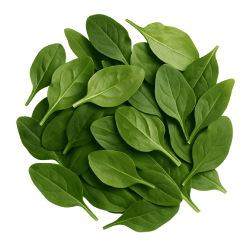
Spinach is a leafy green vegetable of plant origin, valued for its rich content of vitamins, minerals, and antioxidants. In pet food, spinach primarily provides dietary fibre, iron, and phytonutrients that support overall health and immune function. Spinach is included in its natural form, ensuring pets benefit from its full nutritional profile without synthetic alteration or processing into extracts.
Spinach is included as a label-friendly ingredient to appeal to health-conscious consumers and enhance the perceived nutritional value of the product. It may also provide a modest source of vitamins and minerals, supporting marketing claims of added health benefits.

Brassica Oleracea Italica, Calabrese, Sprouting Broccoli, EATME Broccoli
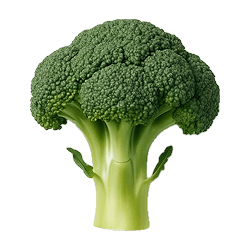
Broccoli is a nutrient-rich vegetable derived from the plant species Brassica oleracea. As a plant-based ingredient, it is included in pet food primarily for its dietary fibre, vitamins, and antioxidant content, supporting digestive health and immune function. Broccoli is used in its natural form, ensuring pets benefit from its whole-food nutritional profile without synthetic alteration.
Broccoli is included as a label-friendly ingredient to appeal to health-conscious consumers and enhance the perceived nutritional value of the product. It may also contribute small amounts of fibre, vitamins, and antioxidants, supporting marketing claims of added health benefits.

Daucus Carota, Daucus Carota Root, Daucus Carota Sativa, Wild Carrot
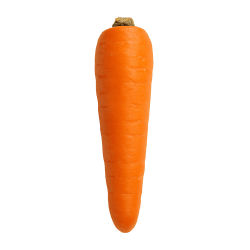
Carrot is a root vegetable of plant origin, widely recognised for its vibrant orange colour and natural sweetness. In pet food, carrot is included in its natural, whole form to provide dietary fibre, beta-carotene (a precursor to vitamin A), and antioxidants. Its primary benefit is supporting digestive health and immune function, while also contributing to overall palatability and nutritional diversity.
Carrot is included as a label-friendly ingredient to appeal to consumers seeking recognisable, natural components and to enhance the product’s perceived nutritional value. It may also provide a modest source of fibre and vitamins, supporting marketing claims of added health benefits.

Petroselinum Crispum, Garden Parsley, Common Parsley, E461
Parsley is a leafy herb of plant origin, commonly used in pet food for its natural antioxidant properties and as a source of vitamins such as vitamin K and C. It is primarily included to support immune health and freshen breath. In pet food formulations, parsley is used in its natural, whole form, ensuring the retention of its beneficial phytonutrients and fibre content.
Parsley is included as a label-friendly ingredient to appeal to pet owners seeking natural or recognisable components in pet food. It may also be added for its perceived breath-freshening properties, though its functional impact on canine nutrition is minimal.

Malus Domestica, Pyrus Malus, Malus Pumila, E Malus
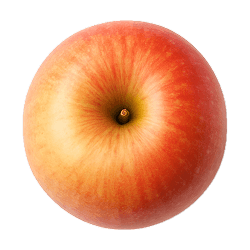
Apple is a fruit derived from the Malus domestica tree, classified as a plant-based ingredient. It is primarily included in pet food for its dietary fibre, natural antioxidants, and vitamins, supporting digestive health and immune function. Apple is used in its natural, whole form, ensuring pets benefit from its inherent nutrients without synthetic alteration or processing into extracts or concentrates.
Apple is included as a label-friendly ingredient to appeal to consumers seeking recognisable, natural components in pet food. It may also provide a modest source of fibre and natural sweetness to enhance palatability.

Vaccinium Corymbosum, Vaccinium Angustifolium, Bilberry, E163
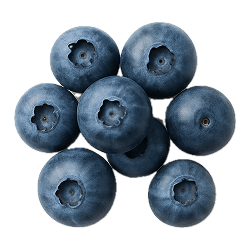
Blueberry is a small, nutrient-rich fruit of plant origin, commonly sourced from the Vaccinium genus. It is included in pet food primarily for its antioxidant properties, supporting immune health and cellular protection. Blueberry is used in its natural, whole form, ensuring pets benefit from its full spectrum of vitamins, fibre, and phytonutrients as found in fresh fruit.
Blueberry is included as a label-friendly ingredient to appeal to health-conscious consumers, leveraging its reputation as a source of antioxidants. Its presence supports marketing claims of added nutritional benefits, though it is typically used in small quantities with minimal impact on the overall nutritional profile for pets.

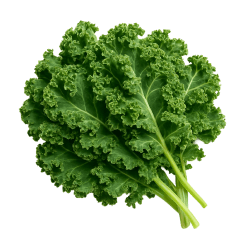
Brassica Oleracea, Borecole, Leaf Cabbage, Eru
Kale is a leafy green vegetable of plant origin, belonging to the Brassica family. It is included in pet food primarily for its rich content of vitamins, minerals, and antioxidants, supporting overall health and immune function. In pet food formulations, kale is used in its natural form, providing a source of dietary fibre and phytonutrients to optimise nutritional value.
Kale is included as a label-friendly ingredient to appeal to health-conscious consumers and enhance the perceived nutritional value of the product. It may also provide a source of vitamins and fibre, though its functional impact on pet nutrition is typically minimal at the inclusion levels used.

Zinc Proteinate Chelate, Zinc Protein Chelate, Zinc Amino Acid Chelate, Zinc Protein Complex
Zinc proteinate is a chelated mineral compound derived from the binding of zinc, an essential trace element, with amino acids or proteins. Sourced from mineral origins, it is included in pet food to support immune function, skin health, and enzyme activity. Zinc is not used in its raw metallic state; instead, it is utilised as zinc proteinate to optimise absorption and bioavailability in pets.
Zinc proteinate is included as a bioavailable source of the essential mineral zinc, supporting optimal nutrient absorption and overall health in pets. Its chelated form enhances stability and efficacy compared to inorganic zinc sources, aligning with nutritional labelling requirements.

Zinc Sulphate Monohydrate, Zinc Sulphate Heptahydrate, E6, ZnSO₄
Zinc sulphate is a mineral compound derived from the element zinc, typically sourced from mined zinc ores. It is utilised in pet food as a supplemental source of zinc, an essential trace mineral that supports immune function, skin health, and enzyme activity. Zinc is not used in its natural metallic state; instead, it is provided as zinc sulphate to optimise safety and bioavailability for pets.
Zinc sulphate is included as a cost-effective and bioavailable source of the essential mineral zinc, which supports immune function and skin health in pets. Its addition ensures the product meets nutritional requirements for complete and balanced pet food labelling.

Chalk, Limestone, E170, Marble Dust
Calcium carbonate is a naturally occurring mineral compound derived from sources such as limestone or marine shells. It is primarily included in pet food as a source of calcium, essential for healthy bones, teeth, and metabolic functions. Calcium carbonate is not used in its raw mineral state; instead, it is processed into a purified, food-grade compound to optimise safety and bioavailability for pets.
Calcium carbonate is included as a cost-effective mineral supplement to provide a bioavailable source of calcium, supporting bone health and proper nutritional balance. It also functions as a pH stabiliser, contributing to product consistency and shelf stability.

Nicotinic Acid, Vitamin B3, Pyridine-3-Carboxylic Acid, E375
Niacin, also known as vitamin B3, is a water-soluble vitamin of synthetic or natural origin, commonly derived from plant or animal sources. It plays a crucial role in energy metabolism and supports healthy skin, nerves, and digestion in pets. Niacin is not used in its raw form but is typically included as a safe, bioavailable compound such as niacinamide or nicotinic acid.
Niacin is included as an essential B vitamin to meet nutritional requirements and support metabolic health in pets. Its addition ensures compliance with regulatory standards for complete and balanced pet food labelling.

Ferric Proteinate, Ferrous Proteinate, Iron Protein Chelate, Iron Protein Complex
Iron proteinate is a chelated mineral compound derived from iron bound to amino acids or proteins, typically of animal or plant origin. It is included in pet food to provide a bioavailable source of iron, which is essential for oxygen transport and energy metabolism. Iron is not used in its natural metallic state; instead, it is utilised as iron proteinate to optimise absorption and safety.
Iron proteinate is included as a bioavailable source of iron to support essential physiological functions in pets. Its chelated form enhances mineral absorption and allows for precise nutrient labelling to meet regulatory and marketing requirements.

Iron(II) Sulphate, Ferrous Iron Sulphate, E172, Green Vitriol
Ferrous sulphate is an inorganic compound derived from iron, an essential mineral for animal health. It is primarily included in pet food to support normal red blood cell formation and prevent iron deficiency anaemia. Ferrous sulphate is not used in its natural metallic state; instead, it is utilised as a salt to optimise safety, stability, and absorption within the animal’s body.
Ferrous sulphate is included as a cost-effective source of dietary iron to meet nutritional requirements in pet food formulations. It helps ensure the product delivers essential minerals for pet health while maintaining compliance with labelling standards.

Retinol, Retinyl Palmitate, Retinyl Acetate, E160a
Vitamin A is an essential fat-soluble nutrient derived from animal sources (as retinyl esters) or plant sources (as carotenoids). It supports vision, immune function, and skin health in pets. In pet food, Vitamin A is not used in its raw or natural state but is provided as stabilised compounds (such as retinyl acetate or retinyl palmitate) to ensure safety, stability, and optimal absorption.
Vitamin A is included as an essential nutrient to support vision, immune function, and overall health in pets, ensuring the product meets established nutritional standards. Its addition also allows manufacturers to optimise the nutritional profile and comply with regulatory labelling requirements.

Cupric Sulphate, Blue Vitriol, Roman Vitriol, E519
Copper sulphate is an inorganic compound derived from copper, an essential trace mineral. It is primarily included in pet food to support vital physiological functions such as enzyme activity, immune health, and connective tissue formation. Copper sulphate is not used in its natural metallic state; instead, it is utilised as a salt to optimise safety, stability, and bioavailability for animal nutrition.
Copper sulphate is included as a cost-effective and reliable source of essential copper, a trace mineral necessary for canine health. Its use ensures precise nutrient formulation and supports compliance with nutritional labelling standards.

Vitamin B1 Mononitrate, Nitrate Salt of Thiamine, E101a, Thiamin Mononitrate
Thiamine mononitrate is a synthetic, water-soluble form of vitamin B1, derived from chemical synthesis rather than natural sources. It is added to pet food to support energy metabolism and proper nervous system function. Thiamine is not used in its natural state; instead, the mononitrate compound is utilised for stability, safety, and optimal absorption in formulated diets.
Thiamine mononitrate is included as a stable, cost-effective source of vitamin B1 to meet nutritional requirements and ensure product labelling compliance. Its synthetic form maintains potency during processing and storage, supporting both product stability and regulatory standards.

Copper Amino Acid Chelate, Copper Chelate, Copper(II) Proteinate, Cupric Proteinate
Copper proteinate is a chelated mineral compound derived from the binding of copper, an essential trace element, with amino acids or proteins. Sourced from mineral origins, it is included in pet food to support vital functions such as red blood cell formation and enzyme activity. Copper is not used in its raw metallic state but is instead utilised as copper proteinate to optimise absorption and safety.
Copper proteinate is included as a bioavailable source of the essential trace mineral copper, supporting metabolic and enzymatic functions in pets. Its chelated form enhances absorption compared to inorganic copper sources, optimising nutritional efficacy in the finished product.

Manganese Amino Acid Chelate, Manganese Chelated Protein, Manganese Protein Chelate, Manganese Protein Complex
Manganese proteinate is a chelated mineral compound derived from the binding of manganese, an essential trace element, with amino acids or proteins. Sourced from mineral origins, it is utilised in pet food to support bone development, enzyme function, and metabolic processes. Unlike raw metallic manganese, manganese proteinate is used for its enhanced bioavailability and safety, optimising absorption and nutritional efficacy in pets.
Manganese proteinate is included as a bioavailable source of the essential trace mineral manganese, supporting metabolic and skeletal health in pets. Its chelated form optimises nutrient absorption and allows for precise labelling of added minerals.

Manganese(II) Sulphate, Manganous Sulphate, Epsomite (Manganese), Sulphuric Acid Manganese(2+) Salt
Manganese sulphate is an inorganic compound derived from the mineral manganese, typically sourced from mined ores. It is included in pet food as an essential trace mineral to support bone development, enzyme function, and metabolic processes. Rather than using raw metallic manganese, the sulphate form is utilised to ensure safety, stability, and optimal absorption in companion animals’ diets.
Manganese sulphate is included as a cost-effective source of the essential trace mineral manganese, which supports metabolic and skeletal health in pets. Its addition ensures nutritional adequacy and compliance with regulatory labelling requirements for complete and balanced pet foods.

D-Calcium Pantothenate, E315, Pantothenic Acid Calcium Salt, Calcium D-Pantothenate
Calcium pantothenate is a synthetic compound derived from pantothenic acid, a water-soluble B vitamin (vitamin B5) of plant or animal origin. It is primarily included in pet food to support energy metabolism and maintain healthy skin and coat. Rather than using pantothenic acid in its natural form, calcium pantothenate is utilised for its stability, safety, and enhanced bioavailability in pet nutrition.
Calcium pantothenate is included as a stable, bioavailable source of vitamin B5 to meet nutritional requirements and support labelling claims of complete and balanced nutrition. Its use ensures consistent vitamin content throughout the product’s shelf life.

Disodium Selenite, E901, Selenious Acid Disodium Salt, Disodium Selenious Acid
Sodium selenite is an inorganic compound derived from selenium, an essential trace mineral. It is included in pet food formulations to provide a bioavailable source of selenium, which supports antioxidant defence and immune function. Sodium selenite is not used in its natural elemental form; instead, it is utilised as a salt compound to ensure safety, stability, and optimal absorption in pets.
Sodium selenite is included as a cost-effective and stable source of the essential trace mineral selenium, which supports normal metabolic and immune functions in pets. Its use allows manufacturers to meet nutritional requirements efficiently and with consistent quality.

Vitamin B6, E300, Pyridoxine HCl, Pyridoxine Monohydrochloride
Pyridoxine hydrochloride is a synthetic, water-soluble form of vitamin B6, derived from chemical synthesis rather than natural sources. It is added to pet foods to support protein metabolism, nervous system health, and immune function. Unlike naturally occurring vitamin B6 in foods, pyridoxine is utilised in its hydrochloride salt form to ensure stability, safety, and optimal absorption in companion animals.
Pyridoxine hydrochloride is included as a cost-effective, stable source of vitamin B6 to ensure nutritional adequacy and meet regulatory labelling requirements. Its addition helps manufacturers guarantee consistent vitamin content throughout the product’s shelf life.

Vitamin B2, E101, Lactoflavin, 7,8-Dimethyl-10-Ribityl Isoalloxazine
Riboflavin, also known as vitamin B2, is a water-soluble vitamin of synthetic origin commonly added to pet foods. It plays a crucial role in energy metabolism and supports healthy skin, eyes, and nervous system function. Riboflavin is not used in its natural form but is typically utilised as a synthesised compound to ensure stability, safety, and optimal absorption in pet diets.
Riboflavin is included as an essential vitamin to meet nutritional requirements and ensure regulatory compliance for complete and balanced pet food labelling. Its addition helps optimise the product’s nutrient profile without significantly impacting cost or palatability.

Vitamin B7, Vitamin H, D-Biotin, Coenzyme R
Biotin is a water-soluble B-vitamin (vitamin B7) of synthetic origin, commonly included in pet foods to support healthy skin, coat, and metabolic function. Its primary benefit is aiding in the metabolism of fats, proteins, and carbohydrates. Biotin is not used in its natural, free form but is instead utilised as a stable, bioavailable compound to optimise absorption and efficacy in pets.
Biotin is included as an essential vitamin to support skin, coat, and metabolic health in pets, fulfilling nutritional requirements for complete and balanced diets. Its addition also allows manufacturers to highlight the inclusion of key micronutrients on product labelling, appealing to health-conscious consumers.

Cholecalciferol, Colecalciferol, Calciol, E671
Vitamin D3, also known as cholecalciferol, is a fat-soluble vitamin of animal origin commonly derived from lanolin or fish oil. It plays a crucial role in regulating calcium and phosphorus metabolism, supporting healthy bone development in pets. Vitamin D3 is not used in its natural form but is instead utilised as a stabilised compound to ensure safety, efficacy, and optimal absorption in pet food formulations.
Vitamin D3 is included to ensure the finished product meets established nutritional requirements for canine health, supporting bone development and calcium regulation. Its addition allows manufacturers to guarantee consistent vitamin content regardless of natural variation in raw materials.

Cichorium Intybus Extract, Cichorium Intybus Root Extract, Inulin Extract, Cichorium Intybus L. Root Extract
Chicory root extract is derived from the root of the chicory plant, a perennial herb native to Europe and cultivated in Australia. Primarily, it serves as a source of inulin, a prebiotic fibre that supports digestive health and beneficial gut bacteria in pets. Rather than using the whole root, the extract is utilised in a concentrated form to optimise its functional benefits.
Chicory root extract is included as a source of prebiotic fibre to support digestive health and promote beneficial gut bacteria. It also serves as a label-friendly ingredient that appeals to health-conscious consumers.

Yucca Extract, Yucca schidigera, Yucca Spp., Cassava Extract
Yucca Schidigera Extract is a plant-derived ingredient sourced from the Yucca schidigera plant native to arid regions of North America. It is primarily included in pet food to help reduce stool odour by binding ammonia and other waste gases. Rather than using the whole plant, a concentrated extract is utilised to optimise its functional benefits and ensure consistent efficacy.
Yucca Schidigera Extract is included to reduce stool odour by binding ammonia and other waste gases, thereby improving the perceived cleanliness of the pet and its environment. It also serves as a label-friendly ingredient that appeals to consumers seeking natural additives.

Calcium Diiodate, E917, Ca(IO3)2, Calcium Iodate Anhydrous
Calcium iodate is a mineral-derived compound commonly included in pet foods as a source of iodine, an essential trace element. It is not used in its natural, raw mineral state; instead, it is utilised in the form of a stable, food-grade compound to ensure safety and optimal absorption. Its primary purpose is to support healthy thyroid function and metabolic processes.
Calcium iodate is included as a stable, bioavailable source of iodine to support thyroid function and overall metabolic health in pets. Its use ensures consistent iodine content throughout the product, optimising nutritional labelling and regulatory compliance.

Cobalamin, Cyanocobalamin, Hydroxocobalamin, Methylcobalamin
Vitamin B12 is a water-soluble vitamin of animal origin, essential for nerve function and red blood cell formation in pets. It is primarily included in pet food to support energy metabolism and overall vitality. Vitamin B12 is not used in its natural, raw form but is instead utilised as a specific compound, such as cyanocobalamin, to ensure stability, safety, and optimal absorption.
Vitamin B12 is included as an essential nutrient to support metabolic and neurological functions in pets, ensuring the product meets established nutritional standards. Its addition helps manufacturers achieve complete and balanced labelling claims.

Pteroylmonoglutamic Acid, Pteroylglutamic Acid, Vitamin B9, E920
Folic acid is a synthetic form of vitamin B9, originally derived from plant sources but produced for pet food as a stable, bioavailable compound. Its primary purpose is to support cell division, DNA synthesis, and overall growth in pets. Folic acid is not used in its natural state; instead, it is utilised as a manufactured supplement to optimise absorption and efficacy.
Folic acid is included as a synthetic vitamin to ensure nutritional adequacy and meet regulatory requirements for B-vitamin content in pet food. Its addition helps standardise nutrient levels across batches, supporting consistent product labelling and animal health.

L-Ascorbic Acid, E300, L-Threo-Hex-2-Enono-1,4-Lactone, 3-Keto-L-Gulofuranolactone
Ascorbic acid, commonly known as vitamin C, is a synthetic compound derived from plant sources such as corn or sugar beets. It serves as an antioxidant and supports immune function in pets. Ascorbic acid is not used in its natural fruit or vegetable form but is instead utilised as a purified compound to ensure stability, safety, and optimal absorption in pet food formulations.
Ascorbic acid is included as an antioxidant to help preserve the freshness and extend the shelf life of pet food products. It may also be used to support label claims related to vitamin C content for marketing purposes.

Lactobacillus Plantarum Ferment Filtrate, Lactobacillus Plantarum Ferment Extract, Lactobacillus Plantarum Ferment Lysate, Lactobacillus Plantarum Ferment
Lactobacillus plantarum ferment product is a probiotic ingredient derived from the fermentation of the Lactobacillus plantarum bacterium, a microorganism of non-animal origin. Its primary benefit is to support digestive health and promote a balanced gut microbiome in pets. This ingredient is not used in its live, natural state but is utilised as a stabilised, non-viable fermentation product for safety and efficacy.
Lactobacillus plantarum ferment product is included as a functional ingredient to support digestive health and promote a balanced gut microbiome in pets. Its presence also serves as a marketing tool, appealing to consumers seeking products with added probiotics for perceived health benefits.

Enterococcus Faecium Ferment Filtrate, Enterococcus Faecium Fermentation Product, Enterococcus Faecium Ferment Lysate, Enterococcus Faecium Ferment Extract
Enterococcus faecium ferment product is a probiotic ingredient derived from the fermentation of the Enterococcus faecium bacterium, an organism of microbial origin. Its primary purpose is to support digestive health by promoting a balanced gut microbiome in pets. This ingredient is not used in its live, natural bacterial form but is instead utilised as a safe, stabilised ferment product to optimise efficacy and shelf life.
Enterococcus faecium ferment product is included as a probiotic additive to support digestive health and optimise gut flora balance in pets. Its presence also serves as a label-friendly ingredient, appealing to consumers seeking functional health benefits in pet food.

Lactobacillus Casei Ferment, Lactobacillus Casei Ferment Extract, L. Casei Ferment, L. Casei Ferment Extract
Lactobacillus casei ferment product is a probiotic ingredient derived from the fermentation of the Lactobacillus casei bacterium, an organism of microbial origin. Its primary purpose is to support digestive health and promote a balanced gut microbiome in pets. Rather than using live bacteria in their natural state, this ingredient is utilised as a stabilised ferment product to ensure safety, efficacy, and shelf stability.
Lactobacillus casei ferment product is included as a functional ingredient to support digestive health and promote a balanced gut microbiome in pets. Its presence also serves as a marketing differentiator, appealing to consumers seeking products with added probiotics.

Lactobacillus Acidophilus Ferment Filtrate, L. Acidophilus Ferment Filtrate, Lactobacillus Acidophilus Ferment Lysate, L. Acidophilus Ferment Lysate
Lactobacillus acidophilus ferment product is a probiotic ingredient derived from the fermentation of the Lactobacillus acidophilus bacterium, an organism of microbial origin. Its primary purpose is to support digestive health and promote a balanced gut microbiome in pets. This ingredient is not used in its live, natural bacterial form but is utilised as a stabilised ferment product to ensure safety and efficacy.
Lactobacillus acidophilus ferment product is included as a functional ingredient to support digestive health and promote a beneficial gut microbiome in pets. Its presence also serves as a marketing differentiator, appealing to consumers seeking products with added probiotics.

Rosmarinus Officinalis Extract, E392, Rosemary Oleoresin, Rosmarinus Officinalis Leaf Extract
Rosemary extract is a plant-derived ingredient obtained from the leaves of the rosemary herb (Rosmarinus officinalis). It is primarily included in pet food as a natural antioxidant, helping to preserve fats and oils and extend shelf life. Rosemary extract is used in its natural form, ensuring the retention of its beneficial compounds without chemical alteration.
Rosemary extract is included as a natural preservative to help extend shelf life by inhibiting oxidation of fats and oils. It also serves as a label-friendly ingredient that appeals to consumers seeking natural additives.

Camellia Sinensis Extract, Camellia Sinensis Leaf Extract, Tea Leaf Extract, Camellia Sinensis
Green tea extract is a concentrated form of the leaves from the Camellia sinensis plant, a botanical ingredient. It is primarily included for its antioxidant properties, supporting cellular health and immune function in pets. Rather than using whole green tea leaves, the extract is utilised in a purified, standardised form to optimise the delivery of beneficial polyphenols and ensure consistent potency.
Green tea extract is included as a natural antioxidant to help preserve product freshness and extend shelf life. It may also be used for its label appeal, as consumers associate it with health benefits.

Mentha Spicata Extract, Mentha Viridis Extract, Mint Extract, Mentha Spicata Leaf Extract
Spearmint extract is a plant-derived ingredient obtained from the leaves of the spearmint plant (Mentha spicata). It is primarily included in pet food for its natural flavouring properties and potential antioxidant benefits. Spearmint extract is used in its processed extract form, rather than as whole leaves, to ensure consistent potency and safe inclusion in pet diets.
Spearmint extract is included primarily as a label-friendly ingredient to appeal to pet owners by suggesting breath-freshening or oral health benefits. It may also contribute a mild flavour enhancement to improve palatability.

About

.png)


Comments
0 comments
Login to Join the Conversation 💬