


.png)


If your dog's coat has lost its shine, their skin is dry and flaky, or they're slowing down on walks, an omega oil supplement could be the simplest thing you add to their routine — and one of the most effective.
In Short:
The best omega oil supplements for dogs deliver concentrated EPA and DHA from quality sources like wild-caught fish oil, krill oil, or green-lipped mussel — and the top Australian options are transparent about their fatty acid content per serve.
Most dogs show visible coat improvements within three to four weeks, with joint and mobility benefits building over six to eight weeks of daily use. The products below are the highest-rated omega oils currently available in Australia.
What Is Omega Oil and Why Do Dogs Need It?
Omega oil is a broad term for supplements rich in omega-3, omega-6, and sometimes omega-9 fatty acids. The two that matter most for dogs are EPA and DHA — both omega-3 fatty acids that dogs cannot produce on their own and must get through diet or supplementation. They play a central role in reducing inflammation, supporting brain development, maintaining healthy skin and coat, and protecting cardiovascular function.
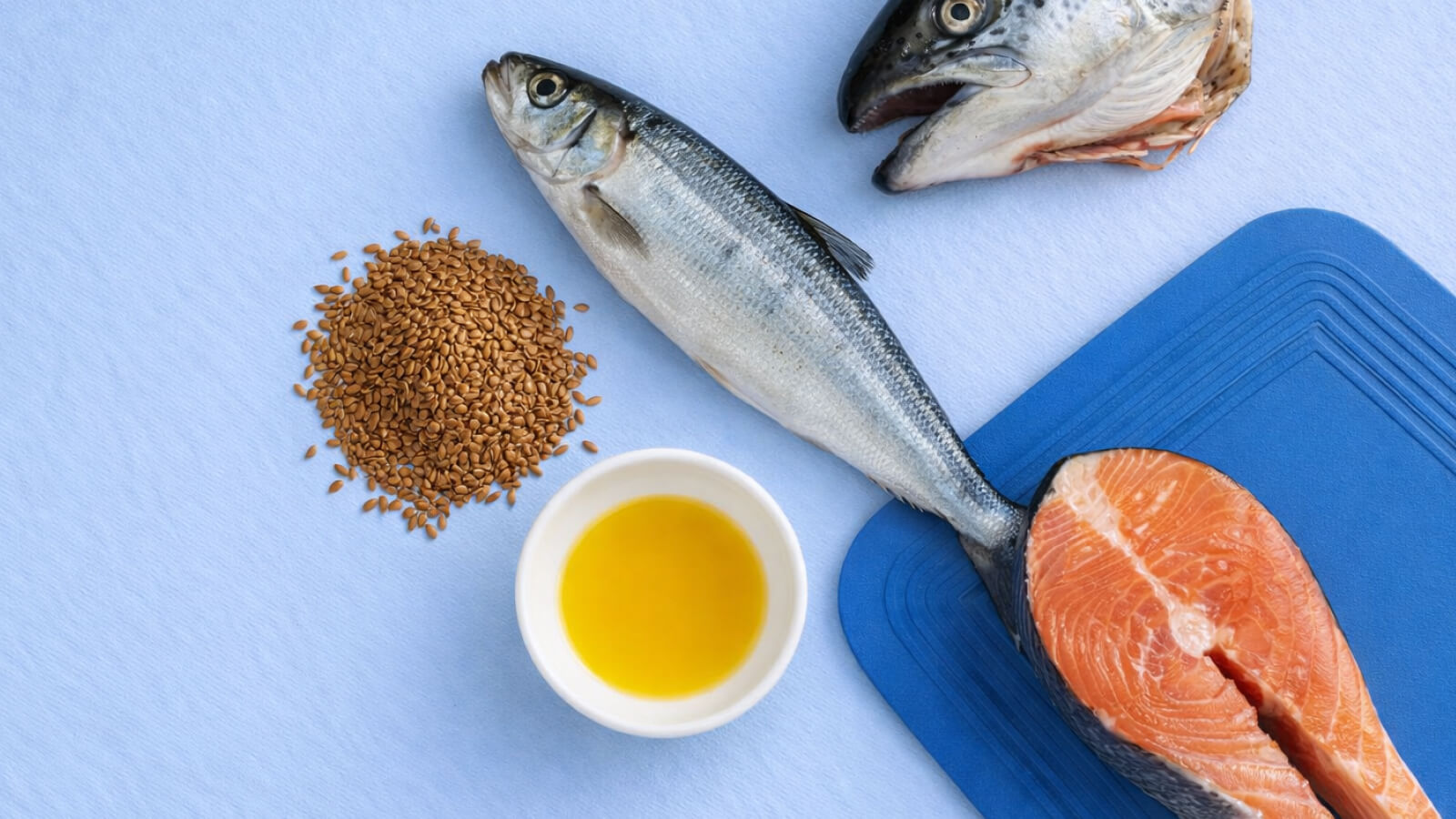
The most common sources of omega 3 oil for dogs are fish oil (from sardines, anchovies, or mackerel), krill oil, and green-lipped mussel oil. Plant-based options like flaxseed and hemp seed oil provide ALA, a precursor to EPA and DHA, but dogs convert ALA poorly — so marine-based sources are generally preferred for therapeutic benefit.
What to Look for in an Omega Oil Supplement
The most important thing to check is the actual EPA and DHA content per serve — not just the total "fish oil" amount. A product listing 1,000mg of fish oil might only deliver 300mg of combined EPA and DHA, which is the part that does the work. Look for products that have been third-party tested for heavy metals and oxidation. Liquid omega oils tend to offer better dosing flexibility than capsules, especially for smaller dogs, and most dogs accept the taste when it's mixed into their food.
Best for Raw Feeders Looking to Boost Omega Intake
For raw feeding households looking for a fish oil supplement for dogs that integrates cleanly into a species-appropriate diet, a minimally processed omega oil with a transparent ingredient list is often the most compatible and trusted choice.
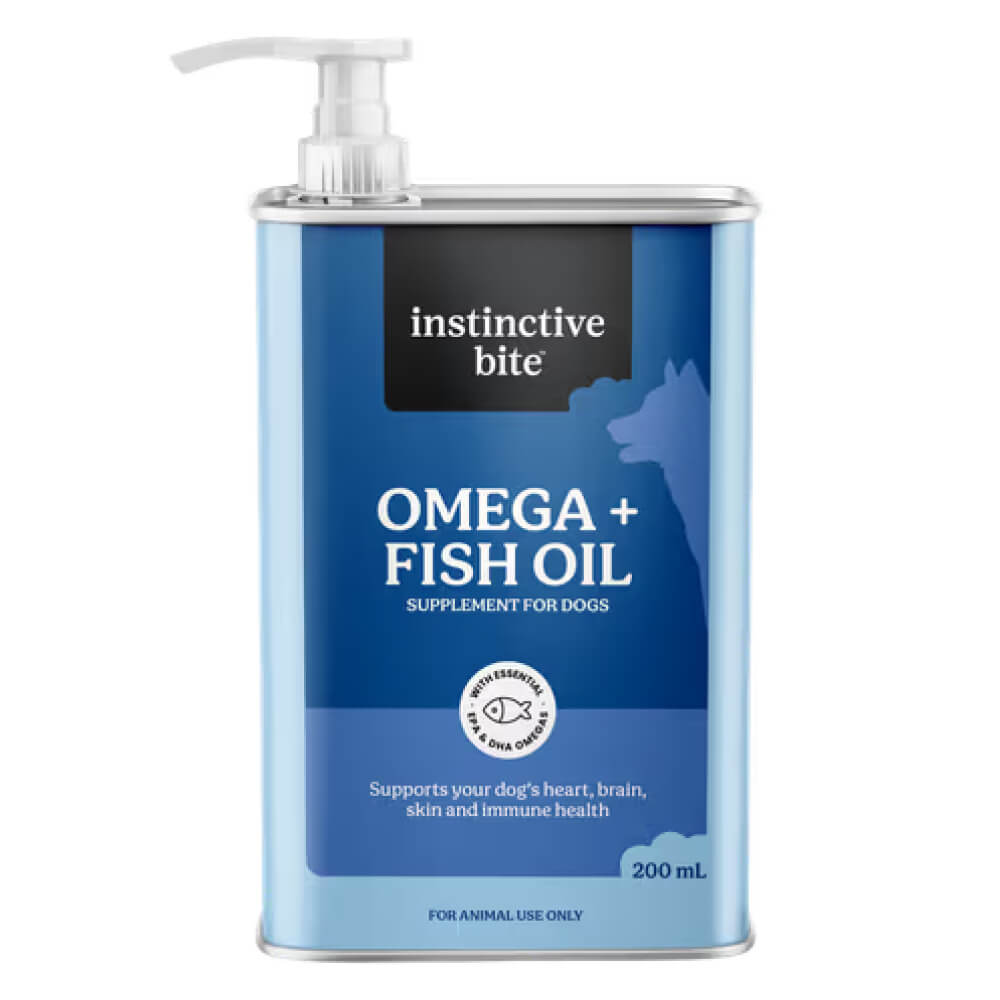
Omega Plus Fish Oil Supplement
Instinctive BiteInstinctive Bite Omega Plus Fish Oil Supplement is a concentrated fish oil designed to deliver a potent dose of omega-3 fatty acids to support skin, coat, joint, and immune health in dogs fed a raw or whole-food diet.
The clean formulation is free from unnecessary additives, making it a natural complement to fresh feeding regimes where ingredient integrity is a priority.
Pros
- Clean, concentrated formula well suited to raw and whole-food diets
- Broad-spectrum omega support covering skin, coat, joints and immunity
Cons
- May not be as widely available as mainstream fish oil brands
- Results typically require several weeks of consistent daily use to become noticeable
Best for Dogs with Dry, Itchy Skin and a Dull Coat
For owners searching for an omega oil for dogs to address persistent skin irritation, excessive shedding, or a lacklustre coat, a daily fish-based oil supplement is one of the most well-supported nutritional interventions available for improving skin barrier function and coat condition.

Omega Oil Skin and Coat
Natural Animal SolutionsNAS Omega Oil Skin and Coat is a blend of premium omega-3 and omega-6 fatty acids formulated specifically to nourish skin health and restore coat shine in dogs experiencing dryness, itching, or inflammation.
Key ingredients work at a cellular level to reduce inflammatory responses in the skin, support moisture retention, and promote the growth of a healthier, glossier coat over time.
Pros
- Targeted formulation specifically addressing skin and coat health
- Natural omega fatty acid profile with no artificial additives
Cons
- Results typically require several weeks of consistent daily use to become visible
- May not be sufficient as a standalone solution for dogs with diagnosed skin conditions requiring veterinary treatment
Best for a Single-Ingredient Salmon Oil
For owners who prefer a pure, no-frills omega supplement, a single-source salmon oil for dogs offers a straightforward and highly palatable way to deliver omega-3 fatty acids without the complexity of a blended formula.
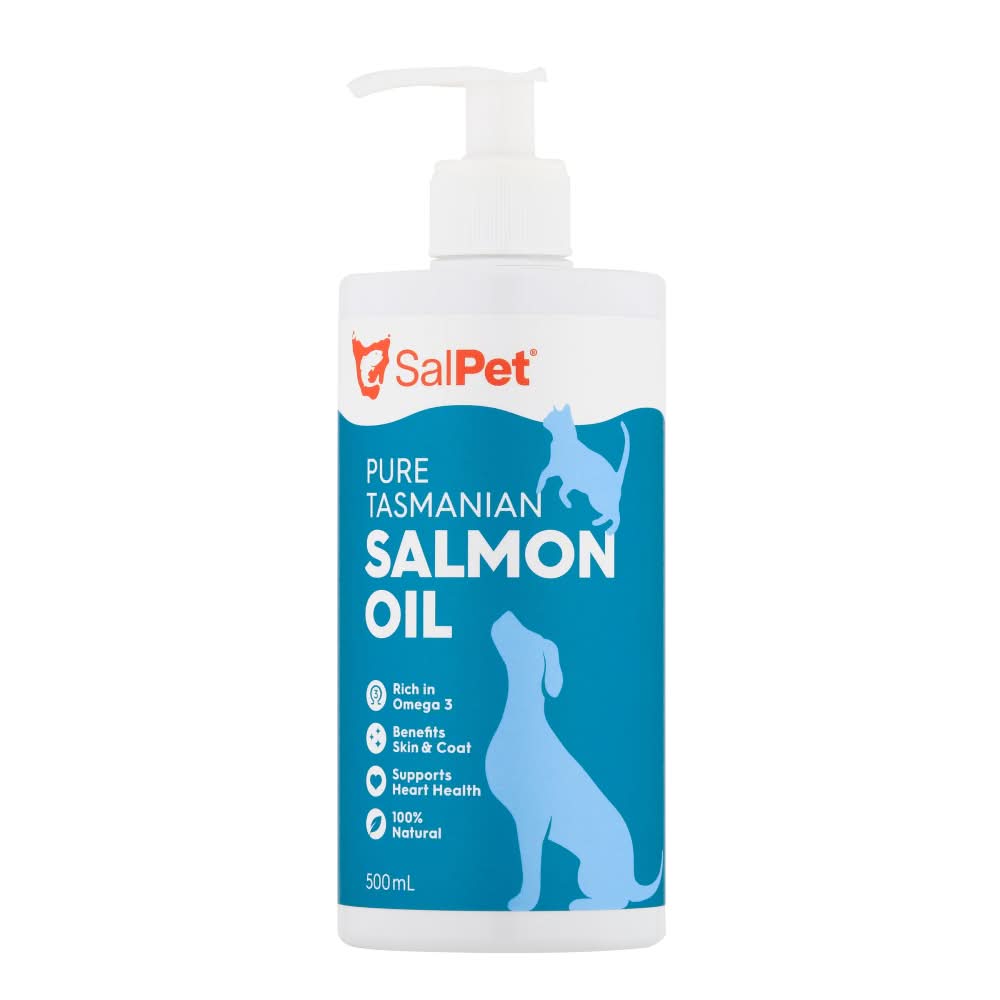
Salmon Oil
SalPetSalPet Salmon Oil is a 100% pure salmon oil designed to support skin and coat health, immune function, and cardiovascular wellbeing in dogs of all ages and breeds.
Its simple, single-ingredient formulation makes it an easy addition to any feeding routine and a reliable choice for owners who want full transparency over exactly what they're giving their dog.
Pros
- Pure single-ingredient formula with full ingredient transparency
- Highly palatable — most dogs take to salmon oil readily
Cons
- Single-source formula may not deliver the full spectrum of fatty acids found in blended omega oils
- Results typically require several weeks of consistent daily use to become noticeable
Best for Dogs Needing Joint and Immune Support Alongside Coat Health
For owners looking for an omega oil for dogs that works beyond the skin and coat to actively support joint mobility and immune resilience, a multi-purpose omega blend offers considerably more value than a standard fish oil alone.

Joint and Immune Support Omega Oil
Field DayField Day Joint and Immune Support Omega Oil is a functional omega oil formulated to deliver targeted support across multiple body systems, combining omega fatty acids with ingredients chosen specifically for their joint and immune-boosting properties.
The wholefood-aligned formulation reflects Field Day's broader philosophy of using real, recognisable ingredients to support canine health from the inside out.
Pros
- Multi-functional formula targeting joints, immunity and coat health simultaneously
- Wholefood-aligned ingredient philosophy with a clean, natural profile
Cons
- Broader functional focus may make it less targeted than a dedicated skin and coat formula
- Less established brand presence compared to some mainstream omega oil competitors
Best for Ageing Dogs Needing Cognitive and Joint Support
For owners of senior dogs showing signs of cognitive decline, stiffness, or slowing down, finding an omega oil for dogs that goes beyond coat health to actively support brain function and joint mobility becomes an increasingly important consideration.

Omega Oil Senior Cognitive
Natural Animal SolutionsNAS Omega Oil Senior Cognitive is a specialised omega blend formulated to meet the changing nutritional needs of older dogs, combining fatty acids known to support neurological health, memory, and cognitive function alongside joint and inflammatory support.
The targeted senior formulation makes it a more considered choice than a standard fish oil for owners navigating the specific challenges of caring for an ageing dog.
Pros
- Specifically formulated to address the cognitive and physical needs of senior dogs
- Supports brain health alongside joint and coat benefits
Cons
- More specialised focus means it may be less suitable as an all-life-stage supplement
- Premium positioning reflects the targeted formulation and may not suit all budgets
Benefits of Omega Oil for Dogs
The most visible benefit is a healthier coat — owners typically notice reduced shedding, less dandruff, and a glossier finish within three to four weeks. But the benefits go deeper. EPA and DHA are potent anti-inflammatories that can ease joint stiffness in dogs with arthritis or age-related mobility loss. In puppies, DHA supports brain and eye development during the critical first twelve months. Omega-3 fatty acids also support heart health, immune function, and may help reduce the severity of allergic skin reactions by calming the inflammatory response.
Omega 3 vs Omega 6 vs Omega 3-6-9 — What's the Difference?
Most commercial dog foods are already high in omega-6 from ingredients like chicken fat, sunflower oil, and grain. Omega-6 is essential, but in excess it promotes inflammation — which is why supplementing with omega-3 helps restore a healthier ratio. A balanced omega-3 to omega-6 ratio (ideally between 1:5 and 1:10) supports reduced inflammation and better overall health.
Omega 3-6-9 blends add omega-9 (oleic acid), which dogs can produce on their own. These blends aren't harmful, but for most dogs a focused omega-3 supplement delivers more targeted benefit. If your dog's diet is already complete and balanced, a pure omega-3 fish oil or krill oil is typically the better choice.
Omega Oil vs Salmon Oil for Dogs
Salmon oil is one of the most popular omega supplements, but it's just one source of omega-3 — not a category of its own. Broader omega oil blends often use smaller fish like sardines and anchovies, which tend to have lower heavy metal accumulation and are more sustainably harvested. Some products combine fish oil with krill or green-lipped mussel for a wider fatty acid profile. Salmon oil works well, but if purity or sustainability is a priority, multi-source omega oils are worth considering.
Frequently Asked Questions
Is omega oil good for dogs?
How much omega 3 oil should I give my dog?
Can dogs have human omega 3 fish oil?
What's the difference between fish oil and omega oil for dogs?
How long does omega oil take to work for dogs?
Can I give my puppy omega oil?
Does omega oil help with itchy skin in dogs?
Is liquid or capsule omega oil better for dogs?


Comments
0 comments
Login to Join the Conversation 💬