



























In Short:
Itchy skin in dogs can be caused by allergies, parasites, dry skin or environmental irritants. While persistent or severe itching warrants a vet visit, using the right wash products can help soothe and protect your dog's skin barrier.
Look for fragrance-free, soap-free formulas with moisturising ingredients and avoid harsh chemicals like SLS and parabens.
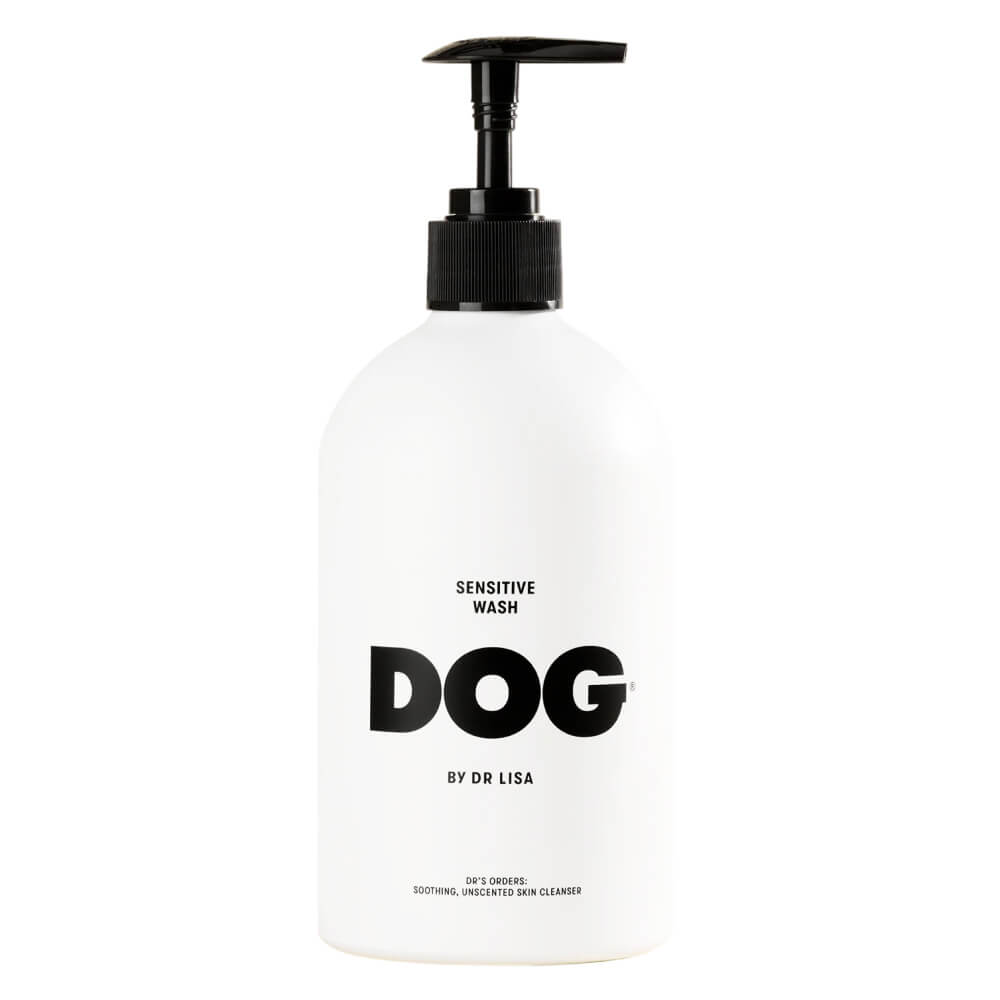
We recommend the DOG by Dr Lisa Sensitive Skin Set — a vet-formulated, Australian-made skincare trio designed specifically for dogs with sensitive or allergy-prone skin.
Featured Products:
Why Is My Dog So Itchy?
Before reaching for a new shampoo, it helps to understand what's actually causing the itch. There are several common culprits that affect Australian dogs, and often more than one factor is at play.
Allergies
Allergies are the leading cause of itchy skin in dogs across Australia. These can be environmental (pollen, dust mites, grasses), food-related, or contact allergies triggered by household cleaning products or certain fabrics. Dogs with allergies often scratch at their ears, paws and belly — and symptoms can flare seasonally or persist year-round.
Parasites
Fleas are an obvious trigger, but even a single flea bite can cause an intense allergic reaction known as flea allergy dermatitis (FAD). Mites and ticks can also cause significant skin irritation. Keeping your dog up to date on parasite prevention is essential, particularly in warmer months.
Dry Skin
Australia's climate can be tough on dog skin. Hot, dry summers and indoor heating during winter can strip moisture from your dog's coat, leading to flakiness, dandruff and persistent scratching. Some breeds are naturally more prone to dry skin than others.
Environmental Irritants
Everyday things like lawn chemicals, certain shampoos, household sprays and even swimming in chlorinated pools can irritate your dog's skin. If the itching started after a change in routine or product, an environmental irritant could be the cause.
Skin Infections
When itching goes unaddressed, your dog's skin barrier can become compromised, leaving them vulnerable to bacterial or yeast infections. These secondary infections cause further irritation and can create a frustrating itch-scratch cycle that's hard to break without the right care.
When Should You See a Vet?
Not all itching requires a vet visit, but there are some clear signs that professional help is needed. You should consult your veterinarian if you notice:
- Persistent scratching that doesn't improve with basic care
- Redness, swelling or hot spots on the skin
- Hair loss in patches or across larger areas
- Oozing, bleeding or crusty sores
- An unusual odour coming from the skin or coat
- Behavioural changes such as restlessness, loss of appetite or excessive licking
Your vet can run allergy tests, check for parasites and rule out underlying conditions. Early intervention prevents minor skin issues from escalating into something more serious — and more expensive to treat.
Need to Talk to a Vet Now?
If your dog's itchy skin has you worried, you don't have to wait for a clinic appointment. DOG+ by Dr Lisa gives you 24/7 access to a team of Australian-registered veterinarians via video telehealth — any time of day or night, 365 days a year. For less than $0.33 a day, you can get expert advice on whether your dog's symptoms need urgent attention or can be managed at home. It's peace of mind in your pocket.
What to Look for in a Dog Shampoo for Itchy Skin
Not all dog shampoos are created equal, and using the wrong one can actually make itchy skin worse. Here's what to prioritise when choosing a wash for a sensitive or itchy dog.
Fragrance-Free Formulas
Synthetic fragrances are one of the most common irritants in pet grooming products. If your dog has sensitive skin, a fragrance-free wash is non-negotiable. It might not smell like a day spa, but your dog's skin will thank you.
Gentle, Soap-Free Cleansers
Harsh detergents like sodium lauryl sulfate (SLS) and sodium laureth sulfate (SLES) strip the skin's natural oils, weakening the skin barrier. Look for gentle, soap-free formulas that cleanse without drying.
Moisturising Ingredients
A good sensitive skin wash should hydrate while it cleans. Ingredients that help lock in moisture and support the skin barrier are essential — particularly for dogs prone to dryness and flaking.
Free From Nasties
Avoid products containing parabens, phthalates, mineral oils, silicones, propylene glycol and synthetic colours. These chemicals can aggravate sensitive skin and offer no real benefit to your dog's coat health.
Vet Formulated
Products developed by veterinarians tend to be formulated with a deeper understanding of canine skin pH and barrier function. This matters — dog skin is quite different from human skin, and products designed for people (or even generic pet shampoos) can disrupt your dog's natural skin balance.

Our Recommendation: DOG by Dr Lisa Sensitive Skin Set
For Australian dog owners dealing with itchy, sensitive skin, we recommend the DOG by Dr Lisa Sensitive Skin Set.
Developed by Australian veterinarian Dr Lisa Chimes, this set has been specifically designed for dogs with skin allergies, dryness and sensitivity. It's a complete skincare routine rather than a single product — which is important because managing itchy skin requires more than just bath-time care.
What's in the Set
- Sensitive Wash (500mL) — A gentle, fragrance-free cleanser that removes dirt and buildup without stripping moisture from the skin. Suitable for dogs that react to regular shampoos.
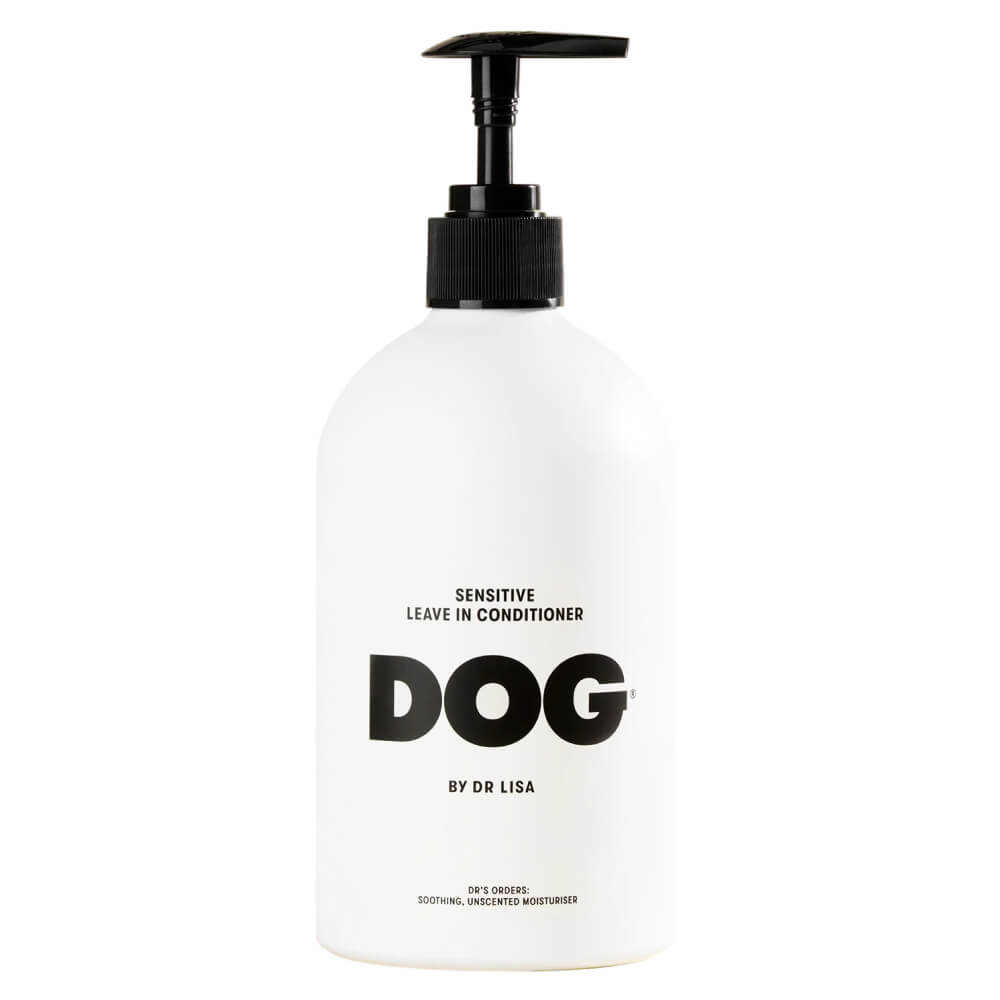
- Sensitive Leave-In Conditioner (500mL) — A no-rinse, fragrance-free conditioner that smooths and softens the skin and coat after washing. Helps prevent knots and tangles while adding a layer of protection.
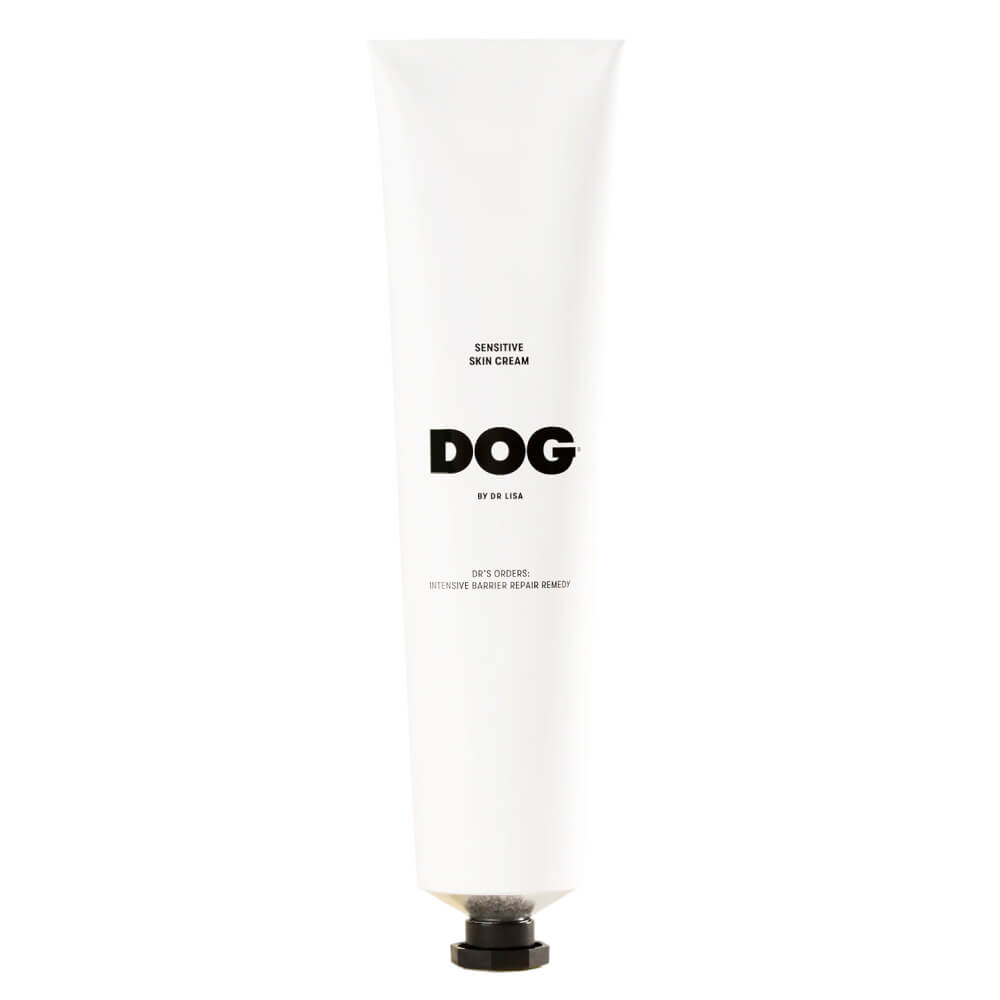
- Sensitive Skin Cream (50g) — Designed for use at the first sign of an itch or redness, this cream helps soften and nourish the skin before hot spots or infections develop.
Why We Recommend It
- Vet-formulated by an Australian veterinarian with real clinical experience
- Completely fragrance-free across all three products
- Free from parabens, SLS, SLES, mineral oils, silicones, synthetic fragrances and colours
- B Corp certified — the brand meets high standards of social and environmental responsibility
- Australian-made and owned
- 100% money-back guarantee if it doesn't work for your dog
The three-product approach is what sets this apart. The wash cleanses gently, the conditioner restores moisture, and the cream provides targeted relief for problem areas. It's a proactive system rather than a reactive one.
Tip: Always patch-test a small area of normal skin before using any new skincare product on your dog. And if your dog's skin remains itchy, red or develops oozing or sores, visit your vet.
Frequently Asked Questions
How often should I wash my dog if they have itchy skin?
Most dogs with sensitive skin benefit from bathing every two to four weeks using a gentle, fragrance-free wash. Over-bathing can strip natural oils and make dryness worse, while under-bathing allows allergens and irritants to build up. Your vet can advise on the ideal frequency for your dog's specific condition.
Can I use human shampoo on my dog?
No. Human shampoos are formulated for a different skin pH and can disrupt your dog's natural skin barrier, leading to increased dryness and irritation. Always use a product specifically designed for dogs — particularly if they already have sensitive skin.
What ingredients should I avoid in dog shampoo?
Steer clear of sodium lauryl sulfate (SLS), sodium laureth sulfate (SLES), parabens, phthalates, artificial fragrances, synthetic colours, mineral oils and propylene glycol. These ingredients can irritate sensitive skin and contribute to a weakened skin barrier.
Do I need to use a conditioner on my dog after shampooing?
Yes, particularly for dogs with itchy or dry skin. A leave-in conditioner helps restore moisture that washing can remove, smooths the coat, and provides an extra layer of protection for the skin barrier. It's an often-overlooked step that makes a noticeable difference.
When should I take my dog to the vet for itchy skin?
See your vet if the itching persists despite using gentle skincare products, or if you notice redness, hair loss, hot spots, oozing, unusual odour or behavioural changes. These can be signs of allergies, infections or other conditions that require professional diagnosis and treatment.
Looking for more products to help your dog's skin and coat? Browse our product directory to compare ingredients, prices and find what works best for your pup.







Comments
0 comments
Login to Join the Conversation 💬