

















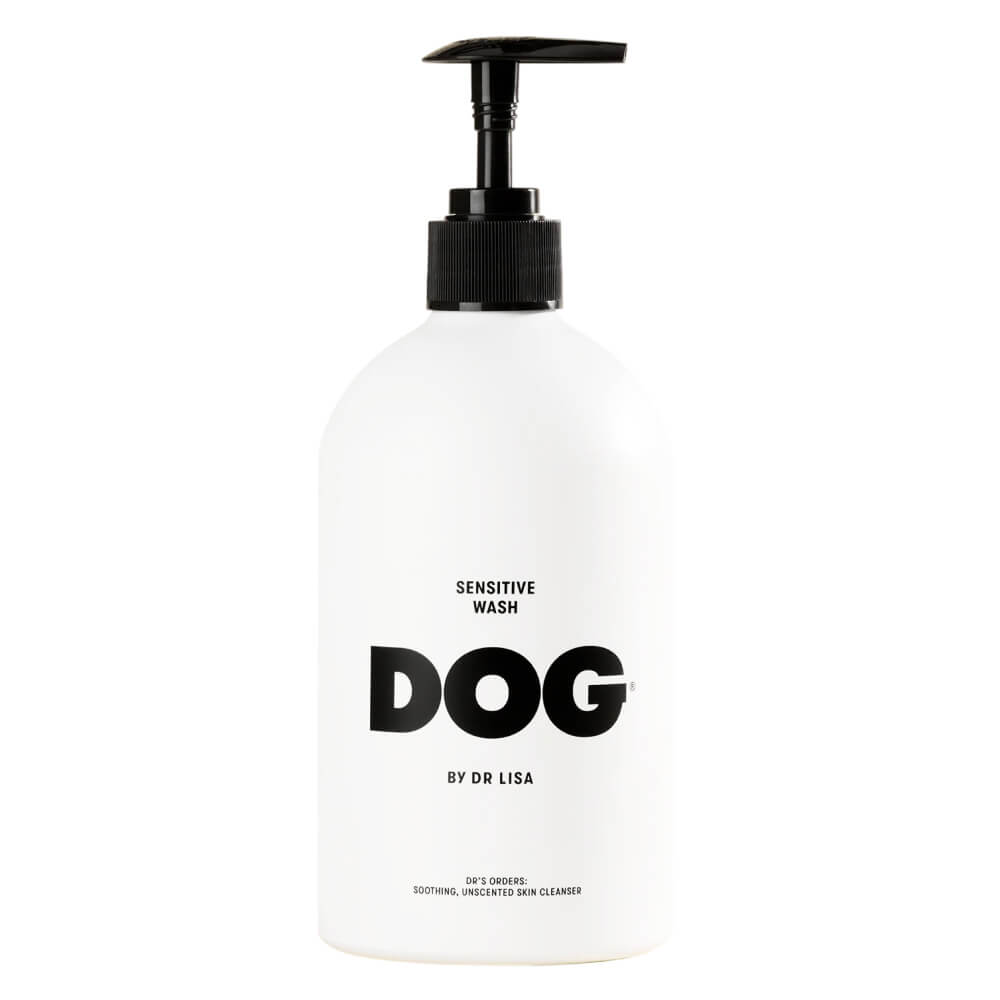




It's one of the most common questions dog owners ask — and the answer isn't one-size-fits-all. How often your dog needs a bath depends on their breed, coat type, lifestyle and skin health. Here's a straightforward guide to getting it right.
In Short:
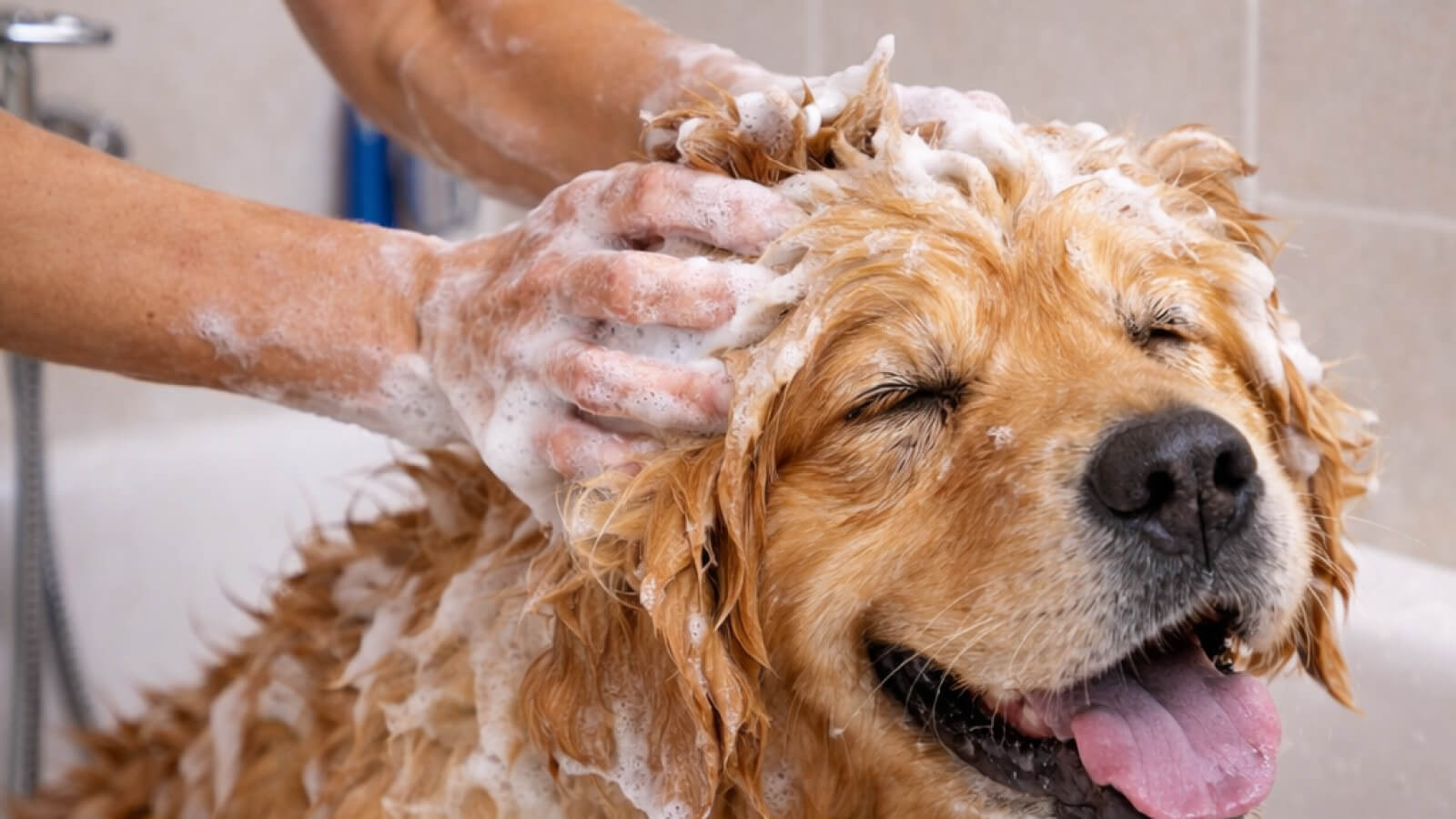
Most dogs do well with a bath every four to six weeks. Dogs with oily coats or skin conditions may need more frequent washing, while short-coated breeds with healthy skin can often go longer. Over-washing strips natural oils and can cause dryness and irritation. Under-washing allows dirt, allergens and bacteria to build up.
The key is finding the right balance for your individual dog.
Featured Products:


The General Rule
For the average healthy dog, a bath every four to six weeks is a good starting point. This is frequent enough to keep their coat clean and skin healthy without stripping the natural oils that protect their skin barrier.
That said, "average" doesn't describe every dog. Several factors can push that frequency up or down.
Factors That Affect How Often You Should Wash Your Dog
Coat Type
Long or double-coated breeds (Golden Retrievers, Border Collies, Huskies) tend to trap dirt, debris and loose fur in their undercoat. They generally benefit from bathing every four to six weeks, paired with regular brushing between baths.
Short-coated breeds (Greyhounds, Boxers, Staffies) usually need less frequent bathing — every six to eight weeks is often enough unless they get noticeably dirty.
Wire or rough-coated breeds (Terriers, Schnauzers) can typically go longer between baths, as their coarse coat doesn't hold odour as readily. Every six to eight weeks is a reasonable guide.
Curly or wool-coated breeds (Poodles, Cavoodles, Labradoodles) are prone to matting and may need bathing every three to four weeks, combined with regular grooming to keep the coat manageable.
Hairless breeds (Chinese Crested, Xoloitzcuintli) actually need more frequent bathing — sometimes weekly — because they lack the coat that helps regulate oil production on the skin.
Looking for the right shampoo for your dog? Browse our product directory to compare dog wash products, conditioners and grooming essentials across Australian retailers.
Lifestyle
A dog that spends most of their time indoors on the couch will need far fewer baths than one that's rolling in mud at the dog park, swimming in the ocean, or romping through bushland every weekend. If your dog gets visibly dirty or smelly between scheduled baths, it's fine to wash them — just use a gentle, appropriate shampoo.
Skin Conditions
Dogs with allergies, dermatitis, or other skin conditions may need a specific bathing schedule recommended by their vet. Some conditions require more frequent medicated baths; others require less washing to avoid further irritation. If your dog has ongoing skin issues, always follow your vet's advice over general guidelines.
Activity in Water
Dogs that swim regularly — in the ocean, lakes, or pools — should be rinsed with fresh water after each swim to remove salt, chlorine, or bacteria. This doesn't need to be a full shampoo bath every time, but a thorough rinse helps protect the skin and coat.
Season
In Australia's warmer months, dogs tend to be more active outdoors, swim more, and pick up more dirt. You may find yourself bathing your dog slightly more often in summer and less in winter.
What Happens If You Wash Your Dog Too Often?
Over-bathing is a more common mistake than under-bathing. Washing your dog too frequently can strip the natural oils from their skin and coat, leading to dryness and irritation. Signs you might be over-washing include dry or flaky skin, a dull coat, increased scratching, and redness.
If you notice any of these after bathing, try spacing out washes and switching to a gentler, fragrance-free shampoo formulated for sensitive skin.
What Happens If You Don't Wash Your Dog Enough?
On the other end, leaving too long between baths allows dirt, dead skin cells, allergens and bacteria to accumulate. This can lead to skin irritation, matting (in longer coats), an unpleasant odour, and a higher risk of skin infections. Dogs that spend a lot of time outdoors or have skin folds (like Bulldogs and Pugs) are particularly prone to issues from infrequent washing.
Tips for Bath Time
Use a dog-specific shampoo. Human shampoo is formulated for a different skin pH and can disrupt your dog's skin barrier. Always use a product designed for dogs.
Choose the right product for your dog's skin. If your dog has sensitive or allergy-prone skin, opt for a fragrance-free, soap-free formula free from harsh chemicals like SLS and parabens.
Always use a conditioner or leave-in conditioner. Washing removes moisture from the coat. A conditioner helps restore it, smooths the coat, and adds an extra layer of protection to the skin barrier. This step is especially important for dogs with dry or itchy skin.
Rinse thoroughly. Leftover shampoo residue is a common cause of skin irritation. Take the time to rinse your dog completely.
Dry properly. Towel-dry your dog thoroughly, especially in skin folds and between toes where moisture can linger and cause irritation or infection. In cooler months, a blow dryer on a low, warm setting can help — just make sure your dog is comfortable with it.
Brush before bathing. Brushing removes loose fur, tangles and debris before they get wet and become harder to deal with. This is particularly important for long and double-coated breeds.
Looking for the right shampoo for your dog? Browse our product directory to compare dog wash products, conditioners and grooming essentials across Australian retailers.
Frequently Asked Questions
Can I wash my dog once a week?
For most dogs, weekly bathing is too frequent and can lead to dry, irritated skin. The exception is hairless breeds or dogs on a vet-recommended medicated bathing schedule. If your dog gets dirty between baths, a quick rinse with water or a wipe-down with grooming wipes is usually enough.
Can I use human shampoo on my dog?
No. Human shampoos are formulated for a different skin pH and can strip your dog's natural oils, causing dryness and irritation. Always use a shampoo specifically designed for dogs.
How do I know if I'm washing my dog too much?
Signs of over-bathing include dry or flaky skin, a dull coat, increased scratching and redness. If you notice these, reduce your bathing frequency and switch to a gentler, fragrance-free shampoo.
Do puppies need to be bathed differently?
Puppies can be bathed from around eight weeks of age, but they generally don't need frequent baths. Use a gentle puppy-specific shampoo, keep the water warm (not hot), and make the experience as calm and positive as possible so they build a healthy association with bath time.
Should I wash my dog after swimming in the ocean?
Yes — always rinse your dog with fresh water after ocean swims. Salt water can dry out the skin and coat, and sand can cause irritation if left to sit. A full shampoo isn't necessary every time, but a thorough freshwater rinse is important.









Comments
0 comments
Login to Join the Conversation 💬