





















Changing your dog's food too quickly is one of the easiest ways to end up with a mess on the carpet. Here's how to do it properly.
In Short:
Transition over 7 to 10 days. Days 1–2, feed 25% new food and 75% old. Days 3–4, go 50/50. Days 5–7, shift to 75% new and 25% old. From day 8, feed 100% new food. If your dog gets soft stools, hold at the current ratio for an extra day or two before increasing.
A sudden swap almost always causes digestive upset.

Why You Can't Just Swap Foods Overnight
Your dog's digestive system relies on a specific balance of gut bacteria to break down food. When you suddenly introduce a completely different formula, those bacteria don't have time to adjust.
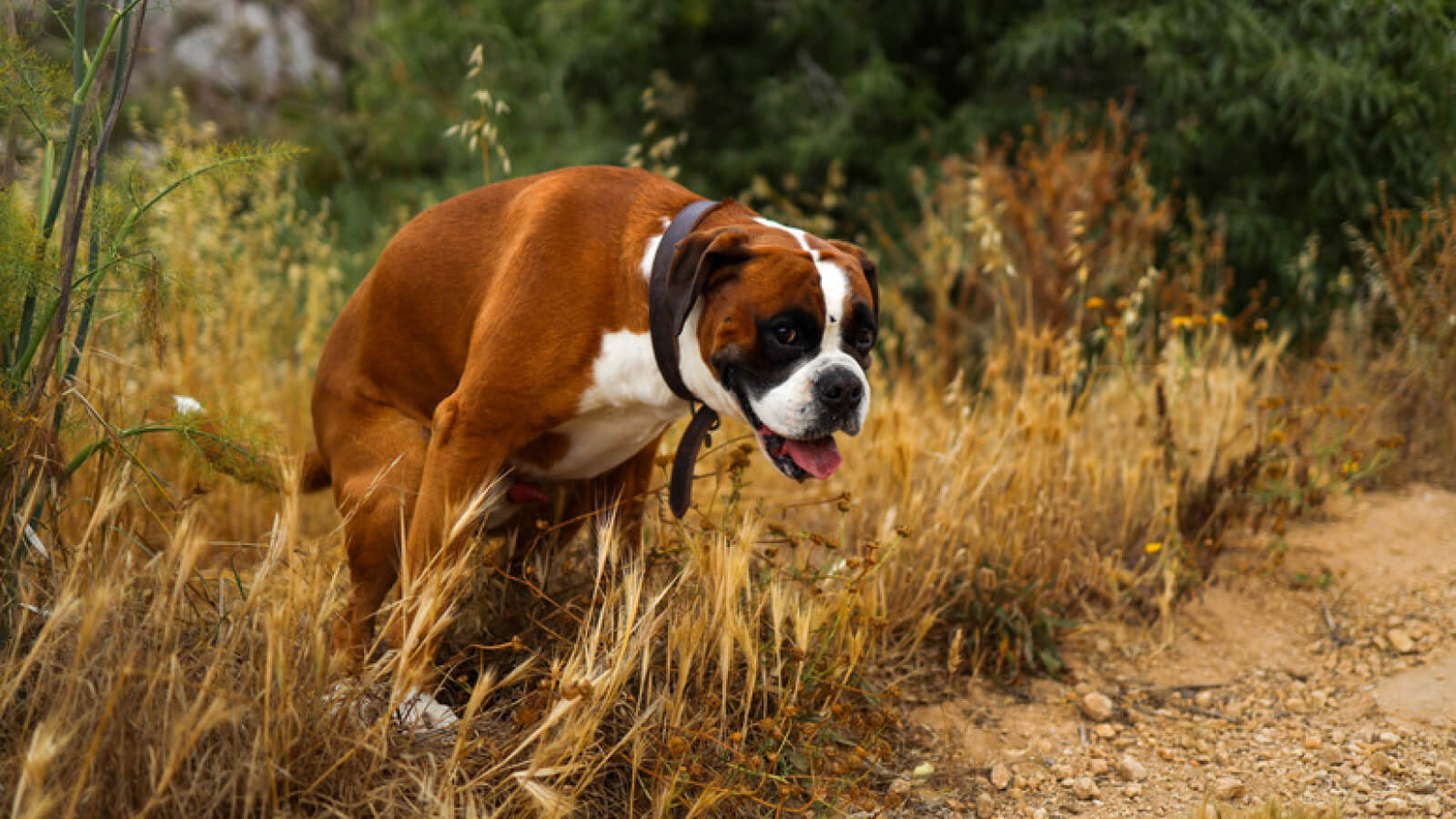
The result is usually soft stools, diarrhoea, gas, or vomiting. In some dogs, a sudden change can trigger more serious digestive upset that takes days to settle.
This applies even when you're switching to a better food. The quality of the new product doesn't matter — it's the sudden change that causes the problem.
The Standard 7 to 10 Day Transition
Most vets recommend the same basic approach. Gradually increase the proportion of new food while decreasing the old over a period of 7 to 10 days.
Here's a simple timeline. Days 1 to 2, mix 25 percent new food with 75 percent old. Days 3 to 4, go 50/50. Days 5 to 7, shift to 75 percent new food and 25 percent old. From day 8 onward, feed 100 percent new food.
If your dog has a sensitive stomach, stretch this out to 14 days. There's no downside to going slower. The only risk is going too fast.
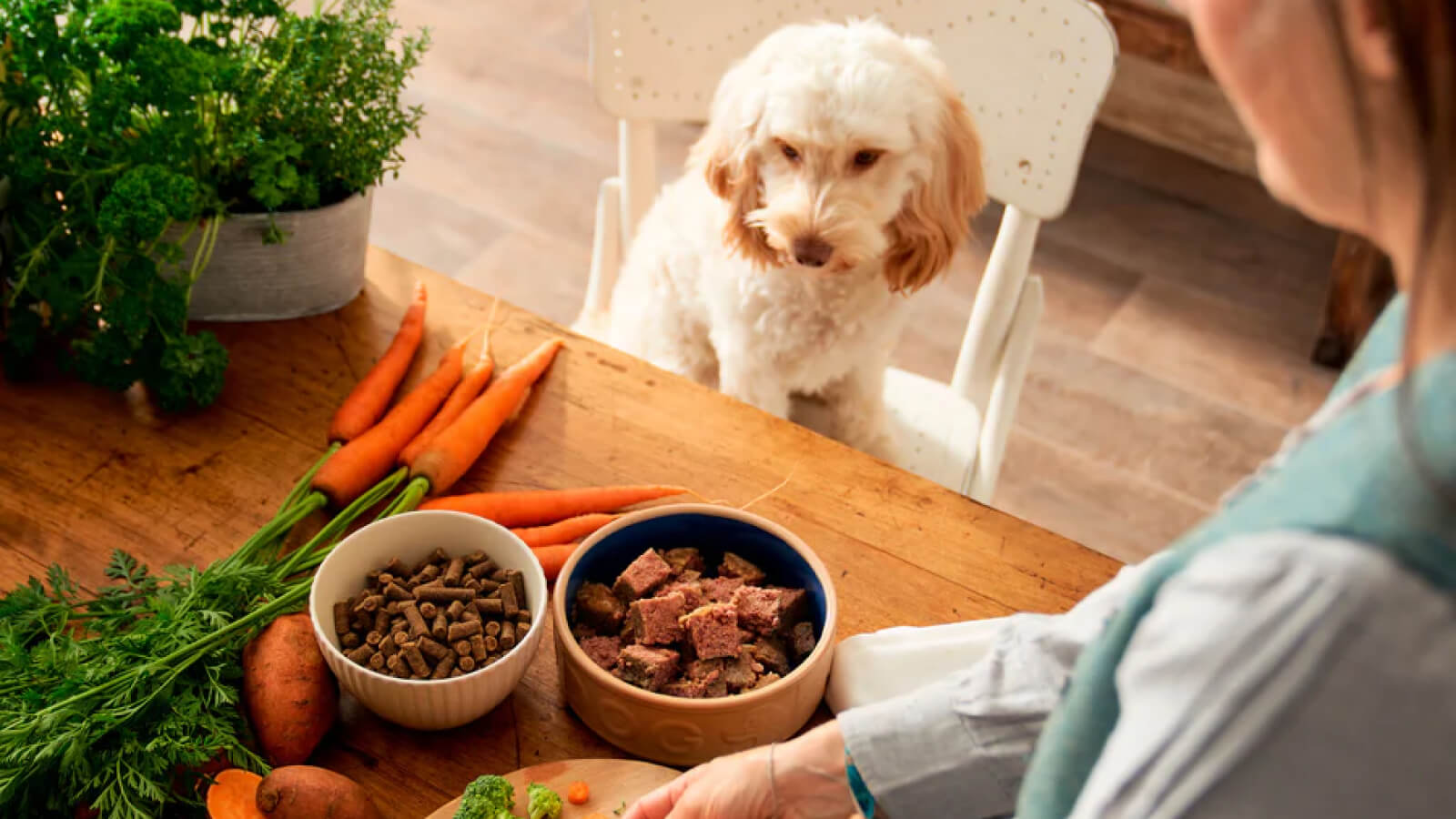
Mix the foods thoroughly in the bowl rather than putting them side by side. Some dogs will pick out the new food and ignore the old, or vice versa, which defeats the purpose.
What If Your Dog Gets an Upset Stomach
Mild soft stools during the transition are normal and usually resolve within a day or two. If that happens, hold at your current ratio for an extra day or two before increasing the new food.
If your dog has persistent diarrhoea, vomiting, or refuses to eat for more than 24 hours, go back to the old food entirely for a couple of days. Once they've settled, restart the transition more slowly.
If symptoms don't improve after returning to the old food, see your vet. In rare cases, dogs can have genuine intolerances or allergies to specific ingredients in the new formula.
When You Might Need to Switch Foods
There are a few common scenarios where a food change makes sense.
Age transitions are the most obvious. Puppies move to adult food around 12 months, and adult dogs may benefit from a senior formula after 7 to 8 years depending on breed.
Health issues can also prompt a switch. Dogs with skin allergies, digestive problems, or joint conditions may do better on a formula designed for their specific needs.
Sometimes the switch is practical. Your current brand gets discontinued, prices change, or you find something better. Whatever the reason, the transition method stays the same.
Frequently Asked Questions
How long does it take a dog to adjust to new food?
Can I switch dog food cold turkey?
Why does my dog have diarrhoea after switching food?
Should I mix wet and dry food during the transition?
What if my dog refuses the new food?
Can switching food cause skin issues in dogs?



Comments
0 comments
Login to Join the Conversation 💬