Your Dog's World, Personalised
Save your favourite products and locations, track prices, and unlock exclusive discounts — all in one place
or
Error
Verify Your Email
We've emailed a sign-in code. Enter it below to continue.
Share
Thank you! Your submission has been received!
Oops! Something went wrong while submitting the form.
Back to ExploreEureka Pet Co
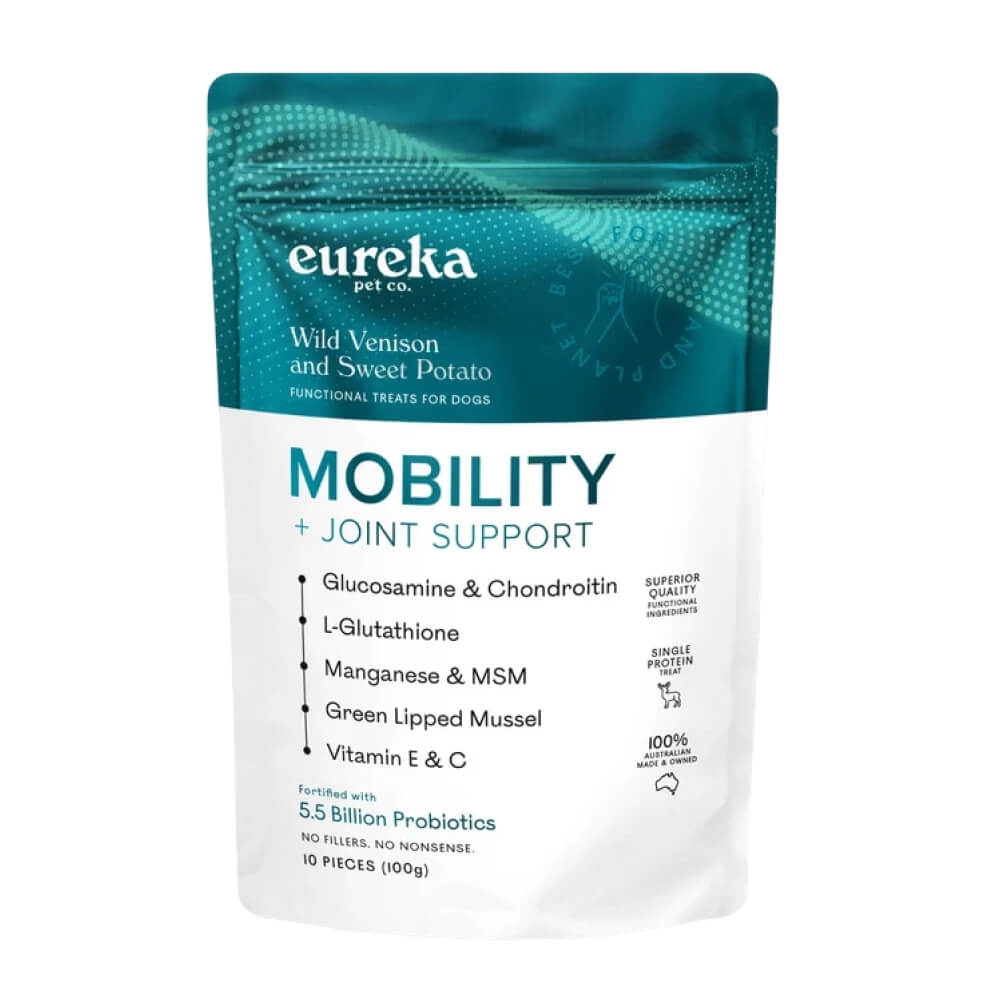
Mobility and Joint Support Functional Treat
100g

Overview

Eureka Pet Co Mobility + Joint Support is a functional dog treat for joint and mobility. Each venison-based treat combines glucosamine, chondroitin, MSM, green-lipped mussel and rosehip with 5.5 billion probiotics to support cartilage and ease stiffness.


Ingredients

Active: Glucosamine and Chondroitin, L-Glutathione, Manganese and MSM, Green Lipped Mussel, Rosehip and Vitamin C, Probiotics. 

Inactive: Australian Wild Game Venison, Sweet Potato, Queensland Blue Pumpkin, Lactobacillus Spp. Zoonatant (Z-200), Olive Oil, Sea Salt, Potassium Sorbate.

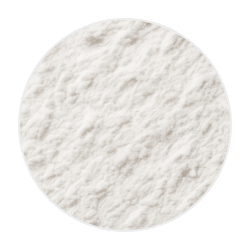
Ingredient images are illustrative only and may not represent the exact source or form used by manufacturers.
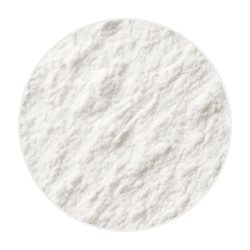
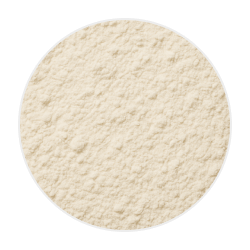
Fine white glucosamine powder with a soft, slightly grainy texture, commonly used in dog supplements
Glucosamine
Glucosamine
2-Amino-2-Deoxy-D-Glucose, D-Glucosamine, Chitosamine, 2-Amino-2-Deoxyglucose
Summary
Glucosamine is an amino sugar compound typically derived from shellfish or produced synthetically. It is included in pet food primarily to support joint health by aiding cartilage maintenance and repair. Glucosamine is not used in its natural raw form; instead, it is utilised as a stabilised compound, such as glucosamine hydrochloride or glucosamine sulphate, to optimise safety, stability, and absorption in pets.
Why it's used?
Glucosamine is included as a functional additive to support joint health and mobility, particularly in senior or large-breed pets. Its presence also serves as a marketing feature, appealing to consumers seeking products with perceived health benefits for their pets.
Fine white chondroitin powder with a soft, slightly textured surface, commonly used in dog supplements
Chondroitin
Chondroitin
Chondroitin Sulphate, Chondroitin Polysulphate, Chondroitin Sulphate Sodium, Chondroitin Sulphate (Haliotis Spp.)
Summary
Chondroitin is a naturally occurring compound derived from animal cartilage, commonly sourced from bovine or marine origins. It is primarily included in pet food to support joint health by aiding cartilage resilience and reducing inflammation. Chondroitin is not used in its raw form; instead, it is utilised as chondroitin sulphate, a processed compound that optimises safety and bioavailability for pets.
Why it's used?
Chondroitin is included as a functional ingredient to support joint health, appealing to consumers seeking products with perceived health benefits for ageing or active pets. Its presence also serves as a marketing differentiator, allowing manufacturers to position the product as premium or specialised.
Fine white glutathione powder with a soft, smooth texture in a close-up view for dog health supplements
Glutathione
Glutathione
L-Glutathione, GSH, γ-L-Glutamyl-L-Cysteinylglycine, Glutamylcysteinylglycine
Summary
Glutathione is a naturally occurring tripeptide composed of amino acids, originating from both plant and animal sources. It functions primarily as a potent antioxidant, supporting cellular health and immune function in pets. In pet food, glutathione is not used in its raw form but is typically added as a stabilised, bioavailable compound to optimise absorption and efficacy.
Why it's used?
Glutathione is included as an antioxidant to help preserve the freshness and stability of the pet food by reducing oxidative spoilage. Its presence may also serve a marketing function, appealing to consumers seeking products with added health-supporting ingredients.


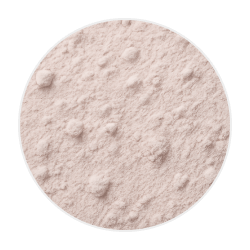
Pale beige manganese powder with a fine, slightly clumpy texture, used as a dog supplement ingredient
Manganese
Manganese
E34, Manganum, Mn, EINECS 231-105-1
Summary
Manganese is an essential trace mineral sourced from the earth and is vital for numerous metabolic processes in pets. It primarily supports bone development, enzyme function, and antioxidant defence. Manganese is not used in its natural metallic state; instead, it is incorporated into pet food as a safe, bioavailable compound such as manganese sulphate or manganese oxide to optimise absorption and efficacy.
Why it's used?
Manganese is included as an essential trace mineral to support metabolic and skeletal health in pets, fulfilling nutritional requirements for complete and balanced pet food. Its addition ensures compliance with regulatory standards and appeals to consumers seeking scientifically formulated diets.
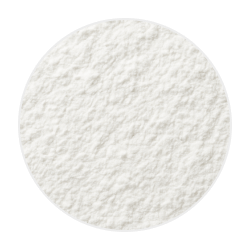
Fine white powder texture of methylsulfonylmethane, a common dog supplement ingredient on a plain background
Methylsulfonylmethane
Dimethyl Sulfone, MSM, DMSO2, Methyl Sulfone
Summary
Methylsulfonylmethane (MSM) is an organosulphur compound derived from both plant and animal sources. It is primarily included in pet food for its potential to support joint health and reduce inflammation. MSM is not used in its natural raw state; instead, it is utilised in a purified, synthetic form to ensure safety, consistency, and optimal bioavailability for pets.
Why it's used?
Methylsulfonylmethane is included as a functional additive to support joint health and mobility claims, appealing to pet owners seeking wellness benefits for their pets. Its presence enables manufacturers to market the product as supporting musculoskeletal health, enhancing the product’s appeal in the premium segment.
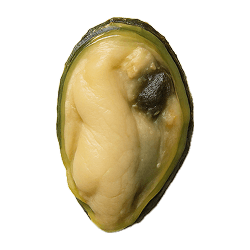
Whole green lipped mussel with creamy flesh and green-edged shell, close up as a dog health supplement ingredient
Green Lipped Mussel
Green Lipped Mussel
Perna Canaliculus, New Zealand Green Mussel, Greenshell Mussel, Kuku
Summary
Green lipped mussel is a marine animal ingredient sourced from the coastal waters of New Zealand. It is primarily included in pet food for its rich content of omega-3 fatty acids, glucosamine, and chondroitin, which support joint health and reduce inflammation. Green lipped mussel is used in its natural, whole form, ensuring optimal nutrient availability and bioactivity for pets.
Why it's used?
Green lipped mussel is included as a functional ingredient to provide natural sources of omega-3 fatty acids and joint-supporting nutrients, supporting product differentiation and marketing claims related to joint health. Its presence also appeals to consumers seeking premium or holistic pet food formulations.
Finely ground rosehip powder in a rich reddish-brown colour with a smooth texture, used in dog health supplements
Rosehip
Rosehip
Rosa Canina, Rose Haw, Dog Rose, Cynosbati
Summary
Rosehip is the fruit of the wild rose plant, primarily sourced from Rosa canina. It is included in pet food for its rich content of vitamin C, antioxidants, and dietary fibre, supporting immune health and overall wellbeing. Rosehip is used in its natural, dried, and ground form, ensuring pets benefit from its nutrients as they occur in the whole fruit.
Why it's used?
Rosehip is included as a label-friendly ingredient to appeal to health-conscious consumers, as it is associated with natural sources of vitamin C and antioxidants. Its addition may also support marketing claims related to immune health, despite limited direct benefits for pets at typical inclusion rates.
Fine white powder of vitamin C with a slightly grainy texture, commonly used as a dog supplement in Australia
Vitamin C
Vitamin C
Ascorbic Acid, L-Ascorbic Acid, E300, L-Threo-Hex-2-Enono-1,4-Lactone
Summary
Vitamin C, also known as ascorbic acid, is a water-soluble vitamin of plant origin commonly included in pet food formulations. Its primary purpose is to support immune function and act as an antioxidant, helping to protect cells from oxidative damage. Vitamin C is not used in its natural fruit form but is instead utilised as a synthesised compound to ensure stability and consistent dosage.
Why it's used?
Vitamin C is included as an antioxidant to help preserve the freshness and stability of the product by slowing oxidation. It may also be added for its perceived health benefits, supporting marketing claims related to immune support.
Fine off-white probiotics powder with a smooth, slightly grainy texture, commonly used in dog health supplements
Probiotics
Probiotics
Live Microorganisms, Beneficial Bacteria, Lactic Acid Bacteria, Bifidobacterium Spp.
Summary
Probiotics are live microorganisms, typically derived from beneficial bacterial strains, that are added to pet food to support digestive health and maintain a balanced gut microbiome. Their primary function is to promote healthy digestion and enhance immune function. Probiotics are not used in their natural, raw state but are carefully cultured and stabilised to ensure viability and efficacy when incorporated into pet food formulations.
Why it's used?
Probiotics are included to support digestive health and promote a balanced gut microbiome in pets, which can be a key marketing point for health-conscious consumers. Their addition also allows manufacturers to differentiate products in a competitive market by highlighting functional health benefits.
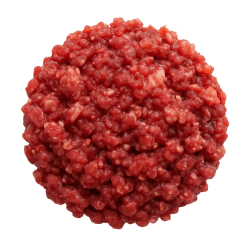
Freshly ground venison mince, deep red and coarse in texture, displayed as a healthy dog food ingredient
Venison
Venison
Deer Meat, Cervidae Meat, Game Meat, Cervus Spp.
Summary
Venison is the meat derived from deer, making it an animal-based protein source. It is prized for its lean profile and high-quality amino acids, supporting muscle maintenance and overall health in pets. In pet food, venison is used in its natural, whole-food form, providing a novel protein option that may benefit pets with sensitivities to more common meats.
Why it's used?
Venison is included as a novel, high-quality protein source to appeal to consumers seeking premium or hypoallergenic pet food options. Its use can support marketing claims related to limited ingredient diets and alternative proteins.
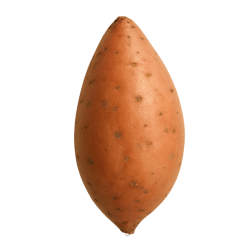
Whole sweet potato with smooth orange skin, small brown spots and oval shape, isolated on a white background
Sweet Potato
Sweet Potato
Ipomoea Batatas, Kumara, Batata, Camote
Summary
Sweet potato is a root vegetable of plant origin, valued for its rich content of complex carbohydrates, dietary fibre, and essential micronutrients such as vitamin A. In pet food, sweet potato serves primarily as a digestible energy source and supports digestive health. It is incorporated in its natural, whole form, ensuring optimal nutrient retention and palatability for companion animals.
Why it's used?
Sweet potato is included as a cost-effective, highly digestible carbohydrate source that provides energy and dietary fibre. It also serves as a label-friendly ingredient appealing to consumers seeking natural, whole-food components in pet food.
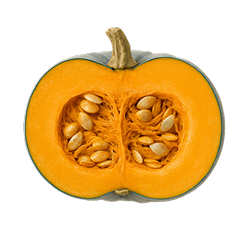
Blue Pumpkin cut in half with grey-blue skin, bright orange flesh and seeds, showing a fresh, firm texture
Blue Pumpkin
Blue Pumpkin
Cucurbita Maxima, Queensland Blue, Jarrahdale Pumpkin, Australian Blue Pumpkin
Summary
Blue pumpkin is a plant-derived ingredient sourced from the Cucurbita maxima species, known for its distinctive blue-grey skin and orange flesh. It is primarily included in pet food for its rich fibre content and natural antioxidants, supporting digestive health and immune function. Blue pumpkin is used in its natural, whole food form, ensuring optimal nutrient retention and palatability for pets.
Why it's used?
Blue pumpkin is included as a cost-effective carbohydrate source and to add bulk to the product. Its presence also serves as a label-friendly ingredient, appealing to consumers seeking novel or natural-sounding components.
Close-up of Zoonatant™ ingredient as a fine, light beige powder with a smooth texture for dog health products
Zoonatant™
Zoonatant™
Cell-Free Animal Protein, Cultured Animal Protein, Fermentation-Derived Animal Protein, Recombinant Animal Protein
Summary
Zoonatant™ is a proprietary animal-derived ingredient, typically sourced from the fermentation of specific animal proteins. It is primarily included in pet food formulations to support gut health and enhance nutrient absorption through bioactive peptides and postbiotic compounds. Zoonatant™ is not used in its raw animal form; instead, it is utilised as a refined, bioactive concentrate to optimise safety, efficacy, and digestibility.
Why it's used?
Zoonatant™ is included as a functional ingredient to enhance palatability and improve the sensory appeal of pet food, encouraging consistent consumption. It may also serve as a label-friendly addition, supporting marketing claims related to flavour or digestibility.
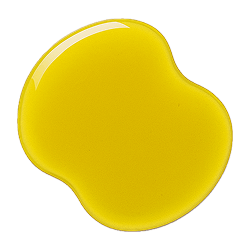
Golden yellow olive oil puddle with a glossy, smooth texture on a white background
Olive Oil
Olive Oil
Olea Europaea Oil, Olea Europaea Fruit Oil, Oleum Olivarum, Enoic Acid Oil
Summary
Olive oil is a plant-derived oil extracted from the fruit of the olive tree (Olea europaea). It serves as a source of healthy monounsaturated fats and antioxidants, supporting skin and coat health in pets. In pet food, olive oil is used in its natural, cold-pressed form, ensuring optimal nutrient retention and palatability while providing essential fatty acids for overall wellbeing.
Why it's used?
Olive oil is included as a source of healthy fats and antioxidants, supporting skin and coat health in pets. It also serves as a label-friendly ingredient that appeals to health-conscious consumers.
Fine white sea salt in a small circular pile, slightly grainy texture, displayed on a plain background
Sea Salt
Sea Salt
Solar Salt, Marine Salt, Sodium Chloride, Sal Marinum
Summary
Sea salt is a mineral ingredient derived from the evaporation of seawater. It is primarily included in pet food to provide essential electrolytes, such as sodium and chloride, which support hydration and nerve function. Sea salt is not used in its raw crystalline form but is refined and utilised as a food-grade compound to ensure safety, palatability, and optimal nutrient absorption.
Why it's used?
Sea salt is included as a palatability enhancer to improve flavour and encourage pet consumption. It may also function as a mineral source and assist in product preservation.
Fine white powder texture of potassium sorbate, a common dog food preservative, shown in close-up detail
Potassium Sorbate
Potassium Sorbate
E202, Sorbistat K, Potassium (E202), Potassium Salt of Sorbic Acid
Summary
Potassium sorbate is a preservative derived from sorbic acid, a naturally occurring compound found in some fruits, but it is manufactured synthetically for commercial use. Its primary function in pet food is to inhibit the growth of moulds and yeasts, thereby extending shelf life. Potassium sorbate is not used in its natural state but as a salt compound to ensure safety and effective preservation.
Why it's used?
Potassium sorbate is included as a preservative to inhibit the growth of mould, yeast, and some bacteria, thereby extending the product’s shelf life. Its use allows manufacturers to maintain product stability and freshness during storage and distribution.

About


Manufactured
Australia
Type
Air Dried
Life Stage
All Life Stages
Breed Size
All Breeds
Feeding Type
Treat
Processing Level
High

PRODUCT TAGS


Poultry Free
Grain Free
Gluten Free
Dairy Free
Soy Free

Oops! Something went wrong...PLEASE TRY AGAIN

Most Tracked This Week

About the Brand

Eureka Pet Co

Feed a high-protein, air-dried diet with nothing your dog doesn't need. Explore Eureka Pet Co's Australian-made food, treats and supplements, made from wild-caught and free-range protein with no fillers or preservatives, and certified carbon neutral.


Comments

0 comments

Login to Join the Conversation 💬

Be the first to leave a comment.
Loading
Anonymous User
This is the actual comment. It's can be long or short. And must contain only text information.
(Edited)
Your comment will appear once approved by a moderator.
4 years ago
0
0
Reply
Anonymous User
This is the actual comment. It's can be long or short. And must contain only text information.
(Edited)
Your comment will appear once approved by a moderator.
2 years ago
0
0
Thank you! Your submission has been received!
Oops! Something went wrong while submitting the form.