







Meaty Toppers Digestive Health

Overview
Open Paddock Meaty Toppers Digestive Health is a soft, meat-rich meal topper added over a dog's regular bowl, made with at least 90% Australian ingredients. The grain-free recipe combines kangaroo and chicken as the protein base, with chicory root (inulin) and probiotics included to support digestive health. Complementary feed, not a complete meal. Suitable for adult dogs and puppies over 6 months.
Nutritional Analysis
Ingredients
Kangaroo, Chicken, Tapioca, Chickpea, Coconut Extract, Salt, Sugar, Smoke Aroma, Canola Oil, Vitamins & Minerals, Probiotics, Chicory Root (Inulin), Natural Antioxidants.

Macropus Spp., Kangaroo Meat, Kangaroo Muscle, Macropod Meat
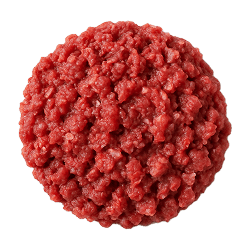
Kangaroo is a novel animal protein sourced from wild Australian kangaroos. It is prized for its lean, highly digestible meat, offering a rich source of essential amino acids, iron, and B vitamins. Kangaroo is primarily included in pet food to support muscle maintenance and overall vitality. This ingredient is used in its natural, whole food form, ensuring optimal nutrient availability and palatability.
Kangaroo is included as a novel, high-protein meat source that appeals to consumers seeking hypoallergenic or limited-ingredient diets for their pets. Its use also serves as a marketing differentiator, positioning the product as premium and suitable for pets with common protein sensitivities.

Gallus Gallus Domesticus, Poultry Meat, Domestic Fowl, Broiler Meat
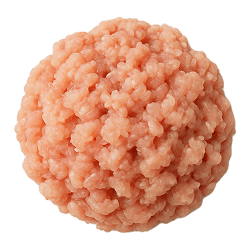
Chicken is a high-quality animal protein sourced from poultry, commonly used in pet foods for its rich amino acid profile and palatability. It provides essential nutrients to support muscle maintenance and overall health. In premium pet foods, chicken is typically included in its natural, whole form, ensuring optimal nutrient availability and digestibility for pets.
Chicken is included as a primary animal protein source to meet nutritional requirements and enhance palatability for pets. Its recognisable presence on the label also appeals to consumers seeking high-quality, meat-based ingredients.

Cassava, Manioc, Yuca, Manihot Esculenta
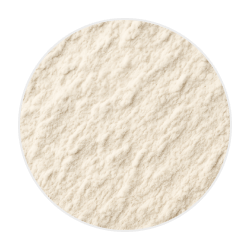
Tapioca is a starch extracted from the root of the cassava plant, a tropical crop native to South America. As a plant-derived ingredient, its primary purpose in pet food is to provide a highly digestible source of carbohydrates and energy. Tapioca is used in its natural, processed form as a purified starch, not as whole cassava root, ensuring safety and digestibility.
Tapioca is included as a cost-effective carbohydrate source that provides energy and helps bind kibble, contributing to the desired texture and structure of the final product. Its neutral flavour and hypoallergenic properties also make it suitable for formulating diets for pets with sensitivities.

Garbanzo Beans, Cicer Arietinum, Bengal Gram, Egyptian Pea
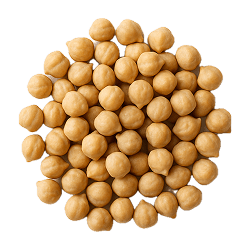
Chickpeas are edible legumes derived from the plant Cicer arietinum, commonly cultivated for their high nutritional value. As a plant-based ingredient, chickpeas are primarily included in pet food for their rich protein, fibre, and complex carbohydrate content, supporting digestive health and sustained energy. Chickpeas are used in their natural, whole form, ensuring optimal nutrient retention and digestibility for pets.
Chickpeas are included as a cost-effective carbohydrate and protein source, providing bulk and nutritional value while supporting grain-free product labelling. Their use can also enhance the fibre content and appeal to consumers seeking plant-based or alternative ingredients.

Cocos Nucifera Extract, Cocos Nucifera Fruit Extract, Coconut Fruit Extract, Cocos Nucifera
Coconut extract is derived from the flesh of the coconut fruit, a plant-based ingredient native to tropical regions. It is primarily included in pet food for its natural source of healthy fats, particularly medium-chain triglycerides, which support energy and skin health. Coconut extract is used in its natural form, ensuring the retention of its beneficial nutrients and bioactive compounds.
Coconut extract is included as a natural flavour enhancer to improve palatability and consumer appeal. It may also serve as a label-friendly ingredient, supporting marketing claims of natural or premium formulation.

Sodium Chloride, NaCl, Table Salt, E535
Salt is a mineral ingredient derived from the combination of sodium and chloride, typically sourced from natural deposits or seawater. It is primarily included in pet food to support electrolyte balance, nerve function, and hydration. Salt is not used in its raw mineral form but is utilised as sodium chloride, a purified compound, to ensure safety, palatability, and optimal absorption in pets.
Salt is included as a palatability enhancer to improve taste and encourage consumption, and also functions as a preservative to help extend product shelf life. Its use allows manufacturers to optimise flavour while maintaining product stability.

Sucrose, Saccharose, E955, Beta-D-Fructofuranosyl Alpha-D-Glucopyranoside
Sugar is a simple carbohydrate derived primarily from plant sources such as sugar cane or sugar beet. It serves as a readily available energy source, supporting metabolic processes and palatability in pet foods. Sugar is incorporated in its natural, refined form rather than as a raw plant material, ensuring consistency and digestibility for pets while enhancing the taste of the final product.
Sugar is included as a cost-effective palatability enhancer to improve taste and encourage consumption. It may also serve as a minor preservative to help stabilise certain formulations.

Liquid Smoke, Smoke Condensate, Smoke Extract, E150a
Smoke flavour is a functional ingredient derived from the condensation of wood smoke, typically from hardwoods, and is of plant origin. It is primarily added to pet food to enhance palatability and aroma, encouraging acceptance. Rather than using raw smoke, which contains harmful compounds, smoke flavour is utilised in a purified, food-grade liquid or powder form to ensure safety and consistency.
Smoke flavour is included to enhance palatability by imparting a desirable aroma and taste that appeals to pets. It also serves as a label-friendly ingredient, allowing manufacturers to market the product as having a more appealing or gourmet profile.

Rapeseed Oil, Brassica Napus Oil, Brassica Rapa Oil, E471 (when derived from canola)
Canola oil is a plant-derived oil extracted from the seeds of the canola plant (Brassica napus). It serves as a valuable source of energy and provides essential fatty acids, particularly omega-3 and omega-6, which support skin and coat health in pets. Canola oil is used in its refined, food-grade form to ensure safety, palatability, and optimal nutrient absorption.
Canola oil is included as a cost-effective source of fat and essential fatty acids, supporting energy density and skin and coat health in pet food formulations. It also contributes to product palatability and helps optimise texture.

Micronutrients, Essential Micronutrients, Vital Nutrients, Accessory Food Factors
Vitamins are organic compounds derived from both plant and animal sources, essential for numerous metabolic and physiological functions in pets. Their primary purpose is to support immune health, vision, bone development, and cellular processes. In pet food, vitamins are not used in their natural, raw forms but are instead incorporated as stabilised compounds or premixes to ensure safety, stability, and optimal bioavailability.
Vitamins are included to ensure nutritional adequacy and meet regulatory requirements for complete and balanced pet food. They may also be added to compensate for nutrient losses during processing and storage.

Dietary Minerals, Inorganic Nutrients, Essential Minerals, Bulk Elements
Minerals are essential inorganic nutrients derived from the earth, not produced by animals or plants. They play a critical role in supporting various physiological functions, such as bone development, nerve transmission, and enzyme activity. In pet food, minerals are not used in their natural raw or metallic state; instead, they are incorporated as specific compounds (such as sulphates or chelates) to optimise safety and bioavailability.
Minerals are included to meet essential nutritional requirements for pets, supporting overall health and proper bodily functions. They are often added in precise amounts to ensure the product complies with regulatory standards and nutrient profiles.

Live Microorganisms, Beneficial Bacteria, Lactic Acid Bacteria, Bifidobacterium Spp.
Probiotics are live microorganisms, typically derived from beneficial bacterial strains, that are added to pet food to support digestive health and maintain a balanced gut microbiome. Their primary function is to promote healthy digestion and enhance immune function. Probiotics are not used in their natural, raw state but are carefully cultured and stabilised to ensure viability and efficacy when incorporated into pet food formulations.
Probiotics are included to support digestive health and promote a balanced gut microbiome in pets, which can be a key marketing point for health-conscious consumers. Their addition also allows manufacturers to differentiate products in a competitive market by highlighting functional health benefits.

Cichorium Intybus, Chicory, Cichorium Intybus Root, Cichorium Intybus L.
Chicory root is a plant-derived ingredient sourced from the root of the chicory plant (Cichorium intybus). It is primarily included in pet food for its high inulin content, a prebiotic fibre that supports digestive health and beneficial gut bacteria. Chicory root is used in its natural, dried, and ground form to optimise its functional benefits in pet nutrition.
Chicory root is included as a source of inulin, a prebiotic fibre that supports digestive health and can improve stool quality. It also serves as a label-friendly ingredient that appeals to consumers seeking functional health benefits in pet food.

Tocopherol, Mixed Tocopherols, E306, Rosemary Extract
Natural antioxidant refers to a substance, typically derived from plant sources, that helps protect pet food from oxidative damage and spoilage. Its primary function is to preserve freshness and extend shelf life by inhibiting the oxidation of fats and oils. In pet food, natural antioxidants are used in their natural form, ensuring safety and effective absorption without the need for chemical modification.
Natural antioxidants are included to help preserve the freshness and stability of pet food by slowing the oxidation of fats and oils, thereby extending shelf life. They also serve as a label-friendly alternative to synthetic preservatives, appealing to consumers seeking more natural ingredients.

.png)


Comments
0 comments
Login or Register to Join the Conversation