Skin and Coat Powder Supplement

Overview
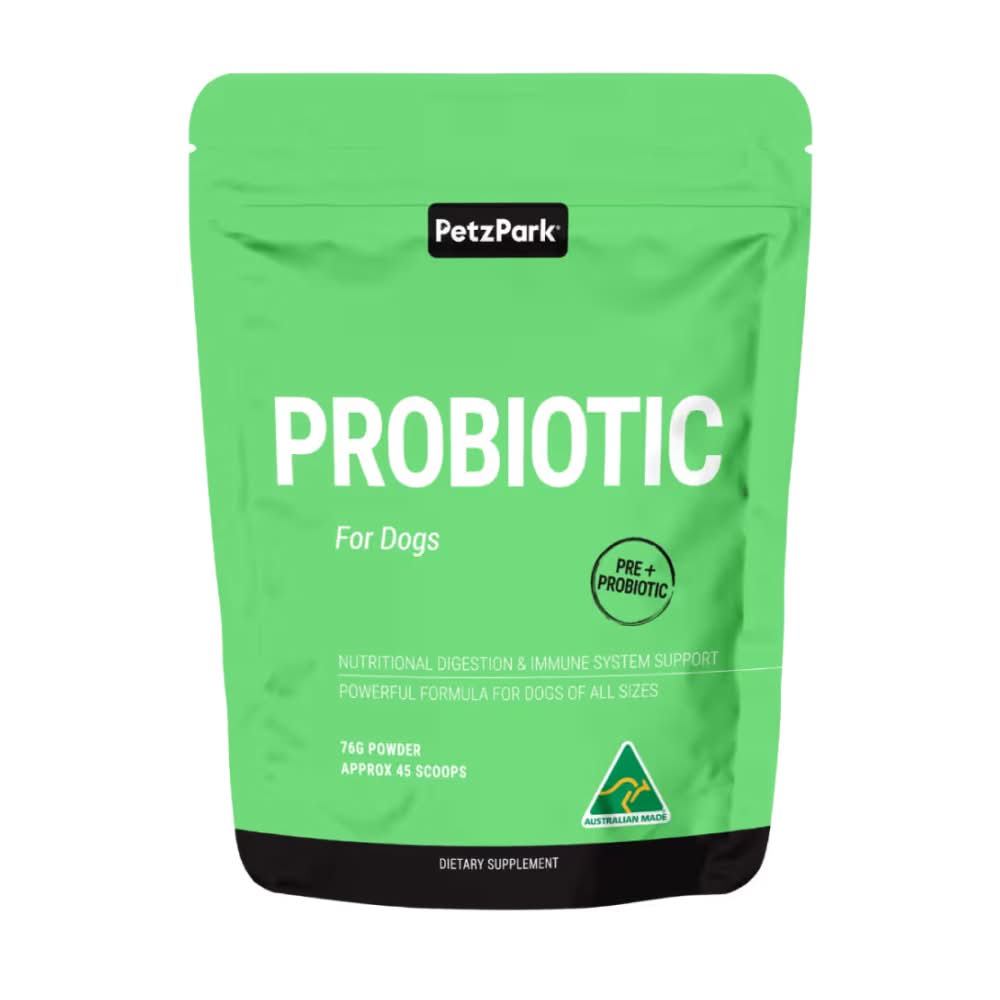
Petz Park Skin and Coat Supplement for Dogs is an Australian-made, vet-formulated powder designed to support healthier skin, a shinier coat and better overall wellbeing in dogs of any age or breed. This formula features Omega-3 fatty acids (EPA + DHA) alongside Flaxseed Oil, Vitamin C & E, Zinc and Biotin to help soften dry, flaky skin, reduce shedding and improve nail condition. It comes as an easy to use roast beef flavoured powder with weight based dosing, available in 45, 90 and 180 scoop packs.
Petz Park Skin and Coat Supplement is ideal for dogs with dull, brittle fur, itchy paws, dandruff or excessive shedding, as well as dogs whose nails are cracked or weak. Made in Australia and suitable for dogs of all breeds and life stages, Petz Park delivers simple, science-backed supplements that support long-term health and everyday wellbeing.
Ingredients
Active: EPA, DHA, Linseed Oil, Vitamin C, Vitamin E, Zinc, Biotin. Inactive: Dextrose, Fumed Silica, Mixed Tocopherols, Natural Woodsmoke.

Eicosapentaenoic Acid, C20:5n-3, All-Cis-5,8,11,14,17-Eicosapentaenoic Acid, Omega-3 Fatty Acid
Eicosapentaenoic acid (EPA) is a long-chain omega-3 fatty acid derived primarily from marine animal sources such as fish oil. EPA is included in pet food formulations to support anti-inflammatory processes, cardiovascular health, and skin and coat condition. Rather than being used in its natural, free fatty acid form, EPA is typically incorporated as part of fish oil or marine lipid concentrates to optimise stability and absorption.
EPA is included as a source of omega-3 fatty acids to support skin, coat, and joint health in pets. Its presence also allows manufacturers to market the product as containing beneficial marine-sourced nutrients.

Docosahexaenoic Acid, C22:6 n-3, All-Cis-Docosa-4,7,10,13,16,19-Hexaenoic Acid, Eicosapentaenoic Acid Family
DHA, or docosahexaenoic acid, is a long-chain omega-3 fatty acid derived primarily from marine sources such as fish oil or algae (animal or plant origin). It is included in pet food to support cognitive development, vision, and overall brain health. DHA is not used in its natural raw state but is incorporated as a purified oil or extract to optimise bioavailability and safety.
DHA is included as a functional ingredient to support cognitive development and visual acuity in pets, particularly in puppies and kittens. Its presence also allows manufacturers to market the product as supporting brain and eye health, appealing to health-conscious consumers.

Flaxseed Oil, Oleum Lini, E401, Linum Usitatissimum Oil
Linseed oil, derived from the seeds of the flax plant (Linum usitatissimum), is a plant-based ingredient valued for its high content of omega-3 fatty acids, particularly alpha-linolenic acid (ALA), which supports skin and coat health in pets. In pet food, linseed oil is utilised in its natural, cold-pressed form to optimise nutrient retention and bioavailability.
Linseed oil is included as a source of omega-3 fatty acids to support skin and coat health, providing a plant-based alternative to fish oils. Its presence also allows manufacturers to market the product as containing beneficial oils for overall wellbeing.

Ascorbic Acid, L-Ascorbic Acid, E300, L-Threo-Hex-2-Enono-1,4-Lactone
Vitamin C, also known as ascorbic acid, is a water-soluble vitamin of plant origin commonly included in pet food formulations. Its primary purpose is to support immune function and act as an antioxidant, helping to protect cells from oxidative damage. Vitamin C is not used in its natural fruit form but is instead utilised as a synthesised compound to ensure stability and consistent dosage.

Vitamin C is included as an antioxidant to help preserve the freshness and stability of the product by slowing oxidation. It may also be added for its perceived health benefits, supporting marketing claims related to immune support.

Tocopherol, Alpha-Tocopherol, E307, D-Alpha-Tocopherol
Vitamin E is a fat-soluble vitamin derived from plant sources such as vegetable oils, nuts, and seeds. It functions primarily as an antioxidant, helping to protect cell membranes from oxidative damage and supporting immune health. In pet food, Vitamin E is not used in its natural raw form but is typically utilised as a stabilised compound, such as tocopherol acetate, to optimise safety and absorption.
Vitamin E is included as a natural antioxidant to help preserve the freshness and stability of fats and oils in the product, thereby extending shelf life. It also serves as a label-friendly nutrient that appeals to consumers seeking added health benefits for their pets.

Zn, E579, Zincum, CI 77947
Zinc is an essential trace mineral sourced from the earth and is vital for numerous biological functions in pets, including immune support and skin health. In pet food, zinc is not used in its natural metallic state; instead, it is utilised as a compound such as zinc sulphate or zinc chelate to optimise safety and absorption, ensuring pets receive its full nutritional benefit.
Zinc is included as an essential trace mineral to support immune function, skin health, and overall metabolic processes in pets. Its addition ensures nutritional adequacy and compliance with regulatory labelling standards for complete and balanced pet foods.

Vitamin B7, Vitamin H, D-Biotin, Coenzyme R
Biotin is a water-soluble B-vitamin (vitamin B7) of synthetic origin, commonly included in pet foods to support healthy skin, coat, and metabolic function. Its primary benefit is aiding in the metabolism of fats, proteins, and carbohydrates. Biotin is not used in its natural, free form but is instead utilised as a stable, bioavailable compound to optimise absorption and efficacy in pets.
Biotin is included as an essential vitamin to support skin, coat, and metabolic health in pets, fulfilling nutritional requirements for complete and balanced diets. Its addition also allows manufacturers to highlight the inclusion of key micronutrients on product labelling, appealing to health-conscious consumers.

Glucose, D-Glucose, E1400, Corn Sugar
Dextrose is a simple sugar derived from plant sources, typically corn or wheat. It serves as a readily digestible carbohydrate, providing a quick source of energy for pets. In pet food, dextrose is utilised in its refined, powdered form rather than as a whole food. This ensures rapid absorption and consistent quality, supporting energy needs and palatability in premium formulations.
Dextrose is included as a cost-effective carbohydrate source that provides quick energy and can enhance palatability for pets. It may also serve functional roles in processing, such as aiding in ingredient blending or improving product texture.

Silica, E551, Silicon(IV) Oxide, Quartz
Silicon dioxide is a naturally occurring mineral compound derived from the element silicon, commonly found in sand and quartz. In pet food, it serves primarily as an anti-caking agent, helping to prevent clumping and maintain product consistency. Silicon dioxide is not used in its raw mineral form; instead, it is utilised as a purified, food-grade compound to ensure safety and effective functionality.
Silicon dioxide is included as an anti-caking agent to prevent clumping and ensure consistent texture during manufacturing and storage. Its use helps maintain product flowability and stability without affecting palatability or nutritional value.

Tocopherols, E306, Natural Tocopherols Concentrate, D-Alpha Tocopherol Concentrate
Mixed tocopherols are a blend of compounds derived from plant oils, primarily functioning as a source of vitamin E. Their main purpose in pet food is to act as natural antioxidants, helping to preserve the freshness of fats and oils. Rather than being used in their isolated, pure form, mixed tocopherols are incorporated as stabilised extracts to optimise safety, efficacy, and nutrient retention.
Mixed tocopherols are included as a natural preservative to extend shelf life by slowing the oxidation of fats and oils in pet food. They are often used as a label-friendly alternative to synthetic preservatives to appeal to consumer preferences for natural ingredients.

Liquid Smoke, Smoke Condensate, Smoke Extract, E150a
Smoke flavour is a functional ingredient derived from the condensation of wood smoke, typically from hardwoods, and is of plant origin. It is primarily added to pet food to enhance palatability and aroma, encouraging acceptance. Rather than using raw smoke, which contains harmful compounds, smoke flavour is utilised in a purified, food-grade liquid or powder form to ensure safety and consistency.
Smoke flavour is included to enhance palatability by imparting a desirable aroma and taste that appeals to pets. It also serves as a label-friendly ingredient, allowing manufacturers to market the product as having a more appealing or gourmet profile.
Score Card
Every product is assessed using the Dog Directory Integrity Framework, giving dog owners a clear and trustworthy way to compare products. This ensures each review reflects overall quality and formulation integrity, not just marketing claims.
- /40
- /30
- /15
- /10
- /5
- Overall ScoreScore Info
As a pet owner, you naturally want the best for your dog. From regular vet visits to nutritious meals, ensuring your furry friend is healthy and happy is always top of mind. But beyond food and exercise, supplements are becoming an increasingly popular way to support your dog’s overall well-being. In this comprehensive guide, we’ll dive into the world of dog supplements, explaining what they are, why they matter, and how to choose the right ones for your pup.
0/100

About
PRODUCT TAGS
About the Brand
Petz Park
Petz Park offers a wide range of Australian made, vet formulated supplement powders designed to provide targeted support for your dog’s joints, gut, and overall vitality. View the Petz Park collection to discover easy to use nutritional boosters that help your pet thrive at every age and join thousands of satisfied Australian pet owners.


Comments
0 comments
Login or Register to Join the Conversation