







Brilliant Beef Raw Dog Food

Overview
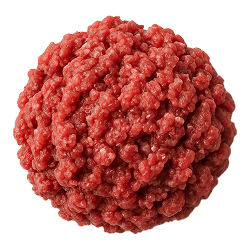
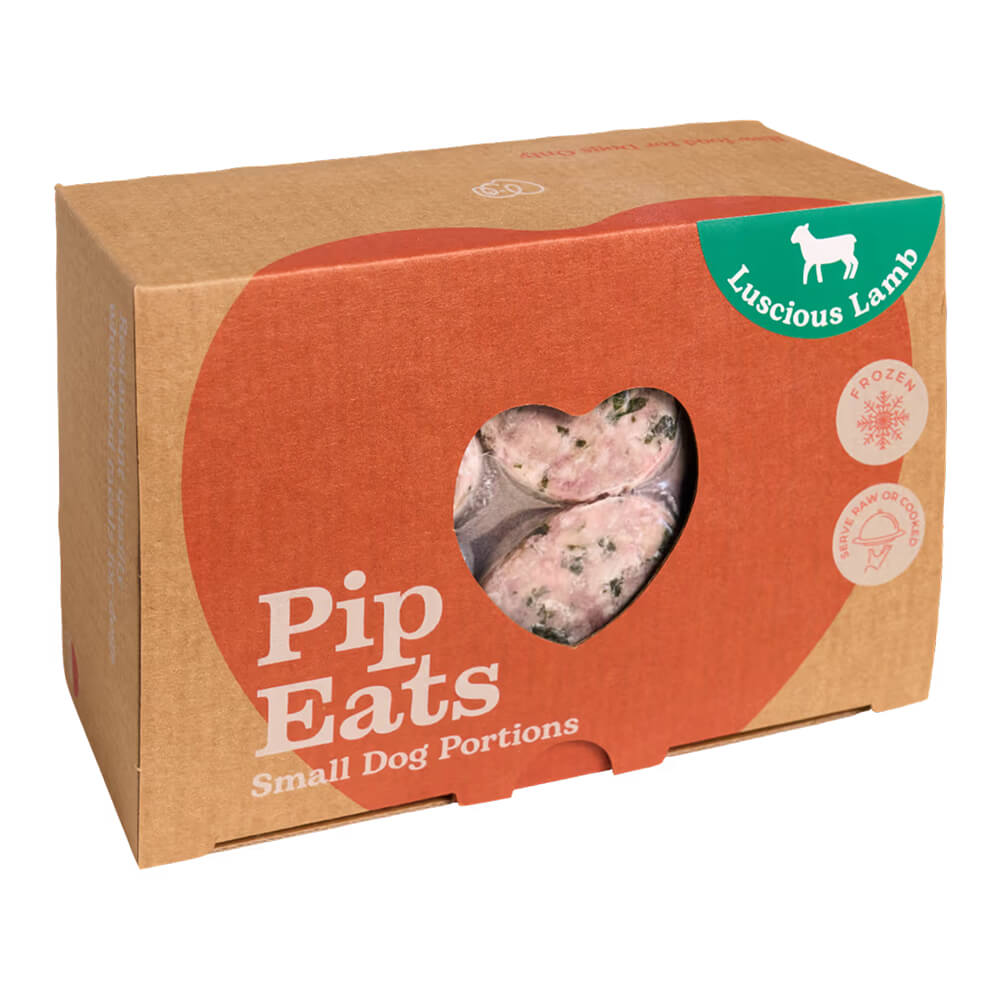
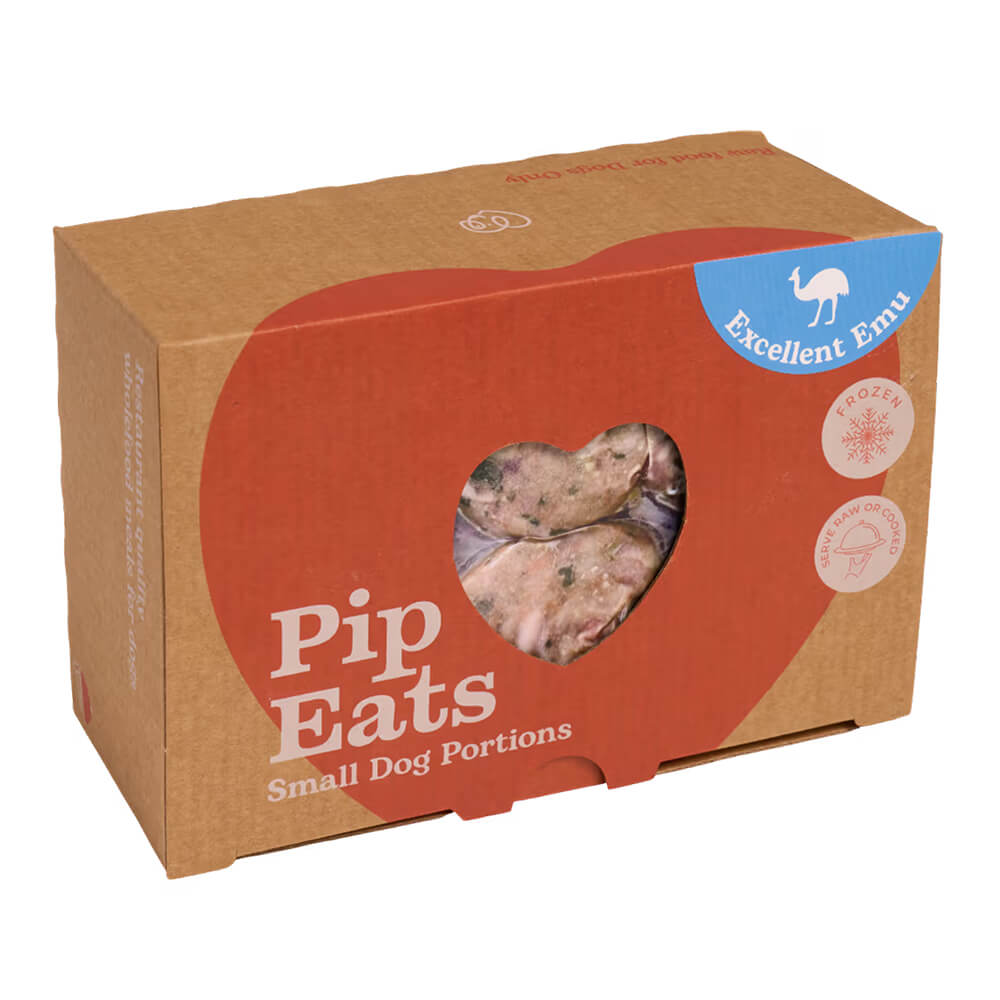
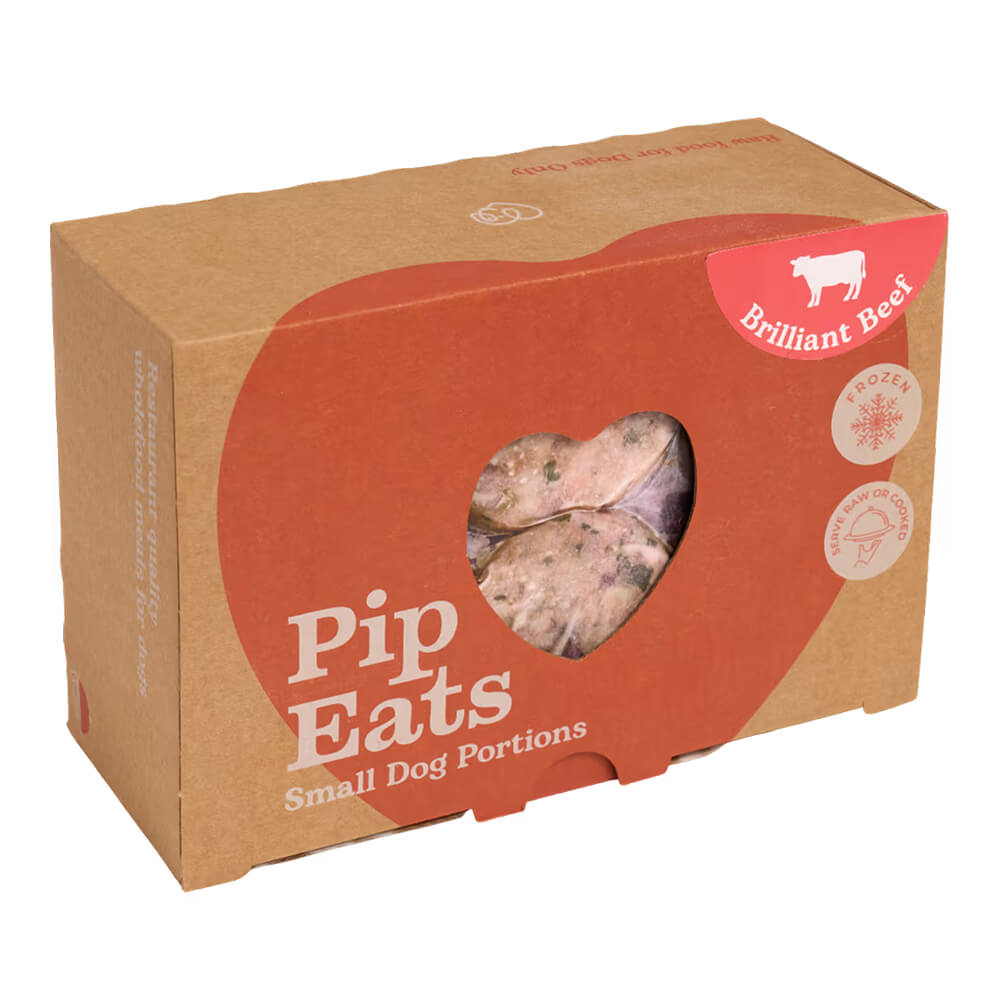
Pip Eats Brilliant Beef is a frozen raw dog food made in Sydney from human-grade Australian beef steak as the primary protein, complemented by beef liver and tripe. The recipe includes rice, kale, cauliflower, and blueberries, with green-lipped mussel and basil among the supporting ingredients. Pip Eats describes the formula as nutritionally complete, developed by a veterinary nutritionist. The patties are snap-frozen and delivered in home-compostable, plastic-free packaging.
Nutritional Analysis
A nutritional analysis shows how a dog food is made up of its main nutrients, such as protein, fat, fibre and other components. This helps you understand where the food’s nutrition and energy come from, and how the formula is balanced.
Ingredients
Beef Steak, Rice, Beef Liver, Kale, Cauliflower, Blueberries, Beef Tripe, Organic High Oleic Oil, Vitamins, Minerals, Green Lipped Mussel, Basil, Atlantic Kelp.

Bovine Meat, Bos Taurus, Ox Meat, Cow Meat
Beef is the muscle meat derived from cattle, categorised as an animal-based ingredient. It serves as a rich source of high-quality protein, essential amino acids, iron, and B vitamins, supporting muscle maintenance and overall health in pets. In premium pet foods, beef is typically included in its natural, whole-food form, ensuring optimal nutrient availability and palatability.
Beef is included as a primary animal protein source to meet nutritional requirements and enhance palatability for pets. Its presence also serves as a marketing advantage, appealing to consumers seeking recognisable, high-quality ingredients.

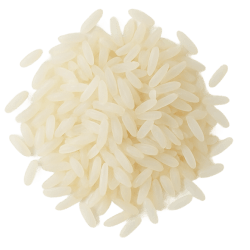
Oryza Sativa, Paddy, Oryza Sativa Grain, Oryza Spp.
Rice is a cereal grain derived from the seeds of the Oryza sativa plant, making it a plant-based ingredient. It serves primarily as a highly digestible source of carbohydrates, providing energy for pets. In pet food, rice is typically used in its natural, whole or milled form, rather than as a processed extract, to optimise digestibility and nutrient availability.
Rice is included as a cost-effective carbohydrate source that provides energy and helps create a desirable texture in pet food. It is also easily digestible, making it suitable for sensitive digestive systems and appealing for marketing as a familiar, label-friendly ingredient.

Bovine Liver, Bos Taurus Liver, Ox Liver, Cattle Liver
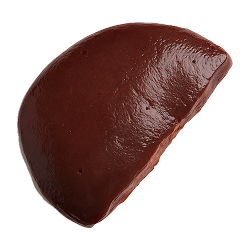
Beef liver is an animal-derived organ meat sourced from cattle, valued for its rich nutrient profile. It serves as a concentrated source of high-quality protein, essential vitamins such as A and B12, and minerals like iron and zinc. In pet food, beef liver is used in its natural, whole-food form, providing both palatability and significant nutritional benefits to support overall health.
Beef liver is included as a nutrient-dense organ meat to enhance the protein, vitamin, and mineral content of the product. It also serves as a natural palatability enhancer, improving flavour to increase acceptance by pets.

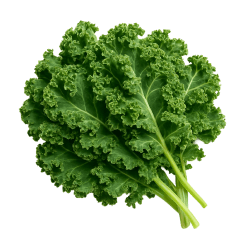
Brassica Oleracea, Borecole, Leaf Cabbage, Eru
Kale is a leafy green vegetable of plant origin, belonging to the Brassica family. It is included in pet food primarily for its rich content of vitamins, minerals, and antioxidants, supporting overall health and immune function. In pet food formulations, kale is used in its natural form, providing a source of dietary fibre and phytonutrients to optimise nutritional value.
Kale is included as a label-friendly ingredient to appeal to health-conscious consumers and enhance the perceived nutritional value of the product. It may also provide a source of vitamins and fibre, though its functional impact on pet nutrition is typically minimal at the inclusion levels used.

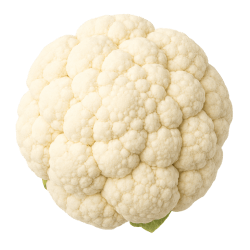
Brassica Oleracea, Brassica Oleracea Var. Botrytis, Eru, Flowering Cabbage
Cauliflower is a cruciferous vegetable of plant origin, commonly included in pet food for its rich content of dietary fibre, vitamins, and antioxidants. Its primary benefit is to support digestive health and provide essential micronutrients. In pet food formulations, cauliflower is used in its natural, whole form, ensuring pets receive its full nutritional profile without synthetic alteration.
Cauliflower is included as a label-friendly vegetable to appeal to health-conscious consumers and enhance product marketing. It may also serve as a source of dietary fibre and micronutrients, contributing to the perceived nutritional value of the pet food.

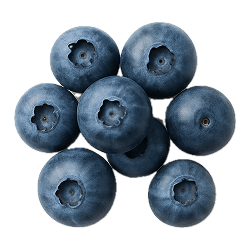
Vaccinium Corymbosum, Vaccinium Angustifolium, Bilberry, E163
Blueberry is a small, nutrient-rich fruit of plant origin, commonly sourced from the Vaccinium genus. It is included in pet food primarily for its antioxidant properties, supporting immune health and cellular protection. Blueberry is used in its natural, whole form, ensuring pets benefit from its full spectrum of vitamins, fibre, and phytonutrients as found in fresh fruit.
Blueberry is included as a label-friendly ingredient to appeal to health-conscious consumers, leveraging its reputation as a source of antioxidants. Its presence supports marketing claims of added nutritional benefits, though it is typically used in small quantities with minimal impact on the overall nutritional profile for pets.

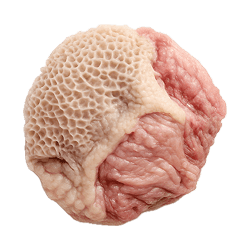
Cattle Stomach, Bovine Stomach, Bovine Tripe, Bos Taurus Stomach
Beef tripe is the edible stomach lining of cattle, classified as an animal-derived ingredient. It is valued in pet food for its high protein content and rich supply of essential nutrients, including vitamins and minerals that support overall health. Beef tripe is incorporated in its natural, whole-food form, providing both palatability and nutritional benefits to companion animals.
Beef tripe is included as a highly palatable animal protein source to enhance flavour and encourage consumption. It also serves as a label-friendly ingredient that appeals to consumers seeking natural, meat-based components in pet food.

High Oleic Vegetable Oil, High Oleic Sunflower Oil, High Oleic Canola Oil, Oleic-Rich Oil
High oleic oil is a type of vegetable oil that contains a higher proportion of monounsaturated fats, particularly oleic acid, compared to standard vegetable oils. In dog food manufacturing, it is typically derived from high oleic varieties of sunflower, safflower, or canola oil. High oleic oil serves as a concentrated energy source and helps support healthy skin and coat in dogs due to its fatty acid profile. When included at appropriate levels, it is considered safe and stable, with no known adverse effects.
High oleic oil is included in dog food formulations for its stability during processing and storage, which helps extend shelf life, while also providing a source of healthy fats that can benefit dogs. Its use is practical for manufacturers due to its resistance to oxidation and cost-effectiveness compared to some other oils.

Micronutrients, Essential Micronutrients, Vital Nutrients, Accessory Food Factors
Vitamins are organic compounds derived from both plant and animal sources, essential for numerous metabolic and physiological functions in pets. Their primary purpose is to support immune health, vision, bone development, and cellular processes. In pet food, vitamins are not used in their natural, raw forms but are instead incorporated as stabilised compounds or premixes to ensure safety, stability, and optimal bioavailability.
Vitamins are included to ensure nutritional adequacy and meet regulatory requirements for complete and balanced pet food. They may also be added to compensate for nutrient losses during processing and storage.

Dietary Minerals, Inorganic Nutrients, Essential Minerals, Bulk Elements
Minerals are essential inorganic nutrients derived from the earth, not produced by animals or plants. They play a critical role in supporting various physiological functions, such as bone development, nerve transmission, and enzyme activity. In pet food, minerals are not used in their natural raw or metallic state; instead, they are incorporated as specific compounds (such as sulphates or chelates) to optimise safety and bioavailability.
Minerals are included to meet essential nutritional requirements for pets, supporting overall health and proper bodily functions. They are often added in precise amounts to ensure the product complies with regulatory standards and nutrient profiles.

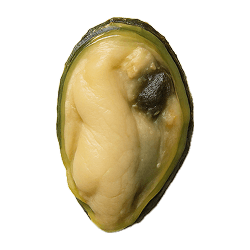
Perna Canaliculus, New Zealand Green Mussel, Greenshell Mussel, Kuku
Green lipped mussel is a marine animal ingredient sourced from the coastal waters of New Zealand. It is primarily included in pet food for its rich content of omega-3 fatty acids, glucosamine, and chondroitin, which support joint health and reduce inflammation. Green lipped mussel is used in its natural, whole form, ensuring optimal nutrient availability and bioactivity for pets.
Green lipped mussel is included as a functional ingredient to provide natural sources of omega-3 fatty acids and joint-supporting nutrients, supporting product differentiation and marketing claims related to joint health. Its presence also appeals to consumers seeking premium or holistic pet food formulations.

Ocimum Basilicum, Sweet Basil, Genovese Basil, Great Basil
Basil is a fragrant herb derived from the leaves of the Ocimum basilicum plant, commonly used in both culinary and pet food applications. As a plant-based ingredient, basil provides natural antioxidants and essential phytonutrients that support overall health and immune function. In pet food, basil is used in its natural, whole-leaf form to maximise nutritional value and palatability.
Basil is included as a label-friendly ingredient to appeal to pet owners seeking natural or recognisable components in pet food. It may also provide minor flavour enhancement, though its functional impact on canine nutrition is minimal.

Laminaria Spp., Macrocystis Pyrifera, Ascophyllum Nodosum, Brown Seaweed
Kelp is a type of large, edible seaweed sourced from marine environments and classified as a plant-based ingredient. It is primarily included in pet food for its rich supply of natural iodine, which supports healthy thyroid function. Kelp is used in its dried, ground natural form, allowing pets to benefit from its trace minerals, vitamins, and antioxidants in a bioavailable manner.
Kelp is included as a label-friendly ingredient to appeal to health-conscious consumers and enhance product marketing, as it is associated with natural sources of vitamins and minerals. It may also serve as a trace mineral supplement to support nutritional completeness in pet food formulations.
Score Card
Every product is assessed using the Dog Directory Integrity Framework, giving dog owners a clear and trustworthy way to compare products. This ensures each review reflects overall quality and formulation integrity, not just marketing claims.
- /40
- /30
- /15
- /10
- /5
- Overall ScoreScore Info
As a pet owner, you naturally want the best for your dog. From regular vet visits to nutritious meals, ensuring your furry friend is healthy and happy is always top of mind. But beyond food and exercise, supplements are becoming an increasingly popular way to support your dog’s overall well-being. In this comprehensive guide, we’ll dive into the world of dog supplements, explaining what they are, why they matter, and how to choose the right ones for your pup.
0/100

About
PRODUCT TAGS
About the Brand
Pip Eats
Pip Eats makes fresh, heart-shaped wholefood meals for dogs from their Sydney kitchen. Vet-formulated, single-protein, human-grade recipes in home-compostable packaging. Trial packs available.


Comments
0 comments
Login or Register to Join the Conversation