Your Dog's World, Personalised
Save your favourite products and locations, track prices, and unlock exclusive discounts — all in one place
or
Error
Verify Your Email
We've emailed a sign-in code. Enter it below to continue.
Share
Thank you! Your submission has been received!
Oops! Something went wrong while submitting the form.
Back to ExploreSavourLife
Australian Salmon Flavour Grain Free Biscuit Dog Treats
425g
Dog Directory saved you
44%
this week.
Imagine what you could save in a year...

Overview

SavourLife Australian Salmon Flavour Grain Free Biscuits are oven-baked, grain-free Australian-made dog treats with omega-rich salmon. A crunchy everyday reward and a grain-free option for sensitive dogs.


Nutritional Analysis

Protein
17.6
%
0%
Fat
7.3
%
0%
Fibre
2.6
%
0%
Energy
382
0
 kcal/100g

Ingredients

Tapioca, Peas, Salmon, Peanut Butter, Sugar, Salmon Oil, Salt, Linseed, Egg Powder, Apple Puree, Glucosamine, Citric Acid, White Distilled Vinegar, Natural Antioxidants, Vegetable Oil and Rosemary Extract.

Ingredient images are illustrative only and may not represent the exact source or form used by manufacturers.
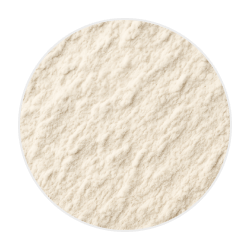
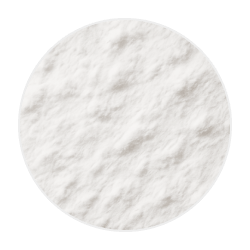
Fine off-white tapioca powder with a smooth, slightly grainy texture, commonly used in Australian dog food recipes
Tapioca
Tapioca
Cassava, Manioc, Yuca, Manihot Esculenta
Summary
Tapioca is a starch extracted from the root of the cassava plant, a tropical crop native to South America. As a plant-derived ingredient, its primary purpose in pet food is to provide a highly digestible source of carbohydrates and energy. Tapioca is used in its natural, processed form as a purified starch, not as whole cassava root, ensuring safety and digestibility.
Why it's used?
Tapioca is included as a cost-effective carbohydrate source that provides energy and helps bind kibble, contributing to the desired texture and structure of the final product. Its neutral flavour and hypoallergenic properties also make it suitable for formulating diets for pets with sensitivities.
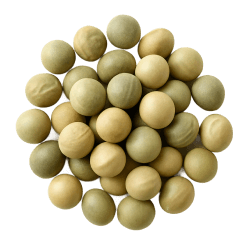
Round green and yellow peas with a smooth, shiny texture, piled together as a common dog food ingredient
Peas
Peas
Pisum Sativum, Garden Pea, Green Pea, Field Pea
Summary
Peas are a plant-derived ingredient sourced from the seeds of the Pisum sativum plant. They are primarily included in pet food for their high protein content, dietary fibre, and essential micronutrients, supporting digestive health and energy. Peas are used in their natural, whole form, ensuring the retention of their nutritional value and functional benefits within the finished product.
Why it's used?
Peas are included as a cost-effective source of protein, fibre, and carbohydrates, helping to optimise nutritional content while supporting product texture. They also serve as a label-friendly ingredient that appeals to consumers seeking grain-free or plant-based options.
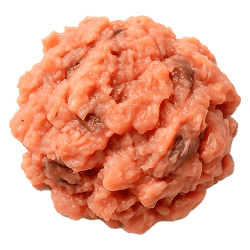
Fresh minced salmon with a moist, pink texture and visible chunks, perfect as a healthy dog food ingredient
Salmon
Salmon
Salmo Salar, Atlantic Salmon, Pacific Salmon, Oncorhynchus Spp.
Summary
Salmon is a nutrient-rich fish sourced from cold, clean waters and is classified as an animal-derived ingredient. It is primarily included in pet food for its high-quality protein and omega-3 fatty acids, which support skin, coat, and joint health. Salmon is used in its natural form, ensuring pets benefit from its full nutritional profile and bioavailable nutrients.
Why it's used?
Salmon is included as a high-quality protein and omega-3 fatty acid source to support skin and coat health, appealing to consumers seeking premium or functional pet foods. Its presence also enhances palatability and serves as a marketing differentiator on product labelling.
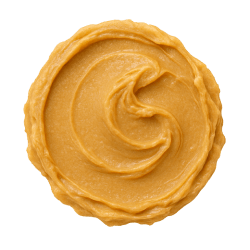
Creamy peanut butter spread in a smooth swirl, light brown colour with glossy, thick texture on a flat surface
Peanut Butter
Peanut Butter
Groundnut Paste, Arachis Hypogaea Paste, Nut Paste, Groundnut Butter
Summary
Peanut butter is a plant-derived spread made from ground, roasted peanuts. Sourced from legumes, it is included in pet food primarily for its palatability, healthy fats, and protein content. Peanut butter is used in its natural form, though often without added salt or sugar, to provide energy and support skin and coat health while enhancing flavour and texture in pet diets.
Why it's used?
Peanut butter is included as a palatability enhancer to improve taste and encourage consumption, particularly in treats and specialty products. It also serves as a label-friendly ingredient that appeals to pet owners seeking familiar, human-grade components.
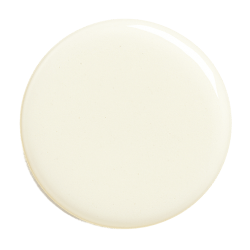
Fine white sugar in a soft, powdery pile on a plain background, highlighting its smooth texture and bright colour
Sugar
Sugar
Sucrose, Saccharose, E955, Beta-D-Fructofuranosyl Alpha-D-Glucopyranoside
Summary
Sugar is a simple carbohydrate derived primarily from plant sources such as sugar cane or sugar beet. It serves as a readily available energy source, supporting metabolic processes and palatability in pet foods. Sugar is incorporated in its natural, refined form rather than as a raw plant material, ensuring consistency and digestibility for pets while enhancing the taste of the final product.
Why it's used?
Sugar is included as a cost-effective palatability enhancer to improve taste and encourage consumption. It may also serve as a minor preservative to help stabilise certain formulations.
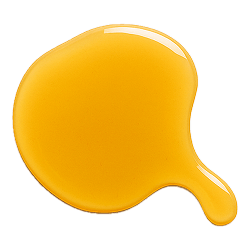
Golden orange salmon oil in a glossy, smooth puddle, showing its rich texture and fresh, vibrant appearance
Salmon Oil
Salmon Oil
Fish Oil (Salmo Spp.), Salmo Spp. Oil, Salmonidae Oil, Omega-3 Marine Oil (Salmo Spp.)
Summary
Salmon oil is a nutrient-rich oil derived from the tissues of salmon, an animal source. It is primarily included in pet food for its high content of omega-3 fatty acids, which support skin, coat, and joint health. Salmon oil is utilised in its extracted liquid form, rather than as whole fish, to optimise absorption and deliver concentrated nutritional benefits.
Why it's used?
Salmon oil is included as a source of omega-3 fatty acids to support skin and coat health, which can enhance the nutritional profile of the product. Its presence also serves as a marketing feature, appealing to consumers seeking premium or functional ingredients.
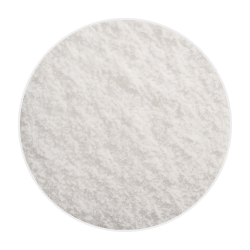
Fine white salt granules in a circular pile on a plain background, showing a powdery, smooth texture
Salt
Salt
Sodium Chloride, NaCl, Table Salt, E535
Summary
Salt is a mineral ingredient derived from the combination of sodium and chloride, typically sourced from natural deposits or seawater. It is primarily included in pet food to support electrolyte balance, nerve function, and hydration. Salt is not used in its raw mineral form but is utilised as sodium chloride, a purified compound, to ensure safety, palatability, and optimal absorption in pets.
Why it's used?
Salt is included as a palatability enhancer to improve taste and encourage consumption, and also functions as a preservative to help extend product shelf life. Its use allows manufacturers to optimise flavour while maintaining product stability.
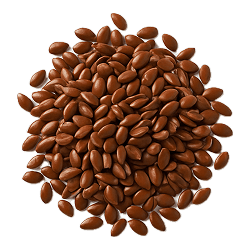
Brown linseed seeds with a glossy, smooth surface and oval shape, piled together on a white background
Linseed
Linseed
Flaxseed, Linum Usitatissimum, Flax, Flaxseed Oil
Summary
Linseed, also known as flaxseed, is a plant-derived ingredient sourced from the seeds of the flax plant (Linum usitatissimum). It is primarily included in pet food for its high content of omega-3 fatty acids and dietary fibre, supporting skin health and digestion. Linseed is used in its natural, whole or ground form to optimise nutrient availability and functional benefits.
Why it's used?
Linseed is included as a source of omega-3 fatty acids and dietary fibre, supporting skin and coat health as well as digestive function. Its presence also allows manufacturers to market the product as containing plant-based nutrients and functional ingredients.
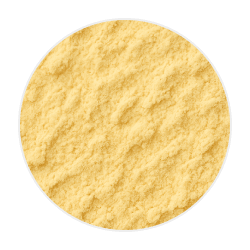
Fine, pale yellow egg powder with a smooth, dry texture, shown as a nutritious ingredient for dog food
Egg Powder
Egg Powder
Dried Egg, Spray-Dried Egg, Powdered Egg, Ovum Pulveratum
Summary
Egg powder is a dehydrated animal-derived ingredient made from whole eggs, typically sourced from hens. It serves as a high-quality protein source, providing essential amino acids, vitamins, and minerals to support muscle maintenance and overall health in pets. Egg powder is used in its processed, powdered form rather than as fresh eggs, ensuring stability, safety, and ease of incorporation into pet food formulations.
Why it's used?
Egg powder is included as a highly digestible, nutrient-dense protein source that supports essential amino acid requirements in pet food. Its stable, dehydrated form also optimises shelf life and ease of manufacturing compared to fresh eggs.
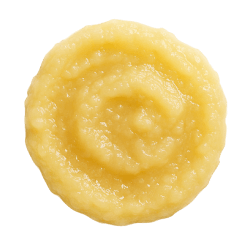
Smooth, pale yellow apple puree swirled in a creamy circle, highlighting its soft texture for dog nutrition
Apple Puree
Apple Puree
Apple Pulp, Malus Domestica Puree, Malus Domestica Pulp, Puréed Apple
Summary
Apple puree is a plant-derived ingredient made by cooking and blending apples into a smooth consistency. It is primarily included in pet food as a source of dietary fibre, natural sugars, and beneficial phytonutrients, supporting digestive health and palatability. Apple puree is used in its natural form, ensuring the retention of its nutritional value and natural antioxidants for optimal pet wellbeing.
Why it's used?
Apple puree is included as a label-friendly ingredient to appeal to consumers seeking recognisable, natural components, and it also provides a source of fibre and natural sweetness to enhance palatability. Its inclusion may support marketing claims related to fruit content and overall product quality.
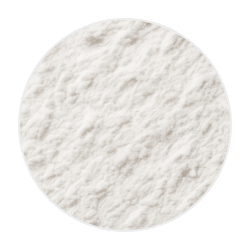
Fine white glucosamine powder with a soft, slightly grainy texture, commonly used in dog supplements
Glucosamine
Glucosamine
2-Amino-2-Deoxy-D-Glucose, D-Glucosamine, Chitosamine, 2-Amino-2-Deoxyglucose
Summary
Glucosamine is an amino sugar compound typically derived from shellfish or produced synthetically. It is included in pet food primarily to support joint health by aiding cartilage maintenance and repair. Glucosamine is not used in its natural raw form; instead, it is utilised as a stabilised compound, such as glucosamine hydrochloride or glucosamine sulphate, to optimise safety, stability, and absorption in pets.
Why it's used?
Glucosamine is included as a functional additive to support joint health and mobility, particularly in senior or large-breed pets. Its presence also serves as a marketing feature, appealing to consumers seeking products with perceived health benefits for their pets.
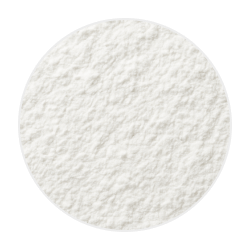
Citric acid as a fine white powder with a slightly grainy texture, commonly used in dog health supplements
Citric Acid
Citric Acid
2-Hydroxypropane-1,2,3-Tricarboxylic Acid, E330, 3-Carboxy-3-Hydroxypentanedioic Acid, Monohydrate Citric Acid
Summary
Citric acid is an organic compound derived primarily from citrus fruits, though it is commonly produced via fermentation for commercial use. Its main purpose in pet food is as a natural preservative and acidity regulator, helping to maintain freshness and inhibit spoilage. Citric acid is not used in its raw, crystalline form but is incorporated as a purified, food-grade compound to ensure safety and efficacy.
Why it's used?
Citric acid is included as a preservative to enhance product stability and extend shelf life by inhibiting microbial growth. It may also be used to adjust acidity, optimising flavour and maintaining the quality of the final product.
Clear, slightly cloudy drop of white distilled vinegar with a smooth, glossy texture on a white background
White Distilled Vinegar
Distilled Vinegar, Spirit Vinegar, Grain Vinegar, Acetic Acid Solution
Summary
White distilled vinegar is a liquid derived from the fermentation of grain-based ethanol, making it a plant-origin ingredient. It is primarily included in pet food as a natural preservative and to help regulate pH levels, supporting food safety and shelf life. White distilled vinegar is used in its natural, diluted liquid form, not as concentrated acetic acid, ensuring safe and effective application.
Why it's used?
White distilled vinegar is included as a natural preservative to help inhibit the growth of bacteria and mould, thereby extending product shelf life. It may also be used to adjust pH levels, supporting food safety and stability.
Too vague to identify
Natural Antioxidant
Natural Antioxidant
Tocopherol, Mixed Tocopherols, E306, Rosemary Extract
Summary
Natural antioxidant refers to a substance, typically derived from plant sources, that helps protect pet food from oxidative damage and spoilage. Its primary function is to preserve freshness and extend shelf life by inhibiting the oxidation of fats and oils. In pet food, natural antioxidants are used in their natural form, ensuring safety and effective absorption without the need for chemical modification.
Why it's used?
Natural antioxidants are included to help preserve the freshness and stability of pet food by slowing the oxidation of fats and oils, thereby extending shelf life. They also serve as a label-friendly alternative to synthetic preservatives, appealing to consumers seeking more natural ingredients.
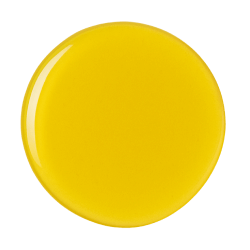
Bright yellow vegetable oil in a smooth, glossy puddle on a plain background, highlighting its liquid texture
Vegetable Oil
Vegetable Oil
Edible Vegetable Oil, Edible Plant Oil, Plant Oil, Oleum Vegetabile
Summary
Vegetable oil is a plant-derived fat extracted from various seeds or fruits, such as sunflower, canola, or soybean. It serves primarily as an energy source and supports the absorption of fat-soluble vitamins in pet food. Vegetable oil is used in its refined, edible form rather than as raw plant material, ensuring safety, palatability, and optimal nutrient availability for pets.
Why it's used?
Vegetable oil is included as a cost-effective source of dietary fat and energy, supporting palatability and contributing to the texture of the final product. It may also be used to deliver essential fatty acids and improve the appearance of the kibble.
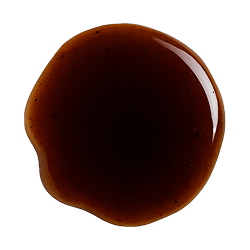
Dark brown, glossy drop of rosemary extract with a smooth texture on a plain background
Rosemary Extract
Rosemary Extract
Rosmarinus Officinalis Extract, E392, Rosemary Oleoresin, Rosmarinus Officinalis Leaf Extract
Summary
Rosemary extract is a plant-derived ingredient obtained from the leaves of the rosemary herb (Rosmarinus officinalis). It is primarily included in pet food as a natural antioxidant, helping to preserve fats and oils and extend shelf life. Rosemary extract is used in its natural form, ensuring the retention of its beneficial compounds without chemical alteration.
Why it's used?
Rosemary extract is included as a natural preservative to help extend shelf life by inhibiting oxidation of fats and oils. It also serves as a label-friendly ingredient that appeals to consumers seeking natural additives.

About


Manufactured
Australia
Type
Biscuit
Life Stage
Adult, Senior
Breed Size
All Breeds
Feeding Type
Treat
Processing Level
High

PRODUCT TAGS


Grain Free
Gluten Free
Dairy Free
Soy Free

Oops! Something went wrong...PLEASE TRY AGAIN

Most Tracked This Week

About the Brand


Comments

0 comments

Login to Join the Conversation 💬

Be the first to leave a comment.
Loading
Anonymous User
This is the actual comment. It's can be long or short. And must contain only text information.
(Edited)
Your comment will appear once approved by a moderator.
4 years ago
0
0
Reply
Anonymous User
This is the actual comment. It's can be long or short. And must contain only text information.
(Edited)
Your comment will appear once approved by a moderator.
2 years ago
0
0
Thank you! Your submission has been received!
Oops! Something went wrong while submitting the form.