




.png)


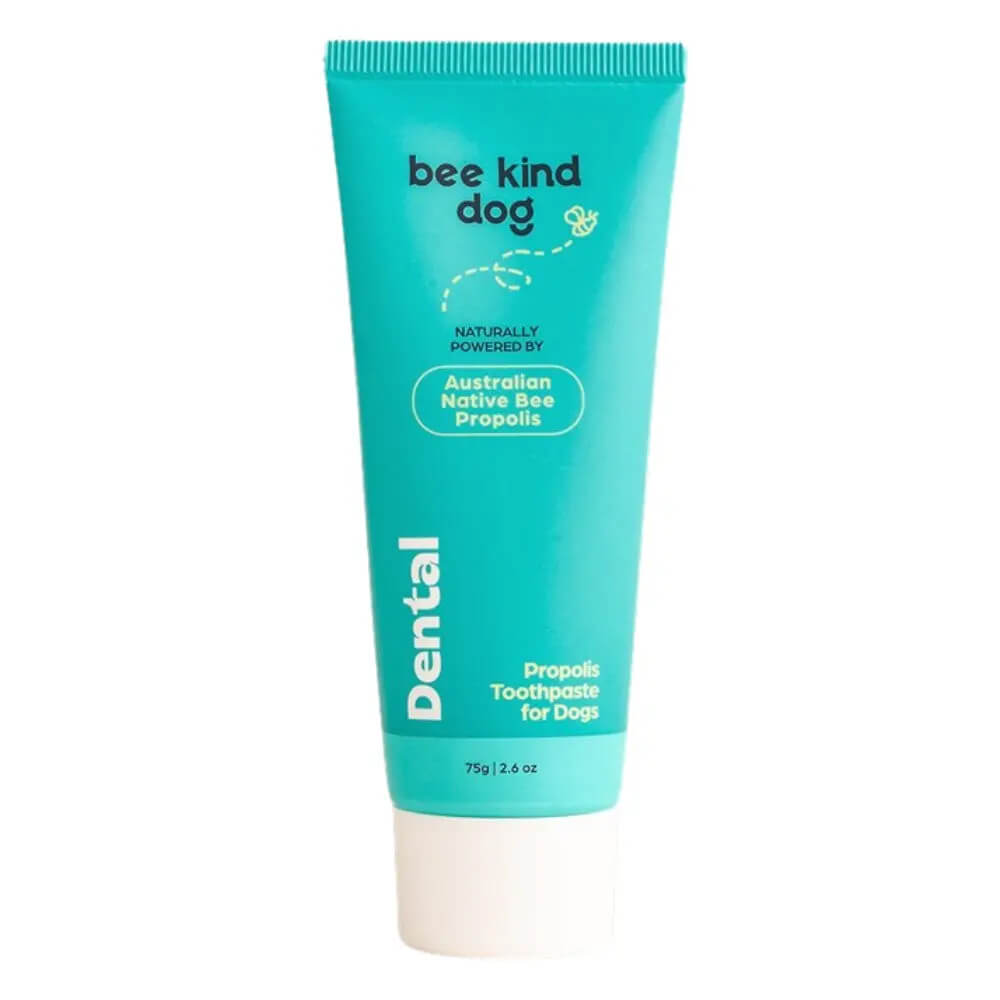
Dental Propolis Toothpaste
Overview
Bee Kind Dog Dental Propolis Toothpaste is a natural toothpaste for dogs formulated with Australian Native Bee Propolis and coconut oil. The propolis component is positioned for its antibacterial properties, intended to help inhibit plaque formation and reduce bacteria associated with bad breath. The toothpaste is described as palatable and free from synthetic chemicals or artificial flavours, and is applied via the brand's silicone finger toothbrush. No rinsing required; suitable for daily ongoing use.
Ingredients
Glycerin, Calcium Carbonate, Water, Flavour, Propolis, Mentha Piperita, Chamomile Extract, Stevia Rebaudiana Extract, Cellulose Gum, Bentonite, Propylene Glycol, Lactic Acid, Sodium Lactate.

Glycerol, 1,2,3-Propanetriol, E422, Propane-1,2,3-Triol
Glycerine is a colourless, odourless liquid derived from plant or animal fats. In pet food, it serves primarily as a humectant, helping to retain moisture and improve texture. Glycerine is not used in its natural, raw state but is refined and purified for food-grade applications to ensure safety and optimal absorption. It also aids in palatability and shelf-life extension.
Glycerine is included as a humectant to retain moisture and improve the texture of pet food products, helping to prevent them from drying out. It also acts as a mild sweetener to enhance palatability for pets.
Chalk, Limestone, E170, Marble Dust
Calcium carbonate is a naturally occurring mineral compound derived from sources such as limestone or marine shells. It is primarily included in pet food as a source of calcium, essential for healthy bones, teeth, and metabolic functions. Calcium carbonate is not used in its raw mineral state; instead, it is processed into a purified, food-grade compound to optimise safety and bioavailability for pets.
Calcium carbonate is included as a cost-effective mineral supplement to provide a bioavailable source of calcium, supporting bone health and proper nutritional balance. It also functions as a pH stabiliser, contributing to product consistency and shelf stability.
Aqua, Purified Water, Distilled Water, Deionised Water
Water is a vital ingredient sourced from natural origins and is essential for all living organisms. In pet food, water serves primarily to hydrate, aid in ingredient processing, and ensure proper texture and palatability. It is used in its natural, purified form, not chemically altered, to optimise moisture content and support the overall health and wellbeing of pets.
Water is included as a processing aid to facilitate mixing and extrusion during manufacturing. It also helps achieve the desired texture and moisture content in the final product.

Flavouring, Flavouring Substance, Flavouring Agent, Flavouring Preparation
Flavours are additives derived from various sources, including animal, plant, or synthetic origins, designed to enhance the palatability of pet food. Their primary purpose is to improve taste and encourage consistent consumption. Flavours are not used in their natural, raw state; instead, they are formulated as specific compounds or extracts to ensure safety, stability, and uniformity in pet food products.
Flavours are included to enhance palatability, encouraging pets to consume the product. They also allow manufacturers to maintain consistent taste profiles despite variations in raw ingredient quality.
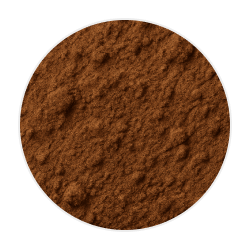
Bee Glue, Apis Mellifera Extract, Hive Resin, EINECS 232-556-7
Propolis is a resinous substance collected by bees from plant buds and used to seal and protect their hives. Sourced from plant origin, it is valued in pet nutrition for its natural antioxidant and antimicrobial properties, supporting immune health. In pet food, propolis is used in its natural form, ensuring the preservation of its bioactive compounds for optimal functional benefit.
Propolis is included as a label-friendly ingredient to appeal to health-conscious consumers, leveraging its association with natural immune support. Its addition may also serve a minor functional role as an antioxidant, contributing to product stability.
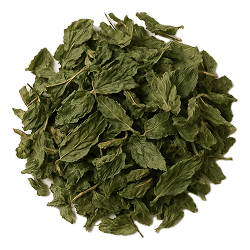
Mentha × Piperita, Mentha Piperita, Peppermint Oil, Mentha × Piperita Oil
Peppermint is a plant-derived herb from the Mentha genus, valued for its aromatic leaves. In pet food, peppermint is primarily included to support digestive health and freshen breath. It is used in its natural form, with dried or ground leaves incorporated directly into formulations. This natural inclusion ensures pets benefit from its essential oils and phytonutrients without synthetic additives.
Peppermint is included as a label-friendly ingredient to appeal to pet owners seeking natural or holistic components, and may also be intended to impart a fresh aroma to the product. Its functional impact on pets is minimal at typical inclusion rates.

Matricaria Recutita Extract, Matricaria Chamomilla Extract, German Chamomile Extract, Anthemis Nobilis Extract
Chamomile extract is a plant-derived ingredient sourced from the flowers of the chamomile plant (Matricaria chamomilla). It is primarily included in pet food for its calming properties and potential to support digestive health. Rather than using the whole flower, chamomile is utilised in extract form to concentrate its beneficial compounds, ensuring consistent efficacy and safety in pet nutrition formulations.
Chamomile extract is included as a label-friendly ingredient to appeal to consumers seeking natural or calming additives in pet food. Its presence supports marketing claims of promoting relaxation, though its functional impact on pets is minimal at typical inclusion rates.
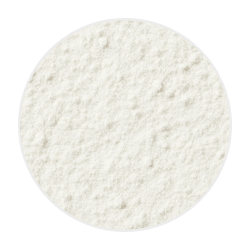
Stevia Extract, Stevia Leaf Extract, Stevia Rebaudiana, Stevia Spp. Extract
Stevia rebaudiana extract is a natural sweetener derived from the leaves of the Stevia rebaudiana plant, containing steviol glycosides such as stevioside and rebaudioside A. In dog food manufacturing, it is typically supplied as purified steviol glycosides rather than as raw leaf material. Stevia rebaudiana extract is used to provide sweetness without adding calories or affecting blood sugar levels. When included at appropriate levels, it is considered safe for dogs, with no known adverse effects reported in scientific literature.
Stevia rebaudiana extract is included in dog food formulations primarily as a non-caloric sweetener to improve palatability, allowing manufacturers to enhance taste without adding sugar or extra calories. Its use benefits both the manufacturer, by appealing to pet owners seeking low-calorie options, and the dog, by reducing unnecessary sugar intake.
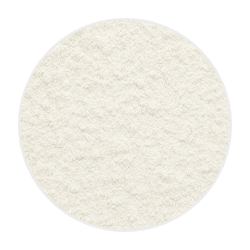
Carboxymethyl Cellulose, Sodium Carboxymethyl Cellulose, E466, CMC
Cellulose gum, also known as carboxymethyl cellulose, is a chemically modified derivative of cellulose used as a food additive. In dog food manufacturing, it is supplied in its processed form as sodium carboxymethyl cellulose. Cellulose gum functions primarily as a thickener, stabiliser, and emulsifier, helping to improve texture and consistency in wet and semi-moist dog foods. When used at appropriate levels, it is considered safe and has no known nutritional value or significant health risks for dogs.
Cellulose gum is included in dog food primarily as a thickener and stabiliser to improve texture and processing efficiency, offering little nutritional value to dogs but helping manufacturers maintain product consistency and shelf life.

Montmorillonite, E558, Fuller's Earth, Smectite Clay
Bentonite is a naturally occurring clay derived from volcanic ash, classified as a mineral ingredient. In pet food, its primary function is to act as a binder and anti-caking agent, helping to improve texture and maintain product stability. Bentonite is not used in its raw, unprocessed state; instead, it is refined and purified to ensure safety and efficacy in pet nutrition.
Bentonite is included as a functional ingredient to act as a binding and anti-caking agent, helping to maintain kibble shape and prevent clumping during storage. Its use can also improve processing efficiency and product stability.
1,2-Propanediol, Propane-1,2-Diol, E1520, Methyl Ethyl Glycol
Propylene glycol is a synthetic compound derived from petroleum sources. It is primarily used in pet food as a humectant, helping to retain moisture and improve texture. Propylene glycol is not used in its raw chemical form but is specifically processed for food-grade applications to ensure safety and efficacy. Its inclusion supports product freshness and palatability in select pet food formulations.
Propylene glycol is included as a humectant to retain moisture and prevent food from drying out, thereby extending shelf life and maintaining product texture. It also helps evenly distribute flavours, enhancing palatability for pets.
2-Hydroxypropanoic Acid, E270, DL-Lactic Acid, L(+)-Lactic Acid
Lactic acid is an organic compound of microbial origin, commonly produced through the fermentation of carbohydrates. It is primarily included in pet food as a preservative and acidifier, helping to inhibit the growth of harmful bacteria and maintain product freshness. Lactic acid is not used in its natural, raw state but is instead utilised in a purified, food-grade form to ensure safety and effective absorption.
Lactic acid is included as a preservative to inhibit microbial growth and extend the product’s shelf life. It may also be used to enhance palatability by providing a mildly tangy flavour that appeals to pets.
Sodium 2-Hydroxypropanoate, E325, Lactic Acid Sodium Salt, Natrium Lacticum
Sodium lactate is the sodium salt of lactic acid, produced by the neutralisation of lactic acid with sodium hydroxide or sodium carbonate. In dog food manufacturing, it is supplied as a purified, food-grade compound. Sodium lactate functions primarily as a humectant and preservative, helping to retain moisture and inhibit the growth of spoilage microorganisms. When used at appropriate levels, it is considered safe and can contribute to the stability and shelf life of dog food. Excessive intake may lead to electrolyte imbalances, so its inclusion is regulated to ensure safety.
Sodium lactate is included in dog food primarily as a preservative to extend shelf life and inhibit bacterial growth, offering processing and storage advantages for manufacturers rather than direct nutritional benefits for dogs.


PRODUCT TAGS
Most Tracked This Week












About the Brand




Comments
0 comments
Login to Join the Conversation 💬