







Soothe and Support Probiotic Supplement for Dogs

Overview
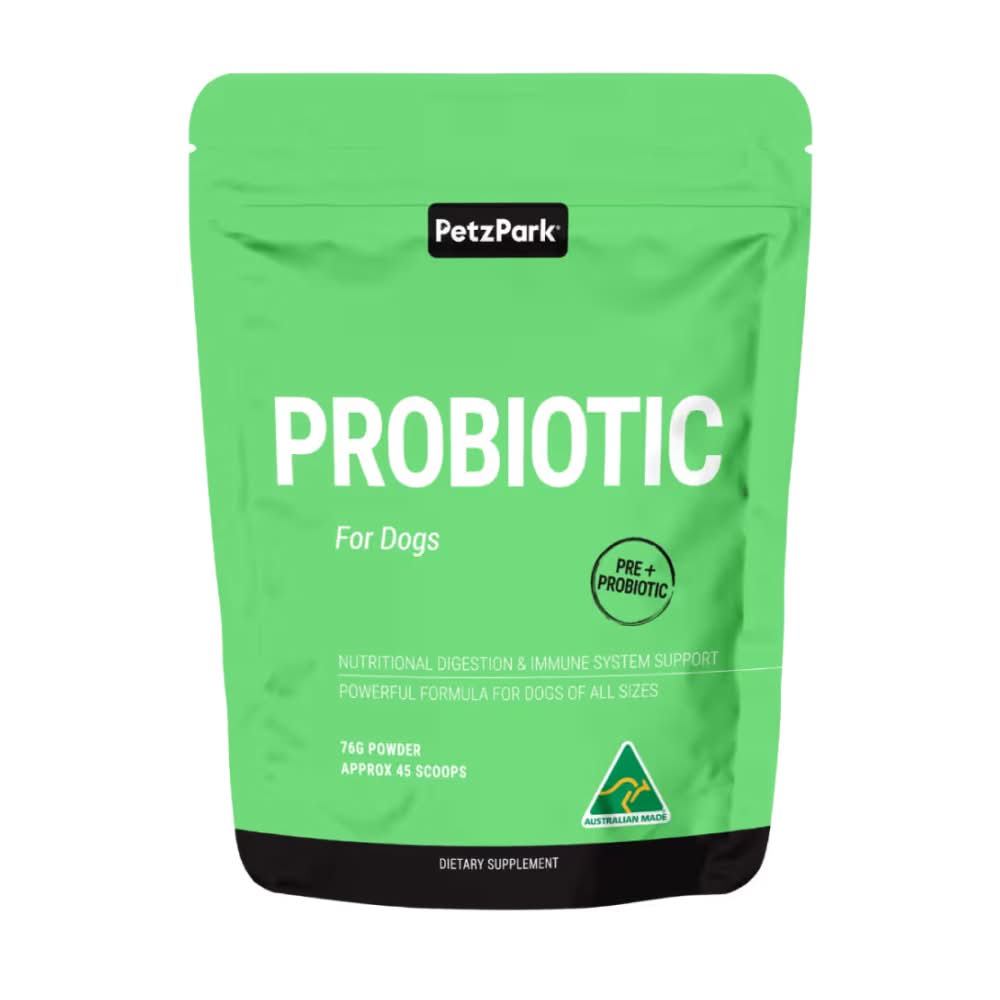
Big Dog's Soothe and Support Probiotic is a powdered supplement for dogs and cats, targeting digestive dysfunction and gut health during diet transitions. It builds on the standard Natural Probiotic formula with additional ingredients including chamomile, fennel, marshmallow root, slippery elm, bovine colostrum, and vitamin D3. Big Dog positions this as suited to dogs with leaky gut or ongoing digestive issues rather than everyday maintenance. Not recommended for pregnant or lactating pets.
Ingredients
Bacillus Subtilis, Enterococcus Faecium, Lactobacillus Acidophilus, Bifidobacterium Longum, Bifidobacterium Thermophilum, Saccharomyces Cerevisiae, Saccharomyces Boulardii, Alpha-Amylase, Protease, Cellulase, Lipase, Pectinase, Green Banana Powder, Red Marine Algae, Chlorella, Chamomile, Fennel, Marshmallow Root, Slippery Elm, Bovine Colostrum, Vitamin D3, Fulvic Acid.

Hay Bacillus, Grass Bacillus, Hay Bacillus ATCC 6051, Grass Bacillus ATCC 6051
Bacillus subtilis is a beneficial bacterium of microbial origin commonly included in pet foods as a probiotic. Its primary purpose is to support digestive health by promoting a balanced gut microbiome and enhancing nutrient absorption. Bacillus subtilis is not used in its wild, environmental form; instead, it is cultivated and processed under controlled conditions to ensure safety, stability, and efficacy in pet nutrition.
Bacillus subtilis is included as a probiotic to support digestive health and optimise gut flora balance in pets. Its addition can also serve as a marketing differentiator, appealing to consumers seeking functional and health-promoting ingredients.

E. Faecium, ATCC 19434, NCIMB 11181, DSM 20477
Enterococcus faecium is a beneficial probiotic bacterium of animal origin, commonly included in pet foods to support digestive health and maintain a balanced gut microbiome. Its primary function is to promote optimal intestinal function and enhance immune response. Enterococcus faecium is not used in its wild or environmental form; instead, it is carefully cultured and processed to ensure safety, stability, and efficacy in pet nutrition.
Enterococcus faecium is included as a probiotic to support digestive health and optimise gut flora balance in pets. Its presence also serves as a marketing point, appealing to consumers seeking functional ingredients for overall wellbeing.

L. Acidophilus, ATCC 4356, NCFM, DSM 20079
Lactobacillus acidophilus is a beneficial probiotic bacterium of microbial origin, commonly included in pet foods to support digestive health and maintain a balanced gut microbiome. Its primary function is to promote optimal digestion and enhance immune function. Rather than being used in its natural, live-culture state, it is typically added as a stabilised, dried culture to ensure viability and efficacy in pet food formulations.
Lactobacillus acidophilus is included as a probiotic to support digestive health and promote a balanced gut microbiome in pets. Its presence also serves as a marketing feature, appealing to consumers seeking functional and health-oriented pet food formulations.

B. Longum, ATCC 15707, DSM 20219, JCM 1217
Bifidobacterium longum is a beneficial probiotic bacterium of animal origin, commonly found in the gastrointestinal tract of mammals. Its primary purpose in pet food is to support digestive health and promote a balanced gut microbiome. Rather than being used in its natural, live state, Bifidobacterium longum is typically added as a stabilised, viable culture to ensure safety, efficacy, and shelf stability.
Bifidobacterium longum is included as a functional probiotic to support digestive health and optimise gut microbiota balance in pets. Its presence also serves as a marketing differentiator, appealing to consumers seeking advanced health benefits in pet food formulations.

B. Thermophilum, ATCC 25567, DSM 20210, JCM 1209
Bifidobacterium thermophilum is a beneficial probiotic bacterium of animal origin, commonly found in the gastrointestinal tract of mammals. Its primary purpose in pet food is to support digestive health and promote a balanced gut microbiome. This ingredient is not used in its wild, naturally occurring state but is cultivated and added in a controlled, stabilised form to ensure safety and efficacy.
Bifidobacterium thermophilum is included as a functional probiotic to support digestive health and optimise gut flora balance in pets. Its presence also allows manufacturers to market the product as promoting gastrointestinal wellbeing, appealing to health-conscious consumers.

Baker’s Yeast, Brewer’s Yeast, Nutritional Yeast, Yeast Extract
Saccharomyces cerevisiae is a species of yeast derived from a single-celled fungus, commonly sourced from fermentation processes. It is primarily included in pet food for its functional benefits, such as supporting digestive health and providing B vitamins. Saccharomyces cerevisiae is not used in its wild form; instead, it is cultivated and processed to ensure safety, consistency, and optimal nutrient availability.
Saccharomyces cerevisiae is included as a source of yeast to provide B vitamins and support digestive health, which can be marketed as a functional benefit to pet owners. It may also enhance palatability and act as a natural flavouring agent.

Lyo-Saccharomyces Boulardii, CNCM I-745, Hansen CBS 5926, Levure De Boulardii
Saccharomyces boulardii is a probiotic yeast derived from fruit sources, commonly used in pet nutrition for its beneficial effects on gut health. Its primary purpose is to support digestive balance and promote a healthy intestinal microbiome. Saccharomyces boulardii is not used in its wild or raw state; instead, it is cultivated and processed to ensure safety, stability, and optimal efficacy in pet food formulations.
Saccharomyces boulardii is included as a functional probiotic to support digestive health and maintain a balanced gut microbiome in pets. Its presence can also serve as a marketing differentiator, appealing to consumers seeking advanced gastrointestinal support for their animals.

1,4-α-D-Glucan Glucanohydrolase, EC 3.2.1.1, Alpha-Amylase, Bacillus Subtilis Amylase
Amylase is an enzyme of microbial or plant origin commonly included in pet food formulations. Its primary function is to aid in the breakdown of complex carbohydrates into simpler sugars, supporting optimal digestion and nutrient absorption. Amylase is not used in its natural raw form; instead, it is utilised as a purified enzyme preparation to ensure efficacy and safety in pet diets.
Amylase is included as an enzymatic additive to aid in the breakdown of starches during processing, optimising nutrient availability and digestibility in the final product. Its use can also improve processing efficiency and consistency in kibble texture.

Proteolytic Enzyme, Peptidase, Proteinase, EC 3.4
Protease is an enzyme derived from microbial, plant, or animal sources, commonly included in pet food formulations. Its primary function is to aid in the breakdown of proteins into smaller peptides and amino acids, supporting optimal digestion and nutrient absorption. Protease is not used in its natural raw form; instead, it is utilised as a purified enzyme preparation to ensure efficacy and safety in pet diets.
Protease is included to enhance the digestibility of protein sources by breaking them down into smaller peptides and amino acids, thereby optimising nutrient absorption. Its use can also improve processing efficiency and product consistency in pet food manufacturing.

Endo-1,4-β-Glucanase, EC 3.2.1.4, Cellulase Complex, Aspergillus Niger Cellulase
Cellulase is an enzyme derived from microbial sources, such as fungi or bacteria. Its primary function in pet food is to break down cellulose, a plant fibre, aiding in the digestion and absorption of nutrients from plant-based ingredients. Cellulase is not used in its natural microbial form; instead, it is purified and added as an active enzyme preparation to optimise digestive efficiency.
Cellulase is included to aid in the breakdown of plant fibres, potentially improving digestibility and nutrient absorption from plant-based ingredients. Its use may also support marketing claims related to digestive health or enhanced nutrient utilisation.

Triacylglycerol Acylhydrolase, EC 3.1.1.3, Glycerol Ester Hydrolase, Pancreatic Lipase
Lipase is an enzyme of animal or microbial origin that catalyses the breakdown of dietary fats into fatty acids and glycerol. Its primary purpose in pet food is to enhance fat digestion and nutrient absorption, supporting optimal energy utilisation. Lipase is not used in its natural, raw form; instead, it is incorporated as a purified enzyme preparation to ensure stability, safety, and efficacy in pet diets.
Lipase is included as a functional enzyme to aid in the breakdown of dietary fats, optimising nutrient absorption and digestive efficiency in pets. Its addition can also support product differentiation by appealing to consumers seeking advanced digestive support in pet food formulations.

Polygalacturonase, Pectolase, Pectic Enzyme, Aspergillus Niger Enzyme
Pectinase is an enzyme derived from microbial or plant sources, primarily used in pet food to break down pectin, a type of plant fibre, thereby aiding in improved digestibility and nutrient absorption. It is not used in its natural raw form but is instead utilised as a purified enzyme preparation to ensure efficacy and safety in the final product.
Pectinase is included to break down pectin in plant-based ingredients, improving digestibility and nutrient availability in the final product. Its use can also optimise processing efficiency by reducing viscosity during manufacturing.

Musa Spp. Powder, Dried Banana Powder, Banana Fruit Powder, Musa Fruit Powder
Banana powder is a plant-derived ingredient made from dehydrated and finely ground bananas. It is primarily included in pet food for its natural source of carbohydrates, dietary fibre, and essential micronutrients such as potassium and vitamin B6. Banana powder is used in its natural, whole-food form, providing a palatable and easily digestible energy source for pets.
Banana powder is included as a natural flavour enhancer and source of vitamins, minerals, and dietary fibre, supporting marketing claims of added nutritional value. It also serves as a label-friendly ingredient that appeals to health-conscious consumers.

Gigartina Spp., Rhodophyta, Red Seaweed, Irish Moss
Red Marine Algae is a type of seaweed derived from marine plant sources, commonly harvested from ocean environments. It is primarily included in pet food for its rich mineral content, particularly calcium, which supports bone health and metabolic functions. Red Marine Algae is used in its natural, dried form, ensuring the bioavailability of its nutrients while maintaining safety and digestibility for pets.
Red marine algae is included as a source of trace minerals and to support joint and dental health claims, providing a label-friendly, natural ingredient that appeals to health-conscious consumers. It may also function as a natural thickener or stabiliser in pet food formulations.

Chlorella Vulgaris, Chlorella Pyrenoidosa, Chlorella Spp., E140
Chlorella is a type of freshwater green algae of plant origin, valued for its rich nutrient profile, including protein, vitamins, and chlorophyll. It is primarily included in pet food for its antioxidant properties and to support immune health. Chlorella is used in its natural, whole-cell form, ensuring pets benefit from its complete nutritional spectrum as found in nature.
Chlorella is included as a nutrient-dense algae to enhance the micronutrient profile and provide a natural source of vitamins, minerals, and antioxidants. Its presence also serves a marketing function, appealing to consumers seeking superfood ingredients in pet food formulations.

Matricaria Recutita, German Chamomile, Matricaria Chamomilla, Anthemis Nobilis
Chamomile is a flowering plant from the Asteraceae family, traditionally used for its calming properties. In pet food, chamomile is included primarily for its potential to support digestive health and reduce stress. It is used in its natural, dried whole-flower form, ensuring pets benefit from its bioactive compounds without synthetic alteration or extraction.
Chamomile is included as a label-friendly ingredient to appeal to pet owners seeking natural or calming additives, enhancing the product’s marketability. Its functional contribution to the pet food itself is typically minimal.

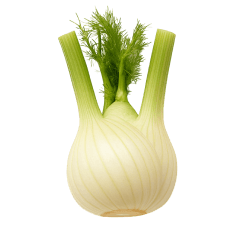
Foeniculum Vulgare, Sweet Fennel, Florence Fennel, Finocchio
Fennel is a plant-derived ingredient sourced from the seeds of the Foeniculum vulgare plant. It is primarily included in pet food for its natural digestive support and aromatic properties, which can help promote palatability. Fennel is used in its natural, whole seed form, ensuring pets benefit from its fibre, phytonutrients, and essential oils without synthetic alteration.
Fennel is included as a label-friendly ingredient to appeal to consumers seeking natural or holistic pet food options. It may also be used for its potential to enhance palatability and provide a mild aromatic flavour.

Althaea Officinalis, Althaea Root, Althea Root, White Mallow Root
Marshmallow root is a plant-derived ingredient sourced from the Althaea officinalis plant. It is primarily included in pet food for its soothing properties, supporting digestive health and aiding in the management of gastrointestinal irritation. Marshmallow root is used in its natural, dried form, ensuring pets benefit from its natural mucilage content, which helps to maintain gut comfort and overall wellbeing.
Marshmallow root is included as a label-friendly ingredient to appeal to consumers seeking natural or holistic additives. It may also be used for its potential functional properties as a source of dietary fibre or to support digestive health claims.

Ulmus Rubra, Red Elm, Indian Elm, Moose Elm
Slippery Elm is a plant-derived ingredient sourced from the inner bark of the Ulmus rubra tree. It is primarily included in pet food for its high mucilage content, which supports digestive health by soothing the gastrointestinal tract. Slippery Elm is used in its natural, powdered bark form, ensuring pets benefit from its gentle, functional properties without chemical alteration.
Slippery elm is included as a label-friendly ingredient to appeal to consumers seeking natural digestive aids, as it is associated with soothing gastrointestinal discomfort. Its presence can enhance product marketability without significantly impacting the nutritional profile of the pet food.

Cow Colostrum, Bovine Pre-Milk, Bos Taurus Colostrum, Bos Taurus Pre-Milk
Bovine colostrum is the nutrient-rich first milk produced by cows after giving birth. Sourced from animals, it is valued for its high concentrations of immunoglobulins, growth factors, and bioactive proteins, which support immune health and development in pets. Bovine colostrum is incorporated in its natural, whole-food form, ensuring optimal bioavailability and functional benefits for companion animals.
Bovine colostrum is included as a functional ingredient to support immune health and digestive function, leveraging its bioactive compounds. Its presence also serves as a premium, label-friendly addition that appeals to health-conscious consumers seeking advanced nutrition for their pets.

Cholecalciferol, Colecalciferol, Calciol, E671
Vitamin D3, also known as cholecalciferol, is a fat-soluble vitamin of animal origin commonly derived from lanolin or fish oil. It plays a crucial role in regulating calcium and phosphorus metabolism, supporting healthy bone development in pets. Vitamin D3 is not used in its natural form but is instead utilised as a stabilised compound to ensure safety, efficacy, and optimal absorption in pet food formulations.
Vitamin D3 is included to ensure the finished product meets established nutritional requirements for canine health, supporting bone development and calcium regulation. Its addition allows manufacturers to guarantee consistent vitamin content regardless of natural variation in raw materials.

Humic Acid Fraction, Fulvate, Fulvates, Humic Substances
Fulvic acid is an organic compound derived from the decomposition of plant material, categorised as a naturally occurring substance. It is primarily included in pet food for its potential to enhance nutrient absorption and support gut health. Fulvic acid is not used in its raw, unrefined state; instead, it is utilised as a purified extract to ensure safety and bioavailability in animal diets.
Fulvic acid is included as a functional additive to support nutrient absorption and gut health, aligning with consumer demand for holistic and wellness-focused pet foods. Its presence also serves as a marketing differentiator, appealing to pet owners seeking advanced or natural supplementation.
Score Card
Every product is assessed using the Dog Directory Integrity Framework, giving dog owners a clear and trustworthy way to compare products. This ensures each review reflects overall quality and formulation integrity, not just marketing claims.
- /40
- /30
- /15
- /10
- /5
- Overall ScoreScore Info
As a pet owner, you naturally want the best for your dog. From regular vet visits to nutritious meals, ensuring your furry friend is healthy and happy is always top of mind. But beyond food and exercise, supplements are becoming an increasingly popular way to support your dog’s overall well-being. In this comprehensive guide, we’ll dive into the world of dog supplements, explaining what they are, why they matter, and how to choose the right ones for your pup.
0/100

About


PRODUCT TAGS
About the Brand
Big Dog Pet Food
Feed your pet Big Dog's BARF raw diets—100% Australian-made with human-grade meat and no artificial additives.


Comments
0 comments
Login or Register to Join the Conversation