






Your Dog's World, Personalised
Save your favourite products and locations, track prices, and unlock exclusive discounts — all in one place
or
Error
Verify Your Email
We've emailed a sign-in code. Enter it below to continue.
Share
Thank you! Your submission has been received!
Oops! Something went wrong while submitting the form.
Back to ExploreBig Dog Pet Food
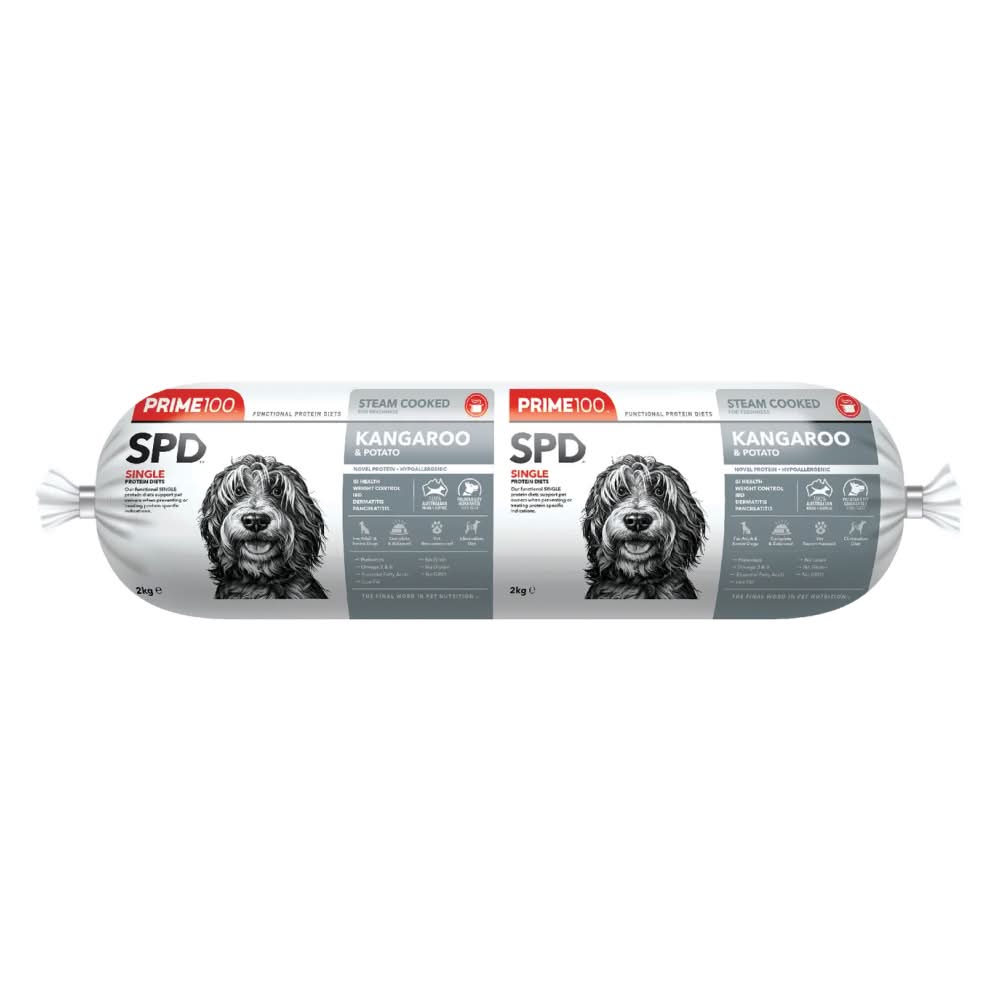
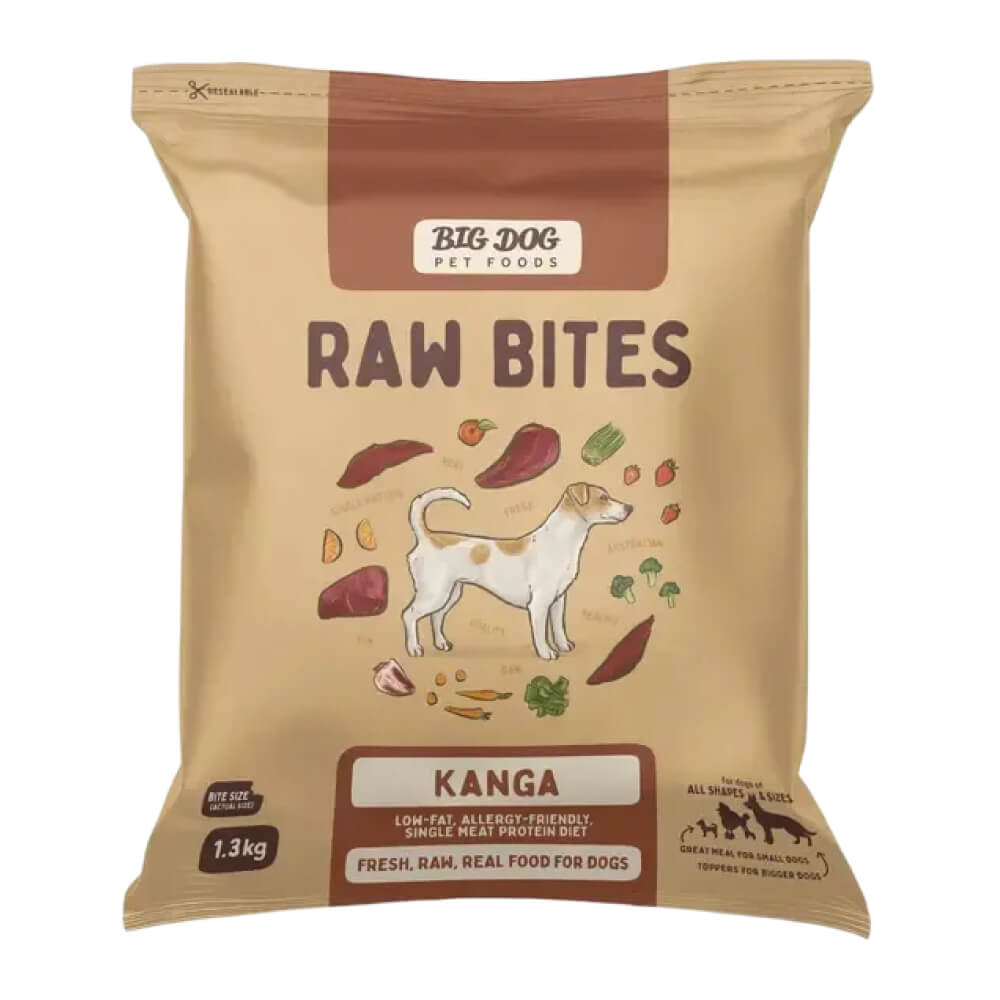
Kangaroo Low Allergy Raw Dog Food
3kg
Dog Directory saved you
16%
this week.
Imagine what you could save in a year...

Overview

Big Dog's Kangaroo Raw Dog Food is a single-protein, low allergy formula made exclusively with wild-game Australian kangaroo. It contains no poultry, dairy, or other animal proteins, making it suited to dogs with food sensitivities or allergies to more common proteins. Kangaroo is naturally lean, so this formula may also suit dogs requiring weight management. Big Dog notes it is not recommended for puppies without additional calorie supplementation.

Nutritional Analysis

Protein
15
%
0%
Fat
5
%
0%
Fibre
1
%
0%
Ash
5
%
0%
Carbohydrates
1
%
0%
Moisture
74
%
0%
Energy
98
0
 kcal/100g

Ingredients

Kangaroo (Meat, Crushed Bone & Cartilage, Heart, Liver, Lung, Trachea), Apple, Green Bananas, Carrots, Lettuce, Green Beans, Sprouted Wheatgrass, Orange, Strawberries, Blueberries, Psyllium, Kelp, Fulvic Acid.

Ingredient images are illustrative only and may not represent the exact source or form used by manufacturers.
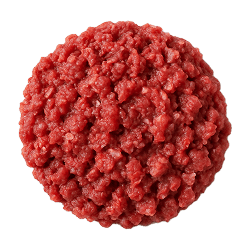
Freshly ground kangaroo meat with a rich red colour and moist, crumbly texture, ideal for healthy dog food diets
Kangaroo
Kangaroo
Macropus Spp., Kangaroo Meat, Kangaroo Muscle, Macropod Meat
Summary
Kangaroo is a novel animal protein sourced from wild Australian kangaroos. It is prized for its lean, highly digestible meat, offering a rich source of essential amino acids, iron, and B vitamins. Kangaroo is primarily included in pet food to support muscle maintenance and overall vitality. This ingredient is used in its natural, whole food form, ensuring optimal nutrient availability and palatability.
Why it's used?
Kangaroo is included as a novel, high-protein meat source that appeals to consumers seeking hypoallergenic or limited-ingredient diets for their pets. Its use also serves as a marketing differentiator, positioning the product as premium and suitable for pets with common protein sensitivities.
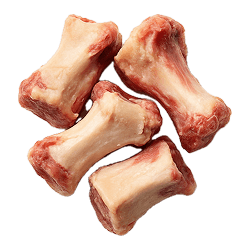
Four chunky raw kangaroo bone pieces with creamy white centres and red meat edges, fresh and ideal for dog treats
Kangaroo Bone
Kangaroo Bone
Macropus Spp. Bone, Macropod Bone, Macropus Bone, Australian Kangaroo Bone
Summary
Kangaroo bone is an animal-derived ingredient sourced from Australian kangaroos. It is primarily included in pet food for its role as a natural source of calcium and phosphorus, supporting healthy bones and teeth. Kangaroo bone is used in its natural form, typically ground or powdered, to optimise nutrient availability and ensure safe consumption for pets.
Why it's used?
Kangaroo bone is included as a natural source of calcium and phosphorus, supporting skeletal health in pets. Its use also appeals to consumers seeking novel or hypoallergenic protein sources, enhancing the product’s marketing position.
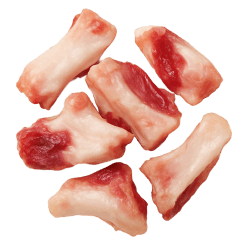
Raw kangaroo cartilage pieces with chunky white bone and red meat, natural texture, ideal for healthy dog treats
Kangaroo Cartilage
Kangaroo Cartilage
Macropus Cartilage, Macropus Spp. Cartilage, Kangaroo Chondral Tissue, Macropod Cartilage
Summary
Kangaroo cartilage is a natural animal-derived ingredient sourced from the connective tissue of kangaroos. It is primarily included in pet food for its natural supply of glucosamine and chondroitin, which support joint health and mobility. Kangaroo cartilage is used in its whole, natural form, providing a minimally processed source of functional nutrients for optimal pet wellbeing.
Why it's used?
Kangaroo cartilage is included as a novel protein and natural source of glucosamine and chondroitin, supporting joint health claims for marketing differentiation. Its use also appeals to consumers seeking hypoallergenic or single-protein diets for their pets.
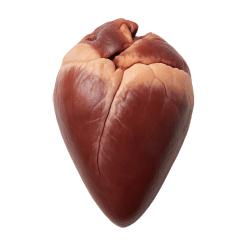
Fresh raw kangaroo heart with a glossy reddish-brown surface and firm texture, ideal for healthy dog nutrition
Kangaroo Heart
Kangaroo Heart
Macropus Spp. Heart, Kangaroo Cardiac Muscle, Macropod Heart, Macropod Cardiac Tissue
Summary
Kangaroo heart is an animal-derived ingredient sourced from Australian kangaroos. It is a nutrient-dense organ meat, rich in high-quality protein, essential amino acids, and vital micronutrients such as iron and B vitamins. Kangaroo heart is included in pet food primarily to support muscle development and overall vitality. This ingredient is used in its natural, whole food form to maximise nutritional benefits.
Why it's used?
Kangaroo heart is included as a novel, high-protein ingredient to appeal to consumers seeking alternative or hypoallergenic animal proteins for their pets. Its use also supports premium product positioning and can differentiate the product in the market.
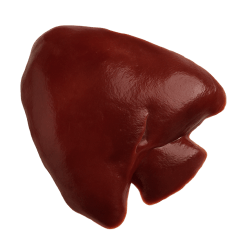
Fresh raw kangaroo liver with a rich reddish-brown colour and smooth, glossy texture, ideal for dog nutrition
Kangaroo Liver
Kangaroo Liver
Macropus Liver, Macropus Spp. Liver, Kangaroo Offal Liver, Marsupial Liver
Summary
Kangaroo liver is an animal-derived ingredient sourced from Australian kangaroos. It is highly valued for its rich content of protein, essential vitamins (notably vitamin A), and minerals such as iron and zinc, supporting overall health and vitality in pets. Kangaroo liver is incorporated in its natural, whole food form, ensuring optimal nutrient availability and palatability for companion animals.
Why it's used?
Kangaroo liver is included as a novel, high-protein ingredient to appeal to consumers seeking hypoallergenic or exotic protein sources for pets with dietary sensitivities. Its inclusion also serves as a marketing differentiator, enhancing product appeal through the use of a premium, label-friendly ingredient.
Raw kangaroo lung with deep red colour, smooth surface and natural texture, ideal as a healthy dog treat ingredient
Kangaroo Lung
Kangaroo Lung
Macropus Lung, Macropus Spp. Lung, Kangaroo Pulmonary Tissue, Macropus Pulmonary Tissue
Summary
Kangaroo lung is an animal-derived ingredient sourced from Australian kangaroos. It is included in pet food primarily as a novel protein source, offering essential amino acids to support muscle maintenance and overall health. Kangaroo lung is used in its natural, dehydrated form, ensuring pets receive the nutritional benefits of whole organ meat without synthetic additives or processing beyond drying.
Why it's used?
Kangaroo lung is included as a novel, high-protein ingredient that appeals to consumers seeking alternative or hypoallergenic protein sources for their pets. Its use also supports marketing efforts by highlighting an exotic, single-animal protein on the label.
Raw kangaroo trachea with a curved, tubular form and ridged pink surface, ideal as a natural dog treat
Kangaroo Trachea
Kangaroo Trachea
Macropus Spp. Trachea, Kangaroo Windpipe, Macropod Trachea, Macropod Windpipe
Summary
Kangaroo trachea is an animal-derived ingredient sourced from the windpipe of kangaroos. It is primarily included in pet food for its high protein content and natural source of glucosamine and chondroitin, which support joint health. Kangaroo trachea is used in its natural, whole form, providing both nutritional benefits and a natural chewing experience for pets.
Why it's used?
Kangaroo trachea is included as a novel protein source to appeal to consumers seeking hypoallergenic or exotic ingredients for their pets. It also serves as a natural chew, providing functional dental benefits and enhancing product differentiation in the market.
Red and yellow apple with smooth, shiny skin and a small stem, displayed whole on a plain background
Apple
Apple
Malus Domestica, Pyrus Malus, Malus Pumila, E Malus
Summary
Apple is a fruit derived from the Malus domestica tree, classified as a plant-based ingredient. It is primarily included in pet food for its dietary fibre, natural antioxidants, and vitamins, supporting digestive health and immune function. Apple is used in its natural, whole form, ensuring pets benefit from its inherent nutrients without synthetic alteration or processing into extracts or concentrates.
Why it's used?
Apple is included as a label-friendly ingredient to appeal to consumers seeking recognisable, natural components in pet food. It may also provide a modest source of fibre and natural sweetness to enhance palatability.
Ripe yellow banana with smooth skin and brown stem, curved and unpeeled on a plain background
Banana
Banana
Musa Spp., Musa Fruit, Musa Paradisiaca
Summary
Banana is a fruit derived from the Musa plant, classified as a plant-based ingredient. It is primarily included in pet food for its natural source of dietary fibre, vitamins, and minerals, supporting digestive health and overall wellbeing. In pet food formulations, banana is used in its natural form, ensuring pets benefit from its inherent nutrients and palatability.
Why it's used?
Banana is included as a natural source of carbohydrates, vitamins, and minerals, contributing to the nutritional profile of the product. It also serves as a label-friendly ingredient that appeals to health-conscious consumers seeking recognisable, whole-food components.
Fresh whole carrot with bright orange skin and smooth, firm texture standing upright on a plain background
Carrot
Carrot
Daucus Carota, Daucus Carota Root, Daucus Carota Sativa, Wild Carrot
Summary
Carrot is a root vegetable of plant origin, widely recognised for its vibrant orange colour and natural sweetness. In pet food, carrot is included in its natural, whole form to provide dietary fibre, beta-carotene (a precursor to vitamin A), and antioxidants. Its primary benefit is supporting digestive health and immune function, while also contributing to overall palatability and nutritional diversity.
Why it's used?
Carrot is included as a label-friendly ingredient to appeal to consumers seeking recognisable, natural components and to enhance the product’s perceived nutritional value. It may also provide a modest source of fibre and vitamins, supporting marketing claims of added health benefits.
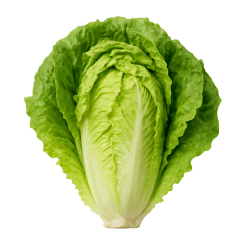
Fresh green lettuce with crisp, layered leaves and a firm stem, perfect for healthy dog-friendly salads and snacks
Lettuce
Lettuce
Lactuca Sativa, Garden Lettuce, Head Lettuce, Cos Lettuce
Summary
Lettuce is a leafy green vegetable of plant origin, commonly included in pet foods for its fibre content and low-calorie profile. It primarily supports digestive health and hydration due to its high water content. In pet food formulations, lettuce is used in its natural, whole form, providing a source of vitamins and minerals while contributing to overall dietary variety.
Why it's used?
Lettuce is included as a label-friendly ingredient to appeal to consumers seeking recognisable vegetables in pet food formulations. It provides minimal nutritional value to dogs but can serve as a low-cost bulk-adding agent.
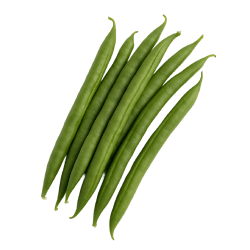
Fresh green beans with smooth, vibrant green skin and crisp texture arranged on a plain, light background
Green Beans
Green Beans
Phaseolus Vulgaris, String Beans, Snap Beans, Haricot Vert
Summary
Green beans are the immature pods of the common bean plant (Phaseolus vulgaris), originating from a plant source. They are included in pet food primarily for their dietary fibre content, which supports digestive health, and as a source of vitamins and minerals. Green beans are used in their natural, whole form, providing a minimally processed, nutrient-rich ingredient for balanced pet nutrition.
Why it's used?
Green beans are included as a label-friendly vegetable ingredient to appeal to pet owners seeking recognisable, whole-food components. They also provide a cost-effective source of fibre and bulk, supporting digestive health and satiety in pet food formulations.
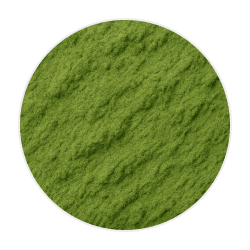
Fine green wheatgrass powder with a soft, textured surface, commonly used as a healthy dog supplement
Wheatgrass
Wheatgrass
Triticum Aestivum, Wheat Grass Juice, Young Wheat Plant, Green Wheat Shoots
Summary
Wheatgrass is the young, green shoots of the common wheat plant (Triticum aestivum), classified as a plant-based ingredient. It is primarily included in pet food for its rich supply of vitamins, minerals, and antioxidants, supporting overall health and immune function. Wheatgrass is used in its natural form, typically dried and powdered, to optimise nutrient retention and digestibility for pets.
Why it's used?
Wheatgrass is included as a label-friendly ingredient to appeal to health-conscious consumers, enhancing the perceived nutritional value of the product. It may also provide trace vitamins and antioxidants, though its functional impact on pet nutrition is minimal at typical inclusion rates.
Whole orange with bright orange skin, dimpled texture and green stem, fresh and ripe, ideal for dog health benefits
Orange
Orange
Citrus Sinensis, Sweet Orange, Navel Orange, Valencia Orange
Summary
Orange is a citrus fruit of plant origin, valued for its rich vitamin C content and natural antioxidants. In pet food, orange is primarily included to support immune health and provide dietary fibre. This ingredient is used in its natural form, typically as dried or powdered orange, ensuring pets benefit from its nutrients and bioactive compounds without synthetic alteration.
Why it's used?
Orange is included as a natural source of vitamins, particularly vitamin C, and antioxidants, which can be highlighted for marketing purposes to appeal to health-conscious consumers. It may also contribute to palatability and provide a label-friendly ingredient that enhances the perceived nutritional value of the product.
Fresh strawberry with bright red skin, yellow seeds and green leafy top, showing juicy, vibrant texture
Strawberry
Strawberry
Fragaria × Ananassa, Garden Strawberry, Fragaria Ananassa, Fragaria Spp.
Summary
Strawberry is a plant-derived fruit known for its vibrant red colour and natural sweetness. In pet food, strawberry is primarily included as a source of dietary fibre, antioxidants, and vitamin C, supporting immune health and overall wellbeing. Strawberry is used in its natural, whole form, ensuring pets benefit from its full nutritional profile without synthetic alteration.
Why it's used?
Strawberry is included as a label-friendly ingredient to appeal to consumers seeking natural and recognisable components in pet food. It may also provide a minor source of antioxidants and vitamins, supporting marketing claims of added nutritional benefits.
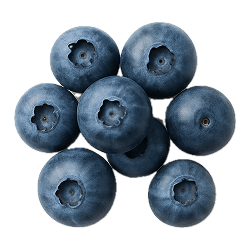
Fresh blueberries with smooth, deep blue skin and a light frosted coating, clustered together on a white background
Blueberry
Blueberry
Vaccinium Corymbosum, Vaccinium Angustifolium, Bilberry, E163
Summary
Blueberry is a small, nutrient-rich fruit of plant origin, commonly sourced from the Vaccinium genus. It is included in pet food primarily for its antioxidant properties, supporting immune health and cellular protection. Blueberry is used in its natural, whole form, ensuring pets benefit from its full spectrum of vitamins, fibre, and phytonutrients as found in fresh fruit.
Why it's used?
Blueberry is included as a label-friendly ingredient to appeal to health-conscious consumers, leveraging its reputation as a source of antioxidants. Its presence supports marketing claims of added nutritional benefits, though it is typically used in small quantities with minimal impact on the overall nutritional profile for pets.
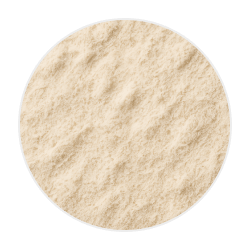
Fine, pale beige psyllium husk powder with a soft, slightly textured surface, used for dog digestive health
Psyllium Husk
Psyllium Husk
Ispaghula Husk, Plantago Ovata Husk, Blond Psyllium, Plantago Ovata
Summary
Psyllium husk is a plant-derived ingredient sourced from the outer coating of Plantago ovata seeds. It is primarily included in pet food as a soluble fibre to support digestive health and promote regular bowel movements. Psyllium husk is used in its natural form, allowing pets to benefit from its gentle bulking and water-absorbing properties, which help optimise gastrointestinal function.
Why it's used?
Psyllium husk is included as a functional fibre source to support digestive health and promote regular bowel movements in pets. It also serves as a cost-effective bulking agent to optimise stool quality and product texture.
Fine green-brown kelp powder with a soft, grainy texture, commonly used as a natural dog supplement
Kelp
Kelp
Laminaria Spp., Macrocystis Pyrifera, Ascophyllum Nodosum, Brown Seaweed
Summary
Kelp is a type of large, edible seaweed sourced from marine environments and classified as a plant-based ingredient. It is primarily included in pet food for its rich supply of natural iodine, which supports healthy thyroid function. Kelp is used in its dried, ground natural form, allowing pets to benefit from its trace minerals, vitamins, and antioxidants in a bioavailable manner.
Why it's used?
Kelp is included as a label-friendly ingredient to appeal to health-conscious consumers and enhance product marketing, as it is associated with natural sources of vitamins and minerals. It may also serve as a trace mineral supplement to support nutritional completeness in pet food formulations.
Dark brown fulvic acid powder with a fine, textured surface and subtle ridges in a circular close-up view
Fulvic Acid
Fulvic Acid
Humic Acid Fraction, Fulvate, Fulvates, Humic Substances
Summary
Fulvic acid is an organic compound derived from the decomposition of plant material, categorised as a naturally occurring substance. It is primarily included in pet food for its potential to enhance nutrient absorption and support gut health. Fulvic acid is not used in its raw, unrefined state; instead, it is utilised as a purified extract to ensure safety and bioavailability in animal diets.
Why it's used?
Fulvic acid is included as a functional additive to support nutrient absorption and gut health, aligning with consumer demand for holistic and wellness-focused pet foods. Its presence also serves as a marketing differentiator, appealing to pet owners seeking advanced or natural supplementation.

About


Manufactured
Australia
Type
Frozen Raw
Life Stage
Adult, Senior
Breed Size
All Breeds
Feeding Type
Complete Meal
Processing Level
Low

PRODUCT TAGS


Single Protein
Novel Protein
Poultry Free
Dairy Free
Soy Free
Grain Free
Gluten Free

Oops! Something went wrong...PLEASE TRY AGAIN

Most Tracked This Week


Comments

0 comments

Login to Join the Conversation 💬

Be the first to leave a comment.
Loading
Anonymous User
This is the actual comment. It's can be long or short. And must contain only text information.
(Edited)
Your comment will appear once approved by a moderator.
4 years ago
0
0
Reply
Anonymous User
This is the actual comment. It's can be long or short. And must contain only text information.
(Edited)
Your comment will appear once approved by a moderator.
2 years ago
0
0
Thank you! Your submission has been received!
Oops! Something went wrong while submitting the form.