







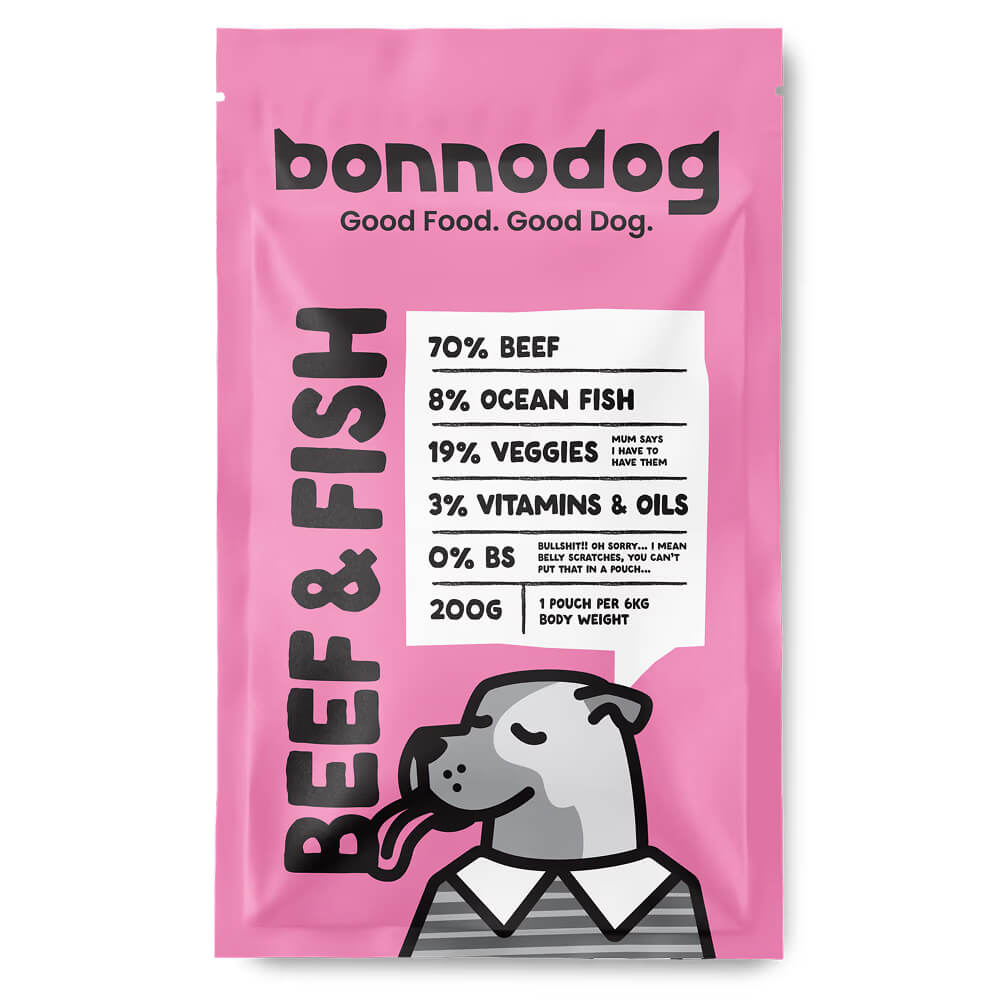
Gently Cooked Frozen Beef and Fish Dog Food
Overview
BonnoDog's Beef recipe is a gently cooked frozen dog food made with 70% beef meat and 8% ocean fish including salmon, alongside vegetables such as carrots, sweet potato, broccoli, pumpkin, and spinach. The gentle cooking process is designed to retain nutrients and flavour while being easier to digest than raw alternatives.
BonnoDog states the recipe uses 98% Australian ingredients and is cooked in NSW. Formulated by vets and pet nutritionists to meet PFIAA standards, it is suitable for all life stages including dogs with sensitive digestion.
Nutritional Analysis
A nutritional analysis shows how a dog food is made up of its main nutrients, such as protein, fat, fibre and other components. This helps you understand where the food’s nutrition and energy come from, and how the formula is balanced.
Ingredients
Beef Meat 70%, Vegetables (Carrots, Sweet Potato, Broccoli, Cauliflower, Pumpkin, Peas, Spinach), Ocean Fish (incl. Salmon) 8%, Vitamins & Minerals, Flaxseed Oil, Seaweed, Psyllium Husk, Algae Oil.

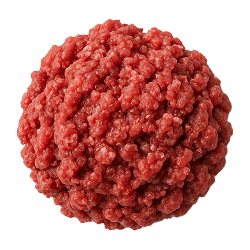
Beef Meat
Beef Meat
Bovine Meat, Bos Taurus Meat, Cattle Meat, Bovine Muscle Tissue
Origin
Role
Functional Benefits
Summary
Beef meat is a high-quality animal-derived ingredient sourced from cattle. It serves as a rich source of protein, essential amino acids, vitamins, and minerals, supporting muscle development and overall health in pets. In pet food, beef meat is used in its natural form, providing both palatability and nutritional value while contributing to a balanced and complete diet.
Manufacturer Benefits
Beef meat is included as a primary animal protein source to meet nutritional requirements and enhance palatability for dogs. Its presence also serves as a marketing advantage, appealing to consumers seeking recognisable, high-quality ingredients.

Carrot
Carrot
Daucus Carota, Daucus Carota Root, Daucus Carota Sativa, Wild Carrot
Origin
Role
Functional Benefits
Summary
Carrot is a root vegetable of plant origin, widely recognised for its vibrant orange colour and natural sweetness. In pet food, carrot is included in its natural, whole form to provide dietary fibre, beta-carotene (a precursor to vitamin A), and antioxidants. Its primary benefit is supporting digestive health and immune function, while also contributing to overall palatability and nutritional diversity.
Manufacturer Benefits
Carrot is included as a label-friendly ingredient to appeal to consumers seeking recognisable, natural components and to enhance the product’s perceived nutritional value. It may also provide a modest source of fibre and vitamins, supporting marketing claims of added health benefits.

Sweet Potato
Sweet Potato
Ipomoea Batatas, Kumara, Batata, Camote
Origin
Role
Functional Benefits
Summary
Sweet potato is a root vegetable of plant origin, valued for its rich content of complex carbohydrates, dietary fibre, and essential micronutrients such as vitamin A. In pet food, sweet potato serves primarily as a digestible energy source and supports digestive health. It is incorporated in its natural, whole form, ensuring optimal nutrient retention and palatability for companion animals.
Manufacturer Benefits
Sweet potato is included as a cost-effective, highly digestible carbohydrate source that provides energy and dietary fibre. It also serves as a label-friendly ingredient appealing to consumers seeking natural, whole-food components in pet food.

Broccoli
Broccoli
Brassica Oleracea Italica, Calabrese, Sprouting Broccoli, EATME Broccoli
Origin
Role
Functional Benefits
Summary
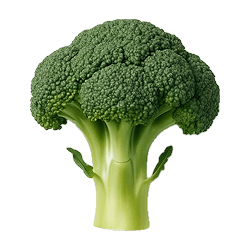
Broccoli is a nutrient-rich vegetable derived from the plant species Brassica oleracea. As a plant-based ingredient, it is included in pet food primarily for its dietary fibre, vitamins, and antioxidant content, supporting digestive health and immune function. Broccoli is used in its natural form, ensuring pets benefit from its whole-food nutritional profile without synthetic alteration.
Manufacturer Benefits
Broccoli is included as a label-friendly ingredient to appeal to health-conscious consumers and enhance the perceived nutritional value of the product. It may also contribute small amounts of fibre, vitamins, and antioxidants, supporting marketing claims of added health benefits.

Cauliflower
Cauliflower
Brassica Oleracea, Brassica Oleracea Var. Botrytis, Eru, Flowering Cabbage
Origin
Role
Functional Benefits
Summary
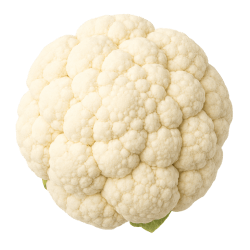
Cauliflower is a cruciferous vegetable of plant origin, commonly included in pet food for its rich content of dietary fibre, vitamins, and antioxidants. Its primary benefit is to support digestive health and provide essential micronutrients. In pet food formulations, cauliflower is used in its natural, whole form, ensuring pets receive its full nutritional profile without synthetic alteration.
Manufacturer Benefits
Cauliflower is included as a label-friendly vegetable to appeal to health-conscious consumers and enhance product marketing. It may also serve as a source of dietary fibre and micronutrients, contributing to the perceived nutritional value of the pet food.

Pumpkin
Pumpkin
Cucurbita Pepo, Cucurbita Maxima, Cucurbita Moschata, Pepo
Origin
Role
Functional Benefits
Summary
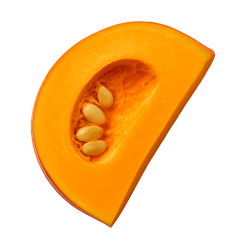
Pumpkin is a plant-derived ingredient sourced from the fruit of the Cucurbita pepo species. It is primarily included in pet food for its dietary fibre content, which supports digestive health and regularity. Pumpkin is used in its natural form, either as fresh, cooked, or dehydrated flesh, providing a source of vitamins, minerals, and antioxidants beneficial to overall wellbeing.
Manufacturer Benefits
Pumpkin is included as a label-friendly ingredient that appeals to consumers seeking natural and recognisable components, while also serving as a cost-effective source of fibre and moisture to support digestive health and product texture. Its inclusion can enhance marketing appeal without significantly increasing formulation costs.

Peas
Peas
Pisum Sativum, Garden Pea, Green Pea, Field Pea
Origin
Role
Functional Benefits
Summary
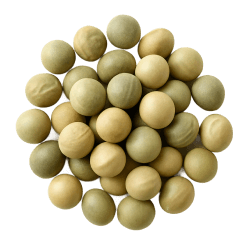
Peas are a plant-derived ingredient sourced from the seeds of the Pisum sativum plant. They are primarily included in pet food for their high protein content, dietary fibre, and essential micronutrients, supporting digestive health and energy. Peas are used in their natural, whole form, ensuring the retention of their nutritional value and functional benefits within the finished product.
Manufacturer Benefits
Peas are included as a cost-effective source of protein, fibre, and carbohydrates, helping to optimise nutritional content while supporting product texture. They also serve as a label-friendly ingredient that appeals to consumers seeking grain-free or plant-based options.

Spinach
Spinach
Spinacia Oleracea, English Spinach, Common Spinach, Garden Spinach
Origin
Role
Functional Benefits
Summary
Spinach is a leafy green vegetable of plant origin, valued for its rich content of vitamins, minerals, and antioxidants. In pet food, spinach primarily provides dietary fibre, iron, and phytonutrients that support overall health and immune function. Spinach is included in its natural form, ensuring pets benefit from its full nutritional profile without synthetic alteration or processing into extracts.
Manufacturer Benefits
Spinach is included as a label-friendly ingredient to appeal to health-conscious consumers and enhance the perceived nutritional value of the product. It may also provide a modest source of vitamins and minerals, supporting marketing claims of added health benefits.

Ocean Fish
Ocean Fish
Mixed Marine Fish, Marine Fish Blend, Fish Spp., Marine Fish Spp.
Origin
Role
Functional Benefits
Summary
Ocean fish refers to a variety of fish species sourced from marine environments. As an animal-derived ingredient, it is primarily included in pet food for its high-quality protein and essential omega-3 fatty acids, supporting muscle maintenance and skin and coat health. Ocean fish is used in its natural, whole form, ensuring pets receive the full nutritional benefits of the original source.
Manufacturer Benefits
Ocean fish is included as a protein source to provide essential amino acids and omega-3 fatty acids, supporting nutritional balance and marketing appeal. Its presence can also enhance palatability, making the product more attractive to pets.

Vitamins
Vitamins
Micronutrients, Essential Micronutrients, Vital Nutrients, Accessory Food Factors
Origin
Role
Functional Benefits
Summary
Vitamins are organic compounds derived from both plant and animal sources, essential for numerous metabolic and physiological functions in pets. Their primary purpose is to support immune health, vision, bone development, and cellular processes. In pet food, vitamins are not used in their natural, raw forms but are instead incorporated as stabilised compounds or premixes to ensure safety, stability, and optimal bioavailability.
Manufacturer Benefits
Vitamins are included to ensure nutritional adequacy and meet regulatory requirements for complete and balanced pet food. They may also be added to compensate for nutrient losses during processing and storage.

Minerals
Minerals
Dietary Minerals, Inorganic Nutrients, Essential Minerals, Bulk Elements
Origin
Role
Functional Benefits
Summary
Minerals are essential inorganic nutrients derived from the earth, not produced by animals or plants. They play a critical role in supporting various physiological functions, such as bone development, nerve transmission, and enzyme activity. In pet food, minerals are not used in their natural raw or metallic state; instead, they are incorporated as specific compounds (such as sulphates or chelates) to optimise safety and bioavailability.
Manufacturer Benefits
Minerals are included to meet essential nutritional requirements for pets, supporting overall health and proper bodily functions. They are often added in precise amounts to ensure the product complies with regulatory standards and nutrient profiles.

Linseed Oil
Linseed Oil
Flaxseed Oil, Oleum Lini, E401, Linum Usitatissimum Oil
Origin
Role
Functional Benefits
Summary
Linseed oil, derived from the seeds of the flax plant (Linum usitatissimum), is a plant-based ingredient valued for its high content of omega-3 fatty acids, particularly alpha-linolenic acid (ALA), which supports skin and coat health in pets. In pet food, linseed oil is utilised in its natural, cold-pressed form to optimise nutrient retention and bioavailability.
Manufacturer Benefits
Linseed oil is included as a source of omega-3 fatty acids to support skin and coat health, providing a plant-based alternative to fish oils. Its presence also allows manufacturers to market the product as containing beneficial oils for overall wellbeing.

Seaweed
Seaweed
Marine Algae, Macroalgae, Sea Vegetables, Algae Spp.
Origin
Role
Functional Benefits
Summary
Seaweed is a marine plant ingredient sourced from various species of edible algae. It is primarily included in pet food for its rich content of natural vitamins, minerals, and dietary fibre, supporting overall health and digestive function. Seaweed is used in its natural, dried form, ensuring pets benefit from its bioavailable nutrients without the need for synthetic processing or chemical alteration.
Manufacturer Benefits
Seaweed is included as a natural source of vitamins, minerals, and trace elements, supporting marketing claims of nutritional enhancement. It also serves as a label-friendly ingredient that appeals to health-conscious consumers seeking natural additives.

Psyllium Husk
Psyllium Husk
Ispaghula Husk, Plantago Ovata Husk, Blond Psyllium, Plantago Ovata
Origin
Role
Functional Benefits
Summary
Psyllium husk is a plant-derived ingredient sourced from the outer coating of Plantago ovata seeds. It is primarily included in pet food as a soluble fibre to support digestive health and promote regular bowel movements. Psyllium husk is used in its natural form, allowing pets to benefit from its gentle bulking and water-absorbing properties, which help optimise gastrointestinal function.
Manufacturer Benefits
Psyllium husk is included as a functional fibre source to support digestive health and promote regular bowel movements in pets. It also serves as a cost-effective bulking agent to optimise stool quality and product texture.

Algae Oil
Algae Oil
Algal Oil, Microalgae Oil, Schizochytrium Spp. Oil, Crypthecodinium Cohnii Oil
Origin
Role
Functional Benefits
Summary
Algae oil is a plant-derived oil extracted from various species of microalgae. It serves as a rich source of omega-3 fatty acids, particularly DHA, which supports cognitive and visual development in pets. Algae oil is utilised in its refined form, not as whole algae, to ensure purity, safety, and optimal absorption of its beneficial nutrients in pet food formulations.
Manufacturer Benefits
Algae oil is included as a sustainable and label-friendly source of omega-3 fatty acids, providing a plant-based alternative to fish oil. Its use allows manufacturers to appeal to environmentally conscious consumers while supporting the nutritional profile of the product.
Ingredients Splitting
Score Card
Every product is assessed using the Dog Directory Integrity Framework, giving dog owners a clear and trustworthy way to compare products. This ensures each review reflects overall quality and formulation integrity, not just marketing claims.
- /40
- /30
- /15
- /10
- /5
- Overall ScoreScore Info
As a pet owner, you naturally want the best for your dog. From regular vet visits to nutritious meals, ensuring your furry friend is healthy and happy is always top of mind. But beyond food and exercise, supplements are becoming an increasingly popular way to support your dog’s overall well-being. In this comprehensive guide, we’ll dive into the world of dog supplements, explaining what they are, why they matter, and how to choose the right ones for your pup.
0/100

/100
ABOUT
Brand
Parent Company

Manufactured
Policy Coverage
Category
Life Stage
Breed Size
Feeding Type
Processing Level
PRODUCT TAGS
Frequently Asked Questions
What Are Dog Supplements?
Dog supplements are products specifically formulated to complement your pet’s diet. They provide essential vitamins, minerals, and other nutrients that may be missing from their food or needed in greater amounts due to specific health concerns. While most commercial dog foods are designed to be nutritionally complete, supplements can address particular health issues, support aging joints, boost immunity, and much more.
Supplements for dogs come in various forms, including pills, powders, chewables, and liquids, making it easier to incorporate them into your dog’s daily routine.
Why Do Dogs Need Supplements?
Dog supplements are products specifically formulated to complement your pet’s diet. They provide essential vitamins, minerals, and other nutrients that may be missing from their food or needed in greater amounts due to specific health concerns. While most commercial dog foods are designed to be nutritionally complete, supplements can address particular health issues, support aging joints, boost immunity, and much more.
Supplements for dogs come in various forms, including pills, powders, chewables, and liquids, making it easier to incorporate them into your dog’s daily routine.
Price Comparision
About the Brand
Bonnodog
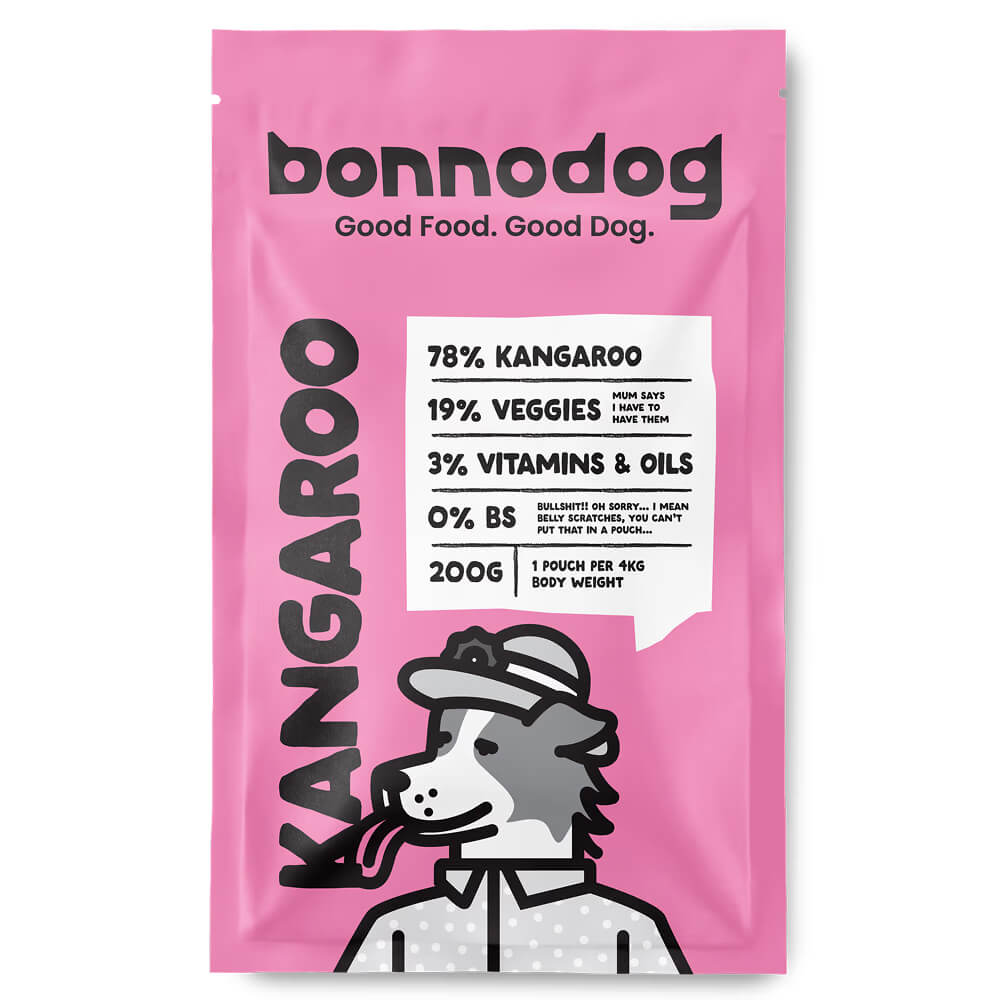
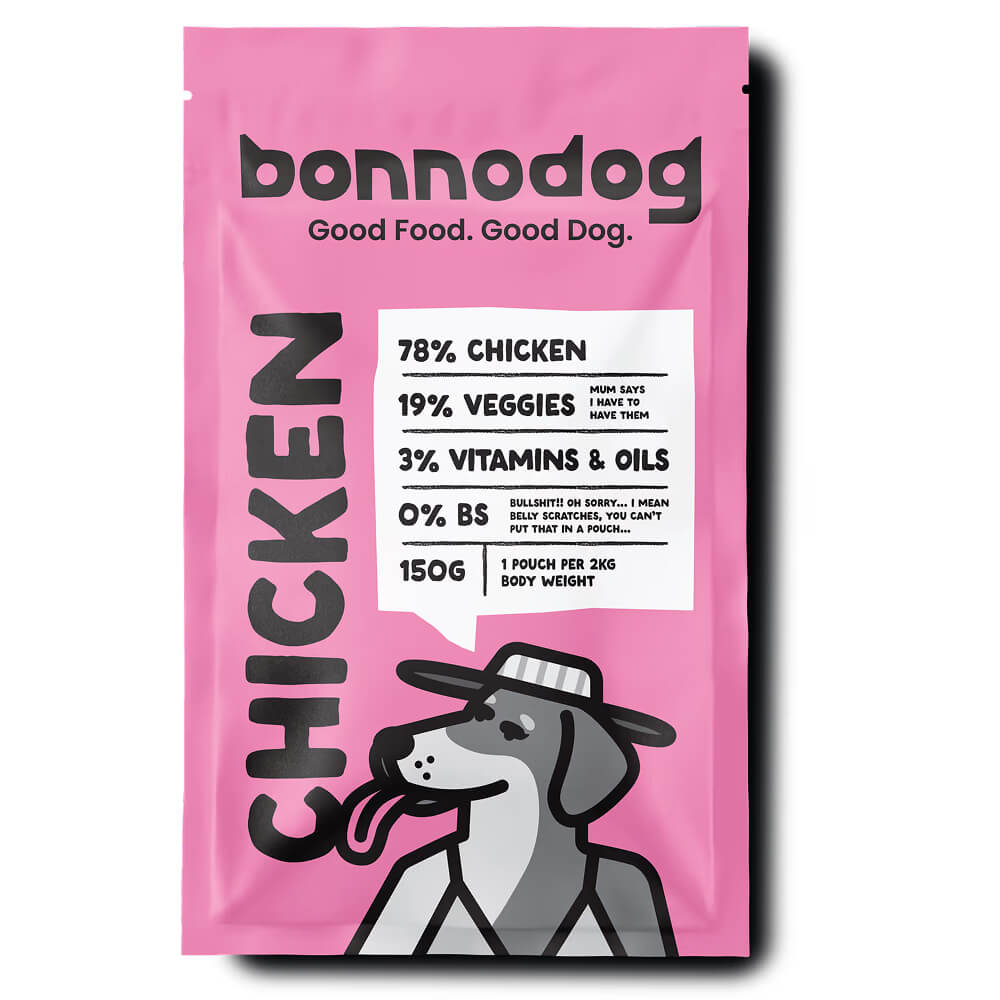
Bonnodog brings real, gently cooked fresh food to your dog's bowl — made in NSW with 98% Australian ingredients, including 100% Aussie meats and vegetables you can actually see.
Explore their range of vet-formulated frozen meals across chicken, beef and kangaroo recipes, designed for all life stages and backed by a clean-bowl guarantee.
.png)


Comments
0 comments
Login or Register to Join the Conversation