




.png)


Yoghurt Training Treats
Overview
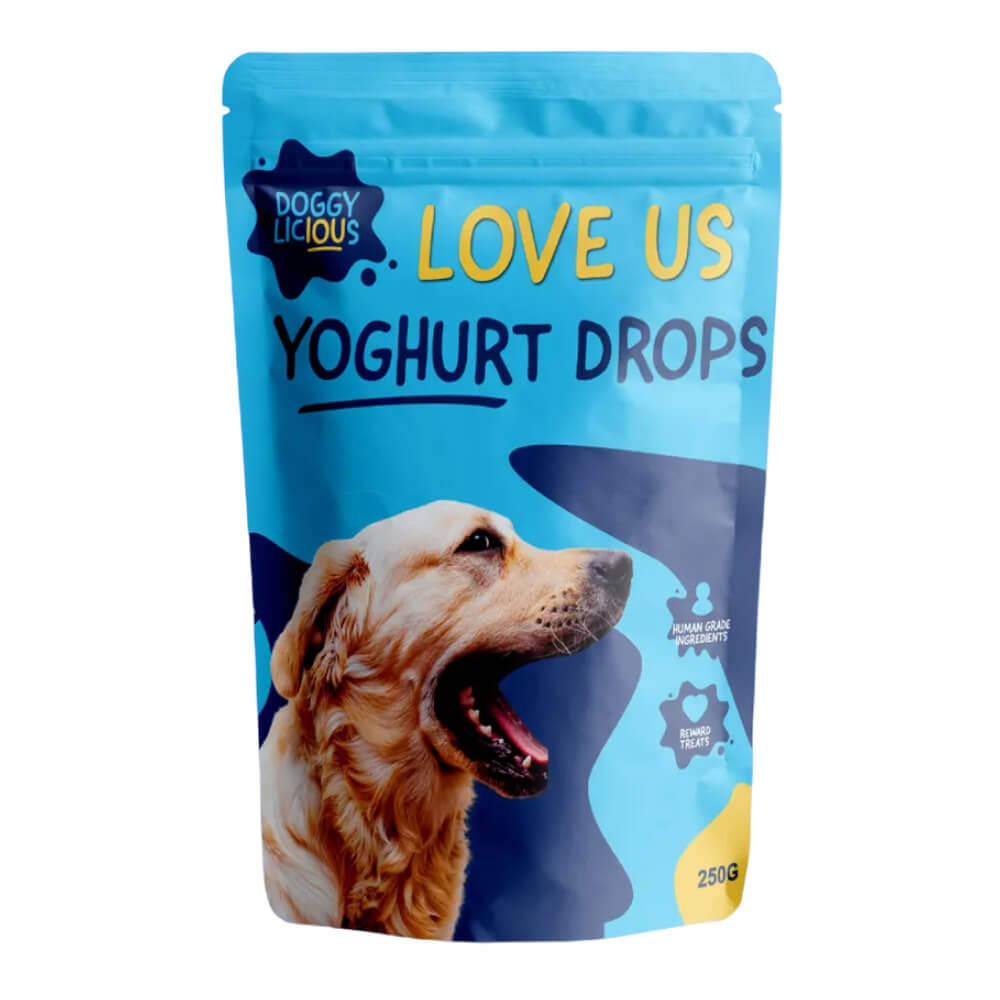
Doggylicious Yoghurt Training Treats are small drop-shaped treats made from human-grade ingredients in Australia. They are grain-free, gluten-free and free from artificial flavours and colours, made with yoghurt powder and milk solids for a creamy texture.
They are suited to use as training rewards due to their small size, or can be hidden inside toys for enrichment. They can also be incorporated into dog-friendly baking recipes. Owners with dogs that have dairy sensitivities should note the yoghurt and milk solid content.
Ingredients
Sugar, Vegetable Fat, Milk Solids, Yoghurt Powder, Lecithin, Citric Acid.

Sucrose, Saccharose, E955, Beta-D-Fructofuranosyl Alpha-D-Glucopyranoside
Sugar is a simple carbohydrate derived primarily from plant sources such as sugar cane or sugar beet. It serves as a readily available energy source, supporting metabolic processes and palatability in pet foods. Sugar is incorporated in its natural, refined form rather than as a raw plant material, ensuring consistency and digestibility for pets while enhancing the taste of the final product.
Sugar is included as a cost-effective palatability enhancer to improve taste and encourage consumption. It may also serve as a minor preservative to help stabilise certain formulations.
Edible Vegetable Oil, Plant Fat, Plant Oil, Edible Plant Oil
Vegetable fat is a lipid ingredient derived from plant sources such as sunflower, canola, or soybean. It serves primarily as a concentrated energy source and enhances palatability in pet foods. Vegetable fat is used in its refined form, not as raw plant material, to ensure stability, safety, and optimal digestibility for pets. This ingredient also supports healthy skin and coat condition.
Vegetable fat is included as a cost-effective energy source and to enhance palatability, making the product more appealing to pets. It also contributes to texture and can help optimise the product’s shelf stability.
Dried Milk, Powdered Milk, Dehydrated Milk, Lacteal Solids
Milk solids are the dried components of milk, derived from animal origin, typically cows. They consist of proteins, lactose, minerals, and milk fat, and are included in pet food to provide high-quality protein and essential nutrients. Milk solids are used in a processed, dehydrated form rather than as fresh milk, ensuring stability, digestibility, and consistent nutritional value in formulations.
Milk solids are included as a cost-effective source of protein and calcium, contributing to the nutritional profile of the product. They may also enhance palatability and improve texture, making the food more appealing to pets.
Dried Yoghurt, Yoghurt Powdered, Fermented Milk Powder, Cultured Milk Powder
Yoghurt powder is a dairy-derived ingredient produced by dehydrating cultured yoghurt, originating from animal (milk) sources. It is primarily included in pet food for its probiotic content, supporting digestive health and immune function. Yoghurt powder is used in its processed, powdered form rather than as fresh yoghurt, ensuring stability, safety, and ease of incorporation into dry pet food formulations.
Yoghurt powder is included as a palatability enhancer and a source of probiotics, aiming to improve taste appeal and support digestive health claims. Its presence also serves as a label-friendly ingredient that appeals to health-conscious consumers.
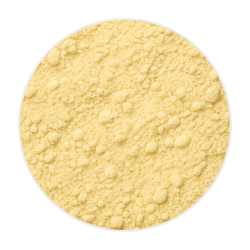
Phosphatidylcholine, E322, Soybean Phospholipid, Egg Phospholipid
Lecithin is a naturally occurring compound derived from plant or animal sources, commonly soybeans or egg yolks. It serves as an emulsifier, helping to blend fats and water in pet food, thereby improving texture and nutrient absorption. Lecithin is not used in its raw form; instead, it is processed and purified to ensure safety, stability, and optimal functionality in pet nutrition.
Lecithin is included as an emulsifier to improve the texture and consistency of pet food, ensuring fats and water-based ingredients blend smoothly. It may also be used to enhance product stability and shelf life.
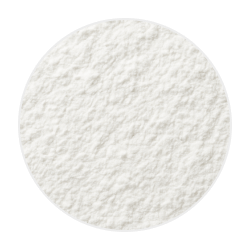
2-Hydroxypropane-1,2,3-Tricarboxylic Acid, E330, 3-Carboxy-3-Hydroxypentanedioic Acid, Monohydrate Citric Acid
Citric acid is an organic compound derived primarily from citrus fruits, though it is commonly produced via fermentation for commercial use. Its main purpose in pet food is as a natural preservative and acidity regulator, helping to maintain freshness and inhibit spoilage. Citric acid is not used in its raw, crystalline form but is incorporated as a purified, food-grade compound to ensure safety and efficacy.
Citric acid is included as a preservative to enhance product stability and extend shelf life by inhibiting microbial growth. It may also be used to adjust acidity, optimising flavour and maintaining the quality of the final product.
About

PRODUCT TAGS
Most Tracked This Week









About the Brand



Comments
0 comments
Login to Join the Conversation 💬