






Your Dog's World, Personalised
Save your favourite products and locations, track prices, and unlock exclusive discounts — all in one place
or
Error
Verify Your Email
We've emailed a sign-in code. Enter it below to continue.
Share
Thank you! Your submission has been received!
Oops! Something went wrong while submitting the form.
Back to ExploreFor Paws
Pasture Blend and Climate Smart Rice Dry Dog Food
2.5kg
12kg

Overview

For Paws Low Carb Pasture Blend & Climate Smart Rice Dry Dog Food is an Australian-made kibble drawing 70% of its protein from lamb, beef and pork, with a freeze-dried raw lamb coating. It runs 30% protein and 20% fat over Climate Smart brown rice and the GutIH gut blend, and is chicken-free.


Nutritional Analysis

Protein
30
%
0%
Fat
20
%
0%
Fibre
4.5
%
0%
Ash
10
%
0%
Carbohydrates
30
%
0%
Moisture
10
%
0%
Energy
365
0
 kcal/100g

Ingredients

Meat and Animal Derivatives (Lamb, Beef, Pork), Vegetables (Field Peas, Faba Beans), Whole Brown Rice, Animal Fats (Beef, Salmon), Alfalfa, Beef Meat, Coconut Oil, Yeast, Chicory Root, Freeze Dried Raw Lamb, Vitamins, Minerals, Kelp, GutIH, Sea Salt, Taurine, Methionine, Natural Antioxidants.

Ingredient images are illustrative only and may not represent the exact source or form used by manufacturers.
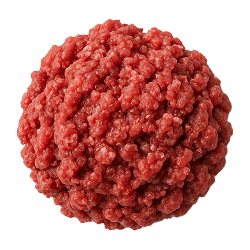
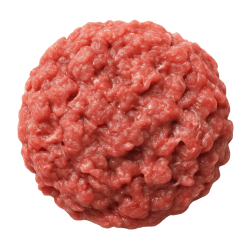
Fresh raw meat ball with a rich red colour and coarse, moist texture, perfect as a nutritious dog food ingredient
Meat
Meat
Animal Flesh, Muscle Tissue, Animal Protein, Skeletal Muscle
Summary
Meat refers to the edible muscle tissue derived from animals, commonly sourced from species such as chicken, beef, or lamb. It serves as a high-quality source of protein, essential amino acids, and vital nutrients like iron and B vitamins, supporting muscle maintenance and overall health. In pet food, meat is used in its natural form, ensuring optimal nutrient availability and palatability for pets.
Why it's used?
Meat is included as a primary protein source to support essential amino acid requirements and overall nutritional value in pet food. Its presence also enhances palatability, making the product more appealing to pets.
Too vague to identify
Animal Derivatives
Animal Derivatives
Animal By-Products, Animal-Based Ingredients, Animal-Origin Ingredients, Animal-Derived Substances
Summary
Animal derivatives are ingredients sourced from various parts of animals, including meat, organs, and by-products not typically consumed by humans. They provide essential proteins, fats, vitamins, and minerals, supporting overall health and energy in pets. Animal derivatives are not used in their raw, unprocessed state; instead, they are rendered or processed to ensure safety, digestibility, and optimal nutrient availability.
Why it's used?
Animal derivatives are included as a cost-effective protein source, utilising by-products from meat processing to maximise resource efficiency. They also contribute essential nutrients while helping manufacturers meet regulatory labelling requirements for pet food.
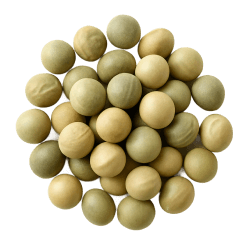
Round, dry field peas in green and beige shades with a smooth texture, grouped together on a plain background
Field Peas
Field Peas
Southern Peas, Cowpeas, Vigna Unguiculata, Black-Eyed Peas
Summary
Field peas are a plant-derived legume commonly included in pet food formulations. Sourced from Pisum sativum, they provide a valuable source of plant protein, dietary fibre, and essential micronutrients. Their primary nutritional benefit is to support muscle maintenance and digestive health. Field peas are used in their natural, whole form, ensuring optimal nutrient retention and digestibility for pets.
Why it's used?
Field peas are included as a cost-effective source of protein and carbohydrates, helping to optimise the nutritional profile while managing production costs. They also serve as a label-friendly, grain-free alternative that appeals to consumer preferences.
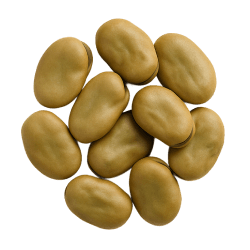
Light brown broad beans with smooth, shiny surfaces clustered together on a plain background
Broad Beans
Broad Beans
Fava Beans, Faba Beans, Vicia Faba, Horse Beans
Summary
Broad beans are edible seeds from the plant Vicia faba, belonging to the legume family. Sourced from plants, they are included in pet food primarily for their protein, fibre, and micronutrient content, supporting digestive health and energy. Broad beans are used in their natural, whole form, ensuring pets benefit from their inherent nutrients without the need for chemical modification or processing into extracts.
Why it's used?
Broad beans are included as a cost-effective plant protein and carbohydrate source, helping to optimise nutritional content while managing production costs. They may also serve as a label-friendly ingredient to appeal to consumers seeking grain-free or novel protein pet food options.
Pile of uncooked brown rice grains with a light tan colour and rough texture on a plain background
Brown Rice
Brown Rice
Whole Grain Rice, Unpolished Rice, Oryza Sativa, Cargo Rice
Summary
Brown rice is a whole grain derived from the rice plant (Oryza sativa) and retains its bran and germ layers, making it a plant-based ingredient. It is primarily included in pet food as a source of complex carbohydrates, dietary fibre, and essential nutrients. Brown rice is used in its natural, unrefined form, providing slow-release energy and supporting digestive health in pets.
Why it's used?
Brown rice is included as a cost-effective carbohydrate source that provides energy and bulk to pet food formulations. It is also considered a label-friendly ingredient that appeals to consumers seeking whole grains in their pets’ diets.
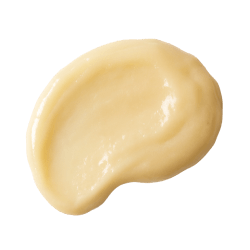
Creamy, pale yellow beef fat with a smooth, glossy texture, shown as a nutritious ingredient for dog food
Beef Fat
Beef Fat
Rendered Beef Fat, Tallow, Bovine Fat, Bos Taurus Fat
Summary
Beef fat is an animal-derived ingredient obtained from the adipose tissue of cattle. It serves primarily as a concentrated source of energy and essential fatty acids, supporting skin and coat health in pets. In pet food, beef fat is typically rendered and purified rather than used in its raw form, ensuring safety, palatability, and optimal nutrient absorption for companion animals.
Why it's used?
Beef fat is included as a cost-effective source of animal-derived energy and to enhance palatability, making the product more appealing to pets. It also contributes to the overall fat content required for nutritional balance in pet food formulations.
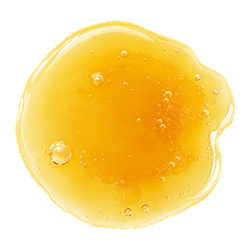
Golden, glossy salmon fat with a smooth, oily texture and small bubbles, shown as a liquid drop on a white background
Salmon Fat
Salmon Fat
Salmon Oil, Salmo Spp. Oil, Salmo Spp. Fat, Fish Oil (Salmo Spp.)
Summary
Salmon fat is a lipid ingredient derived from the tissue of salmon, commonly used as a source of dietary fat in dog food. It is typically added in rendered or purified form rather than as raw fish tissue. Salmon fat provides essential fatty acids, including omega‑3s such as EPA and DHA, which support skin, coat, and cognitive health in dogs. When included at appropriate levels, it is considered safe and beneficial, though excessive intake may contribute to obesity or gastrointestinal upset.
Why it's used?
Salmon fat is included in dog food formulations to provide a source of essential fatty acids, particularly omega-3s, which support skin and coat health, while also enhancing palatability and serving as a practical, stable fat source for manufacturers. Its use benefits both the dog and the manufacturer by improving nutritional value and product appeal.
Finely ground alfalfa powder in a circular mound, olive green with a soft, earthy texture, used in dog health supplements
Alfalfa
Alfalfa
Lucerne, Medicago Sativa, Lucerne Grass, Purple Medick
Summary
Alfalfa is a nutrient-rich plant ingredient derived from the Medicago sativa species, commonly used in premium pet foods. It serves as a natural source of dietary fibre, vitamins, and minerals, supporting digestive health and overall wellbeing. Alfalfa is included in its natural, dried form, ensuring pets benefit from its full spectrum of nutrients without synthetic alteration.
Why it's used?
Alfalfa is included as a cost-effective source of plant protein, fibre, and micronutrients, contributing to the nutritional profile of the product. It also serves as a label-friendly ingredient that appeals to consumers seeking natural or wholesome additions in pet food.
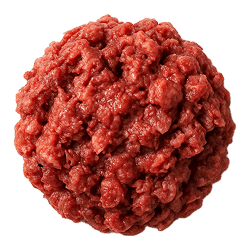
Fresh beef meat formed into a red, coarse-textured mince ball, ideal as a nutritious ingredient for dog food
Beef Meat
Beef Meat
Bovine Meat, Bos Taurus Meat, Cattle Meat, Bovine Muscle Tissue
Summary
Beef meat is a high-quality animal-derived ingredient sourced from cattle. It serves as a rich source of protein, essential amino acids, vitamins, and minerals, supporting muscle development and overall health in pets. In pet food, beef meat is used in its natural form, providing both palatability and nutritional value while contributing to a balanced and complete diet.
Why it's used?
Beef meat is included as a primary animal protein source to meet nutritional requirements and enhance palatability for dogs. Its presence also serves as a marketing advantage, appealing to consumers seeking recognisable, high-quality ingredients.
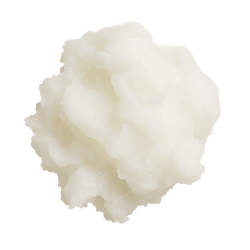
White, fluffy scoop of solid coconut oil with creamy texture, ideal for dog health and nutrition in Australia
Coconut Oil
Coconut Oil
Cocos Nucifera Oil, Copra Oil, E472c, Coconut Fat
Summary
Coconut oil is a plant-derived oil extracted from the flesh of mature coconuts. It is primarily included in pet food for its energy-dense medium-chain triglycerides, which support healthy skin, coat, and metabolism. Coconut oil is used in its natural, refined form, ensuring it is safe and readily digestible for pets while delivering its functional nutritional benefits.
Why it's used?
Coconut oil is included as a source of medium-chain triglycerides, which are marketed for their potential health benefits and digestibility. It also serves as a label-friendly ingredient that appeals to consumers seeking natural or premium pet food formulations.
Fine, light beige yeast powder with a soft, crumbly texture, shown as a common dog supplement ingredient
Yeast
Yeast
Saccharomyces Cerevisiae, Baker’s Yeast, Brewer’s Yeast, E620
Summary
Yeast is a single-celled fungus of microbial origin commonly derived from Saccharomyces cerevisiae. It is included in pet food primarily as a source of high-quality protein, B vitamins, and functional compounds that support digestive and immune health. Yeast is utilised in its deactivated, dried form rather than as a live organism, ensuring safety and optimal nutrient availability for pets.
Why it's used?
Yeast is included as a palatability enhancer and natural flavour source to improve the taste and aroma of pet food, encouraging consumption. It may also serve as a cost-effective source of protein and B vitamins, supporting nutritional labelling claims.
Fine beige chicory root powder with a soft, smooth texture, used as a natural supplement for dog food
Chicory Root
Chicory Root
Cichorium Intybus, Chicory, Cichorium Intybus Root, Cichorium Intybus L.
Summary
Chicory root is a plant-derived ingredient sourced from the root of the chicory plant (Cichorium intybus). It is primarily included in pet food for its high inulin content, a prebiotic fibre that supports digestive health and beneficial gut bacteria. Chicory root is used in its natural, dried, and ground form to optimise its functional benefits in pet nutrition.
Why it's used?
Chicory root is included as a source of inulin, a prebiotic fibre that supports digestive health and can improve stool quality. It also serves as a label-friendly ingredient that appeals to consumers seeking functional health benefits in pet food.
Fresh raw lamb mince, bright red and chunky with a moist texture, perfect for healthy dog food recipes
Lamb
Lamb
Ovis Aries, Young Sheep, Agnus, Ovine Meat
Summary
Lamb is a high-quality animal protein sourced from sheep, commonly used in premium pet foods. It provides essential amino acids, vitamins, and minerals that support muscle development and overall health. Lamb is included in its natural, whole-food form, ensuring optimal nutrient availability and palatability. Its rich nutrient profile makes it particularly beneficial for pets with sensitivities to other protein sources.
Why it's used?
Lamb is included as a high-quality animal protein source to support muscle maintenance and overall health in pets. It also serves as a marketing differentiator, appealing to consumers seeking novel or premium protein options for their pets.
Too vague to identify
Vitamins
Vitamins
Micronutrients, Essential Micronutrients, Vital Nutrients, Accessory Food Factors
Summary
Vitamins are organic compounds derived from both plant and animal sources, essential for numerous metabolic and physiological functions in pets. Their primary purpose is to support immune health, vision, bone development, and cellular processes. In pet food, vitamins are not used in their natural, raw forms but are instead incorporated as stabilised compounds or premixes to ensure safety, stability, and optimal bioavailability.
Why it's used?
Vitamins are included to ensure nutritional adequacy and meet regulatory requirements for complete and balanced pet food. They may also be added to compensate for nutrient losses during processing and storage.
Too vague to identify
Minerals
Minerals
Dietary Minerals, Inorganic Nutrients, Essential Minerals, Bulk Elements
Summary
Minerals are essential inorganic nutrients derived from the earth, not produced by animals or plants. They play a critical role in supporting various physiological functions, such as bone development, nerve transmission, and enzyme activity. In pet food, minerals are not used in their natural raw or metallic state; instead, they are incorporated as specific compounds (such as sulphates or chelates) to optimise safety and bioavailability.
Why it's used?
Minerals are included to meet essential nutritional requirements for pets, supporting overall health and proper bodily functions. They are often added in precise amounts to ensure the product complies with regulatory standards and nutrient profiles.
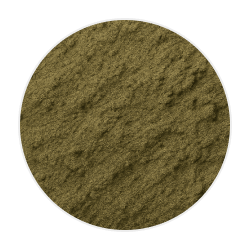
Fine green-brown kelp powder with a soft, grainy texture, commonly used as a natural dog supplement
Kelp
Kelp
Laminaria Spp., Macrocystis Pyrifera, Ascophyllum Nodosum, Brown Seaweed
Summary
Kelp is a type of large, edible seaweed sourced from marine environments and classified as a plant-based ingredient. It is primarily included in pet food for its rich supply of natural iodine, which supports healthy thyroid function. Kelp is used in its dried, ground natural form, allowing pets to benefit from its trace minerals, vitamins, and antioxidants in a bioavailable manner.
Why it's used?
Kelp is included as a label-friendly ingredient to appeal to health-conscious consumers and enhance product marketing, as it is associated with natural sources of vitamins and minerals. It may also serve as a trace mineral supplement to support nutritional completeness in pet food formulations.
Fine, light beige powder texture of GutIH™ ingredient used in dog supplements for gut health support
GutIH™
GutIH™
Bacillus Subtilis, Bacillus Subtilis Strain, Bacillus Subtilis Probiotic, Bacillus Subtilis Spore
Summary
GutIH™ is a proprietary postbiotic ingredient derived from the fermentation of specific bacterial strains. It is supplied as a dried, stabilised powder containing inactivated microbial cells and their metabolic by-products. GutIH™ is included in dog food to support digestive health by promoting a balanced gut microbiome and enhancing intestinal barrier function. When used at recommended levels, it is considered safe, with no known adverse effects reported in dogs.
Why it's used?
GutIH™ is included in dog food formulations primarily for its functional benefits in supporting digestive health, which can improve stool quality and overall gut function in dogs, while also offering manufacturers a value-added point of differentiation in a competitive market. Its use is based on both its practical benefits for dogs and its appeal as a premium ingredient.
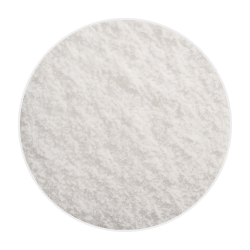
Fine white sea salt in a small circular pile, slightly grainy texture, displayed on a plain background
Sea Salt
Sea Salt
Solar Salt, Marine Salt, Sodium Chloride, Sal Marinum
Summary
Sea salt is a mineral ingredient derived from the evaporation of seawater. It is primarily included in pet food to provide essential electrolytes, such as sodium and chloride, which support hydration and nerve function. Sea salt is not used in its raw crystalline form but is refined and utilised as a food-grade compound to ensure safety, palatability, and optimal nutrient absorption.
Why it's used?
Sea salt is included as a palatability enhancer to improve flavour and encourage pet consumption. It may also function as a mineral source and assist in product preservation.
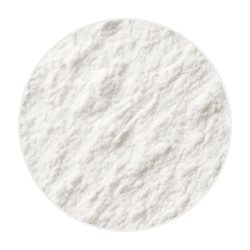
Fine white taurine powder with a soft, fluffy texture, commonly used as a supplement for dogs
Taurine
Taurine
2-Aminoethanesulphonic Acid, L-Taurine, E107, 2-Aminoethane-1-Sulphonic Acid
Summary
Taurine is a naturally occurring amino sulfonic acid derived from animal sources, particularly meat and fish. It is added to pet food to support cardiovascular health, vision, and proper immune function, especially in cats who cannot synthesise it sufficiently. Taurine is not used in its raw form; instead, it is incorporated as a purified, synthesised compound to ensure stability, safety, and optimal absorption.
Why it's used?
Taurine is included to ensure adequate levels of this essential amino acid, particularly in diets where animal protein content may be insufficient to meet canine or feline nutritional requirements. Its addition supports cardiovascular health and is often used to address consumer concerns about diet-associated heart issues.
Fine white methionine powder with a soft, slightly textured surface, commonly used as a dog supplement ingredient
Methionine
Methionine
L-Methionine, 2-Amino-4-(Methylthio)butyric Acid, E620, L-2-Amino-4-(Methylthio)butyric Acid
Summary
Methionine is an essential amino acid derived from animal or plant sources, crucial for protein synthesis and overall metabolic health in pets. It primarily supports healthy skin, coat, and liver function. Methionine is not used in its raw elemental form; instead, it is incorporated as a specific compound, such as DL-methionine, to optimise safety, stability, and bioavailability in pet food formulations.
Why it's used?
Methionine is included as an essential amino acid to support protein synthesis and overall health in pets, particularly when animal protein sources are limited or variable. It also serves as a cost-effective way to meet nutritional requirements and optimise the amino acid profile of the final product.

Too vague to identify
Natural Antioxidant
Natural Antioxidant
Tocopherol, Mixed Tocopherols, E306, Rosemary Extract
Summary
Natural antioxidant refers to a substance, typically derived from plant sources, that helps protect pet food from oxidative damage and spoilage. Its primary function is to preserve freshness and extend shelf life by inhibiting the oxidation of fats and oils. In pet food, natural antioxidants are used in their natural form, ensuring safety and effective absorption without the need for chemical modification.
Why it's used?
Natural antioxidants are included to help preserve the freshness and stability of pet food by slowing the oxidation of fats and oils, thereby extending shelf life. They also serve as a label-friendly alternative to synthetic preservatives, appealing to consumers seeking more natural ingredients.

About


Manufactured
Australia
Type
Kibble
Life Stage
All Life Stages
Breed Size
All Breeds
Feeding Type
Complete Meal
Processing Level
High

PRODUCT TAGS


Poultry Free
Gluten Free
Dairy Free
Soy Free

Oops! Something went wrong...PLEASE TRY AGAIN

Most Tracked This Week

About the Brand

For Paws

Australian-made, low-carb kibble and single-ingredient treats, each built on meat-rich nutrition and a proprietary GutIH gut-health system for dogs at every life stage.


Comments

0 comments

Login to Join the Conversation 💬

Be the first to leave a comment.
Loading
Anonymous User
This is the actual comment. It's can be long or short. And must contain only text information.
(Edited)
Your comment will appear once approved by a moderator.
4 years ago
0
0
Reply
Anonymous User
This is the actual comment. It's can be long or short. And must contain only text information.
(Edited)
Your comment will appear once approved by a moderator.
2 years ago
0
0
Thank you! Your submission has been received!
Oops! Something went wrong while submitting the form.