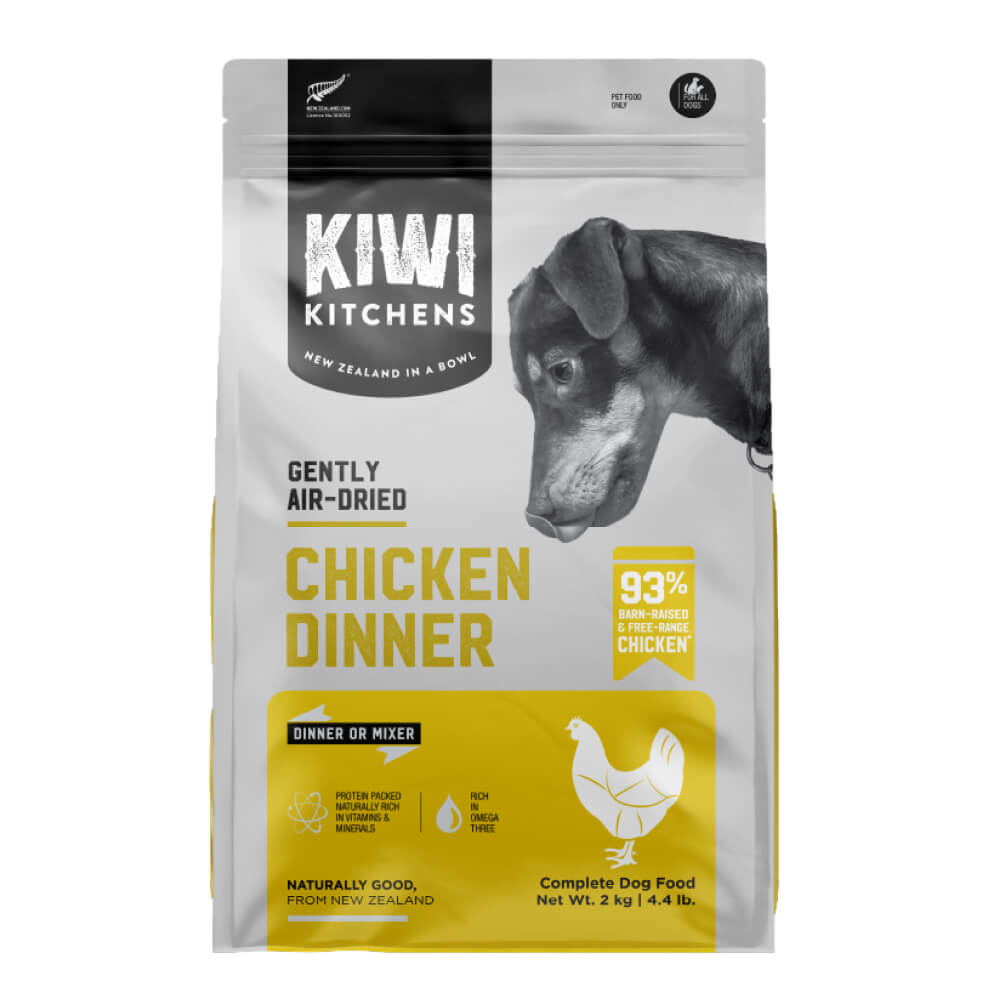








Freeze Dried Fish Dinner Dry Dog Food
Overview
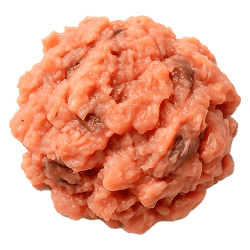
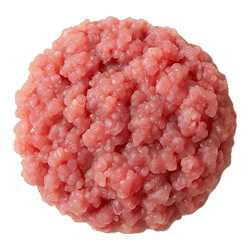
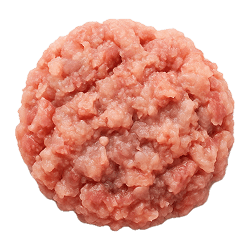
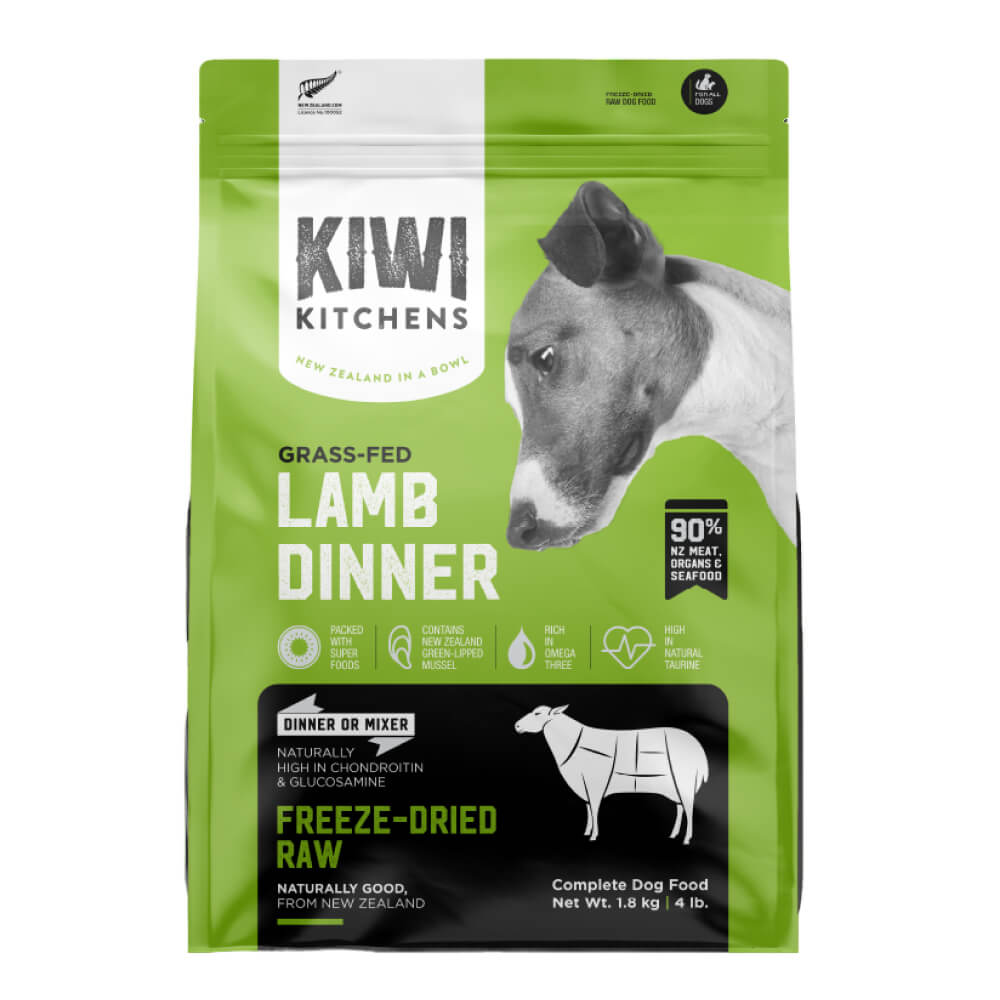
Kiwi Kitchens Freeze-Dried Fish Dinner is a New Zealand-made freeze-dried raw dog food combining wild-caught hoki, salmon and tuna — 90% NZ seafood with no land-based protein. At 41% minimum protein, the highest in the range, and naturally rich in omega-3 fatty acids for skin, coat and joint health. The recipe is grain-free with no added colours or flavours. AAFCO-certified complete and balanced for all life stages including large-breed growth. Suitable as a full meal or meal mixer. Contains green-lipped mussel; not suitable for shellfish-sensitive dogs.
Nutritional Analysis
Ingredients
Salmon, Tuna, Hoki, Green-Lipped Mussel, Flaxseed, Fish Oil, Dicalcium Phosphate, Pumpkin, Kiwifruit, Blackcurrant, Choline Chloride, Calcium Carbonate, Salt, Mixed Tocopherols, Taurine, Potassium Chloride, Iron Amino Acid Chelate, Vitamin E Supplement, Zinc Oxide, Niacin, Copper Amino Acid Chelate, Thiamine Mononitrate, Vitamin A Supplement, Sodium Selenite, Riboflavin, Calcium Pantothenate, Manganese Amino Acid Chelate, Vitamin D3 Supplement, Vitamin B6 Supplement, Biotin, Vitamin B12 Supplement, Vitamin K Supplement, Calcium Iodate, Folic Acid.

Salmo Salar, Atlantic Salmon, Pacific Salmon, Oncorhynchus Spp.
Salmon is a nutrient-rich fish sourced from cold, clean waters and is classified as an animal-derived ingredient. It is primarily included in pet food for its high-quality protein and omega-3 fatty acids, which support skin, coat, and joint health. Salmon is used in its natural form, ensuring pets benefit from its full nutritional profile and bioavailable nutrients.
Salmon is included as a high-quality protein and omega-3 fatty acid source to support skin and coat health, appealing to consumers seeking premium or functional pet foods. Its presence also enhances palatability and serves as a marketing differentiator on product labelling.

Thunnus Spp., Skipjack, Albacore, Bluefin
Tuna is a saltwater fish sourced from the ocean and is classified as an animal-derived ingredient. It is primarily included in pet food for its high-quality protein and rich omega-3 fatty acid content, supporting muscle maintenance and skin health. In pet food, tuna is used in its natural, whole food form, ensuring optimal nutrient availability and palatability for pets.
Tuna is included as a high-quality protein source to support muscle maintenance and overall health in pets. Its presence also enhances palatability, making the product more appealing to both pets and consumers seeking premium, recognisable ingredients.

Blue Grenadier, Macruronus Novaezelandiae, Whiptail, New Zealand Whiting
Hoki is a marine fish sourced primarily from the cold waters around New Zealand and southern Australia. As an animal-derived ingredient, it is valued for its high-quality protein and rich omega-3 fatty acid content, supporting skin, coat, and cognitive health in pets. Hoki is incorporated in its natural, whole food form, ensuring optimal nutrient availability and palatability in premium pet foods.
Hoki is included as a high-quality, species-specific protein and omega-3 fatty acid source, supporting both nutritional value and marketing appeal for consumers seeking premium or novel animal proteins. Its presence can also enhance product differentiation in a competitive market.

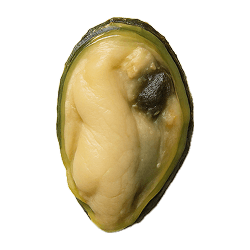
Perna Canaliculus, New Zealand Green Mussel, Greenshell Mussel, Kuku
Green lipped mussel is a marine animal ingredient sourced from the coastal waters of New Zealand. It is primarily included in pet food for its rich content of omega-3 fatty acids, glucosamine, and chondroitin, which support joint health and reduce inflammation. Green lipped mussel is used in its natural, whole form, ensuring optimal nutrient availability and bioactivity for pets.
Green lipped mussel is included as a functional ingredient to provide natural sources of omega-3 fatty acids and joint-supporting nutrients, supporting product differentiation and marketing claims related to joint health. Its presence also appeals to consumers seeking premium or holistic pet food formulations.

Flaxseed, Linum Usitatissimum, Flax, Flaxseed Oil
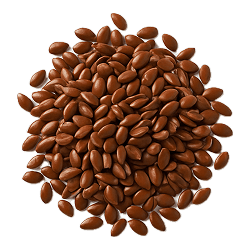
Linseed, also known as flaxseed, is a plant-derived ingredient sourced from the seeds of the flax plant (Linum usitatissimum). It is primarily included in pet food for its high content of omega-3 fatty acids and dietary fibre, supporting skin health and digestion. Linseed is used in its natural, whole or ground form to optimise nutrient availability and functional benefits.
Linseed is included as a source of omega-3 fatty acids and dietary fibre, supporting skin and coat health as well as digestive function. Its presence also allows manufacturers to market the product as containing plant-based nutrients and functional ingredients.

Fish Liver Oil, Oleum Piscis, Oleum Jecoris, Oleum Piscarium
Fish oil is a nutrient-rich oil derived from the tissues of oily fish, making it an animal-based ingredient. It is primarily included in pet food for its high content of omega-3 fatty acids, which support skin, coat, and joint health. Fish oil is utilised in a purified, liquid form rather than as whole fish, ensuring optimal absorption and safety for pets.
Fish oil is included as a source of omega-3 fatty acids to support skin, coat, and joint health, enhancing the nutritional profile of the product. Its presence also serves as a marketing point, appealing to consumers seeking functional health benefits for their pets.

Calcium Hydrogen Phosphate, Dibasic Calcium Phosphate, E341(ii), Calcium Phosphate Dibasic
Dicalcium phosphate is a mineral compound derived from calcium and phosphorus, commonly sourced from phosphate rock. It serves as a key dietary supplement in pet foods, providing essential calcium and phosphorus to support healthy bones and teeth. Dicalcium phosphate is not used in its natural raw or metallic state; instead, it is utilised in its purified compound form to ensure safety and optimal absorption.
Dicalcium phosphate is included as a cost-effective mineral supplement to provide essential calcium and phosphorus for skeletal health. It also serves as a functional agent to improve product texture and processing stability.

Cucurbita Pepo, Cucurbita Maxima, Cucurbita Moschata, Pepo
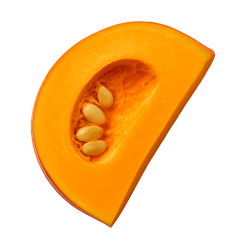
Pumpkin is a plant-derived ingredient sourced from the fruit of the Cucurbita pepo species. It is primarily included in pet food for its dietary fibre content, which supports digestive health and regularity. Pumpkin is used in its natural form, either as fresh, cooked, or dehydrated flesh, providing a source of vitamins, minerals, and antioxidants beneficial to overall wellbeing.
Pumpkin is included as a label-friendly ingredient that appeals to consumers seeking natural and recognisable components, while also serving as a cost-effective source of fibre and moisture to support digestive health and product texture. Its inclusion can enhance marketing appeal without significantly increasing formulation costs.

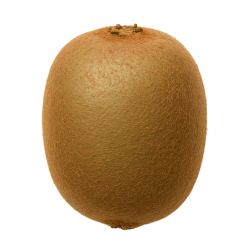
Chinese Gooseberry, Actinidia Deliciosa, Yang Tao, Mihou Tao
Kiwifruit is a nutrient-rich fruit derived from the Actinidia deliciosa plant, commonly grown in New Zealand and Australia. It is included in pet food primarily for its high vitamin C content, dietary fibre, and antioxidant properties, supporting immune health and digestion. Kiwifruit is used in its natural, whole form, ensuring pets benefit from its complete nutritional profile.
Kiwifruit is included as a label-friendly ingredient to appeal to health-conscious consumers, leveraging its association with antioxidants and vitamins. Its addition may also provide a minor source of dietary fibre and micronutrients, though its functional impact on pet nutrition is typically limited at the inclusion levels used.

Trimethylethanolamine Chloride, Choline Monochloride, E1001, 2-Hydroxy-N,N,N-Trimethylethanaminium Chloride
Choline chloride is a synthetic compound derived from choline, an essential nutrient typically sourced from plant or animal origins. It is primarily included in pet food to support healthy brain function, liver metabolism, and cellular structure. Choline is not used in its natural state; instead, it is utilised as choline chloride to ensure stability, safety, and optimal absorption in pet diets.
Choline chloride is included as an essential nutrient to support normal liver function and brain health in pets. It is a cost-effective way to meet regulatory requirements for choline content in complete and balanced pet foods.

Chalk, Limestone, E170, Marble Dust
Calcium carbonate is a naturally occurring mineral compound derived from sources such as limestone or marine shells. It is primarily included in pet food as a source of calcium, essential for healthy bones, teeth, and metabolic functions. Calcium carbonate is not used in its raw mineral state; instead, it is processed into a purified, food-grade compound to optimise safety and bioavailability for pets.
Calcium carbonate is included as a cost-effective mineral supplement to provide a bioavailable source of calcium, supporting bone health and proper nutritional balance. It also functions as a pH stabiliser, contributing to product consistency and shelf stability.

Sodium Chloride, NaCl, Table Salt, E535
Salt is a mineral ingredient derived from the combination of sodium and chloride, typically sourced from natural deposits or seawater. It is primarily included in pet food to support electrolyte balance, nerve function, and hydration. Salt is not used in its raw mineral form but is utilised as sodium chloride, a purified compound, to ensure safety, palatability, and optimal absorption in pets.
Salt is included as a palatability enhancer to improve taste and encourage consumption, and also functions as a preservative to help extend product shelf life. Its use allows manufacturers to optimise flavour while maintaining product stability.

Tocopherols, E306, Natural Tocopherols Concentrate, D-Alpha Tocopherol Concentrate
Mixed tocopherols are a blend of compounds derived from plant oils, primarily functioning as a source of vitamin E. Their main purpose in pet food is to act as natural antioxidants, helping to preserve the freshness of fats and oils. Rather than being used in their isolated, pure form, mixed tocopherols are incorporated as stabilised extracts to optimise safety, efficacy, and nutrient retention.
Mixed tocopherols are included as a natural preservative to extend shelf life by slowing the oxidation of fats and oils in pet food. They are often used as a label-friendly alternative to synthetic preservatives to appeal to consumer preferences for natural ingredients.

2-Aminoethanesulphonic Acid, L-Taurine, E107, 2-Aminoethane-1-Sulphonic Acid
Taurine is a naturally occurring amino sulfonic acid derived from animal sources, particularly meat and fish. It is added to pet food to support cardiovascular health, vision, and proper immune function, especially in cats who cannot synthesise it sufficiently. Taurine is not used in its raw form; instead, it is incorporated as a purified, synthesised compound to ensure stability, safety, and optimal absorption.
Taurine is included to ensure adequate levels of this essential amino acid, particularly in diets where animal protein content may be insufficient to meet canine or feline nutritional requirements. Its addition supports cardiovascular health and is often used to address consumer concerns about diet-associated heart issues.

E508, Muriate of Potash, Potassium Monochloride, KCl
Potassium chloride is a mineral compound derived from the element potassium, typically sourced from naturally occurring mineral deposits. It is utilised in pet food as a purified salt rather than in its raw metallic form, ensuring safety and optimal absorption. Its primary purpose is to provide essential potassium, which supports nerve function, muscle contraction, and fluid balance in companion animals.
Potassium chloride is included as a cost-effective mineral supplement to help meet pets’ dietary potassium requirements. It also functions as a salt substitute to optimise electrolyte balance in the formulation.

Iron Bisglycinate, Ferrous Bisglycinate, Amino Acid Chelated Iron, Chelated Iron
Iron Amino Acid Chelate is a mineral compound derived by binding iron to amino acids, enhancing its stability and absorption in pet food. Sourced from mineral origins, it is not used in its natural metallic state but is instead utilised as a chelated form to optimise bioavailability. Its primary purpose is to support healthy blood formation and prevent iron deficiency in pets.
Iron amino acid chelate is included to provide a bioavailable source of iron, supporting essential metabolic functions in pets. Its chelated form optimises nutrient absorption and allows for precise labelling of added minerals.

Tocopherol, Alpha-Tocopherol, E307, D-Alpha-Tocopherol
Vitamin E is a fat-soluble vitamin derived from plant sources such as vegetable oils, nuts, and seeds. It functions primarily as an antioxidant, helping to protect cell membranes from oxidative damage and supporting immune health. In pet food, Vitamin E is not used in its natural raw form but is typically utilised as a stabilised compound, such as tocopherol acetate, to optimise safety and absorption.
Vitamin E is included as a natural antioxidant to help preserve the freshness and stability of fats and oils in the product, thereby extending shelf life. It also serves as a label-friendly nutrient that appeals to consumers seeking added health benefits for their pets.

Zinc White, CI 77947, Calamine, Chinese White
Zinc oxide is an inorganic compound derived from the mineral zinc, commonly used in pet food as a supplemental source of the essential trace mineral zinc. Its primary benefit is to support immune function, skin health, and enzyme activity. Zinc is not used in its natural metallic state; instead, it is utilised as zinc oxide to optimise safety, stability, and bioavailability in pet nutrition.
Zinc oxide is included as a cost-effective and stable source of essential zinc, supporting nutritional adequacy in pet food formulations. Its use ensures compliance with regulatory requirements for trace minerals while maintaining product shelf stability.

Nicotinic Acid, Vitamin B3, Pyridine-3-Carboxylic Acid, E375
Niacin, also known as vitamin B3, is a water-soluble vitamin of synthetic or natural origin, commonly derived from plant or animal sources. It plays a crucial role in energy metabolism and supports healthy skin, nerves, and digestion in pets. Niacin is not used in its raw form but is typically included as a safe, bioavailable compound such as niacinamide or nicotinic acid.
Niacin is included as an essential B vitamin to meet nutritional requirements and support metabolic health in pets. Its addition ensures compliance with regulatory standards for complete and balanced pet food labelling.

Copper Amino Acid Complex, Copper Amino Acid Chelated, Chelated Copper Amino Acid, Copper Glycinate
Copper Amino Acid Chelate is a mineral ingredient derived from copper, an essential trace element, bound to amino acids to enhance absorption and bioavailability. It is included in pet food to support healthy red blood cell formation, immune function, and connective tissue development. Copper is not used in its natural metallic state but is instead utilised as a chelated compound for safety and optimal nutrient uptake.
Copper amino acid chelate is included as a bioavailable source of the essential trace mineral copper, supporting metabolic and enzymatic functions in pets. Its chelated form optimises absorption and allows for precise nutrient labelling to meet regulatory requirements.

Vitamin B1 Mononitrate, Nitrate Salt of Thiamine, E101a, Thiamin Mononitrate
Thiamine mononitrate is a synthetic, water-soluble form of vitamin B1, derived from chemical synthesis rather than natural sources. It is added to pet food to support energy metabolism and proper nervous system function. Thiamine is not used in its natural state; instead, the mononitrate compound is utilised for stability, safety, and optimal absorption in formulated diets.
Thiamine mononitrate is included as a stable, cost-effective source of vitamin B1 to meet nutritional requirements and ensure product labelling compliance. Its synthetic form maintains potency during processing and storage, supporting both product stability and regulatory standards.

Retinol, Retinyl Palmitate, Retinyl Acetate, E160a
Vitamin A is an essential fat-soluble nutrient derived from animal sources (as retinyl esters) or plant sources (as carotenoids). It supports vision, immune function, and skin health in pets. In pet food, Vitamin A is not used in its raw or natural state but is provided as stabilised compounds (such as retinyl acetate or retinyl palmitate) to ensure safety, stability, and optimal absorption.
Vitamin A is included as an essential nutrient to support vision, immune function, and overall health in pets, ensuring the product meets established nutritional standards. Its addition also allows manufacturers to optimise the nutritional profile and comply with regulatory labelling requirements.

Disodium Selenite, E901, Selenious Acid Disodium Salt, Disodium Selenious Acid
Sodium selenite is an inorganic compound derived from selenium, an essential trace mineral. It is included in pet food formulations to provide a bioavailable source of selenium, which supports antioxidant defence and immune function. Sodium selenite is not used in its natural elemental form; instead, it is utilised as a salt compound to ensure safety, stability, and optimal absorption in pets.
Sodium selenite is included as a cost-effective and stable source of the essential trace mineral selenium, which supports normal metabolic and immune functions in pets. Its use allows manufacturers to meet nutritional requirements efficiently and with consistent quality.

Vitamin B2, E101, Lactoflavin, 7,8-Dimethyl-10-Ribityl Isoalloxazine
Riboflavin, also known as vitamin B2, is a water-soluble vitamin of synthetic origin commonly added to pet foods. It plays a crucial role in energy metabolism and supports healthy skin, eyes, and nervous system function. Riboflavin is not used in its natural form but is typically utilised as a synthesised compound to ensure stability, safety, and optimal absorption in pet diets.
Riboflavin is included as an essential vitamin to meet nutritional requirements and ensure regulatory compliance for complete and balanced pet food labelling. Its addition helps optimise the product’s nutrient profile without significantly impacting cost or palatability.

D-Calcium Pantothenate, E315, Pantothenic Acid Calcium Salt, Calcium D-Pantothenate
Calcium pantothenate is a synthetic compound derived from pantothenic acid, a water-soluble B vitamin (vitamin B5) of plant or animal origin. It is primarily included in pet food to support energy metabolism and maintain healthy skin and coat. Rather than using pantothenic acid in its natural form, calcium pantothenate is utilised for its stability, safety, and enhanced bioavailability in pet nutrition.
Calcium pantothenate is included as a stable, bioavailable source of vitamin B5 to meet nutritional requirements and support labelling claims of complete and balanced nutrition. Its use ensures consistent vitamin content throughout the product’s shelf life.

Manganese Bisglycinate Chelate, Manganese Glycinate Chelate, Manganese Amino Acid Complex, Manganese Amino Acid Ligand Chelate
Manganese amino acid chelate is a mineral supplement derived from the chelation of manganese, an essential trace element, with amino acids. This compound is included in pet food to support bone development, enzyme function, and metabolic processes. Unlike raw metallic manganese, it is utilised in chelated form to enhance safety and bioavailability, ensuring optimal absorption and utilisation by pets.
Manganese amino acid chelate is included as a bioavailable source of the essential trace mineral manganese, supporting metabolic and skeletal health in pets. Its chelated form optimises absorption and allows for precise nutrient labelling to meet regulatory and marketing requirements.

Cholecalciferol, Colecalciferol, Calciol, E671
Vitamin D3, also known as cholecalciferol, is a fat-soluble vitamin of animal origin commonly derived from lanolin or fish oil. It plays a crucial role in regulating calcium and phosphorus metabolism, supporting healthy bone development in pets. Vitamin D3 is not used in its natural form but is instead utilised as a stabilised compound to ensure safety, efficacy, and optimal absorption in pet food formulations.
Vitamin D3 is included to ensure the finished product meets established nutritional requirements for canine health, supporting bone development and calcium regulation. Its addition allows manufacturers to guarantee consistent vitamin content regardless of natural variation in raw materials.

Pyridoxine, Pyridoxol, Pyridoxine Hydrochloride, E101a
Vitamin B6 is a water-soluble vitamin of synthetic or natural origin, commonly derived from plant or animal sources. It plays a crucial role in protein metabolism, red blood cell formation, and nervous system function. In pet food, Vitamin B6 is not used in its raw form but is typically included as a stable compound, such as pyridoxine hydrochloride, to optimise safety and bioavailability.
Vitamin B6 is included as an essential nutrient to support metabolic and neurological functions in pets, ensuring the product meets established nutritional standards. Its addition helps manufacturers achieve complete and balanced labelling claims required for commercial pet foods.

Vitamin B7, Vitamin H, D-Biotin, Coenzyme R
Biotin is a water-soluble B-vitamin (vitamin B7) of synthetic origin, commonly included in pet foods to support healthy skin, coat, and metabolic function. Its primary benefit is aiding in the metabolism of fats, proteins, and carbohydrates. Biotin is not used in its natural, free form but is instead utilised as a stable, bioavailable compound to optimise absorption and efficacy in pets.
Biotin is included as an essential vitamin to support skin, coat, and metabolic health in pets, fulfilling nutritional requirements for complete and balanced diets. Its addition also allows manufacturers to highlight the inclusion of key micronutrients on product labelling, appealing to health-conscious consumers.

Cobalamin, Cyanocobalamin, Hydroxocobalamin, Methylcobalamin
Vitamin B12 is a water-soluble vitamin of animal origin, essential for nerve function and red blood cell formation in pets. It is primarily included in pet food to support energy metabolism and overall vitality. Vitamin B12 is not used in its natural, raw form but is instead utilised as a specific compound, such as cyanocobalamin, to ensure stability, safety, and optimal absorption.
Vitamin B12 is included as an essential nutrient to support metabolic and neurological functions in pets, ensuring the product meets established nutritional standards. Its addition helps manufacturers achieve complete and balanced labelling claims.

Phylloquinone, Phytonadione, Phytomenadione, E415
Vitamin K is a fat-soluble vitamin of synthetic or natural origin, essential for blood clotting and bone health in pets. Its primary function is to support normal coagulation processes and maintain skeletal integrity. In pet food, vitamin K is not used in its natural form but is typically utilised as a safe, bioavailable compound such as menadione sodium bisulphite for optimal absorption and efficacy.
Vitamin K is included as an essential nutrient to support normal blood clotting and overall health in pets. Its addition ensures nutritional adequacy and compliance with regulatory labelling standards for complete and balanced pet foods.

Calcium Diiodate, E917, Ca(IO3)2, Calcium Iodate Anhydrous
Calcium iodate is a mineral-derived compound commonly included in pet foods as a source of iodine, an essential trace element. It is not used in its natural, raw mineral state; instead, it is utilised in the form of a stable, food-grade compound to ensure safety and optimal absorption. Its primary purpose is to support healthy thyroid function and metabolic processes.
Calcium iodate is included as a stable, bioavailable source of iodine to support thyroid function and overall metabolic health in pets. Its use ensures consistent iodine content throughout the product, optimising nutritional labelling and regulatory compliance.

Pteroylmonoglutamic Acid, Pteroylglutamic Acid, Vitamin B9, E920
Folic acid is a synthetic form of vitamin B9, originally derived from plant sources but produced for pet food as a stable, bioavailable compound. Its primary purpose is to support cell division, DNA synthesis, and overall growth in pets. Folic acid is not used in its natural state; instead, it is utilised as a manufactured supplement to optimise absorption and efficacy.
Folic acid is included as a synthetic vitamin to ensure nutritional adequacy and meet regulatory requirements for B-vitamin content in pet food. Its addition helps standardise nutrient levels across batches, supporting consistent product labelling and animal health.

About

.png)


Comments
0 comments
Login or Register to Join the Conversation