






PAW Complete Calm Chews

Overview
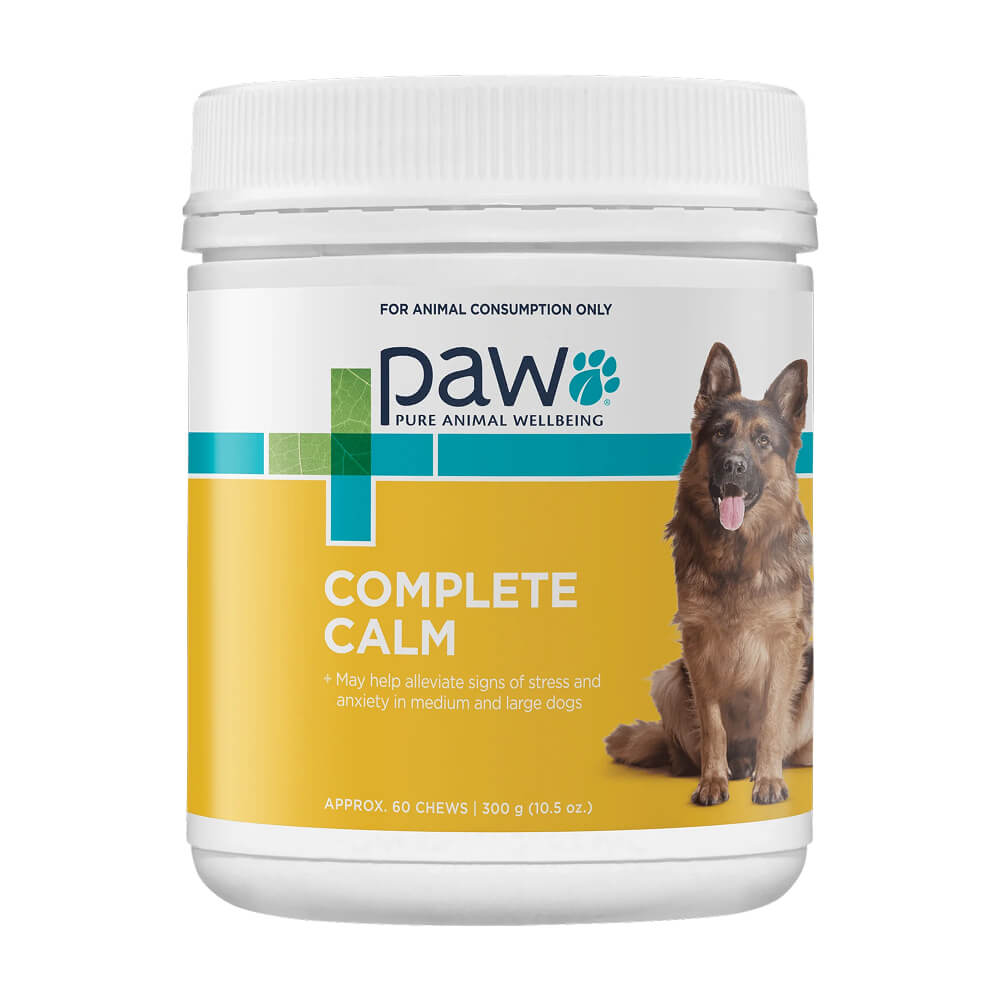
PAW Complete Calm Chews are Australian-made calming chews for medium and large dogs. Built on a fish and chickpea protein base, each chew contains tryptophan to support calm behaviour, B-group vitamins for normal nervous system function, and omega-3 and essential minerals for general wellbeing. Suitable for daily use and during stressful events including storms, travel or separation anxiety. Complementary feed; not a complete meal.
Ingredients
Rye Flour, Besan Flour, Water, Fish Meal (Tuna and Salmon), Glycerine, Soy Flour, Tryptophan, Multicare Premix (Zinc Sulphate, Omega 3, Iron Sulphate, Dextrose, Vitamin E, Pantothenic Acid, Copper Sulphate, Niacin, Pharma Oil, Manganese Oxide, Riboflavin, Thiamine, Pyridoxine, Menadione, Calcium Iodate, Selenium, Folic Acid, Cyanocobalamin, Biotin, Vitamin A), Pectin, Powder Cellulose, Flavours (Smokey Beef and Chicken Natural), Tapioca Pregel, Guar Gum, Sodium Chloride, Sodium Stearyl Lactylate, Rovimix Stabilised Vitamin C, Acetic Acid, Citri Fibre, Hydrolysed Vegetable Protein Powder, Dimethylsulfone, Preservative (Potassium Sorbate), Colour (Turmeric Extract), Naturox®.

Secale Cereale Flour, Secale Cereale, Cereal Rye Flour, Wholemeal Rye Flour
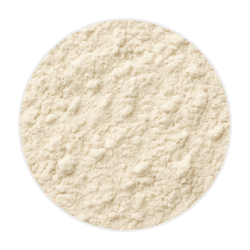
Rye flour is a plant-derived ingredient milled from the whole or partial grain of the rye plant (Secale cereale). It is primarily included in pet food as a source of complex carbohydrates, dietary fibre, and essential nutrients. Rye flour is used in its natural, milled form, providing energy and supporting digestive health in pets through its fibre content and slow-release carbohydrates.
Rye flour is included as a cost-effective carbohydrate source that provides bulk and energy to pet food formulations. It may also contribute to product texture and serve as a label-friendly grain alternative to wheat or corn.

Gram Flour, Chickpea Flour, Garbanzo Bean Flour, Cicer Arietinum Flour
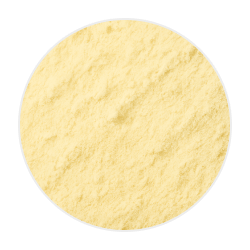
Besan flour, also known as chickpea flour, is a finely ground powder derived from dried chickpeas, a legume of plant origin. It is primarily included in pet food as a source of plant-based protein and dietary fibre, supporting digestive health and energy. Besan flour is used in its natural, milled form, ensuring optimal nutrient availability and digestibility for pets.
Besan flour is included as a cost-effective, protein-rich carbohydrate source that helps improve the texture and binding of pet food products. Its use also supports grain-free or gluten-free labelling, appealing to consumer preferences.

Aqua, Purified Water, Distilled Water, Deionised Water
Water is a vital ingredient sourced from natural origins and is essential for all living organisms. In pet food, water serves primarily to hydrate, aid in ingredient processing, and ensure proper texture and palatability. It is used in its natural, purified form, not chemically altered, to optimise moisture content and support the overall health and wellbeing of pets.
Water is included as a processing aid to facilitate mixing and extrusion during manufacturing. It also helps achieve the desired texture and moisture content in the final product.

Fish Powder, Fish Scrap Meal, Fish Protein Concentrate, Fish Solubles Meal
Fish meal is a high-protein ingredient derived from whole fish or fish trimmings, making it an animal-based product. It is primarily included in pet food to provide essential amino acids, omega-3 fatty acids, and vital minerals that support muscle development and skin health. Fish meal is not used in its natural whole form but is processed and dried to optimise digestibility and nutrient availability.
Fish meal is included as a concentrated protein source to support nutritional requirements in pet food formulations. It also provides essential fatty acids and can enhance palatability, making the product more appealing to pets.

Glycerol, 1,2,3-Propanetriol, E422, Propane-1,2,3-Triol
Glycerine is a colourless, odourless liquid derived from plant or animal fats. In pet food, it serves primarily as a humectant, helping to retain moisture and improve texture. Glycerine is not used in its natural, raw state but is refined and purified for food-grade applications to ensure safety and optimal absorption. It also aids in palatability and shelf-life extension.
Glycerine is included as a humectant to retain moisture and improve the texture of pet food products, helping to prevent them from drying out. It also acts as a mild sweetener to enhance palatability for pets.

Soybean Flour, Soy Flour, Glycine Max Flour, E416
Soy flour is a finely ground product derived from roasted soybeans, a legume of plant origin. It is primarily included in pet food as a high-quality source of plant protein and essential amino acids, supporting muscle maintenance and overall health. Soy flour is used in its natural, processed form, ensuring digestibility and nutrient availability for pets.
Soy flour is included as a cost-effective protein and carbohydrate source, helping to optimise nutritional content while managing production costs. It also acts as a functional binder, improving texture and product consistency in pet food formulations.

L-Tryptophan, L-α-Aminoindole-3-Propionic Acid, 2-Amino-3-(Indol-3-yl)Propanoic Acid, EAA 10
Tryptophan is an essential amino acid derived from animal or plant protein sources. It plays a crucial role in pet nutrition by supporting protein synthesis and serving as a precursor for serotonin, which influences mood and behaviour. Tryptophan is not used in its isolated, natural form but is instead incorporated as a purified amino acid to optimise dietary balance and bioavailability in pet food formulations.
Tryptophan is included as an essential amino acid to support complete and balanced nutrition, meeting regulatory requirements for canine dietary adequacy. Its addition ensures the product can be marketed as providing all necessary amino acids for dogs’ health.

Zinc Sulphate Monohydrate, Zinc Sulphate Heptahydrate, E6, ZnSO₄
Zinc sulphate is a mineral compound derived from the element zinc, typically sourced from mined zinc ores. It is utilised in pet food as a supplemental source of zinc, an essential trace mineral that supports immune function, skin health, and enzyme activity. Zinc is not used in its natural metallic state; instead, it is provided as zinc sulphate to optimise safety and bioavailability for pets.
Zinc sulphate is included as a cost-effective and bioavailable source of the essential mineral zinc, which supports immune function and skin health in pets. Its addition ensures the product meets nutritional requirements for complete and balanced pet food labelling.

Alpha-Linolenic Acid, Eicosapentaenoic Acid, Docosahexaenoic Acid, n-3 Polyunsaturated Fatty Acid
Omega-3 fatty acid is a type of essential polyunsaturated fat primarily derived from animal sources such as fish oil or plant sources like flaxseed. It is included in pet food to support skin and coat health, cognitive function, and anti-inflammatory processes. Omega-3 is not used in its raw form but is incorporated as specific compounds, such as fish oil or algal oil, to optimise absorption and safety.
Omega-3 fatty acid is included to support claims of health benefits such as skin and coat health, and to appeal to consumers seeking functional nutrition for their pets. It also serves as a label-friendly ingredient that enhances product marketability.

Ferrous Sulphate, Ferrous Sulfate, E172, Green Vitriol
Iron sulphate is a mineral compound derived from iron, an essential trace element, and sulphur. It is primarily included in pet food to support healthy red blood cell formation and prevent iron-deficiency anaemia. Iron sulphate is not used in its natural metallic state; instead, it is utilised as a salt compound to optimise safety, stability, and bioavailability for effective absorption in pets.
Iron sulphate is included as a cost-effective mineral supplement to meet the nutritional requirement for iron in pet food formulations. It helps ensure proper labelling compliance with regulatory standards for essential nutrients.

Glucose, D-Glucose, E1400, Corn Sugar
Dextrose is a simple sugar derived from plant sources, typically corn or wheat. It serves as a readily digestible carbohydrate, providing a quick source of energy for pets. In pet food, dextrose is utilised in its refined, powdered form rather than as a whole food. This ensures rapid absorption and consistent quality, supporting energy needs and palatability in premium formulations.
Dextrose is included as a cost-effective carbohydrate source that provides quick energy and can enhance palatability for pets. It may also serve functional roles in processing, such as aiding in ingredient blending or improving product texture.

Tocopherol, Alpha-Tocopherol, E307, D-Alpha-Tocopherol
Vitamin E is a fat-soluble vitamin derived from plant sources such as vegetable oils, nuts, and seeds. It functions primarily as an antioxidant, helping to protect cell membranes from oxidative damage and supporting immune health. In pet food, Vitamin E is not used in its natural raw form but is typically utilised as a stabilised compound, such as tocopherol acetate, to optimise safety and absorption.
Vitamin E is included as a natural antioxidant to help preserve the freshness and stability of fats and oils in the product, thereby extending shelf life. It also serves as a label-friendly nutrient that appeals to consumers seeking added health benefits for their pets.

Vitamin B5, D-Pantothenic Acid, E101d, Calcium Pantothenate
Pantothenic acid is a water-soluble B-vitamin (vitamin B5) of synthetic origin, as it is not typically extracted directly from natural sources for pet food. It plays a crucial role in energy metabolism and the synthesis of fatty acids. In pet food, pantothenic acid is not used in its raw form but is provided as a stable compound, such as calcium pantothenate, to optimise absorption and safety.
Pantothenic acid is included as an essential B vitamin to support metabolic function and overall health in pets, helping manufacturers meet nutritional requirements for complete and balanced pet food labelling. Its addition ensures compliance with regulatory standards and appeals to consumers seeking scientifically formulated diets.

Cupric Sulphate, Blue Vitriol, Roman Vitriol, E519
Copper sulphate is an inorganic compound derived from copper, an essential trace mineral. It is primarily included in pet food to support vital physiological functions such as enzyme activity, immune health, and connective tissue formation. Copper sulphate is not used in its natural metallic state; instead, it is utilised as a salt to optimise safety, stability, and bioavailability for animal nutrition.
Copper sulphate is included as a cost-effective and reliable source of essential copper, a trace mineral necessary for canine health. Its use ensures precise nutrient formulation and supports compliance with nutritional labelling standards.

Nicotinic Acid, Vitamin B3, Pyridine-3-Carboxylic Acid, E375
Niacin, also known as vitamin B3, is a water-soluble vitamin of synthetic or natural origin, commonly derived from plant or animal sources. It plays a crucial role in energy metabolism and supports healthy skin, nerves, and digestion in pets. Niacin is not used in its raw form but is typically included as a safe, bioavailable compound such as niacinamide or nicotinic acid.
Niacin is included as an essential B vitamin to meet nutritional requirements and support metabolic health in pets. Its addition ensures compliance with regulatory standards for complete and balanced pet food labelling.

Pharmaceutical Oil, Oleum Pharmaceuticum, Medicinal Oil, Oleum Medicinale
Pharma Oil is a refined oil derived from plant or marine sources, commonly used in premium pet foods for its concentrated supply of essential fatty acids. Its primary benefit is to support skin, coat, and joint health. Pharma Oil is not used in its raw, unprocessed state; instead, it is purified and standardised to ensure safety, stability, and optimal nutrient absorption.
Pharma Oil is included as a functional fat source to provide essential fatty acids and support overall nutrient balance in the formulation. Its addition can also enhance palatability and contribute to the energy density of the product.

Manganese(II) Oxide, Manganous Oxide, E172, MnO
Manganese oxide is an inorganic compound derived from the mineral manganese, an essential trace element. It is included in pet food primarily to support enzyme function, bone development, and metabolic processes. Manganese is not used in its natural metallic state; instead, it is utilised as manganese oxide to ensure safe consumption and optimal absorption by pets.
Manganese oxide is included as a cost-effective source of the essential trace mineral manganese, which supports metabolic and skeletal health in pets. Its use ensures nutritional adequacy to meet regulatory labelling requirements for complete and balanced pet foods.

Vitamin B2, E101, Lactoflavin, 7,8-Dimethyl-10-Ribityl Isoalloxazine
Riboflavin, also known as vitamin B2, is a water-soluble vitamin of synthetic origin commonly added to pet foods. It plays a crucial role in energy metabolism and supports healthy skin, eyes, and nervous system function. Riboflavin is not used in its natural form but is typically utilised as a synthesised compound to ensure stability, safety, and optimal absorption in pet diets.
Riboflavin is included as an essential vitamin to meet nutritional requirements and ensure regulatory compliance for complete and balanced pet food labelling. Its addition helps optimise the product’s nutrient profile without significantly impacting cost or palatability.

Vitamin B1, Aneurin, Thiamin, E101
Thiamine, also known as vitamin B1, is a water-soluble vitamin of plant origin, commonly sourced from grains and yeast. It plays a crucial role in energy metabolism and supports nervous system function in pets. Thiamine is not used in its raw or natural state but is typically utilised as thiamine mononitrate or thiamine hydrochloride to ensure stability, safety, and optimal absorption.
Thiamine is included as an essential vitamin to meet nutritional requirements and prevent deficiency-related health issues in pets. Its addition ensures compliance with regulatory standards for complete and balanced pet food formulations.

Vitamin B6, 3-Hydroxy-4,5-Bis(Hydroxymethyl)-2-Methylpyridine, E101a, Pyridoxol
Pyridoxine, commonly known as vitamin B6, is a water-soluble vitamin of synthetic origin used in pet foods. It plays a crucial role in protein metabolism, red blood cell formation, and nervous system function. Pyridoxine is not used in its natural plant-derived form but is instead utilised as pyridoxine hydrochloride, a stable compound that ensures safety, consistency, and optimal absorption in pet diets.
Pyridoxine is included as a vitamin B6 source to meet nutritional requirements and support metabolic functions in pets. Its addition ensures compliance with regulatory standards for complete and balanced pet food labelling.

Vitamin K3, 2-Methyl-1,4-Naphthoquinone, E325, Synkayvite
Menadione is a synthetic compound derived from vitamin K, specifically classified as vitamin K3. It is not found in its natural form but is utilised in pet food as a stabilised, water-soluble compound to ensure consistent vitamin K activity. Menadione’s primary purpose is to support normal blood clotting and bone health, as natural vitamin K sources can be unstable during processing.
Menadione is included as a cost-effective, synthetic source of vitamin K to ensure nutritional adequacy in pet food formulations. Its use helps manufacturers meet regulatory vitamin requirements without relying on more expensive or less stable natural sources.

Calcium Diiodate, E917, Ca(IO3)2, Calcium Iodate Anhydrous
Calcium iodate is a mineral-derived compound commonly included in pet foods as a source of iodine, an essential trace element. It is not used in its natural, raw mineral state; instead, it is utilised in the form of a stable, food-grade compound to ensure safety and optimal absorption. Its primary purpose is to support healthy thyroid function and metabolic processes.
Calcium iodate is included as a stable, bioavailable source of iodine to support thyroid function and overall metabolic health in pets. Its use ensures consistent iodine content throughout the product, optimising nutritional labelling and regulatory compliance.

Selen, E578, Atomic Number 34, Se
Selenium is an essential trace mineral sourced from the earth, typically derived from plant or yeast-based compounds for pet food use. It plays a crucial role in supporting antioxidant defences and thyroid function. Selenium is not used in its natural, raw metallic state; instead, it is utilised as a safe, bioavailable compound such as sodium selenite or selenomethionine to optimise absorption and efficacy.
Selenium is included as an essential trace mineral to meet nutritional requirements and support overall health in pets. Its addition ensures compliance with regulatory standards for complete and balanced pet food formulations.

Pteroylmonoglutamic Acid, Pteroylglutamic Acid, Vitamin B9, E920
Folic acid is a synthetic form of vitamin B9, originally derived from plant sources but produced for pet food as a stable, bioavailable compound. Its primary purpose is to support cell division, DNA synthesis, and overall growth in pets. Folic acid is not used in its natural state; instead, it is utilised as a manufactured supplement to optimise absorption and efficacy.
Folic acid is included as a synthetic vitamin to ensure nutritional adequacy and meet regulatory requirements for B-vitamin content in pet food. Its addition helps standardise nutrient levels across batches, supporting consistent product labelling and animal health.

Vitamin B12, Cobalamin, E101a, Cobamide
Cyanocobalamin is a synthetic form of vitamin B12, an essential water-soluble vitamin originally derived from animal sources. It is primarily included in pet food to support nerve function, red blood cell formation, and overall metabolic health. Cyanocobalamin is not used in its natural state; instead, it is utilised as a stable, bioavailable compound to optimise absorption and ensure dietary adequacy.
Cyanocobalamin is included as a cost-effective, stable form of vitamin B12 to ensure nutritional adequacy and meet labelling requirements for complete and balanced pet food. Its synthetic nature allows for consistent dosing and extended shelf life compared to natural sources.

Vitamin B7, Vitamin H, D-Biotin, Coenzyme R
Biotin is a water-soluble B-vitamin (vitamin B7) of synthetic origin, commonly included in pet foods to support healthy skin, coat, and metabolic function. Its primary benefit is aiding in the metabolism of fats, proteins, and carbohydrates. Biotin is not used in its natural, free form but is instead utilised as a stable, bioavailable compound to optimise absorption and efficacy in pets.
Biotin is included as an essential vitamin to support skin, coat, and metabolic health in pets, fulfilling nutritional requirements for complete and balanced diets. Its addition also allows manufacturers to highlight the inclusion of key micronutrients on product labelling, appealing to health-conscious consumers.

Retinol, Retinyl Palmitate, Retinyl Acetate, E160a
Vitamin A is an essential fat-soluble nutrient derived from animal sources (as retinyl esters) or plant sources (as carotenoids). It supports vision, immune function, and skin health in pets. In pet food, Vitamin A is not used in its raw or natural state but is provided as stabilised compounds (such as retinyl acetate or retinyl palmitate) to ensure safety, stability, and optimal absorption.
Vitamin A is included as an essential nutrient to support vision, immune function, and overall health in pets, ensuring the product meets established nutritional standards. Its addition also allows manufacturers to optimise the nutritional profile and comply with regulatory labelling requirements.

E440, E440(i), Pectic Polysaccharide, Pectine
Pectin is a soluble dietary fibre derived from plant sources, most commonly fruits such as apples and citrus. It is primarily included in pet food to support digestive health by promoting healthy gut motility and stool quality. Rather than being used in its raw plant form, pectin is utilised as a purified extract to optimise its functional benefits and ensure consistent quality.
Pectin is included as a natural gelling and thickening agent to improve the texture and consistency of pet food products. It also serves as a stabiliser, helping to maintain product integrity during storage and extend shelf life.

Microcrystalline Cellulose, Powdered Cellulose, E460, Cellulosum
Cellulose powder is a plant-derived ingredient sourced primarily from wood pulp. It serves as an insoluble dietary fibre, supporting digestive health and stool quality in pets. Rather than being used in its raw, fibrous state, cellulose is processed into a fine powder to optimise its functional benefits and ensure safe, consistent inclusion in pet food formulations.
Cellulose powder is included as a cost-effective fibre source to aid stool quality and promote digestive health. It also functions as a bulk-adding agent, helping to control calorie density in pet food formulations.

Flavouring, Flavouring Substance, Flavouring Agent, Flavouring Preparation
Flavours are additives derived from various sources, including animal, plant, or synthetic origins, designed to enhance the palatability of pet food. Their primary purpose is to improve taste and encourage consistent consumption. Flavours are not used in their natural, raw state; instead, they are formulated as specific compounds or extracts to ensure safety, stability, and uniformity in pet food products.
Flavours are included to enhance palatability, encouraging pets to consume the product. They also allow manufacturers to maintain consistent taste profiles despite variations in raw ingredient quality.

Pregelatinised Tapioca Starch, Instant Tapioca Starch, Modified Tapioca Starch, Manihot Esculenta Starch
Tapioca Pregel is a processed starch derived from the cassava root, a plant native to South America. It serves primarily as a carbohydrate source and functional binder, supporting kibble structure and texture in pet foods. Tapioca Pregel is not used in its raw form; instead, it is pregelatinised to enhance digestibility and water absorption, optimising its functional benefits in formulations.
Tapioca pregel is included as a cost-effective carbohydrate source and bulk-adding agent, providing energy and aiding in kibble structure. Its neutral flavour and hypoallergenic properties also make it suitable for sensitive diets and label-friendly formulations.

Cyamopsis Tetragonoloba Gum, E412, Guaran, Guar Flour
Guar gum is a natural polysaccharide derived from the seeds of the guar plant (Cyamopsis tetragonoloba), a legume native to India and Pakistan. It is primarily used as a thickening and stabilising agent in pet food, helping to improve texture and moisture retention. Guar gum is utilised in its processed powder form, not as whole seeds, to ensure optimal functionality and digestibility.
Guar gum is included as a cost-effective thickening and stabilising agent to improve the texture and consistency of pet food products. It also helps maintain product uniformity during storage and extends shelf life.

Table Salt, Rock Salt, Halite, E524
Sodium chloride is a mineral compound commonly known as table salt, sourced from either natural salt deposits or seawater. It is primarily included in pet food to maintain electrolyte balance and support normal nerve and muscle function. Sodium chloride is not used in its raw mineral form but is utilised as a purified compound to ensure safety, palatability, and optimal absorption.
Sodium chloride is included as an essential mineral to meet pets’ dietary sodium requirements and to enhance palatability. It also functions as a preservative, helping to maintain product stability and extend shelf life.

E481, Sodium Stearoyl Lactylate, SSL, Stearoyl-2-Lactylate Sodium
Sodium stearyl lactylate is a compound derived from the esterification of lactic acid (plant origin) and stearic acid (typically plant or animal origin), combined with sodium. It is primarily used as an emulsifier to improve texture and moisture retention in pet foods. Sodium stearyl lactylate is not used in its natural raw state but is utilised as a safe, food-grade compound to optimise product consistency.
Sodium stearyl lactylate is included as an emulsifier to improve the texture and consistency of pet food products, ensuring uniform mixing of fats and water-based ingredients. Its use also enhances product stability and shelf life, supporting efficient large-scale manufacturing.

Ethanoic Acid, E260, Glacial Acetic Acid, Vinegar Acid
Acetic acid is an organic compound derived from plant fermentation, most commonly found in vinegar. In pet food, its primary function is as a preservative, helping to inhibit the growth of harmful bacteria and extend shelf life. Acetic acid is not used in its raw, concentrated form; instead, it is incorporated in a diluted, food-grade solution to ensure safety and palatability.
Acetic acid is included as a preservative to inhibit microbial growth and extend the shelf life of pet food products. It may also be used to adjust pH levels, optimising product stability and safety.

Citrus Fiber, E460ii, Citrus Cellulose, Citrus Pulp Fibre
Citrus fibre is a plant-derived ingredient sourced from the peels of citrus fruits such as oranges and lemons. It is primarily included in pet food to enhance dietary fibre content, supporting digestive health and stool quality. Citrus fibre is used in its natural form, retaining its functional properties without chemical alteration, making it a safe and effective source of soluble and insoluble fibre for pets.
Citrus fibre is included as a cost-effective, label-friendly source of dietary fibre that can improve stool quality and moisture retention in pet food. It also functions as a natural stabiliser and texturiser, supporting product consistency without synthetic additives.

Acid-Hydrolysed Vegetable Protein, Enzymatically Hydrolysed Vegetable Protein, HVP, Plant Protein Hydrolysate
Hydrolysed vegetable protein is a plant-derived ingredient produced by breaking down vegetable proteins into smaller peptides and amino acids through hydrolysis. Its primary purpose is to enhance palatability and provide a readily digestible source of protein. Rather than being used in its original whole food form, it is utilised in a hydrolysed state to optimise digestibility and reduce allergenic potential.
Hydrolysed vegetable protein is included as a cost-effective source of amino acids and to enhance palatability through the creation of savoury flavours. It also allows manufacturers to optimise protein content while maintaining a desirable product texture and appearance.

Methylsulfonylmethane, MSM, Sulfonylbismethane, DMSO2
Dimethylsulfone is an organic sulphur compound derived from both plant and animal sources. It is primarily included in pet food for its role in supporting joint health and reducing inflammation. Dimethylsulfone is not used in its natural raw state; instead, it is utilised in its purified, crystalline form to ensure safety, stability, and optimal absorption in companion animals.
Dimethylsulfone is included as a source of bioavailable sulphur, which may support joint health and overall wellbeing in pets. Its addition can also serve a marketing function by appealing to consumers seeking functional or supplemental ingredients in pet food formulations.

E202, Sorbistat K, Potassium (E202), Potassium Salt of Sorbic Acid
Potassium sorbate is a preservative derived from sorbic acid, a naturally occurring compound found in some fruits, but it is manufactured synthetically for commercial use. Its primary function in pet food is to inhibit the growth of moulds and yeasts, thereby extending shelf life. Potassium sorbate is not used in its natural state but as a salt compound to ensure safety and effective preservation.
Potassium sorbate is included as a preservative to inhibit the growth of mould, yeast, and some bacteria, thereby extending the product’s shelf life. Its use allows manufacturers to maintain product stability and freshness during storage and distribution.

Curcuma Longa Extract, Curcuma Longa L. Extract, Turmeric Root Extract, E100
Turmeric extract is a concentrated derivative of the turmeric root, a plant native to South Asia. It is primarily included in pet food for its antioxidant and anti-inflammatory properties, supporting joint health and immune function. Rather than using the whole root, turmeric is utilised in extract form to standardise and optimise the active compound curcumin for enhanced efficacy and absorption in pets.
Turmeric extract is included as a label-friendly ingredient to appeal to health-conscious consumers due to its association with natural antioxidants. Its presence supports marketing claims of added functional benefits, though it is typically used in small amounts with minimal direct impact on pet health.

Mixed Tocopherols, E306, Tocopherol-Rich Extract, Tocopherols Concentrate
Naturox® is a proprietary blend of natural antioxidants derived primarily from plant sources such as rosemary extract, mixed tocopherols (vitamin E), and citric acid. Its main purpose is to preserve the freshness and stability of pet food by preventing fat oxidation. Naturox® is not a whole food but a formulated mixture, specifically utilised in its blended form to optimise efficacy and safety.
Naturox® is included as a natural antioxidant to help preserve fats and oils in pet food, thereby extending shelf life and maintaining product freshness. Its use also supports "label-friendly" marketing by replacing synthetic preservatives with a more consumer-acceptable alternative.

.png)


Comments
0 comments
Login or Register to Join the Conversation