






Your Dog's World, Personalised
Save your favourite products and locations, track prices, and unlock exclusive discounts — all in one place
or
Error
Verify Your Email
We've emailed a sign-in code. Enter it below to continue.
Share
Thank you! Your submission has been received!
Oops! Something went wrong while submitting the form.
Back to ExplorePure Animal Wellbeing
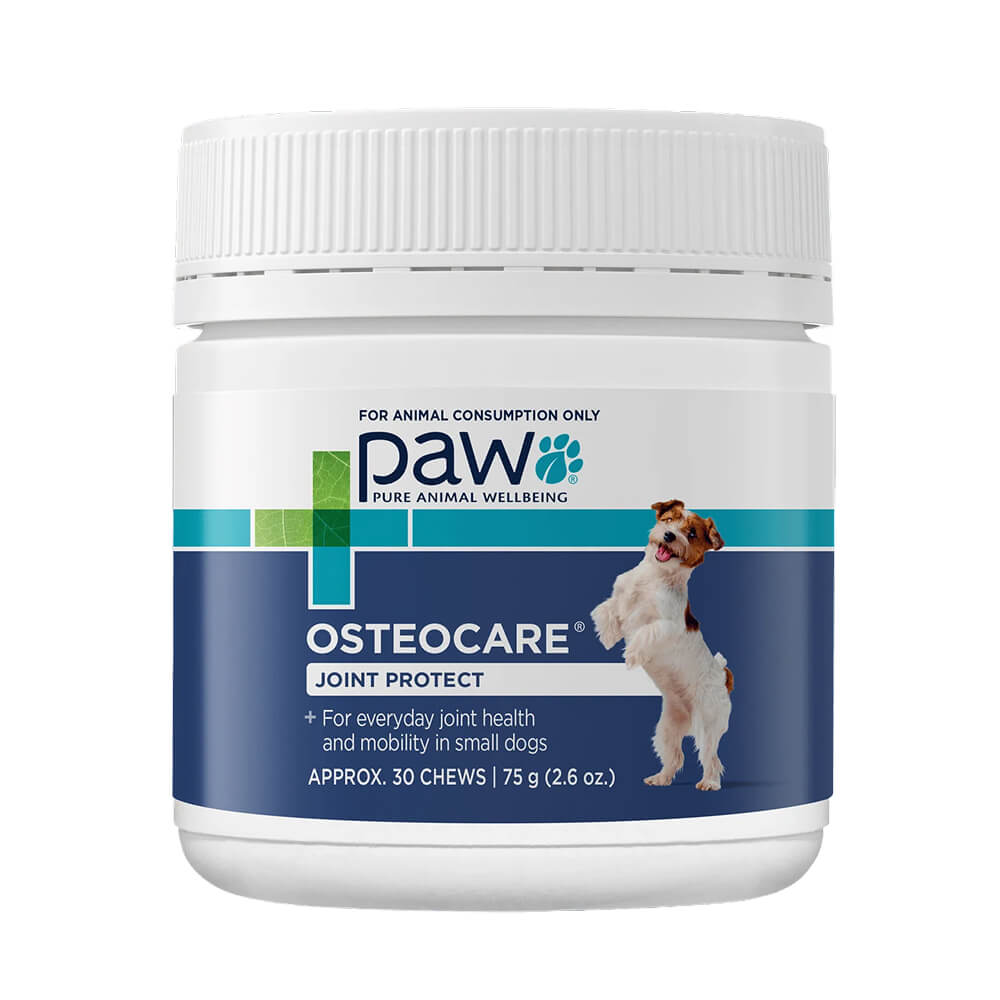
OsteoCare® Small Chews
30 Pack
Dog Directory saved you
39%
this week.
Imagine what you could save in a year...

Overview

PAW OsteoCare® Small Chews are Australian-made joint support chews sized for small dogs up to 15 kg. Glucosamine and chondroitin sulphate support joint cartilage health, with manganese and vitamin C providing additional support for active or ageing small-breed joints. Built on a low-allergen fish and chickpea protein base. Not for use in acute or infectious joint conditions. Complementary feed; not a complete meal.


Ingredients

Rye Flour, Besan Flour, Glucosamine Sulphate NaCl, Fish Meal (Tuna and Salmon), Glycerine, Soy Flour, Water, Chondroitin Sulphate, Pectin, Guar Gum, Cellulose, Flavours (Smokey Beef, Chicken Natural), Sodium Chloride, Sodium Stearyl Lactylate, Acetic Acid, Ascorbic Acid (Vitamin C), Hydrolysed Vegetable Protein Flavex, Dimethylsulfone, Manganese Gluconate, Preservative (Potassium Sorbate), Colour (Turmeric Extract), Naturox®.

Ingredient images are illustrative only and may not represent the exact source or form used by manufacturers.
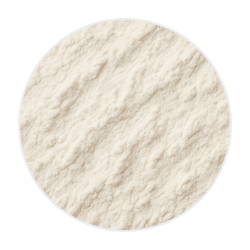
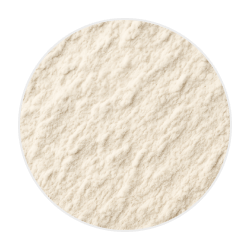
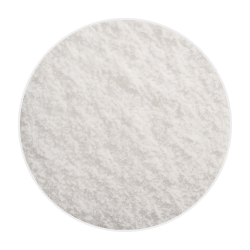
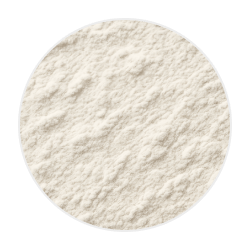
Fine, off-white rye flour with a soft, powdery texture displayed in a close-up circular view for dog nutrition
Rye Flour
Rye Flour
Secale Cereale Flour, Secale Cereale, Cereal Rye Flour, Wholemeal Rye Flour
Summary
Rye flour is a plant-derived ingredient milled from the whole or partial grain of the rye plant (Secale cereale). It is primarily included in pet food as a source of complex carbohydrates, dietary fibre, and essential nutrients. Rye flour is used in its natural, milled form, providing energy and supporting digestive health in pets through its fibre content and slow-release carbohydrates.
Why it's used?
Rye flour is included as a cost-effective carbohydrate source that provides bulk and energy to pet food formulations. It may also contribute to product texture and serve as a label-friendly grain alternative to wheat or corn.
Fine, pale yellow besan flour with a soft, powdery texture displayed in a close-up circular view
Besan Flour
Besan Flour
Gram Flour, Chickpea Flour, Garbanzo Bean Flour, Cicer Arietinum Flour
Summary
Besan flour, also known as chickpea flour, is a finely ground powder derived from dried chickpeas, a legume of plant origin. It is primarily included in pet food as a source of plant-based protein and dietary fibre, supporting digestive health and energy. Besan flour is used in its natural, milled form, ensuring optimal nutrient availability and digestibility for pets.
Why it's used?
Besan flour is included as a cost-effective, protein-rich carbohydrate source that helps improve the texture and binding of pet food products. Its use also supports grain-free or gluten-free labelling, appealing to consumer preferences.
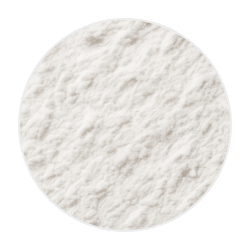
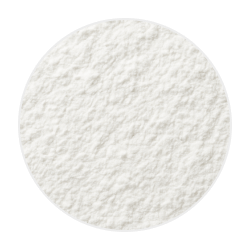
Fine white powder texture of glucosamine sulphate, a common joint health supplement ingredient for dogs
Glucosamine Sulphate
D-Glucosamine Sulphate, Glucosamine Sulphate Potassium Chloride, Glucosamine Sulphate 2KCl, Glucosamine Sulphate Sodium Chloride
Summary
Glucosamine sulphate is a compound derived from shellfish or produced synthetically, classified as an amino sugar. It is primarily included in pet food to support joint health and maintain cartilage integrity, particularly in ageing or active animals. Glucosamine is not used in its natural raw form; instead, it is utilised as glucosamine sulphate, a stable and bioavailable salt, to optimise absorption and efficacy.
Why it's used?
Glucosamine sulphate is included as a functional additive to support joint health, appealing to consumers seeking preventative or therapeutic benefits for their pets. Its presence also serves as a marketing differentiator, enhancing the product’s perceived value.
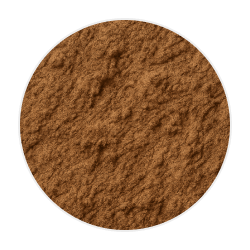
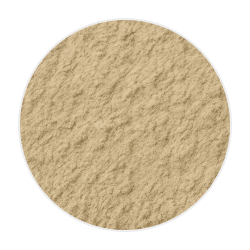
Fine brown fish meal powder with a slightly coarse texture, commonly used as a nutritious dog food ingredient
Fish Meal
Fish Meal
Fish Powder, Fish Scrap Meal, Fish Protein Concentrate, Fish Solubles Meal
Summary
Fish meal is a high-protein ingredient derived from whole fish or fish trimmings, making it an animal-based product. It is primarily included in pet food to provide essential amino acids, omega-3 fatty acids, and vital minerals that support muscle development and skin health. Fish meal is not used in its natural whole form but is processed and dried to optimise digestibility and nutrient availability.
Why it's used?
Fish meal is included as a concentrated protein source to support nutritional requirements in pet food formulations. It also provides essential fatty acids and can enhance palatability, making the product more appealing to pets.
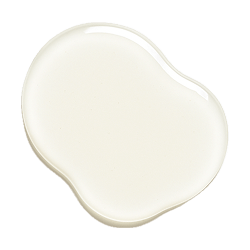
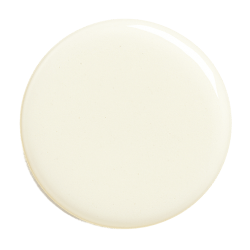
Clear, slightly viscous drop of glycerine with a smooth, glossy texture on a white background
Glycerine
Glycerine
Glycerol, 1,2,3-Propanetriol, E422, Propane-1,2,3-Triol
Summary
Glycerine is a colourless, odourless liquid derived from plant or animal fats. In pet food, it serves primarily as a humectant, helping to retain moisture and improve texture. Glycerine is not used in its natural, raw state but is refined and purified for food-grade applications to ensure safety and optimal absorption. It also aids in palatability and shelf-life extension.
Why it's used?
Glycerine is included as a humectant to retain moisture and improve the texture of pet food products, helping to prevent them from drying out. It also acts as a mild sweetener to enhance palatability for pets.
Fine, pale beige soy flour with a soft, powdery texture displayed in a close-up circular view
Soy Flour
Soy Flour
Soybean Flour, Soy Flour, Glycine Max Flour, E416
Summary
Soy flour is a finely ground product derived from roasted soybeans, a legume of plant origin. It is primarily included in pet food as a high-quality source of plant protein and essential amino acids, supporting muscle maintenance and overall health. Soy flour is used in its natural, processed form, ensuring digestibility and nutrient availability for pets.
Why it's used?
Soy flour is included as a cost-effective protein and carbohydrate source, helping to optimise nutritional content while managing production costs. It also acts as a functional binder, improving texture and product consistency in pet food formulations.
Clear droplet of water with a glossy, smooth texture on a white background, highlighting water as vital for dog hydration
Water
Water
Aqua, Purified Water, Distilled Water, Deionised Water
Summary
Water is a vital ingredient sourced from natural origins and is essential for all living organisms. In pet food, water serves primarily to hydrate, aid in ingredient processing, and ensure proper texture and palatability. It is used in its natural, purified form, not chemically altered, to optimise moisture content and support the overall health and wellbeing of pets.
Why it's used?
Water is included as a processing aid to facilitate mixing and extrusion during manufacturing. It also helps achieve the desired texture and moisture content in the final product.
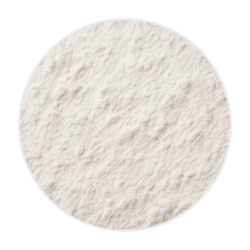
Fine white powder texture of chondroitin sulphate, a common joint health supplement ingredient for dogs
Chondroitin Sulphate
Chondroitin Sulfate, Chondroitin Polysulphate, Chonsurid, Haliotis Spp. Chondroitin Sulphate
Summary
Chondroitin sulphate is a compound derived from animal cartilage, commonly sourced from bovine or marine origins. It is primarily included in pet food to support joint health by aiding cartilage structure and function. Chondroitin is not used in its natural raw state; instead, it is utilised as a purified sulphated glycosaminoglycan to optimise safety, stability, and absorption in companion animals.
Why it's used?
Chondroitin sulphate is included as a functional ingredient to support joint health, appealing to consumers seeking products with perceived mobility benefits for their pets. Its presence also serves a marketing purpose by enhancing the product’s value proposition in the premium and senior pet food segments.
Fine off-white pectin powder with a soft, slightly grainy texture, commonly used as a natural thickener in dog food
Pectin
Pectin
E440, E440(i), Pectic Polysaccharide, Pectine
Summary
Pectin is a soluble dietary fibre derived from plant sources, most commonly fruits such as apples and citrus. It is primarily included in pet food to support digestive health by promoting healthy gut motility and stool quality. Rather than being used in its raw plant form, pectin is utilised as a purified extract to optimise its functional benefits and ensure consistent quality.
Why it's used?
Pectin is included as a natural gelling and thickening agent to improve the texture and consistency of pet food products. It also serves as a stabiliser, helping to maintain product integrity during storage and extend shelf life.
Fine off-white guar gum powder with a soft, slightly textured surface, commonly used as a thickener in dog food
Guar Gum
Guar Gum
Cyamopsis Tetragonoloba Gum, E412, Guaran, Guar Flour
Summary
Guar gum is a natural polysaccharide derived from the seeds of the guar plant (Cyamopsis tetragonoloba), a legume native to India and Pakistan. It is primarily used as a thickening and stabilising agent in pet food, helping to improve texture and moisture retention. Guar gum is utilised in its processed powder form, not as whole seeds, to ensure optimal functionality and digestibility.
Why it's used?
Guar gum is included as a cost-effective thickening and stabilising agent to improve the texture and consistency of pet food products. It also helps maintain product uniformity during storage and extends shelf life.
Light beige cellulose powder with a fine, soft texture, commonly used as a fibre ingredient in dog food
Cellulose
Cellulose
Beta-Glucan Homopolysaccharide, E460, Microcrystalline Cellulose, Plant Fibre
Summary
Cellulose is a plant-derived carbohydrate sourced primarily from the cell walls of fibrous plants. It serves as an insoluble dietary fibre in pet food, supporting healthy digestion and promoting optimal stool quality. Cellulose is not used in its raw plant form but is processed into a purified, food-grade powder to ensure consistency, safety, and effective fibre delivery in formulated diets.
Why it's used?
Cellulose is included as a cost-effective fibre source to promote digestive health and regulate stool quality in pet food formulations. It also serves as a bulk-adding agent, helping to control calorie density without significantly impacting palatability.
Too vague to identify
Flavours
Flavours
Flavouring, Flavouring Substance, Flavouring Agent, Flavouring Preparation
Summary
Flavours are additives derived from various sources, including animal, plant, or synthetic origins, designed to enhance the palatability of pet food. Their primary purpose is to improve taste and encourage consistent consumption. Flavours are not used in their natural, raw state; instead, they are formulated as specific compounds or extracts to ensure safety, stability, and uniformity in pet food products.
Why it's used?
Flavours are included to enhance palatability, encouraging pets to consume the product. They also allow manufacturers to maintain consistent taste profiles despite variations in raw ingredient quality.
Fine white powder of sodium chloride with a smooth, crystalline texture, commonly used in dog food ingredients
Sodium Chloride
Sodium Chloride
Table Salt, Rock Salt, Halite, E524
Summary
Sodium chloride is a mineral compound commonly known as table salt, sourced from either natural salt deposits or seawater. It is primarily included in pet food to maintain electrolyte balance and support normal nerve and muscle function. Sodium chloride is not used in its raw mineral form but is utilised as a purified compound to ensure safety, palatability, and optimal absorption.
Why it's used?
Sodium chloride is included as an essential mineral to meet pets’ dietary sodium requirements and to enhance palatability. It also functions as a preservative, helping to maintain product stability and extend shelf life.
Fine white powder texture of sodium stearyl lactylate, a common dog food and supplement ingredient
Sodium Stearyl Lactylate
E481, Sodium Stearoyl Lactylate, SSL, Stearoyl-2-Lactylate Sodium
Summary
Sodium stearyl lactylate is a compound derived from the esterification of lactic acid (plant origin) and stearic acid (typically plant or animal origin), combined with sodium. It is primarily used as an emulsifier to improve texture and moisture retention in pet foods. Sodium stearyl lactylate is not used in its natural raw state but is utilised as a safe, food-grade compound to optimise product consistency.
Why it's used?
Sodium stearyl lactylate is included as an emulsifier to improve the texture and consistency of pet food products, ensuring uniform mixing of fats and water-based ingredients. Its use also enhances product stability and shelf life, supporting efficient large-scale manufacturing.
Clear, slightly off-white liquid drop of acetic acid with a smooth texture, used in dog health products
Acetic Acid
Acetic Acid
Ethanoic Acid, E260, Glacial Acetic Acid, Vinegar Acid
Summary
Acetic acid is an organic compound derived from plant fermentation, most commonly found in vinegar. In pet food, its primary function is as a preservative, helping to inhibit the growth of harmful bacteria and extend shelf life. Acetic acid is not used in its raw, concentrated form; instead, it is incorporated in a diluted, food-grade solution to ensure safety and palatability.
Why it's used?
Acetic acid is included as a preservative to inhibit microbial growth and extend the shelf life of pet food products. It may also be used to adjust pH levels, optimising product stability and safety.
Fine white powder form of ascorbic acid, a vitamin C supplement for dogs, shown with a smooth, soft texture
Ascorbic Acid
Ascorbic Acid
L-Ascorbic Acid, E300, L-Threo-Hex-2-Enono-1,4-Lactone, 3-Keto-L-Gulofuranolactone
Summary
Ascorbic acid, commonly known as vitamin C, is a synthetic compound derived from plant sources such as corn or sugar beets. It serves as an antioxidant and supports immune function in pets. Ascorbic acid is not used in its natural fruit or vegetable form but is instead utilised as a purified compound to ensure stability, safety, and optimal absorption in pet food formulations.
Why it's used?
Ascorbic acid is included as an antioxidant to help preserve the freshness and extend the shelf life of pet food products. It may also be used to support label claims related to vitamin C content for marketing purposes.
Too vague to identify
Hydrolysed Vegetable Protein
Acid-Hydrolysed Vegetable Protein, Enzymatically Hydrolysed Vegetable Protein, HVP, Plant Protein Hydrolysate
Summary
Hydrolysed vegetable protein is a plant-derived ingredient produced by breaking down vegetable proteins into smaller peptides and amino acids through hydrolysis. Its primary purpose is to enhance palatability and provide a readily digestible source of protein. Rather than being used in its original whole food form, it is utilised in a hydrolysed state to optimise digestibility and reduce allergenic potential.
Why it's used?
Hydrolysed vegetable protein is included as a cost-effective source of amino acids and to enhance palatability through the creation of savoury flavours. It also allows manufacturers to optimise protein content while maintaining a desirable product texture and appearance.
Fine white powder texture of dimethylsulfone, a popular dog supplement ingredient in Australia
Dimethylsulfone
Dimethylsulfone
Methylsulfonylmethane, MSM, Sulfonylbismethane, DMSO2
Summary
Dimethylsulfone is an organic sulphur compound derived from both plant and animal sources. It is primarily included in pet food for its role in supporting joint health and reducing inflammation. Dimethylsulfone is not used in its natural raw state; instead, it is utilised in its purified, crystalline form to ensure safety, stability, and optimal absorption in companion animals.
Why it's used?
Dimethylsulfone is included as a source of bioavailable sulphur, which may support joint health and overall wellbeing in pets. Its addition can also serve a marketing function by appealing to consumers seeking functional or supplemental ingredients in pet food formulations.
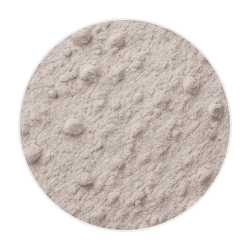
Light beige manganese gluconate powder with a fine, slightly clumpy texture displayed in a circular close-up view
Manganese Gluconate
Manganese Gluconate
Manganese Bis(D-Gluconate), E515, Gluconic Acid Manganese Salt, Manganese(II) Gluconate
Summary
Manganese gluconate is a mineral compound derived from the combination of manganese, an essential trace element, and gluconic acid. It is included in pet food to support enzyme function, bone development, and metabolic processes. Unlike raw or metallic manganese, manganese gluconate is utilised for its enhanced safety and bioavailability, ensuring optimal absorption and effectiveness in the diet.
Why it's used?
Manganese gluconate is included as a bioavailable source of the essential trace mineral manganese, supporting nutritional adequacy and compliance with regulatory nutrient requirements. Its use allows precise formulation and labelling of mineral content in pet food products.
Fine white powder texture of potassium sorbate, a common dog food preservative, shown in close-up detail
Potassium Sorbate
Potassium Sorbate
E202, Sorbistat K, Potassium (E202), Potassium Salt of Sorbic Acid
Summary
Potassium sorbate is a preservative derived from sorbic acid, a naturally occurring compound found in some fruits, but it is manufactured synthetically for commercial use. Its primary function in pet food is to inhibit the growth of moulds and yeasts, thereby extending shelf life. Potassium sorbate is not used in its natural state but as a salt compound to ensure safety and effective preservation.
Why it's used?
Potassium sorbate is included as a preservative to inhibit the growth of mould, yeast, and some bacteria, thereby extending the product’s shelf life. Its use allows manufacturers to maintain product stability and freshness during storage and distribution.
Bright yellow-orange turmeric extract powder with a fine, textured surface, commonly used in dog supplements
Turmeric Extract
Turmeric Extract
Curcuma Longa Extract, Curcuma Longa L. Extract, Turmeric Root Extract, E100
Summary
Turmeric extract is a concentrated derivative of the turmeric root, a plant native to South Asia. It is primarily included in pet food for its antioxidant and anti-inflammatory properties, supporting joint health and immune function. Rather than using the whole root, turmeric is utilised in extract form to standardise and optimise the active compound curcumin for enhanced efficacy and absorption in pets.
Why it's used?
Turmeric extract is included as a label-friendly ingredient to appeal to health-conscious consumers due to its association with natural antioxidants. Its presence supports marketing claims of added functional benefits, though it is typically used in small amounts with minimal direct impact on pet health.
Fine, light brown Naturox® powder with a smooth, even texture, commonly used as a natural antioxidant in dog food
Naturox®
Naturox®
Mixed Tocopherols, E306, Tocopherol-Rich Extract, Tocopherols Concentrate
Summary
Naturox® is a proprietary blend of natural antioxidants derived primarily from plant sources such as rosemary extract, mixed tocopherols (vitamin E), and citric acid. Its main purpose is to preserve the freshness and stability of pet food by preventing fat oxidation. Naturox® is not a whole food but a formulated mixture, specifically utilised in its blended form to optimise efficacy and safety.
Why it's used?
Naturox® is included as a natural antioxidant to help preserve fats and oils in pet food, thereby extending shelf life and maintaining product freshness. Its use also supports "label-friendly" marketing by replacing synthetic preservatives with a more consumer-acceptable alternative.

About


Manufactured
Australia
Type
Chew
Life Stage
All Life Stages
Breed Size
Small

PRODUCT TAGS


Dairy Free

Oops! Something went wrong...PLEASE TRY AGAIN

Most Tracked This Week

About the Brand

Pure Animal Wellbeing

PAW is a vet founded Australian pet health brand offering science-backed supplements, dermatology shampoos, wound care, and joint support for dogs and cats.


Comments

0 comments

Login to Join the Conversation 💬

Be the first to leave a comment.
Loading
Anonymous User
This is the actual comment. It's can be long or short. And must contain only text information.
(Edited)
Your comment will appear once approved by a moderator.
4 years ago
0
0
Reply
Anonymous User
This is the actual comment. It's can be long or short. And must contain only text information.
(Edited)
Your comment will appear once approved by a moderator.
2 years ago
0
0
Thank you! Your submission has been received!
Oops! Something went wrong while submitting the form.