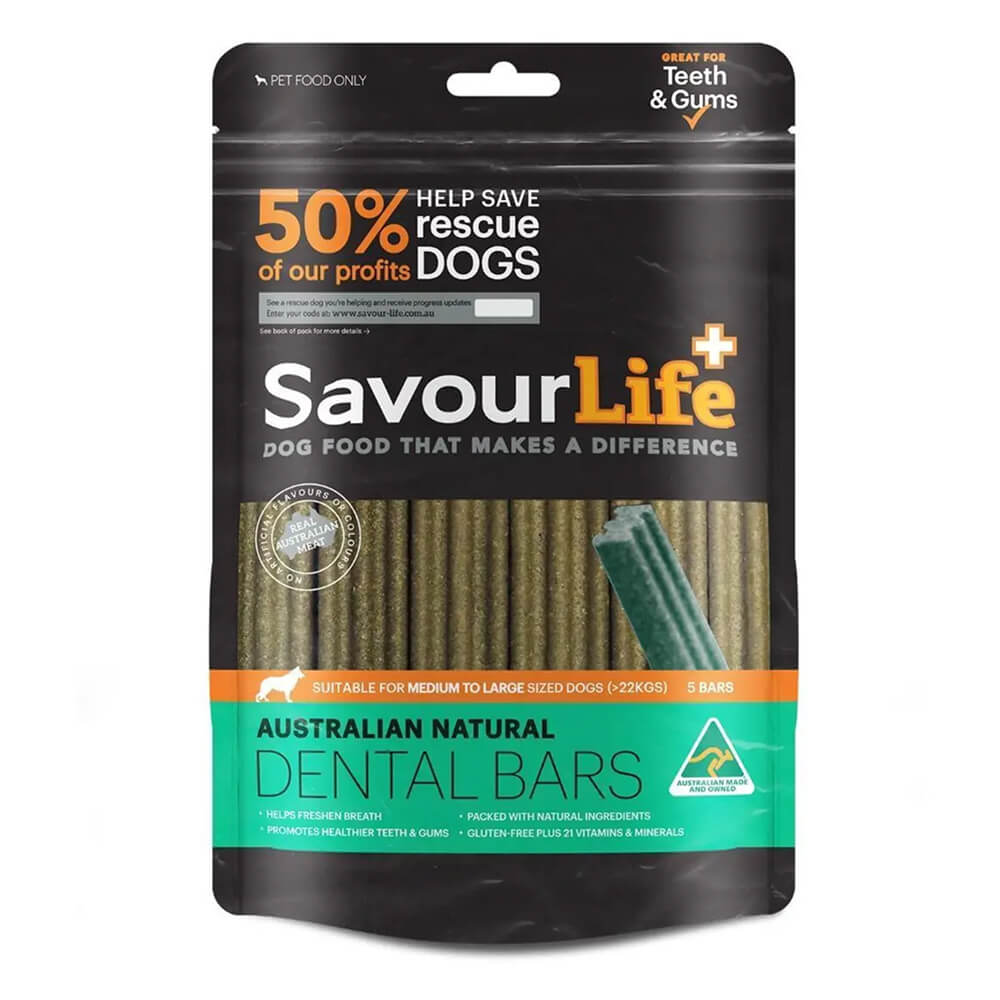
Australian Natural Dental Bars for Medium/Large Dogs

Overview
SavourLife Australian Natural Dental Bars for Medium/Large Dogs are daily dental chews with a ridged shape that helps clean teeth and freshen breath. Australian-made for dogs over around 22kg, they're a complementary treat, not a meal.
Nutritional Analysis
Ingredients
Rice and Rice Flour, Wheat Starch, Tapioca, Glycerine, Gelatin, Rice, Kangaroo, Gum Arabic, Vitamins and Minerals, Citric Acid, Natural Antioxidants and Colour, Potassium Sorbate, Soy Lecithin, Mint and Parsley.

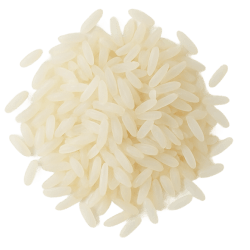
Oryza Sativa, Paddy, Oryza Sativa Grain, Oryza Spp.
Rice is a cereal grain derived from the seeds of the Oryza sativa plant, making it a plant-based ingredient. It serves primarily as a highly digestible source of carbohydrates, providing energy for pets. In pet food, rice is typically used in its natural, whole or milled form, rather than as a processed extract, to optimise digestibility and nutrient availability.
Rice is included as a cost-effective carbohydrate source that provides energy and helps create a desirable texture in pet food. It is also easily digestible, making it suitable for sensitive digestive systems and appealing for marketing as a familiar, label-friendly ingredient.

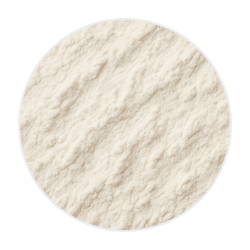
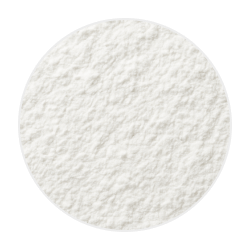
Ground Rice, Oryza Sativa Flour, Rice Powder, Oryza Sativa
Rice flour is a finely milled powder derived from whole or broken rice grains, making it a plant-based ingredient. It is primarily used as a carbohydrate source, providing easily digestible energy and aiding in kibble structure. Rice flour is incorporated in its natural, ground form, not as a raw grain, to optimise digestibility and palatability in pet food formulations.
Rice flour is included as a cost-effective, easily digestible carbohydrate source that provides energy and helps create a desirable texture in pet food. Its neutral flavour and hypoallergenic properties also make it suitable for sensitive pets and appealing in marketing as a gentle ingredient.

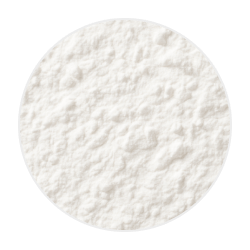
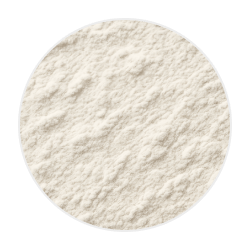
Amylum Tritici, Triticum Aestivum Starch, E1400, Starch (Wheat)
Wheat starch is a carbohydrate ingredient derived from the endosperm of wheat grains, making it plant-based in origin. It serves primarily as a source of energy and as a functional binder in pet food formulations. Wheat starch is utilised in its processed form, not as whole wheat, to optimise digestibility and texture, ensuring it is suitable and safe for animal consumption.
Wheat starch is included as a cost-effective carbohydrate source that provides energy and helps bind kibble, improving texture and processing efficiency. It also contributes to a desirable appearance and consistency in the final product.

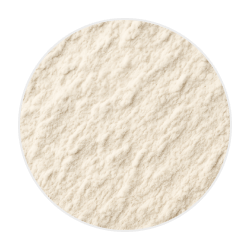
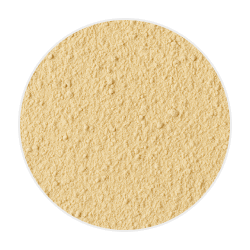
Cassava, Manioc, Yuca, Manihot Esculenta
Tapioca is a starch extracted from the root of the cassava plant, a tropical crop native to South America. As a plant-derived ingredient, its primary purpose in pet food is to provide a highly digestible source of carbohydrates and energy. Tapioca is used in its natural, processed form as a purified starch, not as whole cassava root, ensuring safety and digestibility.
Tapioca is included as a cost-effective carbohydrate source that provides energy and helps bind kibble, contributing to the desired texture and structure of the final product. Its neutral flavour and hypoallergenic properties also make it suitable for formulating diets for pets with sensitivities.

Glycerol, 1,2,3-Propanetriol, E422, Propane-1,2,3-Triol
Glycerine is a colourless, odourless liquid derived from plant or animal fats. In pet food, it serves primarily as a humectant, helping to retain moisture and improve texture. Glycerine is not used in its natural, raw state but is refined and purified for food-grade applications to ensure safety and optimal absorption. It also aids in palatability and shelf-life extension.
Glycerine is included as a humectant to retain moisture and improve the texture of pet food products, helping to prevent them from drying out. It also acts as a mild sweetener to enhance palatability for pets.

Gelatin, E441, Hydrolysed Collagen, Collagen Hydrolysate
Gelatine is a protein derived from animal collagen, typically sourced from the skin, bones, and connective tissues of cattle or pigs. It serves as a gelling agent, providing structure and texture to pet foods while also contributing to protein content. Gelatine is not used in its raw animal form but is processed and purified to ensure safety, digestibility, and optimal functional performance.
Gelatine is included as a functional binding and gelling agent to improve the texture and cohesiveness of pet food products. It also serves as a cost-effective protein source that can enhance palatability.

Macropus Spp., Kangaroo Meat, Kangaroo Muscle, Macropod Meat
Kangaroo is a novel animal protein sourced from wild Australian kangaroos. It is prized for its lean, highly digestible meat, offering a rich source of essential amino acids, iron, and B vitamins. Kangaroo is primarily included in pet food to support muscle maintenance and overall vitality. This ingredient is used in its natural, whole food form, ensuring optimal nutrient availability and palatability.
Kangaroo is included as a novel, high-protein meat source that appeals to consumers seeking hypoallergenic or limited-ingredient diets for their pets. Its use also serves as a marketing differentiator, positioning the product as premium and suitable for pets with common protein sensitivities.

Acacia Senegal, Acacia Seyal, E414, Acacia Gum
Gum Arabic is a natural plant-derived gum obtained from the sap of Acacia trees, primarily Acacia senegal and Acacia seyal. It serves as a functional ingredient in pet food, acting as a stabiliser, emulsifier, and source of soluble dietary fibre. Gum Arabic is used in its natural, dried exudate form, ensuring safety and optimal digestibility for companion animals.
Gum Arabic is included as a stabilising and thickening agent to improve the texture and consistency of pet food products. It also helps to maintain ingredient suspension and extend shelf life, supporting product quality during storage and distribution.
Micronutrients, Essential Micronutrients, Vital Nutrients, Accessory Food Factors
Vitamins are organic compounds derived from both plant and animal sources, essential for numerous metabolic and physiological functions in pets. Their primary purpose is to support immune health, vision, bone development, and cellular processes. In pet food, vitamins are not used in their natural, raw forms but are instead incorporated as stabilised compounds or premixes to ensure safety, stability, and optimal bioavailability.
Vitamins are included to ensure nutritional adequacy and meet regulatory requirements for complete and balanced pet food. They may also be added to compensate for nutrient losses during processing and storage.
Dietary Minerals, Inorganic Nutrients, Essential Minerals, Bulk Elements
Minerals are essential inorganic nutrients derived from the earth, not produced by animals or plants. They play a critical role in supporting various physiological functions, such as bone development, nerve transmission, and enzyme activity. In pet food, minerals are not used in their natural raw or metallic state; instead, they are incorporated as specific compounds (such as sulphates or chelates) to optimise safety and bioavailability.
Minerals are included to meet essential nutritional requirements for pets, supporting overall health and proper bodily functions. They are often added in precise amounts to ensure the product complies with regulatory standards and nutrient profiles.

2-Hydroxypropane-1,2,3-Tricarboxylic Acid, E330, 3-Carboxy-3-Hydroxypentanedioic Acid, Monohydrate Citric Acid
Citric acid is an organic compound derived primarily from citrus fruits, though it is commonly produced via fermentation for commercial use. Its main purpose in pet food is as a natural preservative and acidity regulator, helping to maintain freshness and inhibit spoilage. Citric acid is not used in its raw, crystalline form but is incorporated as a purified, food-grade compound to ensure safety and efficacy.
Citric acid is included as a preservative to enhance product stability and extend shelf life by inhibiting microbial growth. It may also be used to adjust acidity, optimising flavour and maintaining the quality of the final product.
Tocopherol, Mixed Tocopherols, E306, Rosemary Extract
Natural antioxidant refers to a substance, typically derived from plant sources, that helps protect pet food from oxidative damage and spoilage. Its primary function is to preserve freshness and extend shelf life by inhibiting the oxidation of fats and oils. In pet food, natural antioxidants are used in their natural form, ensuring safety and effective absorption without the need for chemical modification.
Natural antioxidants are included to help preserve the freshness and stability of pet food by slowing the oxidation of fats and oils, thereby extending shelf life. They also serve as a label-friendly alternative to synthetic preservatives, appealing to consumers seeking more natural ingredients.
Colouring, Colour Additive, Food Colour, E Number (if specific)
Natural colour refers to pigments derived from natural sources such as plants, animals, or minerals, used to enhance the visual appeal of pet food. Its primary purpose is to provide consistent and attractive colouring without synthetic additives. Natural colours are typically utilised in their extracted or processed forms, rather than as whole foods, to ensure stability, safety, and uniformity in the final product.
Natural colour is included to enhance the visual appeal of the pet food, making it more attractive to consumers without affecting nutritional value. It serves a marketing function by supporting a label-friendly ingredient list.

E202, Sorbistat K, Potassium (E202), Potassium Salt of Sorbic Acid
Potassium sorbate is a preservative derived from sorbic acid, a naturally occurring compound found in some fruits, but it is manufactured synthetically for commercial use. Its primary function in pet food is to inhibit the growth of moulds and yeasts, thereby extending shelf life. Potassium sorbate is not used in its natural state but as a salt compound to ensure safety and effective preservation.
Potassium sorbate is included as a preservative to inhibit the growth of mould, yeast, and some bacteria, thereby extending the product’s shelf life. Its use allows manufacturers to maintain product stability and freshness during storage and distribution.

Soya Lecithin, E322, Lecithin (Glycine Max), Phosphatidylcholine
Soy lecithin is a plant-derived ingredient extracted from soybeans. It serves primarily as an emulsifier, helping to blend fats and water in pet food formulations for improved texture and consistency. Rather than using raw soybeans, soy lecithin is utilised in its refined form to optimise digestibility and functional performance, ensuring safety and efficacy in premium pet nutrition.
Soy lecithin is included as an emulsifier to improve the texture and consistency of pet food, ensuring fats and water-based ingredients blend smoothly. It may also serve as a cost-effective ingredient to enhance product stability and shelf life.

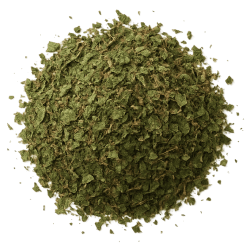
Mentha, Mentha Spp., Mentha Extract, Mentha Oil
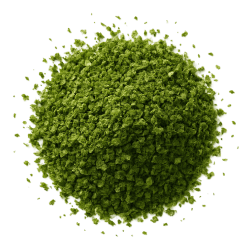
Mint is a fragrant herb derived from the leaves of plants in the Mentha genus, originating from the plant kingdom. It is primarily included in pet food for its natural flavouring properties and potential digestive benefits. Mint is used in its natural, whole-leaf form, ensuring the retention of its aromatic oils and phytonutrients, which may support fresh breath and gastrointestinal health in pets.
Mint is included as a label-friendly ingredient to appeal to pet owners seeking natural or holistic components, and may also be intended to provide a fresh aroma or aid in breath freshening for pets. Its functional impact on pet health is generally minimal at the typical inclusion levels.

Petroselinum Crispum, Garden Parsley, Common Parsley, E461
Parsley is a leafy herb of plant origin, commonly used in pet food for its natural antioxidant properties and as a source of vitamins such as vitamin K and C. It is primarily included to support immune health and freshen breath. In pet food formulations, parsley is used in its natural, whole form, ensuring the retention of its beneficial phytonutrients and fibre content.
Parsley is included as a label-friendly ingredient to appeal to pet owners seeking natural or recognisable components in pet food. It may also be added for its perceived breath-freshening properties, though its functional impact on canine nutrition is minimal.

.png)


Comments
0 comments
Login to Join the Conversation 💬