






Your Dog's World, Personalised
Save your favourite products and locations, track prices, and unlock exclusive discounts — all in one place
or
Error
Verify Your Email
We've emailed a sign-in code. Enter it below to continue.
Share
Thank you! Your submission has been received!
Oops! Something went wrong while submitting the form.
Back to ExploreScratch
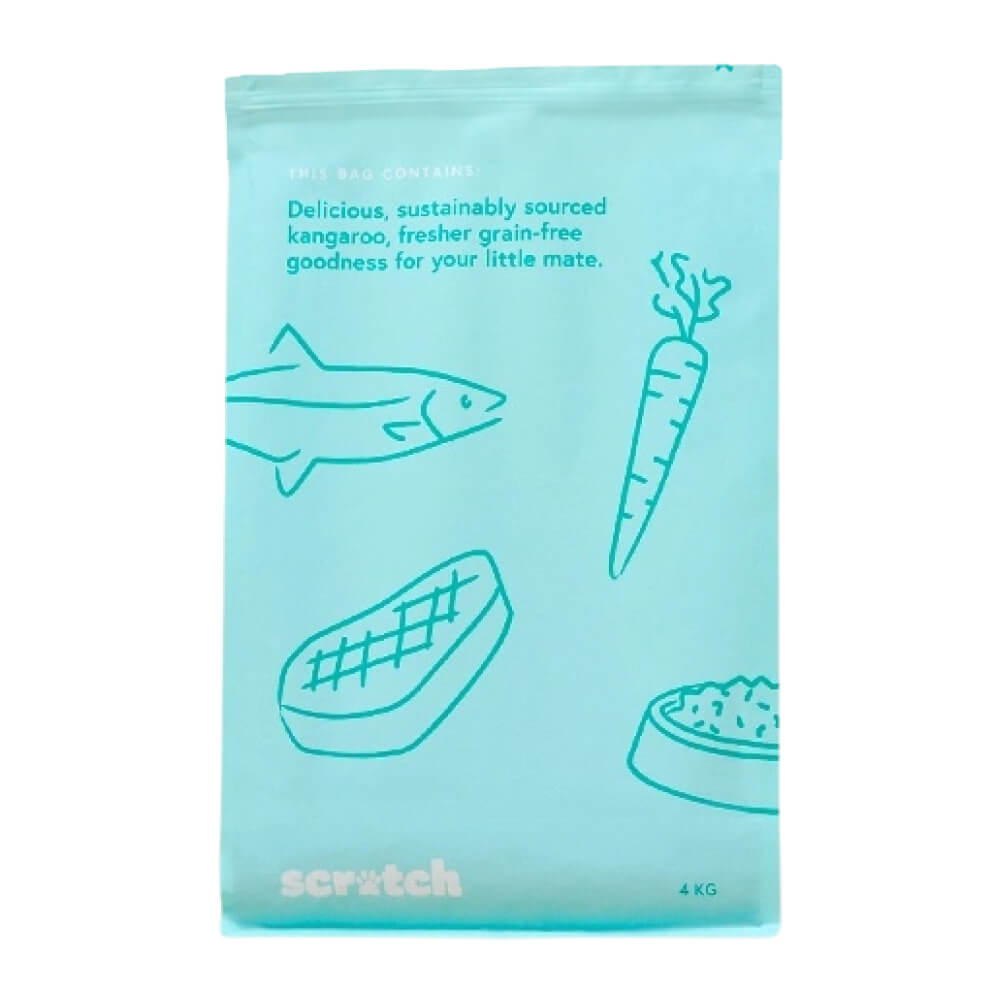
Mackerel and Salmon Dry Dog Food
4kg

Overview

Scratch Grain-Free Sensitive is the brand's fish-based dry food, formulated for dogs with skin or digestive sensitivities to common land-animal proteins. Mackerel and Tasmanian salmon are used as the only animal proteins, providing natural omega fatty acids that support skin and coat condition alongside a gentle profile suited to dogs prone to itching, recurring stomach upsets, or food reactions. A grain-free, complete and balanced everyday kibble for adult dogs of all sizes — and a useful first option for owners working through suspected food sensitivities or seeking a fish-led diet.


Nutritional Analysis

Protein
30
%
0%
Fat
14
%
0%
Carbohydrates
29.1
%
0%
Energy
365
0
 kcal/100g

Ingredients

Meat: Mackerel Meal, Salmon Meal, Salmon Digest. Veggies: Broad Beans, Chickpeas, Beet Pulp, Chicory, Yucca Extract, Carrot, Chia, Spinach, Pumpkin, Kelp, Turmeric. Fats & Oils: Beef Fat, Sunflower Oil, Salmon Oil, Flaxseed Oil, Coconut Oil, DHA from Algae. Vitamins & Minerals: Monosodium Phosphate, Salt, Potassium Chloride, DL Methionine, Taurine, Zinc Sulphate Monohydrate, Essential Vitamins & Minerals. Natural Antioxidants: Mixed Tocopherols, Rosemary Extract.

Scratch lists ingredients by category rather than by weight, so the order above doesn't reflect manufacturing proportions.

Ingredient images are illustrative only and may not represent the exact source or form used by manufacturers.
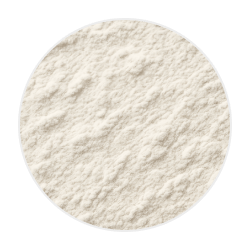
Fine brown mackerel meal powder with a slightly coarse texture, formed in a circular mound on a plain background
Mackerel Meal
Mackerel Meal
Scomber Spp. Meal, Scomberidae Meal, Fish Meal (Mackerel), Scomber Fish Meal
Summary
Mackerel meal is a concentrated animal protein ingredient derived from whole mackerel fish, processed and dried into a fine powder. It serves as a rich source of high-quality protein and essential omega-3 fatty acids, supporting muscle development and skin health in pets. Mackerel meal is not used in its natural whole form but is instead utilised as a rendered, dehydrated product to optimise nutrient density and digestibility.
Why it's used?
Mackerel meal is included as a concentrated, cost-effective source of animal protein and omega-3 fatty acids, supporting nutritional value and label appeal. Its use allows manufacturers to optimise protein content while promoting the inclusion of marine-sourced nutrients.
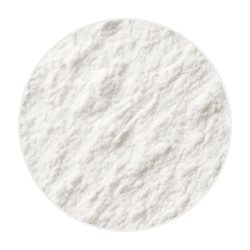
Finely ground light brown salmon meal powder with a soft, crumbly texture, commonly used in dog food nutrition
Salmon Meal
Salmon Meal
Fish Meal (Salmon), Salmonidae Meal, Salmo Spp. Meal, Salmon Fishmeal
Summary
Salmon meal is a concentrated protein ingredient derived from the clean, rendered flesh and skin of salmon, an animal source. It is primarily included in pet foods to provide high-quality protein and essential omega-3 fatty acids, supporting muscle maintenance and skin health. Salmon meal is not used in its whole form; instead, it is processed and dried to optimise nutrient density and digestibility.
Why it's used?
Salmon meal is included as a concentrated protein and omega-3 fatty acid source, supporting nutritional value and marketing claims of high-quality animal protein. Its use also allows manufacturers to optimise protein content cost-effectively compared to whole fresh salmon.
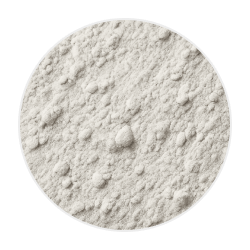
Fine, light orange salmon digest powder with a soft, textured surface, commonly used in dog food supplements
Salmon Digest
Salmon Digest
Hydrolysed Salmon Protein, Salmon Hydrolysate, Salmon Protein Hydrolysate, Salmo Spp. Digest
Summary
Salmon Digest is a functional ingredient derived from salmon, an animal source, and is typically produced through enzymatic hydrolysis of salmon proteins. Its primary purpose is to enhance palatability and provide easily digestible peptides and amino acids, supporting optimal nutrient absorption. Salmon Digest is not used in its whole food form but as a processed hydrolysate to maximise digestibility and nutritional benefit.
Why it's used?
Salmon digest is included as a palatability enhancer, improving the aroma and flavour of the product to increase acceptance by pets. It may also serve as a label-friendly ingredient, appealing to consumers seeking recognisable animal protein sources.
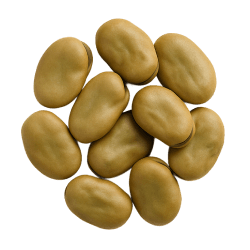
Light brown broad beans with smooth, shiny surfaces clustered together on a plain background
Broad Beans
Broad Beans
Fava Beans, Faba Beans, Vicia Faba, Horse Beans
Summary
Broad beans are edible seeds from the plant Vicia faba, belonging to the legume family. Sourced from plants, they are included in pet food primarily for their protein, fibre, and micronutrient content, supporting digestive health and energy. Broad beans are used in their natural, whole form, ensuring pets benefit from their inherent nutrients without the need for chemical modification or processing into extracts.
Why it's used?
Broad beans are included as a cost-effective plant protein and carbohydrate source, helping to optimise nutritional content while managing production costs. They may also serve as a label-friendly ingredient to appeal to consumers seeking grain-free or novel protein pet food options.
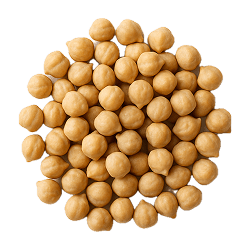
Round, beige chickpeas with a smooth, slightly dimpled texture piled together on a clean white background
Chickpeas
Chickpeas
Garbanzo Beans, Cicer Arietinum, Bengal Gram, Egyptian Pea
Summary
Chickpeas are edible legumes derived from the plant Cicer arietinum, commonly cultivated for their high nutritional value. As a plant-based ingredient, chickpeas are primarily included in pet food for their rich protein, fibre, and complex carbohydrate content, supporting digestive health and sustained energy. Chickpeas are used in their natural, whole form, ensuring optimal nutrient retention and digestibility for pets.
Why it's used?
Chickpeas are included as a cost-effective carbohydrate and protein source, providing bulk and nutritional value while supporting grain-free product labelling. Their use can also enhance the fibre content and appeal to consumers seeking plant-based or alternative ingredients.
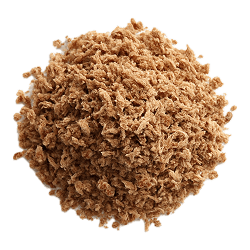
Light brown, shredded beet pulp with a dry, coarse texture, shown loose in a pile for dog food nutrition
Beet Pulp
Beet Pulp
Dried Sugar Beet Pulp, Sugar Beet Fibre, Beta Vulgaris Pulp, Sugar Beet Residue
Summary
Beet pulp is a fibrous by-product derived from sugar beet plants after sugar extraction. It serves as a valuable source of moderately fermentable fibre, supporting digestive health and stool quality in pets. Beet pulp is incorporated in its dried, processed form rather than as raw beet, ensuring optimal digestibility and nutrient availability for companion animals.
Why it's used?
Beet pulp is included as a cost-effective source of dietary fibre to promote digestive health and stool quality in pets. It also serves as a bulk-adding agent, helping to optimise product texture and satiety.
Fine light brown chicory powder with a soft, sandy texture, commonly used as a natural dog food ingredient
Chicory
Chicory
Cichorium Intybus, Blue Sailors, Succory, Wild Endive
Summary
Chicory is a plant-derived ingredient sourced primarily from the root of the chicory plant (Cichorium intybus). It is included in pet food for its prebiotic fibre content, which supports digestive health by promoting beneficial gut bacteria. Chicory is used in its natural form, typically as dried and ground root, to optimise nutrient absorption and gastrointestinal function in pets.
Why it's used?
Chicory is included as a source of inulin, a prebiotic fibre that supports digestive health and can enhance stool quality. It also serves as a label-friendly ingredient that appeals to health-conscious consumers.
Fine, light beige yucca extract powder with a soft, sandy texture displayed in a circular mound
Yucca Extract
Yucca Extract
Yucca Schidigera Extract, Yucca Spp. Extract, Yucca Mohave Extract, Cassava Extract
Summary
Yucca extract is derived from the Yucca schidigera plant, a perennial native to arid regions of North America. Primarily included in pet food for its natural saponins, yucca extract helps reduce stool odour and supports digestive health. It is utilised in a processed extract form rather than as the whole plant, ensuring consistent potency and safety for animal consumption.
Why it's used?
Yucca extract is included as a natural deodorising agent to reduce stool and urine odour, enhancing the perceived cleanliness of the pet and its environment. It also serves as a label-friendly ingredient that appeals to consumers seeking natural additives.
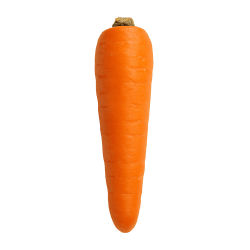
Fresh whole carrot with bright orange skin and smooth, firm texture standing upright on a plain background
Carrot
Carrot
Daucus Carota, Daucus Carota Root, Daucus Carota Sativa, Wild Carrot
Summary
Carrot is a root vegetable of plant origin, widely recognised for its vibrant orange colour and natural sweetness. In pet food, carrot is included in its natural, whole form to provide dietary fibre, beta-carotene (a precursor to vitamin A), and antioxidants. Its primary benefit is supporting digestive health and immune function, while also contributing to overall palatability and nutritional diversity.
Why it's used?
Carrot is included as a label-friendly ingredient to appeal to consumers seeking recognisable, natural components and to enhance the product’s perceived nutritional value. It may also provide a modest source of fibre and vitamins, supporting marketing claims of added health benefits.
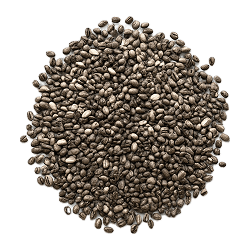
Pile of small, glossy black and white chia seed scattered on a plain background, showing their oval shape and smooth texture
Chia Seed
Chia Seed
Salvia Hispanica, Salvia Hispanica Seed, Salba, Salvia Hispanica L.
Summary
Chia seed is a plant-derived ingredient sourced from the Salvia hispanica plant, native to Central and South America. It is primarily included in pet food for its rich content of omega-3 fatty acids, dietary fibre, and antioxidants, supporting skin, coat, and digestive health. Chia seed is used in its natural, whole form, ensuring optimal nutrient retention and bioavailability for pets.
Why it's used?
Chia seed is included as a label-friendly ingredient to appeal to health-conscious consumers, as it is associated with omega-3 fatty acids and fibre. It may also provide a minor functional benefit as a source of plant-based nutrients and aid in product marketing.
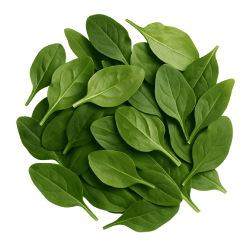
Fresh green spinach leaves with a smooth texture, piled together, perfect for healthy dog-friendly recipes
Spinach
Spinach
Spinacia Oleracea, English Spinach, Common Spinach, Garden Spinach
Summary
Spinach is a leafy green vegetable of plant origin, valued for its rich content of vitamins, minerals, and antioxidants. In pet food, spinach primarily provides dietary fibre, iron, and phytonutrients that support overall health and immune function. Spinach is included in its natural form, ensuring pets benefit from its full nutritional profile without synthetic alteration or processing into extracts.
Why it's used?
Spinach is included as a label-friendly ingredient to appeal to health-conscious consumers and enhance the perceived nutritional value of the product. It may also provide a modest source of vitamins and minerals, supporting marketing claims of added health benefits.
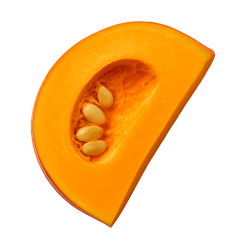
Fresh orange pumpkin wedge with seeds, smooth skin and firm flesh, perfect for healthy dog nutrition and wellbeing
Pumpkin
Pumpkin
Cucurbita Pepo, Cucurbita Maxima, Cucurbita Moschata, Pepo
Summary
Pumpkin is a plant-derived ingredient sourced from the fruit of the Cucurbita pepo species. It is primarily included in pet food for its dietary fibre content, which supports digestive health and regularity. Pumpkin is used in its natural form, either as fresh, cooked, or dehydrated flesh, providing a source of vitamins, minerals, and antioxidants beneficial to overall wellbeing.
Why it's used?
Pumpkin is included as a label-friendly ingredient that appeals to consumers seeking natural and recognisable components, while also serving as a cost-effective source of fibre and moisture to support digestive health and product texture. Its inclusion can enhance marketing appeal without significantly increasing formulation costs.
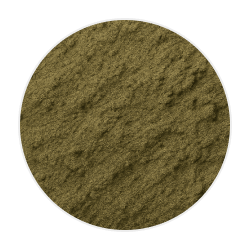
Fine green-brown kelp powder with a soft, grainy texture, commonly used as a natural dog supplement
Kelp
Kelp
Laminaria Spp., Macrocystis Pyrifera, Ascophyllum Nodosum, Brown Seaweed
Summary
Kelp is a type of large, edible seaweed sourced from marine environments and classified as a plant-based ingredient. It is primarily included in pet food for its rich supply of natural iodine, which supports healthy thyroid function. Kelp is used in its dried, ground natural form, allowing pets to benefit from its trace minerals, vitamins, and antioxidants in a bioavailable manner.
Why it's used?
Kelp is included as a label-friendly ingredient to appeal to health-conscious consumers and enhance product marketing, as it is associated with natural sources of vitamins and minerals. It may also serve as a trace mineral supplement to support nutritional completeness in pet food formulations.
Bright yellow turmeric powder with a fine, slightly grainy texture, commonly used as a natural dog supplement
Turmeric
Turmeric
Curcuma Longa, Indian Saffron, Jiang Huang, E100
Summary
Turmeric is a vibrant yellow spice derived from the root of the Curcuma longa plant, making it a plant-based ingredient. It is primarily included in pet food for its natural antioxidant and anti-inflammatory properties, supporting overall health and wellbeing. Turmeric is used in its natural powdered form, ensuring pets benefit from its active compound, curcumin, in a safe and bioavailable manner.
Why it's used?
Turmeric is included as a label-friendly ingredient to appeal to health-conscious consumers due to its association with natural antioxidants and anti-inflammatory properties. Its presence may also support marketing claims related to holistic or functional pet foods, despite being used in small quantities with minimal direct nutritional impact for pets.
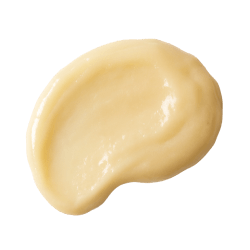
Creamy, pale yellow beef fat with a smooth, glossy texture, shown as a nutritious ingredient for dog food
Beef Fat
Beef Fat
Rendered Beef Fat, Tallow, Bovine Fat, Bos Taurus Fat
Summary
Beef fat is an animal-derived ingredient obtained from the adipose tissue of cattle. It serves primarily as a concentrated source of energy and essential fatty acids, supporting skin and coat health in pets. In pet food, beef fat is typically rendered and purified rather than used in its raw form, ensuring safety, palatability, and optimal nutrient absorption for companion animals.
Why it's used?
Beef fat is included as a cost-effective source of animal-derived energy and to enhance palatability, making the product more appealing to pets. It also contributes to the overall fat content required for nutritional balance in pet food formulations.
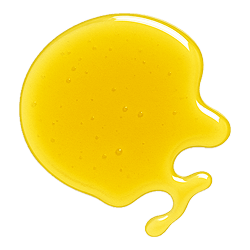
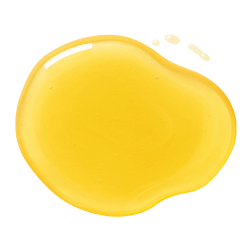
Golden yellow sunflower oil with a smooth, glossy texture in a small puddle on a white background
Sunflower Oil
Sunflower Oil
Helianthus Annuus Seed Oil, Helianthus Annuus Oil, E471, Vegetable Oil (Helianthus Annuus)
Summary
Sunflower oil is a plant-derived oil extracted from the seeds of the sunflower (Helianthus annuus). It serves as a valuable source of energy and provides essential fatty acids, particularly linoleic acid, which supports skin and coat health in pets. Sunflower oil is utilised in its refined liquid form, not as whole seeds, to optimise digestibility and nutrient availability in pet food formulations.
Why it's used?
Sunflower oil is included as a cost-effective source of unsaturated fats to provide essential fatty acids that support skin and coat health. It also enhances palatability and contributes to the overall energy content of the pet food.
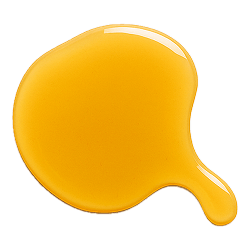
Golden orange salmon oil in a glossy, smooth puddle, showing its rich texture and fresh, vibrant appearance
Salmon Oil
Salmon Oil
Fish Oil (Salmo Spp.), Salmo Spp. Oil, Salmonidae Oil, Omega-3 Marine Oil (Salmo Spp.)
Summary
Salmon oil is a nutrient-rich oil derived from the tissues of salmon, an animal source. It is primarily included in pet food for its high content of omega-3 fatty acids, which support skin, coat, and joint health. Salmon oil is utilised in its extracted liquid form, rather than as whole fish, to optimise absorption and deliver concentrated nutritional benefits.
Why it's used?
Salmon oil is included as a source of omega-3 fatty acids to support skin and coat health, which can enhance the nutritional profile of the product. Its presence also serves as a marketing feature, appealing to consumers seeking premium or functional ingredients.
Golden yellow linseed oil in a glossy, viscous puddle on a white background, highlighting its smooth texture
Linseed Oil
Linseed Oil
Flaxseed Oil, Oleum Lini, E401, Linum Usitatissimum Oil
Summary
Linseed oil, derived from the seeds of the flax plant (Linum usitatissimum), is a plant-based ingredient valued for its high content of omega-3 fatty acids, particularly alpha-linolenic acid (ALA), which supports skin and coat health in pets. In pet food, linseed oil is utilised in its natural, cold-pressed form to optimise nutrient retention and bioavailability.
Why it's used?
Linseed oil is included as a source of omega-3 fatty acids to support skin and coat health, providing a plant-based alternative to fish oils. Its presence also allows manufacturers to market the product as containing beneficial oils for overall wellbeing.
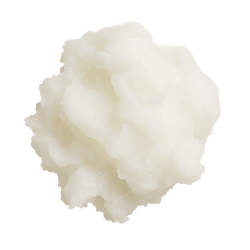
White, fluffy scoop of solid coconut oil with creamy texture, ideal for dog health and nutrition in Australia
Coconut Oil
Coconut Oil
Cocos Nucifera Oil, Copra Oil, E472c, Coconut Fat
Summary
Coconut oil is a plant-derived oil extracted from the flesh of mature coconuts. It is primarily included in pet food for its energy-dense medium-chain triglycerides, which support healthy skin, coat, and metabolism. Coconut oil is used in its natural, refined form, ensuring it is safe and readily digestible for pets while delivering its functional nutritional benefits.
Why it's used?
Coconut oil is included as a source of medium-chain triglycerides, which are marketed for their potential health benefits and digestibility. It also serves as a label-friendly ingredient that appeals to consumers seeking natural or premium pet food formulations.
Golden yellow DHA oil drop with a smooth, glossy texture on a plain background, highlighting its purity and quality
DHA
DHA
Docosahexaenoic Acid, C22:6 n-3, All-Cis-Docosa-4,7,10,13,16,19-Hexaenoic Acid, Eicosapentaenoic Acid Family
Summary
DHA, or docosahexaenoic acid, is a long-chain omega-3 fatty acid derived primarily from marine sources such as fish oil or algae (animal or plant origin). It is included in pet food to support cognitive development, vision, and overall brain health. DHA is not used in its natural raw state but is incorporated as a purified oil or extract to optimise bioavailability and safety.
Why it's used?
DHA is included as a functional ingredient to support cognitive development and visual acuity in pets, particularly in puppies and kittens. Its presence also allows manufacturers to market the product as supporting brain and eye health, appealing to health-conscious consumers.
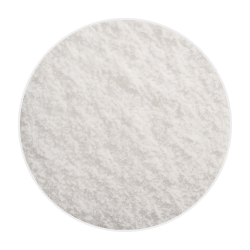
Fine white powder texture of monosodium phosphate in a close-up circular view, used as a dog health ingredient
Monosodium Phosphate
Sodium Dihydrogen Phosphate, E339(i), Monosodium Dihydrogen Orthophosphate, Sodium Phosphate Monobasic
Summary
Monosodium phosphate is a mineral-derived compound produced by combining sodium and phosphate. It is not used in its natural raw or metallic state; instead, it is utilised as a purified salt to ensure safety and optimal absorption. Its primary purpose in pet food is to provide a readily available source of phosphorus, supporting healthy bone development and metabolic functions.
Why it's used?
Monosodium phosphate is included as a functional mineral additive to regulate acidity and optimise the pH balance of pet food formulations. It also acts as a source of phosphorus, supporting nutritional labelling requirements.
Fine white salt granules in a circular pile on a plain background, showing a powdery, smooth texture
Salt
Salt
Sodium Chloride, NaCl, Table Salt, E535
Summary
Salt is a mineral ingredient derived from the combination of sodium and chloride, typically sourced from natural deposits or seawater. It is primarily included in pet food to support electrolyte balance, nerve function, and hydration. Salt is not used in its raw mineral form but is utilised as sodium chloride, a purified compound, to ensure safety, palatability, and optimal absorption in pets.
Why it's used?
Salt is included as a palatability enhancer to improve taste and encourage consumption, and also functions as a preservative to help extend product shelf life. Its use allows manufacturers to optimise flavour while maintaining product stability.
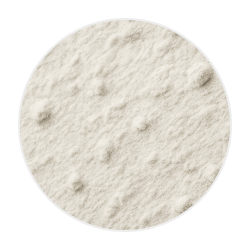
Fine off-white powder form of potassium chloride, a common dietary supplement for dogs
Potassium Chloride
Potassium Chloride
E508, Muriate of Potash, Potassium Monochloride, KCl
Summary
Potassium chloride is a mineral compound derived from the element potassium, typically sourced from naturally occurring mineral deposits. It is utilised in pet food as a purified salt rather than in its raw metallic form, ensuring safety and optimal absorption. Its primary purpose is to provide essential potassium, which supports nerve function, muscle contraction, and fluid balance in companion animals.
Why it's used?
Potassium chloride is included as a cost-effective mineral supplement to help meet pets’ dietary potassium requirements. It also functions as a salt substitute to optimise electrolyte balance in the formulation.
Fine white methionine powder with a soft, slightly textured surface, commonly used as a dog supplement ingredient
Methionine
Methionine
L-Methionine, 2-Amino-4-(Methylthio)butyric Acid, E620, L-2-Amino-4-(Methylthio)butyric Acid
Summary
Methionine is an essential amino acid derived from animal or plant sources, crucial for protein synthesis and overall metabolic health in pets. It primarily supports healthy skin, coat, and liver function. Methionine is not used in its raw elemental form; instead, it is incorporated as a specific compound, such as DL-methionine, to optimise safety, stability, and bioavailability in pet food formulations.
Why it's used?
Methionine is included as an essential amino acid to support protein synthesis and overall health in pets, particularly when animal protein sources are limited or variable. It also serves as a cost-effective way to meet nutritional requirements and optimise the amino acid profile of the final product.
Fine white taurine powder with a soft, fluffy texture, commonly used as a supplement for dogs
Taurine
Taurine
2-Aminoethanesulphonic Acid, L-Taurine, E107, 2-Aminoethane-1-Sulphonic Acid
Summary
Taurine is a naturally occurring amino sulfonic acid derived from animal sources, particularly meat and fish. It is added to pet food to support cardiovascular health, vision, and proper immune function, especially in cats who cannot synthesise it sufficiently. Taurine is not used in its raw form; instead, it is incorporated as a purified, synthesised compound to ensure stability, safety, and optimal absorption.
Why it's used?
Taurine is included to ensure adequate levels of this essential amino acid, particularly in diets where animal protein content may be insufficient to meet canine or feline nutritional requirements. Its addition supports cardiovascular health and is often used to address consumer concerns about diet-associated heart issues.
Fine, off-white powder texture of zinc sulphate monohydrate, a common dog supplement ingredient
Zinc Sulphate Monohydrate
Zinc Sulphate Monohydricum, Zinc Sulphate Monohydratum, E6 Monohydrate, CAS 7446-19-7 Monohydrate
Summary
Zinc sulphate monohydrate is a mineral compound derived from zinc, an essential trace element, and is commonly sourced from mineral deposits. It is included in pet food formulations to provide bioavailable zinc, which supports immune function, skin health, and enzyme activity. Zinc is not used in its raw metallic state but is instead utilised as zinc sulphate monohydrate to optimise safety and absorption.
Why it's used?
Zinc sulphate monohydrate is included as a cost-effective and bioavailable source of zinc to meet nutritional requirements for canine health. Its addition ensures compliance with regulatory standards for essential trace minerals in pet food formulations.
Too vague to identify
Vitamins
Vitamins
Micronutrients, Essential Micronutrients, Vital Nutrients, Accessory Food Factors
Summary
Vitamins are organic compounds derived from both plant and animal sources, essential for numerous metabolic and physiological functions in pets. Their primary purpose is to support immune health, vision, bone development, and cellular processes. In pet food, vitamins are not used in their natural, raw forms but are instead incorporated as stabilised compounds or premixes to ensure safety, stability, and optimal bioavailability.
Why it's used?
Vitamins are included to ensure nutritional adequacy and meet regulatory requirements for complete and balanced pet food. They may also be added to compensate for nutrient losses during processing and storage.
Too vague to identify
Minerals
Minerals
Dietary Minerals, Inorganic Nutrients, Essential Minerals, Bulk Elements
Summary
Minerals are essential inorganic nutrients derived from the earth, not produced by animals or plants. They play a critical role in supporting various physiological functions, such as bone development, nerve transmission, and enzyme activity. In pet food, minerals are not used in their natural raw or metallic state; instead, they are incorporated as specific compounds (such as sulphates or chelates) to optimise safety and bioavailability.
Why it's used?
Minerals are included to meet essential nutritional requirements for pets, supporting overall health and proper bodily functions. They are often added in precise amounts to ensure the product complies with regulatory standards and nutrient profiles.
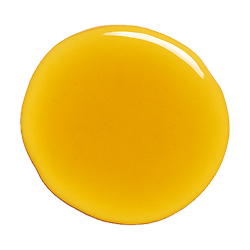
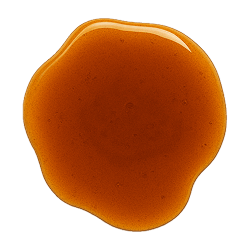
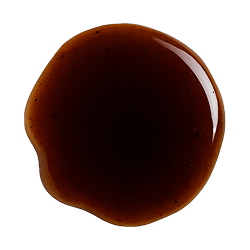
Amber-brown liquid drop of mixed tocopherols with a glossy, smooth texture on a white background
Mixed Tocopherols
Mixed Tocopherols
Tocopherols, E306, Natural Tocopherols Concentrate, D-Alpha Tocopherol Concentrate
Summary
Mixed tocopherols are a blend of compounds derived from plant oils, primarily functioning as a source of vitamin E. Their main purpose in pet food is to act as natural antioxidants, helping to preserve the freshness of fats and oils. Rather than being used in their isolated, pure form, mixed tocopherols are incorporated as stabilised extracts to optimise safety, efficacy, and nutrient retention.
Why it's used?
Mixed tocopherols are included as a natural preservative to extend shelf life by slowing the oxidation of fats and oils in pet food. They are often used as a label-friendly alternative to synthetic preservatives to appeal to consumer preferences for natural ingredients.
Dark brown, glossy drop of rosemary extract with a smooth texture on a plain background
Rosemary Extract
Rosemary Extract
Rosmarinus Officinalis Extract, E392, Rosemary Oleoresin, Rosmarinus Officinalis Leaf Extract
Summary
Rosemary extract is a plant-derived ingredient obtained from the leaves of the rosemary herb (Rosmarinus officinalis). It is primarily included in pet food as a natural antioxidant, helping to preserve fats and oils and extend shelf life. Rosemary extract is used in its natural form, ensuring the retention of its beneficial compounds without chemical alteration.
Why it's used?
Rosemary extract is included as a natural preservative to help extend shelf life by inhibiting oxidation of fats and oils. It also serves as a label-friendly ingredient that appeals to consumers seeking natural additives.

About


Brand
Scratch
Manufactured
Australia
Type
Kibble
Life Stage
All Life Stages
Breed Size
All Breeds
Feeding Type
Complete Meal
Processing Level
High

PRODUCT TAGS


No items found.

Oops! Something went wrong...PLEASE TRY AGAIN

Most Tracked This Week

About the Brand

Scratch

Scratch provides high-quality, Australian made dog food delivered direct to your door through a flexible subscription model. Check out their range of grain free and ancient grain recipes to see how their transparency-first approach can improve your dog's gut health.


Comments

0 comments

Login to Join the Conversation 💬

Be the first to leave a comment.
Loading
Anonymous User
This is the actual comment. It's can be long or short. And must contain only text information.
(Edited)
Your comment will appear once approved by a moderator.
4 years ago
0
0
Reply
Anonymous User
This is the actual comment. It's can be long or short. And must contain only text information.
(Edited)
Your comment will appear once approved by a moderator.
2 years ago
0
0
Thank you! Your submission has been received!
Oops! Something went wrong while submitting the form.