Grain Free Aussie Lamb Dry Dog Food

Overview
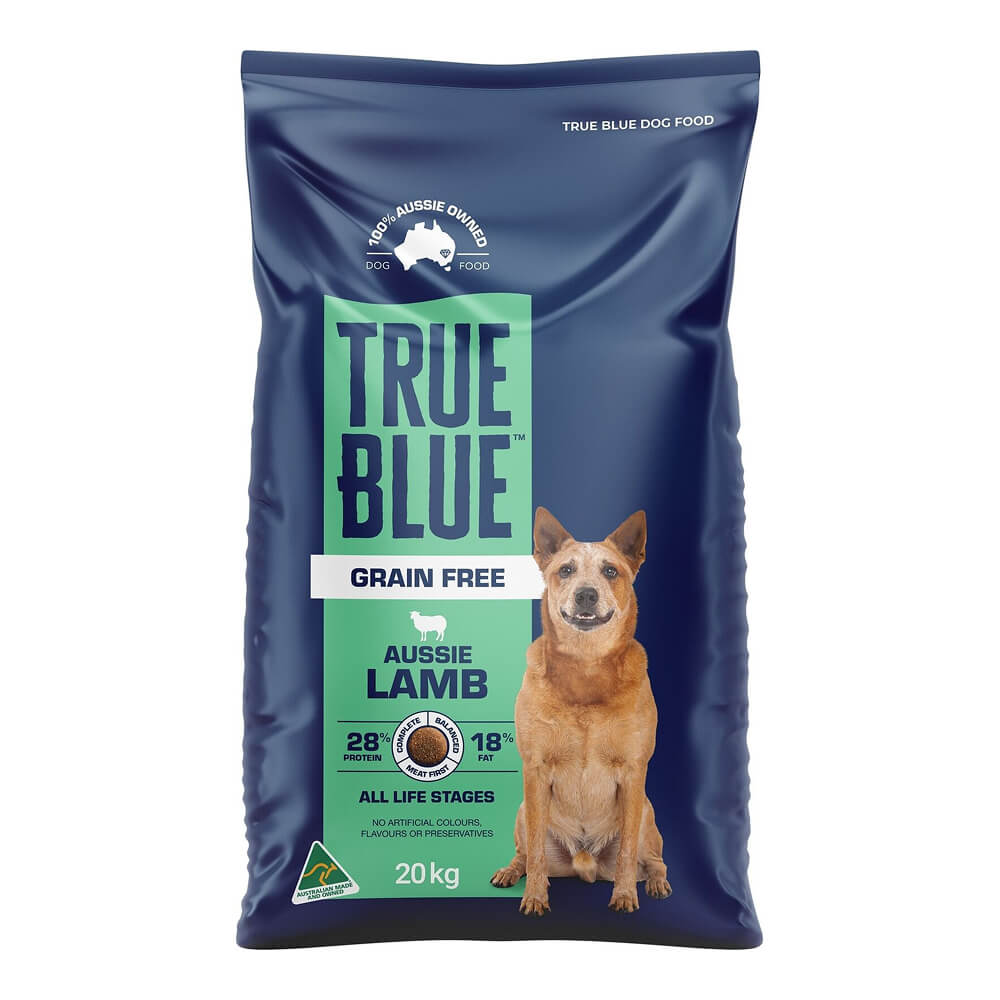
True Blue Grain Free Aussie Lamb Dry Dog Food is an Australian-made grain-free dry kibble formulated to meet AAFCO nutrient profiles for all life stages, including growth of large-breed dogs over 25kg. Australian lamb leads the recipe, with glucosamine and chondroitin for joint support and DHA omega-3 for skin and coat. Contains chicken-derived ingredients; not suitable for poultry-sensitive dogs or single-protein elimination diets.
Nutritional Analysis
Ingredients
Lamb Meal, Vegetables (Beans, Sweet Potato, Peas), Beef Fat, Chicken Meal, Chicken (Hydrolysed, Broth), Prebiotics (Beet Pulp, Chicory Root), Vitamins, Minerals (Including Taurine), Glucosamine, Chondroitin, Salt, Omega 3 (DHA), Algimun®, Natural Antioxidants (Mixed Tocopherols).

Rendered Lamb, Dehydrated Lamb, Ovis Aries Meal, Processed Lamb Protein
Lamb meal is a concentrated protein ingredient derived from lamb, an animal source, by rendering and drying lamb meat and tissue. It provides a highly digestible source of essential amino acids, supporting muscle maintenance and overall health in pets. Unlike whole lamb, lamb meal is utilised in a processed, dehydrated form to optimise nutrient density and shelf stability in premium pet foods.
Lamb meal is included as a concentrated protein source that provides essential amino acids while allowing for consistent nutrient levels in formulation. Its use also enables manufacturers to market the product as containing a novel or premium animal protein, appealing to consumers seeking alternative or hypoallergenic options.

Phaseolus Vulgaris, Haricot, Navy Bean, Common Bean
Beans are edible seeds from various leguminous plants, commonly sourced from species such as Phaseolus and Vigna. They are included in pet food primarily for their high protein content, dietary fibre, and essential micronutrients. Beans are used in their natural, whole form, providing a plant-based source of energy and supporting digestive health through their complex carbohydrates and prebiotic fibres.
Beans are included as a cost-effective source of plant-based protein and dietary fibre, contributing to the nutritional profile of the product. They may also serve as a bulk-adding agent, helping to optimise texture and reduce reliance on more expensive animal proteins.

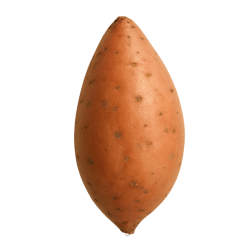
Ipomoea Batatas, Kumara, Batata, Camote
Sweet potato is a root vegetable of plant origin, valued for its rich content of complex carbohydrates, dietary fibre, and essential micronutrients such as vitamin A. In pet food, sweet potato serves primarily as a digestible energy source and supports digestive health. It is incorporated in its natural, whole form, ensuring optimal nutrient retention and palatability for companion animals.
Sweet potato is included as a cost-effective, highly digestible carbohydrate source that provides energy and dietary fibre. It also serves as a label-friendly ingredient appealing to consumers seeking natural, whole-food components in pet food.

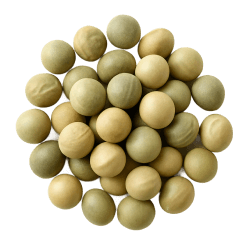
Pisum Sativum, Garden Pea, Green Pea, Field Pea
Peas are a plant-derived ingredient sourced from the seeds of the Pisum sativum plant. They are primarily included in pet food for their high protein content, dietary fibre, and essential micronutrients, supporting digestive health and energy. Peas are used in their natural, whole form, ensuring the retention of their nutritional value and functional benefits within the finished product.
Peas are included as a cost-effective source of protein, fibre, and carbohydrates, helping to optimise nutritional content while supporting product texture. They also serve as a label-friendly ingredient that appeals to consumers seeking grain-free or plant-based options.

Rendered Beef Fat, Tallow, Bovine Fat, Bos Taurus Fat
Beef fat is an animal-derived ingredient obtained from the adipose tissue of cattle. It serves primarily as a concentrated source of energy and essential fatty acids, supporting skin and coat health in pets. In pet food, beef fat is typically rendered and purified rather than used in its raw form, ensuring safety, palatability, and optimal nutrient absorption for companion animals.
Beef fat is included as a cost-effective source of animal-derived energy and to enhance palatability, making the product more appealing to pets. It also contributes to the overall fat content required for nutritional balance in pet food formulations.

Rendered Chicken, Chicken Protein Meal, Dehydrated Gallus Gallus Domesticus, Rendered Gallus Gallus Domesticus
Chicken meal is a concentrated protein ingredient derived from rendered, clean chicken flesh and skin, excluding feathers, heads, feet, and entrails. Sourced from animal origin, it serves as a highly digestible protein source, supporting muscle maintenance and overall health in pets. Chicken meal is not used in its natural whole form but is processed and dried to optimise nutrient density and shelf stability.
Chicken meal is included as a concentrated protein source that provides essential amino acids for pet health while allowing manufacturers to optimise protein content cost-effectively. Its low moisture content also contributes to improved product stability and shelf life.

Hydrolysed Poultry, Hydrolysed Gallus Gallus, Hydrolysed Chicken Protein, Hydrolysed Chicken Meat
Hydrolysed chicken is an animal-derived ingredient produced by breaking down chicken protein into smaller peptides through enzymatic hydrolysis. This process enhances digestibility and reduces the risk of allergic reactions in sensitive pets. Unlike whole chicken, hydrolysed chicken is utilised in its processed, peptide-rich form to optimise nutrient absorption and support hypoallergenic diets in premium pet foods.
Hydrolysed chicken is included as a highly digestible protein source that minimises the risk of allergic reactions in sensitive pets. Its use also allows manufacturers to market the product as suitable for animals with food intolerances or allergies.

Chicken Stock, Gallus Gallus Domesticus Broth, Gallus Gallus Domesticus Stock, Poulet Broth
Chicken broth is a liquid derived from simmering chicken meat and bones, making it an animal-based ingredient. It is primarily included in pet food to enhance palatability and provide moisture, supporting hydration. Chicken broth is used in its natural, cooked liquid form, not as a dehydrated or powdered extract, ensuring both flavour and nutrient retention in the final product.
Chicken broth is included to enhance palatability and aroma, making the product more appealing to pets. It also serves as a label-friendly ingredient that signals quality and wholesomeness to consumers.

Dried Sugar Beet Pulp, Sugar Beet Fibre, Beta Vulgaris Pulp, Sugar Beet Residue
Beet pulp is a fibrous by-product derived from sugar beet plants after sugar extraction. It serves as a valuable source of moderately fermentable fibre, supporting digestive health and stool quality in pets. Beet pulp is incorporated in its dried, processed form rather than as raw beet, ensuring optimal digestibility and nutrient availability for companion animals.
Beet pulp is included as a cost-effective source of dietary fibre to promote digestive health and stool quality in pets. It also serves as a bulk-adding agent, helping to optimise product texture and satiety.

Cichorium Intybus, Chicory, Cichorium Intybus Root, Cichorium Intybus L.
Chicory root is a plant-derived ingredient sourced from the root of the chicory plant (Cichorium intybus). It is primarily included in pet food for its high inulin content, a prebiotic fibre that supports digestive health and beneficial gut bacteria. Chicory root is used in its natural, dried, and ground form to optimise its functional benefits in pet nutrition.

Chicory root is included as a source of inulin, a prebiotic fibre that supports digestive health and can improve stool quality. It also serves as a label-friendly ingredient that appeals to consumers seeking functional health benefits in pet food.

Micronutrients, Essential Micronutrients, Vital Nutrients, Accessory Food Factors
Vitamins are organic compounds derived from both plant and animal sources, essential for numerous metabolic and physiological functions in pets. Their primary purpose is to support immune health, vision, bone development, and cellular processes. In pet food, vitamins are not used in their natural, raw forms but are instead incorporated as stabilised compounds or premixes to ensure safety, stability, and optimal bioavailability.
Vitamins are included to ensure nutritional adequacy and meet regulatory requirements for complete and balanced pet food. They may also be added to compensate for nutrient losses during processing and storage.

Dietary Minerals, Inorganic Nutrients, Essential Minerals, Bulk Elements
Minerals are essential inorganic nutrients derived from the earth, not produced by animals or plants. They play a critical role in supporting various physiological functions, such as bone development, nerve transmission, and enzyme activity. In pet food, minerals are not used in their natural raw or metallic state; instead, they are incorporated as specific compounds (such as sulphates or chelates) to optimise safety and bioavailability.
Minerals are included to meet essential nutritional requirements for pets, supporting overall health and proper bodily functions. They are often added in precise amounts to ensure the product complies with regulatory standards and nutrient profiles.

2-Amino-2-Deoxy-D-Glucose, D-Glucosamine, Chitosamine, 2-Amino-2-Deoxyglucose
Glucosamine is an amino sugar compound typically derived from shellfish or produced synthetically. It is included in pet food primarily to support joint health by aiding cartilage maintenance and repair. Glucosamine is not used in its natural raw form; instead, it is utilised as a stabilised compound, such as glucosamine hydrochloride or glucosamine sulphate, to optimise safety, stability, and absorption in pets.
Glucosamine is included as a functional additive to support joint health and mobility, particularly in senior or large-breed pets. Its presence also serves as a marketing feature, appealing to consumers seeking products with perceived health benefits for their pets.

Chondroitin Sulphate, Chondroitin Polysulphate, Chondroitin Sulphate Sodium, Chondroitin Sulphate (Haliotis Spp.)
Chondroitin is a naturally occurring compound derived from animal cartilage, commonly sourced from bovine or marine origins. It is primarily included in pet food to support joint health by aiding cartilage resilience and reducing inflammation. Chondroitin is not used in its raw form; instead, it is utilised as chondroitin sulphate, a processed compound that optimises safety and bioavailability for pets.
Chondroitin is included as a functional ingredient to support joint health, appealing to consumers seeking products with perceived health benefits for ageing or active pets. Its presence also serves as a marketing differentiator, allowing manufacturers to position the product as premium or specialised.

Sodium Chloride, NaCl, Table Salt, E535
Salt is a mineral ingredient derived from the combination of sodium and chloride, typically sourced from natural deposits or seawater. It is primarily included in pet food to support electrolyte balance, nerve function, and hydration. Salt is not used in its raw mineral form but is utilised as sodium chloride, a purified compound, to ensure safety, palatability, and optimal absorption in pets.
Salt is included as a palatability enhancer to improve taste and encourage consumption, and also functions as a preservative to help extend product shelf life. Its use allows manufacturers to optimise flavour while maintaining product stability.

Docosahexaenoic Acid, C22:6 n-3, All-Cis-Docosa-4,7,10,13,16,19-Hexaenoic Acid, Eicosapentaenoic Acid Family
DHA, or docosahexaenoic acid, is a long-chain omega-3 fatty acid derived primarily from marine sources such as fish oil or algae (animal or plant origin). It is included in pet food to support cognitive development, vision, and overall brain health. DHA is not used in its natural raw state but is incorporated as a purified oil or extract to optimise bioavailability and safety.


DHA is included as a functional ingredient to support cognitive development and visual acuity in pets, particularly in puppies and kittens. Its presence also allows manufacturers to market the product as supporting brain and eye health, appealing to health-conscious consumers.

Yeast Cell Wall, Saccharomyces Cerevisiae, Algal Beta-Glucans, Ulva Lactuca
Algimun® is a proprietary blend derived from marine algae, specifically designed for use in pet nutrition. Sourced from natural seaweed (plant origin), it is included for its functional benefits in supporting immune health and digestive function. Algimun® is not used in its raw seaweed form but is processed into a standardised extract to optimise bioavailability and efficacy in pet food formulations.
Algimun® is included as a functional additive to support immune health and digestive function in pets, leveraging its bioactive compounds derived from marine algae. Its presence allows manufacturers to market the product as scientifically advanced and supportive of overall pet wellbeing.

Tocopherols, E306, Natural Tocopherols Concentrate, D-Alpha Tocopherol Concentrate
Mixed tocopherols are a blend of compounds derived from plant oils, primarily functioning as a source of vitamin E. Their main purpose in pet food is to act as natural antioxidants, helping to preserve the freshness of fats and oils. Rather than being used in their isolated, pure form, mixed tocopherols are incorporated as stabilised extracts to optimise safety, efficacy, and nutrient retention.
Mixed tocopherols are included as a natural preservative to extend shelf life by slowing the oxidation of fats and oils in pet food. They are often used as a label-friendly alternative to synthetic preservatives to appeal to consumer preferences for natural ingredients.
.png)


Comments
0 comments
Login or Register to Join the Conversation