























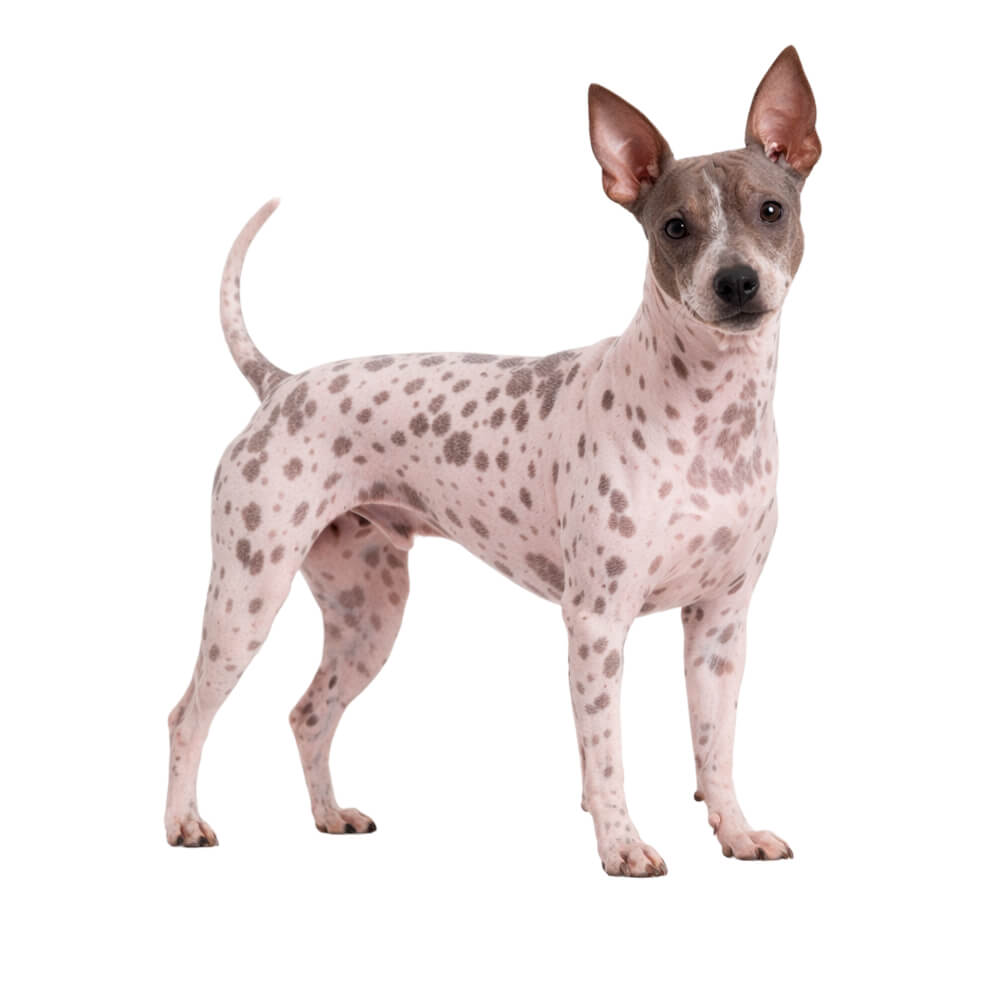

The American Hairless Terrier is a small, energetic terrier breed distinguished by its complete lack of coat. Descended from the Rat Terrier, this breed was the first hairless breed developed in the United States and is one of the few genuinely hypoallergenic dog options available.
What makes this breed unusual isn't just the obvious. American Hairless Terriers have all the drive and personality of a working terrier — they're alert, playful, and surprisingly tough — but they come without the shedding, dander, and grooming demands that rule out most terriers for allergy sufferers. In Australia, they need careful sun management, but for the right owner, the trade-off is well worth it.
History and Origin
The American Hairless Terrier traces back to a single hairless puppy born in a Rat Terrier litter in Louisiana in 1972. A dog named Josephine was the foundation of the entire breed. Her owners, Edwin and Willie Scott, selectively bred from her line to establish the hairless trait as a consistent, reproducible feature.
By the 1980s, the breeding programme had produced enough dogs to establish a genuine population. The breed was recognised by the United Kennel Club in 2004 and the American Kennel Club in 2016. FCI recognition followed, and the breed is now accepted in the Terrier group internationally.
The breed is still rare in Australia, with very few registered breeders. Importing a puppy is common for Australian owners, which adds cost and logistics. Despite the limited numbers, interest is growing — particularly among allergy sufferers looking for a dog with real terrier personality rather than a Poodle cross.
Temperament and Personality
American Hairless Terriers are lively, affectionate, and surprisingly people-focused for a terrier. They bond closely with their family and genuinely enjoy being around humans. They're less independent than most terrier breeds and more willing to engage with training and direction.
With family, they're playful and entertaining. They have the terrier spark — curious, alert, and always interested in what's happening — but without the hard-headed stubbornness that defines many terrier breeds. They're good with children who handle them gently, though their small size means supervision is sensible with very young kids.
Around strangers, they're alert but not aggressive. They'll bark to announce visitors but warm up quickly. They're sociable with other dogs and don't tend toward the same-sex aggression common in many terrier breeds. Their prey drive is moderate — present, but manageable.
One important quirk: without a coat, these dogs are more physically vulnerable than other terriers. They can't rough-house the same way, they're sensitive to extreme temperatures, and they need sun protection in Australia's climate. Owners need to factor that into daily life.
Common Health Conditions
American Hairless Terriers are generally healthy with a long lifespan, but the hairless trait brings unique care requirements. Most of their health concerns relate to skin rather than the structural issues common in other small breeds.
Sunburn and UV Damage
The most significant health concern in Australia. Without a coat, the skin is fully exposed to UV radiation. Sunburn can occur in as little as 20 minutes of direct sun. Use pet-safe sunscreen on exposed skin, limit midday outdoor time, and provide UV-protective clothing for extended outdoor sessions. Long-term UV exposure increases skin cancer risk.
Skin Allergies and Irritation
Without coat protection, the skin is more reactive to environmental allergens, grass, and chemicals. Contact dermatitis is common. Regular bathing with a gentle, pH-balanced cleanser helps. Watch for redness, bumps, or rashes — these dogs show skin issues immediately because there's nothing to hide them.
Patellar Luxation
The kneecap slipping out of position — common across small terrier breeds. Signs include intermittent limping or skipping on a hind leg. Mild cases are managed conservatively; severe cases may need surgery.
Legg-Calvé-Perthes Disease
The blood supply to the femoral head degrades, causing hip pain in young dogs. Usually presents before twelve months. Surgical correction has good outcomes in most cases.
Dental Issues
The hairless gene is linked to dental abnormalities in some lines. Missing teeth, misaligned bites, and early dental disease can occur. Regular dental checks and home brushing are important from puppyhood.
Pet insurance is advisable, particularly for skin-related conditions. Dermatology referrals and ongoing skin management can add up over a lifetime.


Exercise
Thirty to forty-five minutes of daily exercise suits most American Hairless Terriers. They're active and playful but don't need marathon sessions. A couple of walks and some play at home keeps them balanced.
The critical consideration in Australia is sun exposure. Walk early morning or late afternoon — never in the middle of the day during summer. Hot pavement burns unprotected paw pads and exposed skin rapidly. In winter, they lose body heat quickly, so a dog jumper is essential for cooler mornings.
Grooming
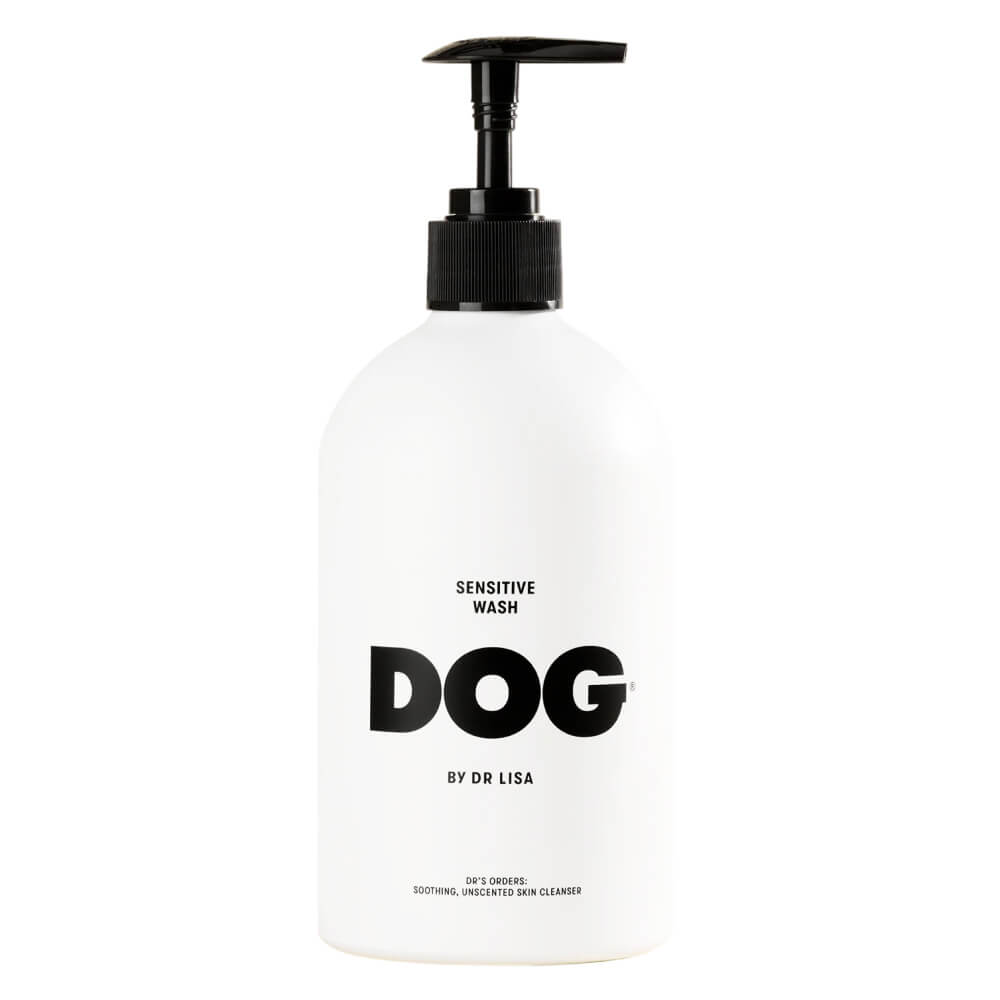
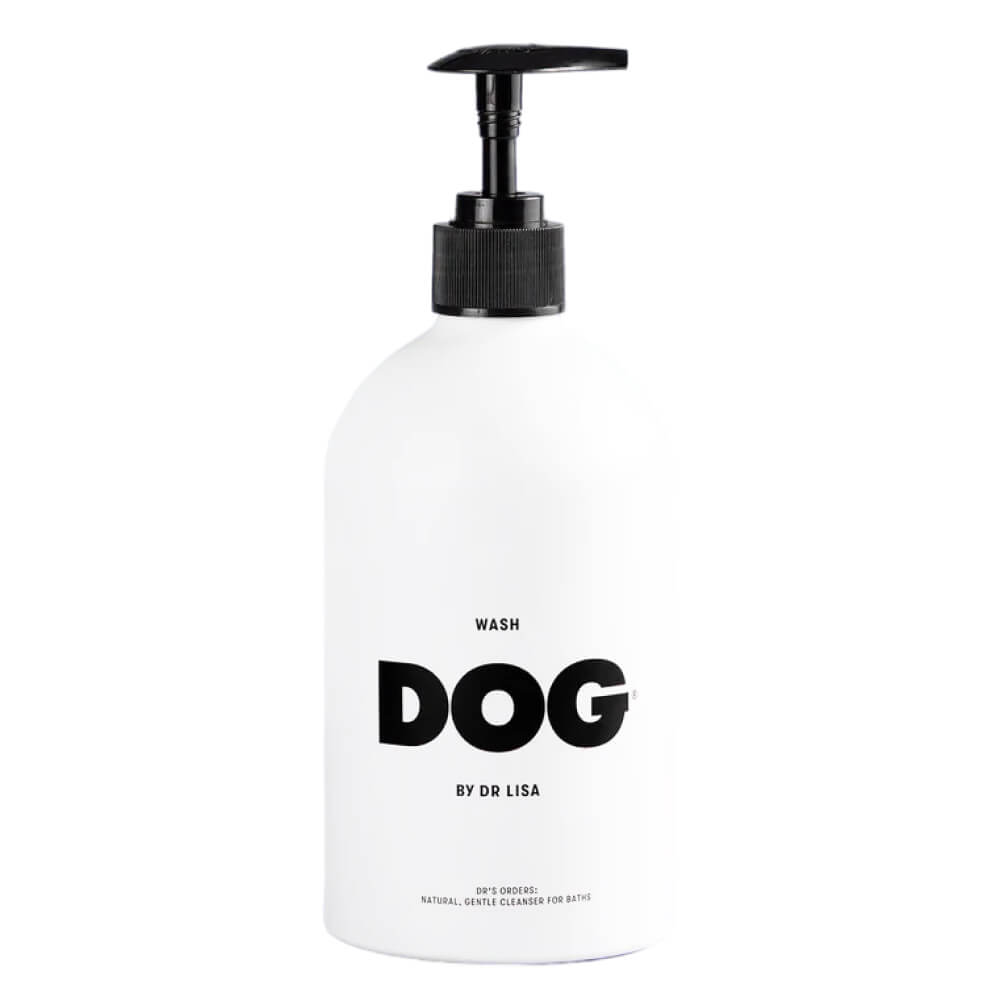
No coat means no brushing and no shedding — but skin care replaces coat care. Bathe weekly or fortnightly with a gentle, moisturising dog shampoo to remove dirt and oils. Apply pet-safe moisturiser to prevent dry, flaky skin, especially in air-conditioned environments.
Sunscreen is non-negotiable for any outdoor exposure. Ears need regular cleaning, and nails need trimming more frequently than coated breeds since there's no fur to wear them down. Despite no coat, grooming this breed takes genuine commitment — it's just a different kind.


Nutrition
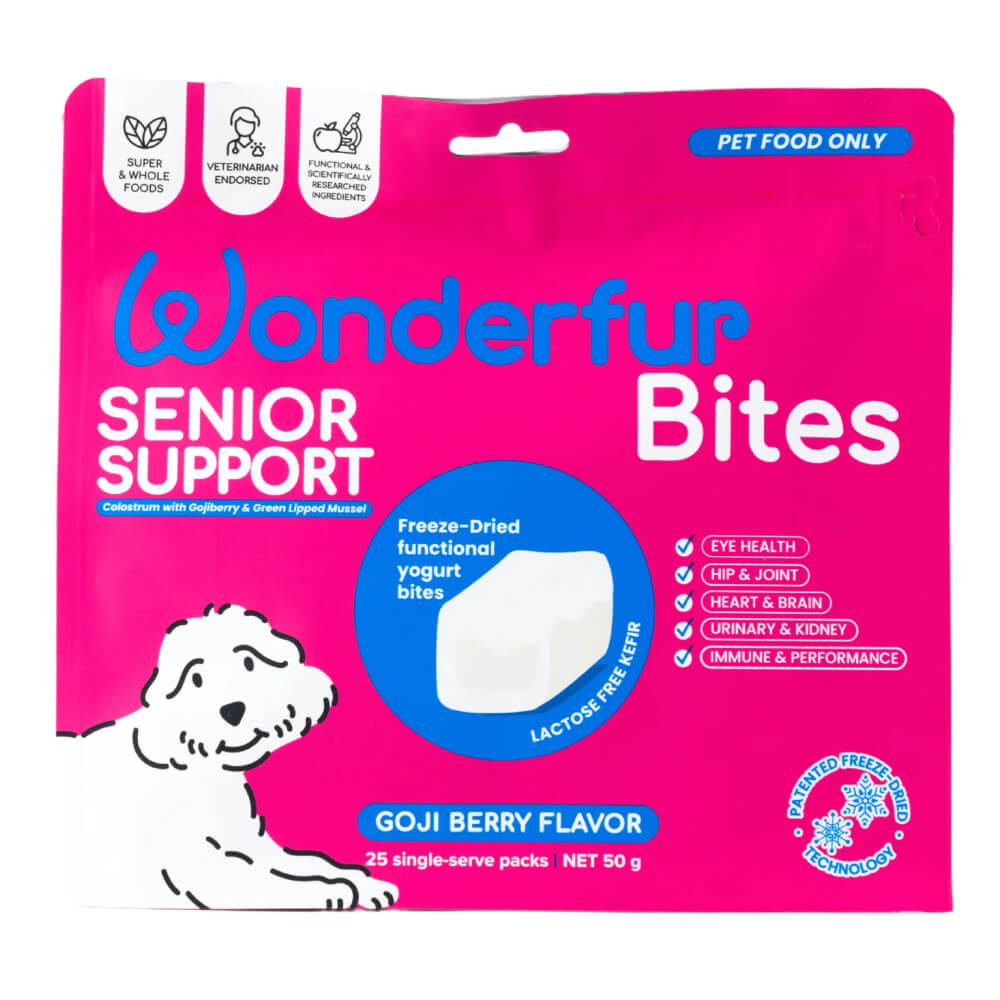
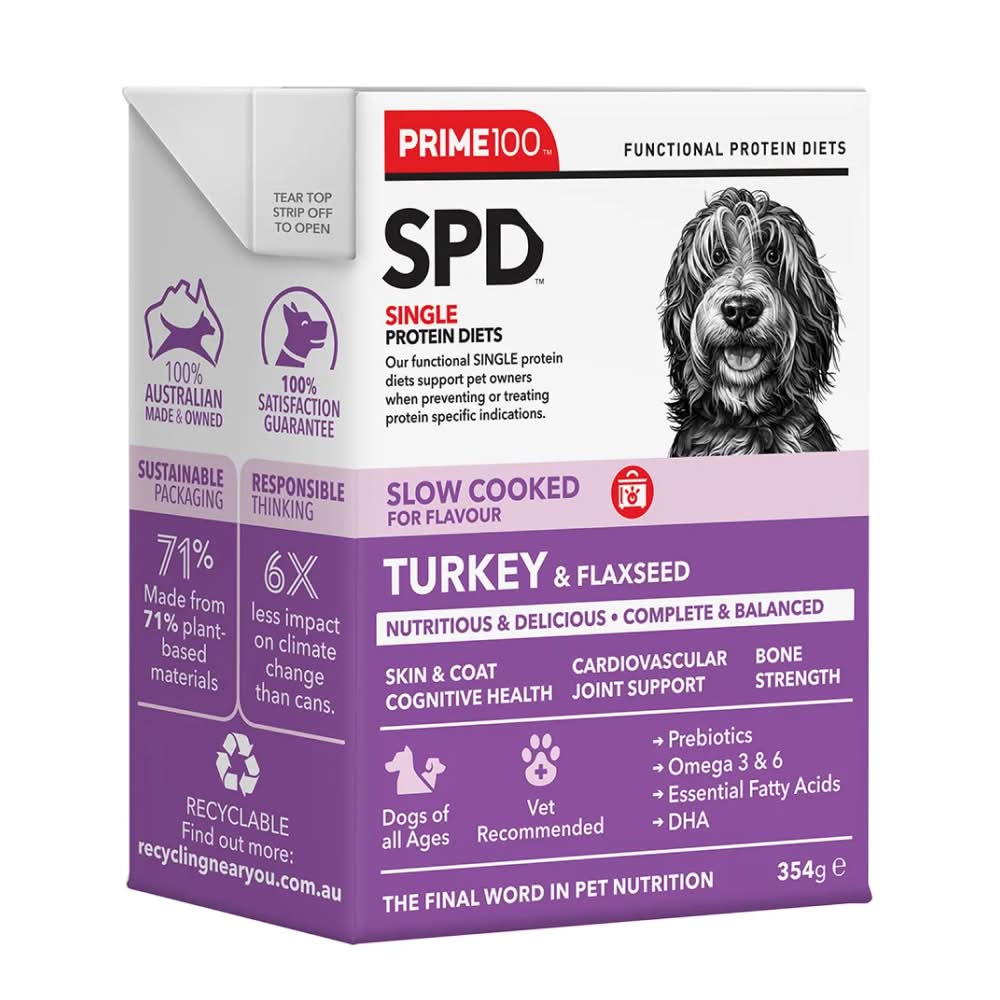
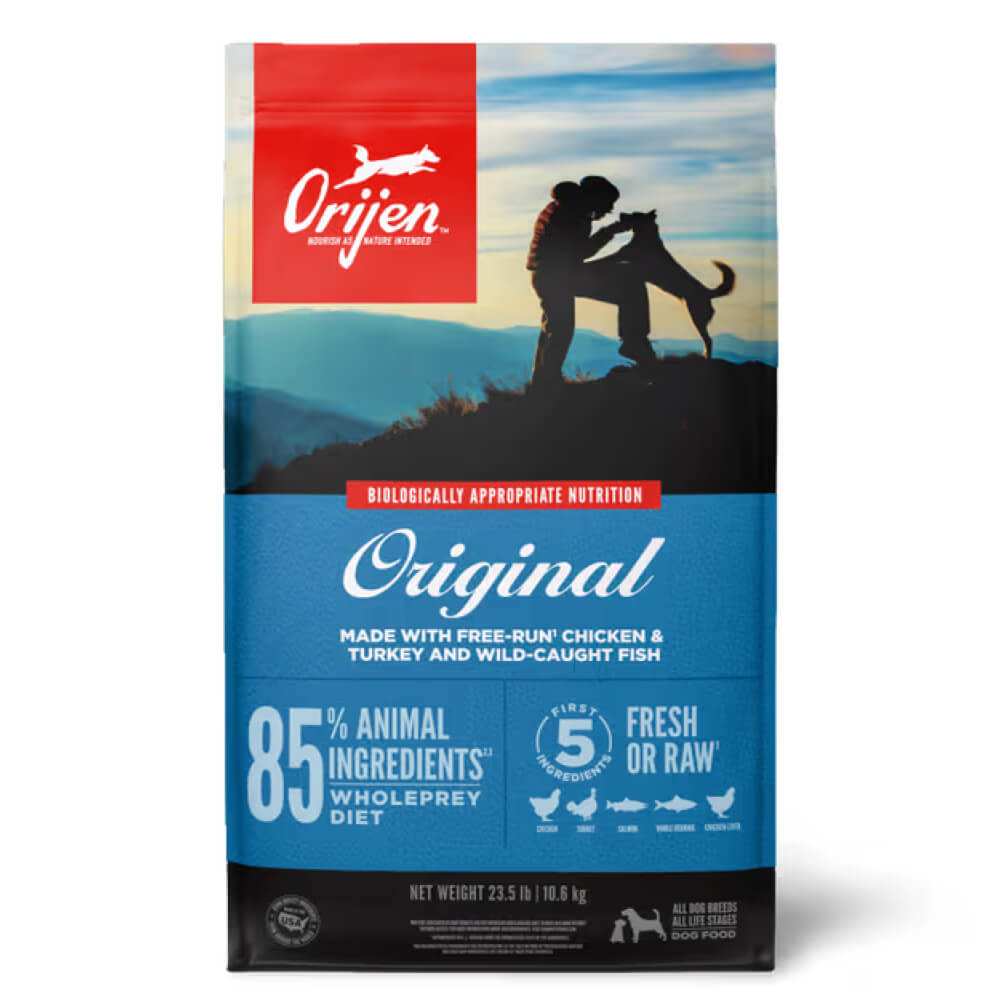
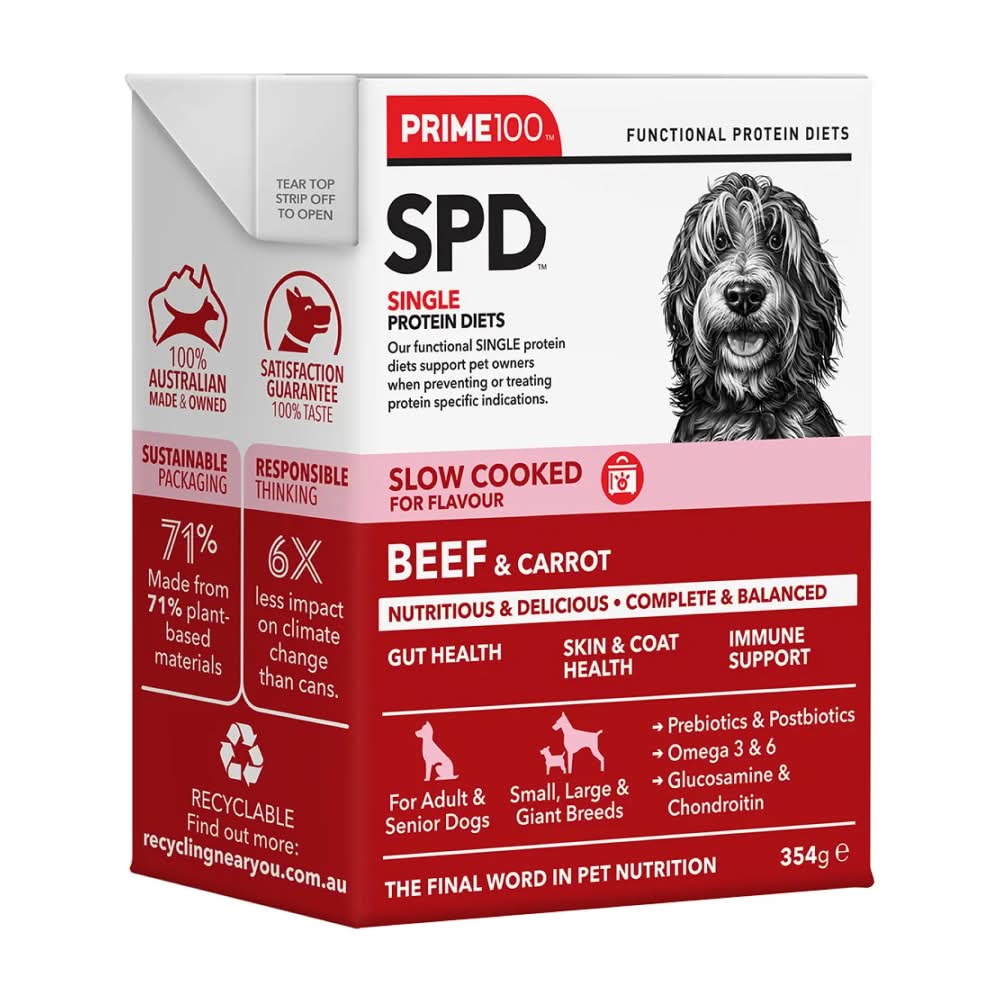
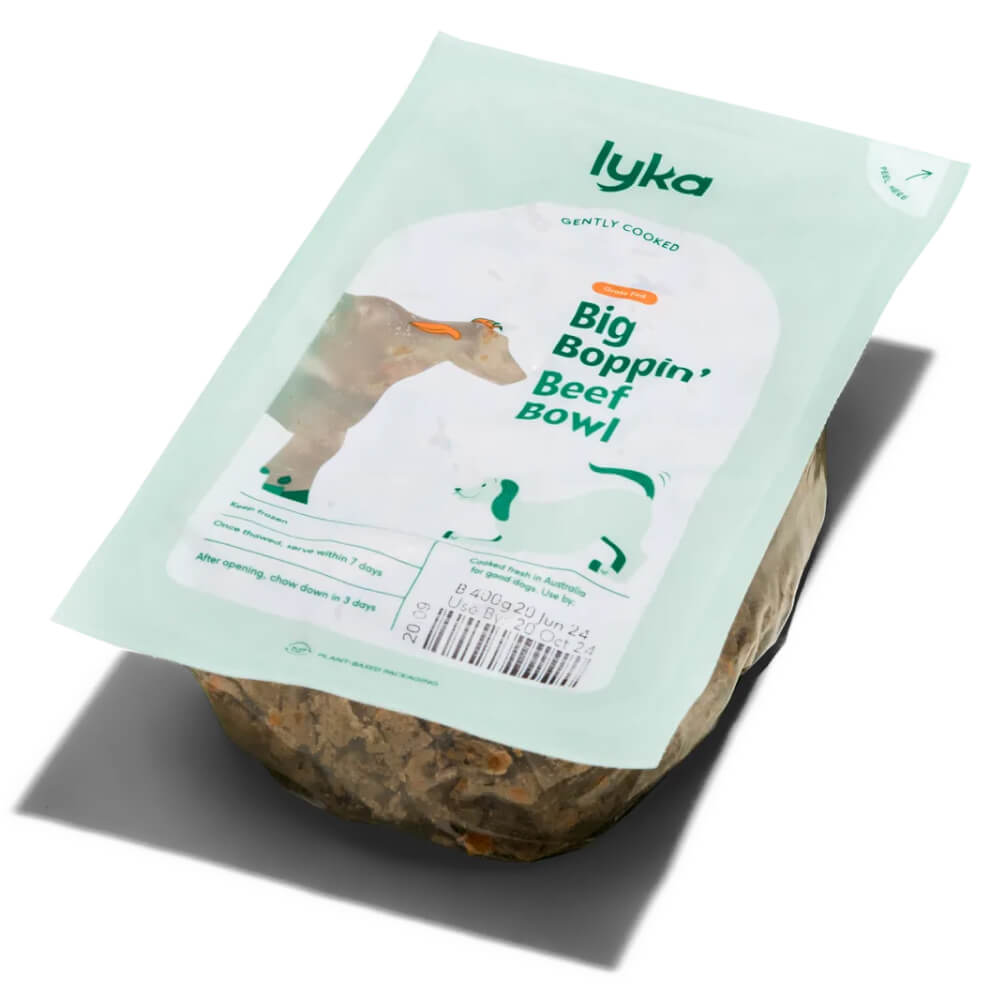
Feed a high-quality small-breed formula with good protein and fat levels. Skin health is directly linked to diet in this breed, so omega-3 and omega-6 fatty acid content matters. Fish-based or supplemented diets support skin condition and reduce inflammation.
Two meals a day works well for adults. Avoid foods with common allergens if your dog shows skin sensitivity — limited-ingredient diets are often the simplest solution. See our recommended foods for American Hairless Terriers below.

Training
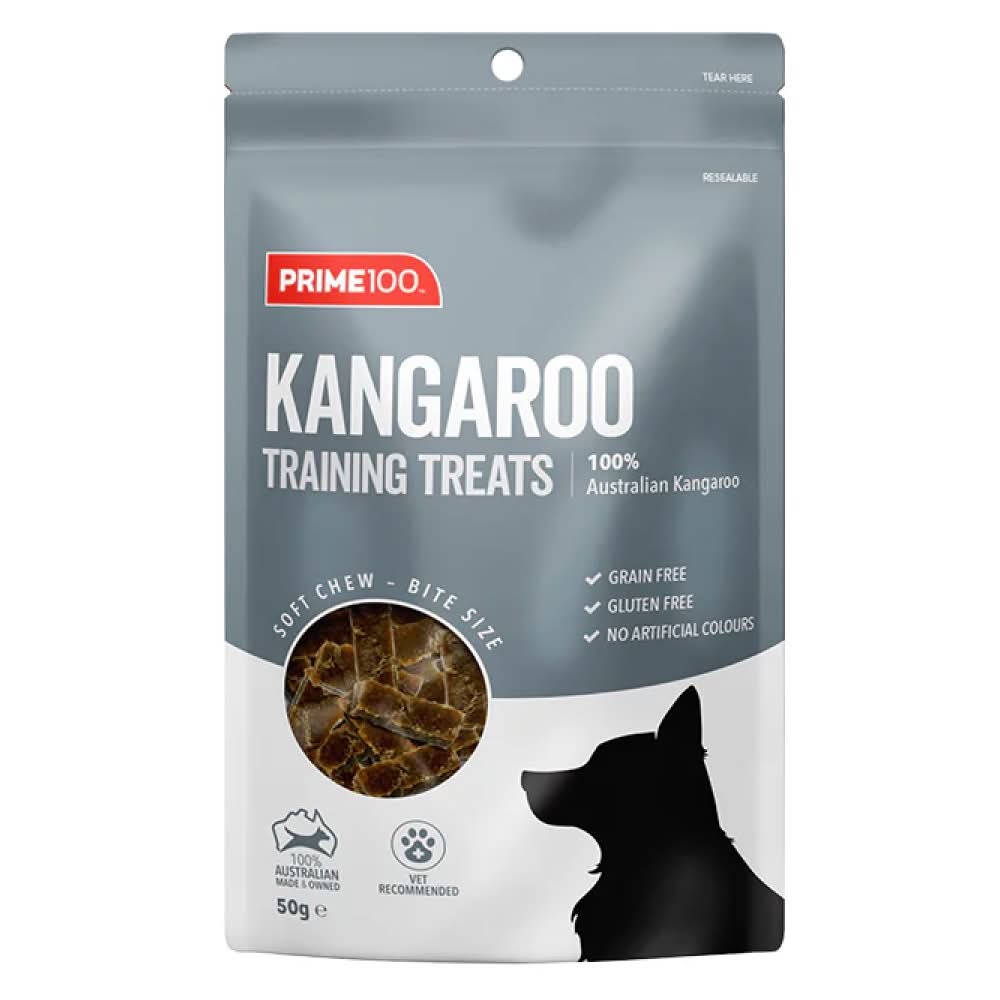
American Hairless Terriers are one of the more trainable terrier breeds. They're eager to please, responsive to positive reinforcement, and pick up new commands quickly. Short, engaging sessions with treats and praise produce excellent results.
They're less stubborn than most terriers, which makes them a reasonable option for first-time terrier owners. Socialisation is still important — exposure to different people, places, and dogs from puppyhood builds confidence. Housetraining is generally straightforward with consistency.

Suitability
American Hairless Terriers suit allergy sufferers who want a real dog with terrier personality, apartment dwellers looking for a compact and adaptable companion, and owners willing to commit to daily skin care rather than coat maintenance. They're excellent for retirees and singles who can give them regular attention.
They're not the right breed if you want a low-maintenance outdoor dog. Australian sun is their biggest challenge, and managing UV exposure is a daily commitment. They're rare and expensive in Australia, with limited breeder options — importing may be necessary. If you're not prepared for sunscreen, clothing, and skin monitoring as part of your routine, a coated breed will be simpler.
Frequently Asked Questions
How much does an American Hairless Terrier cost in Australia?
Are American Hairless Terriers truly hypoallergenic?
How do you protect an American Hairless Terrier from the Australian sun?
Do American Hairless Terriers get cold in winter?
How long do American Hairless Terriers live?

Comments
0 comments
Login to Join the Conversation 💬