





























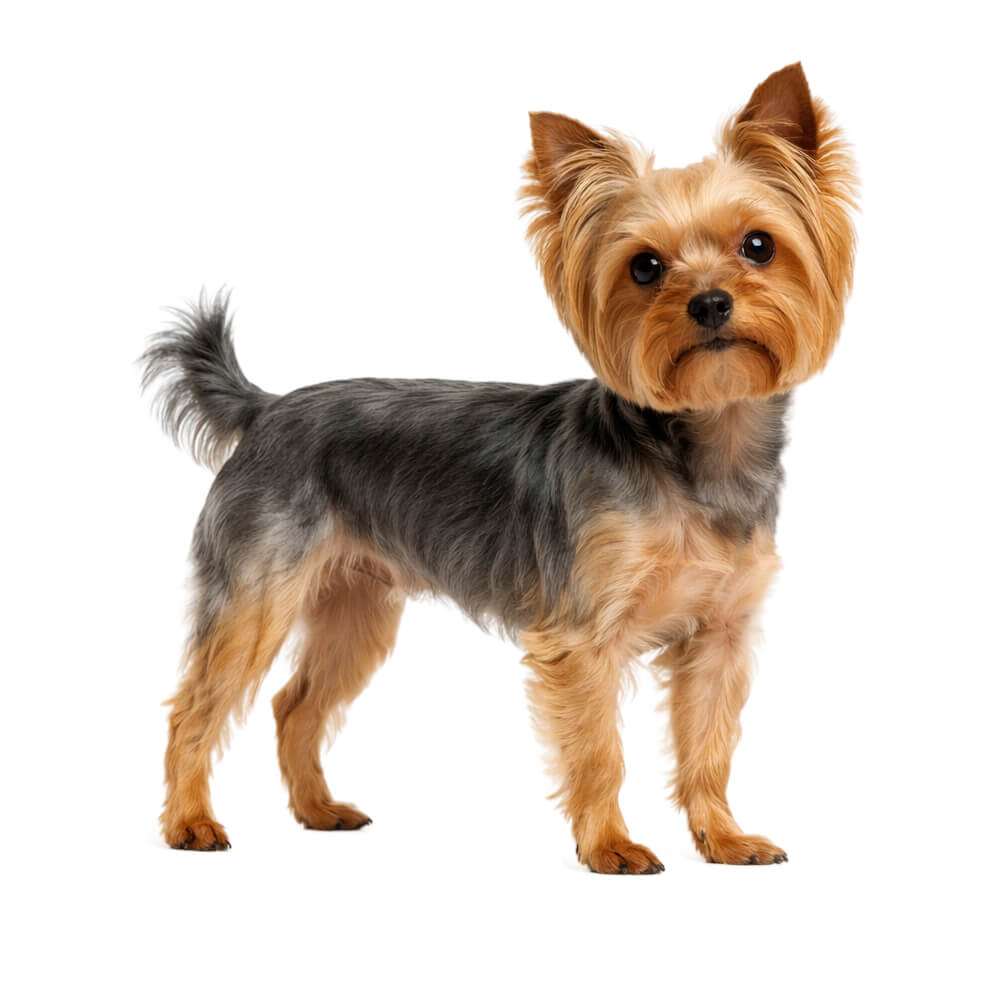

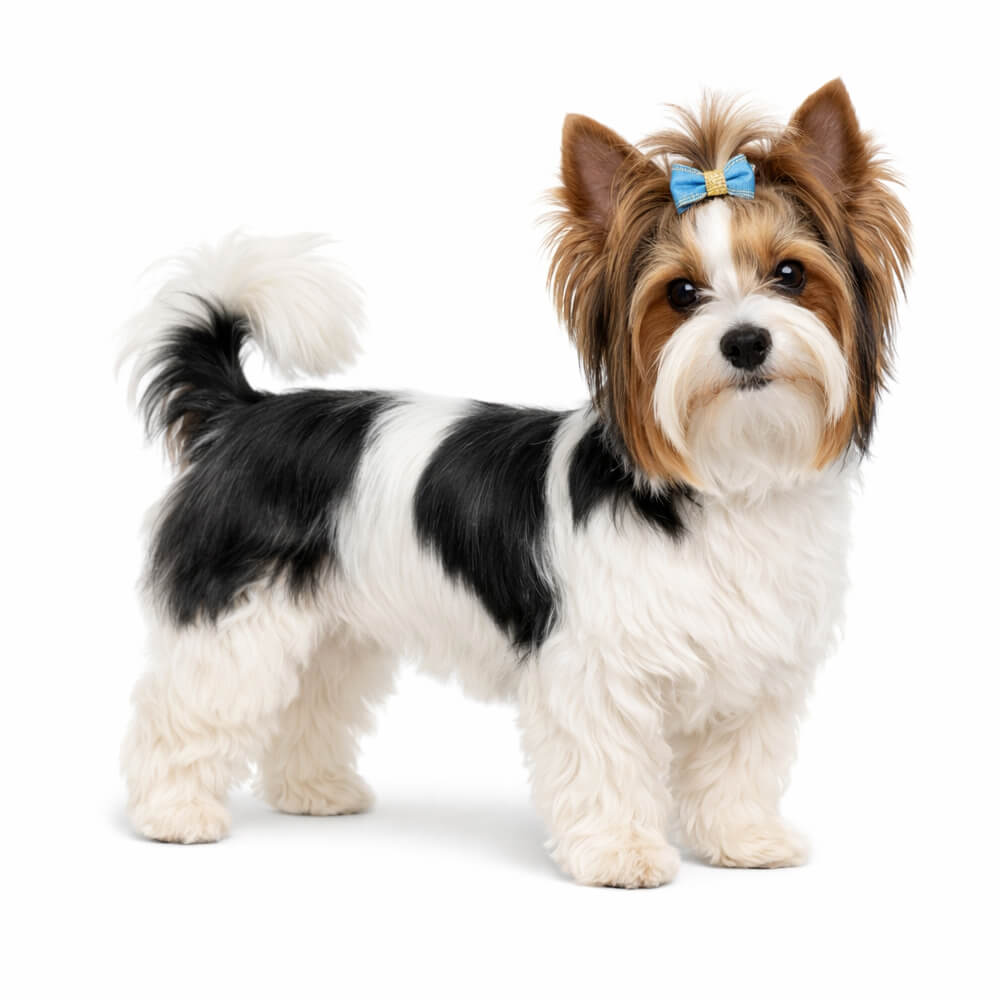
The Yorkshire Terrier is a small, spirited toy breed known for its long silky coat and outsized personality. Originally bred as a ratter in English mills, the Yorkie is now one of Australia's most popular companion dogs.
Don't let the size fool you. Yorkies carry themselves like a dog three times their weight — bold, vocal, and fiercely attached to their people. They suit apartment living, older owners, and anyone who wants a small dog that actually has something going on upstairs. The surprise with this breed is how much terrier drive still sits behind that glamorous coat. They'll chase lizards in the backyard with the same intensity their ancestors brought to the textile mills of northern England.
History and Origin
The Yorkshire Terrier originated in the counties of Yorkshire and Lancashire in northern England during the mid-1800s. Scottish weavers migrating south for work brought small terrier breeds with them, and those dogs were crossed with local terriers to produce a compact ratter suited to textile mills and coal mines.
The breed's early ancestors include the Clydesdale Terrier, Paisley Terrier, and Skye Terrier — all now extinct or absorbed into other breeds. By the 1870s, the Yorkshire Terrier had been standardised as a distinct breed and was already moving from working dog to fashionable companion.
Yorkies arrived in Australia well before Federation, carried by English migrants. Today they sit within the ANKC Toys group — a long way from the factory floors where they started. That working terrier instinct hasn't disappeared, though. Most Yorkie owners will recognise the alert, no-nonsense attitude that made the breed useful in the first place.
Temperament and Personality
Yorkies are confident, alert, and surprisingly assertive for a dog that fits in a handbag. They bond tightly with their owner and tend to shadow one person in particular. This isn't a passive lapdog — they want to know what's happening and they want to be involved.
With family, they're affectionate and playful. They thrive on attention and don't cope well with long stretches alone. Separation anxiety is common in the breed, and a bored Yorkie will let the neighbours know about it.
Around strangers, they're typically watchful and vocal. Yorkies make excellent alert dogs — they'll bark at the door, the postie, and anything that moves past the window. That barking tendency needs managing early, or it becomes the default setting.
With other dogs, Yorkies can be scrappy. They genuinely don't seem to know they weigh three kilos, and they'll front up to much larger dogs if not properly socialised. Early and consistent socialisation matters. With children, supervision is essential — they're fragile enough that rough handling can cause injury, and they'll snap if they feel threatened.
One quirk worth knowing: Yorkies are terriers at heart. They dig, they chase, and they have opinions. Training works best when it's short, engaging, and doesn't feel like a lecture. They're smart enough to learn quickly and stubborn enough to pretend they haven't.
Common Health Conditions
Yorkshire Terriers are generally long-lived for a purebred, but their small size makes them prone to a specific set of conditions. Responsible breeders screen for the most serious ones, and early detection makes a real difference with this breed.
Patellar Luxation
The kneecap slips out of its groove — extremely common in toy breeds. Yorkies are predisposed due to their small frame and light bone structure. Signs include intermittent skipping or holding up a back leg. Mild cases are managed with weight control and joint supplements; severe cases need surgery.
Tracheal Collapse
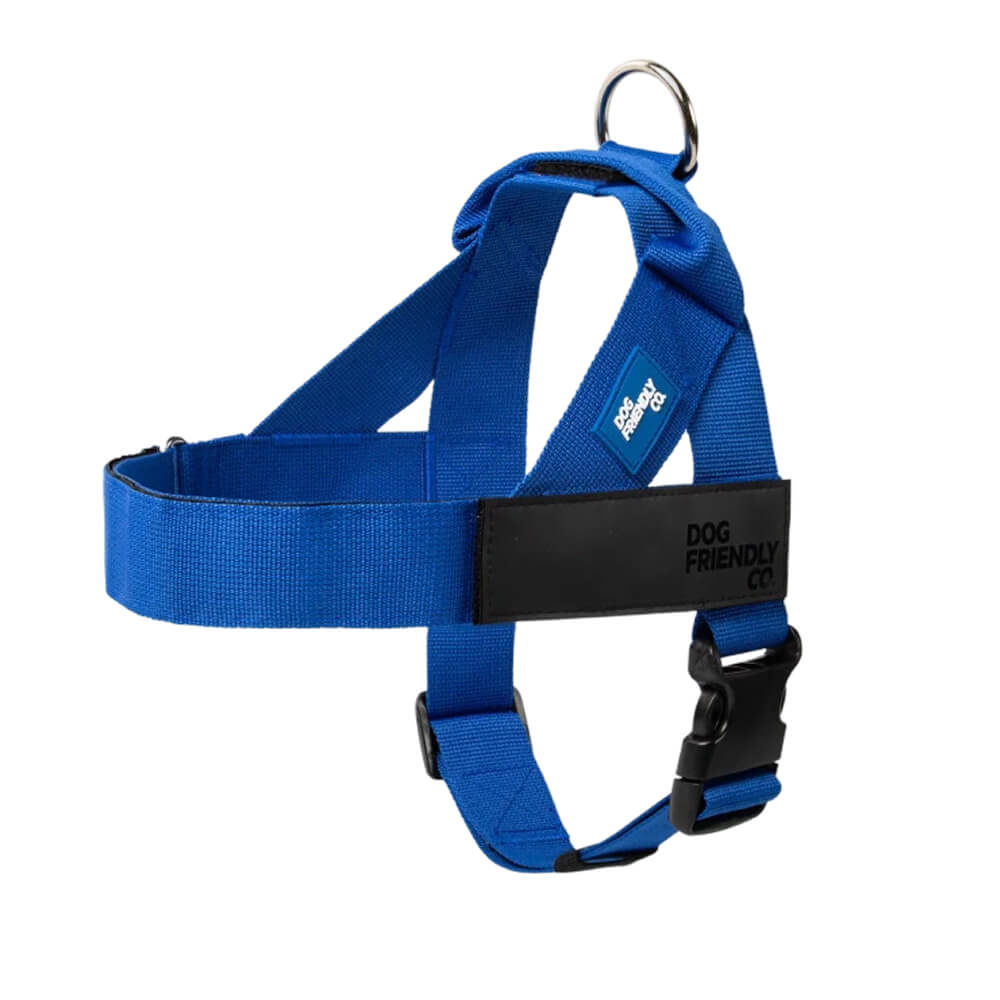
The cartilage rings in the windpipe weaken and flatten, causing a honking cough — especially during excitement or exercise. Yorkies are one of the most commonly affected breeds. Use a harness instead of a collar, keep weight down, and avoid situations that trigger heavy panting.
Dental Disease
Yorkies have small jaws and crowded teeth, making them highly prone to plaque buildup, gum disease, and early tooth loss. Daily brushing and regular dental checks are non-negotiable with this breed. Most Yorkies will need at least one professional dental clean under anaesthesia in their lifetime.
Hypoglycaemia
Low blood sugar is a real risk in Yorkie puppies and very small adults. Signs include trembling, lethargy, and disorientation. Small frequent meals prevent most episodes. Keep a glucose supplement on hand for the first twelve months.
Portosystemic Shunt (Liver Shunt)
A congenital condition where blood bypasses the liver. Yorkies have one of the highest breed predispositions. Signs include poor growth, vomiting after meals, and disorientation. Diagnosed via blood test and ultrasound. Surgical correction is possible in many cases.
Pet insurance is worth considering early with this breed. Several of these conditions require specialist intervention, and costs add up quickly for a small dog with big health needs.


Exercise
Thirty minutes a day is enough for most adult Yorkies — a couple of short walks plus some play at home. They're active for their size but don't need distance. Avoid over-exercising puppies while their joints are still developing.
In Australian summers, walk early or late. Yorkies overheat faster than you'd expect, and hot pavement burns small paws quickly. Mental stimulation matters as much as physical exercise — puzzle feeders and training games keep the terrier brain busy.

Grooming
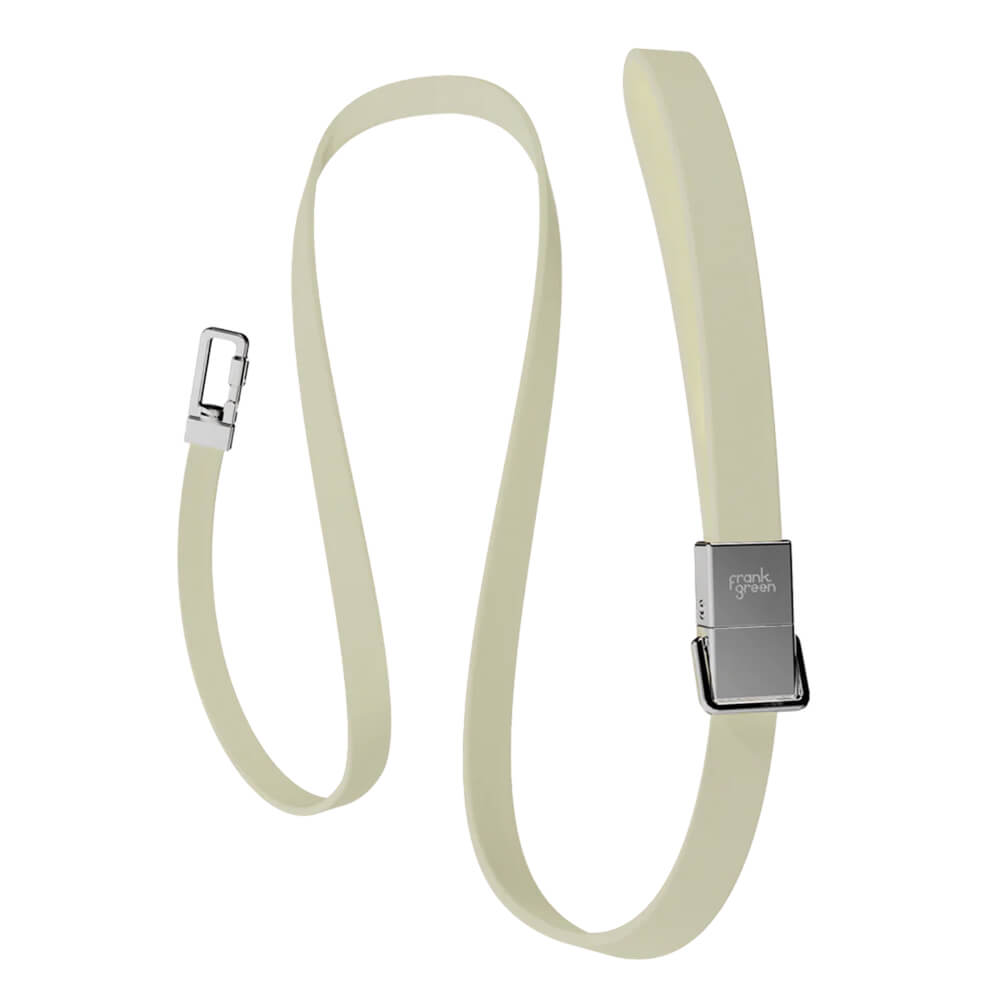
The Yorkie's single coat grows continuously and doesn't shed much, but it tangles fast. Daily brushing is the reality for a long coat. Most pet owners opt for a shorter trim every six to eight weeks, which cuts maintenance significantly.
Ears need weekly checking — the fine hair around the ear canal traps moisture and debris. Tear staining is common and needs regular cleaning. Budget for professional grooming unless you're confident with clippers.



Nutrition
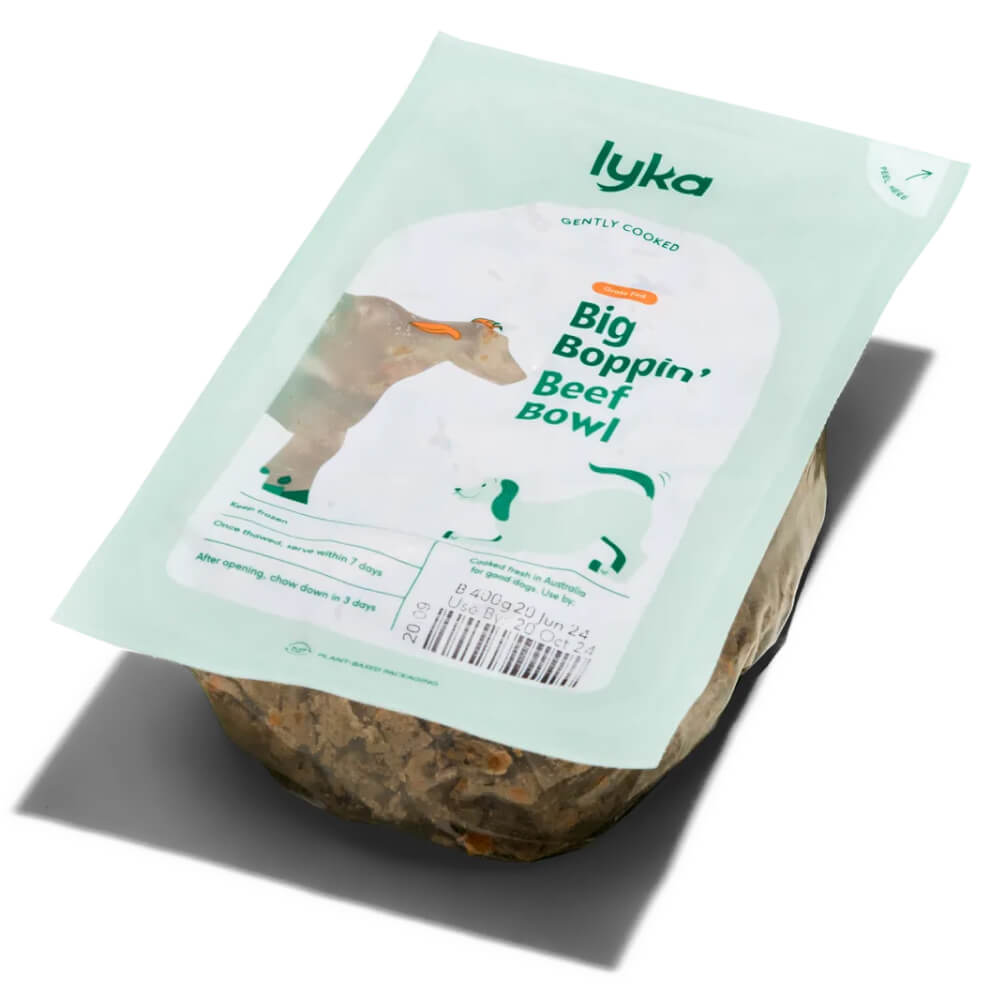
Yorkies need a high-quality small-breed formula with adequate protein and fat to support their fast metabolism. Feed two to three small meals a day rather than one large one — this prevents hypoglycaemia and keeps energy levels stable.
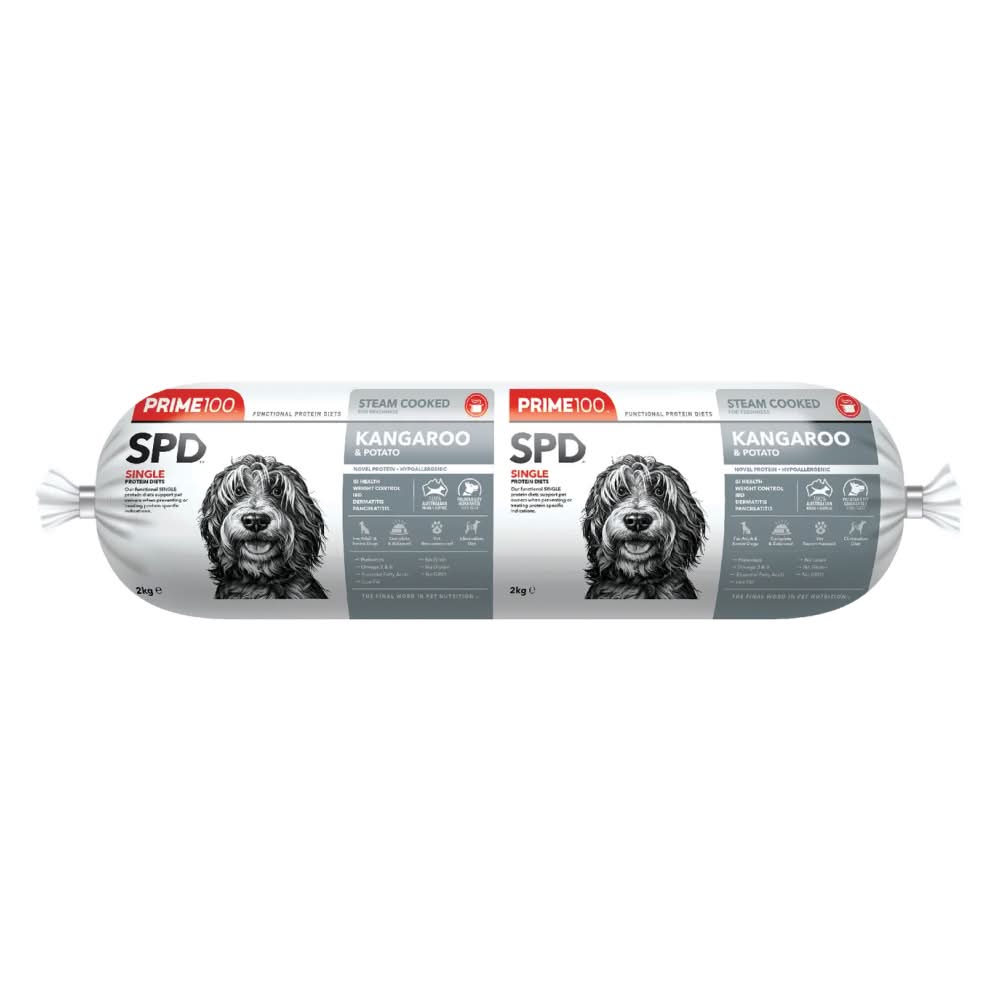
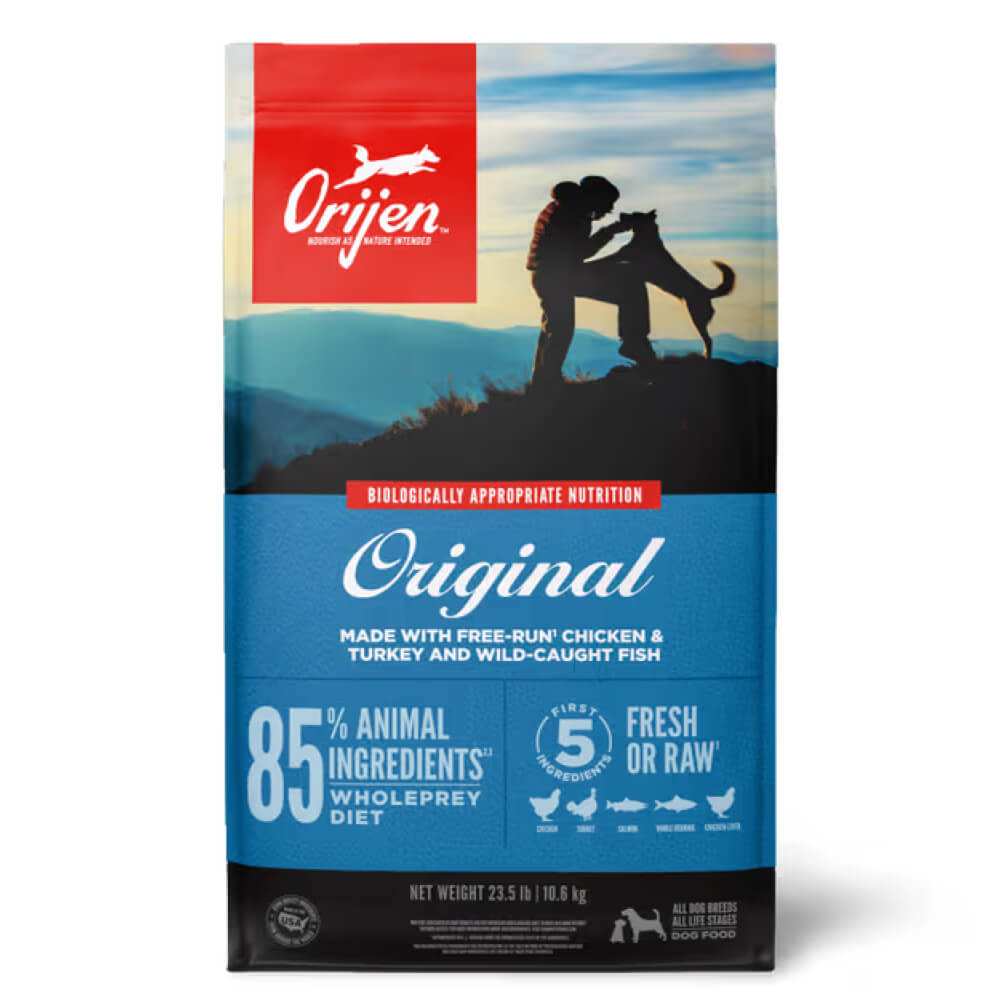
Watch portion sizes. Obesity in a three-kilo dog puts serious strain on joints and the trachea. Avoid table scraps and stick to measured feeds. See our recommended foods for Yorkshire Terriers below.


Training
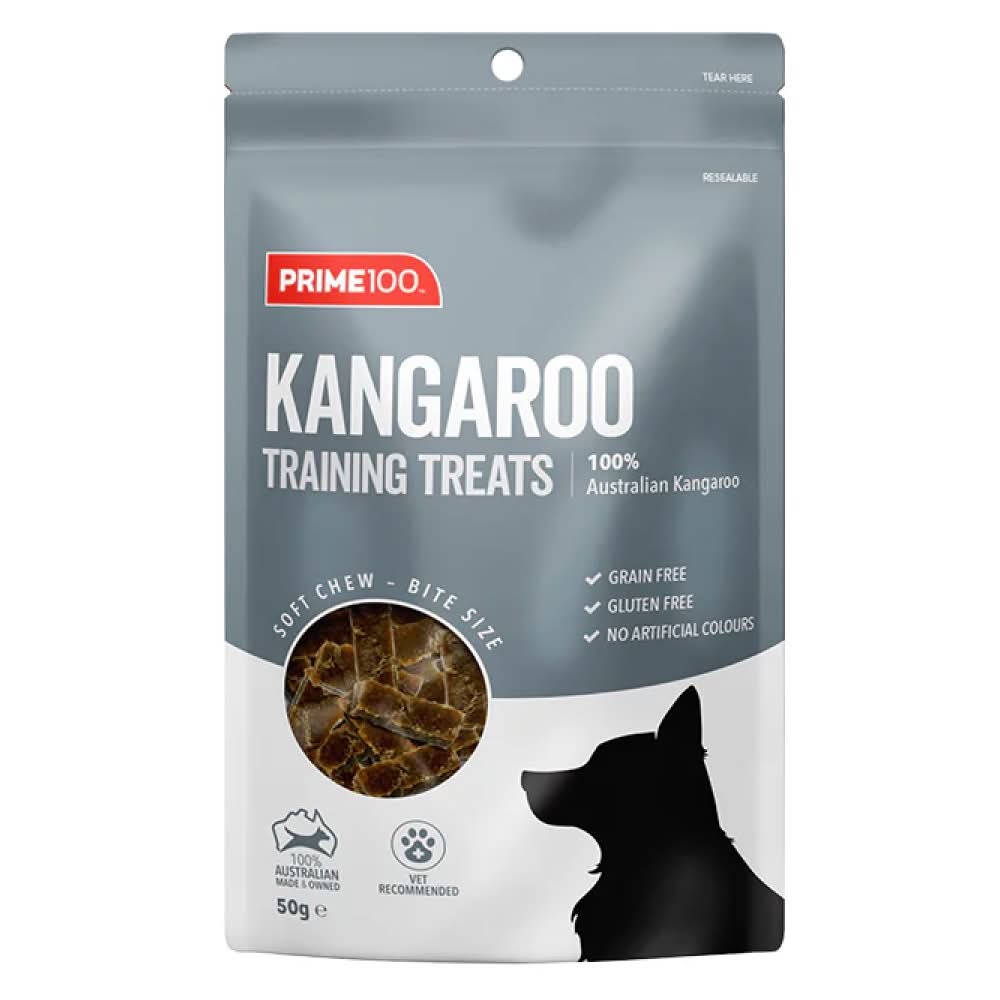
Yorkies are intelligent and learn quickly, but the terrier independence means they won't blindly follow commands. Keep sessions short — five to ten minutes — and use high-value treats. They respond well to positive reinforcement and badly to repetition or heavy correction.
Housetraining is the main challenge. Small bladders and a stubborn streak make this breed slower to toilet train than most. Consistency and patience are essential. Early socialisation is critical to prevent excessive barking and dog reactivity from becoming entrenched.


Suitability
Yorkshire Terriers suit apartment dwellers, retirees, singles, and anyone with time to give a small dog genuine attention. They adapt well to smaller spaces and don't need a backyard, as long as they get their daily walk and mental stimulation. They're a good fit for experienced small-dog owners who understand that a three-kilo terrier still needs boundaries and training.
They're not the right choice for families with very young children — the size mismatch creates risk on both sides. They're also not ideal if you're out of the house ten hours a day. Yorkies need company, and they'll develop anxiety and problem behaviours without it. Grooming costs are ongoing, and health bills can be higher than expected for a toy breed. Factor that in before committing.
Frequently Asked Questions
How much does a Yorkshire Terrier cost in Australia?
Do Yorkshire Terriers bark a lot?
Are Yorkshire Terriers good for first-time owners?
What's the difference between a Silky Terrier and a Yorkshire Terrier?
How long do Yorkshire Terriers live?

Comments
0 comments
Login to Join the Conversation 💬