




















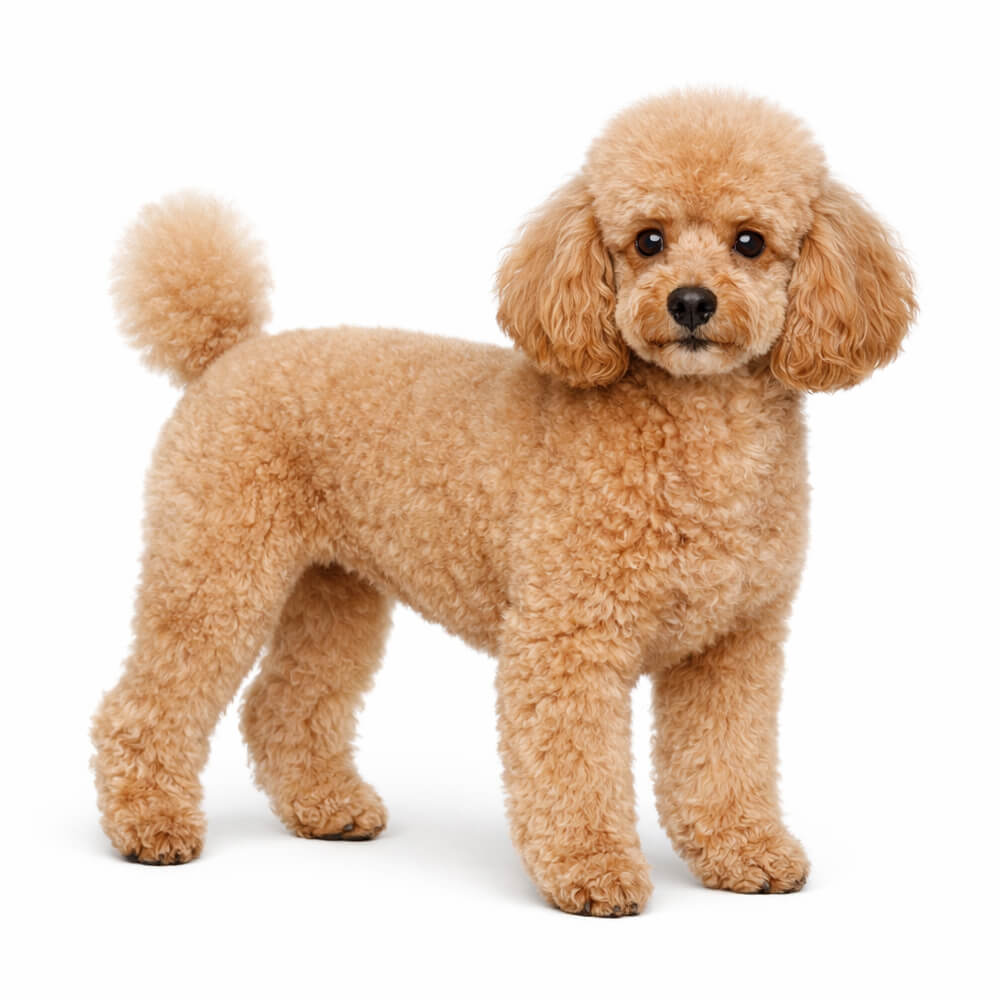

The Miniature Poodle is a small-to-medium, intelligent breed that sits between the Standard and Toy varieties in size. Bred down from the Standard Poodle for truffle hunting and later companionship, the Miniature retains all the intelligence and trainability of its larger cousin in a more compact frame.
Miniature Poodles are adaptable, affectionate and genuinely easy to live with. They suit apartments, houses and everything in between. Their low-shedding coat makes them popular with allergy-conscious owners, though the grooming commitment catches some people off guard. What many don’t expect is how athletic Miniature Poodles are for their size — they’re quick, agile and surprisingly competitive in dog sports.
History and Origin
The Miniature Poodle was developed in France and Germany by selectively breeding smaller Standard Poodles. While the Standard was a water retriever, the Miniature found its niche as a truffle hunter — its keen nose and compact size made it ideal for locating the valuable fungi without damaging them.
By the 18th century, Miniature Poodles had also become prized companions among the French aristocracy. Their intelligence, trainability and elegant appearance made them popular performers in circuses and travelling shows across Europe.
That dual heritage — working dog and companion — shows in the modern Miniature Poodle. They’re sharp, eager to learn and happiest when engaged with their people. In Australia, the Miniature Poodle is popular both as a standalone companion breed and as foundation stock for designer crosses like the Cavoodle and Spoodle.
Temperament and Personality
Miniature Poodles are intelligent, lively and closely bonded to their owners. They’re more robust and active than the Toy variety but less physically demanding than the Standard, which makes them a natural middle ground for many households.
With family, they’re affectionate and attentive. Miniature Poodles are sensitive dogs that read household mood accurately. They thrive on routine and human company, and they don’t cope well with being left alone for long periods.
Around children, they’re generally good. They’re sturdy enough to handle moderate play without being fragile, and they’re patient with kids who treat them well. Very young children need supervision — not because the dog is aggressive, but because rough handling can make any small dog snappy.
With other dogs, Miniature Poodles are typically friendly and sociable. They enjoy canine company and integrate well into multi-dog households. Their play style is energetic but not overbearing.
Energy-wise, they’re moderate. A daily walk, a play session and some mental stimulation keep most Miniature Poodles content. They’re active but able to settle, which makes them well-suited to both apartments and houses. Boredom is the enemy — an unstimulated Miniature Poodle will bark, dig or develop anxious behaviours.
Common Health Conditions
Miniature Poodles are a generally healthy breed with a good lifespan. Their smaller size shifts the health profile away from the hip and bloat issues seen in Standards, though they carry their own set of predispositions.
Patellar Luxation
The kneecap slips out of its normal position, causing intermittent lameness. It’s common in small breeds including Miniature Poodles. Mild cases may only need weight management and monitoring; severe cases require surgery.
Progressive Retinal Atrophy (PRA)
An inherited eye condition causing gradual vision loss. Miniature Poodles are a known carrier breed. DNA testing identifies carriers, and responsible breeders screen both parents before mating.
Legg-Calvé-Perthes Disease
A condition where the head of the femur (thigh bone) deteriorates due to reduced blood supply. It typically appears in puppyhood and causes hind-leg lameness and pain. Surgery is usually required and outcomes are generally good.
Epilepsy
Idiopathic epilepsy occurs at a higher rate in Miniature Poodles than in many breeds. Seizures typically begin between one and five years of age. The condition is manageable with medication but requires ongoing veterinary monitoring.
Dental Disease
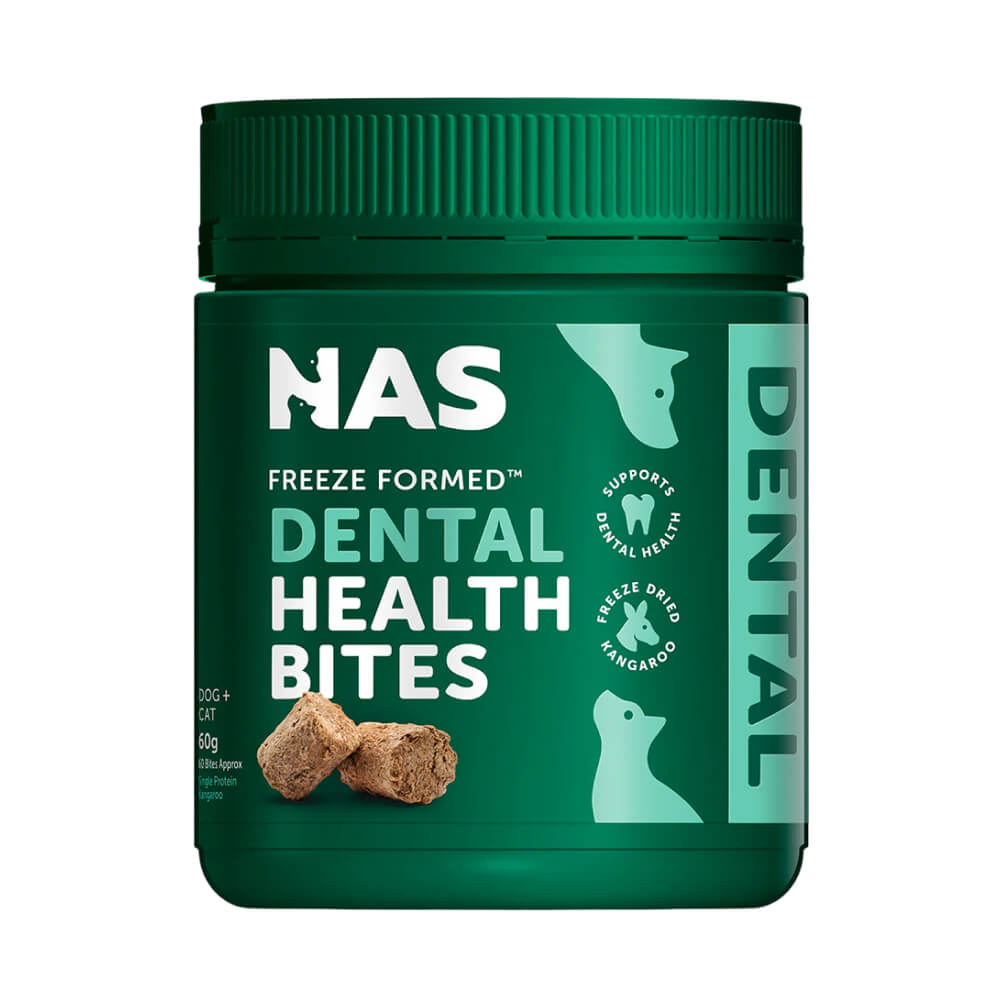
Small breeds are prone to dental overcrowding and plaque buildup. Regular dental checks, brushing at home and dental chews help prevent painful extractions and gum disease.
Pet insurance is worth considering for Miniature Poodles, particularly for orthopaedic and eye conditions. Regular vet check-ups twice a year catch early signs before they become costly problems.


Exercise
Miniature Poodles need 45 minutes to an hour of exercise daily. A brisk walk, a play session and some mental stimulation suit them well. They enjoy fetch, agility and learning new tricks. Swimming is a natural fit given the breed’s water retriever heritage. In Australian heat, exercise during cooler hours and ensure access to water and shade.
Grooming
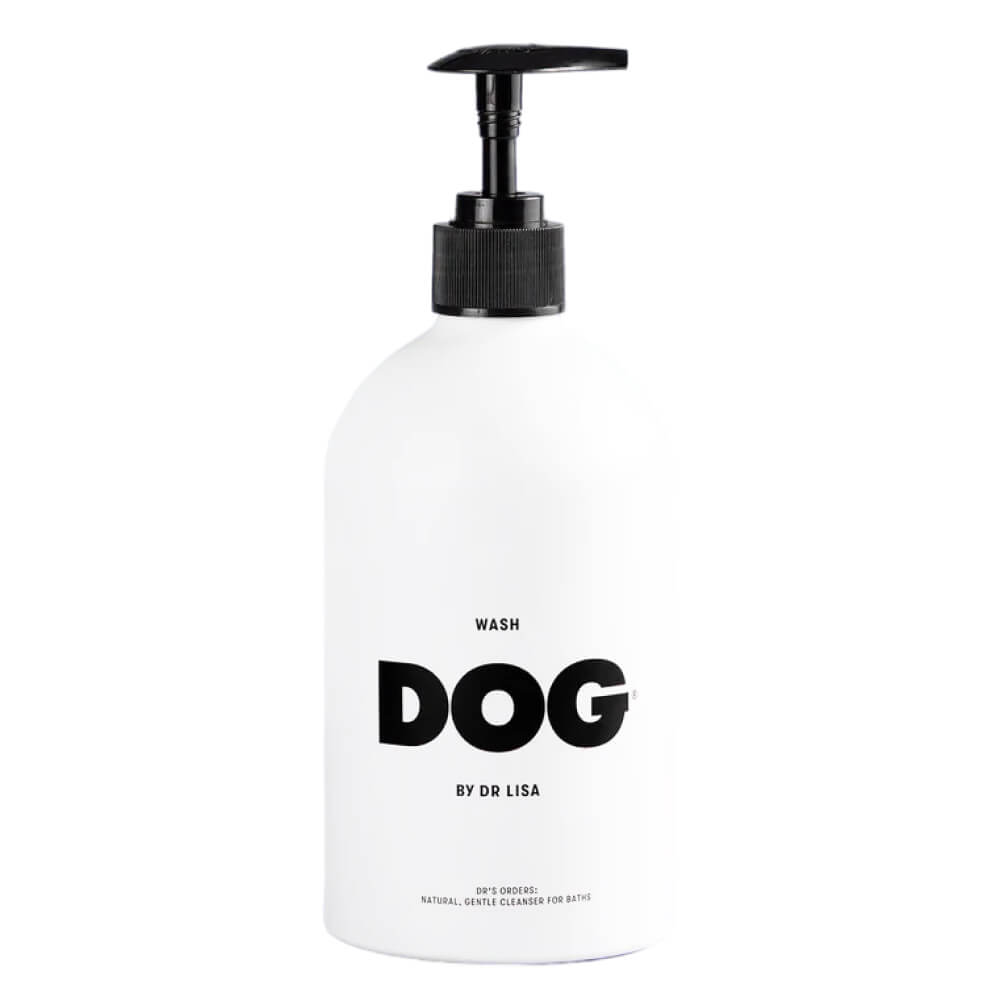
The curly, single coat doesn’t shed much but mats quickly if neglected. Brush thoroughly every two to three days to prevent tangles. Professional grooming every six to eight weeks is essential to keep the coat manageable. Ear care is particularly important — Miniature Poodles grow hair inside the ear canal, which traps moisture and debris. Regular ear cleaning prevents infections. Nails, teeth and eyes complete the routine.


Nutrition
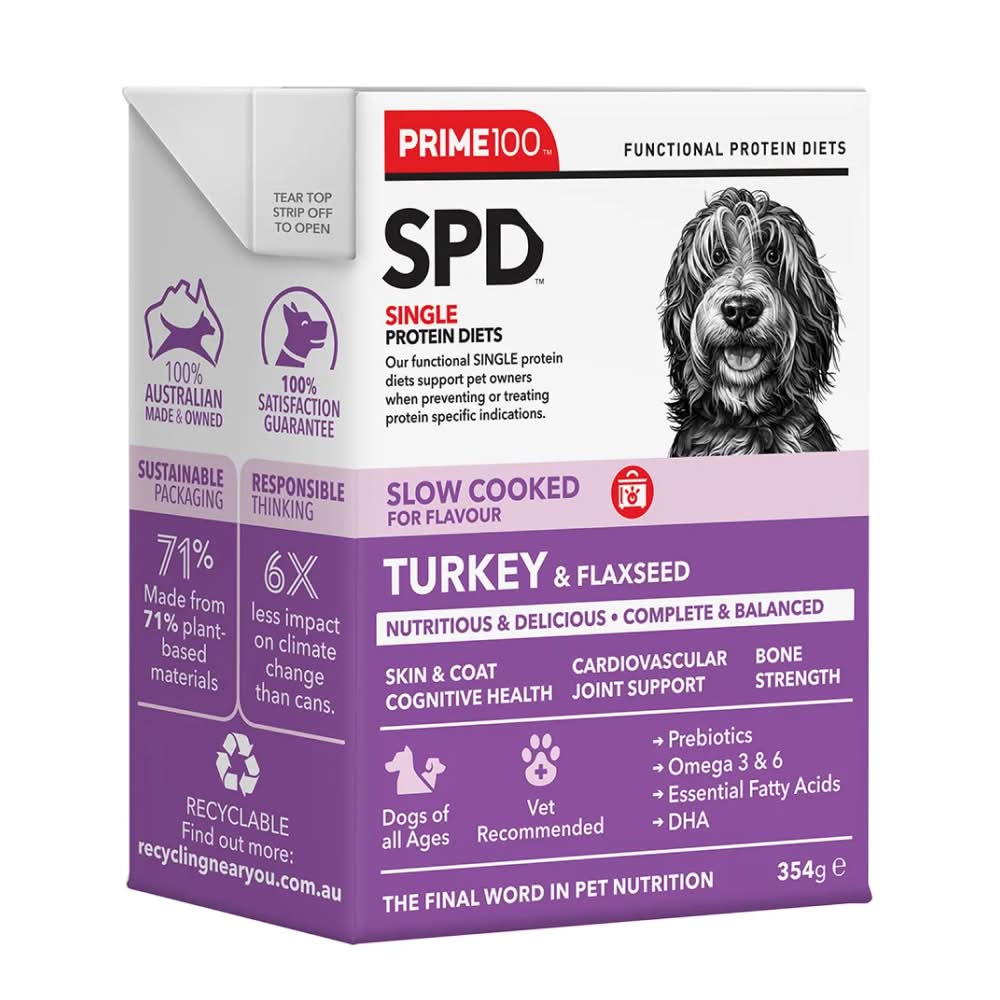
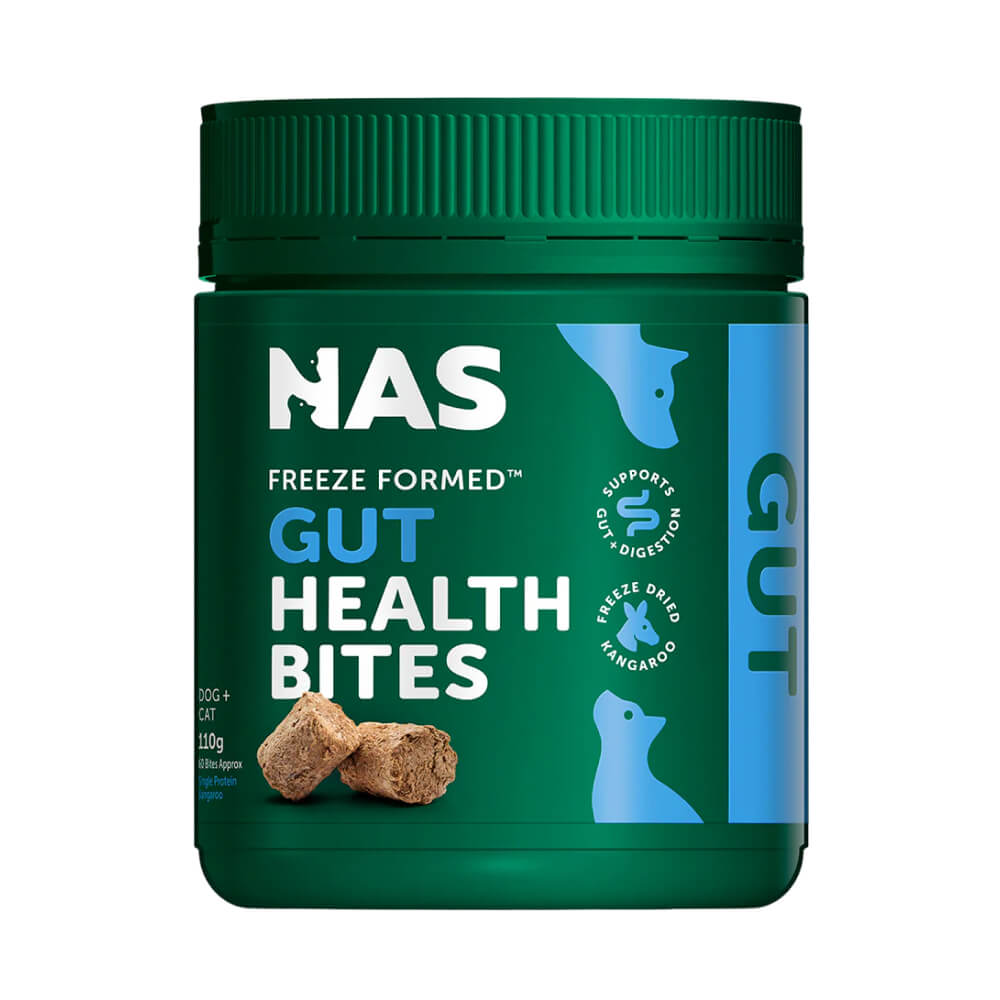
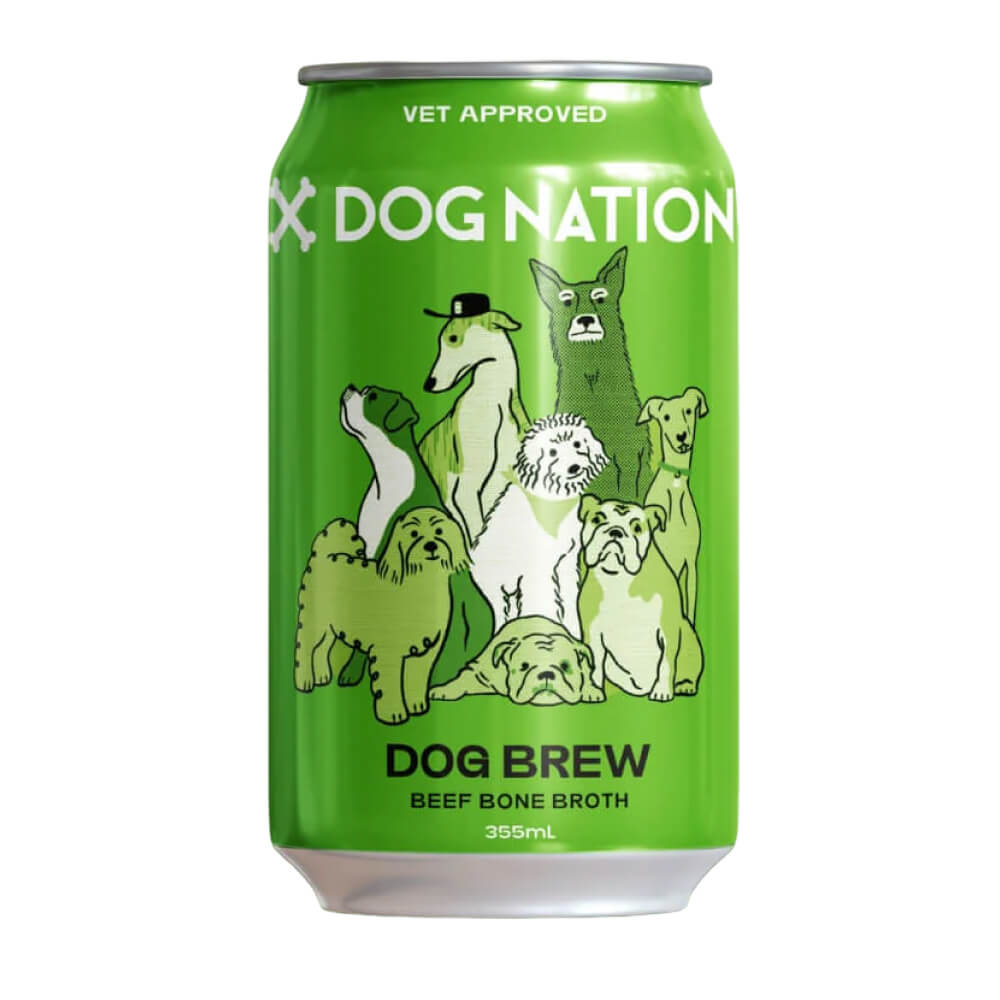
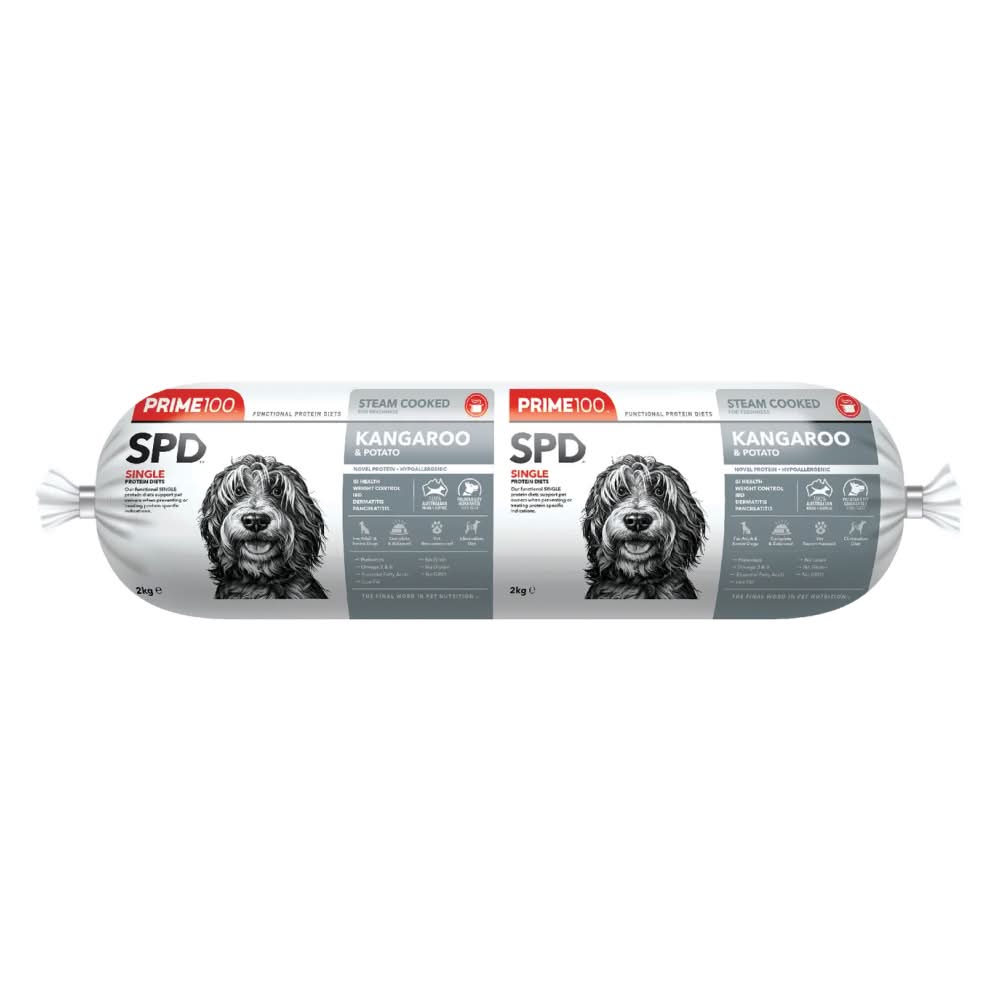
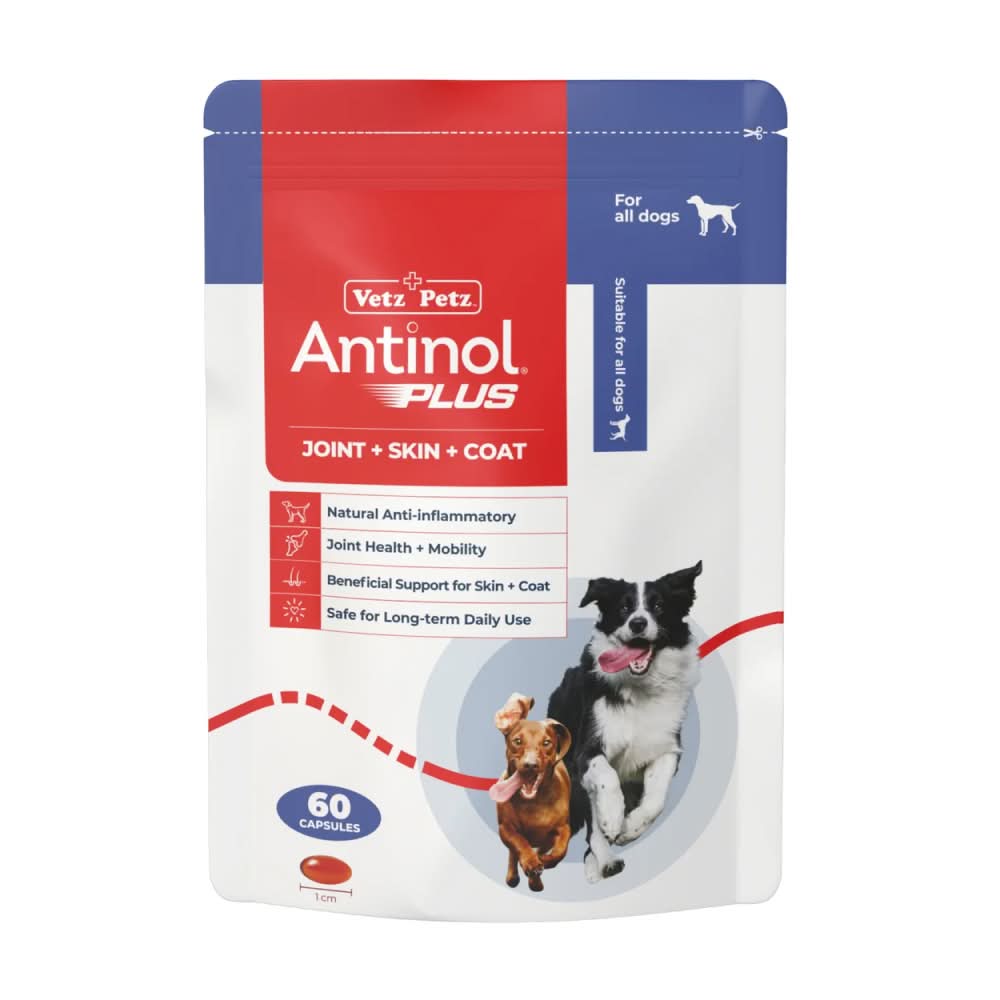
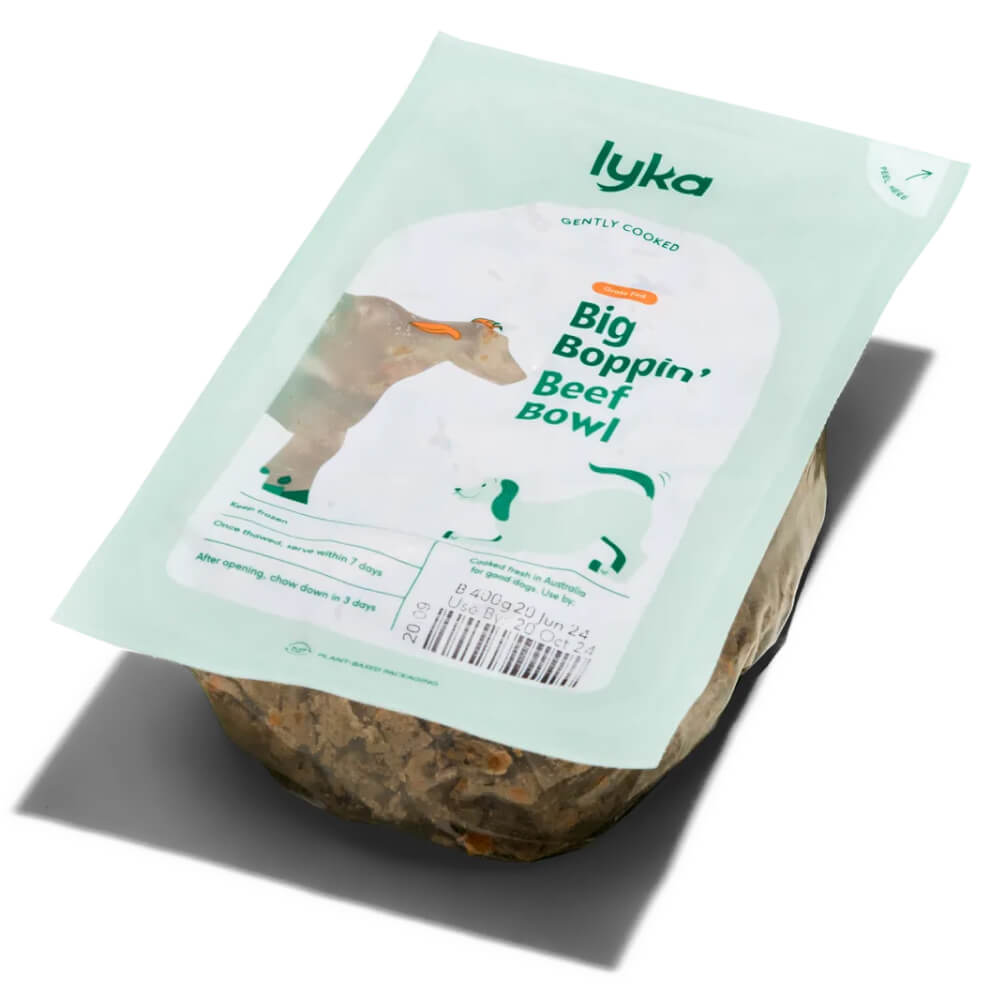
A high-quality, protein-rich diet appropriate to the dog’s size and activity level suits Miniature Poodles well. Avoid overfeeding — extra weight stresses the knees and increases patellar luxation risk. Dental health is a consideration with this breed, so kibble size and dental-friendly treats matter. Joint-supportive supplements are worth considering for dogs with a patella history. See our recommended foods for Miniature Poodles below.


Training
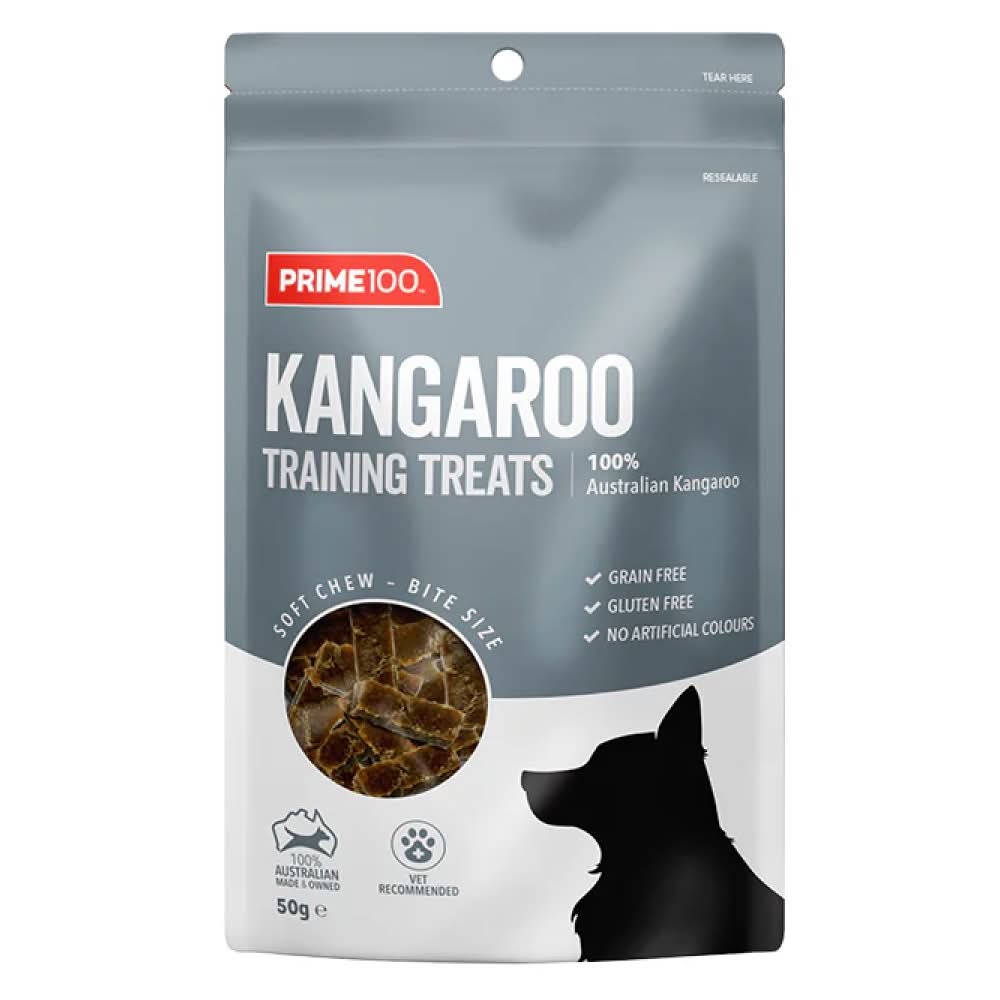
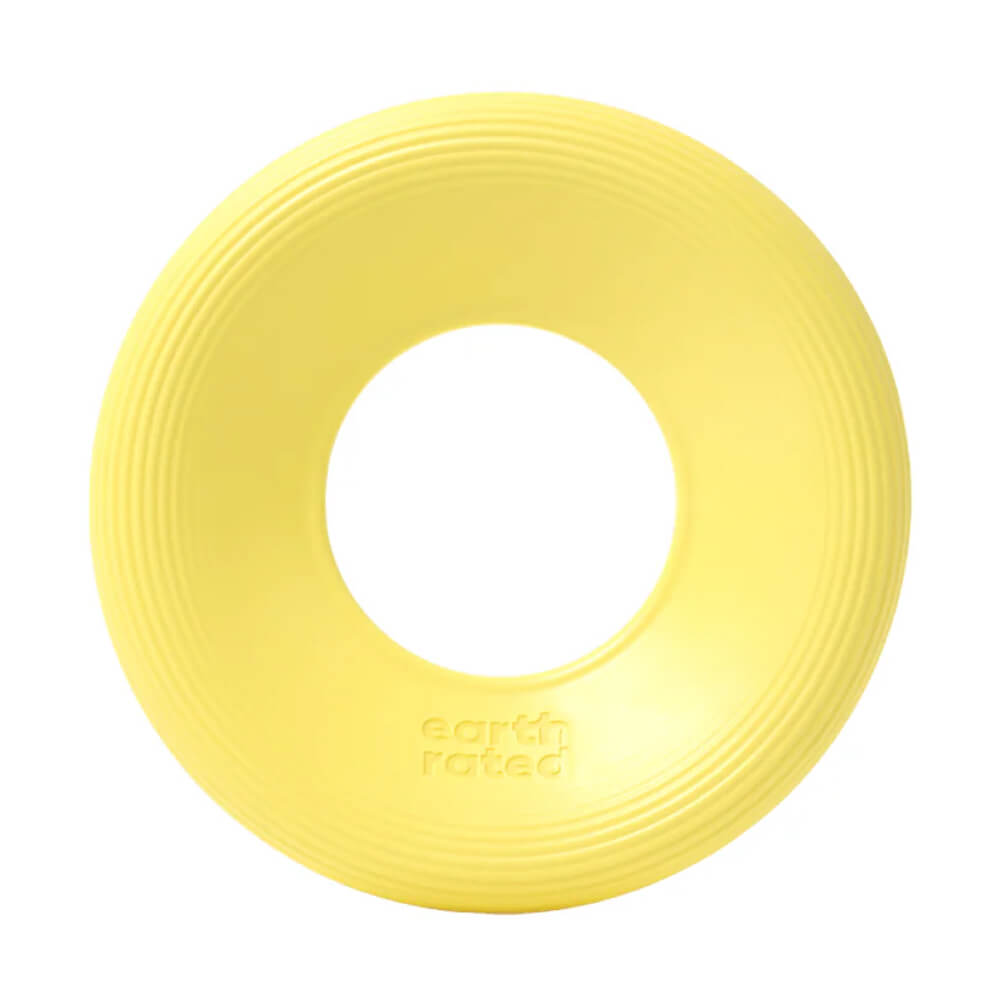
Miniature Poodles are among the easiest breeds to train. They learn quickly, respond well to positive reinforcement and enjoy the mental stimulation that training provides. Keep sessions short, varied and fun. They excel in obedience, agility and trick training. The main pitfall is inconsistency — Miniature Poodles are smart enough to exploit gaps in rules. Early socialisation is straightforward; the breed is naturally sociable and curious.

Suitability
Miniature Poodles suit a wide range of owners: apartment dwellers, families with older children, retirees and anyone after an intelligent, low-shedding companion. They adapt well to most living situations and don’t need the intensive exercise that larger working breeds demand.
The main consideration is grooming. Miniature Poodles need regular brushing and professional grooming every six to eight weeks — that’s a time and cost commitment that doesn’t go away. If grooming feels like a chore, this isn’t the breed for you. They also don’t cope well with long periods alone, so households where someone is home for most of the day are a better fit.
Frequently Asked Questions
How much does a Miniature Poodle cost in Australia?
What is the difference between a Miniature Poodle and a Toy Poodle?
Do Miniature Poodles bark a lot?
Are Miniature Poodles hypoallergenic?
How long do Miniature Poodles live?

Comments
0 comments
Login to Join the Conversation 💬