




.png)














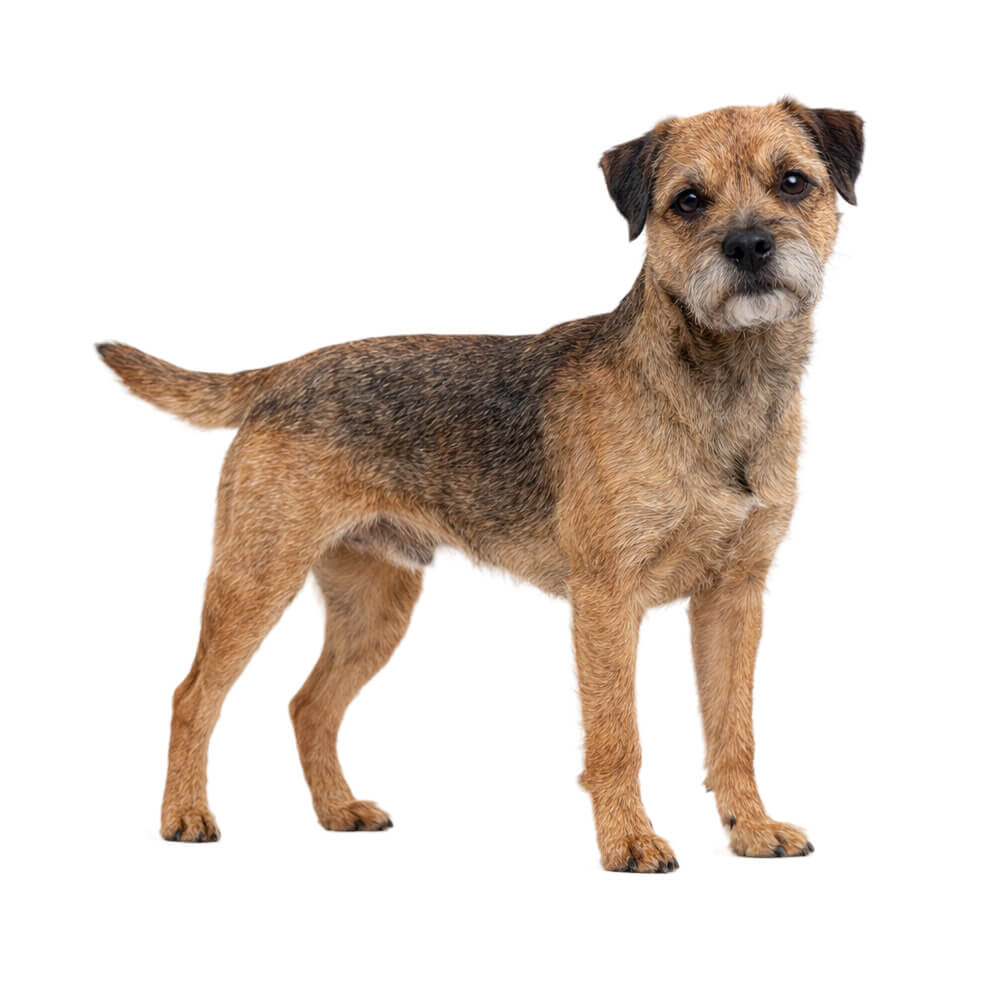

The Border Terrier is a small, tough working terrier bred to run with foxhounds along the Anglo-Scottish border. Built to keep up with horses and bolt foxes from their dens, this is one of the most practical and least fussy terrier breeds available.
Borders don't look like much at first glance — no flashy coat, no dramatic profile. That's the point. They were bred for function over form, and it shows in every aspect of the breed. They're hardy, adaptable, good with kids, and one of the few terrier breeds genuinely comfortable in a multi-dog household. If you want a terrier without the drama, the Border Terrier is worth a serious look.
History and Origin
The Border Terrier was developed in the Cheviot Hills along the border between England and Scotland, probably during the 18th century. Farmers and hunters needed a dog small enough to follow a fox underground but with legs long enough to keep pace with mounted hunters and their foxhounds across open country.
The breed was purpose-built for endurance and courage. They worked alongside packs of hounds, which is why Border Terriers are more sociable with other dogs than most terrier breeds — pack aggression would have been bred out early. The Kennel Club recognised the breed in 1920.
Border Terriers arrived in Australia through British migrants and have a small but loyal following here. They're not as common as Jack Russells or Staffies, but breeders are active across most states. The breed's working heritage translates well to Australian conditions — they handle heat better than many British breeds and their wiry coat is naturally weather-resistant.
Temperament and Personality
Border Terriers are cheerful, affectionate, and endlessly game. They approach life with enthusiasm and optimism, and they bring that energy to everything from a morning walk to a rainy afternoon on the couch. They're not high-strung — just consistently engaged.
With family, they're loyal and loving without being demanding. They're excellent with children of all ages and have a natural patience that many terrier breeds lack. They want to be part of family activities but don't tend toward separation anxiety if left for reasonable periods.
They're one of the most dog-friendly terrier breeds, a direct result of their pack-hunting heritage. They generally get along well with other dogs and can thrive in multi-dog households. That said, their prey drive toward smaller animals is strong. Cats, rabbits, and guinea pigs are at risk unless the dog is raised with them from puppyhood.
Around strangers, they're friendly and approachable. They'll bark to announce a visitor but won't sustain it the way a Yorkshire Terrier or Jack Russell would. They're alert without being neurotic.
The quirk with Borders is their stamina. They don't look like endurance athletes, but they have more go in them than their size suggests. Under-exercised Border Terriers dig. They dig a lot. And they're good at it.
Common Health Conditions
Border Terriers are one of the healthier terrier breeds, but they have a few breed-specific conditions that owners should be aware of. Responsible breeders screen where possible.
Canine Epileptoid Cramping Syndrome (CECS)
A condition unique to Border Terriers, sometimes called Spike's Disease. It causes episodes of cramping, trembling, and difficulty walking that can last from minutes to hours. It's not true epilepsy — the dog remains conscious throughout. The exact cause is debated, but dietary triggers (particularly gluten) have been identified in some dogs. Management through diet changes often helps significantly.
Hip Dysplasia
The hip joint develops abnormally, leading to arthritis and pain. Border Terriers are moderately predisposed. Signs include stiffness after rest and reluctance to jump. Weight management and anti-inflammatory support help mild cases; surgery is reserved for severe presentations.
Heart Defects
Some lines carry a predisposition to cardiac conditions, including pulmonic stenosis. A cardiac screening is recommended for breeding dogs. Signs include exercise intolerance and laboured breathing. Early detection through a vet check improves management options.
Progressive Retinal Atrophy (PRA)
A degenerative eye condition that causes gradual vision loss. Night blindness is usually the first sign. DNA tests are available for some forms, and reputable breeders screen for it.
Legg-Calvé-Perthes Disease
The blood supply to the femoral head degrades, causing hip pain in young dogs. Usually presents before twelve months. Surgical correction is the standard treatment with good outcomes.
Pet insurance is a sensible investment. While Border Terriers are robust overall, CECS episodes and cardiac conditions can require specialist vet input.


Exercise
Border Terriers need about an hour of exercise daily. They're built for endurance, not sprinting, so longer walks and hikes suit them perfectly. They're excellent hiking companions and will happily cover far more ground than their size suggests.
Mental stimulation matters — scent work, puzzle toys, and training games tap into their working instincts. Off-lead exercise should be in fenced areas, as their prey drive will override recall training when a rabbit or lizard appears. If they don't get enough exercise, they dig. Plan accordingly.

Grooming
The wiry double coat is low-maintenance compared to most terrier breeds. Hand-stripping twice a year maintains the correct coat texture and removes dead hair. Between strips, a weekly brush keeps the coat tidy.
Most pet owners opt for clipping instead of hand-stripping, which is easier but softens the coat over time and increases shedding slightly. Borders don't need frequent bathing — their coat naturally repels dirt. Check ears weekly and keep nails trimmed.



Nutrition
Feed a high-quality small-breed formula suited to their activity level. Border Terriers aren't fussy eaters, which is refreshing, but it also means they'll overeat if given the chance. Measured portions and consistent meal times prevent weight creep.
If your dog shows signs of CECS, discuss a gluten-free or novel-protein diet with your vet — dietary management has made a significant difference for many affected dogs. Two meals a day works well for adults. See our recommended foods for Border Terriers below.


Training
Border Terriers are intelligent and willing to work with their owner, making them one of the more trainable terrier breeds. They respond well to positive reinforcement and enjoy short, varied training sessions. They're eager without being frantic, which makes them a good option for first-time terrier owners.
Recall is the main training challenge — prey drive overrides instruction when something runs. Practice recall in controlled environments and accept that a Border off-lead near wildlife is a Border you might be chasing. Early socialisation with other animals helps manage the prey drive, though it never fully switches off.



Suitability
Border Terriers suit active families, first-time terrier owners, and anyone who wants a sturdy small dog that can keep up with an outdoor lifestyle. They're excellent with children, manageable in apartments with consistent exercise, and one of the few terrier breeds that genuinely work in multi-dog households. Their low grooming demands and adaptable nature make them one of the most practical breeds in the terrier group.
They're not the right choice for sedentary owners or homes where the dog will spend long days alone without stimulation. Their prey drive rules out homes with small free-roaming pets. And if you value a pristine garden, a bored Border Terrier will redesign it for you. If you can meet the exercise needs and accept the digging, you'll get a loyal, cheerful, and endlessly entertaining companion.
Frequently Asked Questions
How much does a Border Terrier cost in Australia?
Are Border Terriers good for first-time dog owners?
What colours do Border Terriers come in?
Do Border Terriers bark a lot?
How long do Border Terriers live?

Comments
0 comments
Login to Join the Conversation 💬