























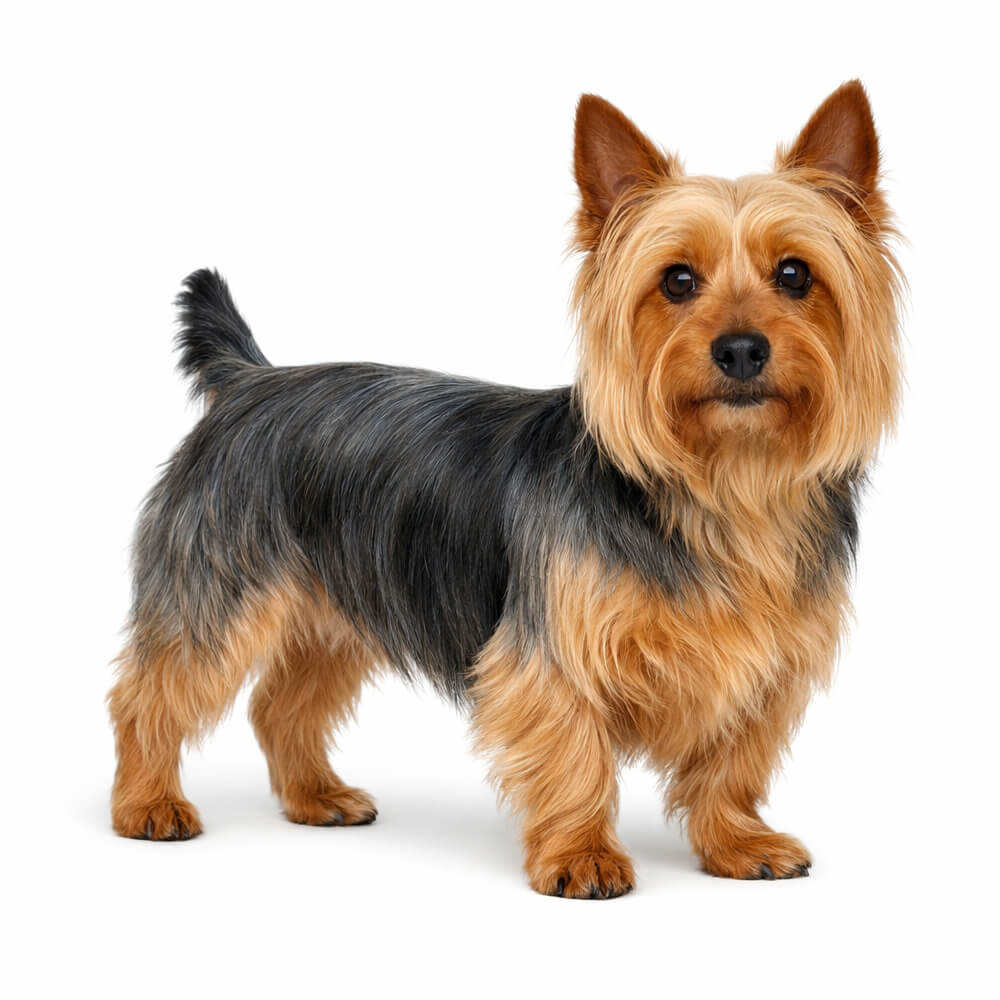

The Australian Silky Terrier is a small, spirited companion breed developed in Australia by crossing Yorkshire Terriers with Australian Terriers. Despite its glamorous coat and toy classification, this is a proper terrier — alert, confident and more robust than it looks.
Silky Terriers suit owners who want a small dog with genuine personality rather than a passive lapdog. They're vocal, curious and surprisingly athletic for their size. What catches most first-time owners off guard is the energy level — Silkies are wired more like a working terrier than a toy breed, and they'll dig, chase and patrol a backyard with real intent. They're also one of the few Australian-developed breeds, making them a genuinely local choice.
History and Origin
The Australian Silky Terrier was developed in the early 1900s in Sydney, primarily by crossing Yorkshire Terriers brought to Australia during the gold rush era with the native Australian Terrier. The goal was to combine the Yorkshire's silky coat with the Australian Terrier's hardiness and vermin-hunting drive.
Breeding was initially informal, and for decades the Silky existed alongside the Australian Terrier without a distinct standard. The breed was recognised separately in the 1950s, with the first breed standard established in Australia in 1955. It was originally known as the Sydney Silky Terrier — a name still used in some parts of the world — reflecting its development in and around Sydney's suburbs.
Despite its classification in the Toy group, the Silky was never bred purely as a companion. Its terrier instincts are intact. Early breeders valued the coat and compact size, but also selected for alertness and ratting ability. That working heritage is obvious in the modern breed — Silkies are quick to react, keen to chase and far more independent than most toy breeds.
Temperament and Personality
Silky Terriers are confident, alert and surprisingly assertive for a dog that weighs under five kilograms. They carry themselves with a self-importance that larger terrier breeds would recognise. This is not a timid or clingy toy dog — Silkies have opinions, and they'll let you know.
With family, they're loyal and affectionate on their own terms. They bond strongly to one or two people and can be indifferent to others. They enjoy being near their owners but aren't as physically dependent as breeds like the Cavalier or Maltese. They're happy to sit beside you, not necessarily on you.
With children, supervision is essential. Silky Terriers have low tolerance for rough handling and will snap if grabbed, pulled or startled. They do better with older children who understand how to interact with small dogs. They're not a natural choice for families with toddlers.
With other dogs, Silkies can be territorial and scrappy. They don't recognise their size and will stand up to much larger dogs, which creates obvious safety problems. Early and consistent socialisation helps, but many Silkies retain a degree of same-sex aggression. Small-animal prey drive is also strong — they will chase cats, birds and anything that runs.
Indoors, they're alert watchdogs with a sharp bark. They'll announce every visitor, delivery driver and passing dog. Barking management is one of the most important training priorities for the breed, especially in apartments or close-quarter living.
Common Health Conditions
Australian Silky Terriers are generally hardy for a toy breed, but carry several predispositions that owners should monitor from puppyhood onward.
Patellar Luxation
A condition where the kneecap slides out of its normal groove, causing intermittent lameness and a skipping gait. Common in small breeds, including Silkies. Mild cases are managed with weight control and exercise modification. Severe cases require surgical correction. Breeders should screen for this before mating.
Legg-Calvé-Perthes Disease
The head of the femur degenerates due to reduced blood supply, leading to hip pain and rear-leg lameness. It typically presents between four and twelve months of age. Surgical removal of the affected femoral head is the standard treatment and outcomes are generally good in small breeds.
Tracheal Collapse
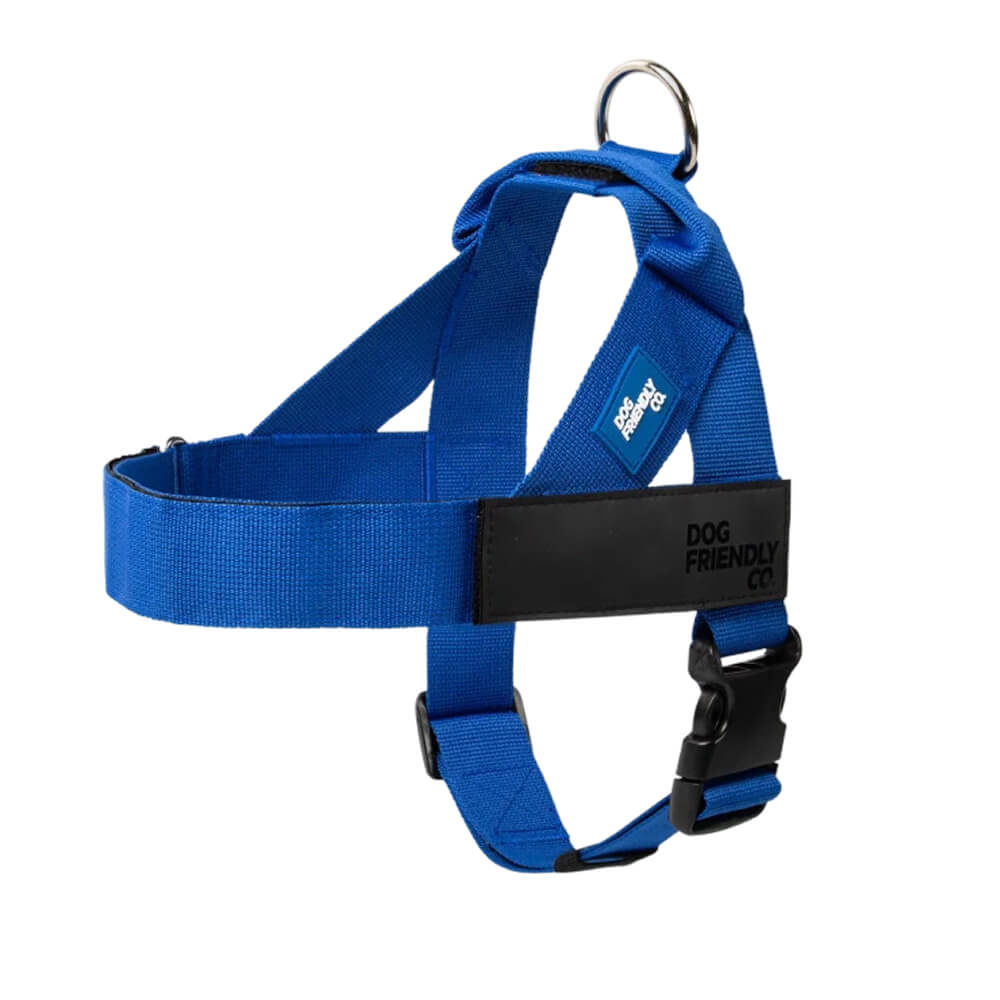
The cartilage rings supporting the windpipe weaken and flatten, causing a chronic honking cough — particularly during excitement, exercise or heat. Common in small breeds. Use a harness instead of a collar, maintain lean body weight and avoid situations that trigger heavy panting. Severe cases may require medication or surgical intervention.
Diabetes Mellitus
Silky Terriers have an above-average incidence of diabetes compared to other toy breeds. Signs include excessive thirst, frequent urination and weight loss despite normal appetite. Early diagnosis through routine blood screening allows effective management with insulin and dietary control.
Skin Allergies and Dermatitis
The breed's fine, silky coat can mask underlying skin issues. Silkies are prone to contact allergies and atopic dermatitis, presenting as itching, redness and hair loss. Identifying and eliminating triggers — often environmental or dietary — is the first step in management.
Pet insurance is worth considering for Silky Terriers. Orthopaedic surgeries for patellar luxation and Legg-Calvé-Perthes disease are expensive relative to the breed's size. Routine vet check-ups twice a year help catch emerging issues early.


Exercise
Silky Terriers need around 45 minutes of daily exercise — more than most owners expect from a toy breed. Structured walks, backyard play and interactive games suit them well. They enjoy chasing, digging and exploring, and benefit from mental stimulation as much as physical activity. Without adequate exercise, Silkies become restless, barky and destructive. In Australian summer heat, walk early morning or late evening — their small body mass means they overheat faster than larger dogs.
Grooming
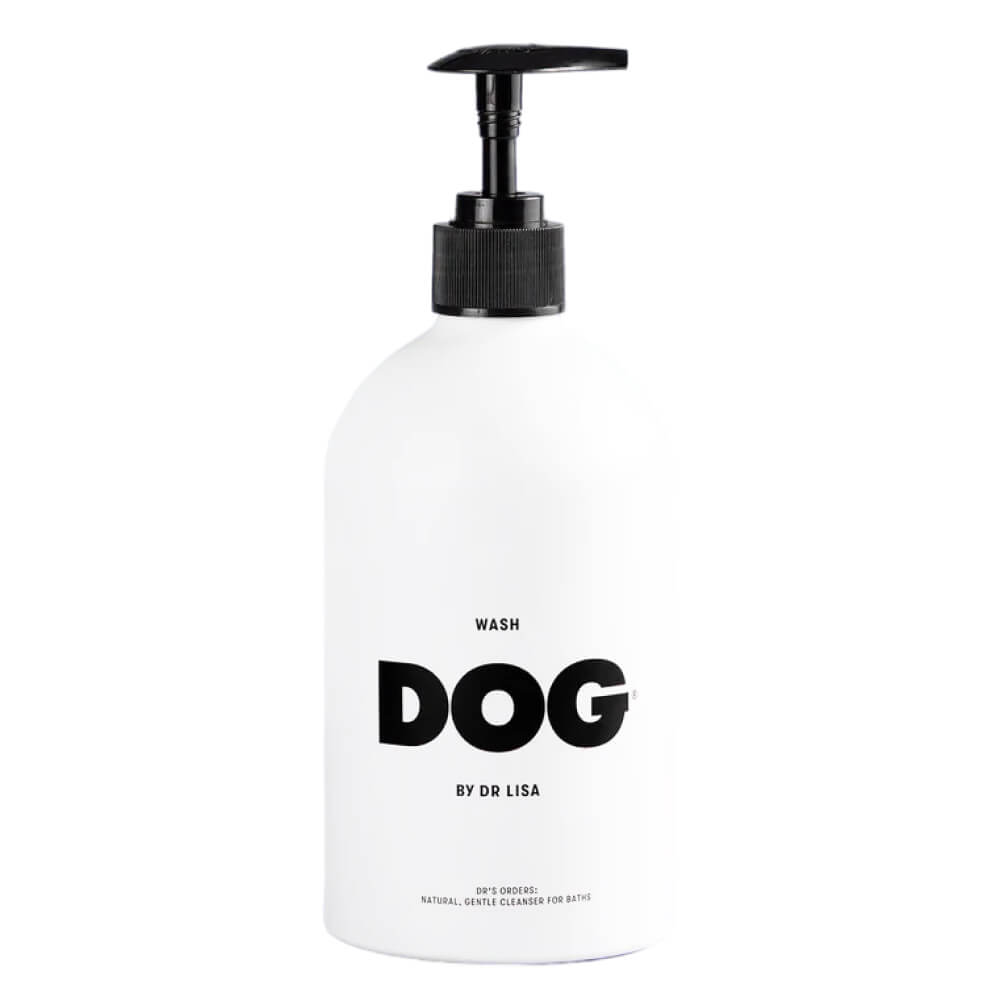
The long, silky coat requires regular maintenance to prevent tangling and matting. Brush every two to three days with a pin brush or fine comb, paying particular attention to behind the ears and under the legs. Shedding is low — loose hairs tend to stay caught in the coat rather than dropping on furniture. Most owners keep their Silky in a shorter trim for easier management, which reduces grooming time significantly. Professional grooming every six to eight weeks is standard. Ear cleaning and dental care are also important — small breeds are prone to dental disease.


Nutrition
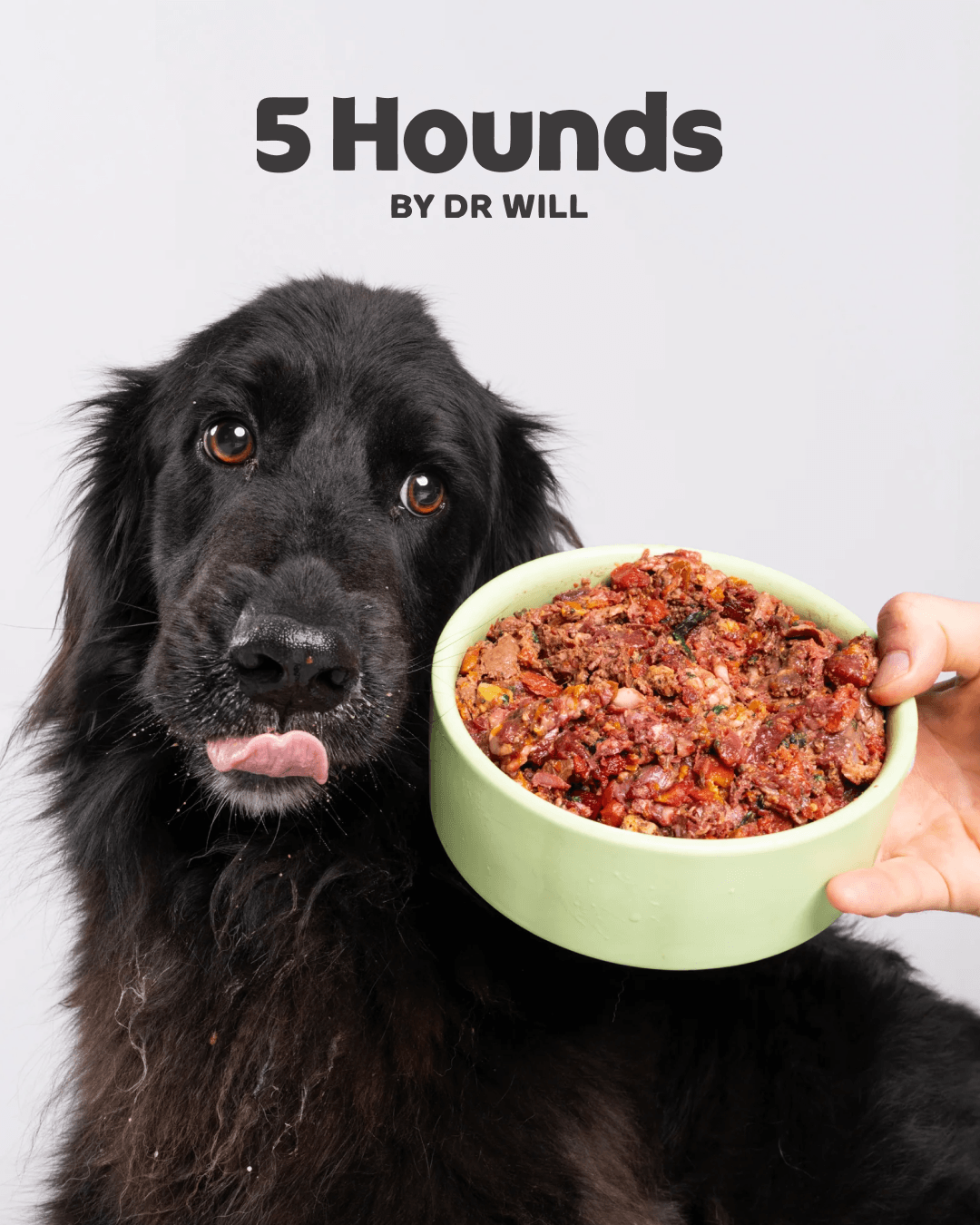
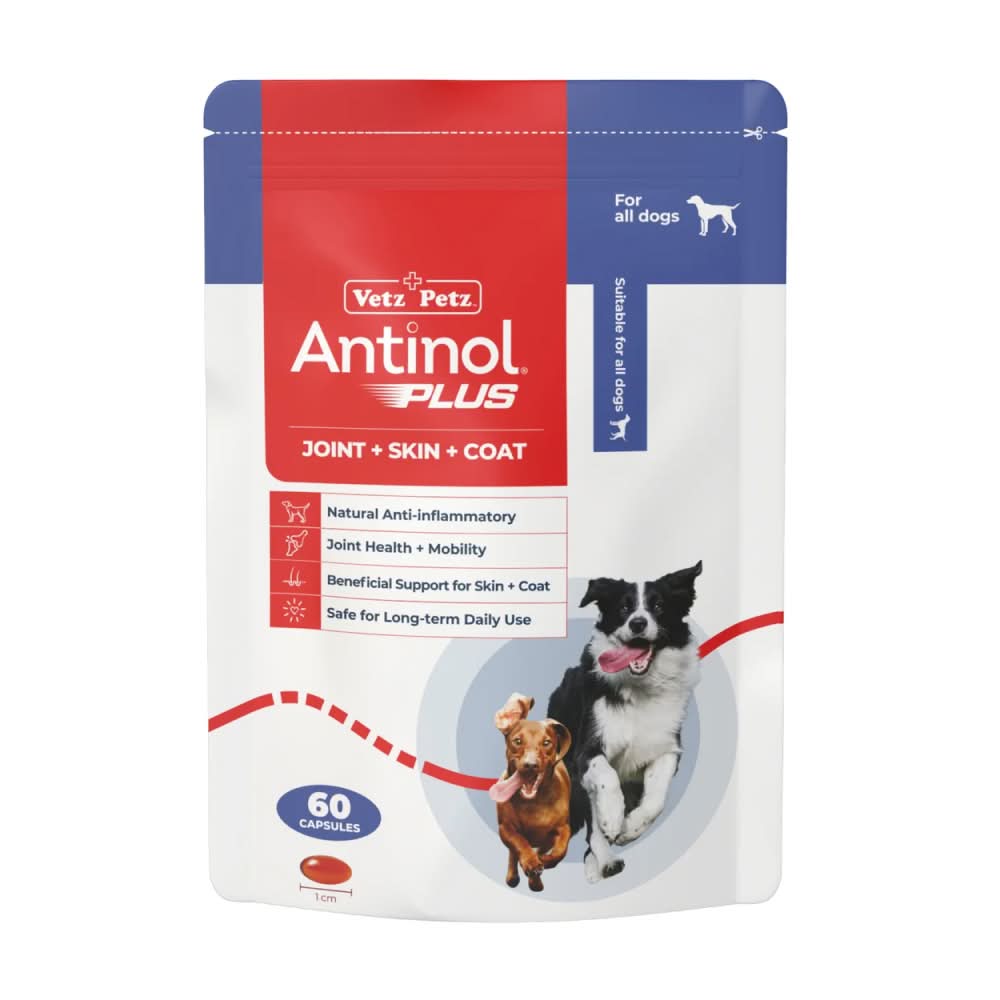
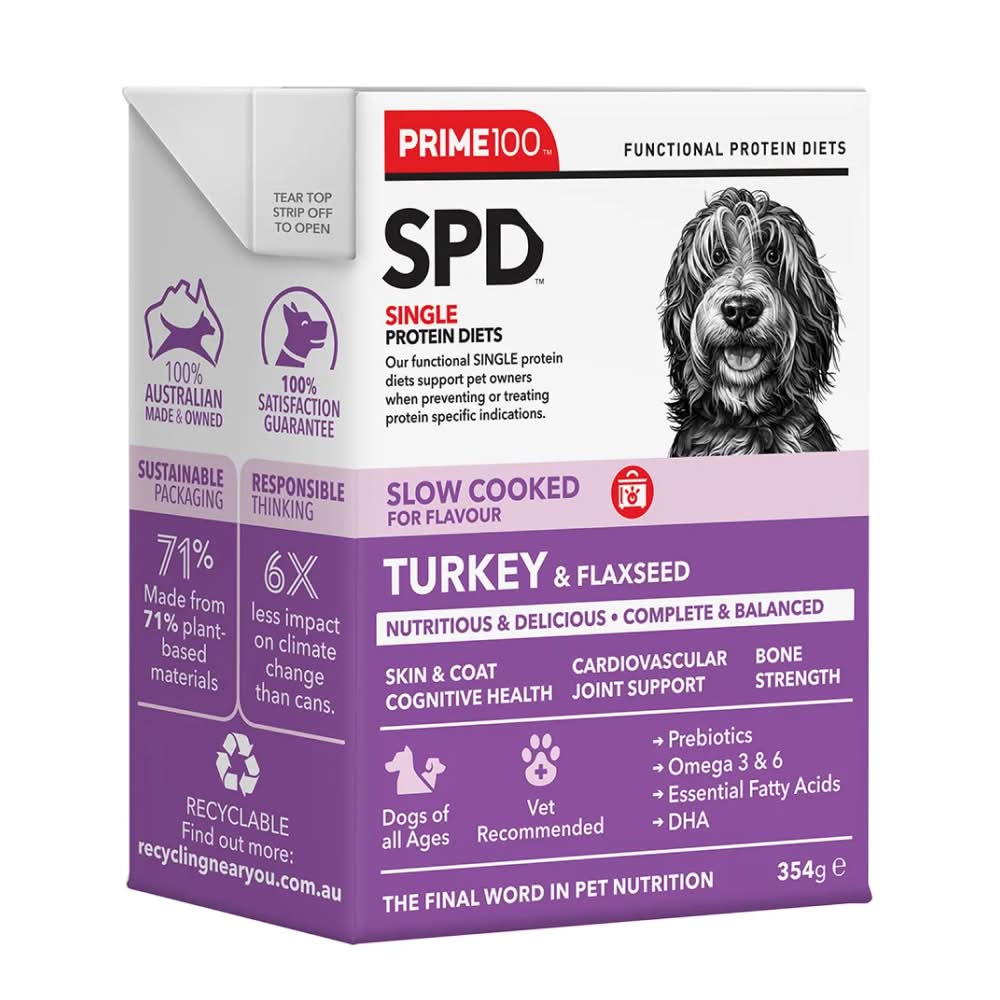
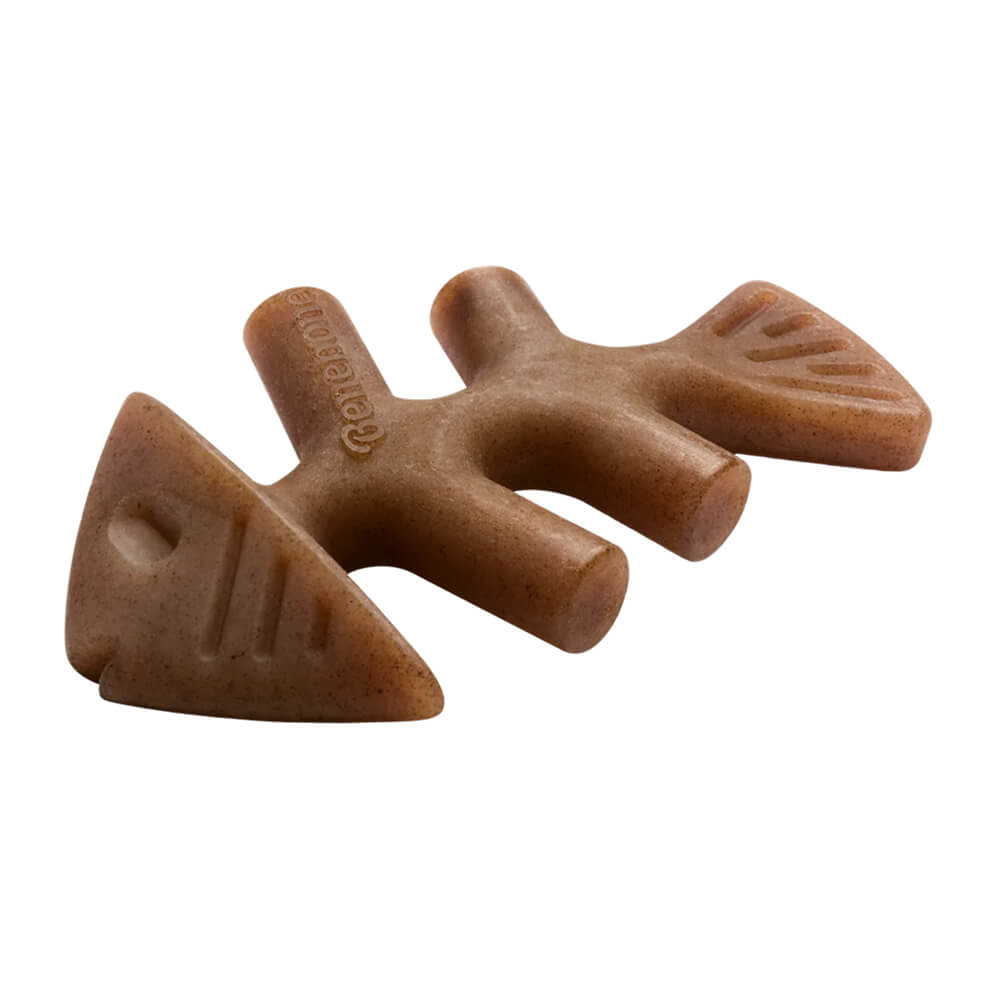
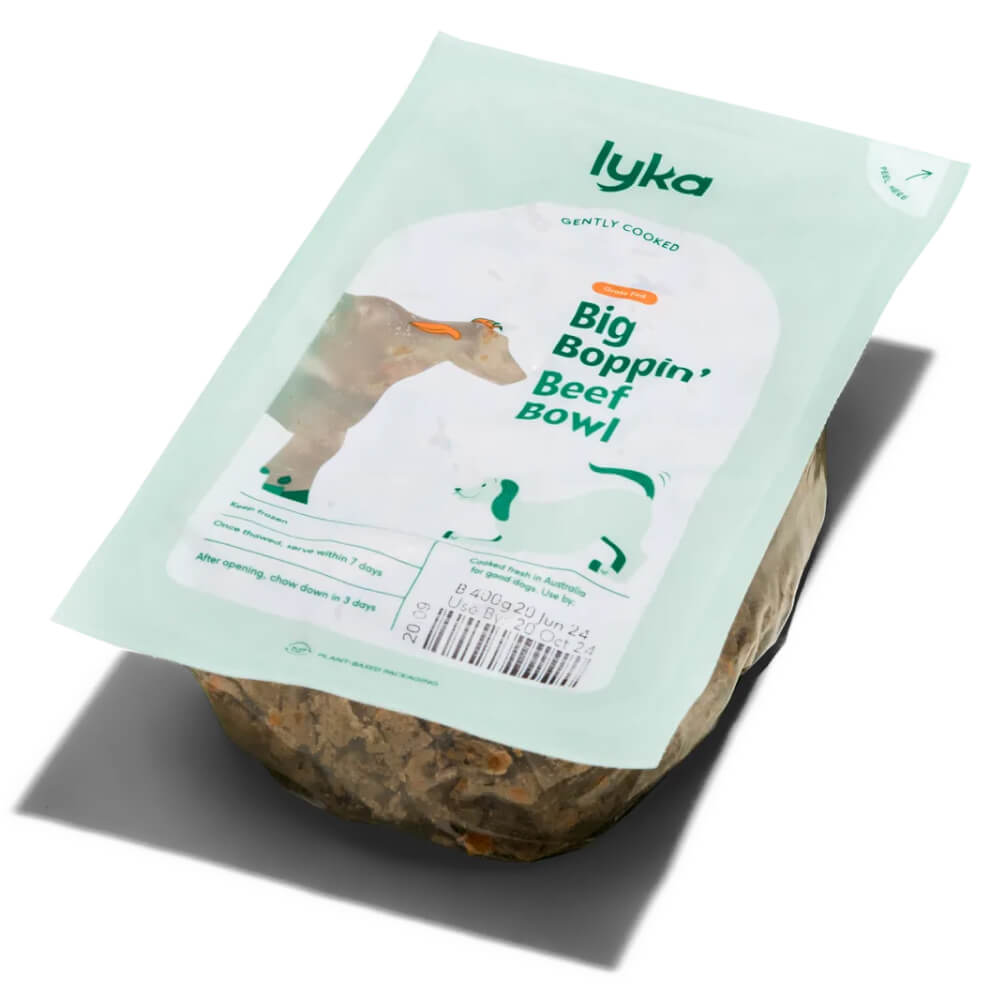
Silky Terriers do well on a high-quality small-breed formula. Portion control matters — their small frame makes even minor weight gain noticeable and problematic, particularly for joint health and tracheal collapse risk. Avoid free-feeding. Two measured meals per day is ideal for adults. Given the breed's diabetes predisposition, low-glycaemic ingredients and consistent feeding times help regulate blood sugar. Dental chews and appropriately sized kibble support oral health. See our recommended foods for Australian Silky Terriers below.


Training
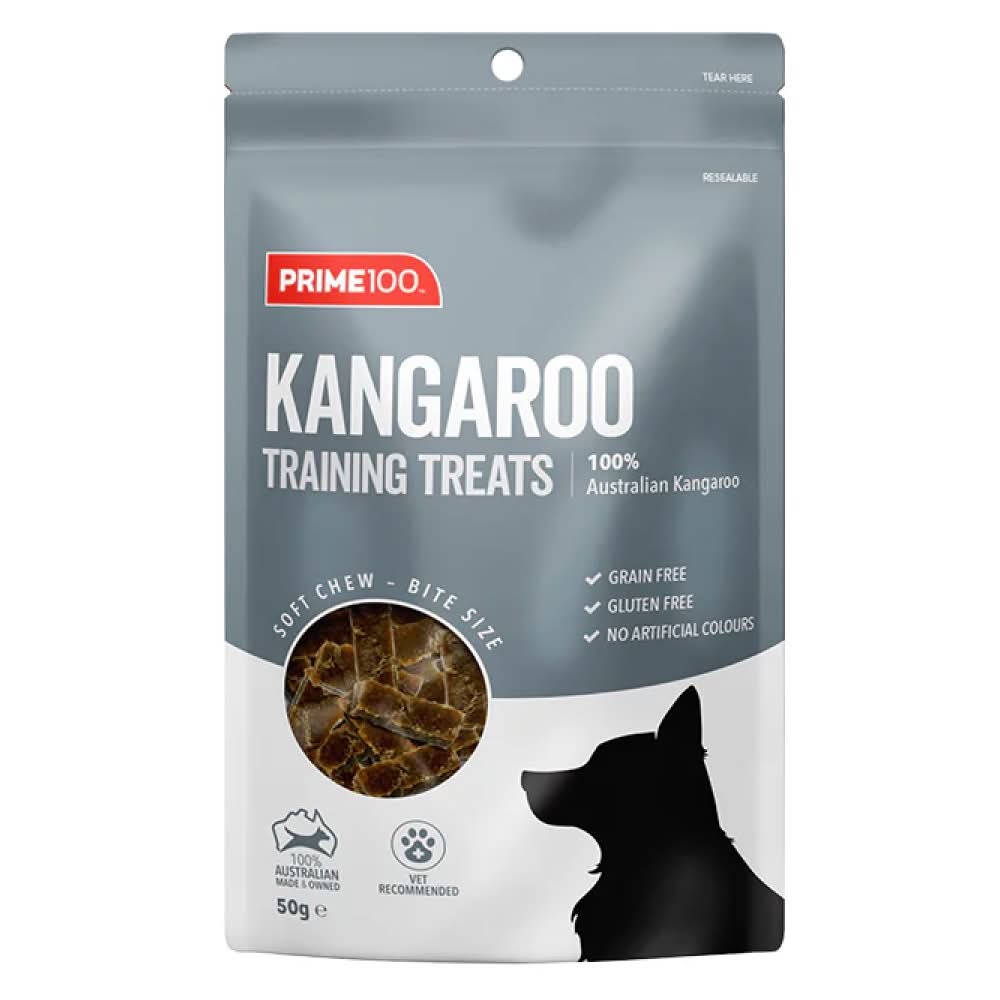
Silky Terriers are intelligent but independent. They learn quickly when motivated but will ignore commands they find pointless. Short, varied training sessions work best — repetition bores them. Positive reinforcement is effective, but you'll need to earn their respect through consistency rather than force. The two biggest training priorities for the breed are barking control and recall. Silkies are vocal by nature and will alert-bark at everything unless taught boundaries early. Off-lead reliability is difficult to achieve due to strong prey drive — most experienced Silky owners keep them on lead in unfenced areas.

Suitability
Silky Terriers suit individuals or couples in apartments or small homes who want an active, engaging companion with real personality. They're a good match for experienced small-dog owners who understand terrier temperament and are prepared for the grooming commitment. Retirees and working-from-home professionals do well with the breed, provided they can meet its exercise and mental stimulation needs.
This breed is not ideal for families with young children, households with cats or small animals, or first-time dog owners expecting a low-maintenance lapdog. Silky Terriers demand consistent training, regular grooming and genuine engagement. If you want a quiet, placid toy breed, look elsewhere. If you want a small dog that thinks it's a big dog and keeps you on your toes, the Silky delivers.
Frequently Asked Questions
How much does an Australian Silky Terrier cost in Australia?
Do Australian Silky Terriers bark a lot?
Are Australian Silky Terriers good for apartments?
What is the difference between a Silky Terrier and a Yorkshire Terrier?
How long do Australian Silky Terriers live?

Comments
0 comments
Login to Join the Conversation 💬