
























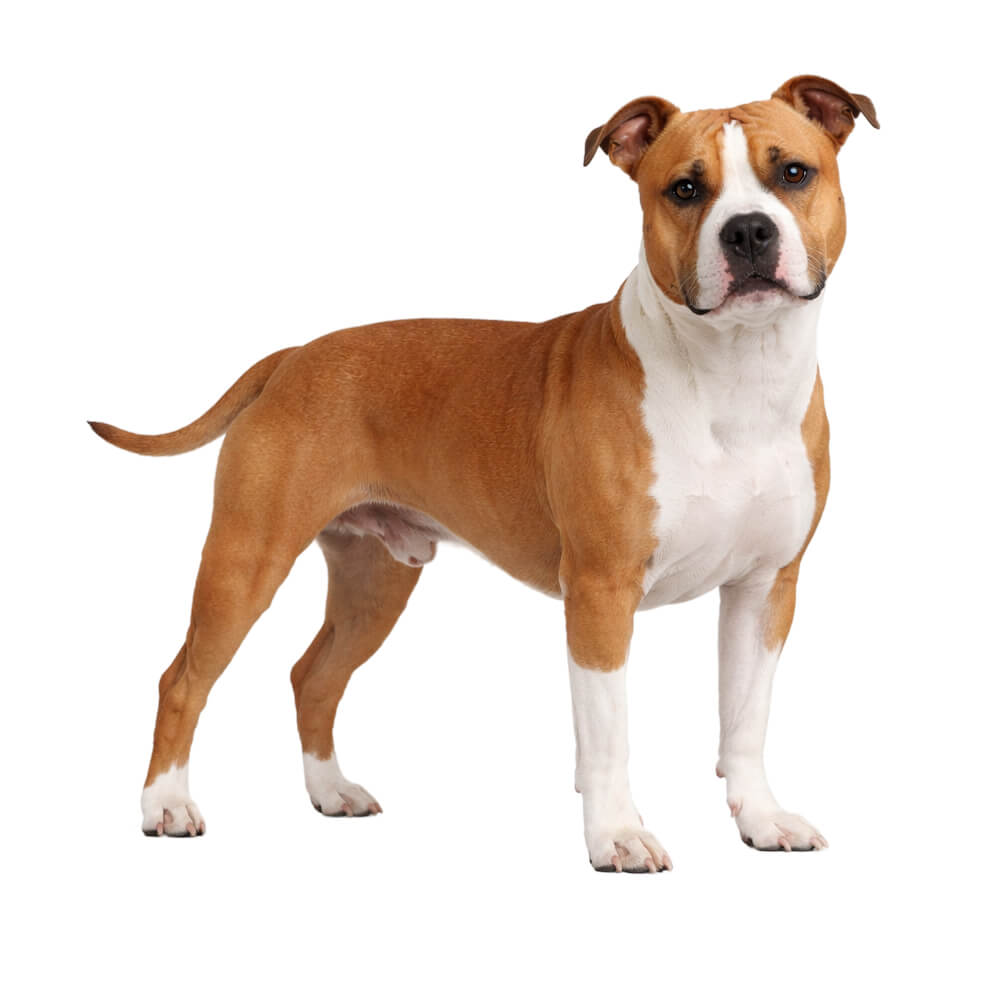

The American Staffordshire Terrier is a medium-sized, muscular terrier breed developed in the United States from early bulldog and terrier crosses. Known as the AmStaff, this breed is confident, loyal, and affectionate with family — a far cry from the reputation that unfairly follows it.
AmStaffs are one of the most misunderstood breeds in Australia. They're often confused with the American Pit Bull Terrier, which is a restricted breed in most Australian states and territories. The AmStaff is a separate, ANKC-registered breed with no restrictions — but the confusion means owners need to be informed, responsible, and proactive about breed identification.
History and Origin
The American Staffordshire Terrier descends from crosses between bulldogs and terriers in 19th-century England. These dogs were originally bred for bull-baiting and later dog fighting, but when those practices were outlawed, breeders shifted focus toward companionship and conformation.
The breed diverged from its English cousins when it was taken to the United States in the late 1800s. American breeders selected for a larger, heavier dog than the English Staffordshire Bull Terrier. The American Kennel Club recognised the breed in 1936, deliberately separating it from the pit-fighting lines.
In Australia, the AmStaff is registered with the ANKC in the Terrier group. It's important to understand the distinction: the American Staffordshire Terrier is a recognised purebred with no breed-specific restrictions under Australian law. The American Pit Bull Terrier, which is a related but separate breed, is restricted or banned in most states and territories. The two breeds are frequently confused by the public and sometimes by local councils.
Temperament and Personality
AmStaffs are confident, people-oriented dogs that bond deeply with their family. They're affectionate to the point of being clingy — this is a breed that wants to be in the same room as you at all times and preferably on the couch beside you.
With family, they're gentle, patient, and playful. They're good with children and have a high tolerance for the noise and unpredictability of family life. Their size and strength mean supervision is sensible with young kids, but the breed's natural inclination is toward patience, not aggression.
Around strangers, they vary. Well-socialised AmStaffs are friendly and confident. Poorly socialised ones can be wary or reactive. Socialisation isn't optional with this breed — it's the difference between a confident, well-adjusted dog and a liability.
With other dogs, AmStaffs can be selective. Same-sex aggression is a documented trait, and prey drive toward smaller animals is present in some individuals. Early and ongoing socialisation with other dogs is essential. Dog parks require careful judgement — not every AmStaff is a good candidate for off-lead group play.
One thing every owner should know: this breed reads your energy. They're perceptive and responsive to their handler's mood and confidence. A calm, consistent owner gets a calm, confident dog. An anxious or inconsistent owner gets a dog that fills the leadership vacuum, which is when problems start.
Common Health Conditions
AmStaffs are a robust breed overall, but their muscular build and genetic background bring some specific conditions to watch for. Responsible breeders screen for the most serious ones, and early detection matters.
Hip Dysplasia
The hip joint doesn't develop correctly, leading to arthritis and pain. AmStaffs are moderately predisposed. Signs include stiffness, reluctance to climb stairs, and reduced mobility. Weight management is critical — excess weight on a muscular frame accelerates joint damage. X-ray screening through schemes like PennHIP helps breeders reduce incidence.
Cerebellar Ataxia
A hereditary neurological condition specific to the breed. Affected dogs develop coordination problems, stumbling, and balance loss, typically between three and five years of age. There's no cure, but a DNA test exists and reputable breeders screen for it. Always ask for test results.
Cardiac Disease
Aortic stenosis and other heart conditions occur in the breed at higher-than-average rates. Signs include exercise intolerance, fainting, and laboured breathing. A cardiac screening by a veterinary cardiologist is recommended for breeding dogs and worth considering for pets.
Skin Allergies and Atopic Dermatitis
AmStaffs are prone to environmental and food allergies that show up as itchy, inflamed skin. The short coat makes symptoms visible early — watch for persistent scratching, hot spots, and ear infections. Identifying triggers and managing them through diet, medication, or environmental changes is key.
Cranial Cruciate Ligament Disease
The ligament in the knee tears, causing lameness. AmStaffs' muscular build and active nature put stress on the joint. Surgical repair is usually necessary, and recovery takes eight to twelve weeks. Keeping your dog at a lean weight reduces risk.
Pet insurance is strongly recommended for this breed. Cruciate surgery alone can cost $4,000–$8,000, and skin allergies often require ongoing management.


Exercise
AmStaffs need about an hour of exercise daily. They're athletic and enjoy structured activities — brisk walks, fetch, tug games, and weight-pull exercises suit the breed well. They have a solid off-switch indoors once exercised, which makes them better house dogs than their energy level might suggest.
Off-lead exercise should be in fenced, controlled environments. While many AmStaffs are fine with other dogs, the breed's strength means any altercation escalates quickly. In Australian heat, exercise early or late and watch for overheating — their muscular build generates a lot of body heat.
Grooming
The short, single coat is low-maintenance. A weekly brush with a rubber curry comb removes loose hair and keeps the coat glossy. They shed moderately year-round with a heavier blow during seasonal changes.
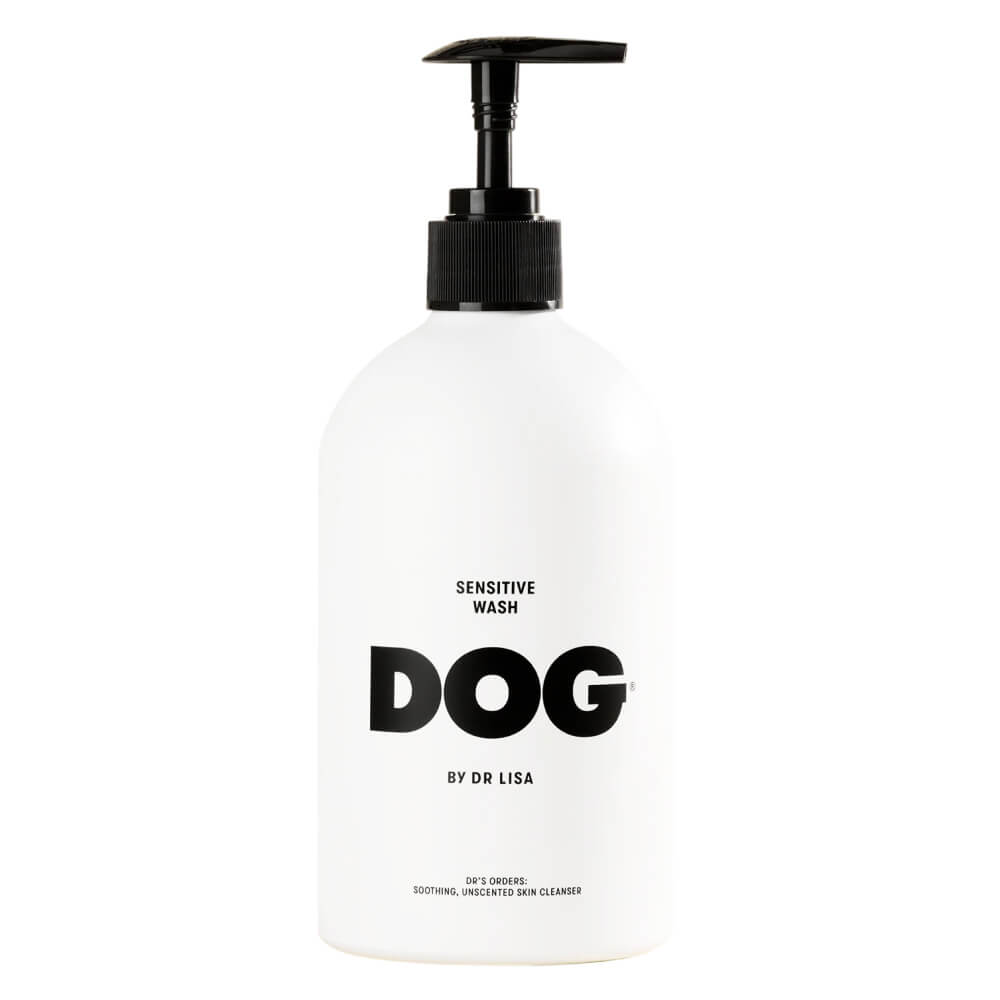
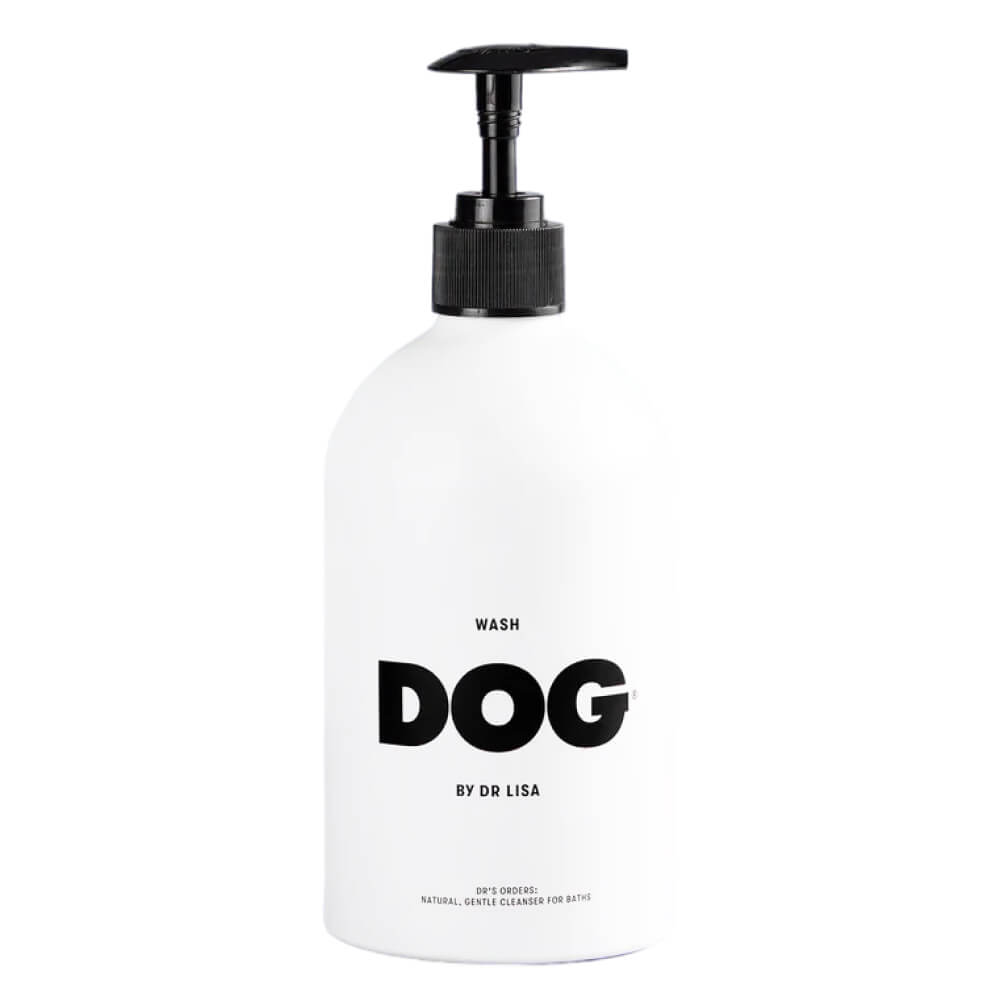
Bathe as needed — typically every four to six weeks unless they've rolled in something. Check ears weekly, keep nails trimmed, and pay attention to skin folds around the face. Given the breed's allergy tendency, a hypoallergenic shampoo is worth using.


Nutrition
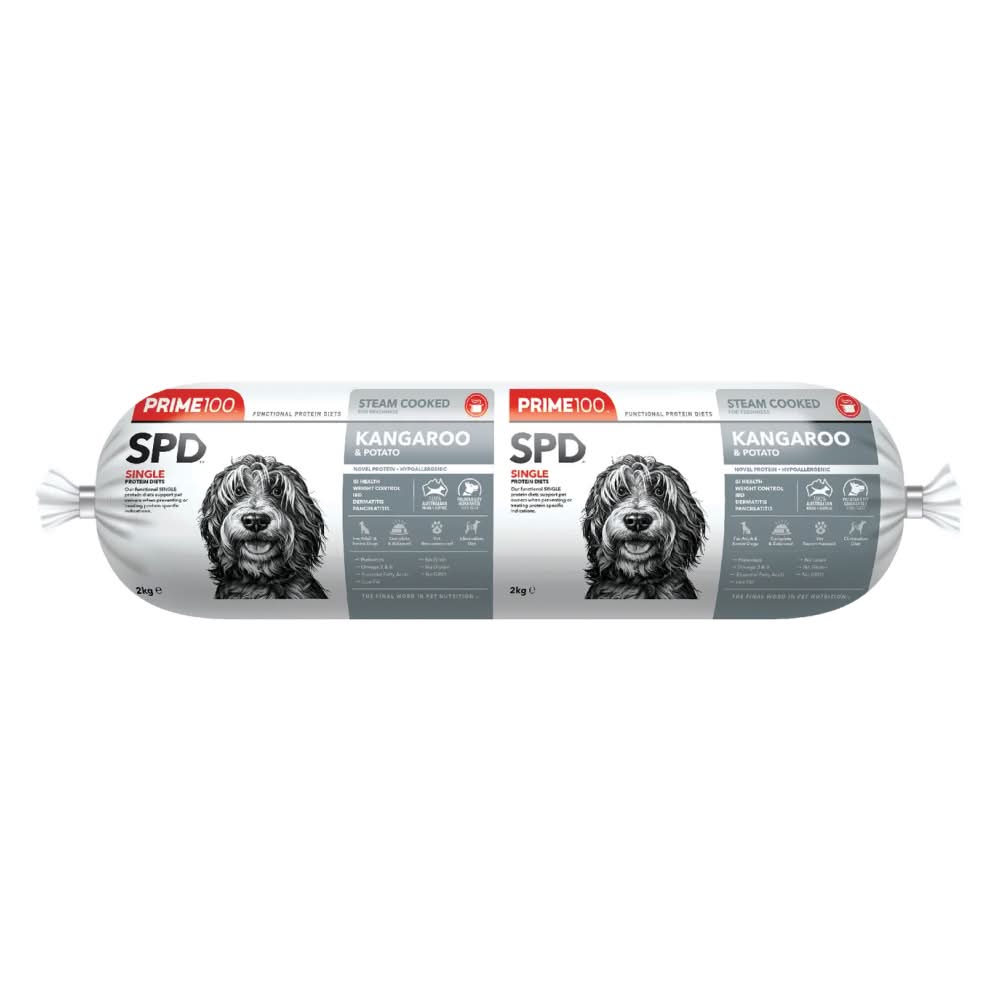
Feed a high-quality formula appropriate for medium-sized active breeds. AmStaffs do well on protein-rich diets, but portion control matters — the breed gains weight easily, and excess weight stresses joints and ligaments.
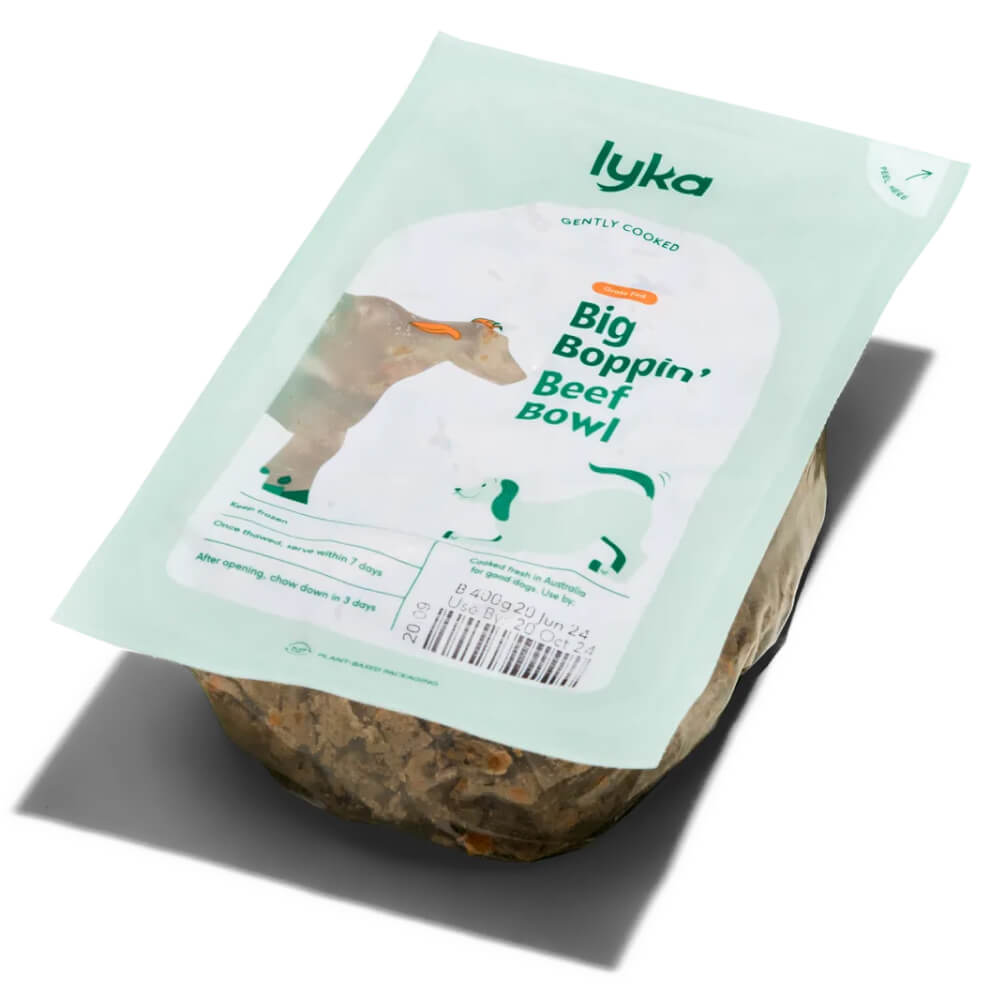
For dogs with skin allergies, limited-ingredient or novel-protein diets often help. Fish-based diets or omega-3 supplements support skin health. Two measured meals a day works well for adults. See our recommended foods for American Staffordshire Terriers below.


Training
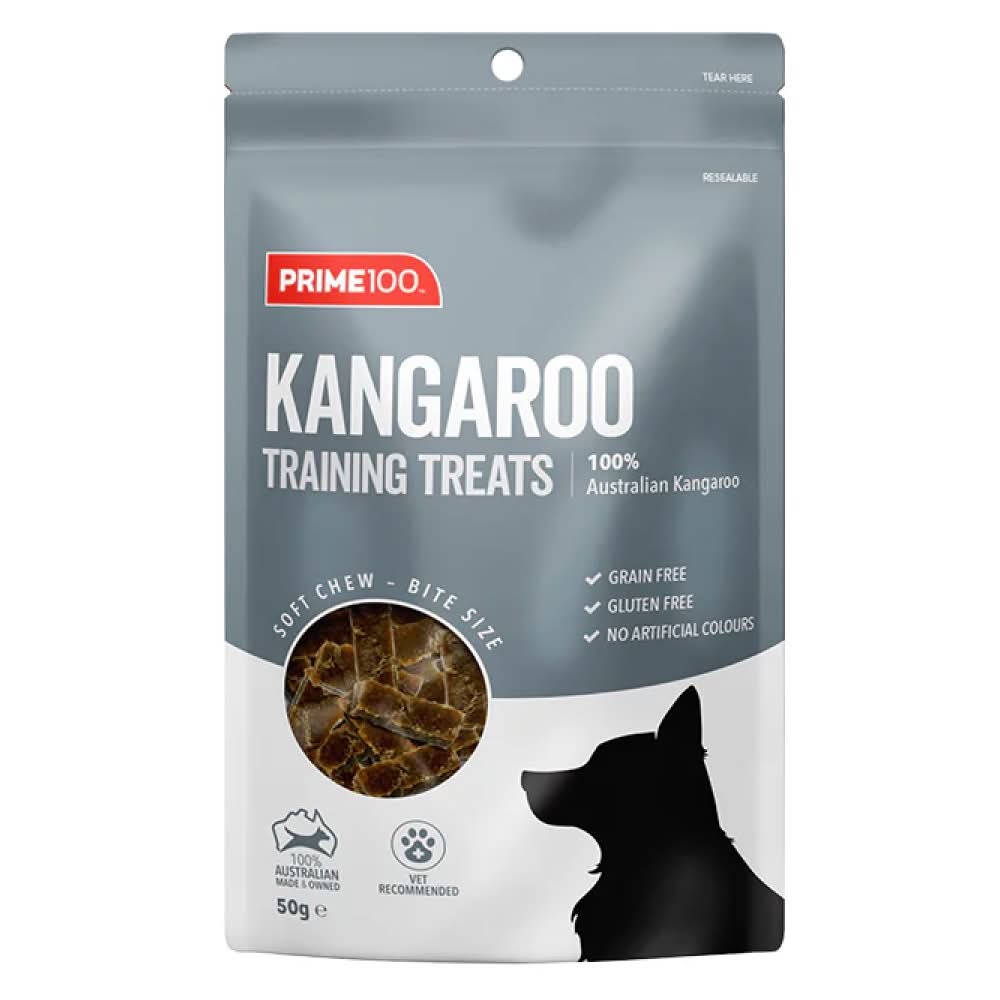
AmStaffs are intelligent, eager to please, and respond well to positive reinforcement. They learn quickly and enjoy having a job to do. Structured training builds the bond between dog and owner, and this breed thrives on that connection.
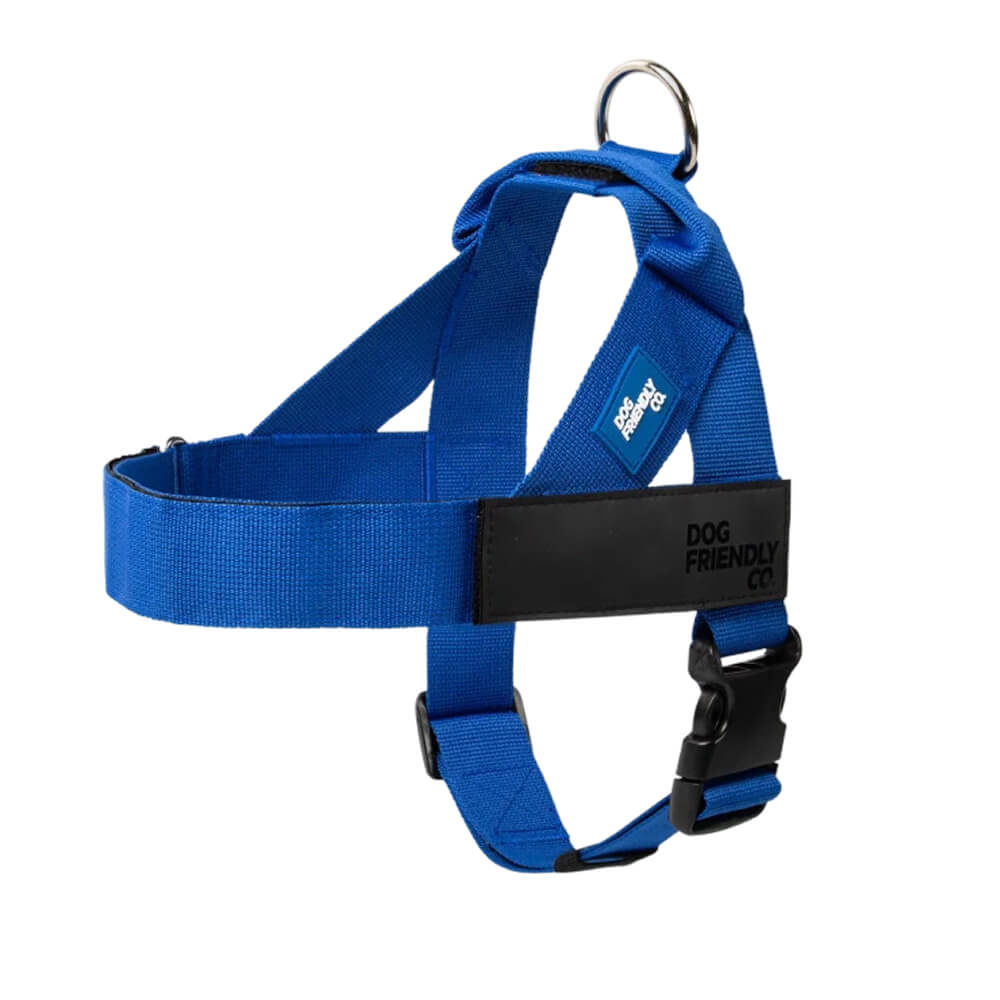
The key challenge isn't intelligence — it's strength. An untrained AmStaff pulling on-lead is genuinely difficult to manage. Start lead manners and impulse control early. Socialisation with other dogs should begin in puppyhood and continue throughout the dog's life. Puppy classes, obedience training, and controlled introductions to new dogs are all essential.

Suitability
AmStaffs suit confident, experienced owners who understand strong breeds and are willing to invest in training and socialisation. They're excellent family dogs for households with older children, and their moderate exercise needs and calm indoor nature make them adaptable to houses and larger apartments alike. They reward commitment with fierce loyalty and affection.
They're not the right breed for first-time owners, passive handlers, or anyone who isn't prepared to be a visible ambassador for the breed. Owning an AmStaff in Australia means dealing with public perception, potential council scrutiny, and the responsibility of proving the breed's worth through your dog's behaviour. Insurance and housing can also be complicated — some landlords and insurers have breed exclusions. Go in with your eyes open.
Frequently Asked Questions
How much does an American Staffordshire Terrier cost in Australia?
Is the American Staffordshire Terrier a restricted breed in Australia?
What's the difference between an AmStaff and a Pit Bull?
What's the difference between an AmStaff and an English Staffy?
How long do American Staffordshire Terriers live?

Comments
0 comments
Login to Join the Conversation 💬