




























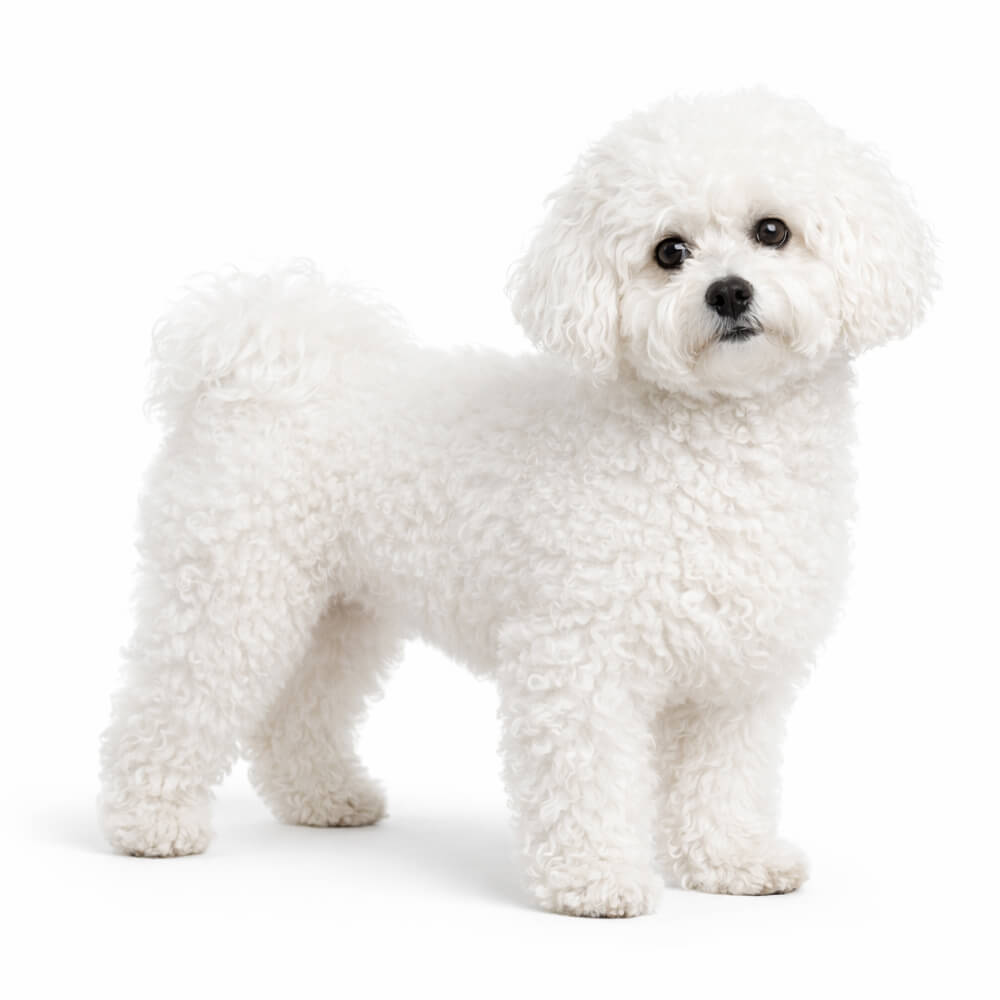

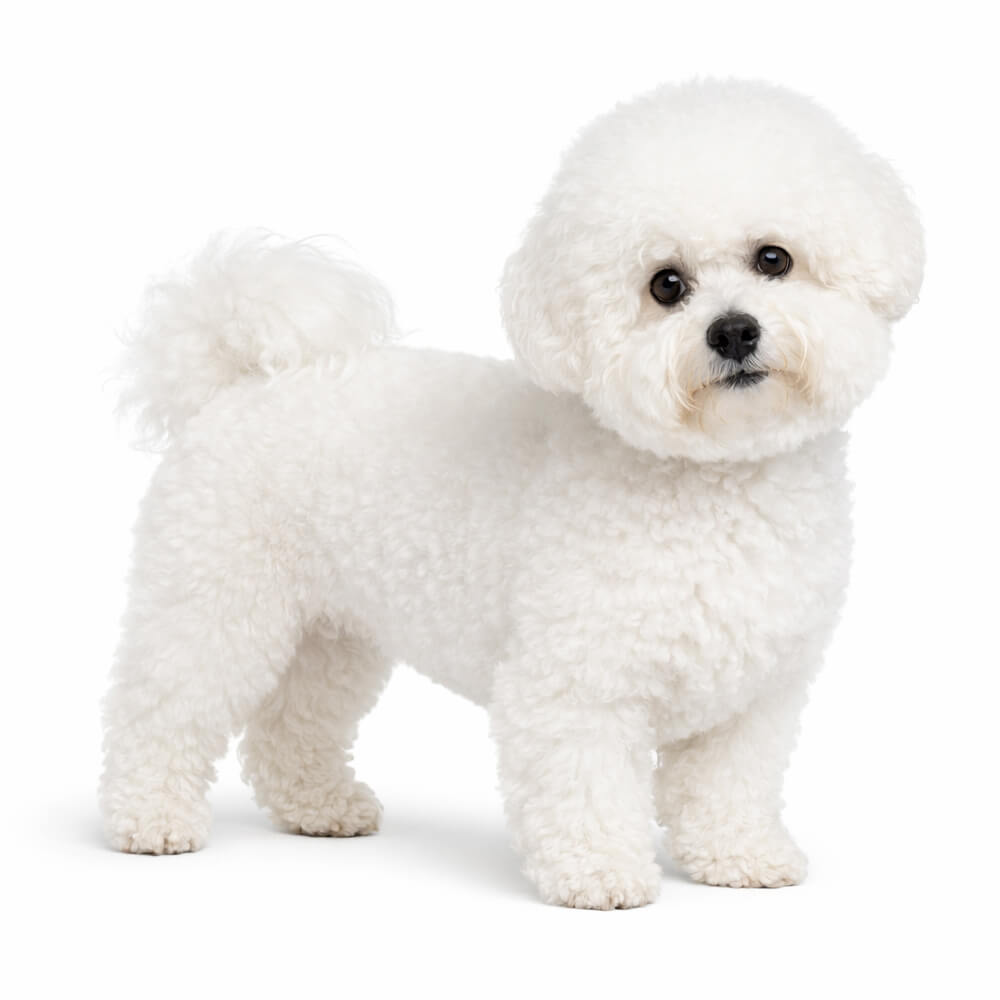
The Bolognese is a small, white companion breed from Italy’s Bichon family, bred for centuries as a devoted lapdog of European aristocracy. Calm, affectionate and deeply attached to its owner, the Bolognese is one of the most loyal toy breeds available.
Despite sharing the Bichon family’s white coat and compact size, the Bolognese is a distinctly different dog from its cousins the Bichon Frisé and Maltese. It’s quieter, more reserved with strangers, and bonds intensely with one person rather than the whole household. What catches most people off guard is how seriously this breed takes its attachment — a Bolognese doesn’t just enjoy your company, it genuinely struggles without it. In Australia, the breed is rare, which makes sourcing a well-bred puppy a deliberate process.
History and Origin
The Bolognese takes its name from the Italian city of Bologna, where the breed was developed as a companion dog for the Italian nobility. Its origins date back at least to the 11th century, with references to small white dogs matching the breed’s description appearing in Italian literature and art from the Renaissance onward.
The breed was a favourite gift among European royal courts. The Medici family, Catherine the Great of Russia and Madame de Pompadour all kept Bolognese. They appear in paintings by Titian, Goya and Gosse, typically perched on the laps of aristocratic women. Unlike working breeds, the Bolognese was bred exclusively for companionship — its entire purpose was to be near its owner.
The breed’s popularity declined sharply after the aristocratic era, and by the mid-20th century the Bolognese was close to extinction. Italian breeders revived the breed from a very small gene pool in the 1970s and 1980s. That narrow genetic base is still evident today — the global Bolognese population remains small, and in Australia the breed is particularly uncommon. The FCI recognises the Bolognese, and it sits within the Toy group under ANKC classification.
Temperament and Personality
Bolognese dogs are calm, devoted and quietly affectionate. They’re not exuberant or hyperactive — their default mode is settled companionship. They’d rather sit beside you than chase a ball, and they’d rather be close than explore on their own.
With family, Bolognese dogs form an intense bond, typically centring on one primary person. They’re loyal to the household but visibly prefer their chosen human. This makes them outstanding companions for individuals and couples but can lead to problems if the primary attachment figure is absent frequently.
With strangers, the Bolognese is reserved. They’re not aggressive or fearful, but they don’t rush to greet unfamiliar people the way a Bichon Frisé would. They warm up in their own time. This reserve makes early socialisation important — without it, shyness can tip into timidity.
With other dogs, the Bolognese is generally peaceful and non-confrontational. They lack the terrier feistiness of some toy breeds and coexist well with other calm dogs. They’re not particularly playful with other dogs, preferring human company.
The breed’s defining behavioural trait is its susceptibility to separation anxiety. Bolognese dogs were bred to be at their owner’s side permanently, and many cannot cope with being left alone for more than short periods. This is not a minor quirk — it’s the single most important factor in deciding whether this breed suits your lifestyle.
Common Health Conditions
Bolognese dogs are generally healthy with a decent lifespan for a toy breed, though the narrow gene pool means certain conditions appear more frequently than in larger populations.
Patellar Luxation
The kneecap slips out of its normal groove, causing intermittent lameness. Common across toy breeds, including the Bolognese. Signs include a skipping gait or momentarily holding a hind leg up. Mild cases are managed with weight control; more severe grades require surgery. Request patella screening results from breeders.
Dental Disease
Small breeds with compact jaws are particularly prone to periodontal disease, and the Bolognese is no exception. Overcrowded teeth trap food and bacteria, leading to tartar buildup, gum recession and tooth loss if unchecked. Daily tooth brushing and regular professional cleans are essential from puppyhood.
Eye Conditions
Bolognese dogs can be predisposed to cataracts and progressive retinal atrophy (PRA). Cataracts cause gradual lens opacity and vision loss. PRA leads to progressive blindness and has no treatment. Annual eye checks by a veterinary ophthalmologist are recommended, and breeders should provide current eye screening certificates.
Legg-Calvé-Perthes Disease
The femoral head degenerates due to reduced blood supply, causing hip pain and hind-leg lameness in young dogs, typically presenting between four and twelve months of age. Treatment is surgical. The condition is seen across small breeds and has been reported in Bolognese.
Skin Sensitivities
The Bolognese’s white coat and single-coat structure can be associated with skin sensitivities, including contact allergies and sun sensitivity. Tear staining around the eyes is common and requires regular cleaning. Sunscreen formulated for dogs may be needed on exposed skin during Australian summers.
Pet insurance is worth considering given the breed’s small gene pool and the potential for orthopaedic and eye conditions. Twice-yearly vet check-ups help catch dental and eye issues before they progress.


Exercise
Bolognese dogs need around 30 minutes of daily exercise. A gentle walk and some indoor play is sufficient — this is not a high-energy breed. They enjoy pottering around a garden and engaging in low-key games with their owner, but they’re not interested in intense physical activity. In Australian heat, keep exercise to early morning or late evening. Their white coat offers some heat reflection, but their small size means they overheat quickly. The bigger risk with a Bolognese is under-stimulation rather than under-exercise — they need interaction and engagement more than kilometres.
Grooming
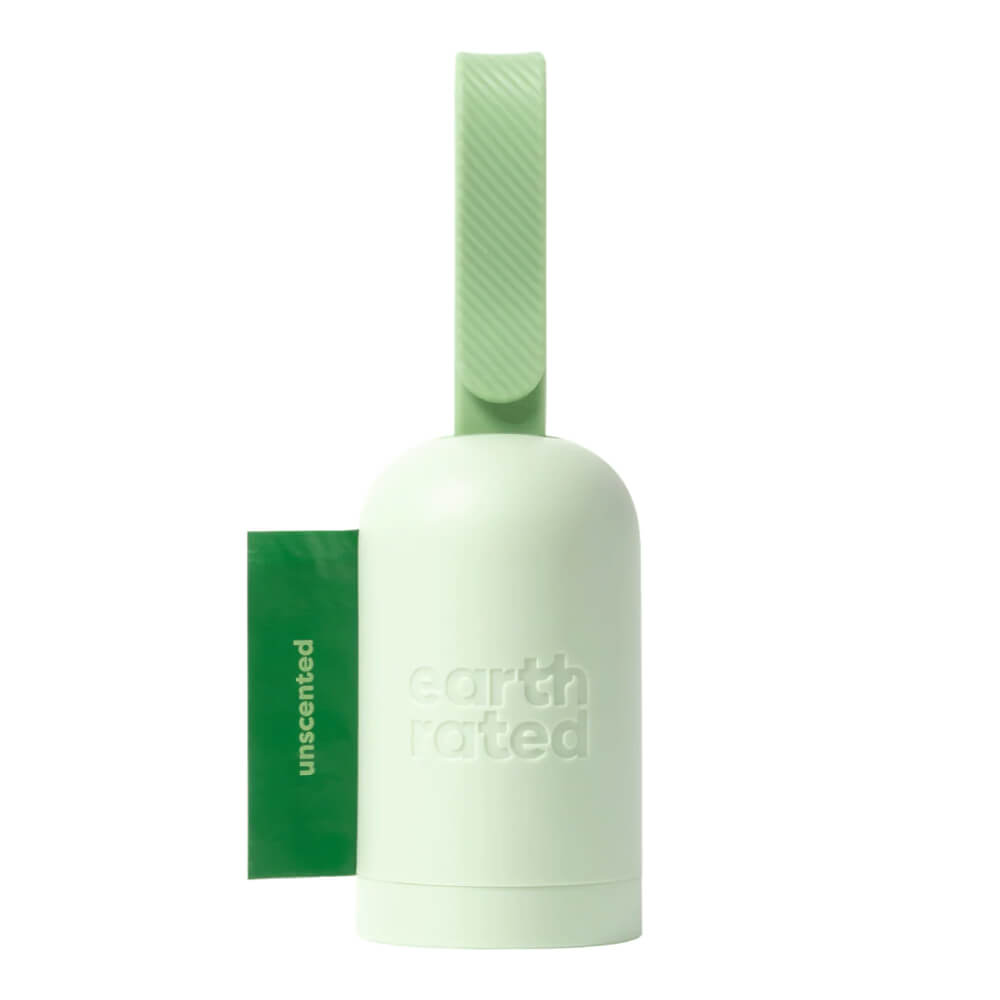
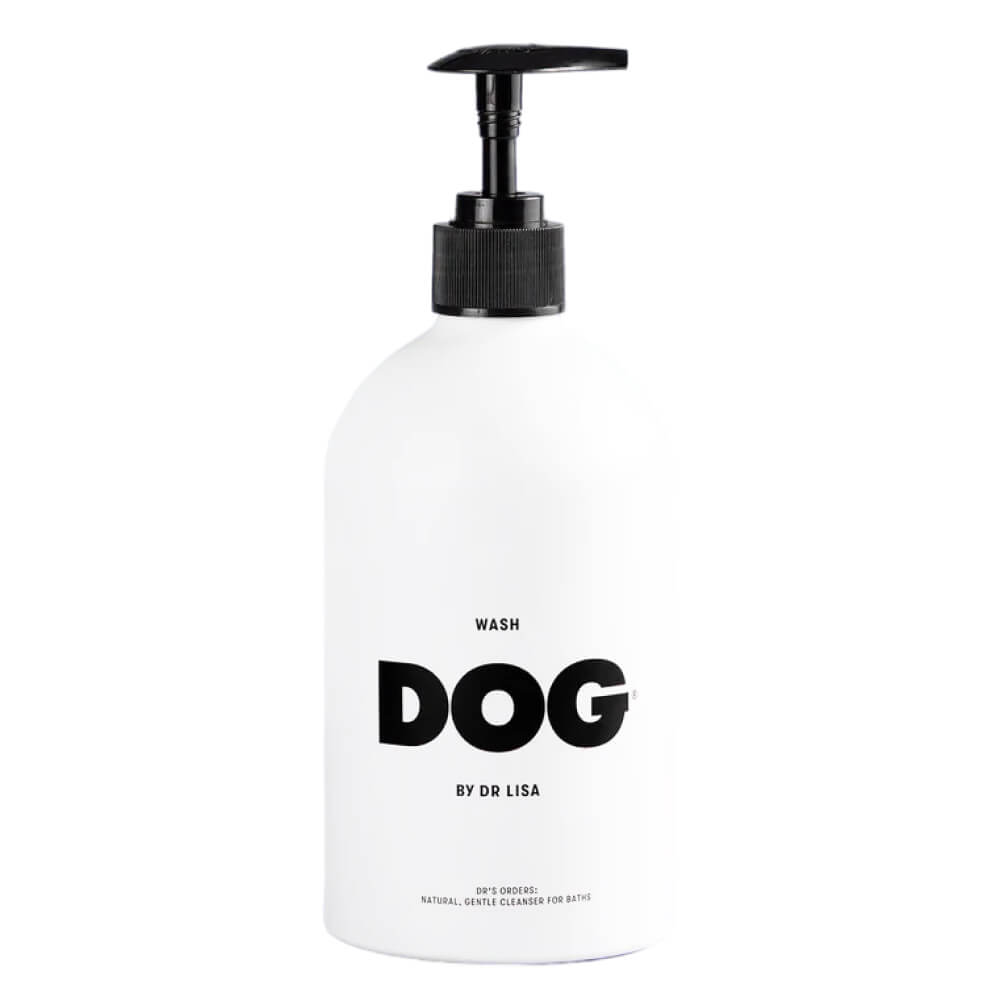
The Bolognese coat is distinctive — long, fluffy and cotton-like in texture, without an undercoat. It doesn’t shed in the traditional sense, making the breed low-shedding and often tolerated by allergy-conscious households. However, the coat mats easily if neglected. Brush every two to three days, working through the full coat to prevent tangles. Professional grooming every six to eight weeks is recommended. The coat doesn’t grow as fast as a Bichon’s or Maltese’s, so grooming sessions are somewhat less frequent. Tear staining around the eyes needs daily attention — wipe with a damp cloth to prevent discolouration on the white fur.


Nutrition
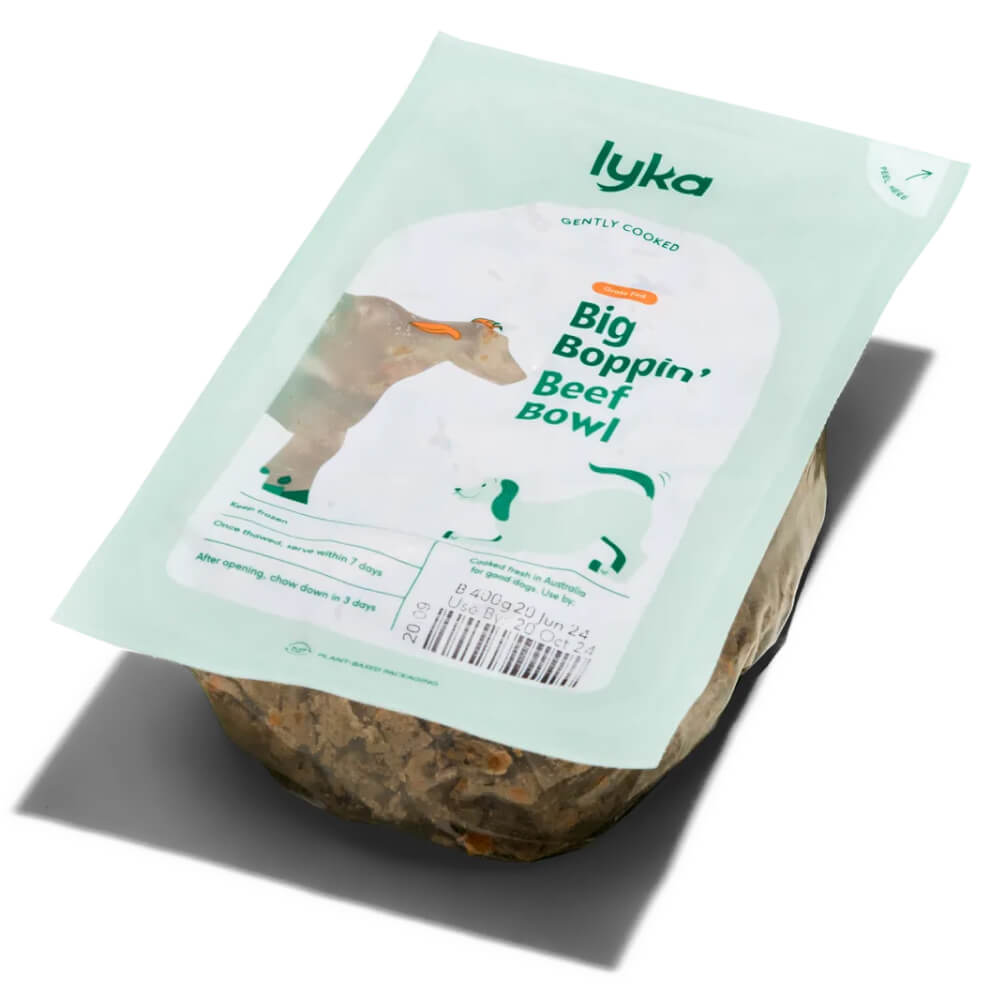
Bolognese dogs do well on a high-quality small-breed formula. Portion control is straightforward given their small appetite, but monitor weight — even modest excess on a frame this light stresses joints and worsens patellar issues. Two measured meals per day suits most adults. Some Bolognese can be fussy eaters, which is a breed tendency rather than a health concern. Resist the urge to supplement with table scraps, which encourages pickiness and can trigger digestive upsets. A consistent, high-quality diet with minimal variation works best. See our recommended foods for Bolognese dogs below.


Training
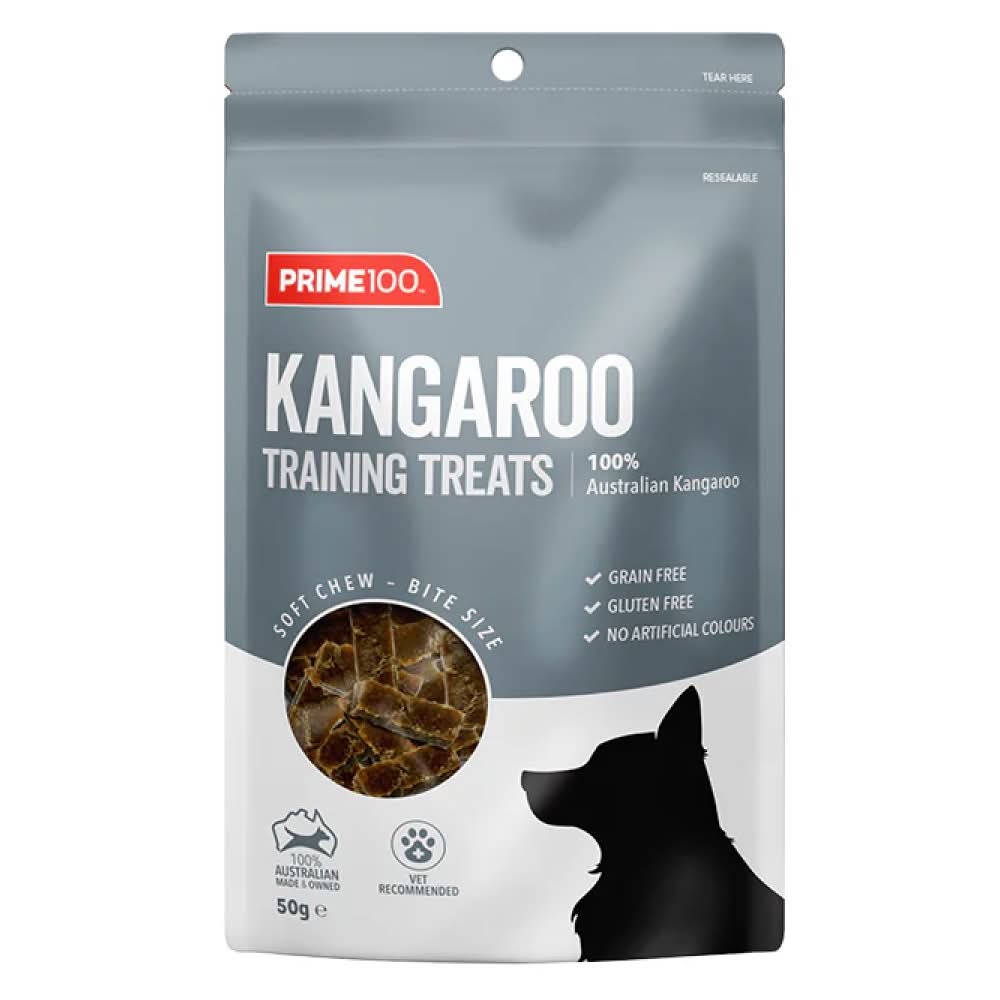
Bolognese dogs are intelligent and capable learners but can be stubborn. They respond to gentle, positive reinforcement — harsh methods shut them down completely. They learn best when training feels like shared time with their owner rather than a structured drill. House training takes patience due to small bladder capacity. The breed’s most critical training need is building independence. Start separation exercises from puppyhood — leaving the dog alone for a few minutes at a time and gradually extending duration. Without this, separation anxiety is almost guaranteed and becomes progressively harder to address.

Suitability
Bolognese dogs suit owners who are home most of the day and want a calm, devoted companion that prefers quiet togetherness over high-energy play. They’re ideal for retirees, remote workers and individuals who can include their dog in daily routines. They’re well-suited to apartment living and are a reasonable choice for owners with some dog experience.
This breed is not suited to busy households, families with very young children, or anyone who spends long hours away from home. A Bolognese left alone regularly will develop serious separation anxiety. The breed is also extremely rare in Australia — finding a reputable breeder takes time, and prices reflect the limited supply. If you need a dog quickly or on a tight budget, this is not the breed. If you have the patience to wait for the right puppy and the lifestyle to match, the Bolognese rewards you with one of the most loyal bonds in the toy group.
Frequently Asked Questions
How much does a Bolognese dog cost in Australia?
What is the difference between a Bolognese and a Bichon Frisé?
Do Bolognese dogs bark a lot?
Can Bolognese dogs be left alone?
How long do Bolognese dogs live?


Comments
0 comments
Login to Join the Conversation 💬