























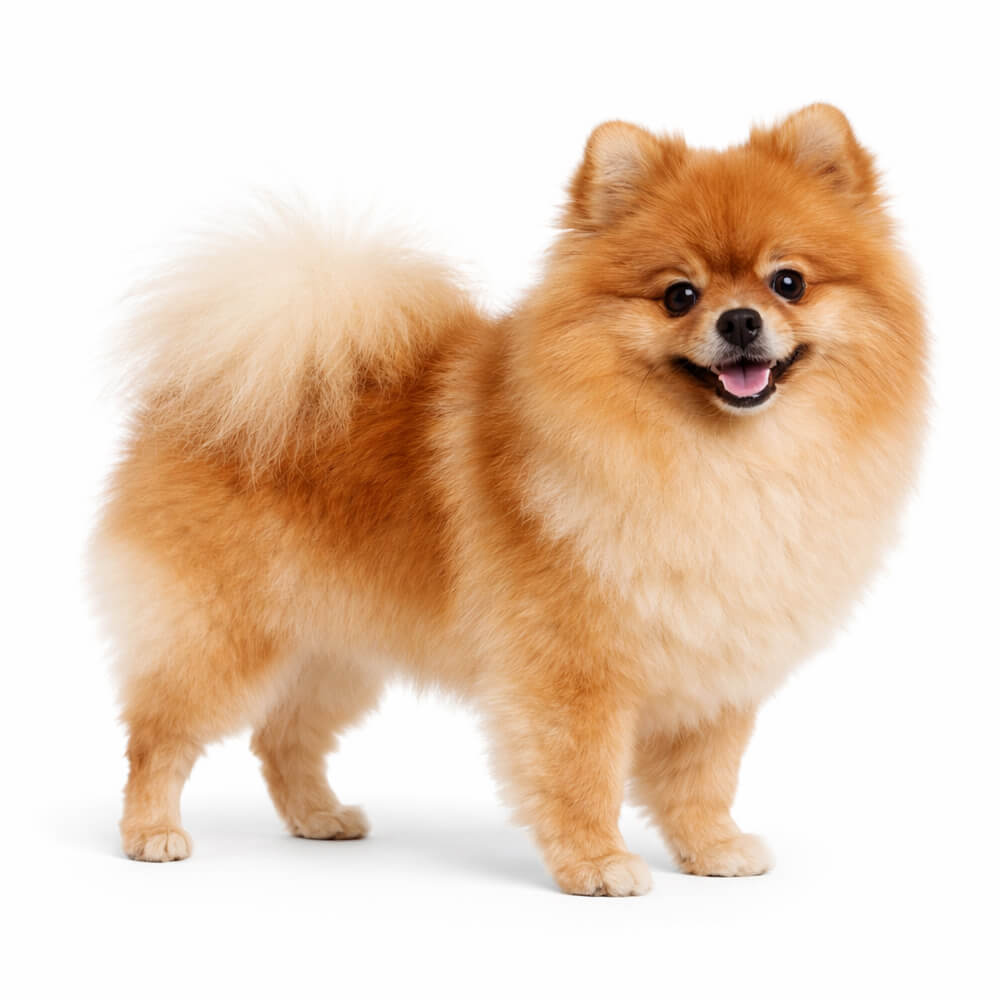

The Pomeranian is a small, fox-faced spitz breed with a thick double coat and a personality that dwarfs its tiny frame. Bred down from larger sled-pulling dogs in the Pomerania region of northern Europe, they're confident, vocal and endlessly entertaining companions.
They suit apartment living and adapt well to most households, provided they get enough attention — which is a lot. What surprises most new Pom owners is the volume. Pomeranians have opinions about everything and aren't shy about sharing them. That boldness extends to other dogs too — a Pom will bark at a Great Dane without a second thought, fully convinced it's the bigger dog in the exchange.
History and Origin
The Pomeranian descends from the large spitz-type sled dogs of the Arctic, specifically the German Spitz family. The breed takes its name from Pomerania, a historical region spanning parts of modern-day Germany and Poland, where it was bred down in size from its much larger ancestors.
The turning point came in the late 1800s when Queen Victoria fell for the breed during a visit to Italy. She brought several Pomeranians back to England and began breeding them smaller — her dogs were reportedly around 5kg, about half the size of the breed at the time. The royal endorsement made them fashionable overnight, and breeders continued miniaturising them to the 2–3kg dogs we see today.
That spitz heritage explains a lot about the modern Pomeranian. The alertness, the thick coat, the confidence and the tendency to bark at everything — these aren't quirks. They're working traits from dogs bred to guard camps and pull loads in harsh northern climates, compressed into a package small enough to sit in your handbag. The Pom arrived in Australia as a popular companion breed and has held its place in the top tier of toy breeds ever since.
Temperament and Personality
Pomeranians are bold, curious and relentlessly social. They want to be involved in everything happening around them and will insert themselves into any situation they find interesting — which is most situations. They're not wallflowers.
With their family, Poms are affectionate and entertaining. They bond broadly and enjoy attention from everyone in the household, though they often develop a special attachment to one person. They're cheerful dogs that thrive on interaction and wilt without it. A bored, ignored Pomeranian is a loud, destructive Pomeranian.
With strangers, they're alert and vocal. Every person approaching the front door gets announced. Every dog walking past the window gets commentary. This makes them excellent watchdogs and occasionally trying neighbours. The barking is the breed's most common complaint, and it's hardwired — you can manage it, but you won't eliminate it.
With other dogs, Poms are generally friendly but have zero awareness of their own size. They'll challenge dogs ten times their weight, which creates a genuine safety issue at off-lead parks. Supervision around larger breeds is essential. With children, their fragile build is the concern — a toddler can easily injure a 2kg dog. They're better suited to families with older, gentler kids. The defining Pom quirk is the spin. When excited, they spin in tight, fast circles — it's involuntary, ridiculous and one of the reasons people fall for the breed.
Common Health Conditions
Pomeranians are generally hardy for a toy breed, with a long lifespan that regularly exceeds 14 years. But their small size and dense coat come with some breed-specific health considerations.
Luxating Patella
The kneecap slips out of its groove — the single most common orthopaedic condition in Pomeranians. Signs include intermittent lameness, a skipping gait or reluctance to jump. Mild cases respond to weight management and joint support. Severe cases need surgical correction.
Collapsed Trachea
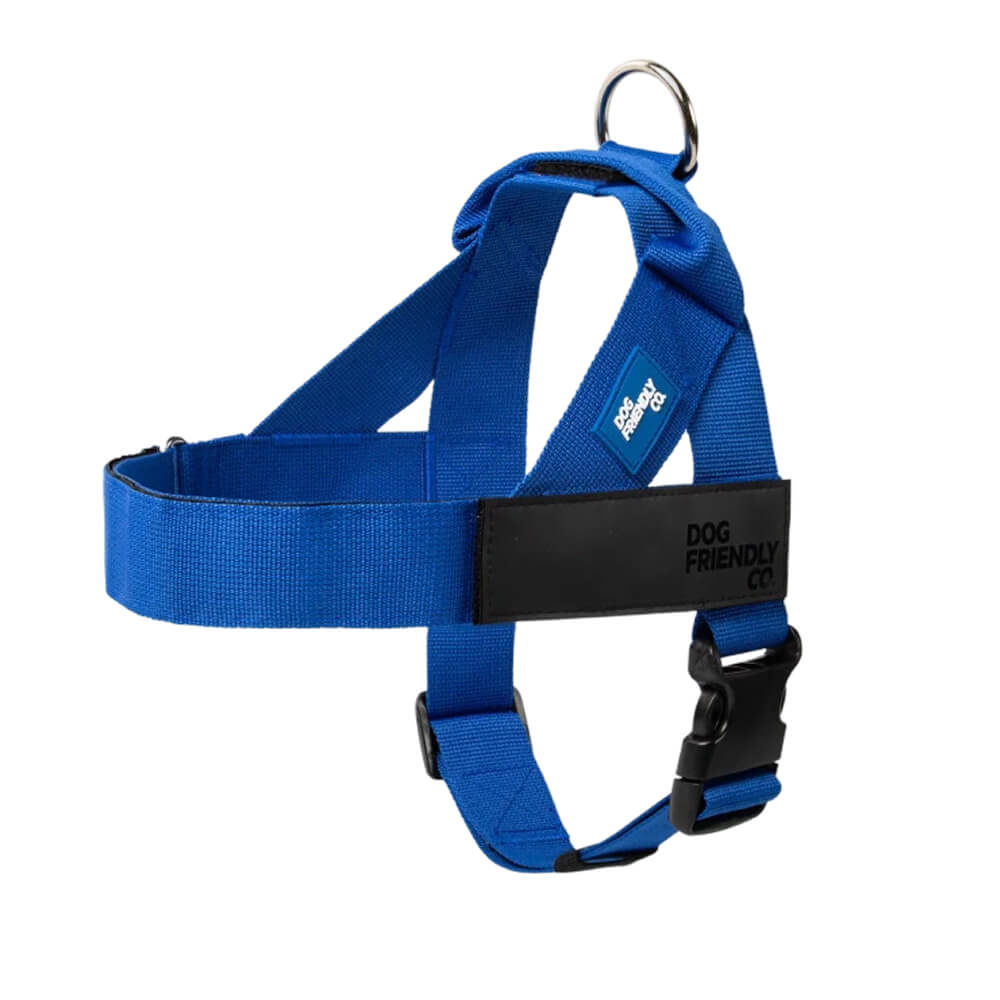
The cartilage rings supporting the windpipe weaken, causing a distinctive honking cough — especially during excitement, eating or leash pressure. Always use a harness instead of a collar. Weight management and avoiding airway irritants help. Severe cases may need medication or surgical intervention.
Alopecia X (Black Skin Disease)
A cosmetic condition where the coat thins progressively and the underlying skin darkens. It doesn't cause pain or itching, but it's distressing for owners. The exact cause is unclear — possibly hormonal. There's no reliable cure, though some dogs respond to melatonin or desexing.
Dental Disease
Small mouths with crowded teeth mean plaque accumulates fast. Daily brushing is essential, and most Pomeranians will need professional dental cleans under anaesthetic during their lifetime. Untreated dental disease leads to pain, infection and tooth loss.
Hypoglycaemia
Low blood sugar is a risk in very small Pom puppies and adults under 2kg. Signs include lethargy, trembling and disorientation. Frequent small meals help prevent episodes. It's more common in puppies and usually resolves with maturity.
Pet insurance is a sensible investment, particularly for orthopaedic and dental coverage. Regular vet check-ups every six to twelve months catch issues early.


Exercise
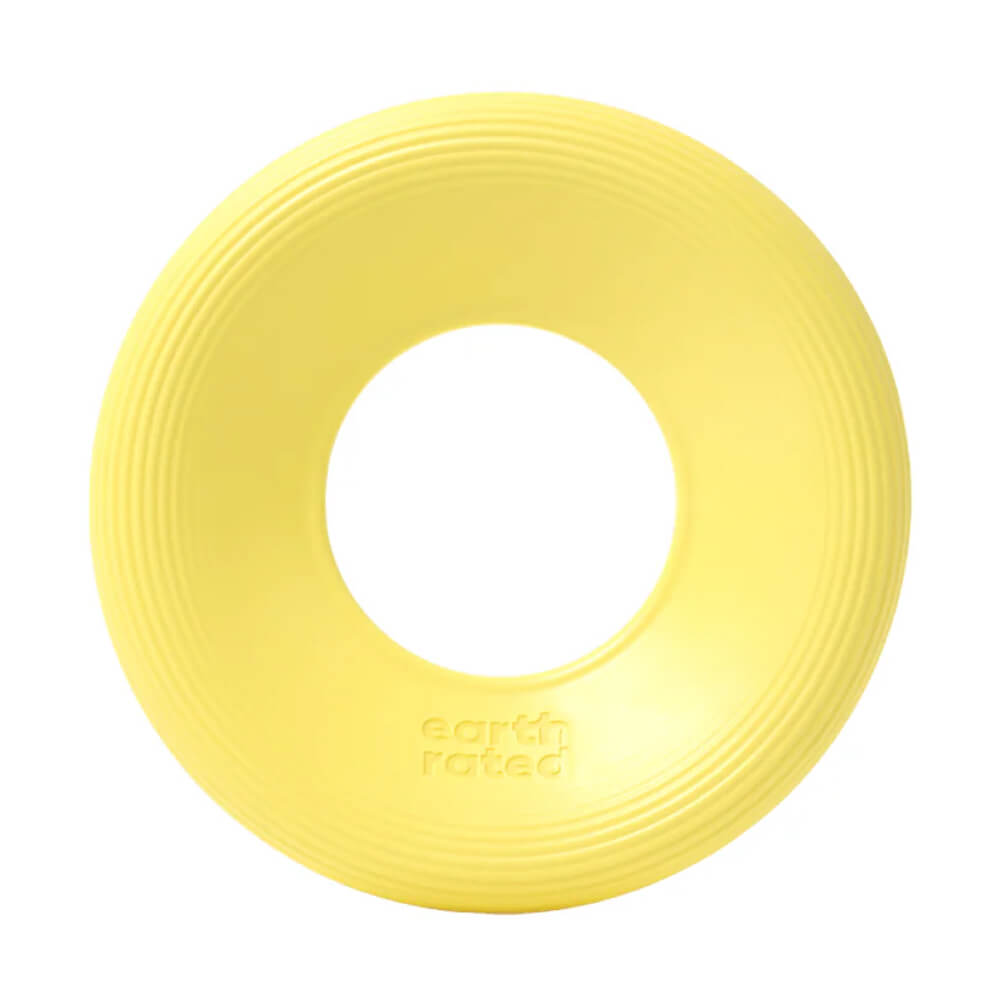
Thirty minutes of daily exercise keeps a Pomeranian happy — a couple of short walks plus some indoor play. They're active and enjoy exploring, but their small size means they tire faster than they let on. In Australian heat, walk them early morning or after sunset. Their thick double coat makes them heat-sensitive, so air-conditioned rest after exercise is important during summer. They do surprisingly well with indoor enrichment — puzzle toys and training games count toward their daily quota.
Grooming
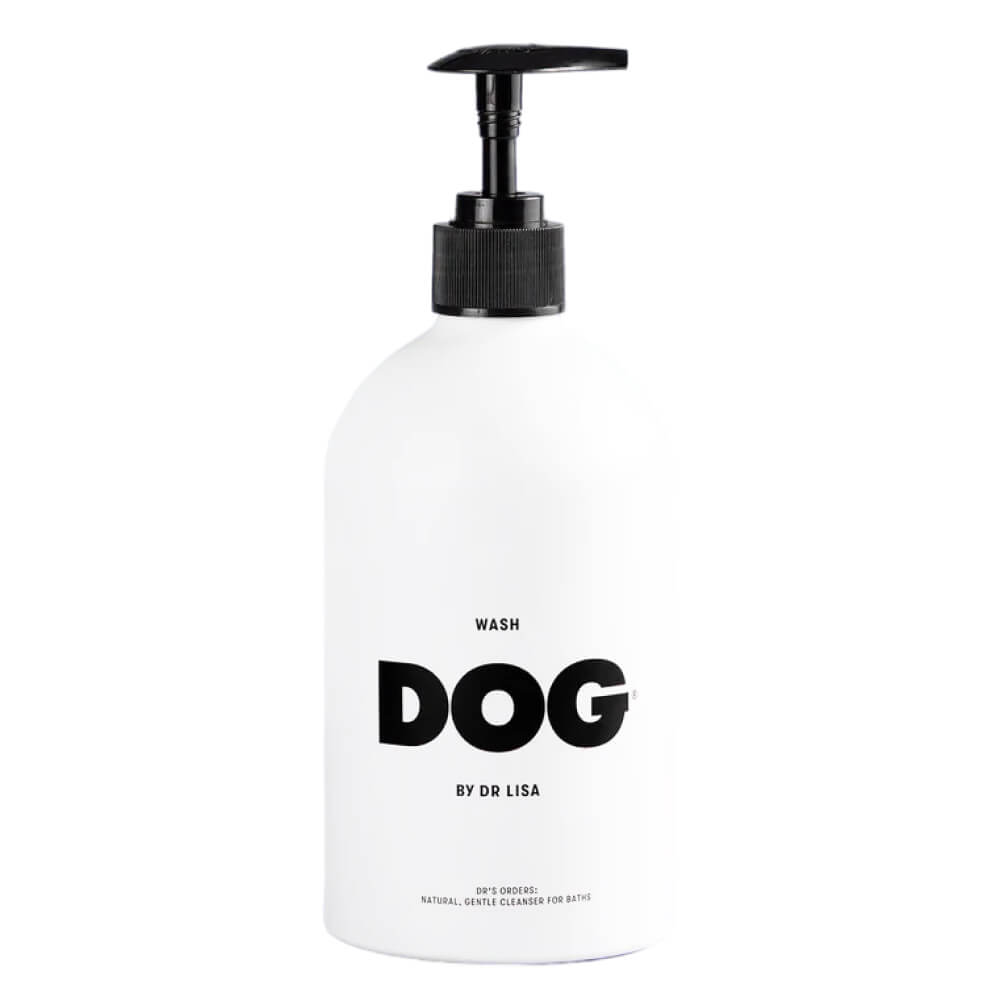
The Pomeranian's thick double coat is their most demanding feature. Brushing three to four times a week minimum is needed to prevent matting in the dense undercoat, and daily brushing during the twice-yearly coat blow is essential. Professional grooming every six to eight weeks keeps things manageable. Never shave a Pomeranian — the double coat regulates temperature and may not grow back properly. Trim around the feet, ears and sanitary areas between grooms. Daily dental care, fortnightly nail trims and weekly ear checks round out the routine.


Nutrition
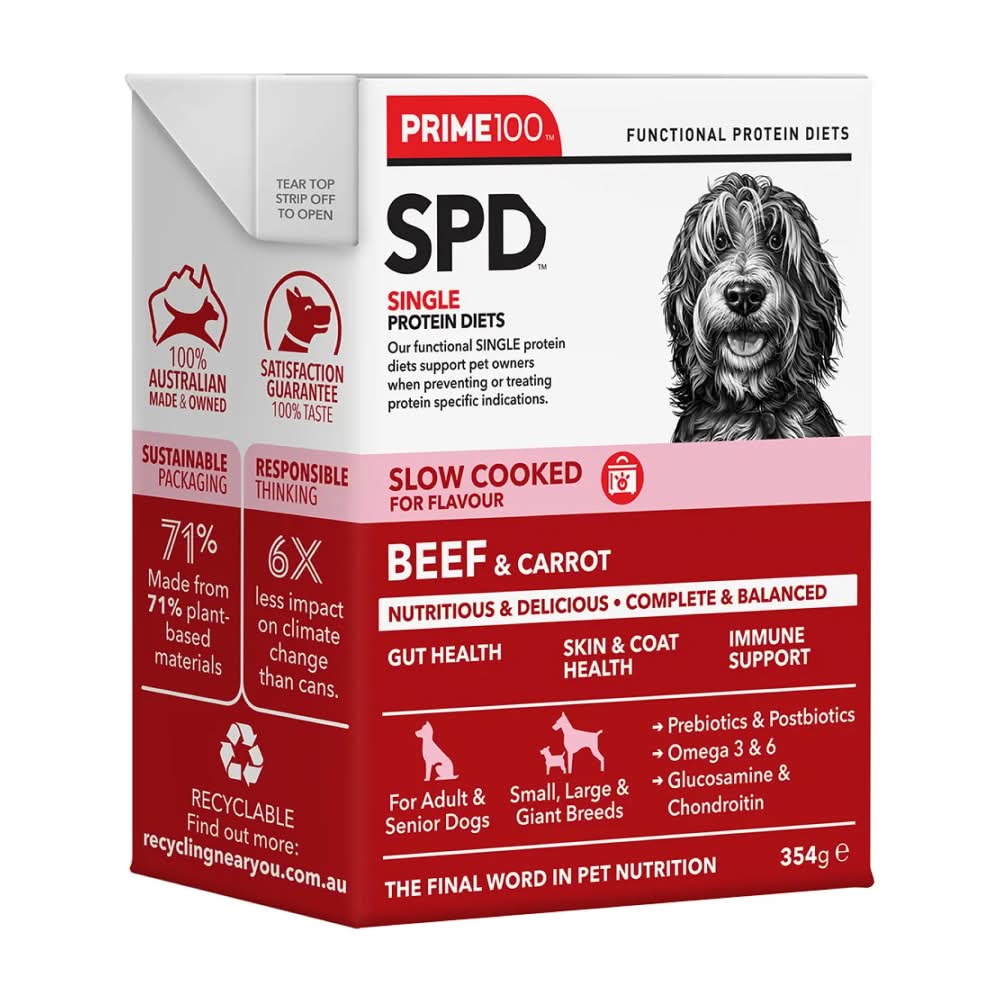
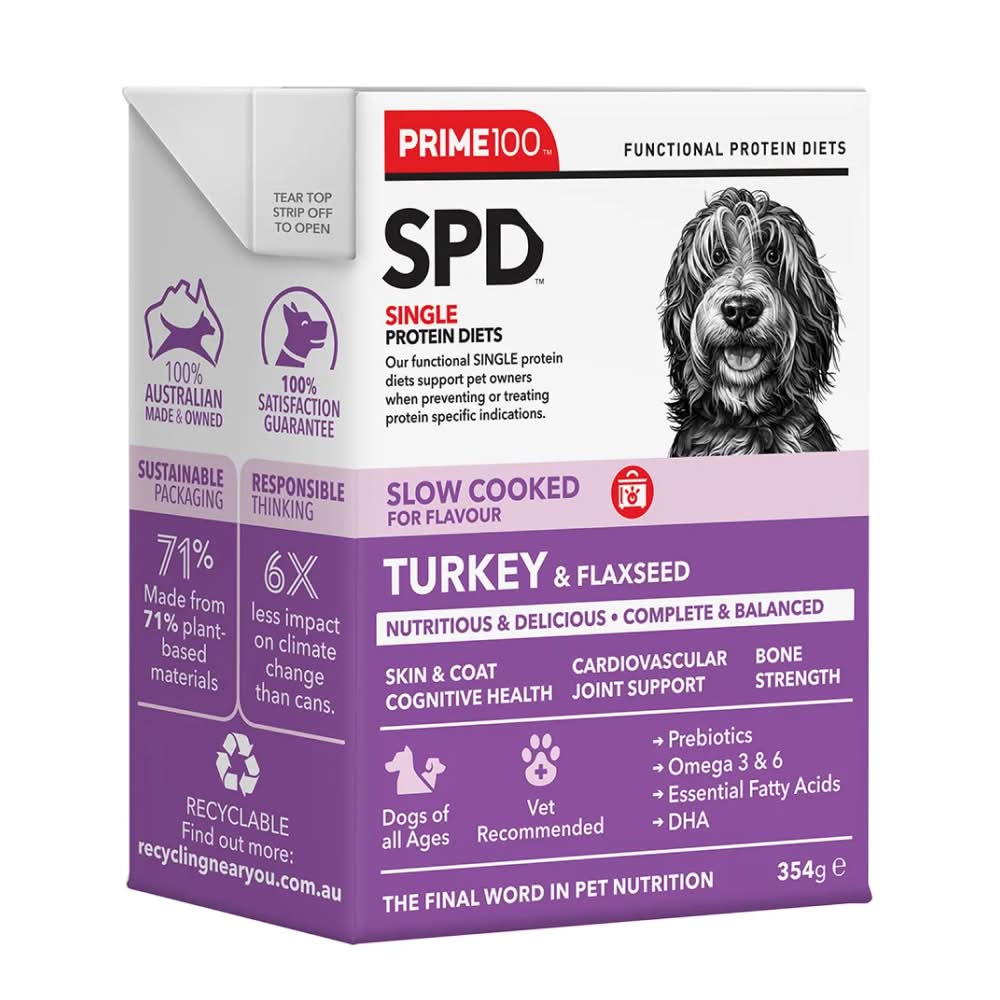
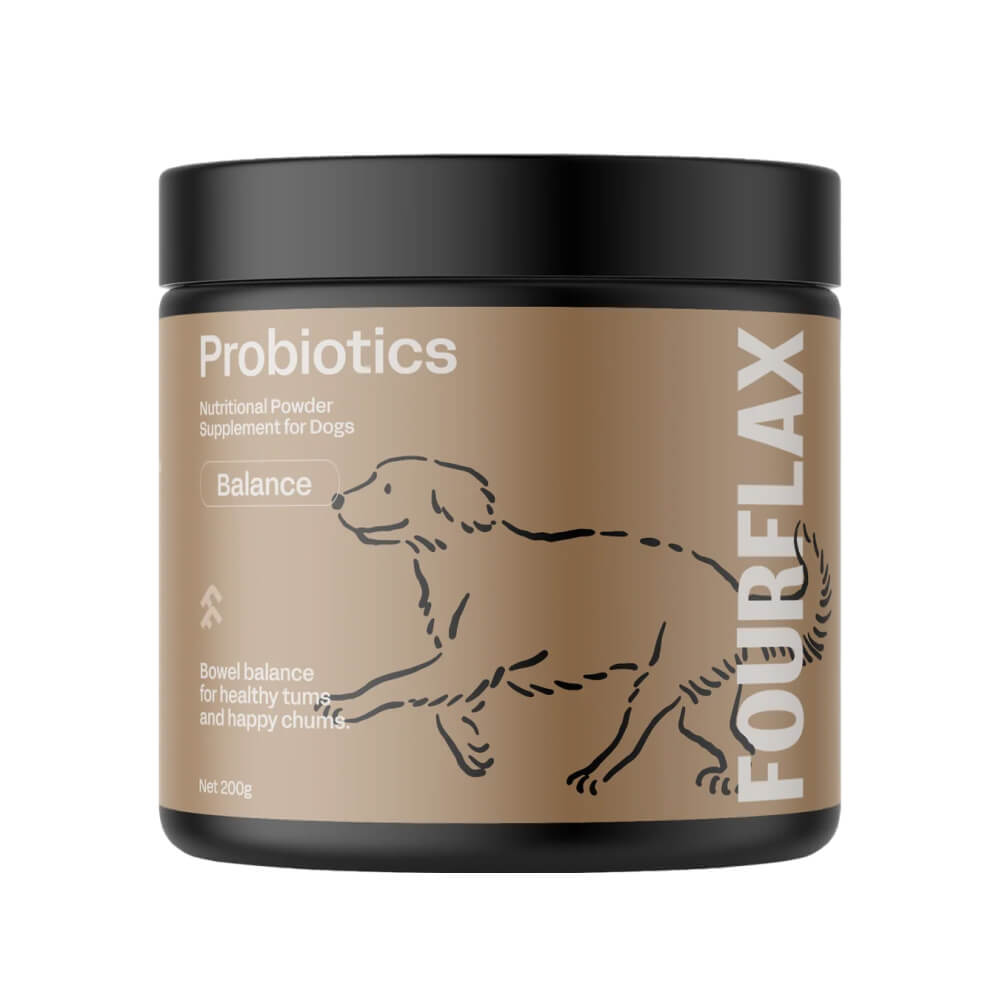
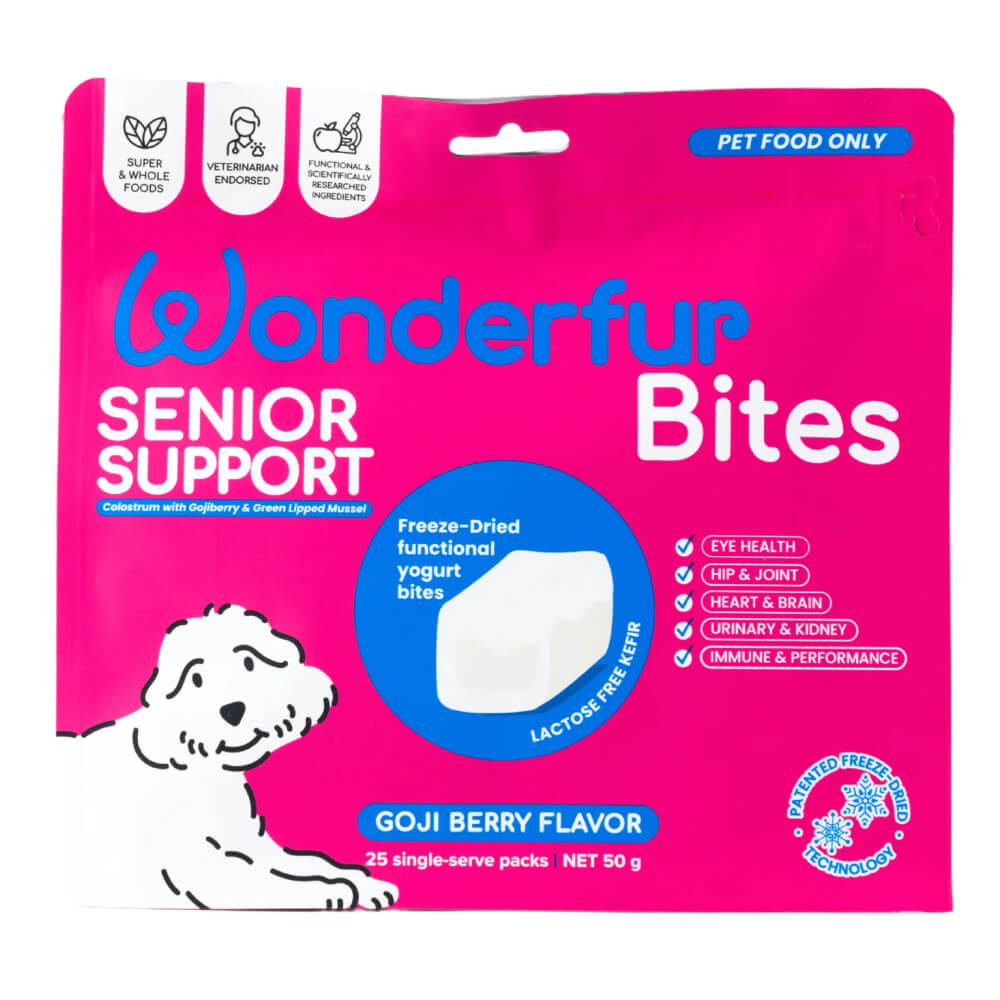
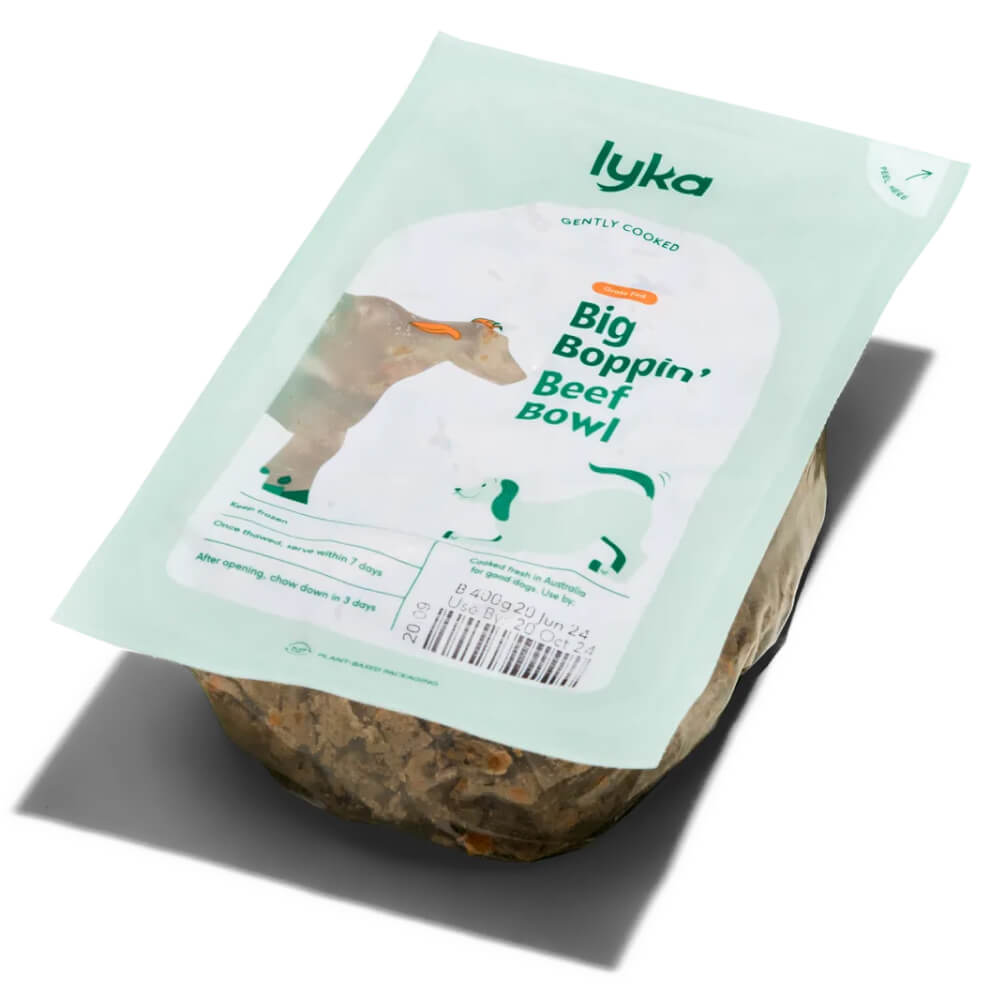
Pomeranians do well on a high-quality small-breed formula with small kibble suited to their tiny mouths. Their fast metabolism means they benefit from two to three small meals a day rather than one large serve. Obesity is a real risk — even 200g of extra weight on a 2kg dog is significant and worsens tracheal and joint issues. Measure portions carefully and keep treats under ten per cent of daily intake. Some Poms are fussy eaters, but resist the urge to supplement with table scraps. See our recommended foods for Pomeranian below.

Training
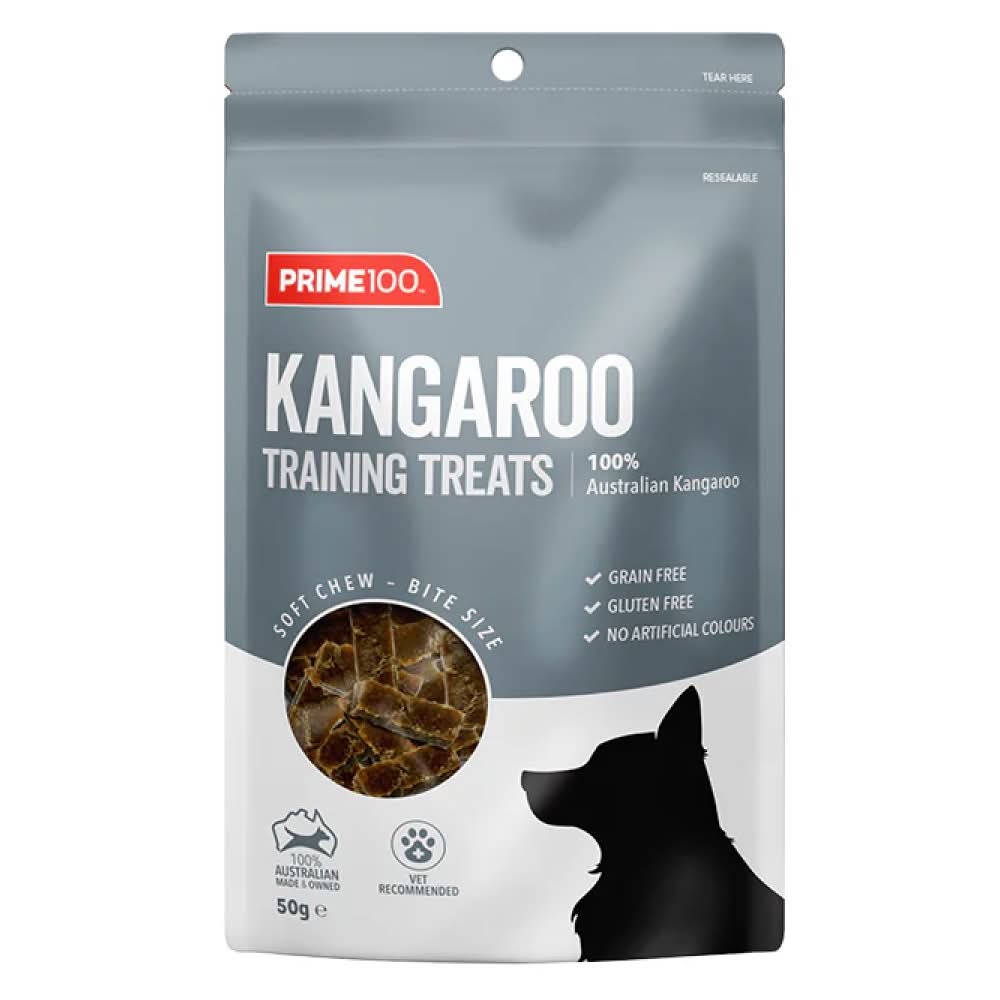
Pomeranians are intelligent and learn quickly, but they're also independent and easily distracted. They respond well to short, upbeat training sessions with food rewards. They shut down with repetition or harsh correction. The biggest training challenge is barking — teaching a "quiet" command early and rewarding silence is essential. House training can be slow due to small bladders and a willful streak. Puppy pads as a backup are common in the breed. Early socialisation is critical to prevent the bolshy, reactive small-dog stereotype from developing.

Suitability
A Pomeranian suits apartment dwellers, couples, singles and families with older children who want a lively, engaging companion. They don't need a backyard or long hikes — just consistent attention, daily grooming and someone who enjoys a dog with personality to spare. They're a good match for owners who are home frequently and don't mind a vocal household member.
They're not the right fit for families with toddlers — the injury risk is real at this size. If you work long hours away from home, expect barking complaints from neighbours. The grooming commitment is non-negotiable — skip it and you'll be dealing with painful matting. And if barking genuinely bothers you, this isn't your breed. Pomeranians talk. A lot. No amount of training will turn them into a quiet dog.
Frequently Asked Questions
How much does a Pomeranian cost in Australia?
Do Pomeranians bark a lot?
Can you shave a Pomeranian in summer?
Are Pomeranians good for first-time dog owners?
How long do Pomeranians live?

Comments
0 comments
Login to Join the Conversation 💬