





























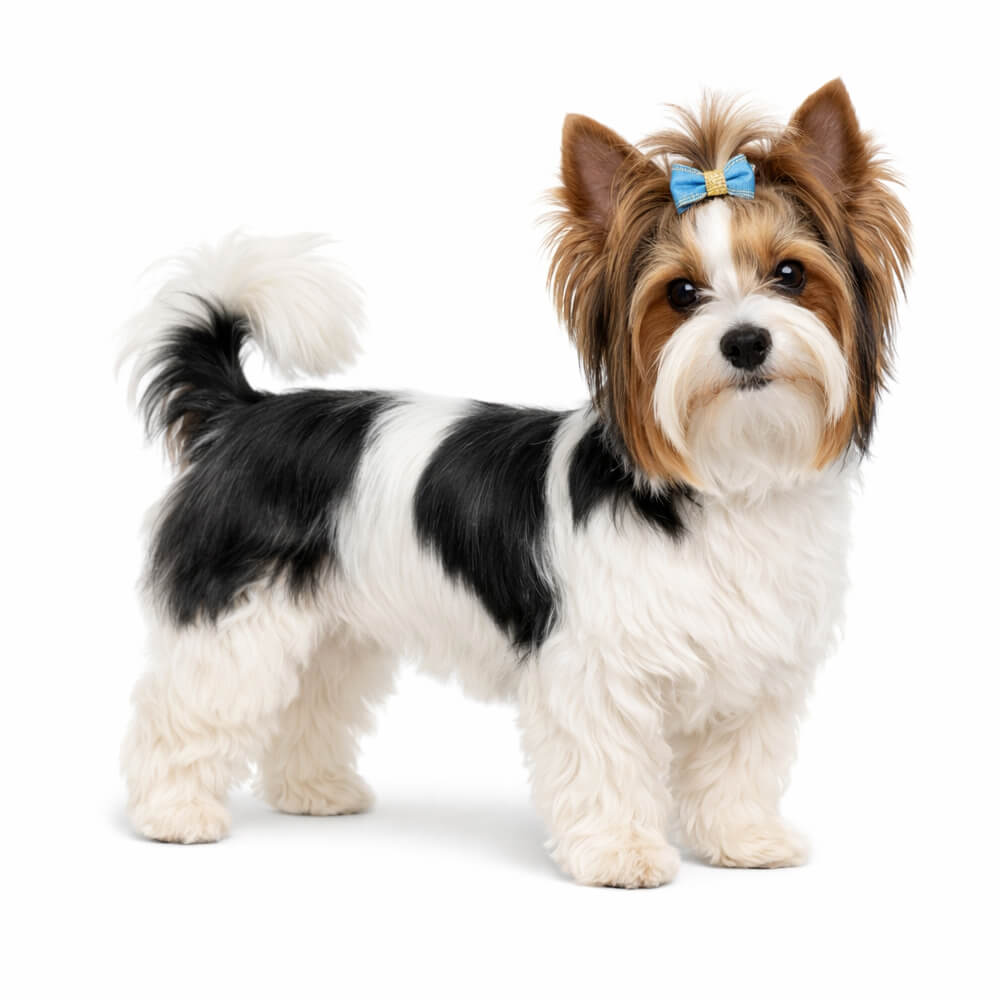

The Biewer Terrier is a rare, tri-coloured toy breed that originated in Germany as a colour variant of the Yorkshire Terrier. Small, confident and distinctively marked in white, black and gold, the Biewer is a devoted companion with a playful disposition and a coat that turns heads.
Despite its Yorkshire Terrier roots, the Biewer has been established as a genetically distinct breed. They suit owners who want a toy-sized dog with genuine personality and are willing to commit to the grooming that a long, silky coat demands. What most people don’t expect is how robust and spirited Biewers are — they’re not fragile lapdogs, and they carry themselves with a confidence that belies their size. In Australia, they remain uncommon, which means sourcing a well-bred puppy takes research and patience.
History and Origin
The Biewer Terrier traces its origin to a single litter. In January 1984, German Yorkshire Terrier breeders Werner and Gertrud Biewer produced a puppy with an unusual piebald colouring — white, blue and gold rather than the standard blue and tan. The Biewers selectively bred for this recessive piebald gene, establishing a line of tri-coloured dogs they initially called the Biewer Yorkshire Terrier à la Pom Pon.
For years, the breed was treated as a colour variant of the Yorkshire Terrier rather than a separate breed. That changed in 2007 when genetic testing confirmed that Biewer Terriers had diverged sufficiently from Yorkies to be classified as a distinct breed. The American Kennel Club formally recognised the Biewer Terrier in 2021, making it one of the newest AKC-recognised breeds.
The breed is not yet recognised by Dogs Australia (ANKC), the FCI or the UK Kennel Club. In Australia, Biewers are bred by a small number of enthusiast breeders, and availability is limited. The breed’s rarity and the distinctive tricolour coat contribute to higher prices and longer waitlists than more established toy breeds.
Temperament and Personality
Biewer Terriers are lively, affectionate and surprisingly bold for a dog that rarely exceeds three and a half kilograms. They have the terrier confidence without the sharp edges — less scrappy than a Yorkie, more openly social and generally calmer indoors.
With family, Biewers are devoted and attentive. They bond closely with their household and follow their people from room to room. They enjoy physical contact and are happiest when included in daily activities. They’re not independent dogs — they want to be involved.
With children, supervision is essential purely due to size. Biewers are not snappy or intolerant by nature, but a dog this small is easily injured by rough handling or being dropped. They’re better suited to families with older children who understand how to interact gently with a tiny dog.
With other dogs, Biewers are generally sociable and enjoy company. They can live well in multi-dog households, though their small size means care is needed with significantly larger dogs during play. They’re less territorial than many terrier breeds.
Indoors, Biewers are moderate-energy dogs. They’re playful and enjoy games, but they’re also content to settle on the couch. They can be vocal — terrier bark tendencies are present — but are generally less persistent barkers than Yorkshire Terriers. Their whimsical, clownish streak is one of the breed’s most endearing traits — they seem to enjoy making their owners laugh.
Common Health Conditions
Biewer Terriers are generally healthy, but their small size and Yorkshire Terrier heritage bring several predispositions that owners should monitor.
Patellar Luxation
A condition where the kneecap slides out of position, very common in toy breeds. Biewers have a moderate-to-high prevalence. Signs include intermittent hind-leg skipping or holding a leg up during movement. Mild cases are managed with weight control; severe grades require surgical correction.
Hypoglycaemia
Low blood sugar is a significant concern in very small dogs, particularly puppies and young adults. Biewers under two kilograms are especially vulnerable. Signs include lethargy, trembling, disorientation and in severe cases, seizures. Frequent small meals, avoiding prolonged fasting and keeping a glucose supplement on hand are essential for tiny Biewers.
Portosystemic Shunt (Liver Shunt)
A congenital condition where blood bypasses the liver, preventing proper toxin filtration. Toy breeds, including Biewer Terriers, have a higher incidence. Signs include stunted growth, poor appetite, disorientation after meals and urinary issues. Diagnosis requires blood testing and imaging. Mild cases are managed with diet; severe cases need surgery.
Dental Disease
Toy breeds are disproportionately affected by dental overcrowding and periodontal disease. Biewers’ small jaws leave little room for proper tooth spacing, which accelerates tartar buildup and gum disease. Daily tooth brushing and regular professional dental cleans are non-negotiable.
Sensitive Gastrointestinal System
Biewers are known for sensitive stomachs. Dietary changes, low-quality food or rich treats can trigger vomiting and diarrhoea. A consistent, high-quality diet and gradual transitions between foods help manage this.
Pet insurance is recommended for Biewer Terriers. Orthopaedic and liver shunt surgeries are expensive, particularly in a breed this small where anaesthesia carries additional risk. Regular vet check-ups twice a year help catch issues early.


Exercise
Biewer Terriers need around 30 minutes of daily exercise. Short walks, indoor play sessions and interactive toys keep them stimulated. They enjoy exploring but tire more quickly than larger breeds, so keep walks moderate. Their small size makes them vulnerable to overheating in Australian summers — exercise in the cooler parts of the day and watch for panting or lethargy. They’re not suited to long hikes or high-intensity activity, but they do need daily mental and physical engagement to prevent boredom.
Grooming
The long, silky single coat requires regular attention. Brush every one to two days to prevent tangling and matting, paying particular attention to behind the ears, under the legs and around the belly. Professional grooming every four to six weeks keeps the coat manageable. Many owners opt for a shorter “puppy clip” to reduce daily maintenance while preserving the breed’s appearance. The coat is low-shedding — loose hairs stay caught in the coat rather than dropping on surfaces. Regular ear cleaning, nail trimming and daily tooth brushing complete the grooming routine.



Nutrition
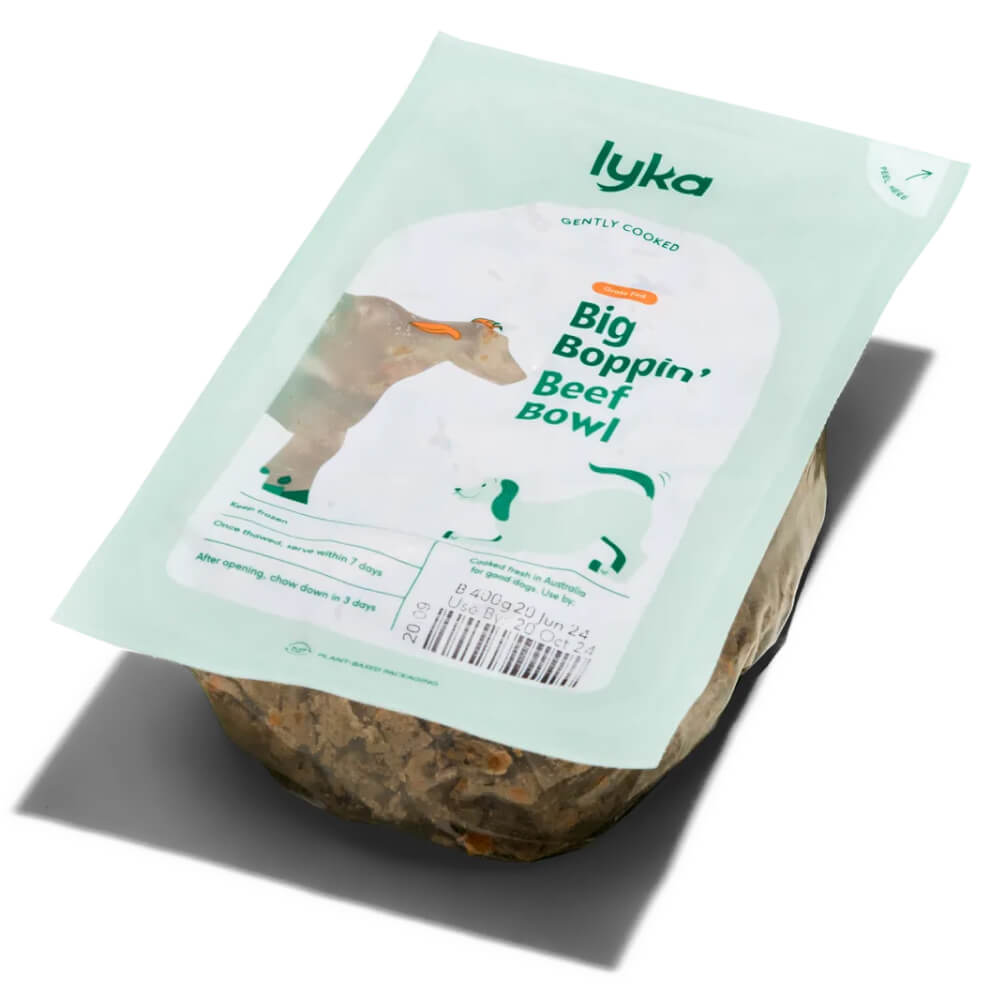
Biewer Terriers need a high-quality toy-breed formula with appropriately small kibble size. Their fast metabolism and small stomach mean frequent meals are important — three meals per day for adults, four for puppies. This feeding schedule also helps prevent hypoglycaemia, which is a genuine risk in dogs this small. Avoid sudden dietary changes — their sensitive stomachs respond poorly to new foods introduced too quickly. Monitor weight carefully; even a few hundred grams of excess weight is significant on a frame this small. See our recommended foods for Biewer Terriers below.

Training
Biewer Terriers are intelligent and generally willing to please, but they carry terrier independence. They learn quickly with positive reinforcement — food rewards and praise work well. Keep sessions short and varied; repetition loses their interest. House training can take longer than average due to small bladder capacity, so be patient and consistent with a routine. Early socialisation is important to build confidence and prevent timidity — expose puppies to a range of people, environments and other dogs from a young age. Biewers that aren’t socialised can become nervous or reactive.

Suitability
Biewer Terriers suit individuals, couples and retirees who spend most of their time at home and want a small, engaging companion. They’re well-suited to apartment living, manageable in size and low-shedding. They’re a reasonable choice for experienced toy-breed owners who understand the specific care demands of very small dogs.
This breed is not ideal for families with very young children, high-energy households, or owners who are away from home for long periods. Their small size makes them physically fragile, their grooming needs are ongoing, and their susceptibility to hypoglycaemia means feeding schedules must be consistent. Finding a Biewer in Australia also takes effort — the breed is rare, breeders are few, and waitlists are long. Budget for a premium purchase price and factor in regular professional grooming costs.
Frequently Asked Questions
How much does a Biewer Terrier cost in Australia?
What is the difference between a Biewer Terrier and a Yorkshire Terrier?
Are Biewer Terriers recognised in Australia?
Are Biewer Terriers good for apartments?
How long do Biewer Terriers live?

Comments
0 comments
Login to Join the Conversation 💬