

























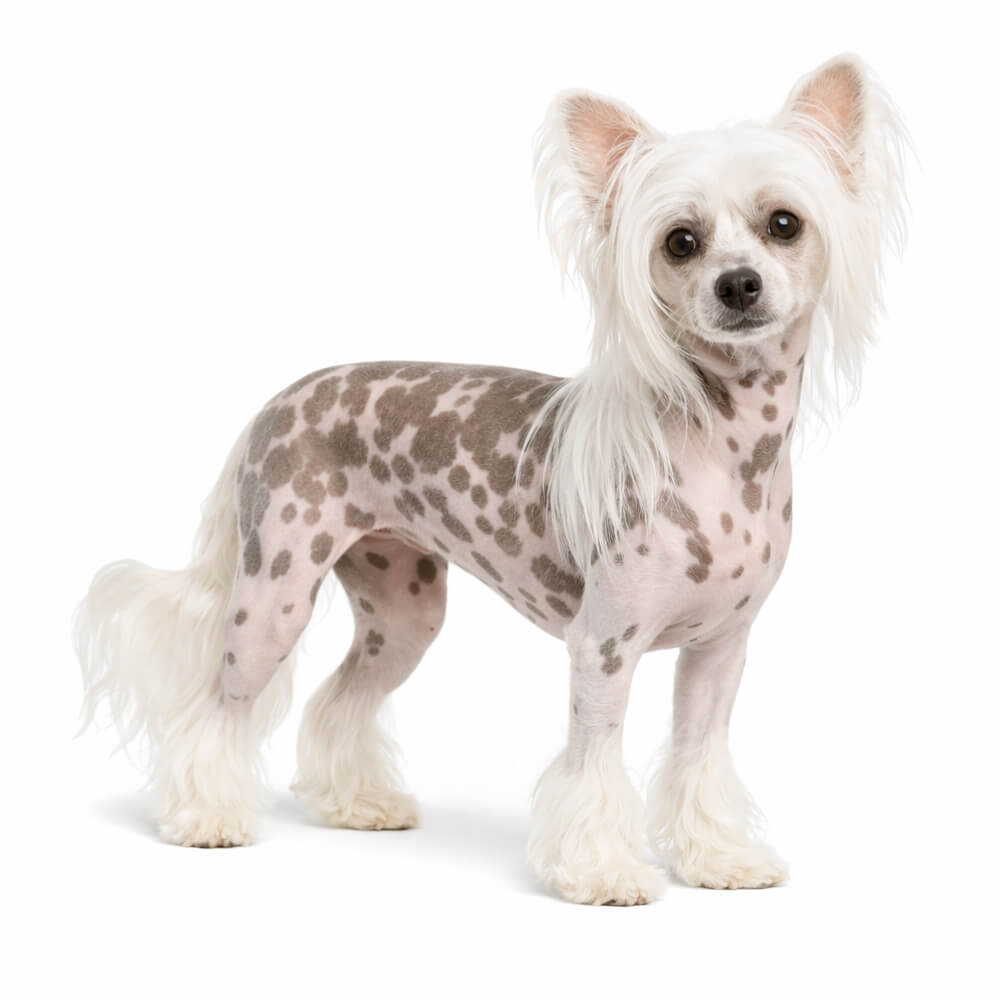

The Chinese Crested Dog is a small, fine-boned toy breed that comes in two dramatically different varieties — the Hairless, with smooth exposed skin and tufts of hair on the head, feet and tail, and the Powderpuff, covered in a full soft coat. Both varieties are bred as devoted companion dogs.
Cresteds are playful, clingy and surprisingly athletic for their size. They bond intensely with their owner and will shadow you from room to room without apology. What catches most people off guard is how much personality is packed into such a small frame — these dogs are equal parts affectionate lapdog and mischievous clown, and they have a stubborn streak that makes training more of a negotiation than a command-and-comply exercise.
History and Origin
Despite the name, the Chinese Crested Dog's origins are debated. Small hairless dogs appeared across Africa, Central America and Asia for centuries, and the breed's early ancestors likely arrived in China via African or Mexican trading routes. Chinese sailors are believed to have kept small hairless dogs aboard ships as ratters and companions, which spread the breed to port cities across the world.
The modern Chinese Crested was refined primarily in the United States and the United Kingdom during the 19th and 20th centuries. American breeder Ida Garrett and later Debora Wood of the Crest Haven kennel were instrumental in establishing breed standards and maintaining studbooks from the 1950s onward. The breed was recognised by the FCI in 1987 and by the UK Kennel Club in 1981.
In Australia, the Chinese Crested remains a niche breed — popular at dog shows but uncommon as a household pet compared to other toys. That shipboard ratting instinct still surfaces in the modern dog as a surprisingly high prey drive for a toy breed, and their alert, watchful nature makes them more aware of their surroundings than their size would suggest.
Temperament and Personality
Chinese Cresteds are affectionate, alert and deeply attached to their people. They're not the kind of dog that tolerates being left in another room — they want physical contact, ideally on your lap or tucked under a blanket beside you. This intensity of attachment is the breed's defining personality trait and its biggest ownership consideration.
With family, Cresteds are playful and demonstrative. They're cheerful dogs that enjoy games, tricks and any activity that involves their owner's attention. They have a theatrical quality — many owners describe them as performing for reactions, repeating behaviours that get a laugh. They're sensitive to their owner's mood and will adjust their energy accordingly.
With children, Cresteds require supervision. Their fine bone structure makes them vulnerable to injury from rough handling, and they can become snappy if startled or grabbed. They do best with older, gentle children who understand how to handle a small dog. With strangers, they tend to be reserved or wary — not aggressive, but clearly preferring familiar faces.
With other dogs, Cresteds are generally sociable but can be selective. They get along well with dogs of similar size but may be intimidated by larger, boisterous breeds. They coexist well with cats and are often more comfortable in multi-pet households than as solo dogs, since company reduces their separation anxiety. The breed's quirks include an unusual ability to grip objects with their front paws — almost hand-like — and a tendency to burrow under blankets, duvets and cushions at every opportunity.
Common Health Conditions
The Chinese Crested Dog has a moderate health profile with several breed-specific conditions, many of which relate directly to the Hairless variety's unique skin and dental genetics.
Dental Issues (Hairless variety)
The gene responsible for hairlessness is linked to incomplete dentition. Hairless Cresteds typically have missing, misaligned or peg-shaped teeth, and tooth loss throughout life is common. This is not a disease but a genetic reality of the variety. Regular dental care, soft food options and veterinary dental checks are essential. Powderpuffs have normal dentition.
Skin Conditions (Hairless variety)
Exposed skin is vulnerable to sunburn, acne, blackheads, dryness and allergic reactions. Hairless Cresteds need sunscreen in Australian conditions, regular moisturising and careful attention to skin health. Comedones (blackheads) are common on the back and chest. Some dogs develop contact allergies to wool, synthetic fabrics or grass. Skin management is ongoing and should be treated as routine care, not a medical emergency.
Patellar Luxation
The kneecap slips out of position, causing intermittent lameness or a skipping gait. Common in toy breeds. Mild cases are managed with weight control and exercise modification; severe cases require surgery.
Progressive Retinal Atrophy (PRA)
A degenerative eye condition that leads to progressive vision loss and eventual blindness. Inherited in the breed. DNA testing is available and should be conducted on breeding stock. Signs include night blindness progressing to daytime vision loss.
Legg-Calvé-Perthes Disease
The femoral head deteriorates due to inadequate blood supply, causing pain and lameness in the hip joint. Typically appears in puppyhood. Surgical correction is the standard treatment.
Pet insurance is worth considering for Chinese Cresteds, particularly for the Hairless variety given ongoing skin management costs and dental work. Annual vet check-ups should include dental assessment and skin evaluation.


Exercise
Chinese Cresteds need around 30 minutes of daily exercise — moderate walks and interactive play sessions suit the breed well. They're more athletic than they look and enjoy agility-style games in the backyard. Avoid intense exercise in extreme heat or cold — Hairless Cresteds sunburn easily in Australian summers and feel the cold acutely in winter. A rash vest or sun shirt is practical for outdoor exercise in direct sunlight.
Grooming
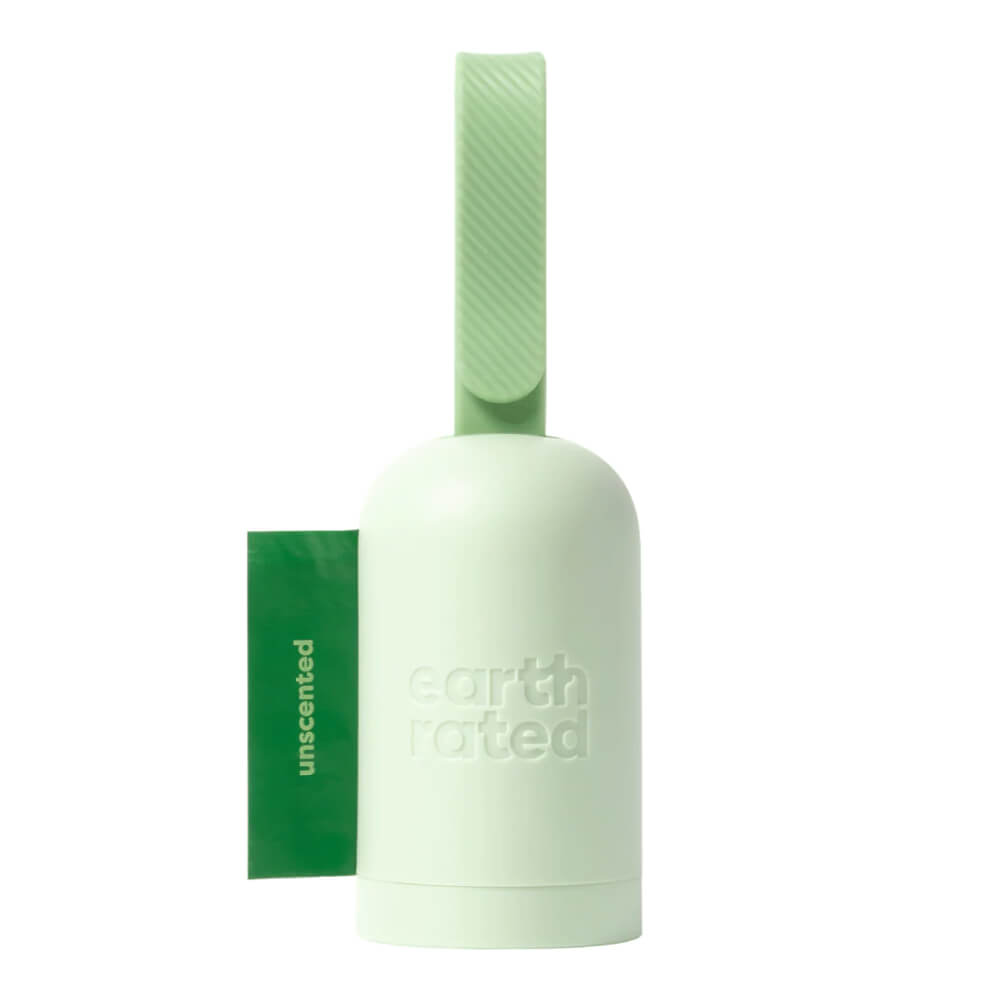
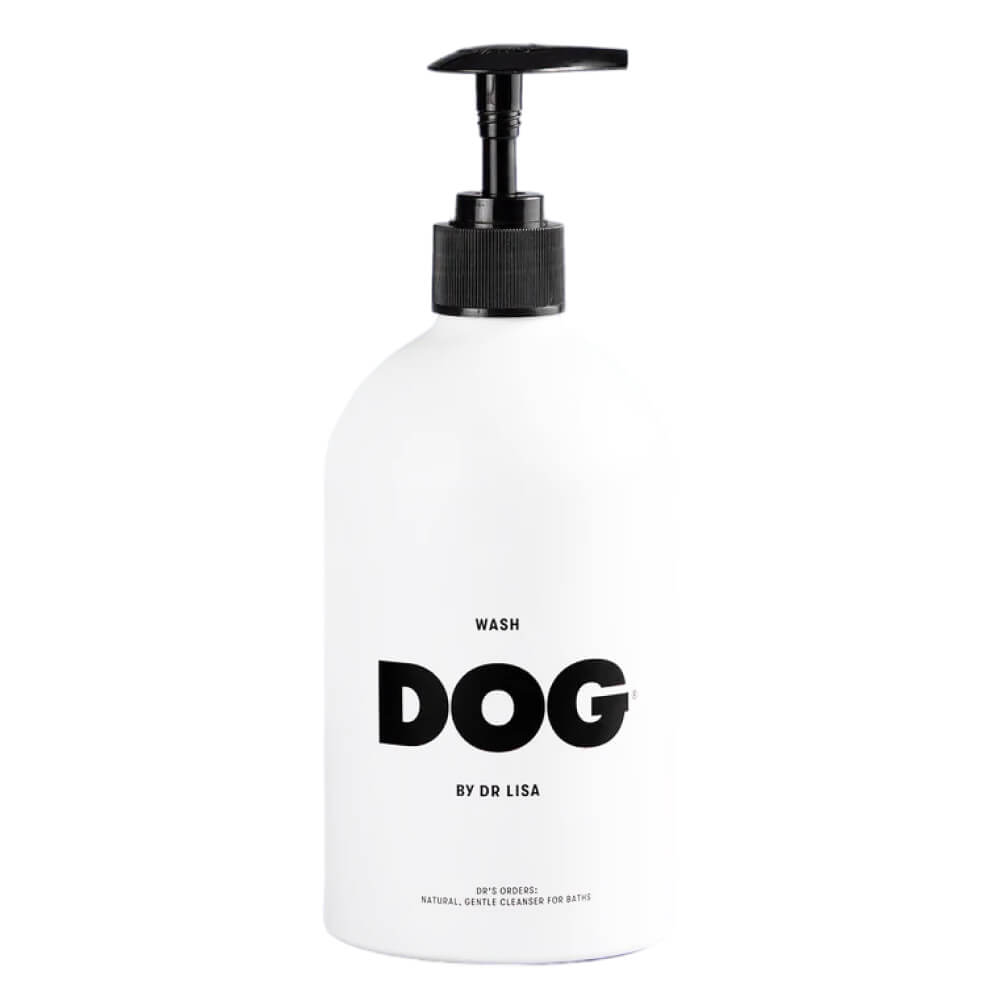
Grooming depends entirely on the variety. Hairless Cresteds need regular skin care — moisturising, sunscreen application before outdoor exposure, and treatment of blackheads and acne as they appear. Bathing every one to two weeks helps keep skin clear. The crest, socks and plume need gentle brushing. Powderpuffs require daily brushing to prevent matting of their soft double coat, and professional grooming every six to eight weeks. Both varieties shed minimally. Dental care is critical for Hairless dogs — daily tooth brushing and regular vet dental checks are non-negotiable.


Nutrition
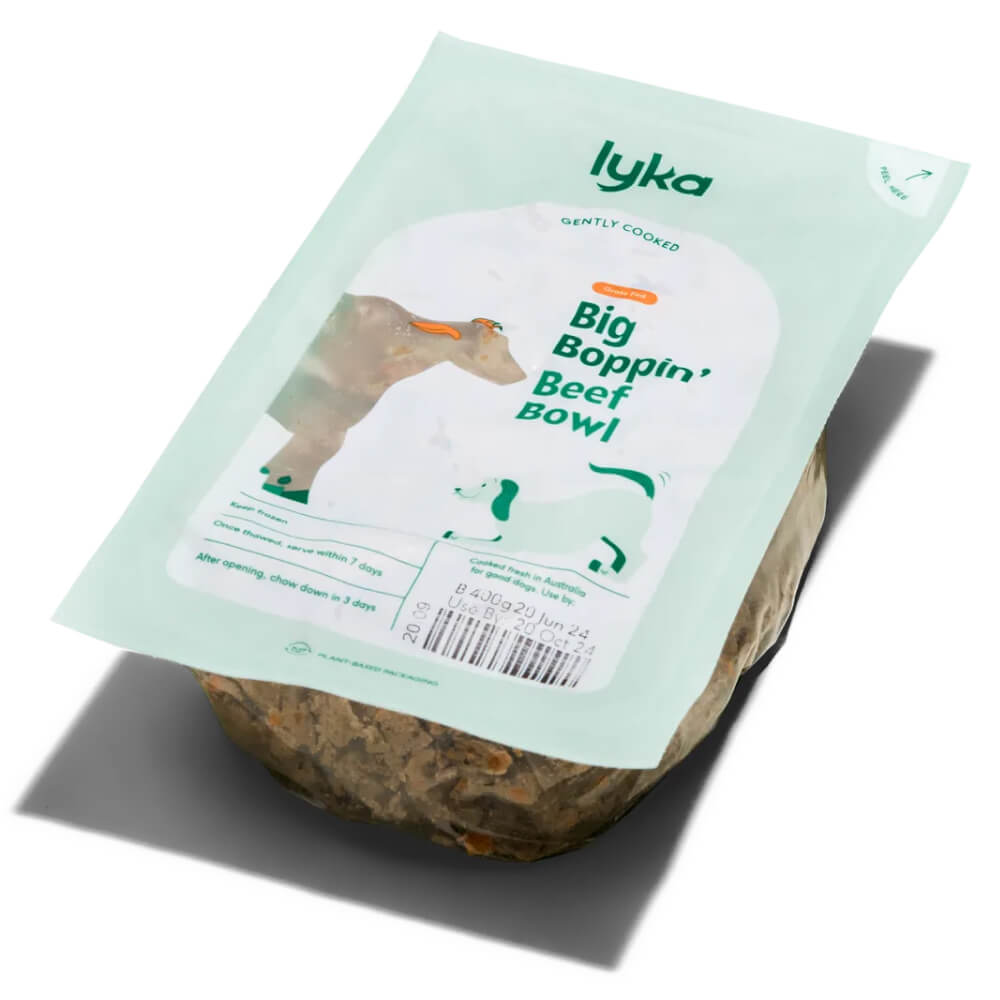
Chinese Cresteds do well on a high-quality small-breed formula. Hairless Cresteds with dental issues may need softer food or smaller kibble sizes to accommodate missing or misaligned teeth. They're not particularly prone to obesity, but portions should still be measured — their small frame means even modest weight gain is proportionally significant. A diet rich in omega-3 and omega-6 fatty acids supports skin health in the Hairless variety. See our recommended foods for Chinese Crested Dogs below.

Training
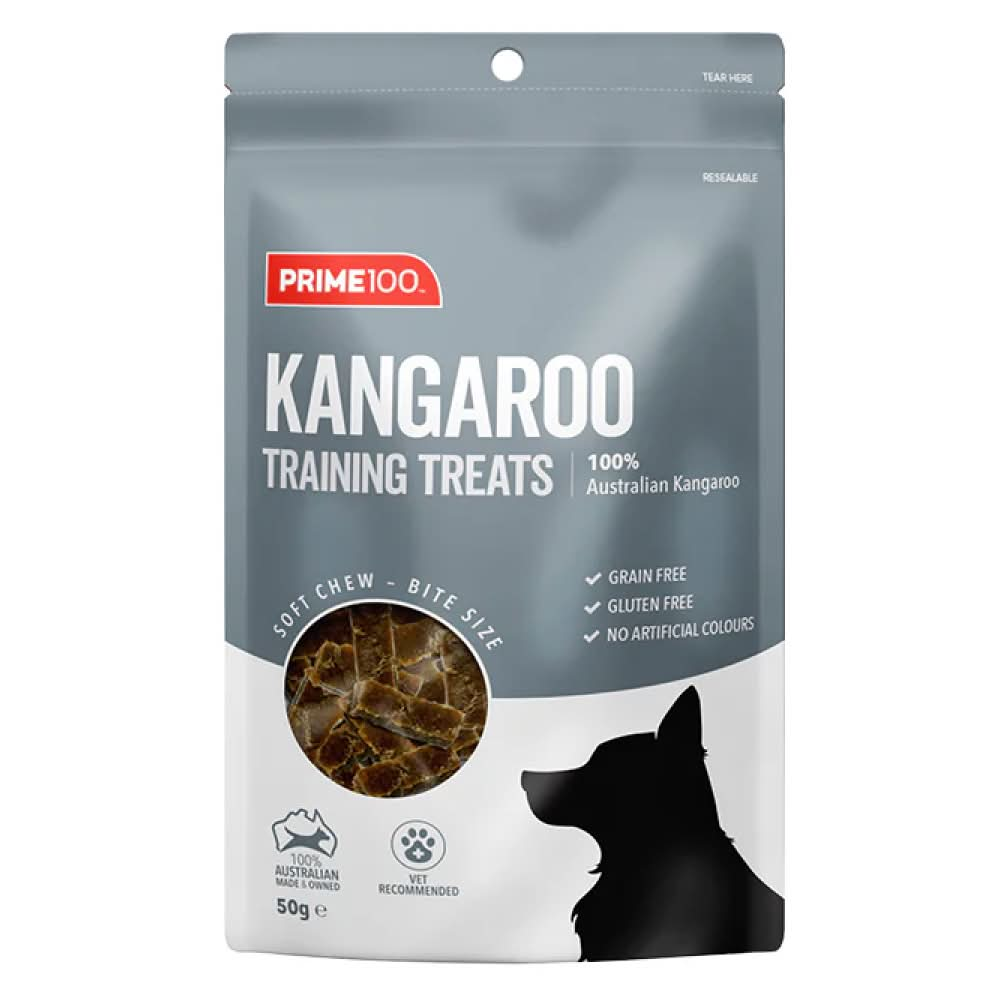
Cresteds are intelligent but independent, which makes training a mixed experience. They learn quickly when motivated but will ignore commands they consider pointless. Positive reinforcement with food rewards works best — they respond poorly to harsh corrections and will shut down or become avoidant. House training can be slower than average for toy breeds, particularly in cold or wet weather when Hairless dogs refuse to go outside. Puppy pads as a backup option are worth considering. Early socialisation is important to prevent the breed's natural wariness of strangers from becoming fearfulness.


Suitability
Chinese Cresteds suit owners who want a deeply bonded companion and are home for most of the day. They're excellent apartment dogs, low-shedding, and their exercise needs are modest. They're a good fit for singles, couples and retirees who can give them the constant attention they crave. The Powderpuff variety is lower-maintenance on the skin front, while the Hairless suits owners who are comfortable with a regular skincare routine.
This is not a breed for families with young children, owners who are away from home for long hours, or anyone who wants a low-maintenance dog they can leave to their own devices. Hairless Cresteds need genuine skin care commitment — sunscreen, moisturiser, acne management — and their dental issues require ongoing veterinary attention. If you're not prepared to treat your dog's skin like your own, the Hairless variety will frustrate you. Cresteds are also vocal when anxious, which can create issues in apartments if separation anxiety isn't managed from puppyhood.
Frequently Asked Questions
How much does a Chinese Crested Dog cost in Australia?
From a registered breeder in Australia, expect to pay $3,000 to $5,000 for a Chinese Crested puppy. The breed is uncommon, so waitlists are typical — particularly for Hairless puppies from health-tested parents. Ongoing costs include regular skincare products for Hairless dogs (sunscreen, moisturiser), dental care and standard vet expenses. They're inexpensive to feed given their small size, but skin and dental management adds up over the dog's lifetime.
What is the difference between a Hairless and Powderpuff Chinese Crested?
Both varieties are the same breed and can appear in the same litter. The Hairless has smooth, exposed skin on the body with hair on the head (crest), feet (socks) and tail (plume). The Powderpuff has a full, soft double coat covering the entire body. The Hairless gene is dominant, so breeding two Hairless dogs can produce both varieties. Hairless dogs require skincare and have dental differences; Powderpuffs need regular coat grooming but have normal teeth.
Are Chinese Crested Dogs good for apartments in Australia?
Chinese Cresteds are one of the better apartment breeds. They're small, low-shedding and their exercise needs are modest — 30 minutes a day is sufficient. The main apartment consideration is barking. Cresteds can become vocal when left alone or when anxious, so separation anxiety management is essential from puppyhood. If you work from home or can take your dog with you, they're an ideal apartment companion.
Do Chinese Crested Dogs need sunscreen?
Hairless Chinese Cresteds absolutely need sunscreen in Australian conditions. Their exposed skin burns quickly, particularly on the back, ears and belly. Use a pet-safe or fragrance-free human sunscreen rated SPF 30 or higher, applied before any outdoor exposure. A UV-protective dog shirt is a practical alternative for longer outings. Powderpuffs with their full coat don't typically need sun protection. Australian summers are particularly harsh, so morning or evening exercise is safer than midday walks.
How long do Chinese Crested Dogs live?
Chinese Cresteds are a long-lived breed, typically reaching 13 to 18 years. Their small size and generally robust health contribute to this impressive lifespan. The keys to longevity are consistent skincare (Hairless), dental management, a healthy weight and regular vet check-ups. PRA and Legg-Calvé-Perthes can affect quality of life if not detected early, so buy from a breeder who DNA-tests for PRA and screens for orthopaedic conditions.




Comments
0 comments