




























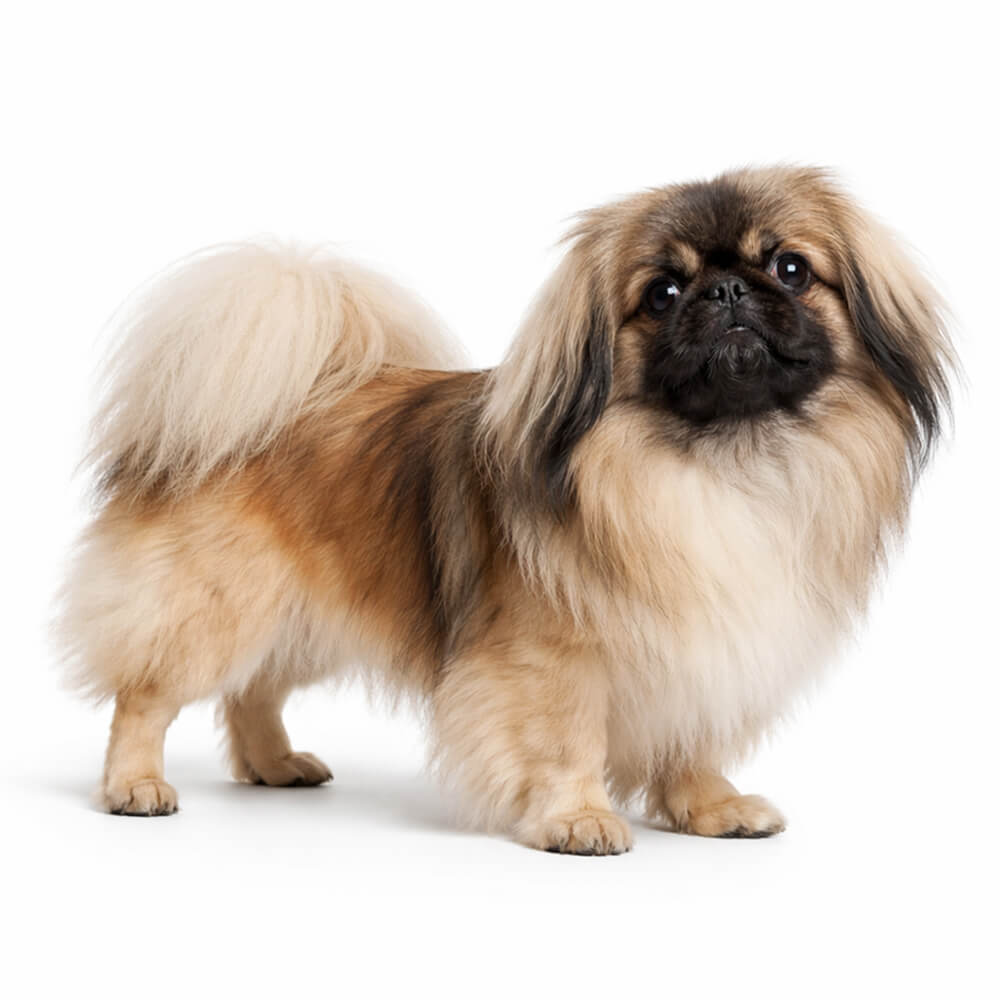

The Pekingese is a compact, low-slung toy breed from China with a lion-like mane, a flat face and a personality best described as regal indifference. Bred exclusively as a companion for Chinese imperial royalty, they carry themselves with a dignity that borders on stubbornness.
They're calm, independent and surprisingly self-possessed for a small dog. A Pekingese won't follow you around begging for attention — they'll accept affection on their terms and expect you to respect the arrangement. That imperial temperament isn't for everyone, but owners who appreciate a dog with genuine character find the Pekingese endlessly entertaining. They're also one of the few toy breeds that genuinely don't mind being left alone for reasonable periods.
History and Origin
The Pekingese originated in the imperial palaces of ancient China, where they were bred exclusively for the royal court. Legend ties them to the Buddha and the lion, and they were treated as sacred — commoners were required to bow to them, and stealing one was punishable by death.
The breed remained hidden from the Western world until 1860, when British soldiers looted the Imperial Palace in Beijing during the Second Opium War. Five Pekingese were taken back to England, including one gifted to Queen Victoria. That's how the breed entered Western bloodlines.
Centuries of palace life shaped everything about the modern Pekingese. They were never working dogs — no herding, no hunting, no ratting. They were bred to be carried in the sleeves of imperial robes, to sit in laps and to look imposing despite weighing less than 5kg. That purpose-built independence is why a modern Pekingese will stare at you blankly when you call it to come, then walk the other way. It's not a training failure — it's a thousand years of selective breeding for self-importance.
Temperament and Personality
Pekingese are dignified, opinionated and unshakably calm. They don't do frantic. While other toy breeds orbit their owners in a state of constant excitement, a Pekingese observes the household from its chosen spot and participates when it feels like it.
That independence makes them surprisingly low-demand emotionally. They enjoy affection but don't require constant attention, and they cope with alone time better than most toy breeds. Separation anxiety is less common in Pekingese than in breeds like the Maltese or Cavalier.
With strangers, they're reserved and watchful. They won't rush to greet a visitor — they'll assess from a distance, and they may never fully warm up. It's not aggression, it's selectiveness. They bark to alert but aren't excessive about it compared to other toy breeds.
Around other dogs, they're generally tolerant but indifferent. They don't seek out canine company, and they won't back down if another dog pushes into their space. With children, supervision is essential. Pekingese don't tolerate being grabbed, carried or chased, and they'll snap to set a boundary. They're best suited to households with older, calmer children — or no children at all. The breed quirk that defines ownership is the stubbornness. A Pekingese that doesn't want to walk will plant itself on the footpath and refuse to move. It's not spite — it's centuries of breeding that never required cooperation. You learn to negotiate rather than command.
Common Health Conditions
Pekingese are a brachycephalic breed, which means their flat face creates a set of health challenges that every owner needs to understand before buying. They're not a fragile breed overall, but the structural issues are significant.
Brachycephalic Obstructive Airway Syndrome (BOAS)
The shortened skull compresses the airways, causing snoring, snorting, laboured breathing and heat intolerance. Severity varies — some Pekingese manage fine, others need surgical correction to widen nostrils or shorten the soft palate. In Australian summers, BOAS makes heat management critical. Exercise in warm weather can become dangerous fast.
Intervertebral Disc Disease (IVDD)
The long, low body puts strain on the spine. Disc herniation causes pain, reduced mobility and in severe cases, paralysis. Avoid letting Pekingese jump on and off furniture, and use ramps where possible. Keep them at a healthy weight to reduce spinal load. Surgery may be needed for serious cases.
Skin Fold Dermatitis
The deep facial folds trap moisture and bacteria, leading to infection and irritation. Daily cleaning of the folds with a damp cloth and thorough drying is essential. Left untreated, it becomes painful and chronic.
Dry Eye (Keratoconjunctivitis Sicca)
Pekingese are predisposed to insufficient tear production, causing dry, irritated eyes that are vulnerable to ulceration. Daily eye drops are usually required, and regular vet monitoring keeps it under control.
Luxating Patella
Common across toy breeds. The kneecap slips out of place, causing intermittent lameness. Mild cases are managed conservatively. Severe cases need surgical correction.
Given the brachycephalic issues and orthopaedic risks, pet insurance taken out early is strongly recommended. Regular vet check-ups every six months help catch problems before they become serious.


Exercise
Twenty to thirty minutes of gentle daily exercise is enough for a Pekingese. A couple of short, slow walks suit them far better than anything vigorous. They overheat easily due to their flat faces and heavy coats, so in Australian conditions, exercise should only happen in the cool of the morning or evening during warmer months. Air conditioning isn't a luxury for this breed — it's a necessity. Never push a Pekingese to exercise beyond what they're comfortable with. If they stop and sit down, they're telling you they're done.
Grooming
The thick double coat requires serious commitment. Brushing three to four times a week minimum — daily during shedding season — prevents matting in the dense undercoat. Pay special attention to behind the ears, the chest and the hindquarters where tangles form fastest. Professional grooming every four to six weeks is standard. Facial folds need daily cleaning and drying to prevent infection. Eyes should be checked and cleaned daily. Nails need fortnightly trimming, and ears should be inspected weekly.


Nutrition
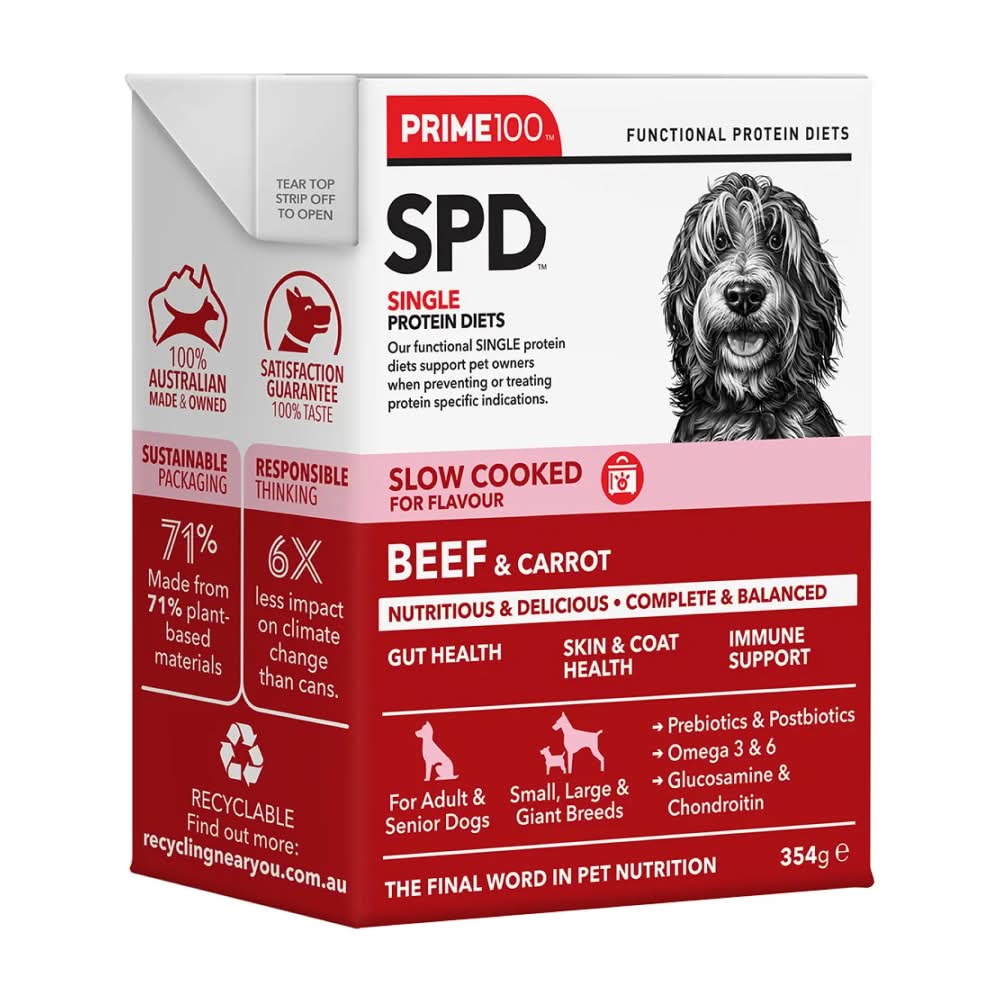
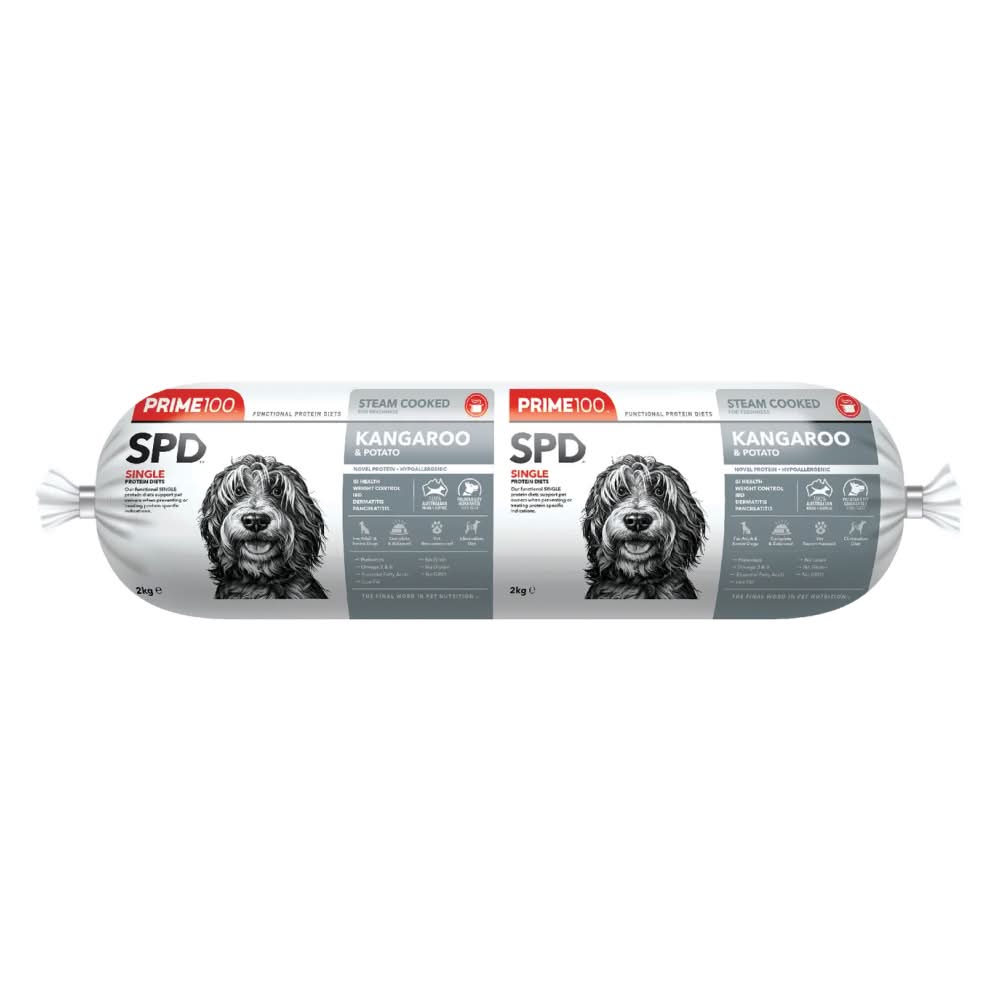
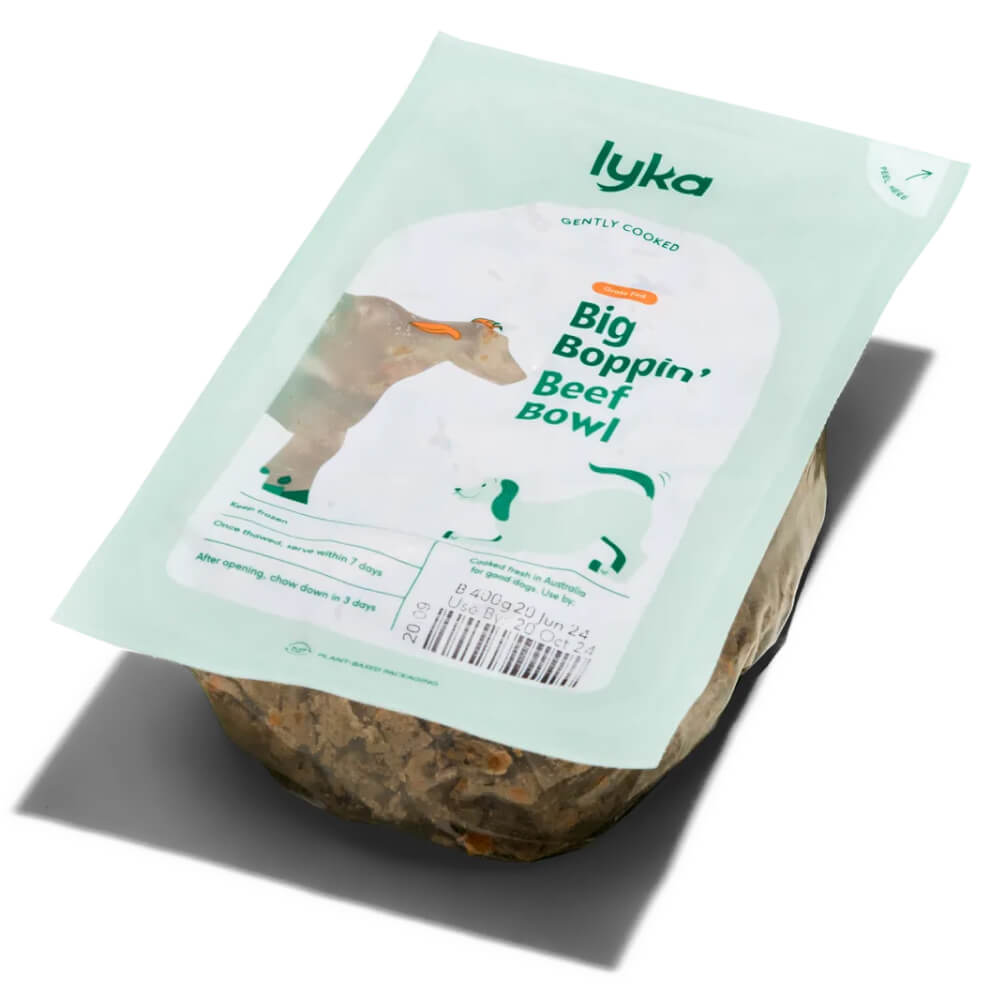
Pekingese are prone to weight gain due to their low energy level and love of food. A measured, high-quality small-breed formula is essential — free-feeding is a fast track to obesity. Extra weight on a brachycephalic, long-backed dog worsens breathing problems and increases IVDD risk. Keep treats minimal and choose low-calorie options. Some Pekingese benefit from a food formulated for brachycephalic breeds, with kibble shaped for flat-faced dogs to pick up easily. See our recommended foods for Pekingese below.

Training
Pekingese are intelligent — the challenge is motivation, not comprehension. They understand what you're asking. They just don't always see why they should comply. Positive reinforcement with high-value food rewards gets the best results, but expect slow, incremental progress. Keep sessions short — five minutes of willing participation beats twenty minutes of standoff. House training takes patience and consistency. Socialisation from puppyhood is important to prevent their natural reserve from becoming fearfulness or aggression. Accept that a Pekingese will never be an obedience champion, and appreciate the personality instead.


Suitability
A Pekingese suits a calm, patient owner who appreciates an independent dog. They're ideal for apartment living, older owners, couples and anyone who wants a quiet companion that doesn't demand constant interaction. Their low exercise needs and ability to cope with alone time make them one of the more self-sufficient toy breeds.
They're not the right dog for active households, families with young children or anyone expecting an eager-to-please, trainable companion. The grooming commitment is significant — if you won't brush regularly and clean facial folds daily, health problems will follow. The brachycephalic issues also mean higher-than-average vet costs, particularly if surgery is needed for breathing problems. And in Australian summers, you need reliable air conditioning. A Pekingese in a hot house without cooling is a medical emergency waiting to happen.
Frequently Asked Questions
How much does a Pekingese cost in Australia?
Can Pekingese handle Australian heat?
Are Pekingese good for first-time dog owners?
Do Pekingese get along with other pets?
How long do Pekingese live?


Comments
0 comments
Login to Join the Conversation 💬