





















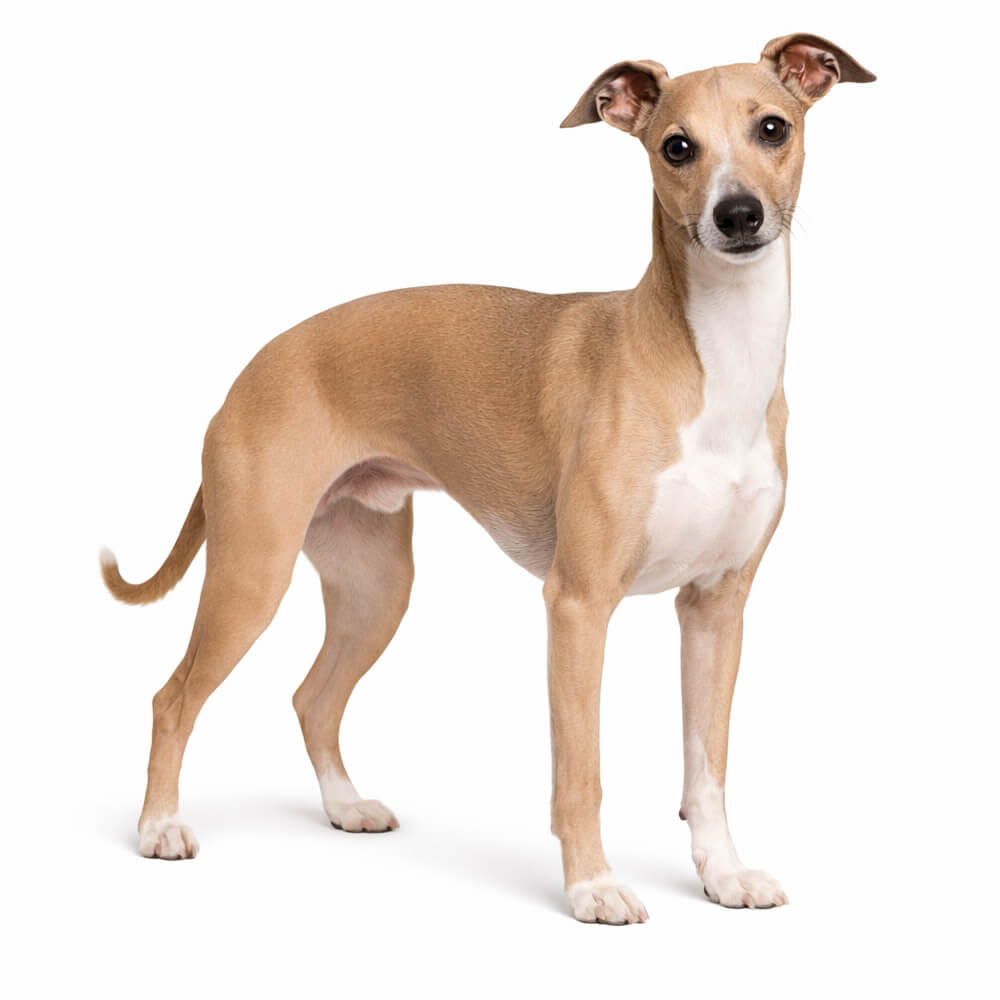

The Italian Greyhound is the smallest of the sighthounds — a miniature cousin to the Whippet and Greyhound, weighing between 3.5 and 8 kilograms, with the bone structure to match. Despite the fragile appearance, they're fast, athletic, and more opinionated than their size suggests.
What the photos don't communicate is how demanding the bond is. Italian Greyhounds — IGs, Iggies — pick a person and attach. Not metaphorically. They follow you room to room, tunnel under blankets, press against your leg the moment you sit. For the right household that's a feature. For anyone who's away most of the day, it's a real problem. Separation anxiety is near-universal in the breed, and it's worth knowing that before you fall for the Instagram aesthetic.
History and Origin
Small, sighthound-type dogs appear in Egyptian and Greek artefacts going back more than two thousand years. Whether those dogs share a direct bloodline with today's IG is debated, but by the Roman Empire, fine-boned greyhound companions were already a fixture of aristocratic households across the Mediterranean.
The breed's defining chapter belongs to Renaissance Italy. From the 14th century onward, Italian Greyhounds became the companion of choice for the noble courts of Florence, Milan, and Turin — diplomatic gifts exchanged between royal houses, painted alongside dukes and duchesses, owned by Frederick the Great, Catherine the Great, and Charles I of England. They were never bred to work. They were bred to be near people, and centuries of that selection pressure is completely visible in the modern dog.
That history explains a lot. Unlike most toy breeds that descend from ratters or hunters, the Italian Greyhound has no working function to fall back on — closeness to their person is the whole job, and they take it seriously.
Temperament and Personality
The breed literature calls them affectionate, playful, and sensitive. All true, all incomplete.
With family, IGs are intensely attached — physically, constantly. They form deep bonds with one or two people and express that through proximity rather than independence. This is wonderful if your lifestyle accommodates it. If the dog is regularly left alone for long stretches, that same intensity becomes anxiety, and anxiety in IGs isn't quiet. Vocalisation, toilet regression, and destructive behaviour are all on the table.
With children, their fragility is the real issue. An older child who handles dogs carefully? Fine. A toddler who trips and lands on a 5-kilogram dog with fine legs? A fracture waiting to happen. Families with very young kids should weigh this seriously rather than assume size means easy.
With strangers, expect reserve. IGs warm up slowly and on their own terms — pushing introductions tends to deepen the shyness. With other dogs, particularly other sighthounds, they're typically joyful and physical. Prey drive is real, though, and small animals can trigger a chase response that training manages but rarely eliminates.
Two things catch new owners off-guard: the toilet training difficulty (small bladder, strong disdain for cold and wet conditions, indoor accidents resuming every time the weather turns), and the genuine emotional fallout when left alone. Neither is a training failure. Both are breed characteristics that require realistic expectations and a structured approach.
Common Health Conditions
Italian Greyhounds are long-lived — 14 to 15 years is typical — but their physiology creates a specific set of conditions every owner should know in advance.
Patellar Luxation — Kneecaps that slip from their groove, graded I to IV by severity. Extremely common in IGs given their narrow limb conformation. Signs include intermittent skipping on a hind leg or sudden leg-carrying after activity. Mild cases are managed with weight control and joint supplementation; severe cases require surgery. Annual patellar assessment is standard.
Leg Fractures — The most distinctive health risk in the breed. IG bones — particularly the foreleg radius — are proportionally thinner than almost any other dog, and fractures can result from misjudging a sofa landing or a larger dog colliding during play. The fix is environmental: ramps for furniture, supervision around bigger dogs, and fenced off-lead areas. Owners who aren't prepared for this practically and financially should consider a different breed.
Epilepsy — Idiopathic epilepsy occurs at above-average rates in IGs, typically presenting between one and five years. Presentations range from full tonic-clonic seizures to subtler signs — staring, facial tremoring, sudden disorientation. Most affected dogs manage well long-term on anticonvulsant medication.
Progressive Retinal Atrophy (PRA) — Gradual deterioration of retinal photoreceptors, leading eventually to blindness. Multiple PRA variants circulate in the breed. Ask breeders for DNA test certificates — reputable breeders test all breeding stock as standard. Night blindness and hesitation in low light are early signs.
Dental Disease — The most pervasive and preventable issue in the breed. The IG's small jaw creates severe crowding, and without active management, periodontal disease, root abscesses, and early tooth loss are almost inevitable. Daily brushing is the goal, weekly is the minimum. Professional dental cleans under anaesthetic will be a recurring cost regardless.
Hypothyroidism — More common in IGs than most breeds, and frequently missed because the signs — weight gain, lethargy, cold intolerance, coat changes — develop slowly and read as ageing. A routine thyroid panel in annual blood work catches it early, and daily oral medication manages it well once diagnosed.
Pet insurance taken out before any conditions become pre-existing is a sound call for this breed, given the range and cost of what can come up.


Exercise
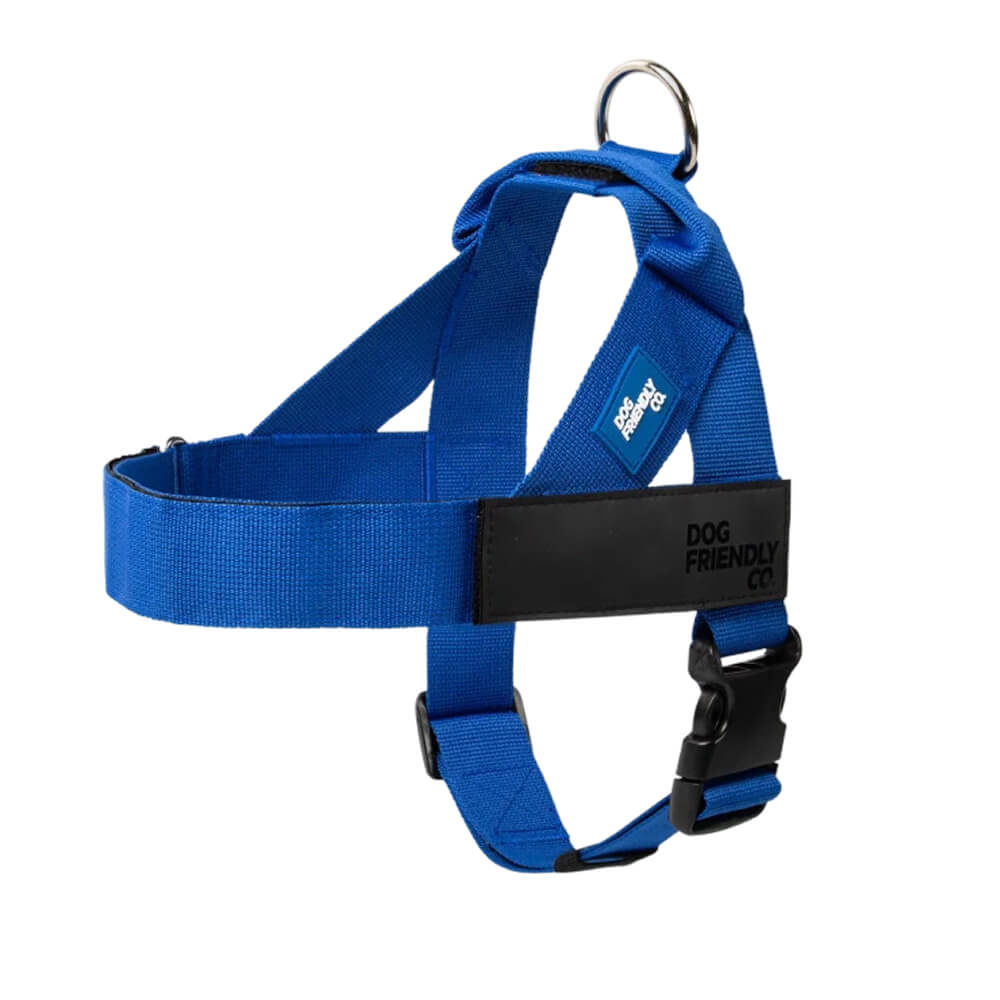
IGs operate in two modes: full sprint and dead weight. They need the opportunity for both. A securely fenced area for regular off-lead running is the best outlet — walks alone don't satisfy a dog built for speed. That said, their cold and wet intolerance is genuine: owners in Melbourne, Canberra, or Tasmania will find a well-fitted dog coat is mandatory gear for a good portion of the year. Keep high-impact activity and rough play with larger dogs limited given fracture risk.
Grooming
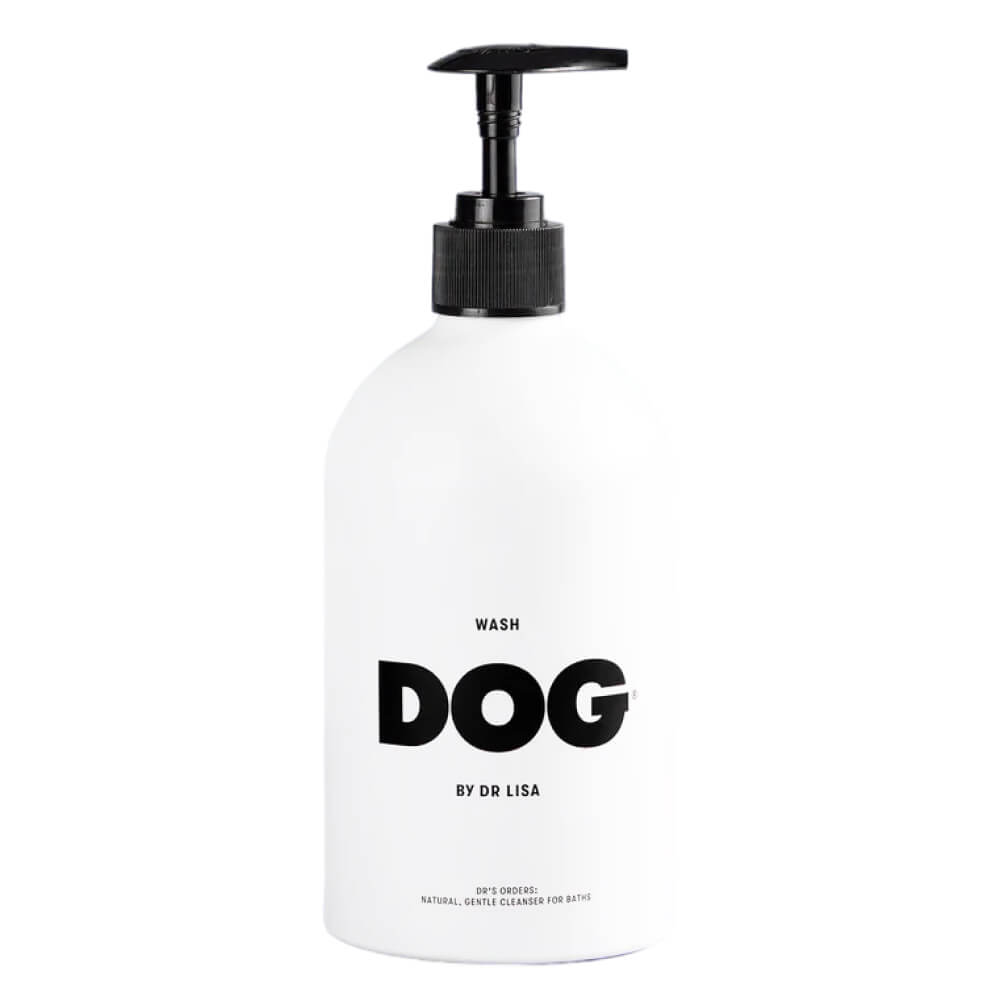
Coat care is minimal — a weekly once-over with a rubber mitt is all the single-layer coat needs. The grooming time goes elsewhere: teeth brushing several times a week (daily if possible), nails every three to four weeks, ears monthly. Their skin is thin and offers little abrasion protection, so check legs and underbelly for small nicks during grooming, particularly after off-lead sessions in rough terrain.


Nutrition
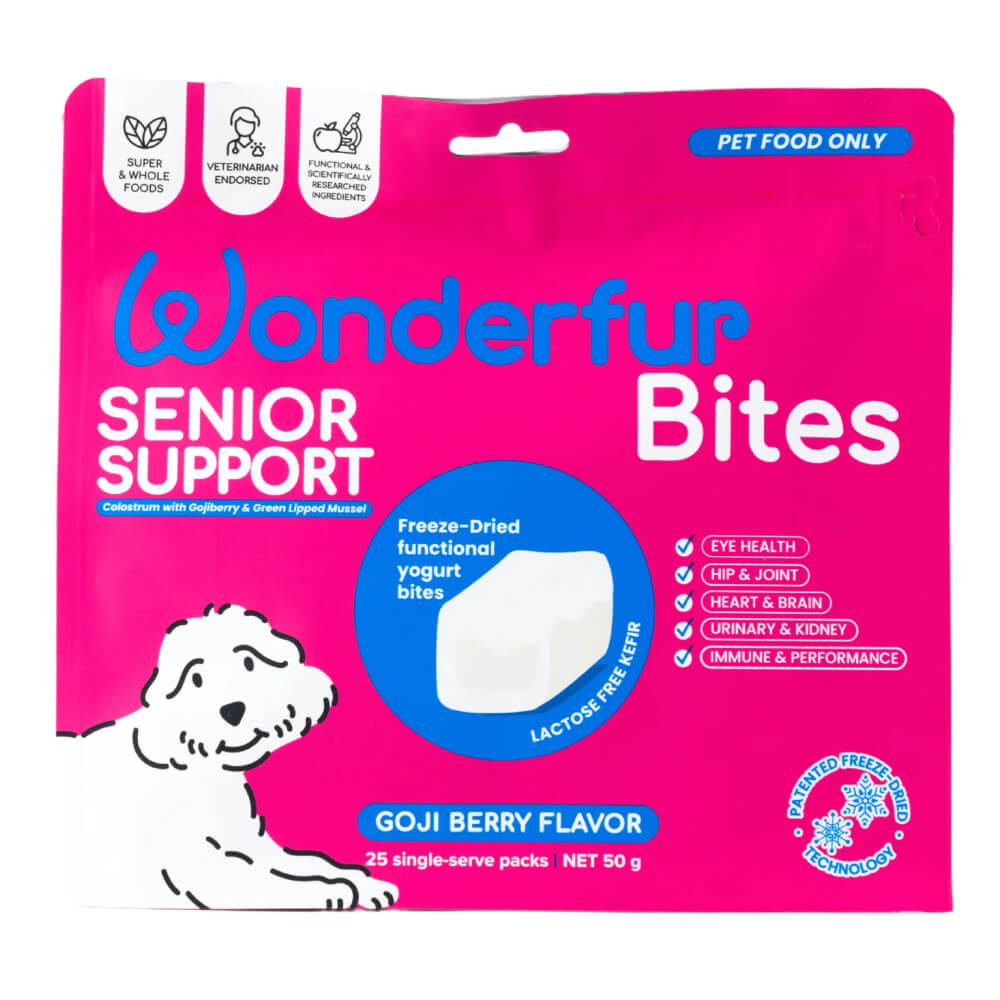
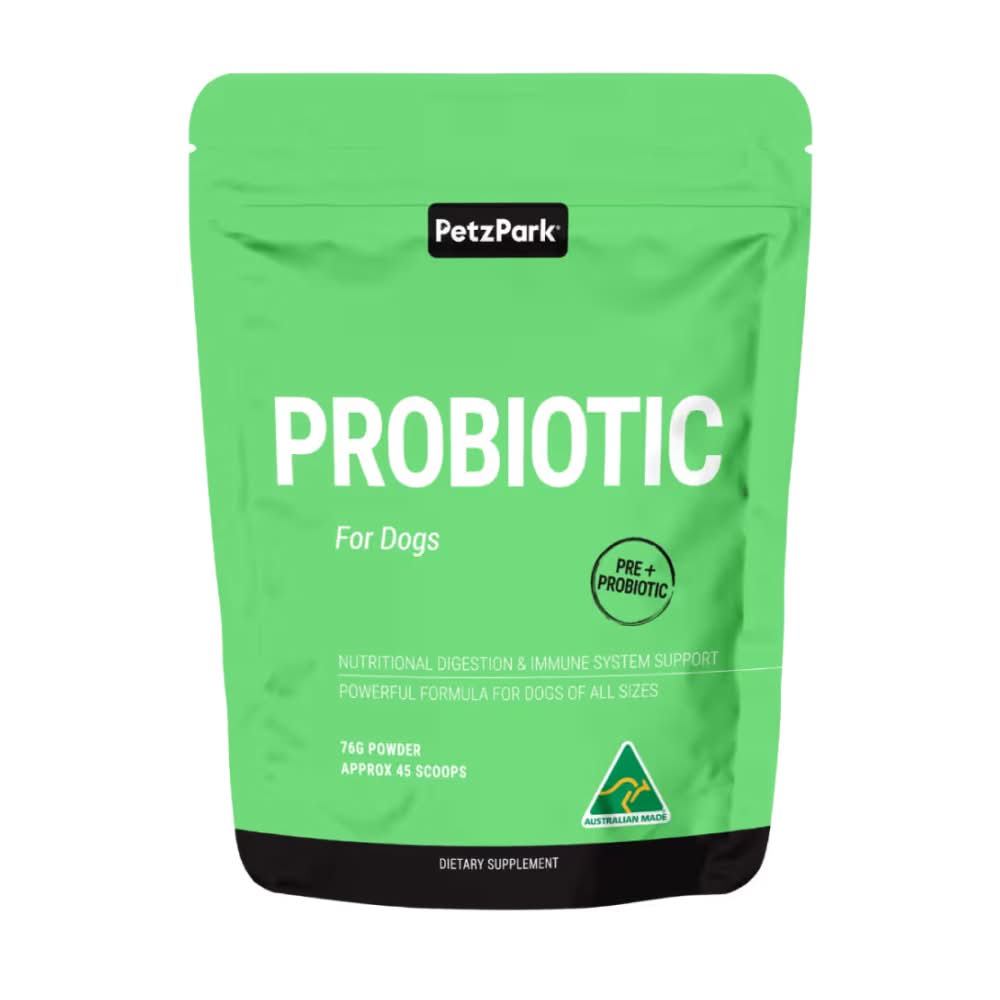
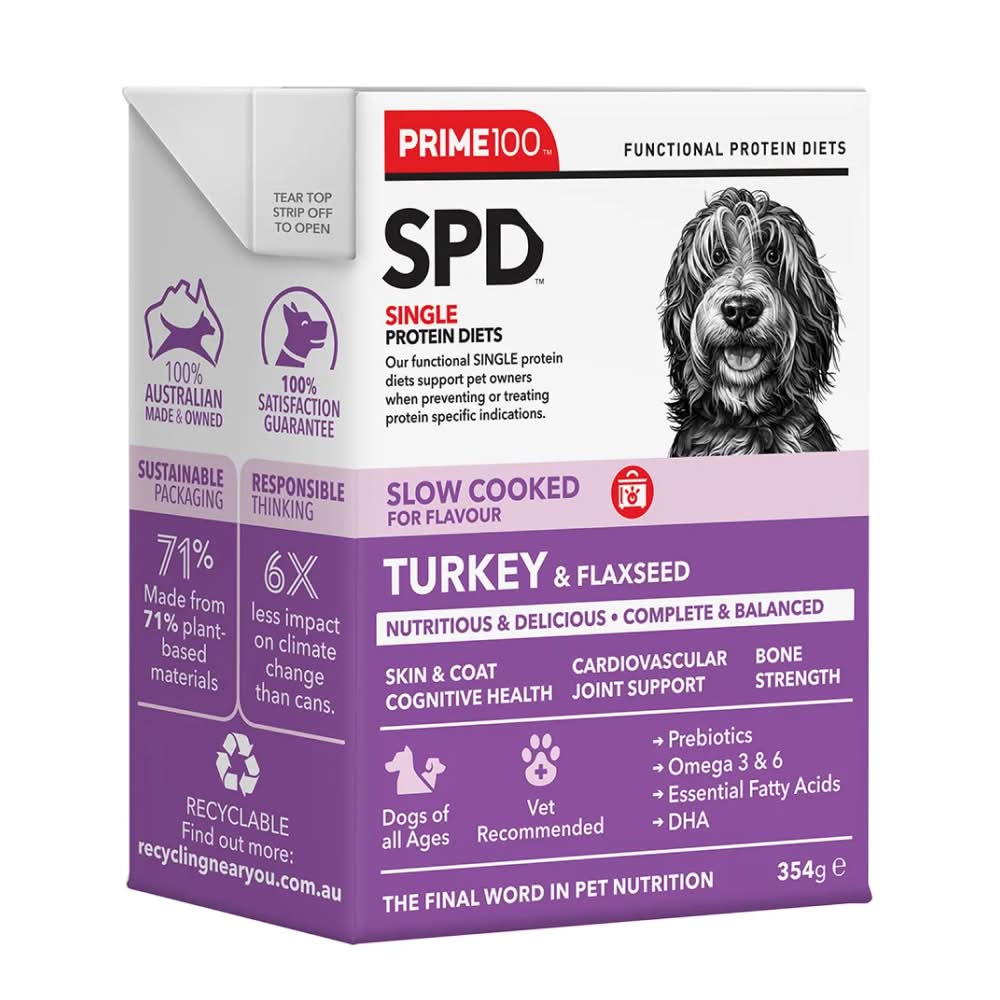
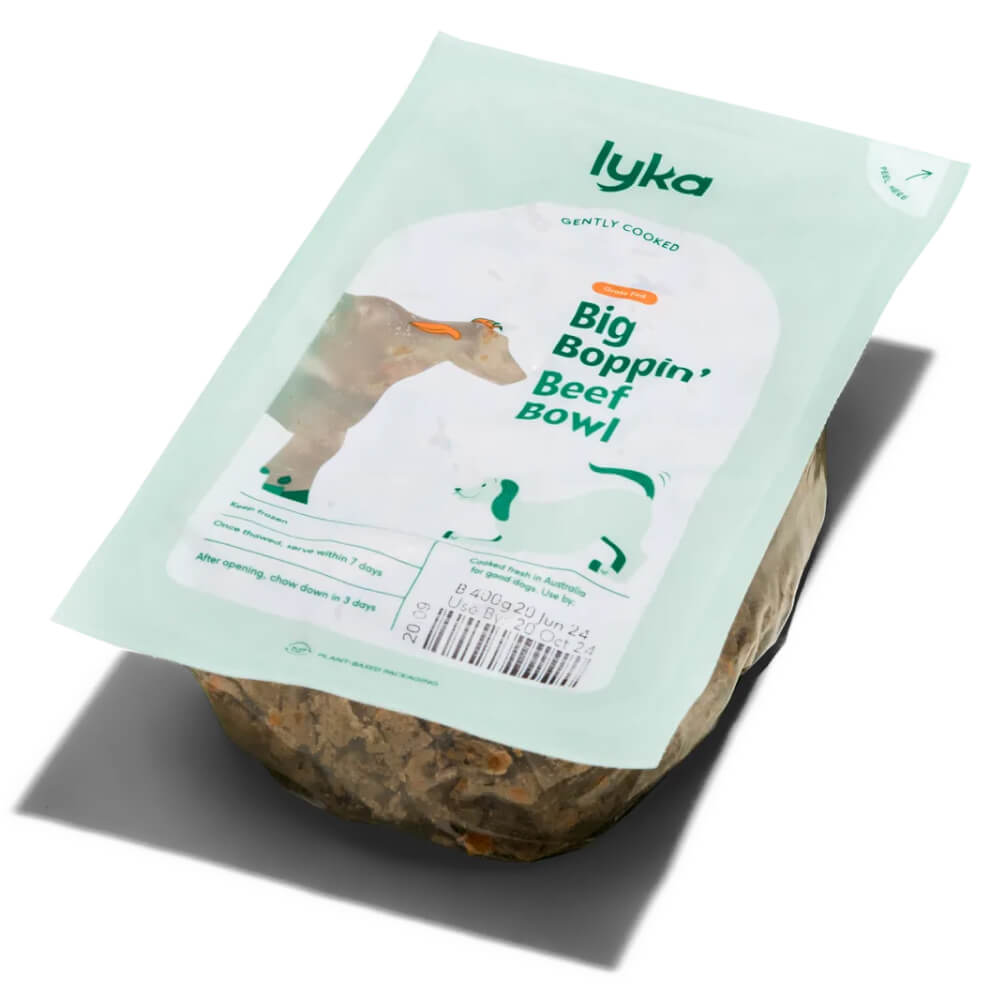
IGs have fast metabolisms when young but become prone to both muscle loss and modest weight gain in middle age — and even a few hundred extra grams is significant on a 4–6 kg frame. High-quality small breed kibble with animal protein as the primary ingredient suits most adults. Omega-3 supplementation supports both coat health and joint function. For dogs with recurring skin issues, a limited-ingredient or single-protein formula is worth trying before assuming a veterinary intervention is needed. See our recommended foods for Italian Greyhounds below.


Training
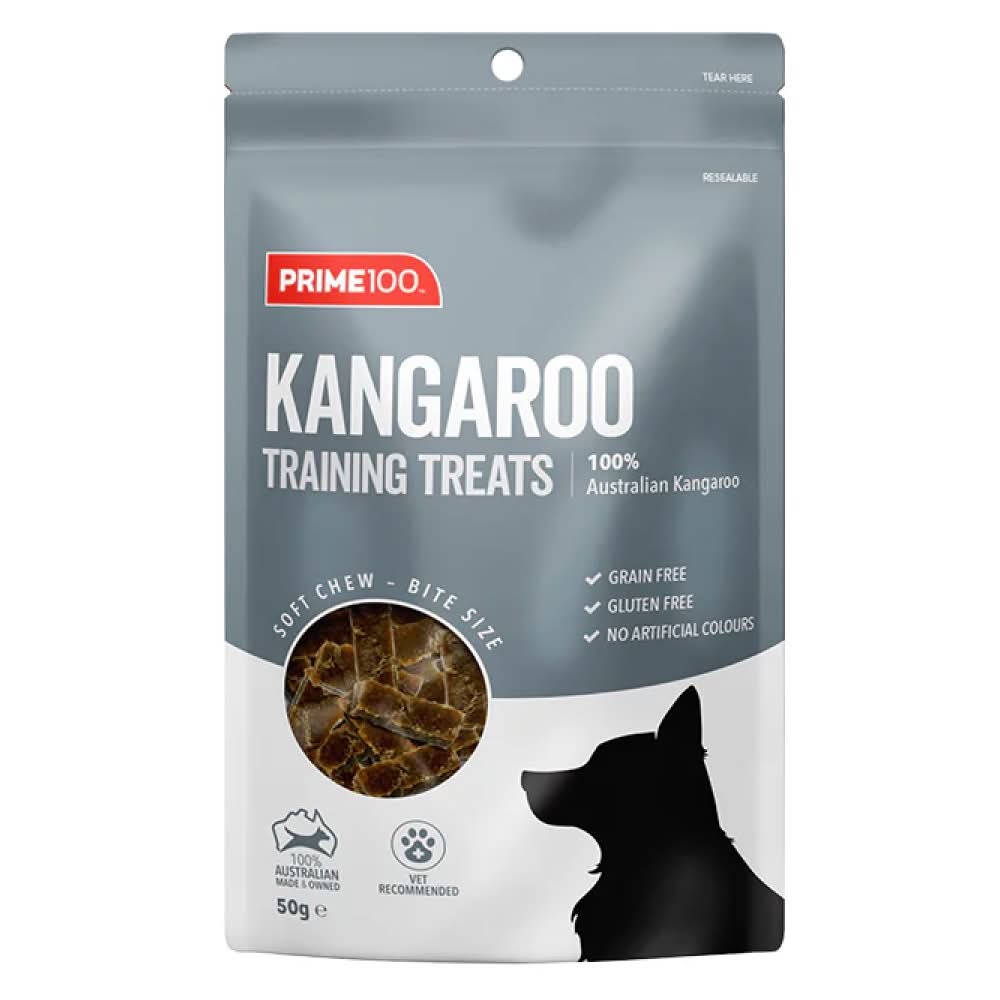
IGs are intelligent but exclusively respond to positive reinforcement. Correction-based methods, raised voices, or heavy-handed techniques cause shutdown rather than compliance. Short sessions with high-value food rewards work well. Two challenges persist regardless of how well training goes: off-lead recall (once they've locked onto movement, instinct frequently wins) and toilet training in poor weather. Socialisation from puppyhood — particularly structured exposure to strangers — is essential for managing their natural shyness with people outside the household.


Suitability
Italian Greyhounds suit people who are home often, live in a settled adult household, and want a close physical companion rather than an independent dog. Their size and minimal shedding make them genuinely good apartment dogs, and for remote workers or retirees, the breed's attachment becomes an asset rather than a complication.
They're a harder fit for first-time owners expecting an easy run, families with toddlers, or anyone whose work keeps the dog alone for most of the day. Toilet training is genuinely difficult and long-term. The bone fragility requires ongoing environmental management. And vet costs — dental care, potential fractures, joint work — run higher than the small frame implies. These are 14-year commitments that reward patience and consistency in kind, but they ask for both upfront.
Frequently Asked Questions
How much does an Italian Greyhound cost in Australia?
Do Italian Greyhounds bark a lot?
Are Italian Greyhounds good for first-time owners?
How often should I groom an Italian Greyhound?
How long do Italian Greyhounds live?


Comments
0 comments
Login to Join the Conversation 💬