




.png)



















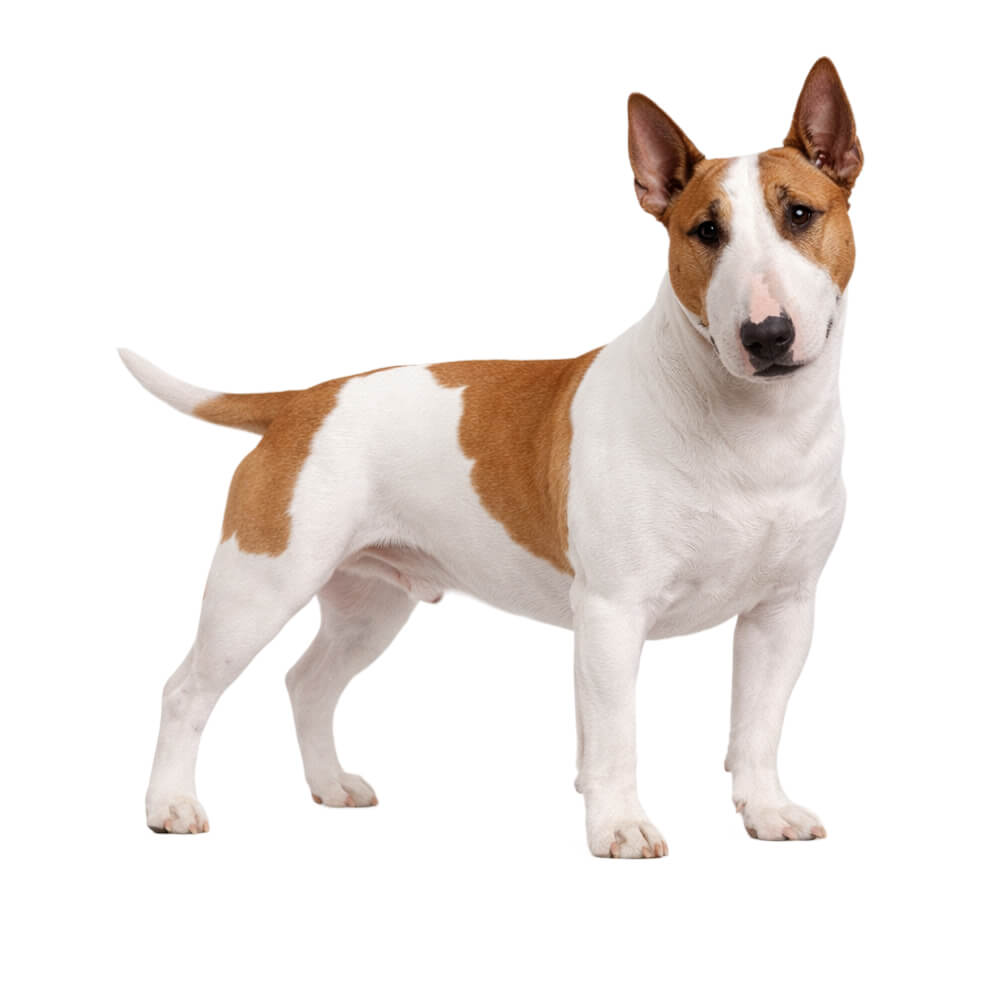

The Bull Terrier is a medium-sized, powerfully built terrier breed instantly recognisable by its distinctive egg-shaped head and muscular frame. Developed in England as a "gentleman's companion," the Bull Terrier combines the tenacity of a terrier with the strength of a bulldog.
Bull Terriers are one of the most polarising breeds in Australia — people either love them completely or don't understand them at all. They're clownish, physical, fiercely loyal, and entirely unlike any other breed. The egg-shaped skull, the Roman nose, the triangular eyes — everything about this dog was designed to stand out. Underneath the unusual appearance is a dog that bonds deeply, plays hard, and demands an owner who can match its energy and stubbornness.
History and Origin
The Bull Terrier was created in the 1830s by James Hinks of Birmingham, England. Hinks crossed the Old English Bulldog with the now-extinct White English Terrier and added Dalmatian blood for elegance. The goal was a refined fighting dog that could also serve as a stylish companion for gentlemen.
The original Bull Terriers were all white — earning the nickname "White Cavalier." Coloured varieties were developed later by crossing back with Staffordshire Bull Terriers and other breeds. The distinctive egg-shaped head profile was refined over decades of selective breeding and became the breed's defining feature.
Bull Terriers have been in Australia since the early 1900s and have a strong following, particularly in New South Wales and Victoria. The breed is registered with the ANKC in the Terrier group and has no breed-specific restrictions. They're not to be confused with the American Pit Bull Terrier, which is a different breed entirely.
Temperament and Personality
Bull Terriers are energetic, playful, and relentlessly entertaining. They're the class clown of the dog world — physical comedians with zero self-consciousness and a talent for making their owners laugh. They play hard, love hard, and approach every situation with full commitment.
With family, they're devoted and affectionate. They bond intensely with their people and want to be involved in everything. They're sturdy enough for family life and generally patient with children, though their boisterous play style means supervision is important with young kids.
Around strangers, well-socialised Bull Terriers are friendly and outgoing. They're not typically suspicious or guarded — they'd rather greet everyone than guard the door. Poorly socialised individuals can be reactive, which is why early exposure to a variety of people and situations matters.
With other dogs, Bull Terriers can be assertive. Same-sex aggression is a documented breed trait, and their strength means any confrontation is serious. Early and ongoing socialisation helps, but some Bull Terriers remain dog-selective throughout life. Prey drive is moderate to high — small animals can trigger a chase response.
The breed's signature quirk is the "bully run" — sudden bursts of frantic, full-speed laps around the house or yard. It's not anxiety. It's pure, unfiltered joy. If you can't handle a 30-kilo dog doing zoomies through the living room, this isn't your breed.
Common Health Conditions
Bull Terriers have some significant breed-specific health concerns, particularly in white-coated dogs. Health screening before purchase is essential — this is not a breed to buy on impulse from an unscreened litter.
Deafness
White Bull Terriers have a significantly higher rate of congenital deafness, linked to the same pigmentation genetics that produce the white coat. Unilateral (one ear) or bilateral (both ears) deafness can occur. BAER testing identifies hearing status in puppies from five weeks of age. Always request BAER test results when purchasing a white Bull Terrier.
Hereditary Nephritis (Kidney Disease)
A progressive kidney condition that can lead to renal failure, sometimes at a young age. Bull Terriers have a documented breed predisposition. Early signs include increased thirst and urination, protein in urine, and weight loss. Regular urine protein tests (UPC ratio) help detect the condition early. There's no cure, but early management slows progression.
Heart Disease
Mitral valve disease and aortic stenosis occur in the breed. Signs include exercise intolerance, coughing, and lethargy. Cardiac screening via echocardiogram is recommended for breeding dogs and worth considering for pets. Early detection allows for medical management.
Skin Allergies and Atopic Dermatitis
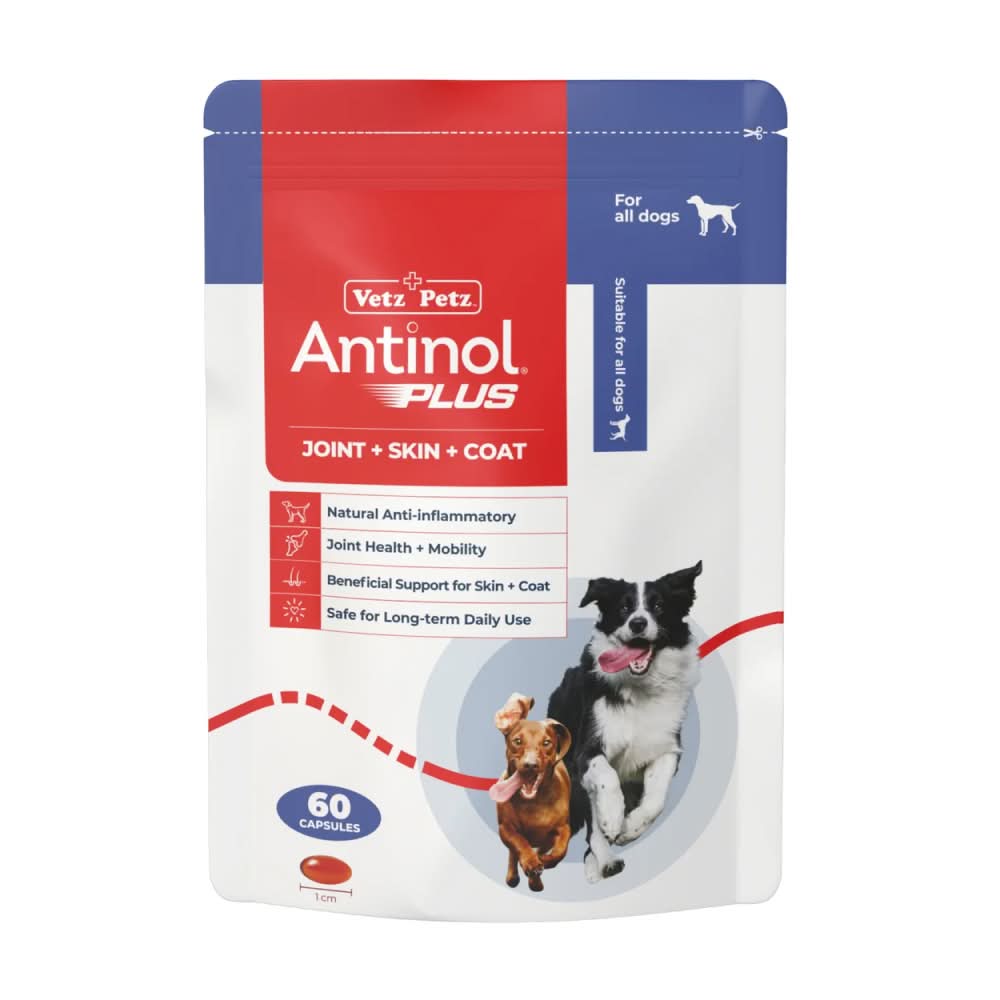
Bull Terriers are prone to environmental and food allergies. White Bull Terriers are particularly susceptible to skin irritation and sunburn. Signs include persistent scratching, redness, and recurrent ear infections. Management involves identifying triggers, medicated shampoos, and sometimes ongoing medication.
Compulsive Behaviours
Some Bull Terriers develop obsessive tail-chasing or spinning. This is a neurological tendency, not a training issue. It can range from occasional to persistent. Early intervention through environmental management, medication, and behavioural support is important if spinning develops.
Pet insurance is strongly recommended for this breed. Kidney disease and cardiac conditions require specialist monitoring, and skin allergies often need lifelong management.


Exercise
Bull Terriers need one to two hours of exercise daily. They're powerful, athletic dogs that enjoy vigorous play, long walks, and activities that let them use their strength — tug games, fetch, and structured play sessions work well. They have significant endurance and won't tire from a casual stroll around the block.
Mental stimulation is equally important. Bored Bull Terriers become destructive — and a bored 30-kilo dog can do impressive damage to furniture, doors, and garden beds. Puzzle toys, training sessions, and interactive play prevent problem behaviours. In Australian heat, exercise early or late and provide plenty of water.
Grooming
The short, flat coat is low-maintenance. A weekly brush with a rubber mitt or bristle brush removes loose hair and keeps the coat glossy. They shed moderately year-round with a heavier shed at seasonal changes.
White Bull Terriers need sun protection — their pale skin is vulnerable to sunburn, particularly on the nose, ears, and belly. Pet-safe sunscreen is essential for extended outdoor time. Check ears weekly and keep nails trimmed. Skin fold areas around the face should be kept clean and dry.



Nutrition
Feed a high-quality formula for medium active breeds with good protein content. Bull Terriers can be prone to weight gain, so measured portions and consistent meal times matter. Two meals a day works well for adults.
For dogs with skin allergies, limited-ingredient or novel-protein diets often help. Given the breed's kidney predisposition, discuss appropriate protein levels and hydration with your vet. Avoid over-supplementing without veterinary guidance. See our recommended foods for Bull Terriers below.


Training
Bull Terriers are intelligent but wilful. They understand what you're asking — they just decide whether they agree. Training requires patience, consistency, and a sense of humour. Positive reinforcement with high-value rewards works best. Heavy correction backfires spectacularly with this breed.
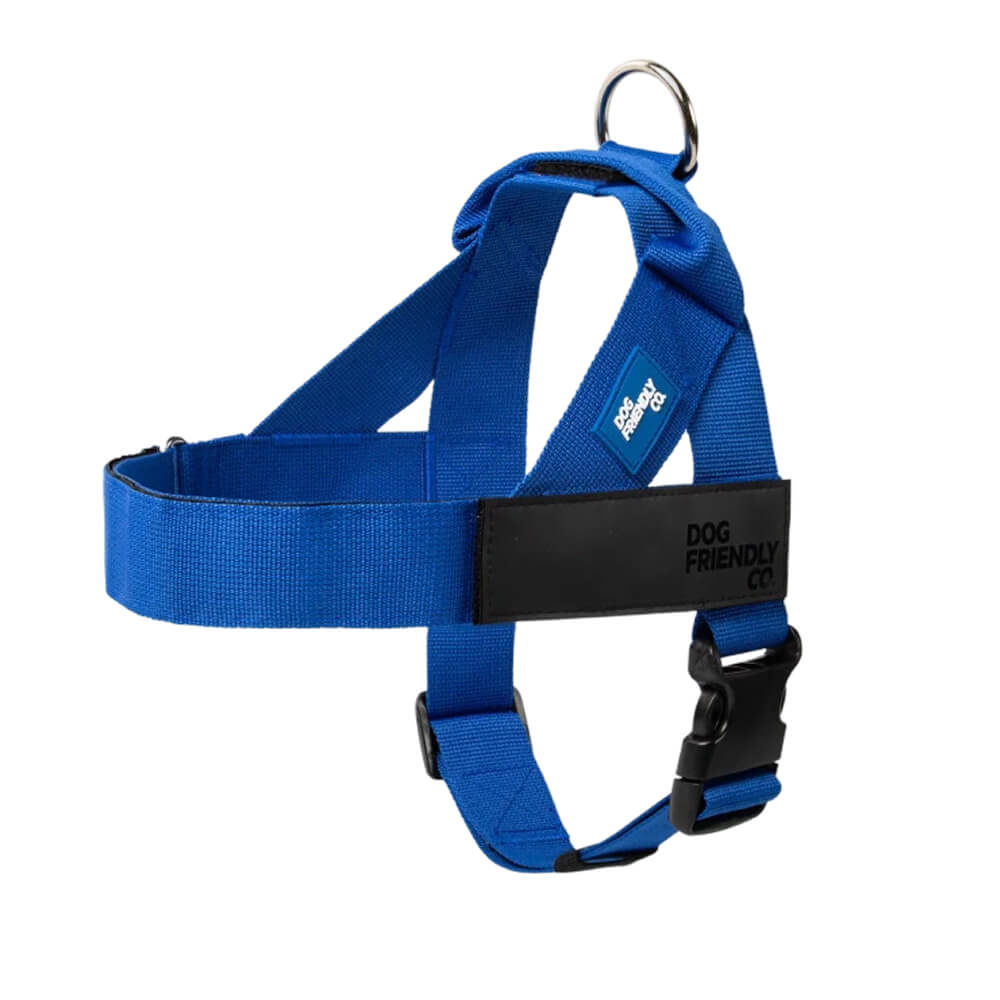
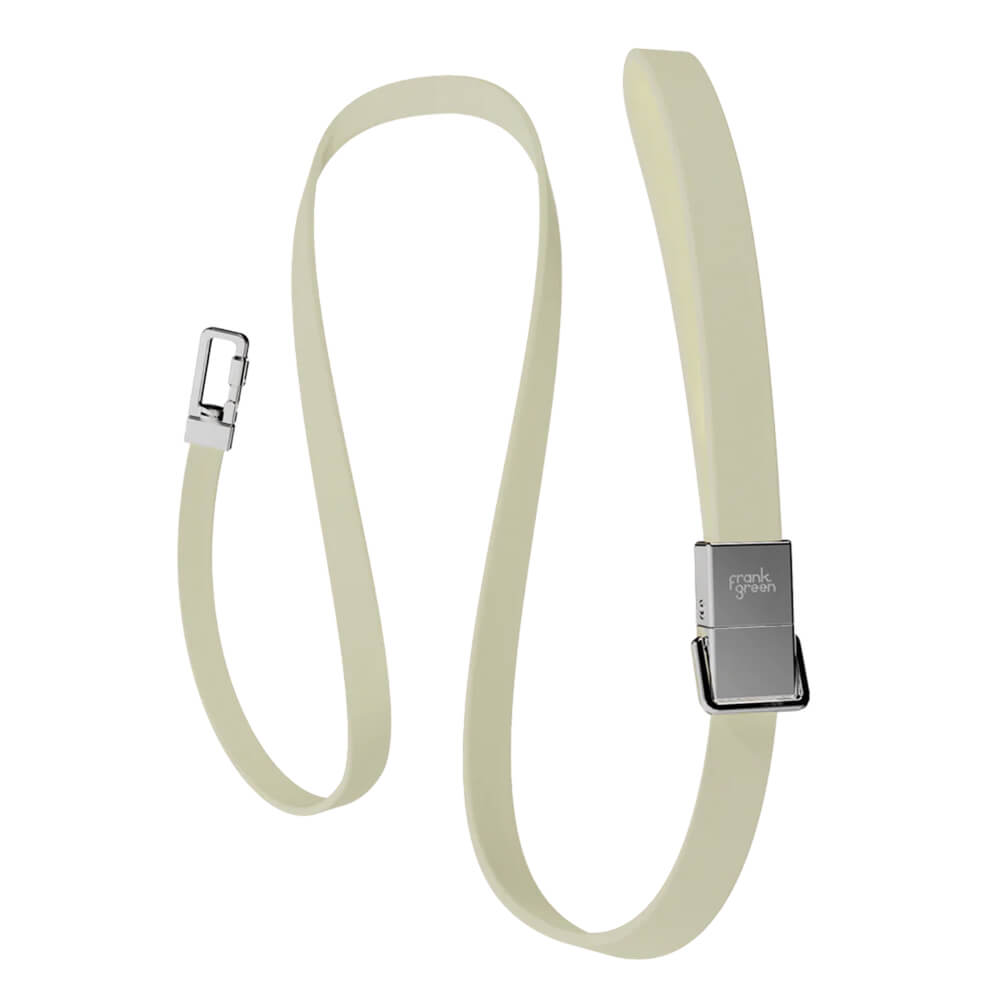
Start training early, while they're still small enough to manage physically. Lead manners and impulse control are critical — an adult Bull Terrier pulling on-lead is a genuine strength test. Socialisation with other dogs should begin in puppyhood and never stop. This breed needs a confident, consistent owner who sets clear boundaries without being adversarial.


Suitability
Bull Terriers suit experienced, active owners who enjoy a dog with personality, physicality, and a sense of humour. They're excellent for families with older children, people who want a robust exercise companion, and anyone who appreciates a breed that's genuinely unlike anything else. They can manage apartment living if exercise needs are fully met, but a house with a secure yard is ideal.
They're not the right breed for first-time owners, anyone who wants a biddable, easy-to-train dog, or households where the dog will be left alone for extended periods. Their health screening requirements mean you must buy from a reputable breeder — cheap, unscreened puppies carry serious risk. Vet bills can be substantial, and some insurers have breed surcharges. If you can handle the commitment, you'll get a loyal, hilarious, and fiercely devoted companion.
Frequently Asked Questions
How much does a Bull Terrier cost in Australia?
Are Bull Terriers aggressive?
What is the Roman nose on a Bull Terrier?
Are Bull Terriers good with kids?
How long do Bull Terriers live?



Comments
0 comments
Login to Join the Conversation 💬