






















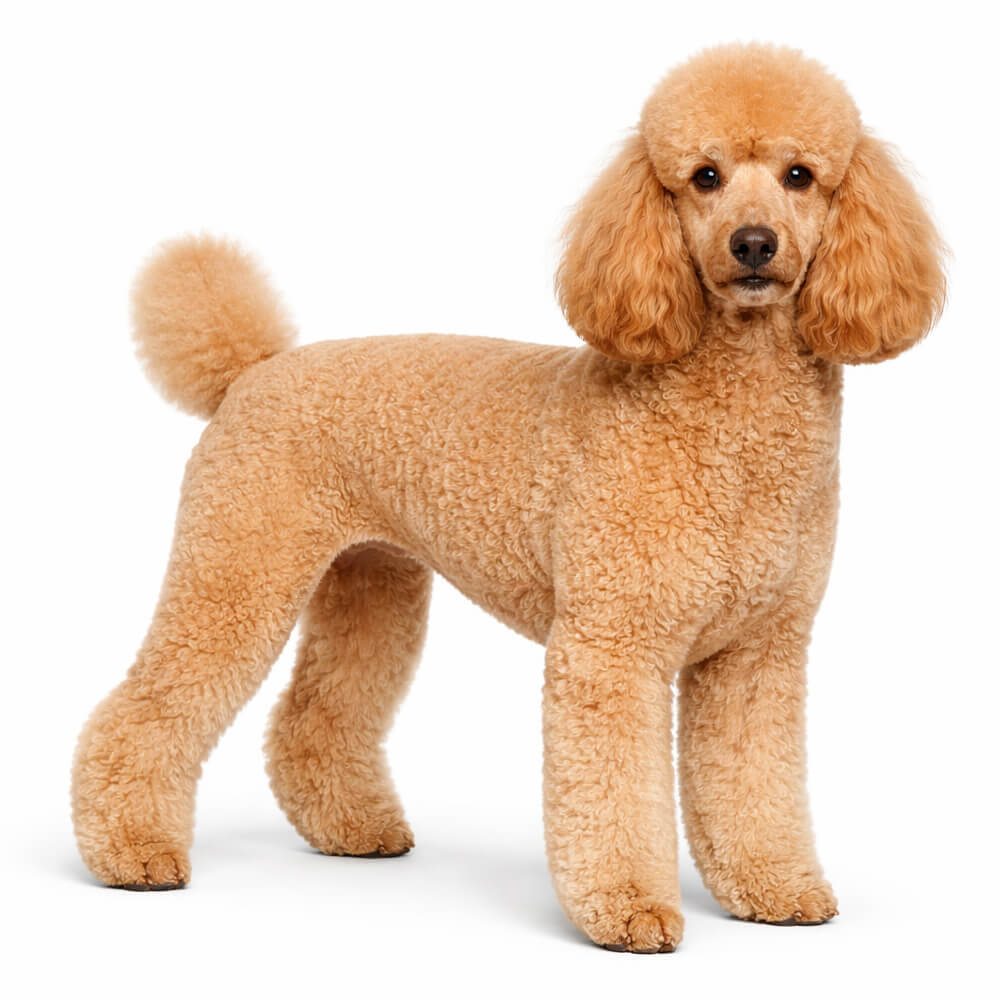

The Standard Poodle is a medium-to-large, athletic breed originally developed in Germany as a water retriever. Far from the primped show dog stereotype, the Standard Poodle is one of the most intelligent, versatile and capable breeds available — and the original from which the Miniature and Toy varieties were bred down.
Standard Poodles are active, trainable and genuinely enjoy working with their handler. They’re excellent family dogs with a gentle temperament and a low-shedding coat that makes them popular with allergy-conscious households. What surprises many first-time owners is just how athletic these dogs are — Standard Poodles are strong swimmers, capable retrievers and serious competitors in obedience and agility.
History and Origin
The Standard Poodle’s origins sit between Germany and France, with both countries claiming the breed. The name likely derives from the German "Pudel" (to splash), reflecting the breed’s original role as a water retriever for duck hunters.
The distinctive Poodle clip — often dismissed as purely cosmetic — was originally functional. Hunters shaved the coat to improve swimming efficiency while leaving hair around the joints and chest for warmth in cold water. The pom-poms had a purpose long before the show ring adopted them.
The Standard is the oldest and largest of the three Poodle varieties. Miniature and Toy Poodles were bred down from Standard stock for different working roles — the Miniature for truffle hunting, the Toy as a companion. In Australia, the Standard Poodle remains popular both as a family companion and as the foundation breed behind many designer crosses, including the Groodle, Labradoodle and Spoodle.
Temperament and Personality
Standard Poodles are intelligent, eager to please and remarkably in tune with their owners. They rank among the top two or three breeds for trainability and combine that with a gentle, even temperament that makes them excellent household companions.
With family, they’re affectionate and engaged. Standard Poodles want to be part of daily life and don’t do well when isolated in the backyard. They’re sensitive dogs — they pick up on household stress and respond to tone of voice more than most breeds.
Around children, Standard Poodles are generally patient and playful. Their size means they’re sturdy enough to handle the energy of younger kids without being easily knocked around. They’re not known for nipping or herding behaviour, which makes them one of the more natural family breeds.
With other dogs, Standard Poodles are typically friendly and sociable. They’re rarely aggressive or dominant and tend to get along well in multi-dog households. Their play style is energetic but not overbearing.
Energy-wise, Standard Poodles are active but able to settle. They need consistent daily exercise — walks, swimming, retrieving or dog sports — but they’re not as relentless as herding breeds. A well-exercised Standard Poodle is calm and composed indoors. A bored one will find creative ways to let you know.
Common Health Conditions
Standard Poodles are a generally healthy breed with a solid lifespan for their size, but they carry several genetic predispositions that warrant screening.
Hip Dysplasia
A developmental condition where the hip joint forms improperly. Standard Poodles are moderately predisposed due to their size. Ask breeders for hip scores and maintain a lean body weight throughout life.
Progressive Retinal Atrophy (PRA)
An inherited eye condition causing gradual vision loss. DNA testing identifies carriers. Reputable breeders screen both parents before mating. Standard Poodles are a known carrier breed.
Addison’s Disease (Hypoadrenocorticism)
A condition where the adrenal glands don’t produce enough hormones. Symptoms include lethargy, vomiting, weight loss and collapse during stress. Standard Poodles have a higher prevalence than most breeds. It’s manageable with lifelong medication once diagnosed, but can be fatal if missed.
Gastric Dilatation-Volvulus (Bloat/GDV)
A life-threatening emergency where the stomach fills with gas and rotates. Standard Poodles are at elevated risk as a deep-chested breed. Feed smaller, more frequent meals, avoid exercise immediately after eating and know the signs: restlessness, unproductive retching, distended abdomen.
Sebaceous Adenitis
An inflammatory skin condition that destroys the sebaceous (oil-producing) glands, leading to hair loss, scaling and secondary infections. It’s more common in Standard Poodles than in any other breed. Regular coat and skin checks help catch it early.
Pet insurance is a sensible investment for Standard Poodles, particularly given the potential costs of managing Addison’s disease or bloat surgery. Regular vet check-ups twice a year keep things on track.


Exercise
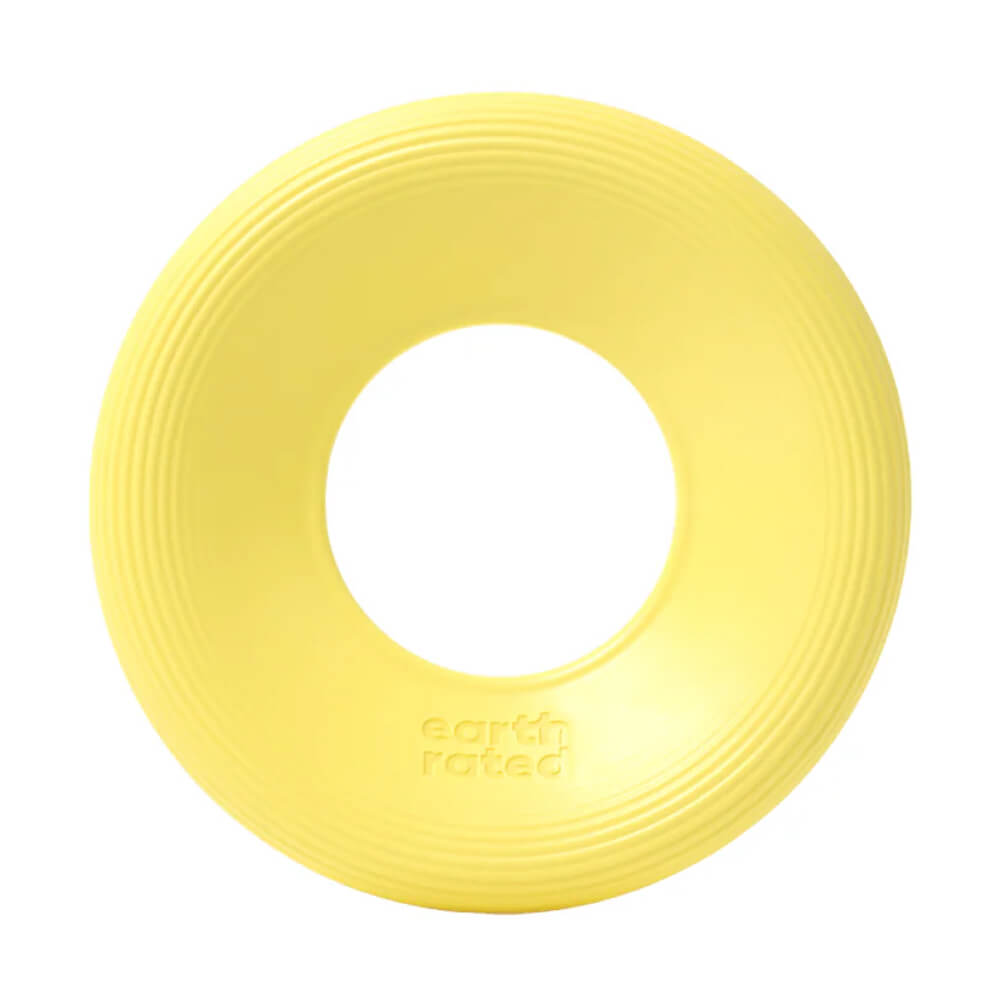
Standard Poodles need one to two hours of exercise daily. They’re natural swimmers and retrievers, so water-based activities suit them well. Walks, jogging, fetch and agility courses all work. Mental stimulation is equally important — puzzle toys and training sessions keep them sharp. In Australian summers, swimming is an ideal exercise option that avoids heat stress.
Grooming
The curly, single coat doesn’t shed in the traditional sense — loose hair gets trapped in the curls rather than falling onto furniture. This makes Standard Poodles low-shedding, but it does not make them low-maintenance. The coat mats quickly if not brushed regularly. Brush thoroughly every two to three days and book professional grooming every six to eight weeks. Ear care is important — Poodles grow hair inside the ear canal, which can trap moisture and cause infections.


Nutrition
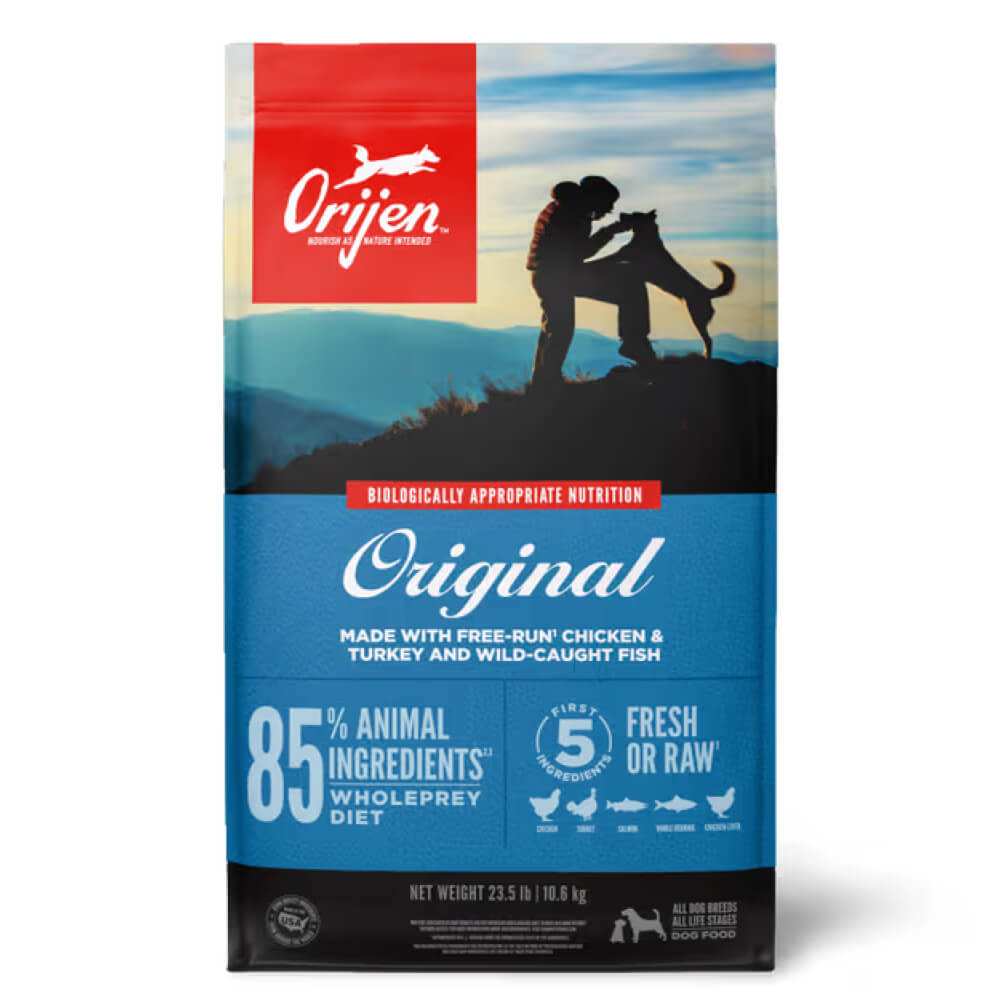
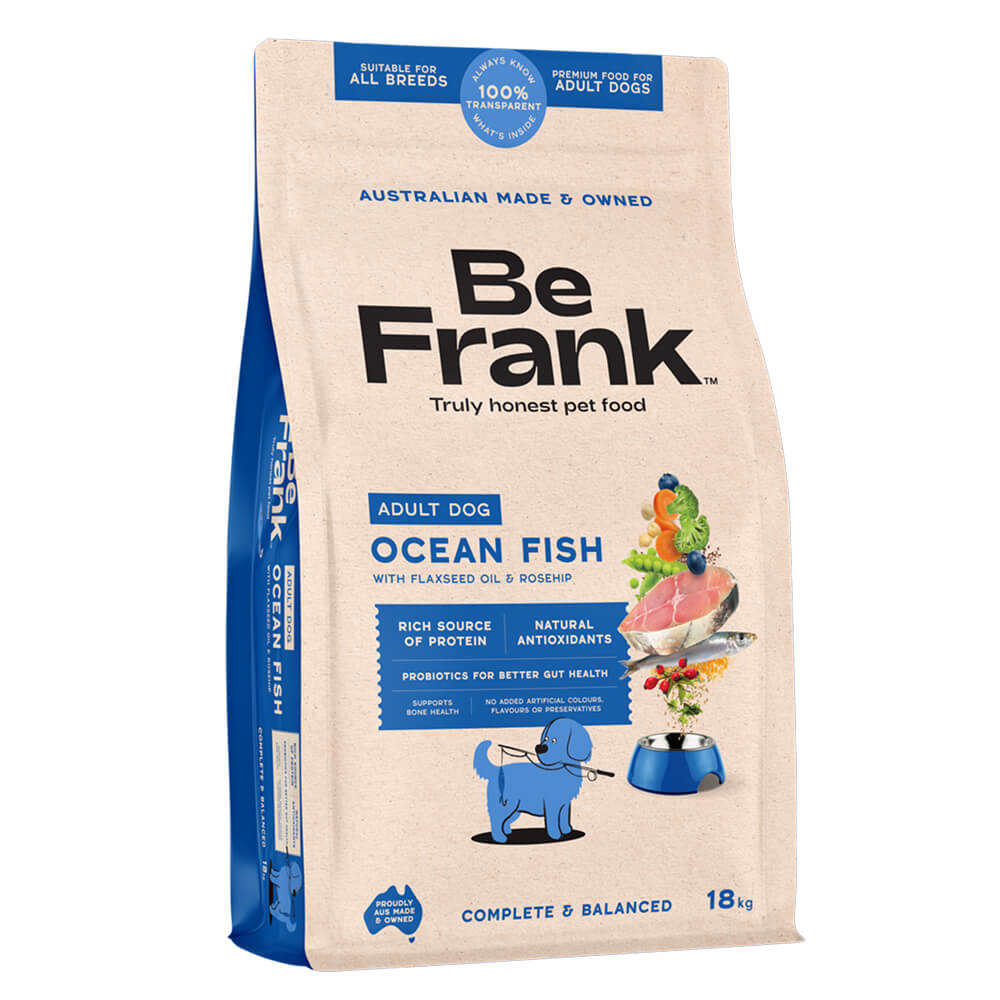
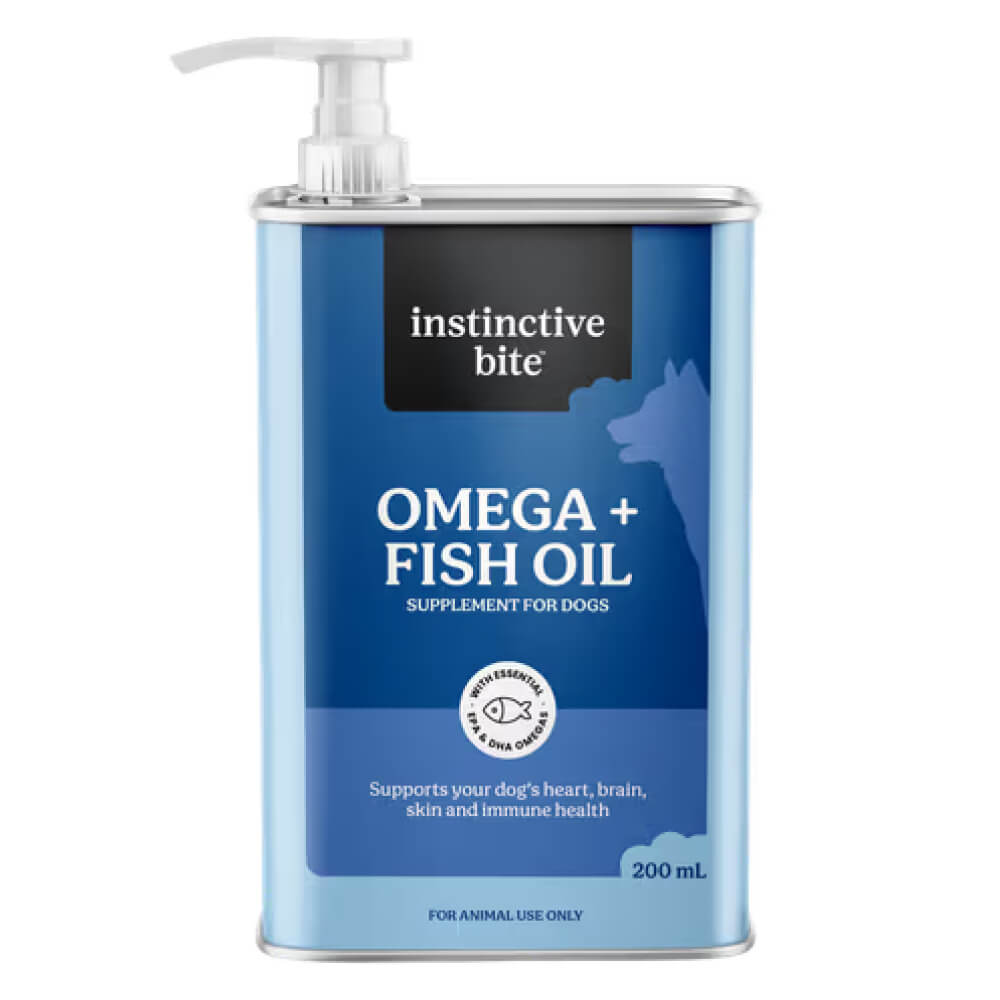
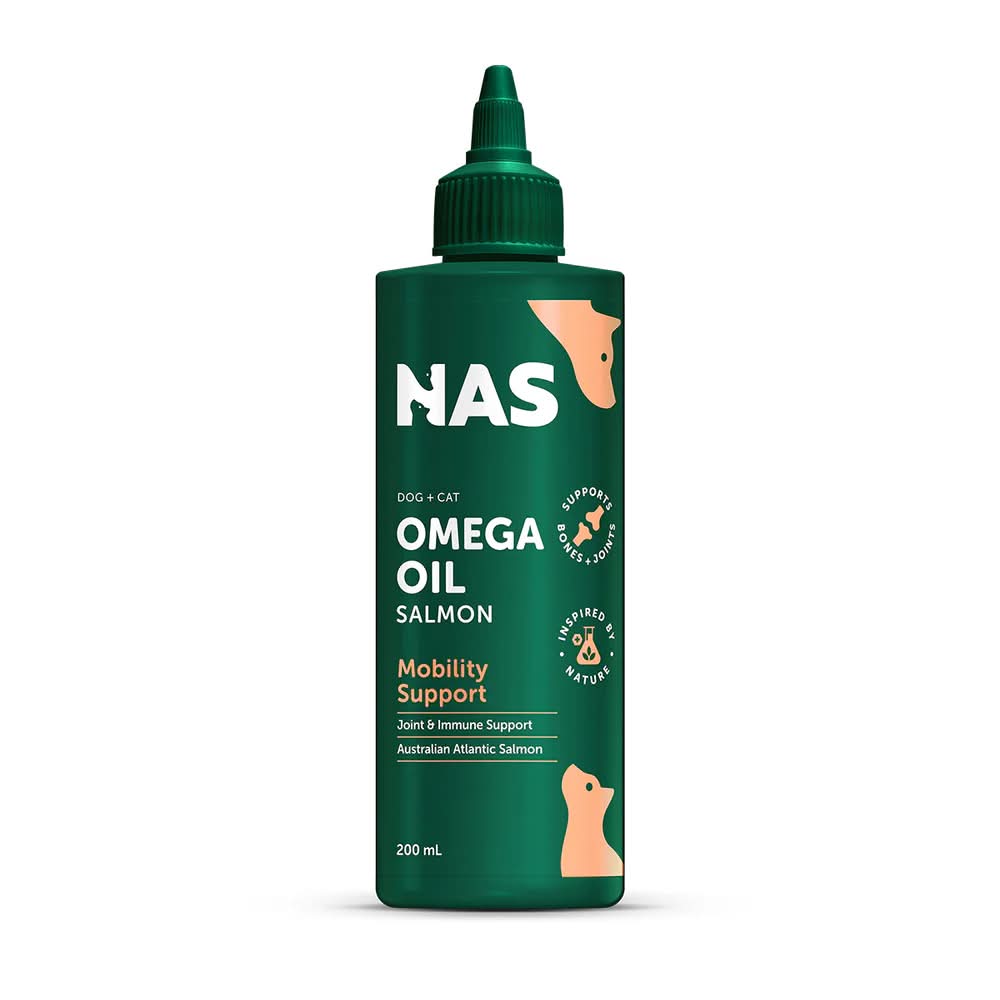
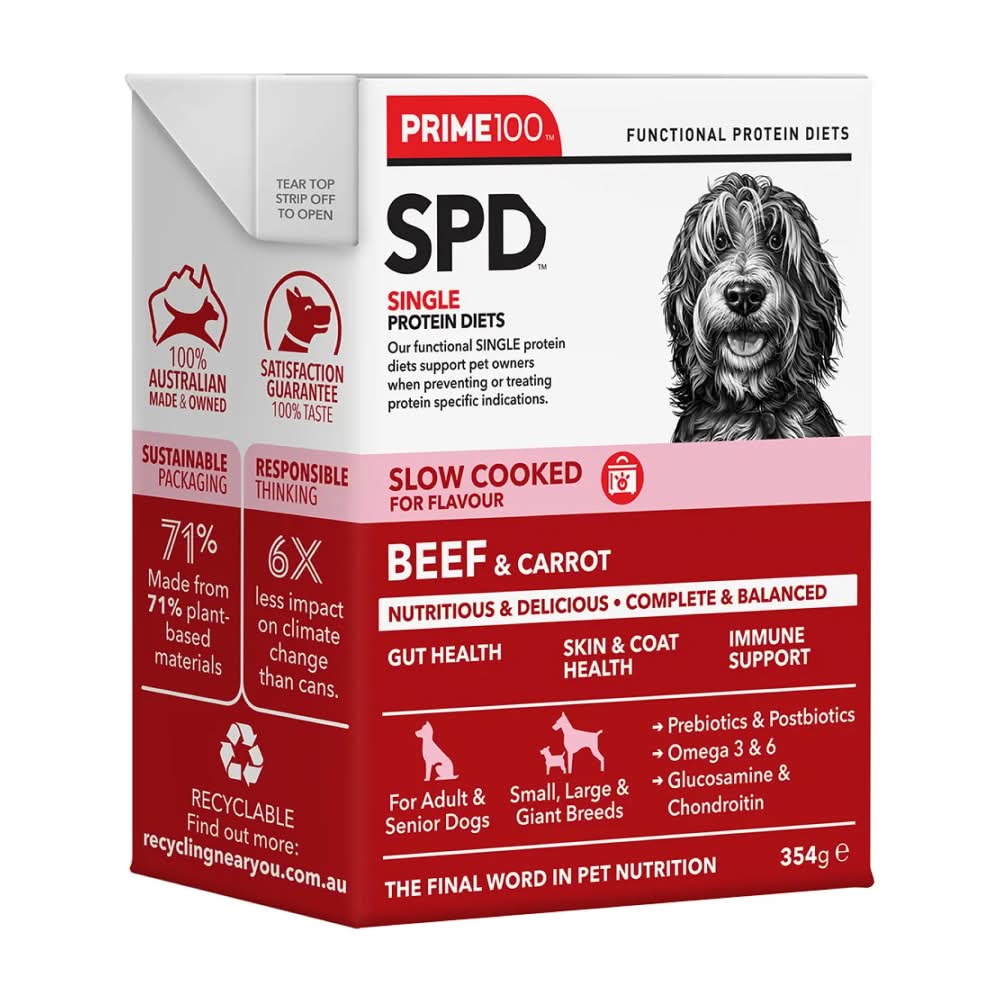
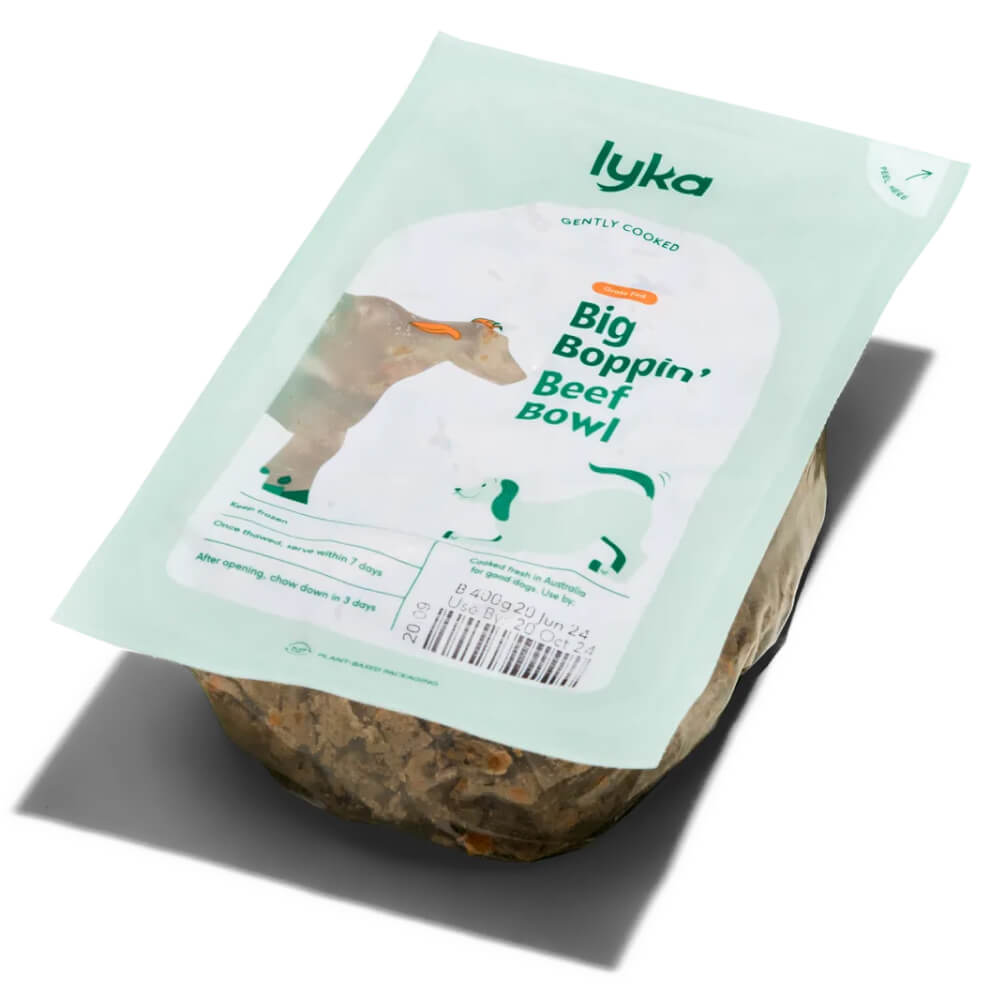
A high-quality, protein-rich diet suits the Standard Poodle’s active metabolism. Feed an age-appropriate formula and adjust portions to maintain a lean body condition. Joint supplements (glucosamine, omega-3 fatty acids) are worth considering given the breed’s hip predisposition. For dogs diagnosed with Addison’s disease, work with your vet on any dietary adjustments. Feed two smaller meals rather than one large one to reduce bloat risk. See our recommended foods for Standard Poodles below.


Training
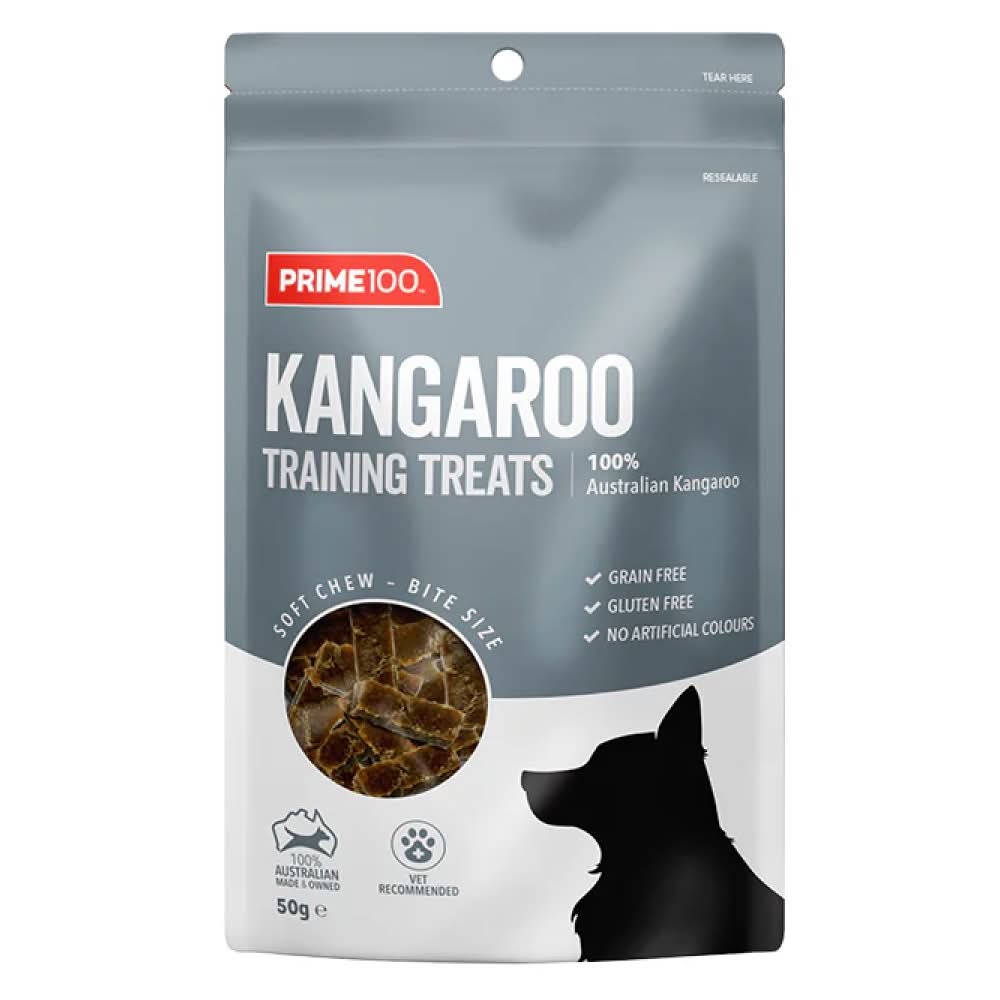
Standard Poodles are among the most trainable breeds in existence. They learn quickly, retain well and genuinely enjoy the process. Use positive reinforcement and keep sessions varied — their intelligence means they bore easily with repetitive drills. They excel in obedience, agility, tracking and water retrieving trials. Early socialisation is straightforward with this breed; they’re naturally sociable and responsive. The main training pitfall is being too soft — Poodles are sensitive but still need clear, consistent boundaries.

Suitability
Standard Poodles suit active families, couples and individuals who want an intelligent, trainable companion with a low-shedding coat. They’re a strong choice for allergy-conscious households, though no breed is truly hypoallergenic. A house with a yard is ideal, but they can manage apartment living if exercised consistently.
The grooming commitment is the reality check. Standard Poodles need regular brushing and professional grooming every six to eight weeks — that’s an ongoing time and cost commitment. If you’re not prepared for that, a shorter-coated breed is a better fit. Otherwise, the Standard Poodle is one of the most well-rounded, capable and genuinely enjoyable breeds you can own.
Frequently Asked Questions
How much does a Standard Poodle cost in Australia?
Do Standard Poodles shed?
Are Standard Poodles good family dogs?
What is Addison’s disease in Poodles?
How long do Standard Poodles live?


Comments
0 comments
Login to Join the Conversation 💬