







































The English Cocker Spaniel is a medium-sized gundog from the United Kingdom, bred to flush and retrieve game in dense cover. They're athletic, affectionate, and merry by nature — one of the most versatile spaniel breeds and a consistently popular choice in Australia.
What surprises most owners is the energy level. The English Cocker is not a lap dog in disguise — it's a working gundog that happens to be compact and friendly. Without adequate daily exercise, they become restless and hard to live with. Get the exercise right, and they're one of the most rewarding breeds going.
History and Origin
Cocker Spaniels have been flushing game birds in Britain for centuries, with references to spaniel-type hunting dogs appearing in English records as far back as the 14th century. The "Cocker" name comes from their proficiency hunting woodcock — a small, elusive bird requiring a dog with a fine nose and the drive to work dense undergrowth.
The breed was formally recognised by The Kennel Club in England in 1892. When American breeders diverged to develop a smaller, more heavily coated show type in the early 20th century, the original British dogs became known as the English Cocker Spaniel to distinguish the two. The split was formalised by the American Kennel Club in 1946.
In Australia, both show and working lines exist. Show-bred English Cockers tend to be calmer and more coat-focused; working-line dogs are leaner, higher-drive, and bred specifically for field performance. It's worth knowing which type you're buying — they're meaningfully different to live with.
Temperament and Personality
English Cocker Spaniels are famously merry dogs — enthusiastic, affectionate, and rarely switched off. They bond deeply with their family and are genuinely good with children, tolerating the noise and movement of a busy household better than many breeds their size.
They're sociable with other dogs and rarely aggressive, which makes multi-dog households and dog parks generally straightforward. Early socialisation still helps, particularly with working-line dogs that have stronger prey drive.
English Cockers are sensitive and emotionally attuned to their owners. They pick up on household tension quickly and don't respond well to harsh handling. Positive reinforcement works extremely well — they're eager to please and quick to read what's expected of them.
The one trait that catches new owners off guard is their nose. English Cockers have an exceptional scenting drive and will follow a smell with total focus, sometimes ignoring recall entirely. Solid recall training before off-lead access is not optional — it's essential.
Common Health Conditions
English Cocker Spaniels are a generally robust breed, but several heritable conditions appear with enough regularity to warrant awareness before buying.
Progressive Retinal Atrophy (PRA) — A hereditary condition causing gradual vision loss, eventually leading to blindness. DNA testing can identify affected dogs and carriers — always ask breeders for current PRA clearances on both parents.
Familial Nephropathy (FN) — A serious inherited kidney disease specific to English Cocker Spaniels that causes progressive renal failure. Affected dogs typically deteriorate rapidly. DNA testing of breeding stock has significantly reduced prevalence, but FN clearance should be non-negotiable when selecting a breeder.
Hip Dysplasia — Malformation of the hip joint causing pain and early-onset arthritis. Ask for hip scores on both parents. Avoiding over-exercise in puppyhood and maintaining a healthy weight throughout life reduce long-term impact.
Ear Infections — Those long, feathered ears trap moisture and restrict airflow — a reliable recipe for bacterial and yeast infections. Weekly ear checks and thorough drying after swimming or bathing are essential maintenance.
Hypothyroidism — An underactive thyroid causing weight gain, lethargy, and coat changes. It's manageable with daily medication once diagnosed, but owners need to know what to watch for. Unexplained weight gain in an otherwise well-fed, active dog is a common early sign.
Pet insurance taken out before any symptoms appear is sensible given the range of potential heritable conditions. Annual vet checks, including an eye exam, are worth building into the routine early.


Exercise
English Cocker Spaniels need one to two hours of exercise daily — this is not a breed that thrives on a short morning walk. They suit owners who run, hike, or have access to off-lead space where the dog can move freely and use its nose. Under-exercised Cockers become anxious, destructive, and vocal. Working-line dogs sit at the higher end of that exercise requirement.



Grooming
The coat needs brushing two to three times a week to prevent matting, particularly around the ears, chest, and leg feathering. Professional grooming every 8 weeks keeps the coat manageable. Ears need weekly cleaning — moisture trapped in those long flaps is the primary cause of infections. Show-coated dogs require more intensive grooming than working-line dogs, which are often kept in a shorter trim.



Nutrition
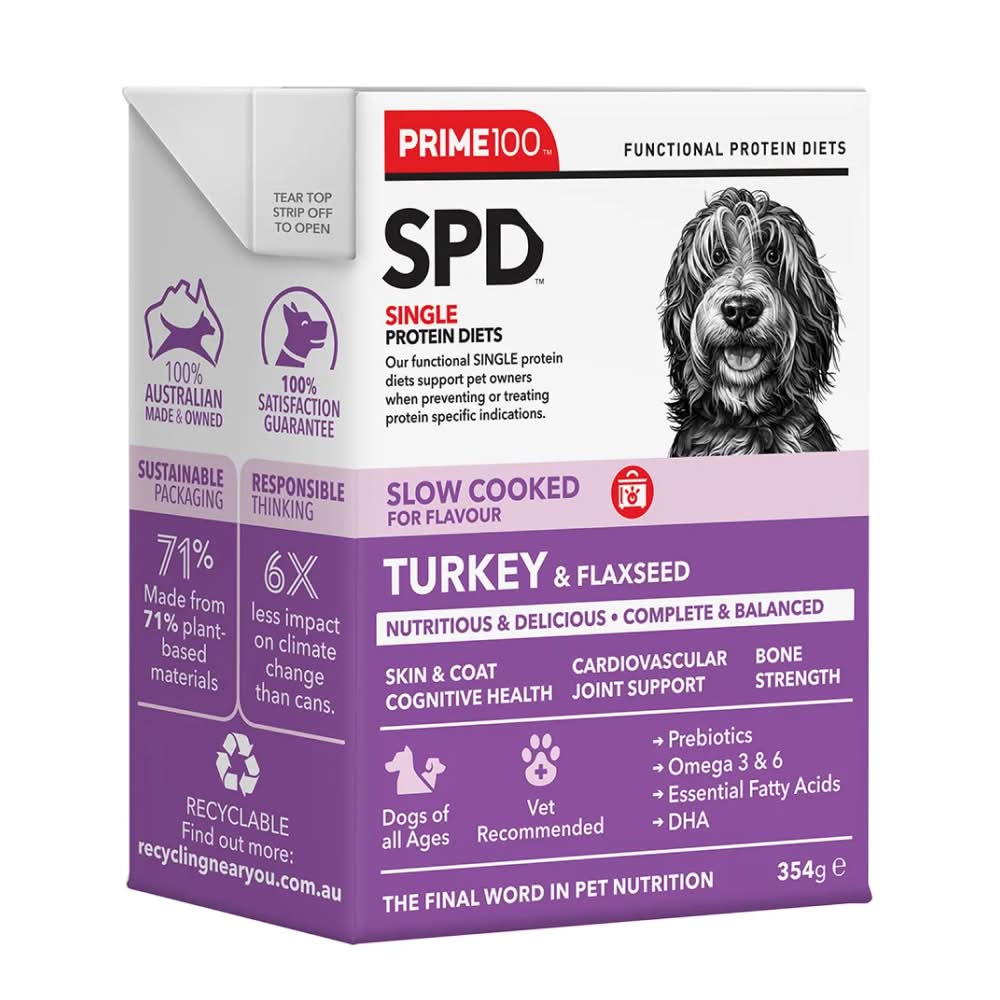
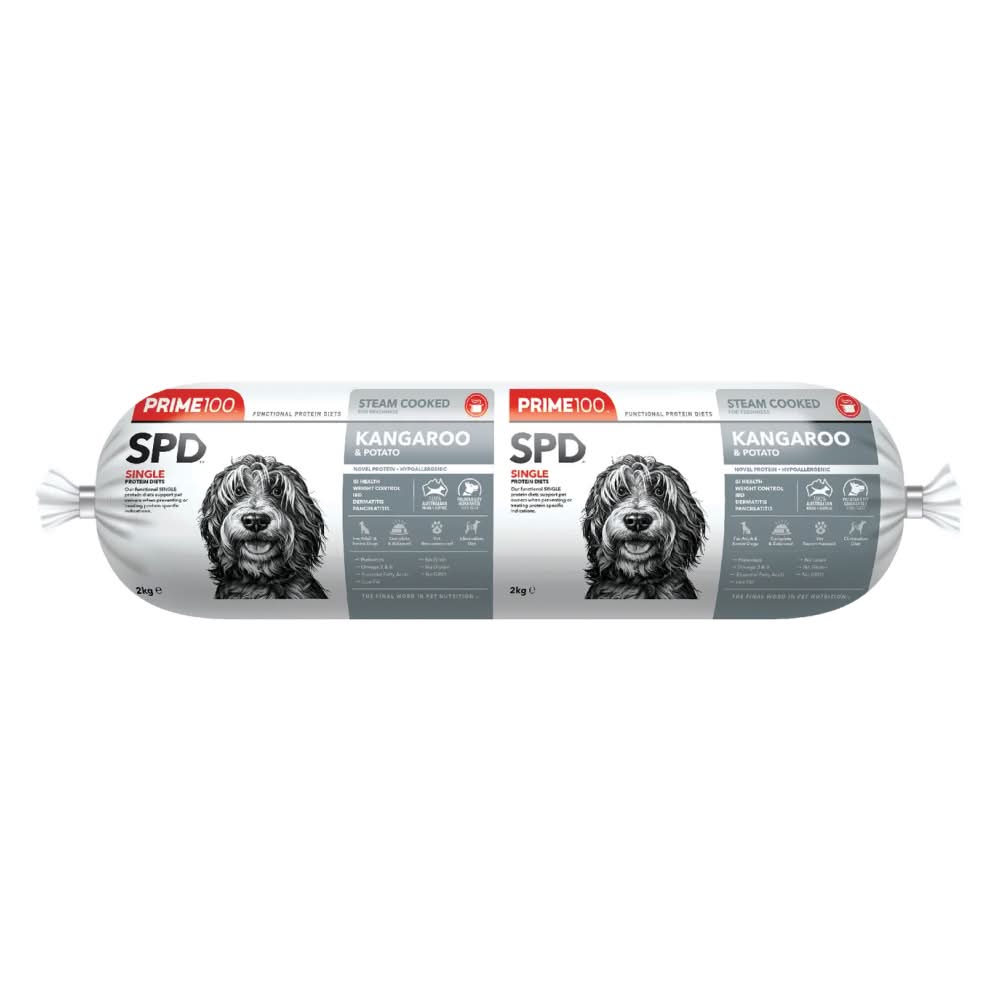
English Cockers are active dogs with a healthy appetite, but weight gain is still a risk if portions aren't managed. A high-quality adult formula suited to medium-sized active breeds works well for most. Working-line dogs with high exercise loads may benefit from a performance-oriented food. Omega-3 supplementation supports both coat health and joint function as they age. See our recommended foods for English Cocker Spaniels below.



Training
English Cockers are easy to train and genuinely enjoy it — short, reward-based sessions suit them well. The main challenge is recall, where scenting instinct can override even well-trained responses. Proofing recall in high-distraction environments should be a priority from early puppyhood. Socialisation with people, dogs, and environments in the first few months pays dividends for years.



Suitability
English Cocker Spaniels suit active households that can commit to serious daily exercise. They're a strong fit for families, experienced first-time owners, and people with outdoor lifestyles — hiking, running, or access to off-lead parks makes a real difference to how well this breed settles at home.
They're not suited to apartment living or sedentary households. An under-exercised English Cocker is a difficult dog — anxious, noisy, and destructive. Grooming costs are ongoing and non-negotiable, and buyers should factor in health testing when choosing a breeder, which typically pushes puppy prices higher. If you want a lower-energy companion dog, this isn't the right spaniel.
Frequently Asked Questions
How much does an English Cocker Spaniel cost in Australia?
Are English Cocker Spaniels good with children?
What's the difference between an English and American Cocker Spaniel?
Do English Cocker Spaniels bark a lot?
How long do English Cocker Spaniels live?






Comments
0 comments
Login to Join the Conversation 💬