

























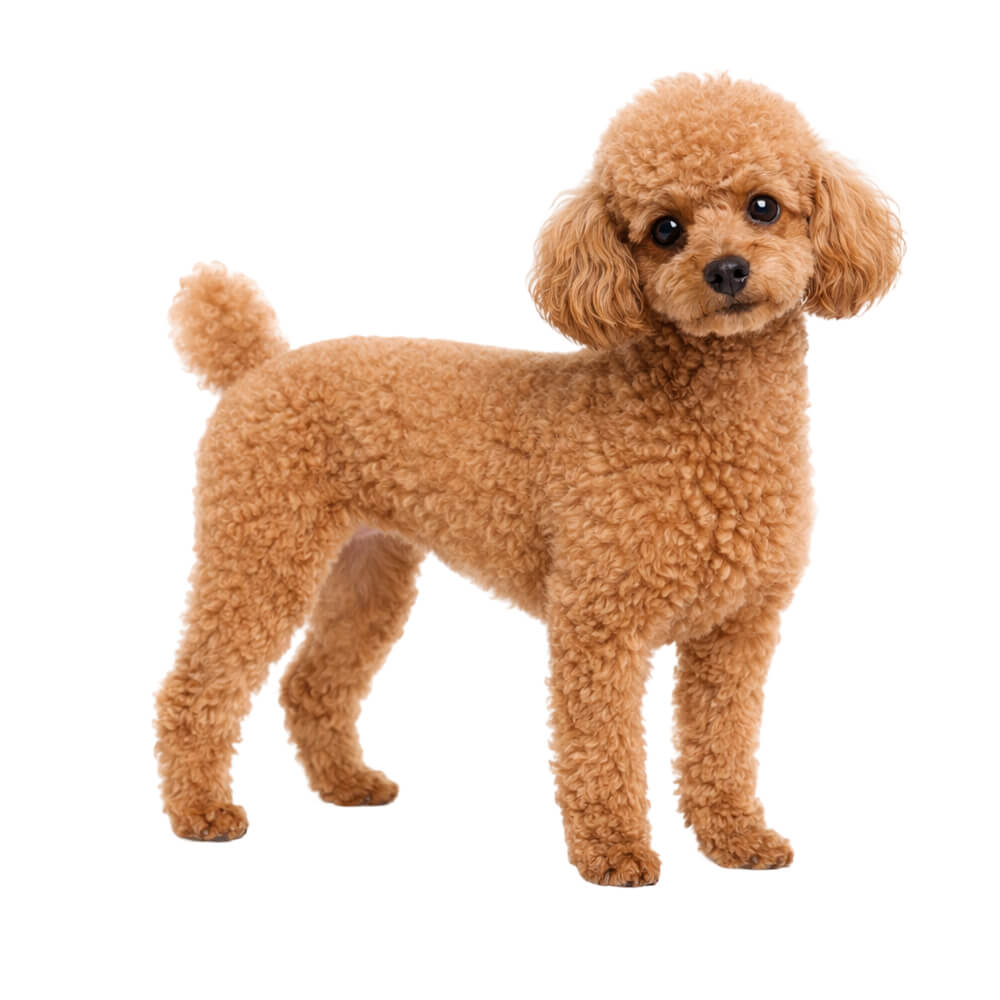

The Toy Poodle is the smallest of the three Poodle varieties, standing under 28cm at the shoulder. Bred down from the Standard Poodle purely for companionship, it carries the same intelligence, trainability and low-shedding coat as its larger cousins — in a package that fits on your lap.
Toy Poodles are sharp, alert and deeply attached to their owners. They’re one of the most popular small breeds in Australia for good reason: they’re adaptable, long-lived and genuinely easy to train. What catches many owners off guard is just how much personality these tiny dogs carry. A Toy Poodle will run the household if you let it — and it’ll look elegant doing it.
History and Origin
The Toy Poodle was developed by breeding the smallest Miniature Poodles together, primarily in France during the 18th century. While the Standard and Miniature varieties had working roles — water retrieving and truffle hunting respectively — the Toy was bred exclusively as a companion for the French aristocracy.
Toy Poodles became favourites in the courts of Louis XVI and were commonly seen in the laps of French nobility. Their intelligence made them popular circus performers across Europe, where they learned complex tricks that delighted audiences.
Despite the companion-only breeding history, modern Toy Poodles retain the intelligence and trainability of the Standard. They’re not just pretty lap dogs — they’re quick learners, responsive to training and capable of excelling in obedience and agility at the toy level. In Australia, the Toy Poodle remains one of the most sought-after small breeds, both as a companion and as foundation stock for toy-sized designer crosses.
Temperament and Personality
Toy Poodles are intelligent, alert and intensely bonded to their owners. They’re confident for their size and carry themselves with a self-assurance that often surprises people expecting a timid small dog.
With family, they’re affectionate and attentive. Toy Poodles want to be close to their person at all times — on the couch, in the bed, on your lap while you work. They’re sensitive dogs that respond to tone and mood, which makes them rewarding companions but also means they’re prone to anxiety in chaotic or inconsistent environments.
Around children, Toy Poodles need supervision. Their tiny frame makes them vulnerable to accidental injury from rough handling, drops or being stepped on. They can become snappy when frightened or hurt. Families with children under six should consider a Miniature or Standard Poodle instead.
With other dogs, Toy Poodles are generally sociable. They enjoy the company of other small dogs but can be overwhelmed or injured by larger, boisterous breeds. Introductions should be supervised and play matched to size.
Energy-wise, Toy Poodles are low-to-moderate. A daily walk and some playtime satisfy most. They’re active and alert indoors but don’t need the intensive exercise of larger varieties. Mental stimulation matters more than physical output — trick training, puzzle toys and interactive games keep them sharp and content.
Common Health Conditions
Toy Poodles are a long-lived breed, but their small size brings a specific set of health predispositions that owners should be aware of.
Patellar Luxation
The kneecap slips out of position, causing intermittent skipping or lameness. It’s one of the most common conditions in toy breeds. Mild cases may only need weight management; severe cases require surgical correction. Maintaining a lean body weight reduces stress on the joint.
Progressive Retinal Atrophy (PRA)
An inherited eye condition causing gradual vision loss. Toy Poodles are a known carrier breed. DNA testing identifies carriers, and reputable breeders screen before mating.
Legg-Calvé-Perthes Disease
The head of the femur deteriorates due to poor blood supply, causing hind-leg lameness and pain. It typically appears before 12 months of age. Surgical treatment is effective and recovery is generally good.
Tracheal Collapse
A progressive weakening of the cartilage rings in the windpipe, causing a honking cough, especially during excitement or exercise. It’s more common in toy breeds and can be managed with weight control, medication and using a harness instead of a collar.
Dental Disease
Toy Poodles are particularly prone to dental overcrowding, tartar buildup and gum disease. Their small jaws create tight spacing between teeth. Regular brushing at home, dental chews and professional cleaning are essential to avoid painful extractions.
Hypoglycaemia (Puppies)
Toy Poodle puppies can experience dangerous blood sugar drops, particularly during stress, missed meals or cold temperatures. Frequent, small meals during the first six months help prevent episodes.
Pet insurance is worth considering early, particularly for orthopaedic and dental conditions. Regular vet check-ups twice a year keep Toy Poodles on track for their long potential lifespan.


Exercise
Toy Poodles need 30 to 45 minutes of exercise daily. A moderate walk and a short play session suit them well. They enjoy learning tricks, playing fetch with small toys and exploring their surroundings at their own pace. Avoid over-exercising — their small frame doesn’t cope with long runs or high-impact activity. In Australian heat, keep walks to early morning or evening and carry water.
Grooming
The curly, single coat is low-shedding but high-maintenance. Brush every two to three days to prevent matting, and book professional grooming every six to eight weeks. The coat grows continuously and mats quickly if neglected. Ear care is important — Toy Poodles grow hair inside the ear canal, which traps moisture and leads to infections. Dental care is the other priority: brush teeth several times a week and schedule annual professional cleans.


Nutrition
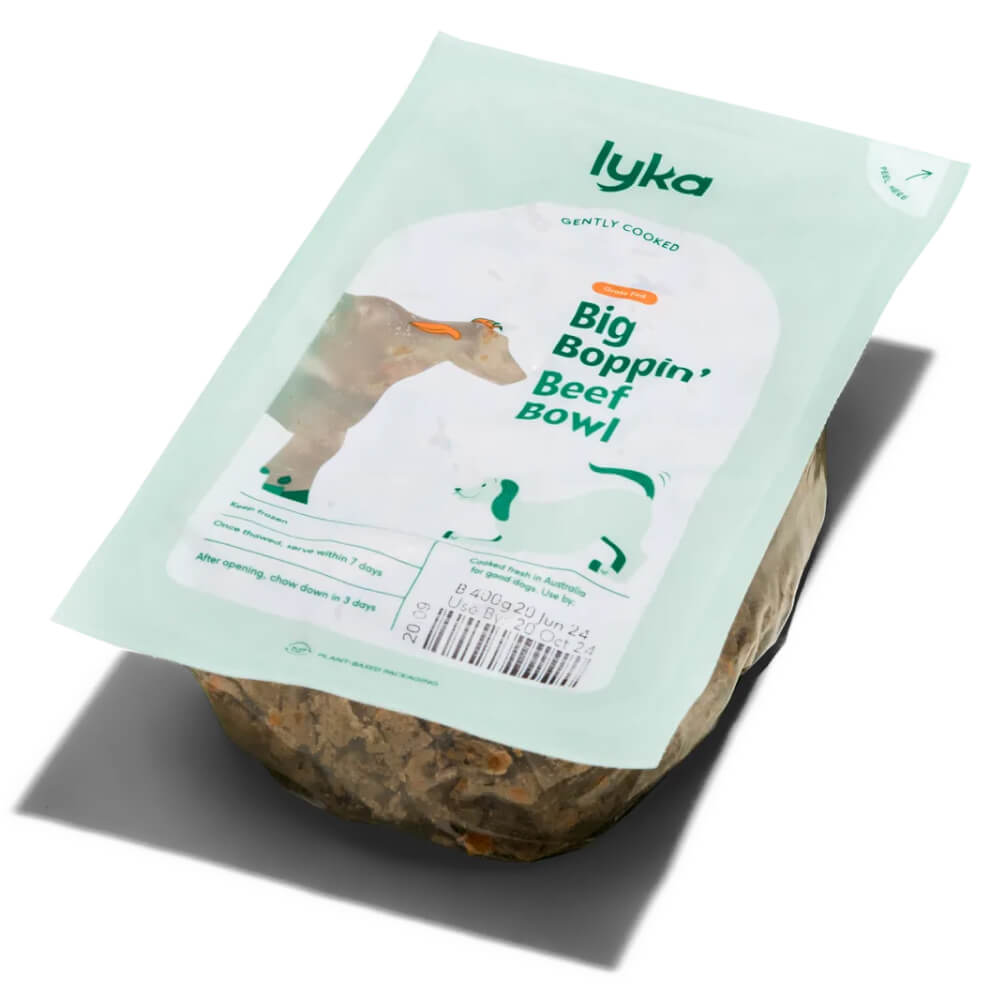
Toy Poodles need a high-quality, calorie-dense diet formulated for small breeds. Their fast metabolism means they burn energy quickly, and puppies in particular need frequent, small meals to avoid hypoglycaemia. Avoid overfeeding in adulthood — even a small amount of extra weight stresses the knees and worsens patellar luxation risk. Dental-friendly kibble and treats help maintain oral health. See our recommended foods for Toy Poodles below.


Training
Toy Poodles are exceptionally trainable. They rank among the smartest breeds and genuinely enjoy learning new commands and tricks. Use positive reinforcement with high-value rewards and keep sessions short and varied. The main challenge is inconsistency — many owners let small dogs get away with behaviours they’d correct in a larger breed. Set the same boundaries you’d set for any dog. Early socialisation is important to prevent fearfulness and excessive barking around strangers and unfamiliar environments.

Suitability
Toy Poodles suit apartment dwellers, retirees, singles and couples looking for an intelligent, low-shedding companion that doesn’t need hours of exercise. They’re ideal for smaller living spaces and adapt well to quieter households. Their long lifespan — often 15 years or more — makes them a genuine long-term commitment.
This breed is not ideal for households with very young children due to their fragile size. The grooming commitment is real: regular brushing and professional grooming every six to eight weeks is non-negotiable. Dental care is an ongoing cost and time investment. If you want a low-maintenance dog, a Toy Poodle isn’t it — but if you’re willing to put in the grooming time, few small breeds are as smart, trainable and rewarding to live with.
Frequently Asked Questions
How much does a Toy Poodle cost in Australia?
How big is a full grown Toy Poodle?
Are Toy Poodles good apartment dogs?
What is the difference between a Toy Poodle and a teacup Poodle?
How long do Toy Poodles live?

Comments
0 comments
Login to Join the Conversation 💬