




.png)












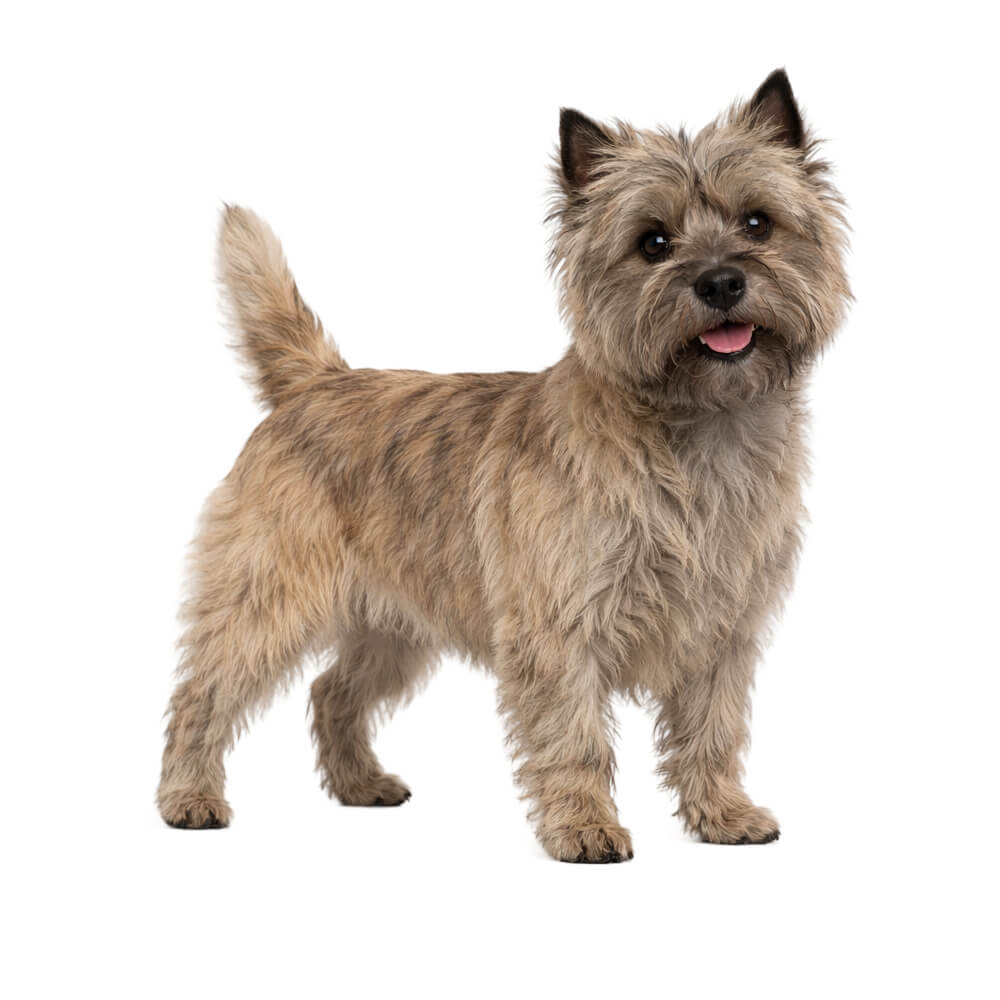

The Cairn Terrier is a small, hardy working terrier from the Scottish Highlands, bred to hunt vermin in stone cairns. Best known as Toto from The Wizard of Oz, it's one of Scotland's oldest natural terrier breeds — tough, alert, and refreshingly low-maintenance.
Cairns are the foundation breed for several other terriers, including the West Highland White and Scottish Terrier. They've kept their working build and weatherproof coat largely unchanged since Victorian times — no exaggerated features, no heavy grooming, no fashionable refinements. What you see is essentially what Scottish crofters bred two centuries ago, and that practicality is what makes them one of the easiest small terriers to live with in modern Australian homes.
History and Origin
The Cairn Terrier originated in the Scottish Highlands and the Isle of Skye, where farmers and gamekeepers bred small, agile terriers to clear vermin from rock cairns — the stone piles used as boundary markers and burial sites. The breed needed to be small enough to squeeze between rocks, brave enough to face foxes and otters, and tough enough to handle Scottish winters. They worked in packs alongside larger hounds.
For centuries, these working terriers were grouped together with what we now call West Highland Whites and Scottish Terriers — essentially the same dog with colour and conformation variations. The Cairn was officially recognised as its own breed by the Kennel Club in 1909. Selective breeding for type happened relatively late, which is why the modern Cairn still looks remarkably like its working ancestors.
Cairns arrived in Australia in the early 20th century and have a small but committed following. The harsh outer coat that kept Highland rain at bay also offers some protection against UV. Their compact size and adaptable nature make them genuinely practical for both city and country living, though they're more common in southern states than the tropics.
Temperament and Personality
Cairn Terriers are alert, busy, and endlessly curious. They approach every walk like a job site inspection — checking under bushes, investigating new smells, and treating every shrub as a potential vermin habitat. Despite the busyness, they're remarkably even-tempered for terriers, with less of the hyper-reactive edge you see in Jack Russells or Fox Terriers.
With family, they're affectionate and devoted without being clingy. They're one of the most child-friendly terrier breeds — patient, sturdy, and tolerant of the rough handling young kids sometimes deliver. Around strangers, they're typically friendly rather than guarded, though they'll bark to announce a visitor.
Cairns generally get along well with other dogs, which is unusual in the terrier group. They were bred to work in packs, so canine sociability is built in. Their relationship with smaller pets is a different story — rabbits, guinea pigs, and pet rats are at genuine risk. They retain strong prey drive that's nearly impossible to train out.
Indoors, Cairns settle well — they're not the relentless attention-demanders some terriers are. Outside, the energy switches on instantly: they want to walk, sniff, dig, and investigate. The breed's defining quirk is digging. A bored Cairn in your garden will redesign it for you, with admirable thoroughness.
Common Health Conditions
Cairn Terriers are one of the healthier small terrier breeds, with strong overall vitality and a long average lifespan. Responsible breeders screen for several known genetic conditions, and DNA tests exist for some.
Globoid Cell Leukodystrophy (Krabbe Disease)
A severe inherited neurological condition where puppies lack a key enzyme needed for proper nervous system function. Affected dogs deteriorate within months and rarely reach adulthood. A DNA test identifies carriers, and ethical breeders test before mating. Always confirm parents are clear or carrier-tested.
Patellar Luxation
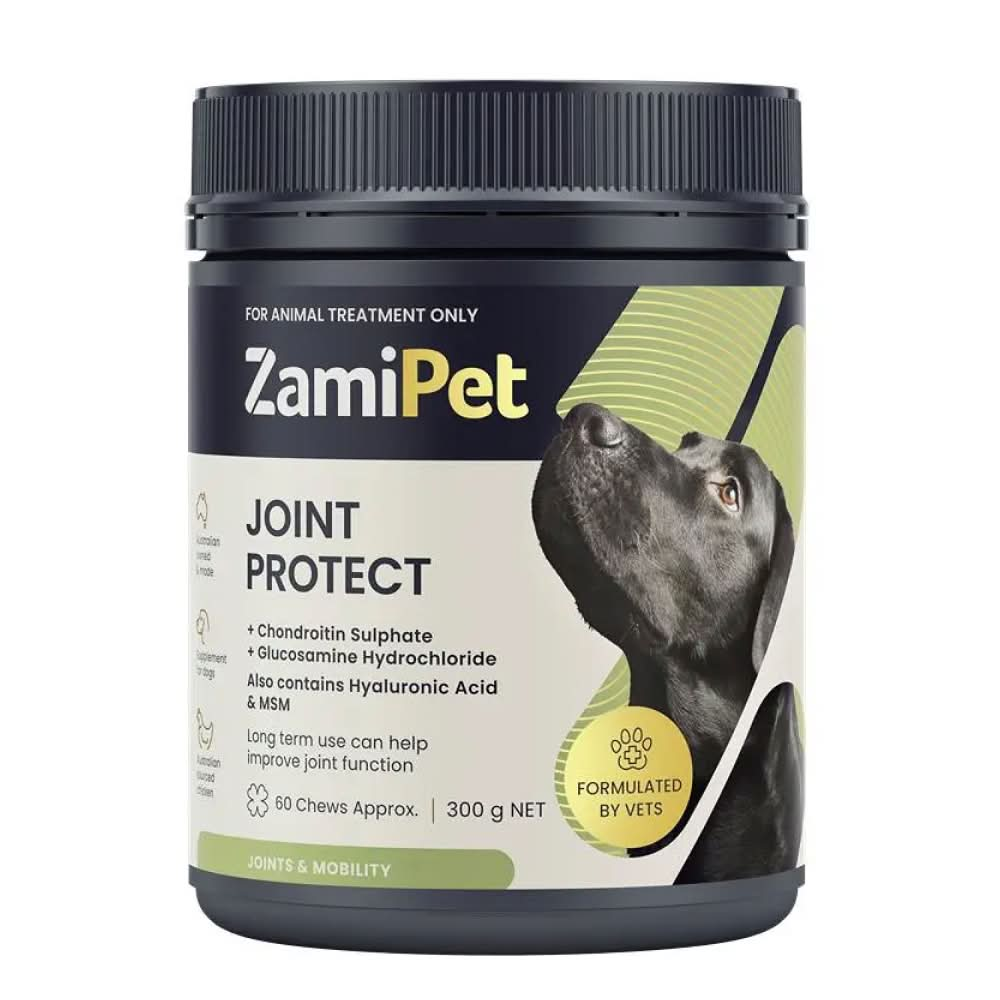
The kneecap slips out of its groove, common in small breeds. Signs include intermittent skipping, stiffness, or occasional lameness. Mild cases respond to weight management and joint support; severe cases need surgical correction.
Portosystemic Shunt (Liver Shunt)
A vascular abnormality where blood bypasses the liver, allowing toxins to circulate. Symptoms include stunted growth, disorientation, and excessive drinking. Bile acid tests confirm diagnosis, and surgical correction has good outcomes when caught early.
Hip Dysplasia
Less common in Cairns than in larger breeds but documented in some lines. Signs include stiffness after rest and reluctance to jump. Hip scoring of breeding dogs reduces incidence.
Eye Conditions
Cataracts, progressive retinal atrophy, and glaucoma occur in the breed. Annual eye examinations identify issues early, and some forms have available DNA tests.
Pet insurance is a sensible investment, particularly given the cost of liver shunt or eye surgery if either is required.


Exercise
Cairns need around 45 minutes of daily exercise — enough to satisfy their busy minds without leaving them depleted. Brisk walks, off-lead play in fenced parks, and games that involve searching or sniffing suit them well. They're not built for jogging long distances, but they have surprising stamina for hikes and bushwalks.
Mental stimulation matters as much as physical exercise. Scent games, food puzzles, and training sessions tap into their working instincts. Off-lead recall is a known challenge — once a Cairn locks onto a scent, calling them back rarely works.
Grooming
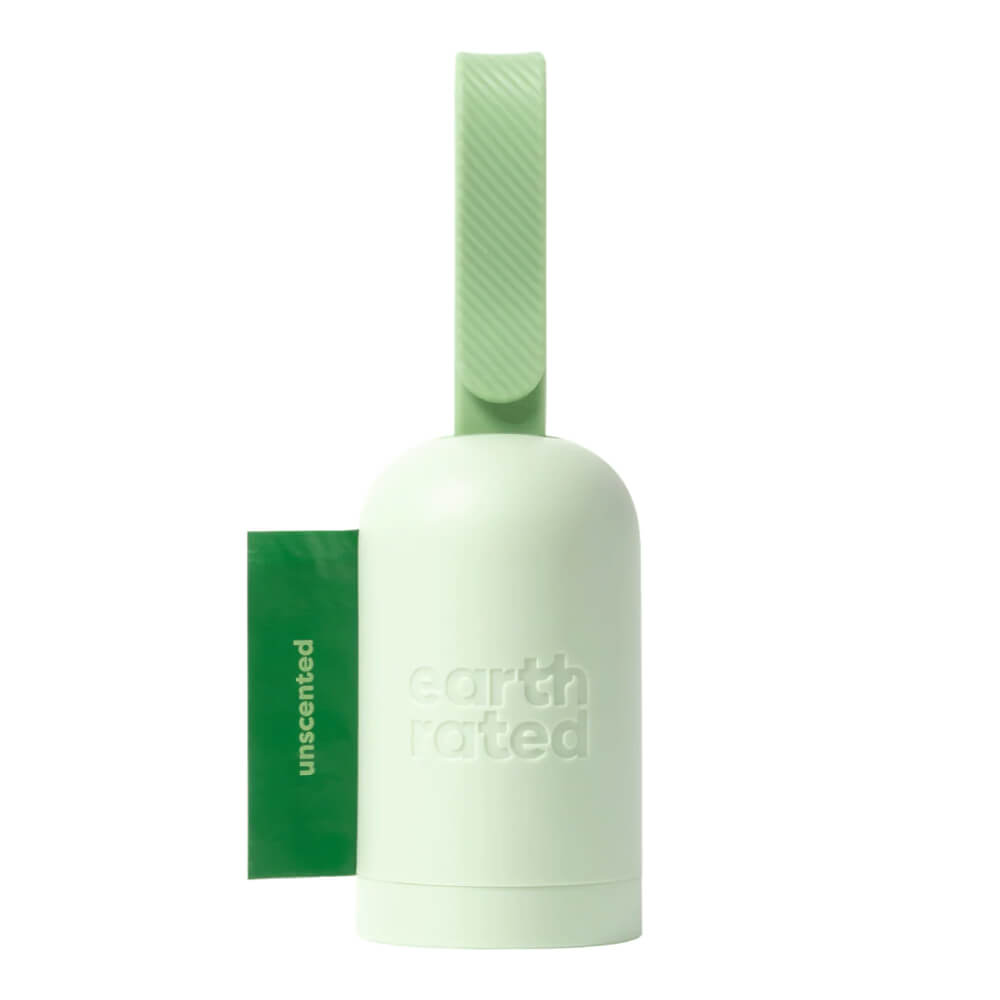
The Cairn's harsh double coat is one of the easier terrier coats to maintain. Hand-stripping twice a year keeps the texture correct and removes dead hair. Most pet owners opt for clipping, which is simpler but softens the coat over time and increases shedding.
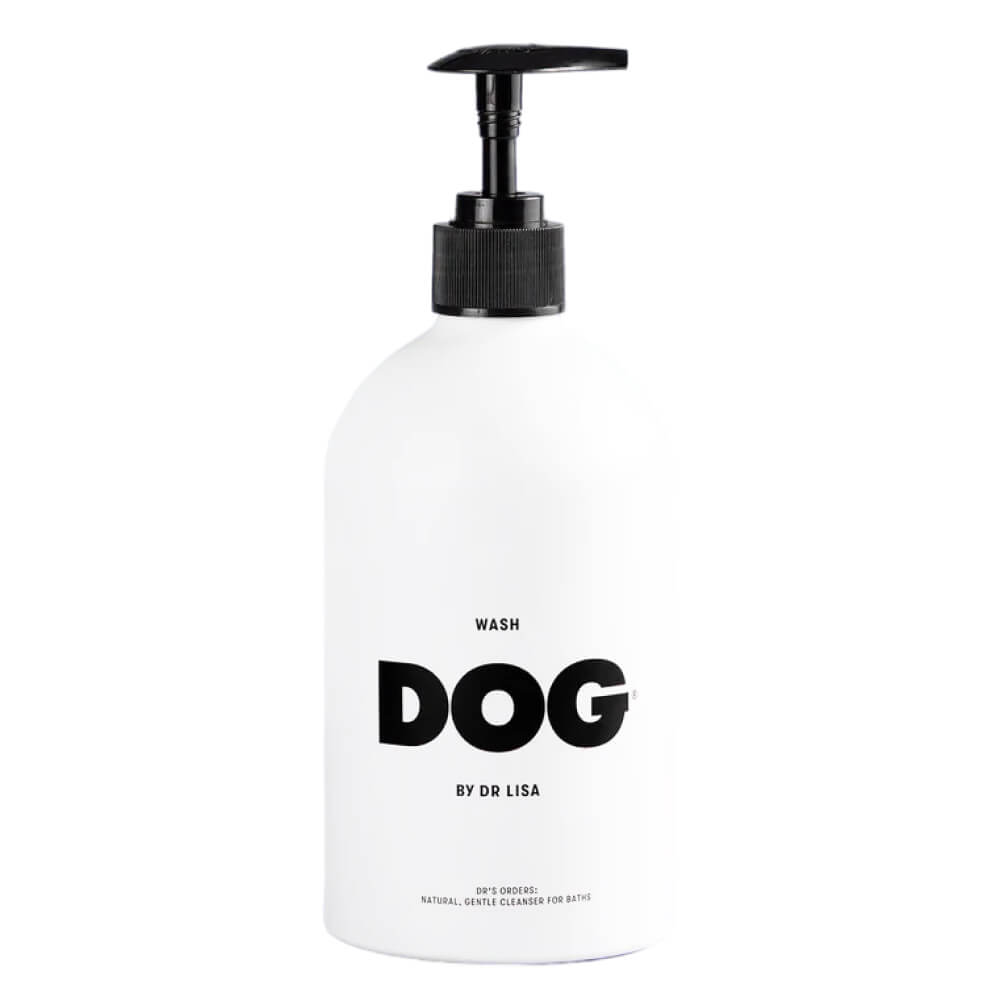
A weekly brush keeps the coat tidy and prevents matting around the legs and belly. Cairns don't need frequent bathing — their weatherproof coat naturally repels dirt. Check ears weekly and trim nails monthly.


Nutrition
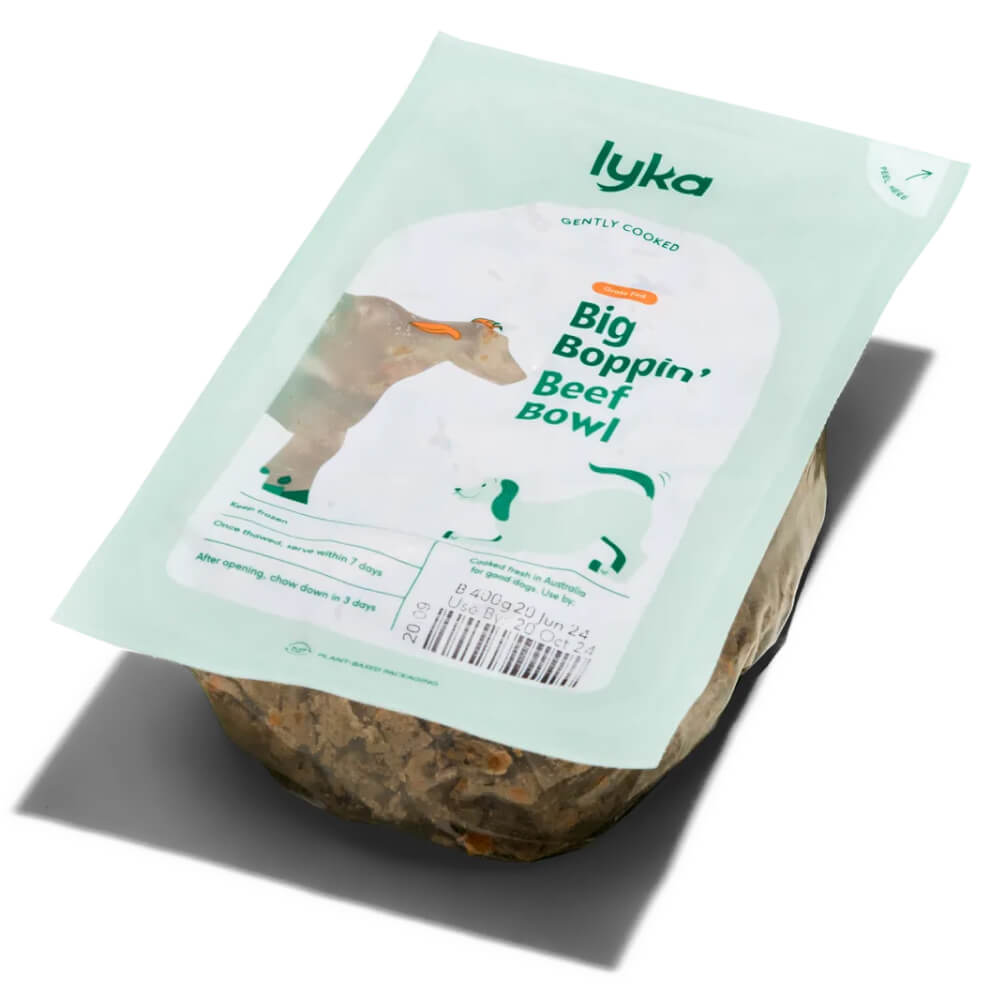
Feed a high-quality small breed formula appropriate for active dogs. Cairns can be food-motivated and gain weight if portions aren't measured, particularly as they age. Two meals a day works well, with treats kept in proportion to total daily calories.
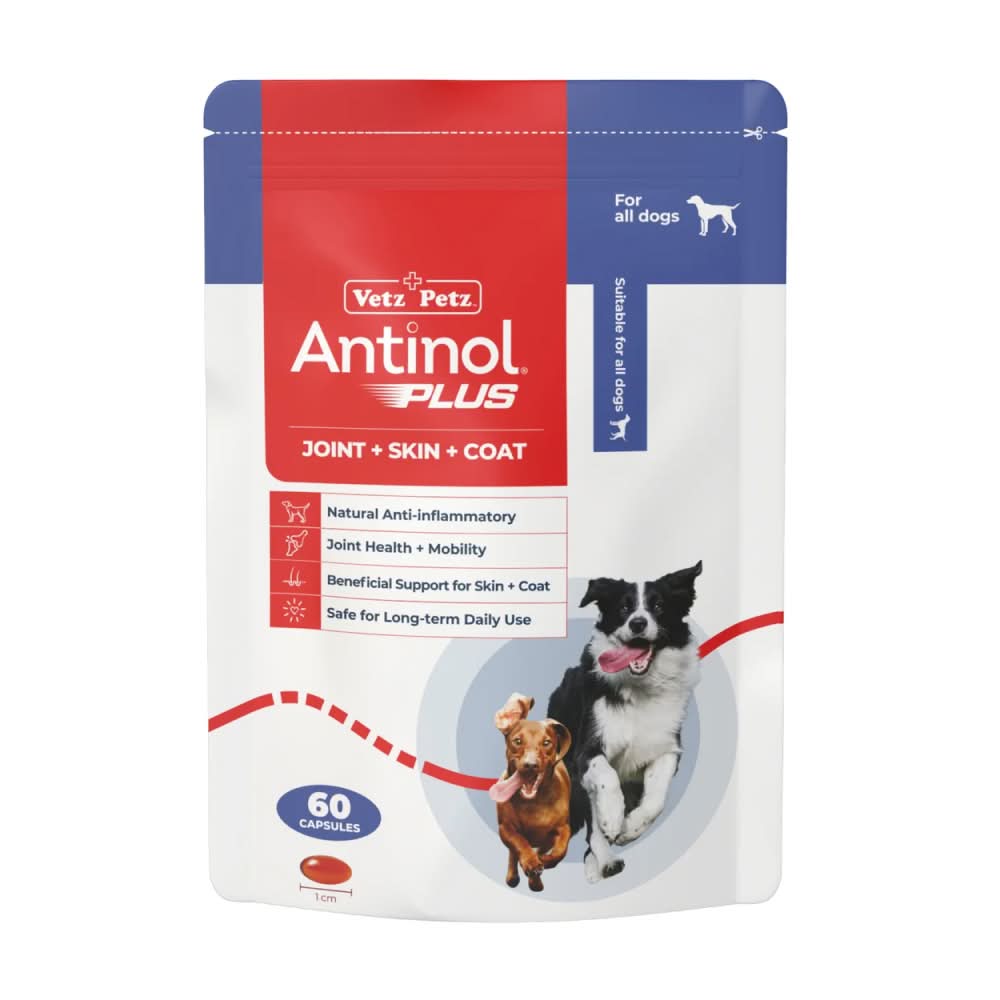
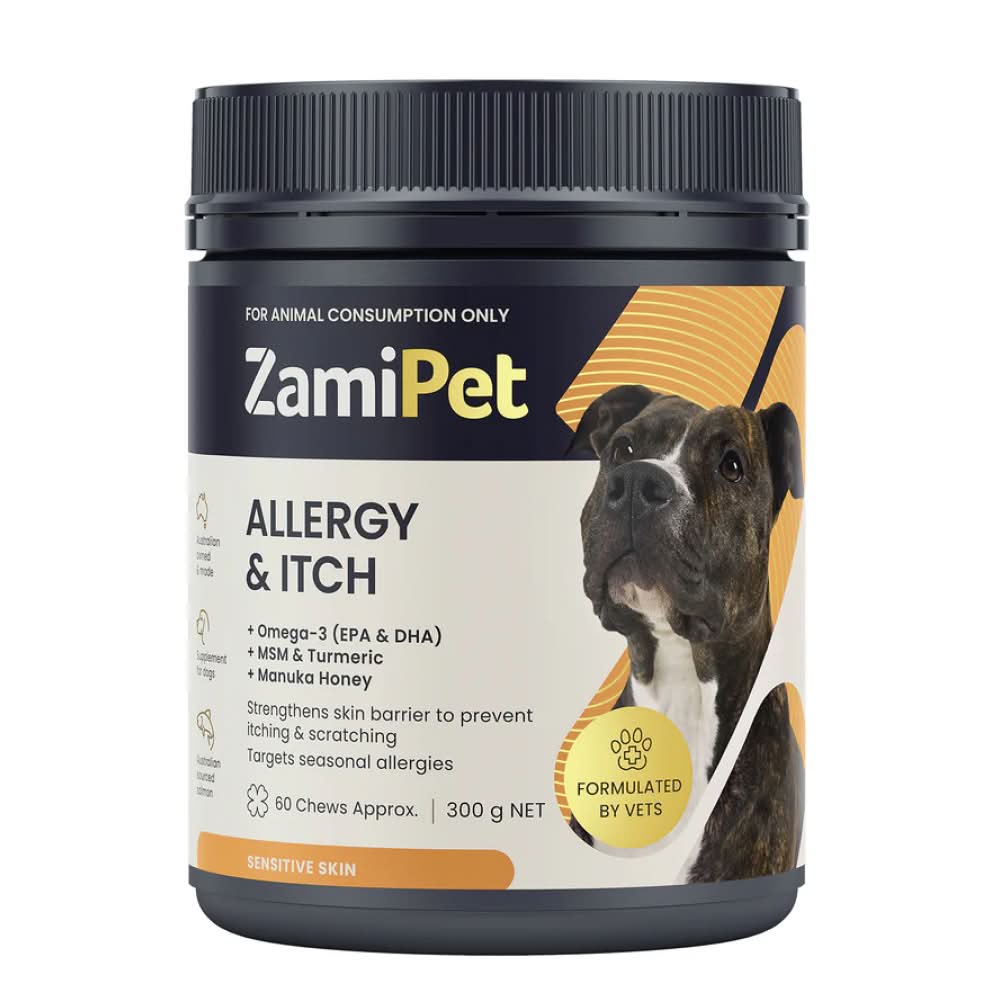
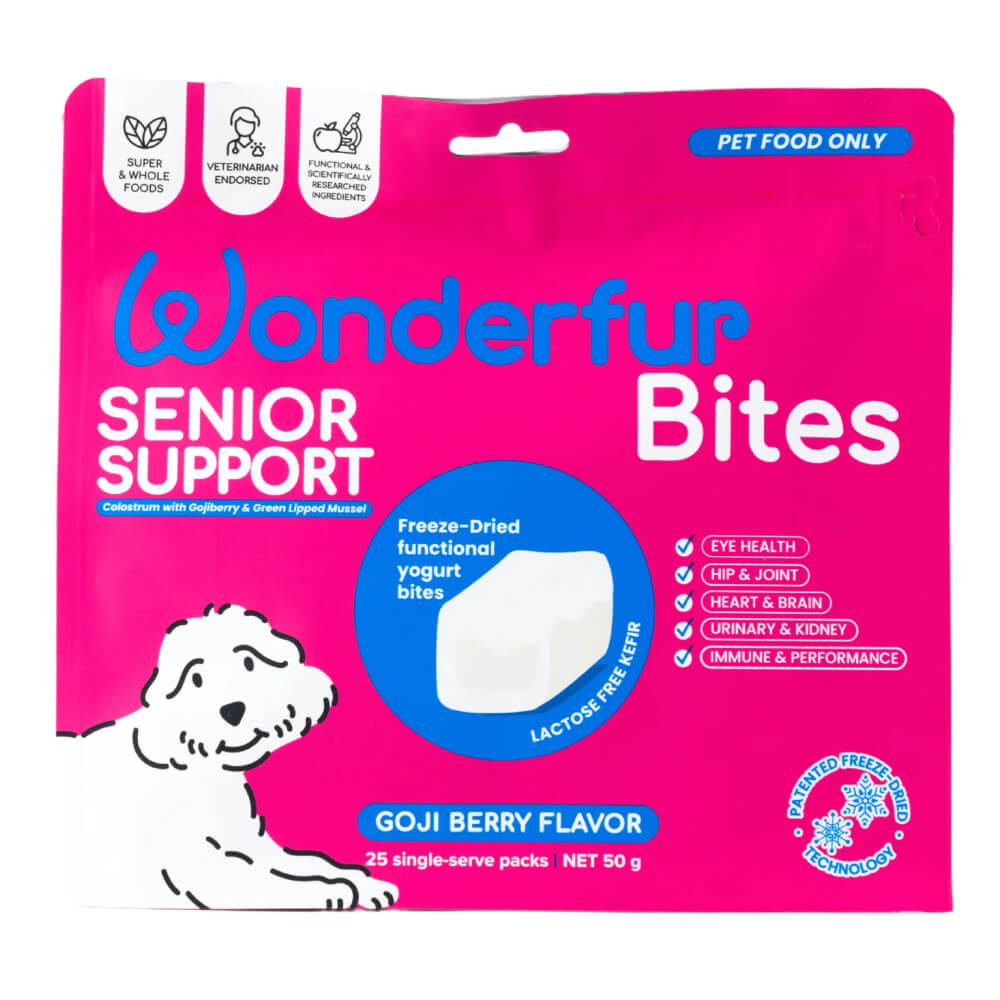
For Cairns with skin sensitivities, limited-ingredient diets often help. Adequate protein supports their active lifestyle, and joint supplements are worth considering for older dogs. See our recommended foods for Cairn Terriers below.

Training
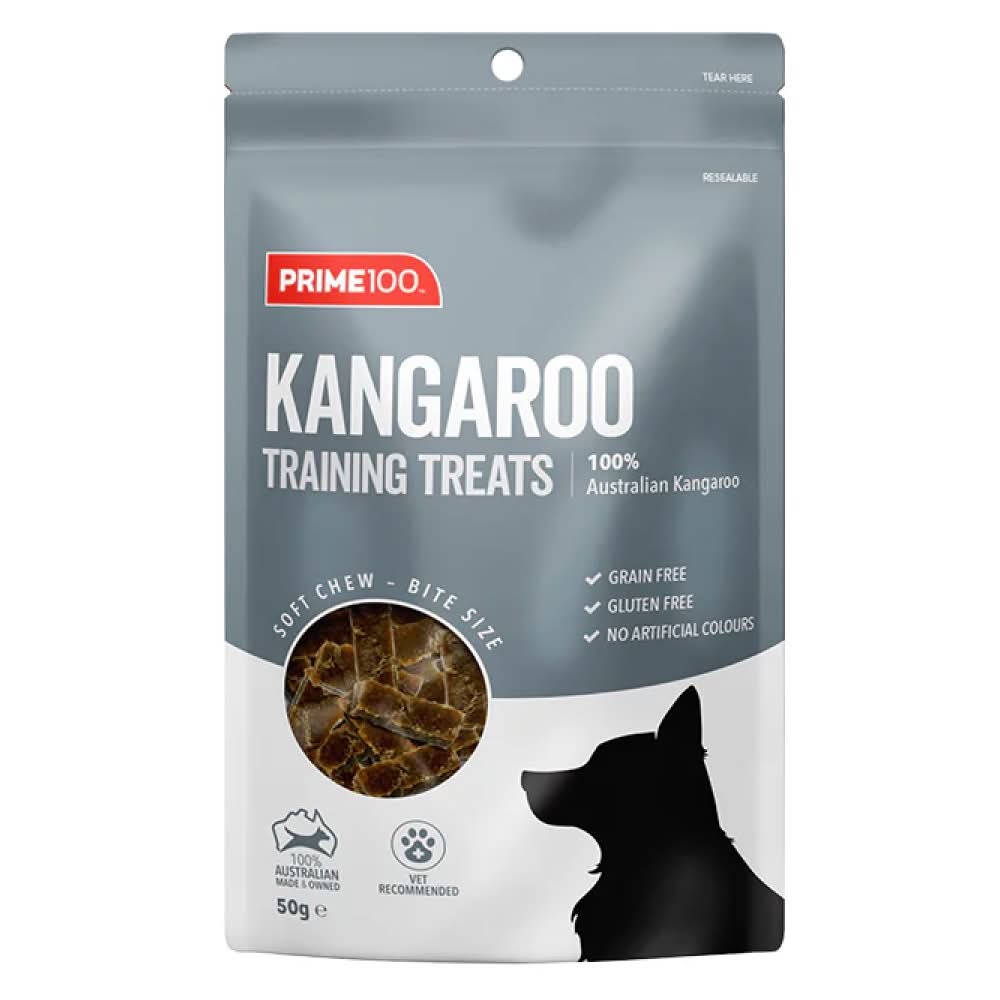
Cairns are intelligent and quick to learn, but they have a true terrier's independent streak. They'll happily learn what's in it for them and ignore commands that don't seem worth the effort. Positive reinforcement with food rewards works best — heavy correction makes them shut down or become evasive.
Recall is the main weakness. Their prey drive is strong enough to override training when something interesting moves. Train recall in controlled environments, and accept that off-lead exercise should always be in fenced spaces.

Suitability
Cairn Terriers suit active families, first-time terrier owners, and anyone who wants a small dog with character but minimal grooming hassle. They're excellent with children, manageable in apartments, and one of the more sociable terrier breeds. Their durability and adaptability make them a strong choice for Australian conditions, particularly in cooler climates.
They're not the right breed for owners who want a quiet, low-key companion. Cairns bark, dig, and follow their nose into trouble — these are features, not bugs. They're not safe with small free-roaming pets, and a bored Cairn becomes a destructive Cairn. If you can match their energy and accept the digging, you'll get a loyal, intelligent, and remarkably easy-going terrier.
Frequently Asked Questions
How much does a Cairn Terrier cost in Australia?
Are Cairn Terriers good for first-time dog owners?
Are Cairn Terriers hypoallergenic?
What breed of dog was Toto in The Wizard of Oz?
How long do Cairn Terriers live?

Comments
0 comments
Login to Join the Conversation 💬